
Reviewed · SUMO SHOWS
Tokyo Sumo Morning Practice: Viewing & Exclusive Interaction
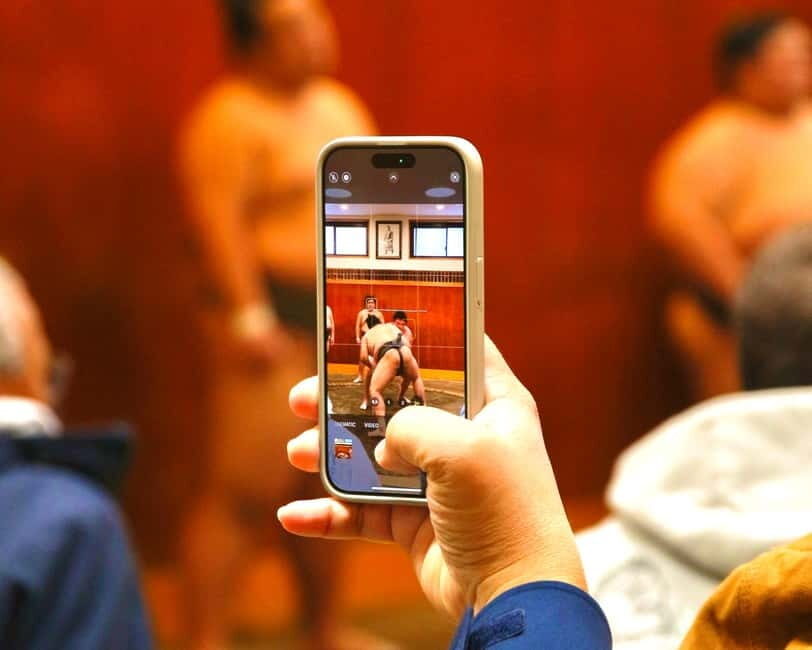
Sumo practice is close enough to feel. This morning tour in Sumida gets you to a stable area for an insider briefing, then into the viewing zone where you can watch real training right in front of you. You also get plenty of time afterward for Tokyo sightseeing, since this is a focused 2.5 to 3 hour experience.
My favorite part is the wrestler interaction. You’ll get an English-speaking guide, time for a Q&A, and a photo moment that’s far more personal than what you get at most sumo matches. It’s the kind of access that makes sumo feel human, not just myth.
One thing to consider: it’s not a free-for-all. There can be quiet waiting during the practice, and ring participation follows long-standing tradition (women aren’t allowed to step into the ring). Plan for a morning that’s part viewing, part respectful ceremony.
In This Review
- Key things you’ll notice on this Tokyo sumo morning
- Why Tokyo sumo morning practice is worth it, even without tournament dates
- Narihira Park orientation: the right setup before the stable
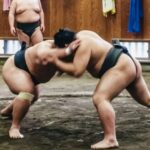
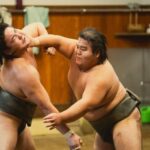
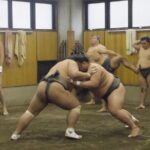
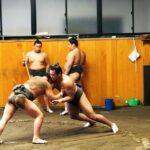
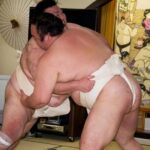
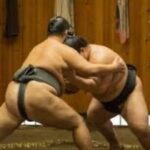
- Morning practice viewing: meters away from real training
- The seating reality
- Exclusive interaction: Q&A and photos that actually feel personal
- Ring participation: fun for some, not for everyone
- Closing back at the park: Banzuke souvenir and a final wrap-up
- Optional Japanese brunch: a good add-on if you want more local flavor
- Price and timing: does $95.77 make sense?
- Who might feel it’s pricey
- Practical tips for a respectful, smooth morning in Sumida
- Who should book this Tokyo sumo morning practice tour
- Should you book this Tokyo sumo morning practice tour?
- FAQ
- How long is the Tokyo sumo morning practice tour?
- Where do we meet for the experience?
- Is there an English-speaking guide?
- What does the tour include besides viewing the practice?
- Is there a souvenir?
- Do I get time to visit Tokyo after the tour?
- Is the Japanese brunch included?
- How close is the viewing compared with a sumo match?
- Can everyone participate in stepping into the ring?
- Is free cancellation available?
Key things you’ll notice on this Tokyo sumo morning
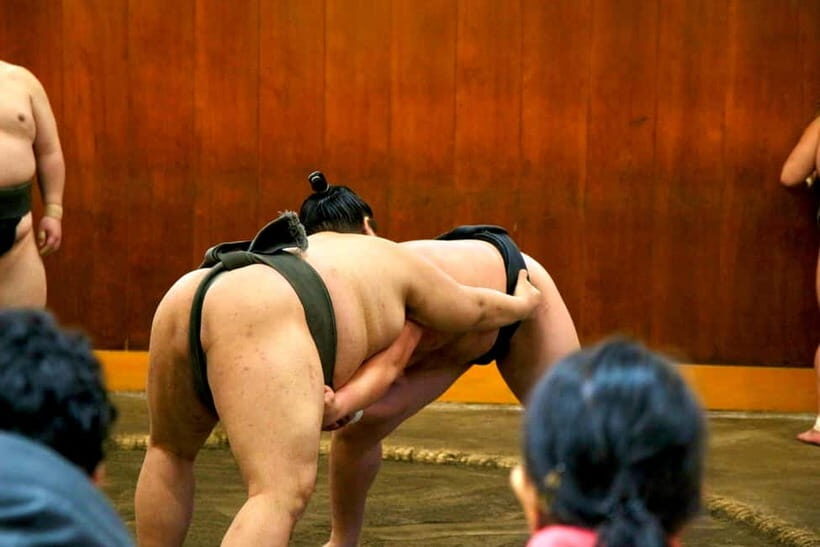
- Up-close viewing of actual practice drills and practice matches, not a staged show
- English-speaking guide who sets context before the wrestlers get moving
- Q&A plus a photo session with the wrestlers for a real memory, not just a souvenir
- Banzuke ranking-sheet souvenir presented back at the park in a special folder
- Small-stable feeling: group size is capped at 45, and some sessions can feel very intimate
- Optional Japanese brunch afterward if you want to keep the morning going
More chances to sit ringside
- Tokyo: Sumo Show and Dining Experience★ 4.8 · 2,742 reviews
- the SUMO show★ 5.0 · 1,960 reviews
- Tokyo Shinjuku Sumo Show & Experience with Photo★ 5.0 · 1,750 reviews
Why Tokyo sumo morning practice is worth it, even without tournament dates
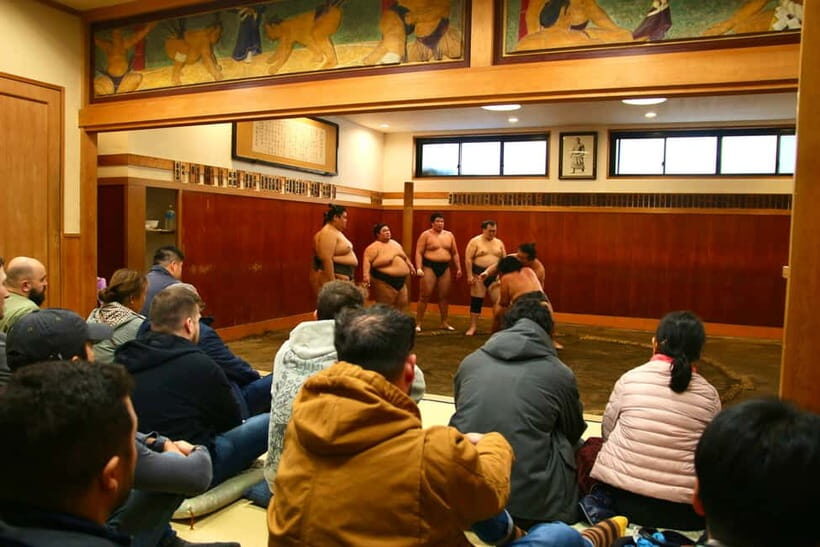
Sumo tournaments in Tokyo don’t happen nonstop. If your trip lands outside the major events, you’d normally miss that big arena atmosphere. This tour is the fix. Instead of waiting for tournament dates, you see sumo in its natural setting: training mornings, with rituals, repetition, and focus.
I like that the experience is built around how wrestlers actually get ready. Training isn’t a warm-up act for the main event. It’s the whole culture. When you watch how they move together and how they reset between rounds, you get a better sense of what sumo is day-to-day: discipline first, spectacle second.
Narihira Park orientation: the right setup before the stable
You meet back at Narihira Park in Sumida (near the multipurpose restroom). That matters because it gives you a simple, clear landmark before you move toward the stable area. The guide starts with an insider briefing that sets the tone for what you’ll see and how you should behave once the session begins.
This orientation typically covers the hidden history and the rituals that make sumo feel more like ceremony than sport. It also helps you understand what you’re looking at during practice, so you don’t just watch motion—you notice the intent. Several guide names show up in the experience stories, including Sarah and Haru, and the explanations are consistently described as helpful and clear.
In practice, this part does two smart things:
- It helps you follow the flow of the morning without guessing what comes next.
- It gives you something to ask about during the Q&A later, because you’ve already learned the basics.
Morning practice viewing: meters away from real training
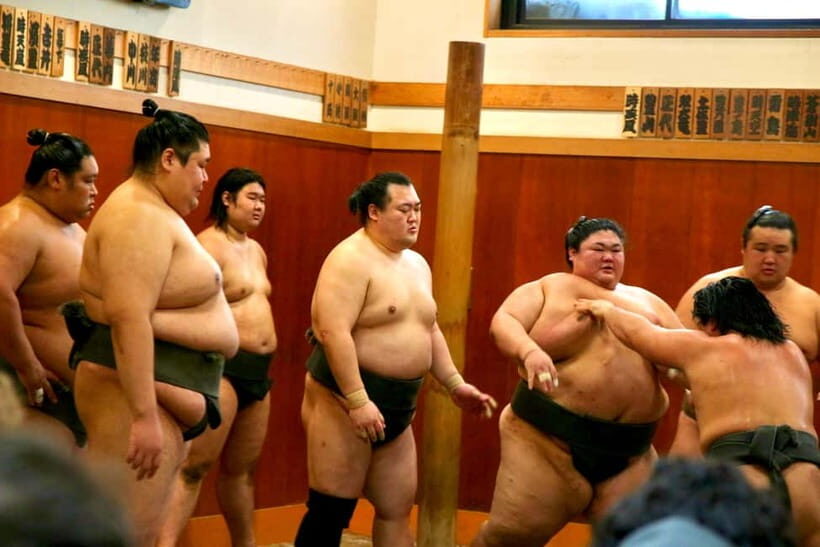
Once you’re positioned for the practice, you get the payoff: you’re close enough to see details that are invisible from far back at a stadium. The description of the experience is blunt, in a good way. You’re there to witness the raw power up close, with the sound and impact you’d never get from TV.
During the session, the morning training can include practice rounds and drills that show individual styles. One big theme from the feedback: it doesn’t feel staged. You’re watching athletes working through real routines, including moments that look like matches—just not a full tournament.
This is also why the morning timing works. Early practice is when concentration tends to be high and the mood is serious. It’s not just “come watch some wrestlers.” It feels like you’re witnessing a small window into their daily life.
The seating reality
Here’s the practical side: you may spend a chunk of time sitting quietly. One review notes it’s not the easiest fit for children if they’re restless, since you have to stay seated and behave respectfully. If you’re traveling with kids, bring patience. If you’re the type who loves rules and quiet focus, you’ll probably enjoy it.
Worth weighing up alongside this Tokyo pick:
Exclusive interaction: Q&A and photos that actually feel personal
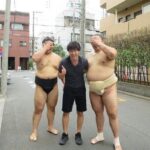
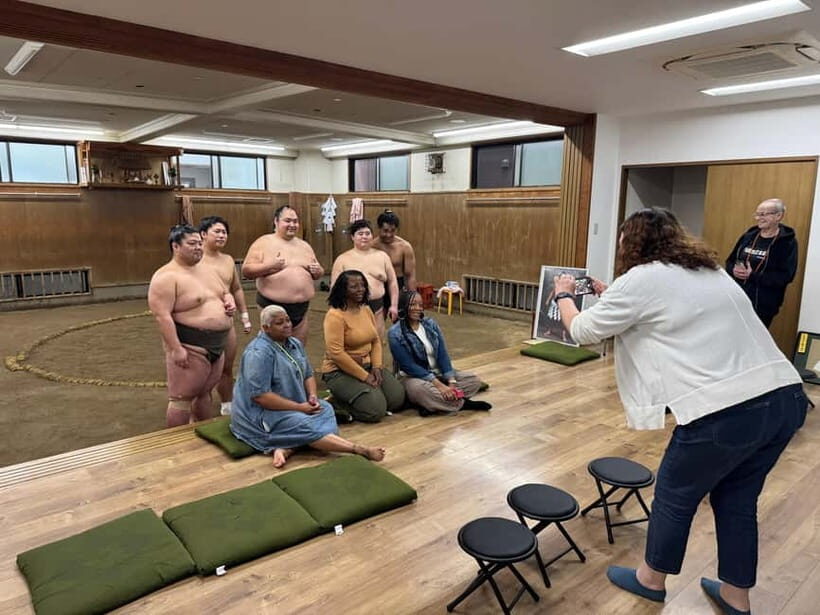
After the viewing, the tour shifts gears into interaction. This is one of the most praised pieces of the whole morning: exclusive Q&A and a photo session with the wrestlers.
The guide translates and keeps the momentum going, which is important because you’ll want to ask real questions—things like how they got into sumo, what training feels like, or what certain rituals mean. People also highlight that wrestlers come across as friendly and open. That doesn’t mean it turns into a casual hangout. It means the athletes answer with care, and the moment feels respectful.
Ring participation: fun for some, not for everyone
Some interaction sessions include a chance for participants to step into the ring area and try pushing or going up against the wrestlers. One reviewer mentions being allowed to push a sumo wrestler, and another describes men in the group getting a chance to go in the ring.
Here’s the key consideration: long-standing tradition restricts women from stepping into the ring. The tour is still described as suitable for most people overall, but if ring participation is your main goal, be aware that it may not be available to everyone.
That said, even if you’re not stepping in, the photo moment and Q&A still make the experience feel special. This is the part that turns sumo from TV entertainment into something you remember as a conversation.
Closing back at the park: Banzuke souvenir and a final wrap-up
The tour finishes where you started: back at Narihira Park for a closing session. This includes an official Banzuke (ranking sheet) presented in a specially designed souvenir folder, plus time for extra Q&A.
Why I like this ending: it creates a clear “you’re done” moment without rushing you out the door. You get a tangible take-home item that actually fits sumo culture, not just generic merchandising.
The banzuke is a small thing, but it’s meaningful. It’s the language of sumo rankings, and it makes your morning feel connected to the bigger world of the sport.
Optional Japanese brunch: a good add-on if you want more local flavor
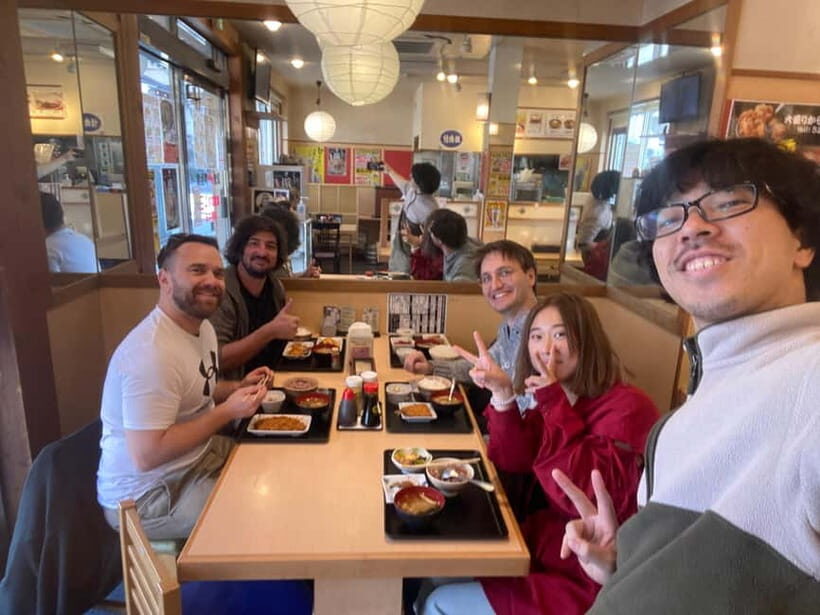
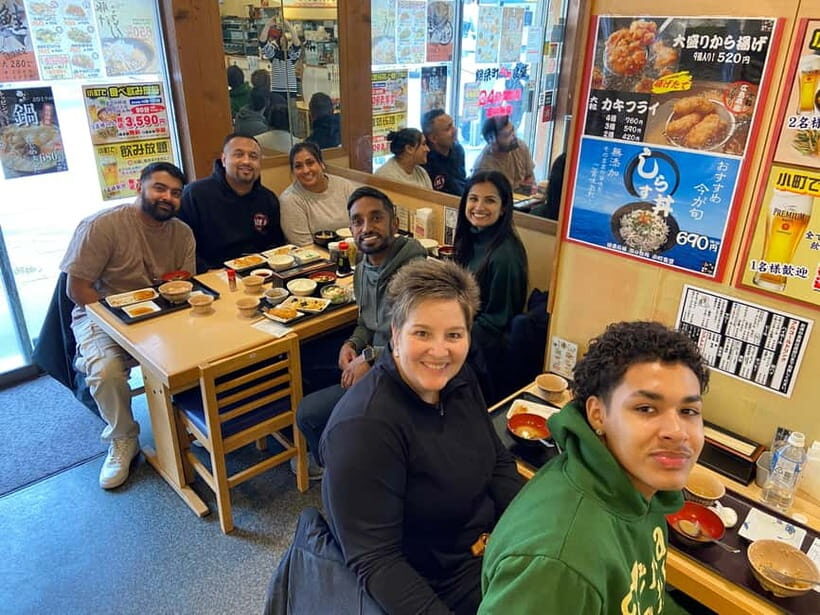
There’s an optional Japanese brunch after the training. Including food makes sense here. A sumo morning can leave you hungry, and the tour timing is tight enough that it’s helpful to have an easy next step.
In the stories you’re given, brunch gets praised for being a smooth continuation of the morning, with guides explaining dishes and helping you choose. One reviewer also gives helpful reality-check pricing: expect roughly 1,000 to 2,000 yen depending on what you order, and the meal is more like lunch in the European sense than a light European-style brunch.
If you’re the kind of person who likes to keep moving after tours, this is a nice option. If you’re already booked for breakfast nearby, it’s totally fine to skip.
Price and timing: does $95.77 make sense?
At $95.77 per person, this isn’t a bargain-basement activity. The value comes from the access. You’re paying for:
- the English-speaking guide,
- the fee for the morning practice viewing,
- the structured interaction with wrestlers,
- and the official souvenir set (banzuke and folder).
A lot of sumo experiences revolve around an arena day. This one is different. Training access is rarer, and it happens only in certain windows. You’re also getting a guided “translation layer” for the Q&A, which is a big deal if you want to ask questions and understand ritual context.
Timing also affects perceived value. The tour runs about 2 hours 30 minutes to 3 hours, then you’re free. That matters in Tokyo, where transit time and “what do we do next?” costs add up fast. If you plan a full morning of sightseeing after, you’re squeezing more out of the half-day than you would with longer tours.
Who might feel it’s pricey
Two kinds of people may feel the price is high:
- Those who want a full match experience rather than a training session.
- Those who mainly want ring action and are disappointed by the traditional restrictions.
If your goal is to see sumo where it starts—training, ritual, and discipline—then the price feels easier to justify.
Practical tips for a respectful, smooth morning in Sumida
This kind of visit runs on structure. Your best move is to treat it like a ceremony with rules, not a casual meet-and-greet.
- Bring your mobile ticket and keep it accessible.
- Meet at Narihira Park near the multipurpose restroom so you don’t waste time hunting around.
- Follow your guide’s lead on behavior during the stable viewing. You’ll likely need to sit quietly for stretches.
- Think of questions you can ask in advance. The guide can help translate, but you’ll get more out of it if you come prepared.
- If brunch is on your plan, give yourself extra room in your schedule. Even one additional meal can change the pace of the rest of your day.
And if you’re sensitive about gender ring participation: know that tradition limits it. That doesn’t affect watching or Q&A, but it can change what you personally get to do.
Who should book this Tokyo sumo morning practice tour
I’d point you toward this tour if you:
- Want an authentic look at sumo training, not just a tournament atmosphere.
- Enjoy learning rituals and context before watching live sport.
- Like small-group experiences with a limit of 45 participants.
- Travel with family members who can sit and pay attention for a morning block.
- Want photos and a Q&A that go beyond “look, a wrestler.”
It also fits well if you’re visiting Tokyo during months when major tournaments aren’t on the calendar. This gives you a sumo moment anyway, without waiting for luck.
Should you book this Tokyo sumo morning practice tour?
If your ideal Tokyo experience is up close, structured, and genuinely cultural, I think you should book. The biggest strengths are the proximity to real practice, the Q&A and photo access, and the fact that it’s designed to leave you time for the rest of your day.
Skip it only if you’re specifically chasing one of these:
- a full tournament-day match experience,
- heavy ring participation for everyone in the group,
- or an activity where kids can bounce around freely.
Otherwise, this is one of those rare mornings where you don’t just see sumo. You see how sumo is built—repeat after repeat, ritual after ritual—then you get a tangible banzuke to take home.
FAQ
How long is the Tokyo sumo morning practice tour?
The tour runs about 2 hours 30 minutes to 3 hours.
Where do we meet for the experience?
You meet at Narihira Park in Sumida City, near the multipurpose restroom. The start point is listed as 2-chōme-3-番 Narihira, Sumida City, Tokyo 130-0002, Japan.
Is there an English-speaking guide?
Yes. The tour includes an English-speaking guide.
What does the tour include besides viewing the practice?
It includes the morning practice viewing fee, an official souvenir set with a Banzuke and original folder, and a segment for interaction with wrestlers (Q&A and photo session).
Is there a souvenir?
Yes. You receive an official Banzuke and an original folder as part of the included souvenir set.
Do I get time to visit Tokyo after the tour?
Yes. The schedule is designed to leave time for Tokyo sightseeing afterward, since the experience is a morning block.
Is the Japanese brunch included?
The brunch is optional after the experience. The information provided says it can be added, and it’s offered as Japanese brunch after your practice viewing.
How close is the viewing compared with a sumo match?
The whole point is closeness. The tour is designed so you see the wrestlers meters away during training and practice.
Can everyone participate in stepping into the ring?
The provided information includes a tradition note from the experience feedback: women are not allowed to step into the ring. Ring participation follows long-standing tradition.
Is free cancellation available?
Yes. You can cancel for a full refund if you cancel at least 24 hours before the experience start time, based on local time.
More Morning in Tokyo
More Tour Reviews in Tokyo






More Mornings with the Wrestlers
Fresh reviews from around Tokyo






Sumo Shows, compared.
 ★ 4.8Sumo Show Experience with Chicken Hot Pot and a PhotoFrom $1036,678 reviews
 ★ 4.8Sumo Show and Dining ExperienceFrom $792,742 reviews
 ★ 5.0the SUMO showFrom $891,960 reviews
 ★ 5.0Tokyo Shinjuku Sumo Show & Experience with PhotoFrom $791,750 reviews
 ★ 4.8Sumo Show and Experience in ShinjukuFrom $691,001 reviews
 ★ 5.0Authentic Sumo Experience in Tokyo: Enter the SanctuaryFrom $171603 reviews
 ★ 4.8Tokyo Sumo Experience: Chanko & Mochi with a Former ProFrom $103567 reviews
 ★ 5.0Ultimate Sumo Tournament: Tokyo, Osaka, Nagoya, FukuokaFrom $184468 reviews
Browse the lists this tour appears in