
Reviewed · PHOTOGRAPHY SESSIONS
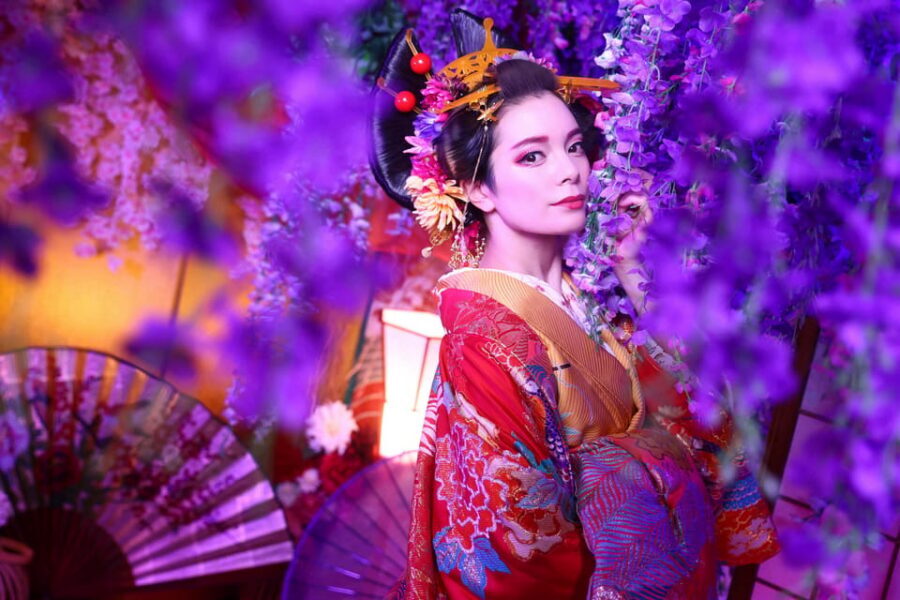
Tokyo: Private Makeover Photography Studio in Luxury Kimono
Tokyo kimono photos feel personal fast.
I like this setup because it’s not a quick photo stop. You get a private studio session in Asakusa right after sightseeing, plus professional hair and makeup tailored to what you want. The big consideration: you need to show up on time, since late arrivals can shorten your session.
The transformation is the point. After you choose from a selection of kimonos, hair ornaments, and props, a photographer guides you through poses in a special photo booth, so even first-timers can look confident. And because the studio is reserved for you that day, the experience stays calm and focused instead of feeling like a line at a rental shop.
In This Review
- Key Points to Know Before You Go
- Finding Irodori Photo Studio Near Richmond Hotel Premier Asakusa
- Why Oiran-Style Kimonos Beat Standard Rental Shops
- The Full Makeover Flow: Pick Kimono, Then Makeup and Hair
- Inside the Private Photo Booth: Pose Coaching That Works
- What You Get After the Shoot: All Image Data for Printing
- Price and Value Check for a Private Session
- Timing, Logistics, and Staying on Schedule
- Who This Fits Best (And Who Should Skip It)
- Should You Book This Irodori Kimono Photo Studio?
- FAQ
- Where is Irodori Photo Studio in Asakusa?
- How long is the photo session?
- Is this a private experience?
- What’s included in the price?
- Do I get printed photos?
- Will I receive the digital photos afterward?
- Are there limits on props?
- Are cosplay items allowed?
- What should I wear to make changing easier?
- Who should not book this experience?
Key Points to Know Before You Go
- Irodori Photo Studio is set up for one private session, with the studio reserved for your use that day
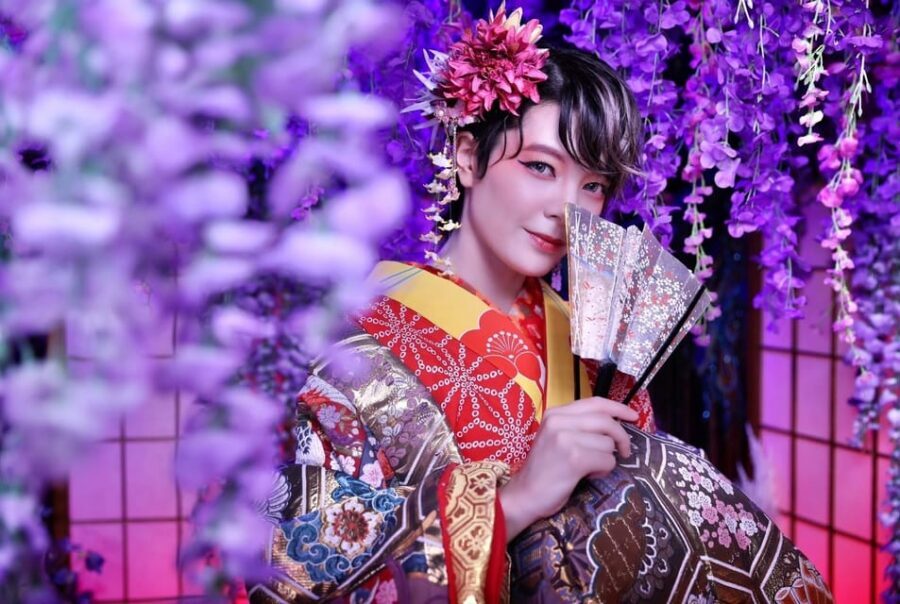
- Oiran-style kimono costumes are included for the shoot, and you’re not limited to standard rental options
- Full staff support covers kimono dressing, hair ornaments, and makeup matched to your preferences
- You get pose coaching during the photo booth session, which helps a lot if you hate cameras
- You receive all shooting image data afterward, so you can use it for printing or sharing
More private options with your own guide
- Tokyo 6hr Private Tour with Government-Licensed Guide★ 5.0 · 3,902 reviews
- Private Tour to Mt. Fuji and Hakone (Fully Licenced Operator)★ 5.0 · 1,910 reviews
- Tokyo Customized Private Tour (Must See Places in 1 Day)★ 5.0 · 1,499 reviews
Finding Irodori Photo Studio Near Richmond Hotel Premier Asakusa
Your start point is Irodori Photo Studio, located next to the back of Richmond Hotel Premier Asakusa. The studio sits on the 3rd floor, so you’ll want to plan a bit of time for stairs or the elevator when you arrive.
The practical win here is that you’re in a very visitable part of Tokyo. Asakusa is easy to roam before your appointment, so you can wander temples and streets at a comfortable pace, then change gears into costume mode without long transit stress.
One more detail that matters: the experience asks you to arrive at the appointment time at the meeting spot. They may shorten your time if you’re late because the next time slot is already on the schedule. So if you’re the type who likes to get pictures first and then scramble for reservations, this is the moment to slow down.
Why Oiran-Style Kimonos Beat Standard Rental Shops
This is not just a costume rental. The photos are the product, and the included wardrobe is built for the camera.
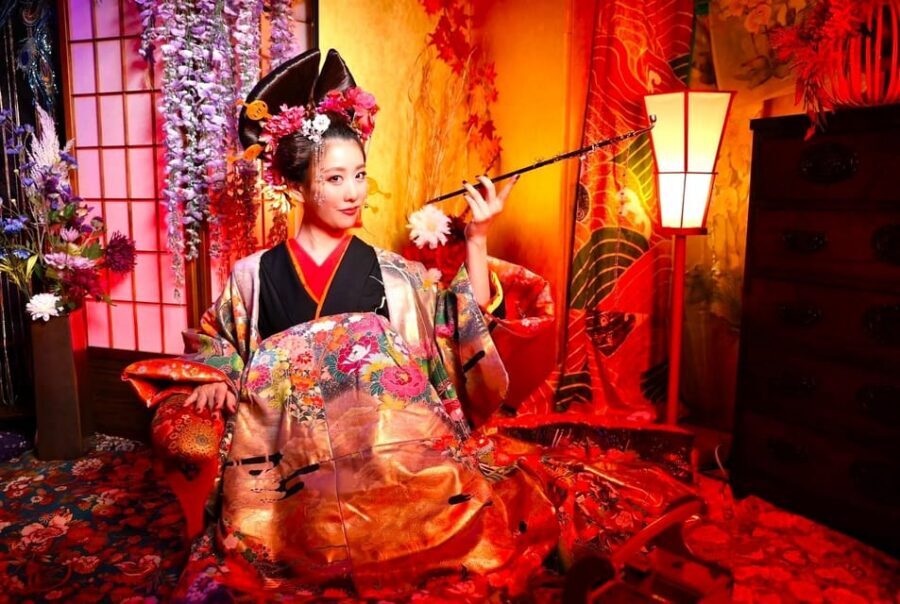
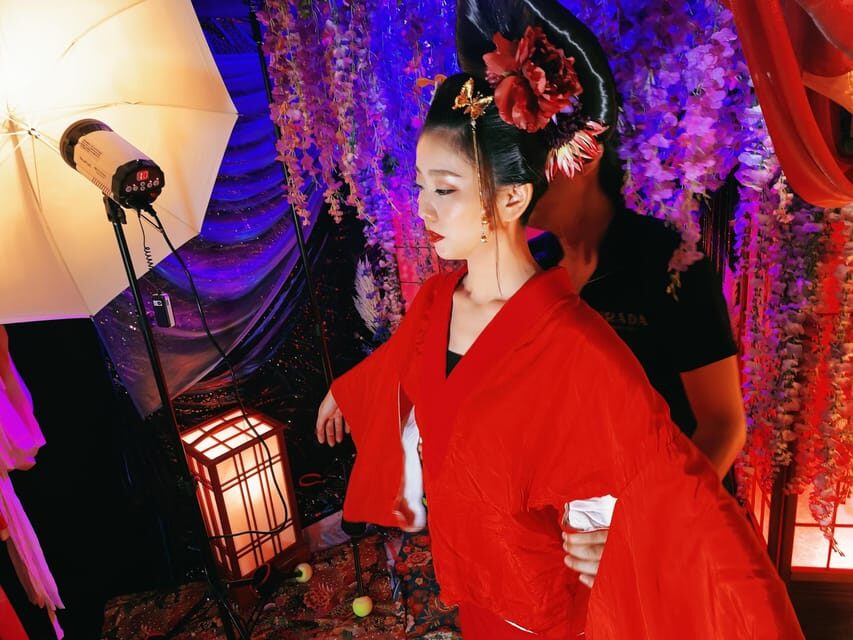
You’ll dress in Oiran-style kimono costumes, which the experience specifically highlights as not available for rental in town. That matters because “rental kimono” often means comfortable-but-standard outfits. Here, you’re picking from a range of kimonos and then matching them with hair ornaments and props, so the whole look has one consistent theme instead of looking like separate parts.
The staff also handles dressing after your hair and makeup. That’s a big deal for photos, because the fit and placement are what make a kimono look intentional rather than just worn. You also get the kind of styling that photographs well up close—especially around the hairline, neckline, and how your sleeves and posture read in a camera booth.
If you want kimono photos that feel like a character transformation without doing cosplay, this is a strong choice. The experience does note that character cosplay and items that could cause copyright issues aren’t allowed, so your safest direction is a traditional style theme.
The Full Makeover Flow: Pick Kimono, Then Makeup and Hair
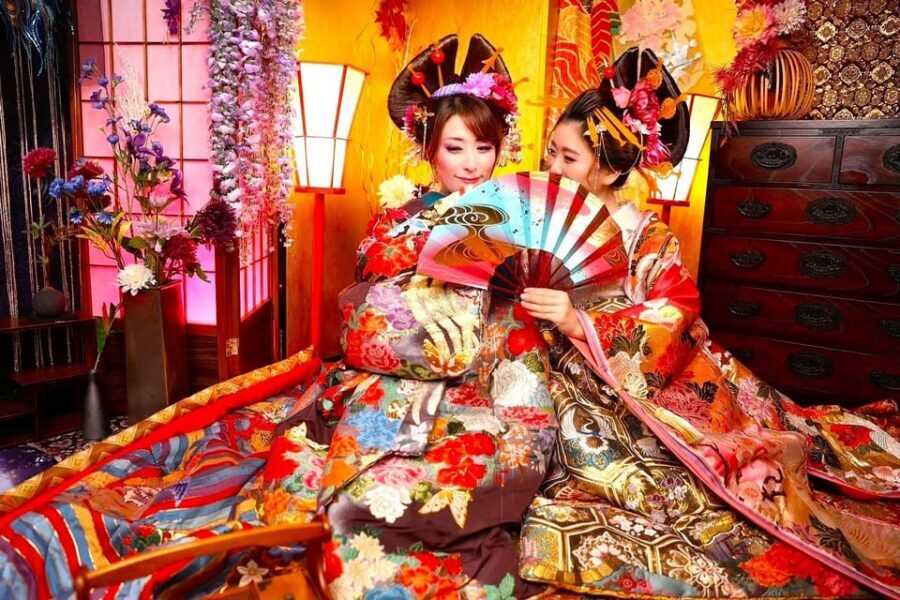
Your session runs 150 minutes, and it’s built around a steady rhythm: selection first, styling second, and photography last.
After you check in, you’ll tell the staff what you want to experience—your desired outfit, hair style, makeup look, and the vibe you’re aiming for. Then comes the fun part: you choose your favorite kimono costume, along with hair ornaments and props from the studio’s selection.
A few practical notes here:
- The experience allows a total of two props per person. If you bring items, pick the ones that help your photos without cluttering your hands or outfit.
- The guide recommends that women wear a camisole and men wear an inner T-shirt with a wide collar. That’s smart advice because it makes changing easier and less stressful when staff are helping you get dressed quickly.
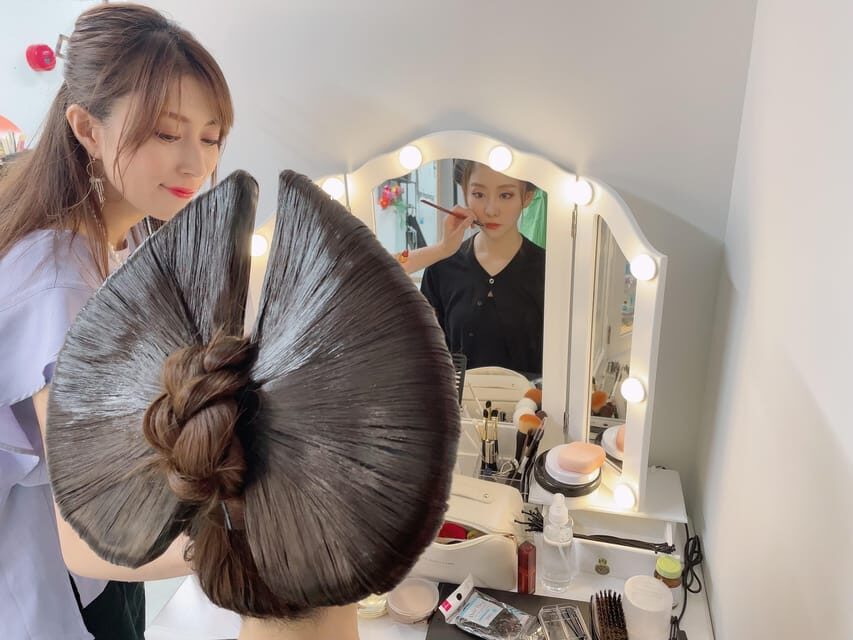
Once you’ve chosen your look, professional staff do your hair and makeup while listening to your preferences. The goal isn’t just pretty makeup—it’s makeup and hair designed to hold up for photos, including under studio lighting. Many people also mention how carefully the staff worked, and how the result made them feel confident.
Then it’s dressing time. You’ll be dressed in the kimono, your transformation finishes, and you’re ready for the photo booth.
Inside the Private Photo Booth: Pose Coaching That Works
This part is where the experience earns its reputation: you’re not left alone in front of a camera.
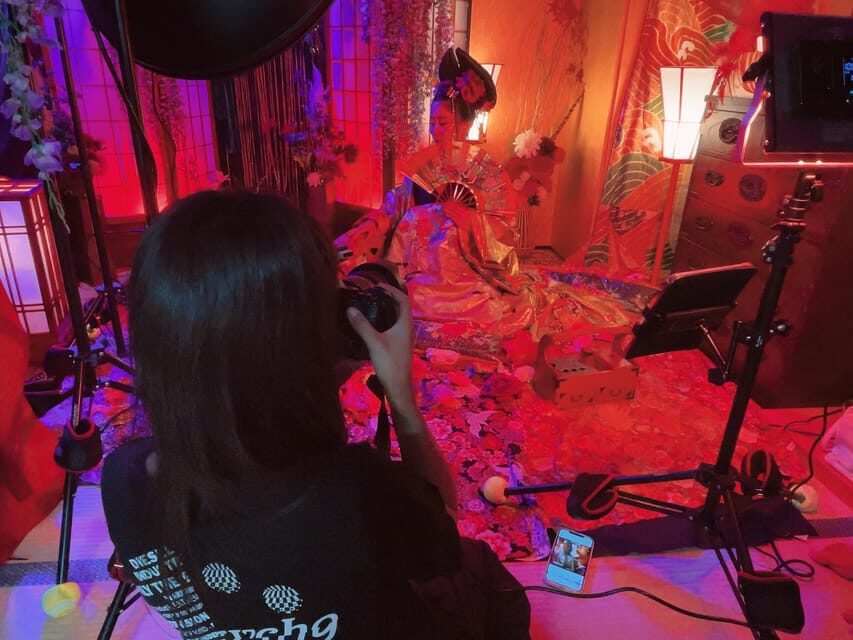
A photographer takes photos in a special photo booth, and they provide advice and take pictures in a variety of styles. The key benefit for you is guidance. If you’ve ever stood in front of a camera and thought, My face is doing something weird, this is the setup that helps.
The vibe in the room tends to be supportive and patient. In past sessions, people have praised how the staff coached poses and helped with confidence, which is exactly what you want when you’re dressed up in a dramatic kimono style. When your outfit is that detailed, even small pose adjustments make a huge difference in how your photos turn out.
Also, because the studio is reserved for you, the pacing feels controlled. You’re not negotiating space with strangers in the background or rushing through dressing and photos to keep up with a crowd. It stays focused.
Worth weighing up alongside this Tokyo pick:

What You Get After the Shoot: All Image Data for Printing
After the photo shooting, you receive all the image data of the photos taken. This is a big value point because it gives you options later instead of locking you into whatever prints they provide on-site.
You can use the data for various printing purposes after you return home. The experience also lists photographic print as not included, which is good to know upfront. So if you like the idea of ordering prints later through an outside service you trust, the included digital data supports that.
If you prefer sharing first and printing later, you’ll also like having the full set. Studio photo sessions can produce a range of expressions and angles, and having the full set means you can choose what you love rather than just a single selected package.
Price and Value Check for a Private Session
The price is $227 per group up to 1 for 150 minutes. In plain terms, it’s not cheap compared to a basic rental. But kimono photos with makeup, dressing, and a dedicated studio time slot are usually expensive for a reason.
Here’s what you’re paying for:
- Hair and makeup included (not just a costume change)
- Kimono dressing and Oiran-style costumes included
- Private studio time reserved for your safe and secure use
- Photo booth shooting with guidance
- Delivery of all image data
For many people, the value comes from the full package. If you tried to replicate this on your own—studio rental, wardrobe styling, and makeup—you’d likely spend more and still end up with uncertainty about how the final photos will look.
So I’d frame this as a “pay for the transformation + pay for the result” experience. If your goal is one great set of kimono photos you can actually use later, this pricing makes more sense than a cheaper rental where you’re doing all the hard parts yourself.
Timing, Logistics, and Staying on Schedule
The experience runs on a timed schedule with reserved slots, and that affects how you should plan your day.
You can come after sightseeing in Asakusa as much as you want, then arrive at your reserved time. Since they may shorten time for late arrivals, I suggest building a small buffer into your morning or early afternoon. If you’re finishing temple hopping, don’t schedule anything right at your appointment moment.
Also note that there’s no hotel pick-up or drop-off included. So you’ll want to handle your own way to the meeting point near Richmond Hotel Premier Asakusa and get up to the 3rd floor.
Language support includes Japanese and English. Some people have mentioned feeling comfortable even with a language barrier, helped by patient staff.
Who This Fits Best (And Who Should Skip It)
This experience is set up for a wide range of adults who want high-quality kimono photos without the work.
You’ll likely enjoy it if:
- You want a makeover (hair and makeup matter to you)
- You’re okay with a guided photo process, not just wandering around holding a camera
- You want a traditional, high-styling look like Oiran style rather than a casual rental
It’s not suitable for:
- Children under 15
- Pregnant women
- Wheelchair users
- People over 264 lbs (120 kg)
That last point matters more than it sounds. Studio styling and changing require space and support, and you should respect these limits to keep the experience comfortable for everyone.
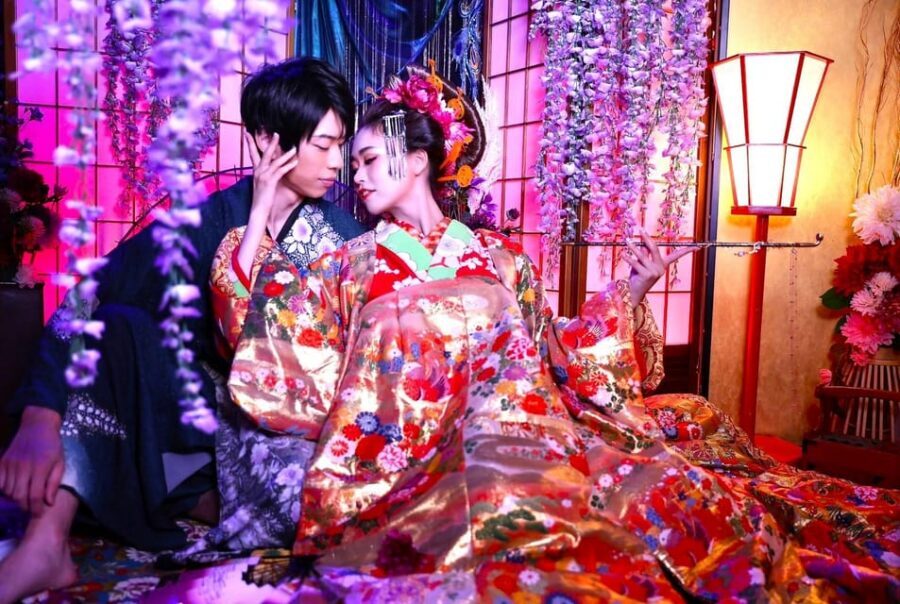
If you’re visiting as a couple or group, check what your booking includes, since the activity type is described as a private group. Past sessions also mention couples packages, which suggests the studio can handle more than one person depending on the booking.
Should You Book This Irodori Kimono Photo Studio?
Book it if you want a smooth, professional experience that turns your Asakusa day into a real photo story. The combination of Oiran-style costumes, staff-run hair and makeup, a private reserved studio, and pose coaching is exactly what makes these photos feel special instead of awkward. Add in the fact that you get all image data, and you’re not trapped into a single print package.
Skip it if your plan is purely budget-driven and you don’t care about makeup styling or guided posing. In that case, a simpler rental might fit better. Also, if you’re sensitive about time constraints, remember that late arrivals can shorten the session.
If you’re celebrating a birthday or milestone, this is a classic move too. People have described it as a highlight and loved the confidence boost that comes from being styled head to toe and coached through a studio shoot.
FAQ
Where is Irodori Photo Studio in Asakusa?
The studio is called Irodori Photo Studio, located next to the back of Richmond Hotel Premier Asakusa, and it’s on the 3rd floor.
How long is the photo session?
The duration is 150 minutes.
Is this a private experience?
Yes. It’s described as a private group.
What’s included in the price?
Included are professional hair and makeup, gorgeous kimono costume rental for photographing (Oiran style costumes), photography in a private photo studio, and delivery of all photo data taken.
Do I get printed photos?
No. Photographic print is not included.
Will I receive the digital photos afterward?
Yes. You’ll receive all the image data of the photos taken.
Are there limits on props?
Yes. Each person is allowed to bring a total of two props.
Are cosplay items allowed?
No character cosplay or goodies that may cause copyright issues may be used.
What should I wear to make changing easier?
The experience recommends women wear a camisole and men wear an inner T-shirt with a wide collar to facilitate changing.
Who should not book this experience?
It’s not suitable for children under 15, pregnant women, wheelchair users, and people over 264 lbs (120 kg).
More VIP in Tokyo
Just Your Group: Private Options
More Tour Reviews in Tokyo






Fresh reviews from around Tokyo






Photography Sessions, compared.
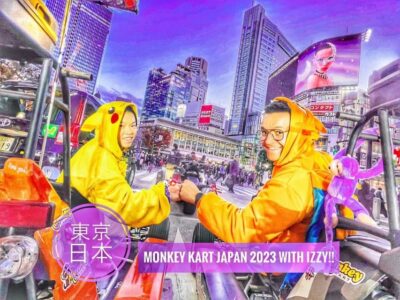 ★ 4.8Tokyo Go-Karting Experience: Shibuya Crossing with PhotosFrom $90190 reviews
 ★ 5.0Tokyo Cyberpunk Street Photo TourFrom $184165 reviews
 ★ 5.0Tokyo by Night Photography Tour (Private Option Available)From $105151 reviews
 ★ 5.0Tokyo Shinjuku Night Photo Tour with Pro GotaFrom $85142 reviews
 ★ 5.0Tour with Pro Tokyo Photographer and take Edgy Unique PortraitsFrom $14580 reviews
 ★ 5.0Tokyo Portrait Tour with a Professional PhotographerFrom $9258 reviews
Tokyo Asakusa: Miu Kimono Rental and Optional PhotoshootFrom $3254 reviews
★ 5.0Tokyo Portrait Tour with a Professional PhotographerFrom $9258 reviews
Tokyo Asakusa: Miu Kimono Rental and Optional PhotoshootFrom $3254 reviews
 ★ 5.0Photo Shoot with a Private Vacation PhotographerFrom $28353 reviews
Browse the lists this tour appears in