
Reviewed · ASAKUSA TOURS
Tokyo Early Morning Tour Asakusa Meiji Shrine (Private Opt)
Tokyo moves fast, and so should you.
This early start is built for people who want the big-name sights without the afternoon stampede. You get a planned route with an English-speaking guide, plus the flexibility to go private or follow a self-guided option. The lineup hits major neighborhoods in one run: Asakusa, Tsukiji Fish Market, Meiji Jingu Shrine, and Shibuya Crossing.
Two things I like a lot: first, the itinerary keeps admission tickets free at each stop, so you’re spending on the guide and time, not entrance fees. Second, the route is designed so the morning feels calmer, which makes it easier to take in what you’re seeing and actually hear the commentary (instead of guessing over shoulder-to-shoulder crowds). One thing to consider: food and drinks aren’t included, and you’ll want to plan for snacks or a meal on your own, since part of Tsukiji is all about eating.
In This Review
- Key Highlights Worth Your Early Start
- Why a Tokyo Early-Bird Route Beats the Afternoon Crush
- Price and What You Get for $59.46
- Meeting at Asakusa Azumabashi and Ending at Hachiko
- Stop 1: Asakusa and the Senso-ji Area at First-Light Energy
- Stop 2: Tsukiji Fish Market Outer Market With Food-Lover Focus
- Stop 3: Meiji Jingu Shrine’s Forest Calm (and Why It Breaks Up the Day)
- Stop 4: Shibuya Crossing and the Hachiko Finish Line
- Private vs. Self-Guided: How to Choose What Fits Your Style
- The Guides Make the Difference (Hana and Kouta Are Noted Favorites)
- How to Prep So You Enjoy Every Stop
- Who This Tour Fits Best (and Who Might Skip It)
- Should You Book This Early Morning Asakusa–Meiji–Shibuya Tour?
- FAQ
- How long is the Tokyo Early Morning Tour?
- What are the main stops on the tour?
- Is admission included for the sights?
- Is this tour private or self-guided?
- What does the tour include?
- What is not included in the price?
- Where does the tour start and end?
- How many people are in the group?
- What should my fitness level be?
- Can I cancel for a full refund?
Key Highlights Worth Your Early Start
- A smart morning rhythm that helps you beat afternoon crowds at top sights
- English-speaking guide commentary to connect what you’re seeing with why it matters
- Free entry at each scheduled stop, including Asakusa and Meiji Jingu
- Tsukiji Outer Market focus, after the inner wholesale market moved to Toyosu
- Small group size (max 8) for a more personal pace
- Ends at Shibuya Station area, with Hachiko right there to close the loop
More mornings around Senso-ji and the old town
- Tokyo: Japanese Dance Cabaret Theater Asakusa-Kaguwa Ticket★ 4.8 · 2,270 reviews
- Tokyo: Asakusa Walking Tour with Sensoji Temple Visit★ 4.8 · 1,583 reviews
- Tokyo Asakusa Rickshaw Tour★ 5.0 · 1,375 reviews
Why a Tokyo Early-Bird Route Beats the Afternoon Crush
The biggest win here is timing. Tokyo’s famous places can feel like a conveyor belt later in the day. This tour flips the script by getting you moving early enough that you can enjoy the sights without wrestling the biggest crowds.
That calmer pace matters, especially when you want more than photos. As you move through Asakusa, then into Tsukiji, then up to the shrine and out to Shibuya Crossing, you get a steady flow where each stop has time to land. You’re not running from one chaotic scene to another without a breather.
It also helps you with the logistics of first-time Tokyo. Even if you’re comfortable on trains, the morning is when you’re most likely to feel rushed or lost. With a guide and a set path, you’re spared the stress of figuring out how to string together four major landmarks on your own before the day heats up.
And yes, the tour is built around a “check off a lot” approach—so it’s great for the first days of a trip, when you want to build your mental map of Tokyo fast.
Price and What You Get for $59.46
At $59.46 per person for about 5 hours, the value comes from combining three things:
- An English-speaking guide for the full route (not just a quick meet-and-greet)
- Free admissions at each scheduled stop, so you’re not paying to get into what you came for
- A route that saves you time: you’re not piecing together transportation and sequencing from scratch
Your only extra cash item to plan for is the transportation fee (around 600 yen), which is not included. That’s a normal Tokyo add-on, but it’s still good to budget it so you’re not surprised halfway through.
Also, the tour includes a mobile ticket. That sounds small, but it helps you avoid paper hassles when you’re moving quickly across parts of the city. And if you’re traveling with family or friends, the small-group cap (up to 8) helps keep the experience from turning into a long, slow line.
Meeting at Asakusa Azumabashi and Ending at Hachiko
This tour has clear bookends, which I really appreciate on day one.
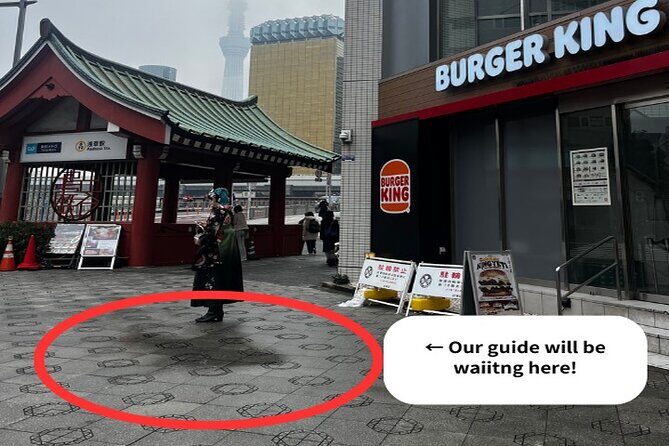
You start at Burger King Asakusa Azumabashi, near Kaminarimon in Taito City (the exact address is listed on the meeting point). Ending point is outside the Hachiko Statue in Shibuya, just by Shibuya Station. That matters because it gives you an easy landing zone at the end—so you can immediately continue your Tokyo day without hunting for your next plan.
One practical upside: because it ends in a famous transit hub, it’s easier to split up if you’re meeting others later. It also gives you a simple way to remember the tour: Asakusa in the morning, Shibuya at the end.
The tour is also described as near public transportation, which usually means less time stuck in transit uncertainty and more time actually seeing Tokyo.
Stop 1: Asakusa and the Senso-ji Area at First-Light Energy
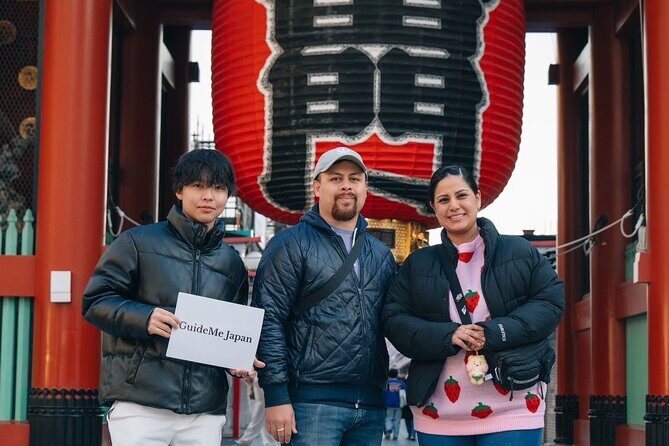
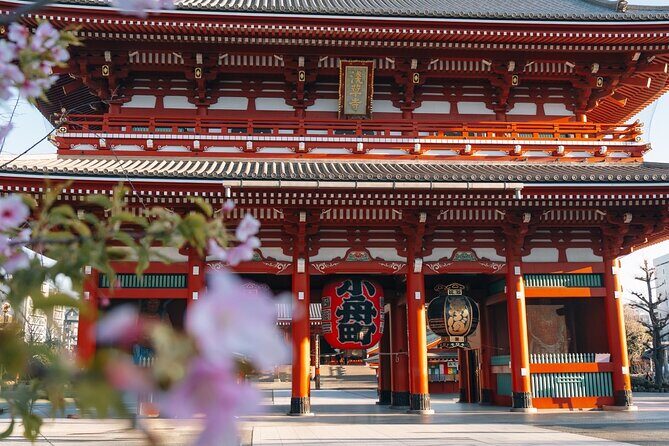
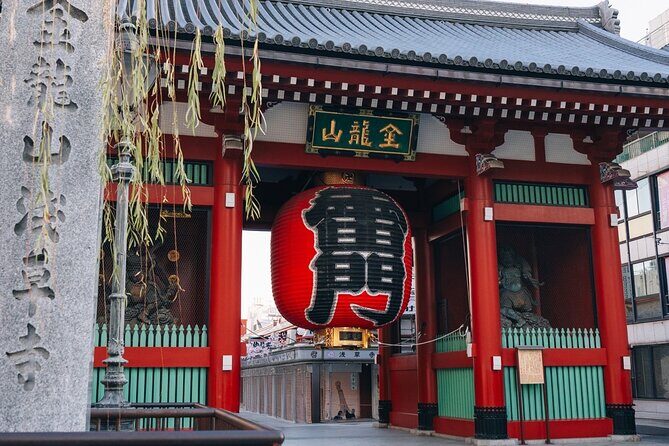
Asakusa is the historic district most people picture when they think of classic Tokyo. The centerpiece is Sensoji, described here as the city’s oldest and most famous Buddhist temple. On this route, you’re not just dropping by—you’re spending about 1 hour in the area with a guide.
What makes this stop work well early is that you can take in the vibe before it turns into a crush. You also get a structured visit around Nakamise Shopping Street, which is packed with the kind of snacks and souvenirs that people associate with Asakusa’s older, street-level side.
If you like your tourism to feel like stepping into a real neighborhood (not just walking through a landmark complex), this is where the day starts to feel meaningful. And since the admission is listed as free for this stop, you’re not distracted by tickets—you’re focused on the streets, the temple area, and the stories your guide is telling.
A small consideration: as a historic sightseeing zone, Asakusa can still be busy even early. But compared with afternoon, you’ll likely find it easier to move, stop, and listen without feeling like you’re constantly being pushed forward.
More forest calm at Meiji Shrine
Stop 2: Tsukiji Fish Market Outer Market With Food-Lover Focus
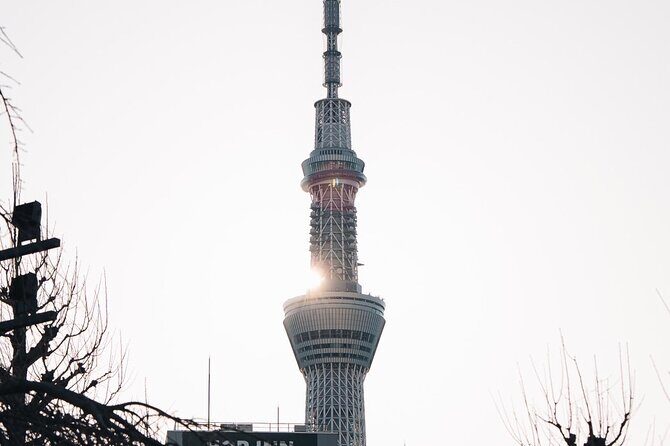
Tsukiji is a magnet, and this itinerary is built around the part that still works as a day-to-day food scene.
The inner wholesale market has relocated to Toyosu, but the outer market still thrives—and that’s what this stop is set up to experience. You’ll have about 1 hour here with admission also listed as free.
What I like about focusing on Tsukiji in the early morning is that it’s not just a “look but don’t touch” stop. The market area has a reputation for food, and the structure here gives you time to browse and decide what you want to eat rather than getting rushed into buying something you don’t actually want.
A key reminder: food and drinks aren’t included, and Tsukiji can tempt you into spending more than you planned. So it’s smart to arrive with a loose plan: maybe one snack or one small meal, instead of trying to taste everything during your hour.
One more practical note: Tsukiji is famous for being active. You’ll want comfortable shoes because even a short market visit can involve plenty of walking and weaving through stalls.
Stop 3: Meiji Jingu Shrine’s Forest Calm (and Why It Breaks Up the Day)
After the market energy, Meiji Jingu is a reset button.
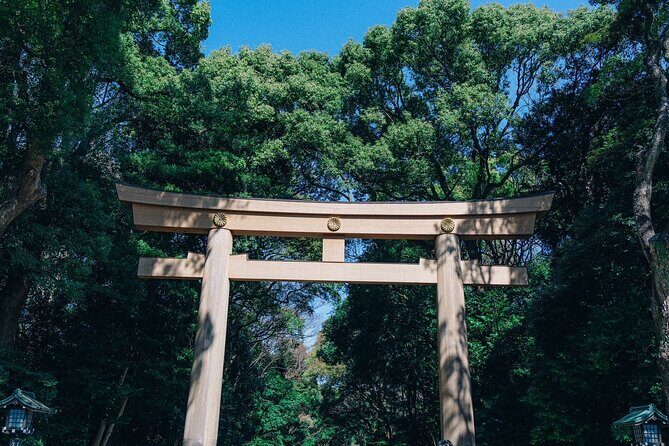
This shrine sits in the heart of Tokyo and is dedicated to Emperor Meiji and Empress Shoken. The description here emphasizes a lush, forested area, and the point of this stop is to give your eyes and mind a break from the city’s noise.
You’ll spend about 1 hour 30 minutes, with free admission. That longer time is important because it gives you breathing room. You’re not just passing through—this stop is long enough to slow down and appreciate the setting and the historical context your guide provides.
It’s also a good place to take a breather if you’ve been doing lots of standing and walking. Even if you don’t treat it as a “quiet meditation” moment, it helps you move through the rest of the tour with less fatigue.
A consideration here is mostly mental: if you came to Tokyo ready to sprint from one landmark to the next, the shrine stop can feel different. That’s the point. If you want contrast—busy to calm—this is where you get it.
Stop 4: Shibuya Crossing and the Hachiko Finish Line
By the time you reach Shibuya, your day has a clear arc: tradition, market food energy, shrine calm, then city spectacle.
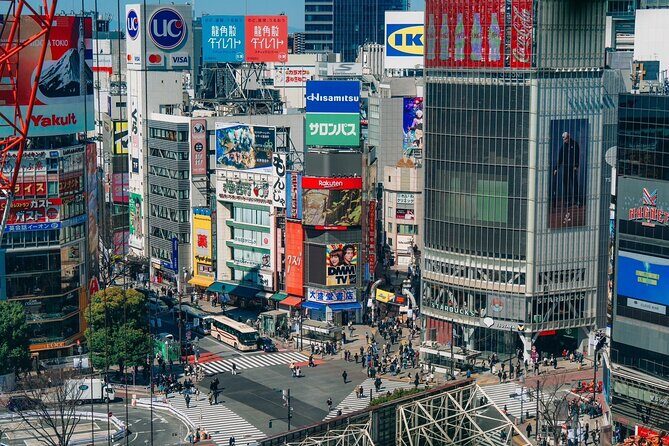
Shibuya Crossing is described as the iconic scramble outside Shibuya Station, with crowds crossing from multiple directions. You’ll have about 30 minutes at this stop, also listed as free.
This is a good final scene because it’s easy to understand even if you’ve never been in Japan before. It’s one of those places where the visual impact does half the explaining.
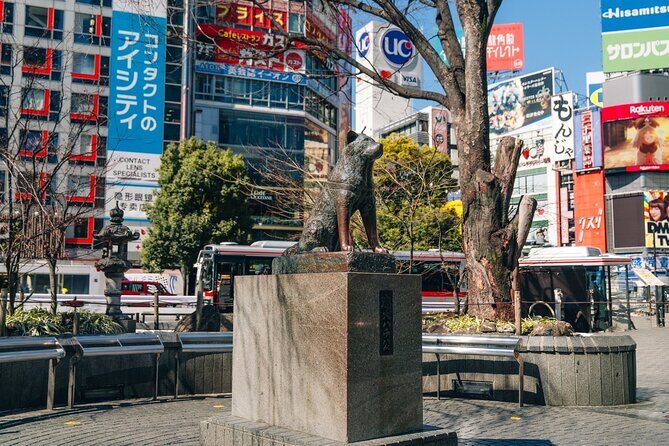
Ending at the Hachiko Statue outside Shibuya Station adds a narrative bookend. Hachiko is honored as the most loyal dog in Japan, and the location makes it simple to stick around, take a few photos, and continue your plans nearby.
If you’re someone who likes to end a tour with a landmark you can revisit later, this is a strong finish. Shibuya is so central that it becomes a natural hub for the rest of your evening.
Private vs. Self-Guided: How to Choose What Fits Your Style
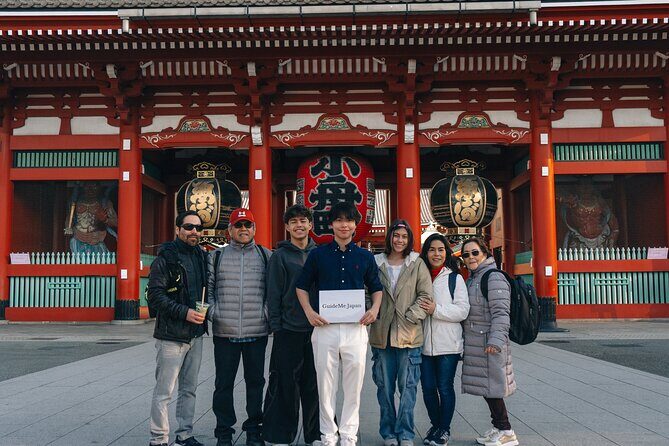
This tour offers flexibility: you can choose a private option or a self-guided style approach.
If you want the guide’s help the most, pick private. The itinerary includes commentary throughout, which is where you get the extra value beyond just walking through four famous neighborhoods. This is especially useful if you’re the type who asks questions or likes to understand what you’re seeing while you’re there.
If you’re a confident self-starter and want to move at your pace, the self-guided option can make sense—especially if you’re already comfortable with basics like train navigation and reading signs.
Either way, the route is the same idea: early start, strong sequence, and efficient time use. The main difference is how much you rely on a guide for context and pacing.
The Guides Make the Difference (Hana and Kouta Are Noted Favorites)
The tour is powered by an English-speaking guide, and the stand-out theme from guide performance is how well they explain things in a human way.
In the provided experiences, Hana Tanaka is praised for being both informative and personable, and for answering questions in a way that feels like a local friend showing you Tokyo—not a script read off a clipboard. Kouta is also singled out as great at answering questions and connecting well even with teenage boys, which is a useful clue: this tour can work for mixed ages without turning into a lecture.
If you’re traveling with first-timers, this is especially valuable. People new to Japan often need a little extra patience and guidance to feel confident. A good guide can turn the day from just sightseeing into an orientation.
How to Prep So You Enjoy Every Stop
You’ll want to be ready for a walking-focused morning. The tour lists moderate physical fitness as the expectation, and the time blocks add up across multiple locations.
Practical prep tips:
- Wear comfortable shoes, especially for Tsukiji and the station areas
- Bring water or plan to buy it yourself, since food and drinks aren’t included
- Have a simple plan for meals so Tsukiji doesn’t wreck your budget
- Expect a quick pace between neighborhoods, even if the early timing reduces crowds
One nice piece of tech help is the mobile ticket, which reduces time wasted on paperwork. And because the start and end points are both in major areas, you can anchor the rest of your day easily.
Who This Tour Fits Best (and Who Might Skip It)
This tour fits best if you want:
- A fast introduction to Tokyo with a logical route
- Fewer crowds and less heat pressure during the top sights
- A guided version of landmark hopping, capped at 8 travelers
It can also be a strong family option. The route is built around major icons, and the guide approach described in the experiences suggests the explanations can work for kids and teens too.
You might skip it if:
- You prefer long, slow temple visits where you fully disappear into one place
- You only want food experiences and don’t care about shrine or crossing
- You dislike structured tours and want to wander without a set flow
Also, if your travel style is mostly late-morning onward, this one demands an early start. But if you want the payoff of quieter mornings, that’s exactly why you book it.
Should You Book This Early Morning Asakusa–Meiji–Shibuya Tour?
I’d book it if you’re aiming to see a lot of Tokyo’s headline sights in one calm, guided run. The value isn’t just the price—it’s the setup: free admissions, an early timing advantage, and an English-speaking guide to connect the dots between Asakusa, Tsukiji, Meiji Jingu, and Shibuya.
The biggest reason to hesitate is also simple: since food and drinks aren’t included, Tsukiji and market-style stops can cost extra if you’re not careful. If you’re okay making a small snack plan, you’ll likely love how much you get done.
If your trip is short, or you want day one to feel organized, this tour is a smart move.
FAQ
How long is the Tokyo Early Morning Tour?
It runs for about 5 hours (approx.).
What are the main stops on the tour?
The tour includes Asakusa, Tsukiji Fish Market, Meiji Jingu Shrine, and Shibuya Crossing.
Is admission included for the sights?
Admission tickets are listed as free for the scheduled stops.
Is this tour private or self-guided?
You can choose flexible options, including a private option or a self-guided tour.
What does the tour include?
It includes an English-speaking guide.
What is not included in the price?
Food and drinks aren’t included, and there’s a transportation fee of around 600 yen.
Where does the tour start and end?
It starts at Burger King Asakusa Azumabashi, and it ends at the Hachiko Statue by Shibuya Station.
How many people are in the group?
The tour has a maximum of 8 travelers.
What should my fitness level be?
A moderate physical fitness level is recommended.
Can I cancel for a full refund?
Yes. You can cancel up to 24 hours in advance for a full refund.
More Tour Reviews in Tokyo






More Time at Meiji Shrine
Around Senso-ji: More Asakusa Picks
Fresh reviews from around Tokyo






Asakusa Tours, compared.
 ★ 4.8Japanese Dance Cabaret Theater Asakusa-Kaguwa TicketFrom $492,270 reviews
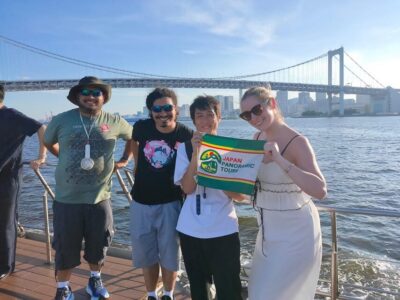 ★ 4.7Meiji Shrine, Asakusa, Skytree Bus Tour and CruiseFrom $1221,986 reviews
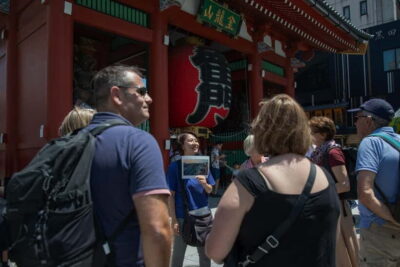 ★ 4.8Asakusa Walking Tour with Sensoji Temple VisitFrom $221,583 reviews
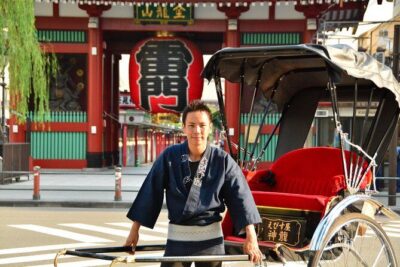 ★ 5.0Tokyo Asakusa Rickshaw TourFrom $421,375 reviews
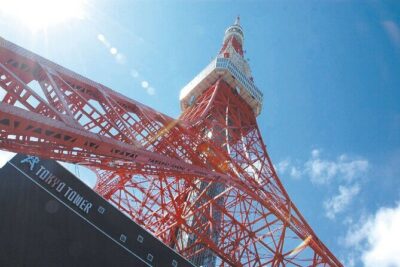 ★ 4.5Tokyo Panoramic 1 Day: Meiji Shrine, Asakusa, Odaiba and SKYTREE®From $851,222 reviews
 ★ 4.8Samurai Ninja Museum Asakusa: Samurai Sword Lesson & TourFrom $63306 reviews
Asakusa Sightseeing Tour by RickshawFrom $35195 reviews
Asakusa Kimono Dressing and Matcha ExperienceFrom $56173 reviews
★ 4.8Samurai Ninja Museum Asakusa: Samurai Sword Lesson & TourFrom $63306 reviews
Asakusa Sightseeing Tour by RickshawFrom $35195 reviews
Asakusa Kimono Dressing and Matcha ExperienceFrom $56173 reviews
Browse the lists this tour appears in