
Reviewed · CITY TOURS
Tokyo: Private City Highlights Tour
Tokyo can feel like a lot.
This private tour is a smart way to tame it, with a guide steering you through the big names and the smaller moments between them. I like the private format (up to five people, your own pace) and the way it mixes old Tokyo with modern landmarks: Senso-ji and Meiji Shrine sit next to Skytree and Shibuya Crossing. One thing to consider: you’ll be doing a lot of walking in multiple neighborhoods, so comfortable shoes really matter.
What makes this experience interesting is the blend of ceremony and street life. You get iconic sights like Senso-ji’s Kaminarimon Gate area, then shift gears to shopping and youth fashion at Harajuku/Takeshita Street. Even the route adjustments can help—if weather turns ugly, the guide can find a workable backup plan rather than forcing you to slog through it.
If you want a checklist tour, this can still feel like one—but the customization option is the difference. You can tell your guide what to prioritize (history, technology, shopping, landmarks), and you’re not stuck with a fixed script.
In This Review
- Key Things I’d Pay Attention To
- Private Tokyo, 8 Hours, One Team in Your Car
- Asakusa and Senso-ji: Old Tokyo With Real Atmosphere
- Meiji Shrine: A Peaceful Reset in a Forest Setting
- Skytree Panoramas and Shibuya Energy: Two Tokyo Moods in One Day
- Tokyo Skytree: the view first, always
- Shibuya Crossing: the icon, without the trap
- Imperial Palace East Gardens and Tokyo Tower: Classic Sightseeing With Breathing Space
- Imperial Palace and East Gardens
- Tokyo Tower: a quick stop that still feels Tokyo
- Shinjuku Gyoen National Garden: When You Want Legs and Fresh Air
- Tsukiji Outer Market and Takeshita Street: Food Finds and Fashion Noise
- Tsukiji Outer Market: seafood, snacks, and quick bites
- Harajuku and Takeshita Street: people-watch like it’s a sport
- Taito City Add-On: A Short Neighborhood Window
- Ahmad-Style Touring: Flexibility, Patience, and No Rush
- Price and What You’re Really Buying for $319
- Should You Book This Tokyo Private City Highlights Tour?
- FAQ
- How long is the Tokyo Private City Highlights Tour?
- What is the price and group size?
- Is entrance fees and lunch included?
- Where does hotel pickup work?
- What languages are available?
- Is the tour wheelchair accessible?
Key Things I’d Pay Attention To
- A private group of up to five means less waiting around and more control over pacing.
- Skytree (634 meters) gives you real panorama time, with a possible Mt. Fuji view on clear days.
- Senso-ji to Meiji Shrine is a great contrast—busy temple streets, then a quiet forest sanctuary.
- Shibuya Crossing is brief by design, so you get the moment without burning half your day in transit.
- Harajuku/Takeshita + Tsukiji Outer Market cover both street style and easy, snack-friendly food stops.
- Guide flexibility matters, especially if weather or your energy level changes.
Bigger sweeps: other Tokyo city tours
- Tokyo: Private City Highlights Tour with Local Guide★ 4.8 · 1,433 reviews
- Tokyo: 3-Hour Bike or E-Bike City Highlights Tour★ 4.8 · 435 reviews
- Tokyo: Sumo Morning Practice Tour at Sumida City★ 4.8 · 308 reviews
Private Tokyo, 8 Hours, One Team in Your Car
The biggest “value” here isn’t just that you’ll see major Tokyo highlights. It’s that you’ll do it with private vehicle transport and a guide who can manage the flow between neighborhoods. Tokyo’s geography is its own puzzle, and this format saves you from a constant train-and-bus scramble.
You’re looking at an 8-hour day with hotel pickup and drop-off in central Tokyo areas (pickup isn’t offered from airports/ports/stations). The tour price is $319 per group up to five, which is a meaningful deal when you’re splitting the cost among friends or family. If you’re a solo traveler, it’s still often competitive versus paying for multiple separate taxis plus wasting time figuring out directions.
One practical note: the provider warns drivers can run late up to 30 minutes due to highway traffic. Tokyo roads can get weird fast, and this doesn’t ruin the day as long as you build a little breathing room into your schedule.
Included basics that help you stay focused: transportation in a private vehicle, petrol, highway tolls, and onboard WiFi if available. Entrance fees and lunch are not included, so you’ll want a bit of cash and/or a card ready for whatever you choose to pay in each area.
Asakusa and Senso-ji: Old Tokyo With Real Atmosphere
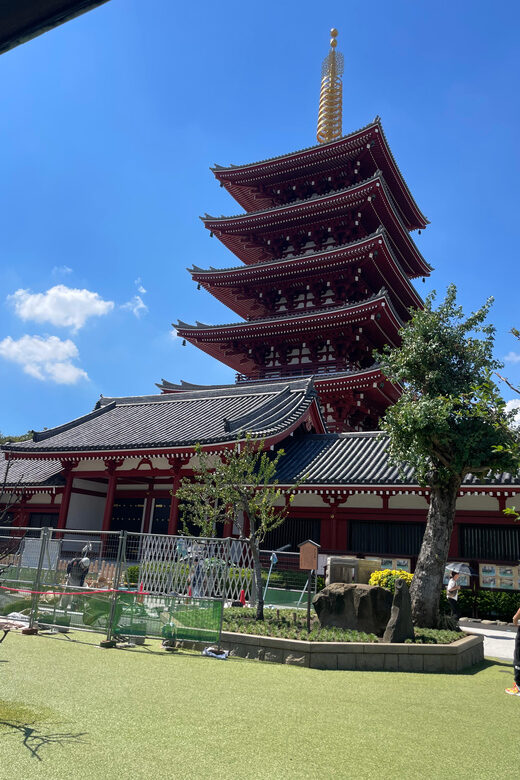
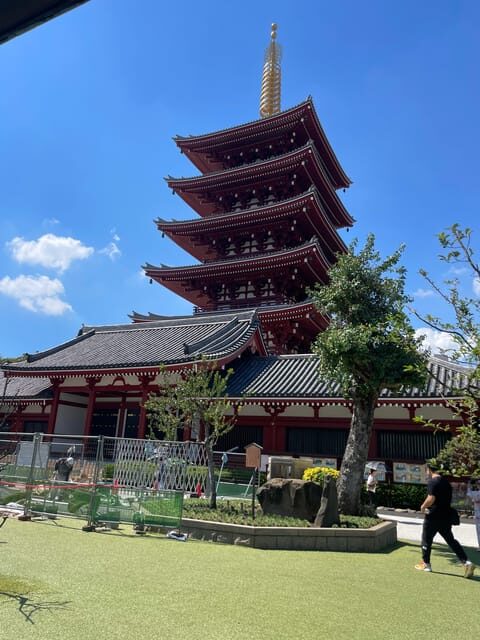
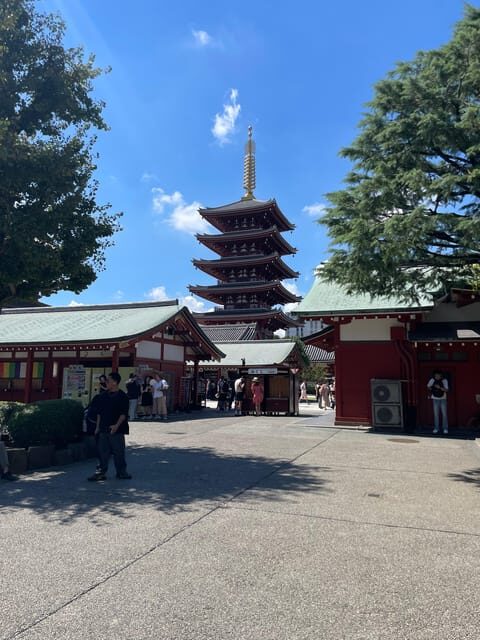
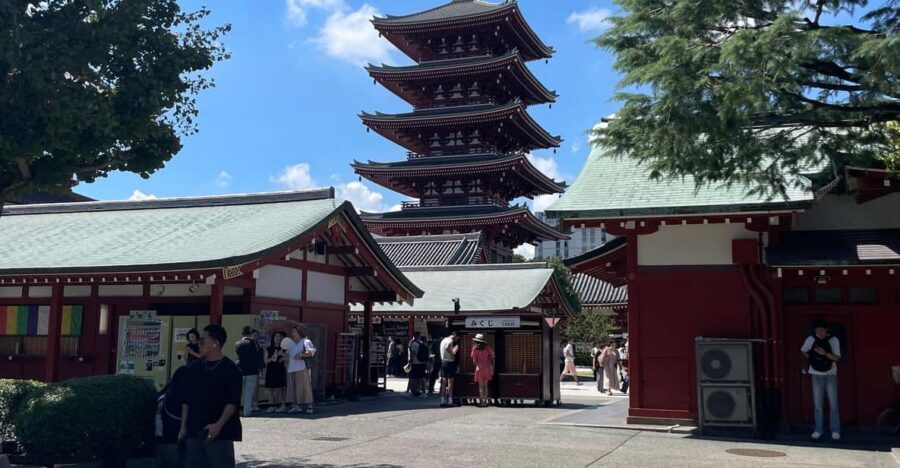
Asakusa is where Tokyo puts on its traditional face—and it starts at Senso-ji, the city’s oldest and most famous Buddhist temple area. You’ll spend about an hour here, which is long enough to see the big iconic components without feeling rushed.
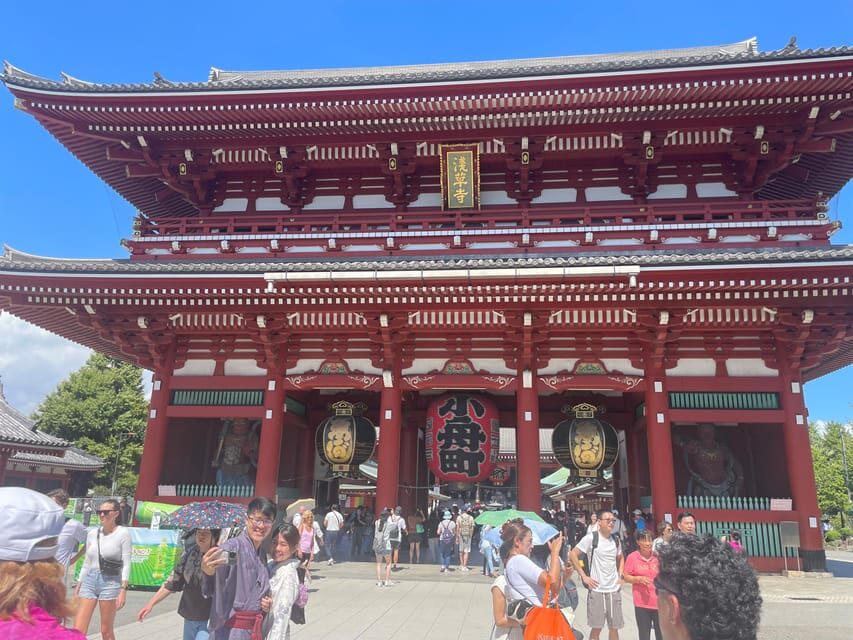
What makes this stop special is the sequence. You’ll pass the Kaminarimon Gate, then walk the Nakamise Street stretch lined with traditional shops. It’s the kind of place where you can snack as you stroll and still take your time. The main temple complex has been standing since 628 AD, so even if you’re not a temple person, the setting gives you context for how old Tokyo still shapes daily life.
A small “do this” tip: this area is popular, which means you’ll want to slow down at the gate and the shopping street rather than sprinting to the main hall. The street atmosphere is half the experience.
Possible drawback: Asakusa can be crowded, and parts of the experience are walking-heavy. If you have mobility limits, it’s worth telling your guide ahead of time—there’s an emphasis on adjusting the route to minimize unnecessary walking.
Meiji Shrine: A Peaceful Reset in a Forest Setting
Right after Senso-ji’s temple streets, Meiji Shrine is the perfect correction. This Shinto shrine is set in a forested area and dedicated to Emperor Meiji and Empress Shoken, so the mood changes quickly: more quiet, more space, more air.
You’ll have about an hour for the visit and walk. That timeframe gives you enough room to take in the shrine approach, pause for photos, and enjoy the contrast without watching the clock every two minutes.
Why I like this stop in particular: it’s not just a monument. It’s a decompression zone. Tokyo is loud, even when it’s “polite.” Meiji Shrine helps you reset your senses so the later modern highlights—Skytree, Shibuya, shopping areas—feel like a deliberate switch, not a forced cram session.
Skytree Panoramas and Shibuya Energy: Two Tokyo Moods in One Day
Next up: the skyline and the street chaos.
More private options with your own guide


Tokyo Skytree: the view first, always
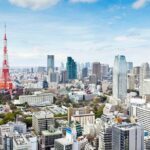
At 634 meters (2,080 feet), Tokyo Skytree is the tallest structure in Japan. You’ll get about an hour here for sightseeing, including panoramic views of the city. On clear days, you might even glimpse Mt. Fuji, which is exactly the kind of “wait, that’s real?” moment you don’t get from casual street photos.
If you’re thinking of going up some observation deck on your own, I get it. But here’s the benefit of having a guide: you spend your energy making choices (what view angles you want, how long you linger), not fighting ticket lines and transit timing.
Shibuya Crossing: the icon, without the trap
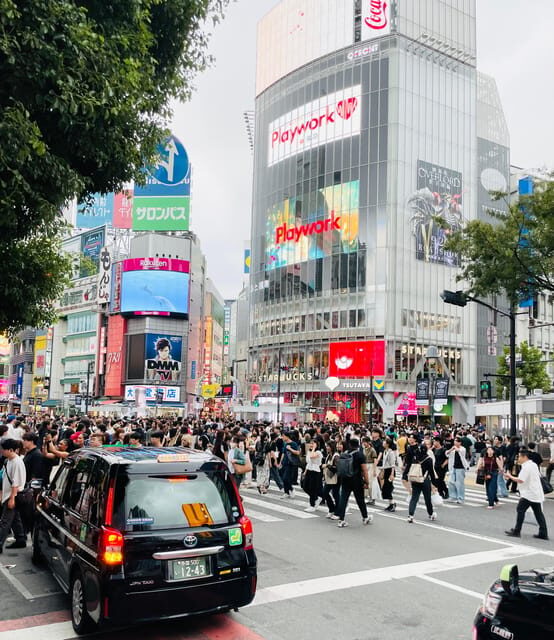
Then you hit Shibuya Crossing, famous for its crowded pedestrian scramble and modern Tokyo energy. You’ll have about 45 minutes, which is a good balance. Long enough to cross, watch, and take photos. Not so long that you’re stuck staring at the same corner while your feet protest.
How to make this stop work: arrive with a plan for what you want—either the wide intersection moment or a quick photo sequence—then let the crowd do the show. Your guide helps you navigate the best times and ways to move through the area without wasting time circling.
Imperial Palace East Gardens and Tokyo Tower: Classic Sightseeing With Breathing Space
After the high-energy icons, the tour steps into Tokyo’s “stately and calm” mode.
Imperial Palace and East Gardens
The Imperial Palace is the Emperor’s residence area, surrounded by impressive gates and gardens. You’ll stop by for about 45 minutes plus time to explore the East Gardens, which are open to the public.
This is one of the best pauses in the day because it’s not about speed. It’s about atmosphere—wide spaces, structured grounds, and the feeling that Tokyo’s modern story sits on top of older governance and ceremonial rhythms.
If you enjoy walking but don’t want constant crowds, this is where you’ll probably feel the most comfortable.
Tokyo Tower: a quick stop that still feels Tokyo
You’ll also visit Tokyo Tower for about an hour. The data here doesn’t lock down the exact viewing focus, but the key point is simple: it’s a recognizable Tokyo landmark, and the timing gives you enough room to see the area without turning it into the whole day.
Shinjuku Gyoen National Garden: When You Want Legs and Fresh Air
The tour includes Shinjuku Gyoen National Garden for about one hour. Even if your main goal is landmarks, I like having at least one garden stop in a day packed with icons. It gives your body a different kind of movement: slower, more restorative, and usually easier for photography than dense streets.
If you’re the type who gets restless when you’re always indoors or always in crowd flow, this is a good reset. And since it’s part of a private day, you can adjust your pace rather than following a group that moves like a metronome.
Tsukiji Outer Market and Takeshita Street: Food Finds and Fashion Noise
This tour intelligently mixes “easy culture” with “fun culture.” Two of the most enjoyable stops are also among the most different.
Tsukiji Outer Market: seafood, snacks, and quick bites
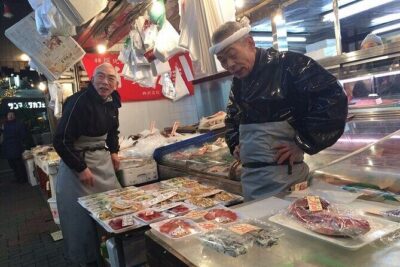
You’ll visit the Tsukiji Outer Market (note: the main Tsukiji Fish Market moved to Toyosu, but this outer market remains popular). Expect stalls and restaurants serving fresh seafood and local dishes.
You’ll find sushi and sashimi options, plus street food like tamagoyaki (Japanese omelette). It’s not a sit-down lunch tour, but it’s a great place to graze. Since lunch isn’t included, this is one of your best chances to handle your own meal choices without feeling stranded.
Practical tip: go in hungry-ish, and let your guide steer you toward what looks best in the moment rather than locking onto one thing too early.
Harajuku and Takeshita Street: people-watch like it’s a sport
Then it’s to Harajuku, with time around Takeshita Street for about 30 minutes. This is famous for street fashion and trendy shops. It’s noisy, colorful, and very Tokyo youth culture.
What I like here for a highlights day: it’s compact. You get the vibe fast, then you can decide how far you want to push your shopping time. Since the tour is private, you can spend more time on what you love and less on what doesn’t click.
If you’re not a fashion person, you’ll still probably enjoy the people-watching and the sense of Tokyo’s creative side. Just remember: this stop is about energy, so comfortable shoes win again.
Taito City Add-On: A Short Neighborhood Window
The itinerary includes a 30-minute visit to Taito City. With no specific landmark named in the tour details you provided, treat this as a neighborhood window rather than a must-see single-site event.
What this can do for your day: it breaks up the pattern of “temple, shrine, skyline, crossing” and adds variety. In a private format, short location hops are often where the most memorable photo stops happen—because they’re unplanned and you’re not trying to conquer one famous monument after another.
Ahmad-Style Touring: Flexibility, Patience, and No Rush
One theme that comes up strongly with guides for this route is service that feels human. A guide named Ahmad is highlighted for excellent English, strong local knowledge, and the kind of patience that makes a big difference when your day gets complicated.
Here’s what I’d treat as the real win:
- The guide adjusts the plan based on what you want to see rather than forcing a rigid script.
- They don’t rush you at stops.
- If the weather turns horrible, they’re flexible enough to find a backup plan instead of making you suffer through it.
- If walking is an issue, they’ll work to minimize distance to the sights.
That last one matters more than people think. Tokyo sightseeing can be deceptively tiring. When a guide can change where you pause and how you move, your whole day feels smoother.
Price and What You’re Really Buying for $319
At $319 per group up to five, this is priced like a private experience, not a budget transit crawl. Is it worth it? For many people, yes—because you’re buying time and decision-making.
You’re getting:
- Hotel pickup/drop-off (within Tokyo conditions)
- Private vehicle with tolls and petrol handled
- A driver-guide option in English or Japanese
- WiFi onboard if available
- A route that blends major icons with a few calmer breaks
What you’re not getting:
- Entrance fees
- Lunch
So the real “math” is: if you’d otherwise spend your day moving between neighborhoods, paying for multiple taxis or trains, and trying to time everything yourself, this private format can be a relief. It’s also easier if you’re traveling with someone whose pace doesn’t match a group tour.
If you’re traveling alone with a tight budget, you may prefer public transport. But if you want a smooth day with minimal friction and a guide who can respond to your interests, this becomes good value fast.
Should You Book This Tokyo Private City Highlights Tour?
Book it if you want a guided, private highlights day that mixes old and new Tokyo without you playing logistics chess all day. It’s especially a smart pick if:
- You’re short on time in Tokyo and want the big icons covered
- You care about both culture and style (temples and Harajuku)
- You’d rather adapt the plan when weather or energy changes
- You’re traveling with up to four others and can share the group cost
Skip it (or think twice) if:
- You hate walking and prefer slower pacing
- You want a fully self-paced day with no guide decisions
- You’re expecting entrance fees and lunch to be handled for you
If your goal is to see Tokyo’s essential sights with less stress and better flow, this tour fits the bill.
FAQ
How long is the Tokyo Private City Highlights Tour?
It lasts 8 hours.
What is the price and group size?
The price is $319 per group, and it accommodates up to 5 people.
Is entrance fees and lunch included?
No. Entrance fees and lunch are not included.
Where does hotel pickup work?
Pickup is included for hotels, hostels, apartments, or other addresses in Tokyo. Pickup is not available from airports, ports, and stations.
What languages are available?
The host or greeter provides English and Japanese.
Is the tour wheelchair accessible?
Yes, the tour is listed as wheelchair accessible.
—
If you tell me your travel dates and whether you want more shopping, more temples, or more skyline time, I can suggest a simple way to prioritize the stops during the 8 hours.
The Whole City in a Day


More Tours in Tokyo




More Tour Reviews in Tokyo




Fresh reviews from around Tokyo






City Tours, compared.
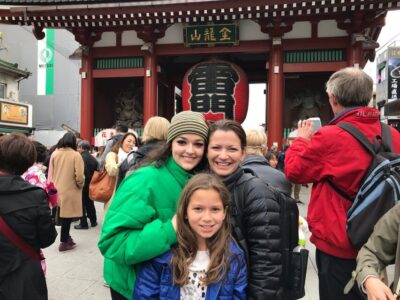 ★ 4.8Private City Highlights Tour with Local GuideFrom $1061,433 reviews
3-Hour Bike or E-Bike City Highlights TourFrom $45435 reviews
★ 4.8Private City Highlights Tour with Local GuideFrom $1061,433 reviews
3-Hour Bike or E-Bike City Highlights TourFrom $45435 reviews
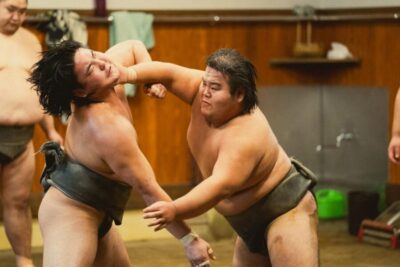 ★ 4.8Sumo Morning Practice Tour at Sumida CityFrom $116308 reviews
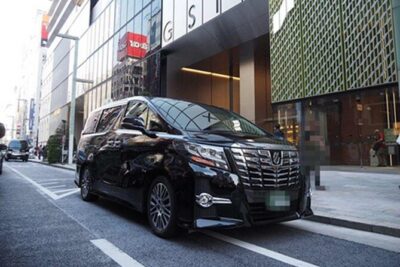 ★ 4.5Private Haneda Airport (HND) to Central Tokyo City TransferFrom $119260 reviews
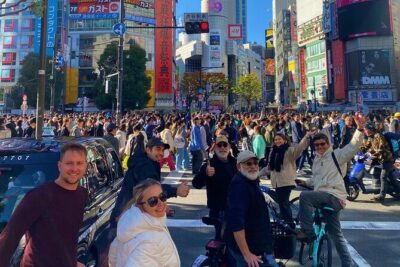 ★ 5.03-Hour Bike/E-Bike Tour of the City’s HighlightsFrom $63209 reviews
 ★ 5.0Small Town in the Big City: Tasting Tokyo’s KichijojiFrom $195195 reviews
 ★ 4.5Private departure transfer from Tokyo city to Tokyo Haneda Airport(HND)From $118123 reviews
Kamakura Walking Tour – The City of ShogunFrom $35100 reviews
★ 4.5Private departure transfer from Tokyo city to Tokyo Haneda Airport(HND)From $118123 reviews
Kamakura Walking Tour – The City of ShogunFrom $35100 reviews
Browse the lists this tour appears in