
Reviewed · TOKYO
1 Day Private Charter Tokyo Tour (Green Number Plates)
Tokyo can overwhelm you fast. This private charter turns the chaos into a clean, one-day hit list.
I really like two things here: the air-conditioned private vehicle (a lifesaver in Tokyo traffic and heat) and the English-speaking guide who keeps the day understandable, not just scenic. There’s also real flexibility built in, so if rain ruins a plan, your guide can steer you toward workable options.
One watch-out: the schedule is tight, and the way the guide works can be more “direction + background” than “stay with you for every single minute inside.” If you want deep, site-by-site narration in every building, you’ll want to set expectations early.
In This Review
- Key highlights at a glance
- Why this private Tokyo charter is worth your one-day time
- The day-by-day flow: what each stop feels like
- Asakusa: Senso-ji starts the day strong
- Nakamise Shopping Street: Kaminarimon to snacks and souvenirs
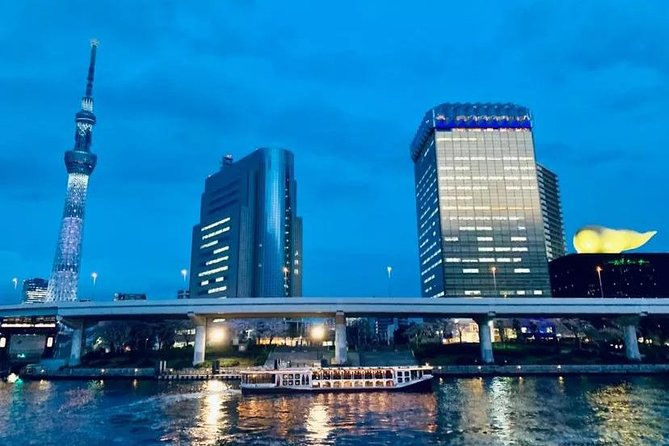
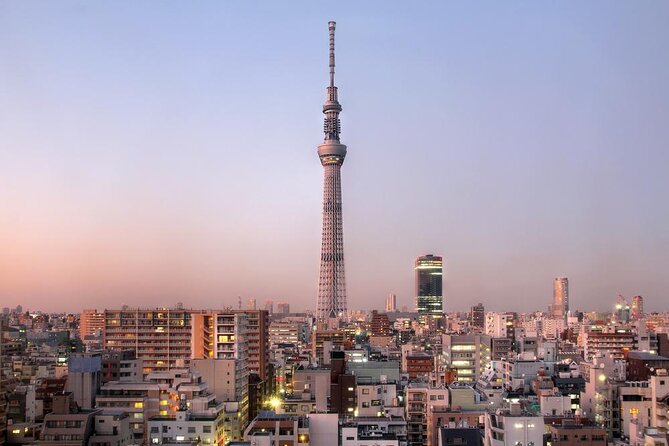
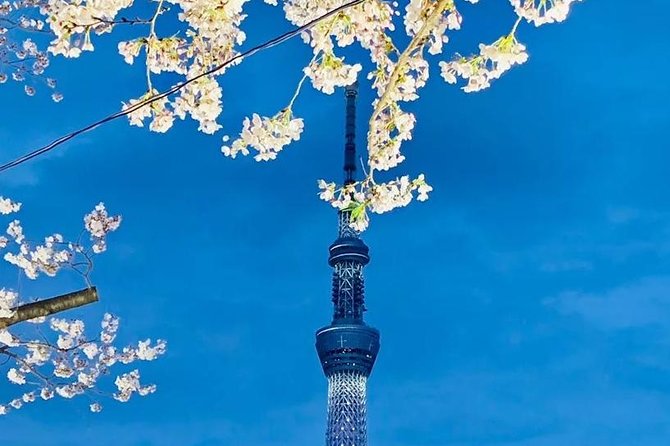
- Tokyo Skytree: a city view moment (tickets not included)
- Imperial Palace area: quick walk outside, big symbolism
- Meiji Jingu Shrine: calm, forested Shinto energy
- Harajuku: Takeshita Street in 30 minutes
- Shibuya Crossing and Hachiko: the Tokyo pop culture duo
- Shinjuku Gyoen National Garden: your weather-dependent finale
- Guides and customization: what you should expect from the human part
- Tickets and admissions: what’s included vs not
- Making an 8-hour day feel easy (not frantic)
- Best fit: who this tour suits
- Price and value: $400 for a group up to 5
- Should you book this one-day Tokyo charter?
- FAQ
- FAQ
- How long is the Tokyo private charter tour?
- What does the tour price include for a group?
- Is pickup included?
- Is this tour private or shared?
- Do I need to buy admission tickets for the attractions?
- Which major sights are part of the day?
- Is there a mobile ticket?
- What if the weather is bad?
Key highlights at a glance
- Private, A/C transport with green number plates, so you can skip overcrowded train transfers
- English-speaking guide, built for first-time visitors who want context fast
- A balanced mix of old Tokyo and modern Tokyo, from Senso-ji to Shibuya Crossing
- Smart timing choices, with short stops for quick photos and longer windows for the big sights
- Rain-aware adjustments, because Tokyo weather can change your day in minutes
- Up to 5 people per group, which is where the value starts to make sense
Before you commit, see how this one stacks up against a few Tokyo favourites:
- Mt Fuji and Hakone 1-Day Bus Tour Return by Bullet Train★ 5.0 · 26,383 reviews
- 1-Day Tokyo Bus Tour★ 5.0 · 14,250 reviews
- Tokyo: teamLab Planets TOKYO Digital Art Museum Entry Ticket★ 4.6 · 9,779 reviews
Why this private Tokyo charter is worth your one-day time
Tokyo rewards planning. Even if you love wandering, one day can get eaten alive by navigation, lines, and transit wrangling. This tour is built to reduce that friction.
You’re not just bouncing between random landmarks. You’re moving through the city in a private car, with an English-speaking guide shaping the day around major zones: Asakusa, the Imperial Palace area, Meiji Jingu, Harajuku/Shibuya, and then a garden finish in Shinjuku. That means you get a “layout of Tokyo” effect quickly. You start to recognize what’s near what, and you leave with a better mental map for the rest of your trip.
Also, the price is for the group (up to 5). That’s crucial. If you travel as a small family or a close group of friends, the per-person cost drops fast compared with paying for separate taxis or separate private arrangements.
The day-by-day flow: what each stop feels like
This tour is designed around a classic Tokyo mix: temple and street vibes, then imperial and shrine symbolism, then the fashion-and-tech energy of Harajuku and Shibuya, capped with a calmer garden.
Stops are scheduled with short, purposeful time blocks. That’s good news if you’re trying to see a lot without feeling like you lived in a museum. It can feel rushed if you’re the type who wants to linger for hours and turn every corner into a photo shoot.
Asakusa: Senso-ji starts the day strong
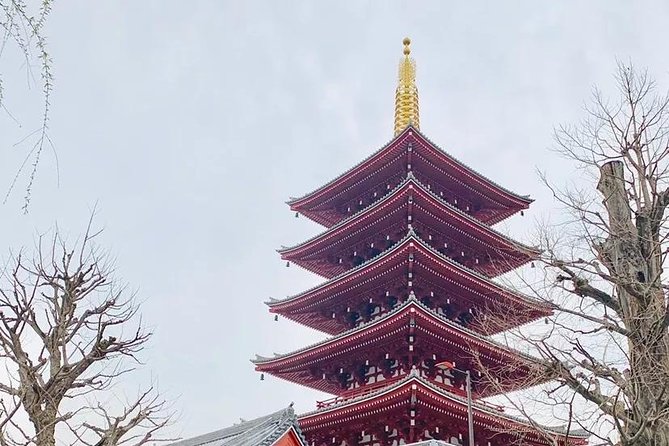
Senso-ji Temple is one of those places that feels like a Tokyo origin story. You get an hour here, and since admission is free, it’s easy to treat it like a real cultural stop rather than a paid-ticket “checkmark.”
What I love about starting in Asakusa is the atmosphere. It’s older Tokyo energy before you hit the ultra-modern parts of the city. You’ll also get your bearings fast: this area is where shopping street Tokyo is most obvious, and it sets the tone for the rest of the day.
Practical tip: go in with comfy shoes. Even if you’re only there for an hour, you’ll likely walk more than you expect once you factor in crowds around the main temple approach.
Nakamise Shopping Street: Kaminarimon to snacks and souvenirs
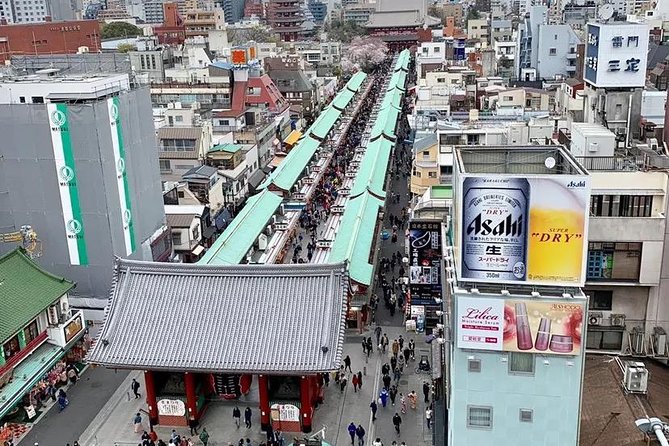
Next comes the Nakamise Shopping Street stretch around Kaminarimon. The time here is short (about 15 minutes) and admission is free, so think of it as a quick taste of traditional shopping culture.
This is the part where you can pick up little gifts, try small bites, or just enjoy the visual energy. If you’re hungry, this is often where you’ll find easy snack options without having to plan a separate meal stop.
Because the time window is brief, I’d avoid trying to buy everything. Instead, treat it like browsing practice: get one or two souvenirs, then move on.





Tokyo Skytree: a city view moment (tickets not included)
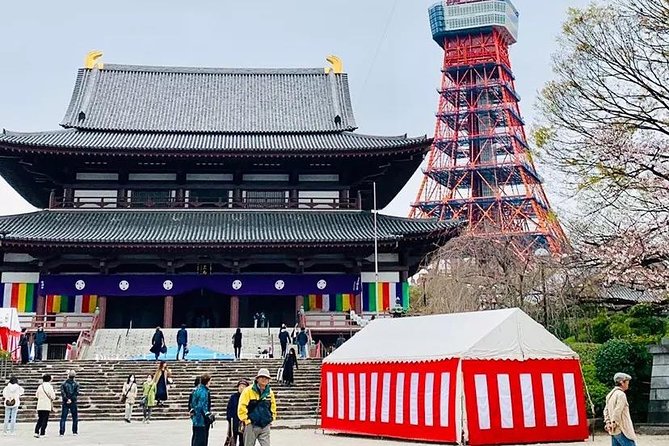
Tokyo Skytree is a big one, and you’ll get about an hour. Admission isn’t included, so you should plan for the ticket cost separately.
Skytree is best when you use it to connect the dots. After temple streets and shopping alleys, you get a “big picture” angle: how Tokyo stacks neighborhoods, how districts look from above, and how far the city spreads.
One practical consideration: Skytree can be easy to lose your way around after you exit. The tour experience is smoother when you agree on a meeting spot and keep an eye on your timing so you don’t chew up the day with backtracking.
Imperial Palace area: quick walk outside, big symbolism
You’ll spend around 10 minutes by the Imperial Palace area, with admission free. This is not a long, inside-the-palace visit. The value here is the symbolism and the sense of where power and history intersect in the modern city.
Because the time is short, treat it as a photographic-and-stroll stop. You’re getting a feel for the space and the calm, open geometry of the area, then you’re moving on.
Meiji Jingu Shrine: calm, forested Shinto energy
Meiji Jingu Shrine gives you about 30 minutes. Admission is free.
If Asakusa starts the day with old-street motion, Meiji Jingu is where Tokyo slows down. The setting feels removed from traffic and noise. It’s a great counterbalance before Harajuku and Shibuya pull you back into fashion, shopping, and the neon rhythm of the city.
In rain, this stop can even become more atmospheric. In prior experiences with guides, people have described downpours without ruining the day, with guides helping adjust plans and offering alternatives when walking in gardens becomes annoying.
Harajuku: Takeshita Street in 30 minutes
Takeshita Street is a pedestrian shopping stretch in Harajuku, and you’ll get about 30 minutes. Admission is free.
This is a “see it, then taste it” zone. You’ll catch youth fashion energy, quick snack culture, and the kind of street style you’ll only see by being there in person. It’s not the place to do deep shopping unless you like crowds.
If you’re traveling with teens or fashion lovers, this is often a highlight. If you dislike crowded areas, you’ll still have fun for a short circuit, but I’d keep your expectations realistic and plan to move steadily.
Shibuya Crossing and Hachiko: the Tokyo pop culture duo
Shibuya Crossing is about 15 minutes, then you’ll spend around 30 minutes on Hachiko.
Shibuya Crossing is famous in movies and photos, but the real magic is how it functions as everyday city logistics. It looks chaotic until you see how people flow through it in practiced waves.
Hachiko is a very different vibe—sweet, local, and easy to connect with. It’s also a natural “pause point” after the crossing, especially if you need a breather from nonstop pedestrian motion.
This pair works well back-to-back because it covers two faces of Tokyo at once: modern motion and an iconic human story (or, more accurately, a dog’s story).
Shinjuku Gyoen National Garden: your weather-dependent finale
The last stop is Shinjuku Gyoen National Garden (about 1 hour). Admission is not included.
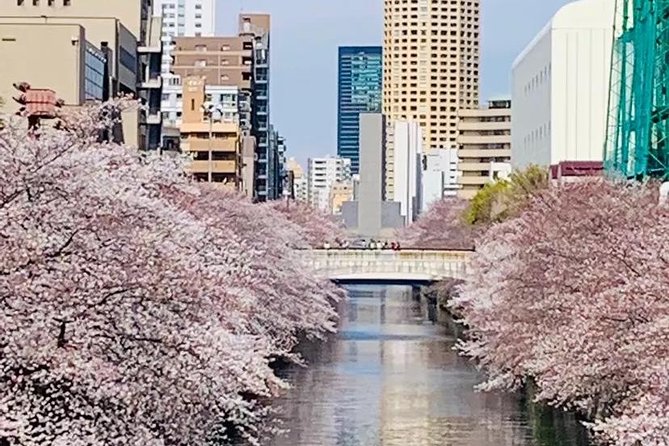
This is where the day softens. Gardens give your feet a break and give your brain something quieter to process after shrines and shopping streets. It’s also a go-to place in cherry blossom season, which is why guides often bring it up as a best-time recommendation.
But here’s the practical part: the experience requires good weather. If it’s rainy, your plan may shift in how much time you spend walking versus viewing. Some guides have been ready with umbrellas and alternate photo-friendly ideas when conditions make garden paths less pleasant.
Guides and customization: what you should expect from the human part
The strongest pattern in the experience is simple: guides make it easier to enjoy Tokyo by giving context and handling timing.
You may find an English-speaking guide with a style that includes:
- Culture context as you drive between areas
- Clear instructions on where to go and what to watch for
- Flexibility when the weather turns, including suggestions for alternate sights when walking becomes rough
Names that have appeared in past guide assignments include Petteri, Ahmed, Zia, Zohaib, Shoaib, Mukarram, and Zainal. You’re not guaranteed a specific person, but it gives you an idea of the guide pool and the typical “friendly, helpful day-of support” approach.
One more real-world nuance: this tour is private, but that doesn’t always mean the guide walks every meter inside every attraction. In some cases, the driver-guide (or guide team) handles narration early and then gives directions at each site. If that matters to you, ask what the plan is for inside the sights so you’re not surprised.
Tickets and admissions: what’s included vs not
Transportation and the A/C vehicle are included. Entrance fees are not.
From the stop schedule, some entries are free (like Senso-ji, Imperial Palace area walk outside, Meiji Jingu, and shopping streets). Other major attractions like Tokyo Skytree and Shinjuku Gyoen require separate admission.
So the best prep is to budget for entry costs for the paid attractions you plan to do. If you’re trying to keep spending low, you can still enjoy the free cultural stops, but you’ll want to be deliberate about Skytree and Shinjuku Gyoen tickets.
Making an 8-hour day feel easy (not frantic)
Tokyo’s traffic is a thing. That’s why starting with a private car helps so much. But the car doesn’t solve everything. You still need a little “tour-day strategy.”
Here’s how I’d play it:
- Go early in your trip. A tour like this helps you understand neighborhoods, so later self-guided days feel smoother.
- Wear comfortable shoes even if a stop looks short on paper.
- Take a small drink/snack plan for gaps. The day includes quick stops, and you don’t always want to hunt for food during a time window.
- Keep your meeting points sharp for big complexes like Skytree, where getting turned around can happen after you exit.
Also: a private charter is great for families and groups, but it works best when everyone agrees on the vibe—do you want photos and walking, or do you want more sitting and less moving?
Best fit: who this tour suits
This is a smart fit if you’re:
- In Tokyo for the first time and want a fast, guided orientation across key districts
- Traveling with up to 5 people and want one shared plan without train stress
- Short on time and want temples + shopping + modern Tokyo in a single day
- Planning around weather and want guidance on adjustments when rain hits
It can be less ideal if you want a slow, deep cultural dive at one location for half a day. This is about breadth and timing.
Price and value: $400 for a group up to 5
At $400 per group for up to 5 people, you’re paying for time saved and comfort earned. The biggest value isn’t that you avoid trains. It’s that you avoid the mental load of route planning while also getting a guide to explain what you’re seeing.
If you fill multiple seats, the value becomes much clearer. Even if you split the group across different interests, a private charter still keeps one shared thread through the day: the highlights, in a sensible order, with minimal friction.
Also remember that entry tickets are not included, so your total day spend depends on whether you choose paid attractions like Skytree and Shinjuku Gyoen.
Should you book this one-day Tokyo charter?
If you’re asking me, I’d book it if your goal is: see the big Tokyo names, learn what they mean, and do it without getting crushed by transit and crowds. The private A/C car plus an English-speaking guide is a strong combo for first-timers and for anyone who wants the city to feel manageable.
I would think twice if:
- You want long guided time inside every attraction
- You hate packed schedules and prefer slow pacing
- You’re traveling when weather is unpredictable and you specifically care about garden time (since good weather is part of the plan)
If your trip is short, this tour is a practical way to make one day count. It doesn’t replace the joy of wandering, but it gives you a foundation you’ll feel later.
FAQ
FAQ
How long is the Tokyo private charter tour?
The tour is about 8 hours.
What does the tour price include for a group?
The price covers private transportation in an air-conditioned vehicle for your group (up to 5).
Is pickup included?
Yes, pickup is offered.
Is this tour private or shared?
It’s private. Only your group participates.
Do I need to buy admission tickets for the attractions?
Yes. Entry to attractions is not included, even though some stops are free.
Which major sights are part of the day?
You’ll go to places including Senso-ji Temple, Tokyo Skytree, Nakamise Shopping Street (Kaminarimon), the Imperial Palace area, Meiji Jingu Shrine, Takeshita Street, Shibuya Crossing, Hachiko, and Shinjuku Gyoen National Garden.
Is there a mobile ticket?
Yes, a mobile ticket is provided.
What if the weather is bad?
The experience requires good weather. If it’s canceled due to poor weather, you’ll be offered a different date or a full refund.
More Tour Reviews in Tokyo



Fresh reviews from around Tokyo






Tokyo, compared.
 ★ 5.0Mt Fuji and Hakone 1-Day Bus Tour Return by Bullet TrainFrom $16326,383 reviews
 ★ 5.01-Day Tokyo Bus TourFrom $12914,250 reviews
 ★ 4.6teamLab Planets TOKYO Digital Art Museum Entry TicketFrom $259,779 reviews
 ★ 4.0Mt Fuji & Hakone Cruise, Drum Show Bullet Train 1 Day from TokyoFrom $1497,413 reviews
 ★ 5.0Shinjuku Food Tour (13 Dishes at 4 Local Eateries)From $866,603 reviews
 ★ 4.4Tokyo Mt Fuji 5th St & Hakone Cruise Bus Tour w/Bullet TrainFrom $1545,024 reviews
 ★ 5.0Flagship 2-Hours Official Street Go-Kart Tour – Tokyo Bay ShopFrom $644,974 reviews
 ★ 4.5From Tokyo: Mount Fuji Full-Day Sightseeing TripFrom $684,970 reviews