
Reviewed · NIKKO DAY TRIPS
Nikko Heritage & Nature Day Trip from Tokyo
Your Tokyo to-do list gets a shortcut.
This private day trip trades city stress for mountain shrine views and big nature moments. I love how the Toshogu Shrine complex mixes cedar forest calm with serious decoration, and how Kegon Falls drops nearly 100 meters into the gorge like a power switch. You’ll also hit classic photo stops such as the red Shinkyo Bridge over the Daiya River.
The main catch is time on the road.
Expect a long day with a drive around 2.5 hours each way and windy mountain roads, plus limited patience if Golden Week crowds pile up and lines stretch for tickets.
Good news: you’re not doing it solo.
You get hotel pickup and drop-off in Tokyo’s 23 Wards, an air-conditioned private vehicle with Wi-Fi, and an English-speaking driver who helps the day move smoothly—whether that means navigating parking, managing timing, or finding the best spots for photos.
In This Review
- Key Things That Make This Nikko Day Trip Worth It
- Why Nikko Feels Like a Real Escape From Tokyo
- The Private Car Experience: Pickup, Wi-Fi, and Comfort on Windy Roads
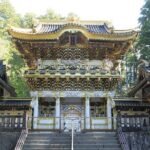
- Toshogu Shrine Complex: UNESCO Stops for Serious Details
- Shinkyo Bridge Over the Daiya River: A Red-Lacquer Classic
- Irohazaka Road to Lake Chuzenji: The Mountain Drive Part You’ll Actually Remember
- Kegon Falls: Nearly 100 Meters of Nature Power
- Lake Chuzenji: Fresh Air, Peaceful Views, and the Lunch Reality
- Kanmangafuchi Abyss: Stone Jizo Quiet Time (If You Have It)
- The Driver’s Role: English Support and Real-World Flexibility
- Timing Reality: A Full Day, Not a Quick Hit
- Price and Value: $391 per Group Up to 6 (Where It Really Makes Sense)
- Who This Tour Fits Best
- Before You Go: Practical Notes That Save Headaches
- Should You Book This Nikko Day Trip?
- FAQ
- What is included in the Nikko day trip price?
- Is there a guide on-site for the shrines and attractions?
- Do I need to pay entrance tickets for Toshogu Shrine and other stops?
- What about lunch—does it come with the tour?
- Where does pickup happen in Tokyo?
- What is the cancellation policy?
- Can I pay later?
Key Things That Make This Nikko Day Trip Worth It
- UNESCO Toshogu Shrine: Cedar trees, dramatic decoration, and the final resting place of Tokugawa Ieyasu
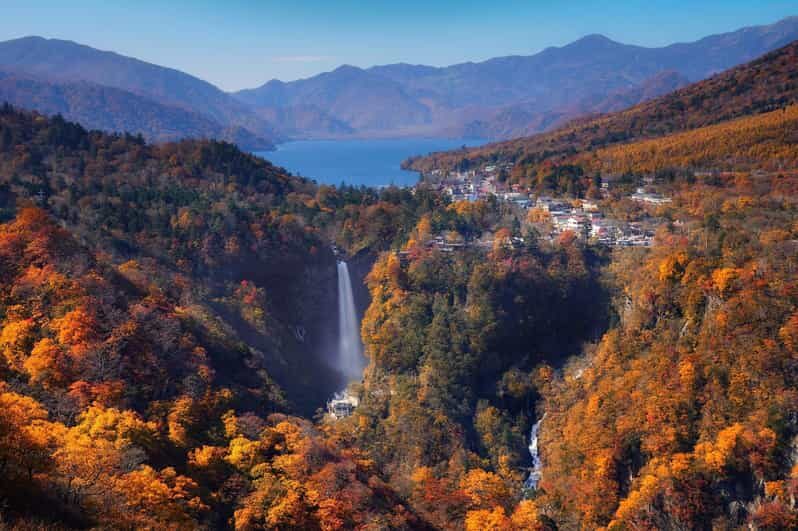
- Kegon Falls: Water plunging nearly 100 meters into the gorge—loud, forceful, and unforgettable
- Shinkyo Bridge photo stop: The iconic red-lacquer look over the Daiya River
- Irohazaka Road climb: A winding mountain route with sweeping views as you head toward the lake area
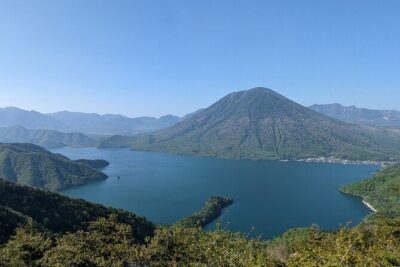
- Lake Chuzenji time to breathe: Fresh air and peaceful lake views at the base of Mount Nantai
- Optional Kanmangafuchi Abyss: A quieter riverside path lined with stone Jizo statues, if time allows
Why Nikko Feels Like a Real Escape From Tokyo
Nikko works because it gives you contrast fast. In one day you’ll go from Tokyo pickup to UNESCO heritage, then to dramatic waterfall power, then to slow lake air. It’s not just sightseeing. It’s a change of pace you can feel in your body.
I also like that the day is built around two kinds of wow moments: crafted human artistry (Toshogu Shrine) and raw nature impact (Kegon Falls). Add Shinkyo Bridge’s red-lacquer punch, and you’ve got photos that look like postcards without trying too hard.
One more small point that matters: this is a private vehicle setup. That makes the pacing kinder, especially when stops get crowded and you want control over how long you stay.
The Private Car Experience: Pickup, Wi-Fi, and Comfort on Windy Roads
Your day starts with hotel pickup in Tokyo’s 23 Wards, including Airbnb addresses. The vehicle is air-conditioned, and you’ll have Wi-Fi in the car, which sounds minor until you’re sitting in traffic and your brain needs something besides looking out the window.
Traffic and road conditions matter here. The drive is long enough that comfort counts. Expect winding roads as you climb, and expect that your day is only as smooth as your timing. That’s where having an English-speaking driver helps. People mention drivers like Harry, Junaid, Asif, Honey, and Waheed by name for being on time, helpful with logistics, and willing to work with your pace.
Practical tip: this is a full-day loop. Bring layers. Mountain air can feel different than Tokyo, and you’ll be in and out of the car through the day.
Toshogu Shrine Complex: UNESCO Stops for Serious Details
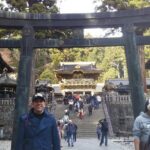
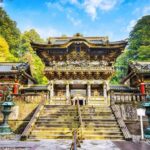
Toshogu Shrine is the anchor of the day. It’s UNESCO-listed, set in cedar surroundings, and it’s the final resting place of Tokugawa Ieyasu. The best part is that it doesn’t feel like a quick roadside temple. It feels like a place with weight—architecture and ornamentation that keeps your eyes busy.
What I like about building this stop into a day trip is that it gives context. You’re not just taking a photo and moving on. You can slow down and look at how the shrine grounds are laid out, and you can take your time walking through.
The one caveat is tickets. Entry to Toshogu Shrine isn’t included, so you’ll want to budget for the Toshogu ticket cost on top of the tour price. During busy periods like Golden Week, lines can get long—one traveler noted ticket lines stretching around 200 meters. If you’re visiting during peak season, arriving in the right order of stops can be the difference between “worth it” and “why are we waiting.”
Also note: the tour includes a driver, not a dedicated guide for walking tours. So plan to enjoy the site self-paced, and rely on your driver for general context and practical directions.
Shinkyo Bridge Over the Daiya River: A Red-Lacquer Classic
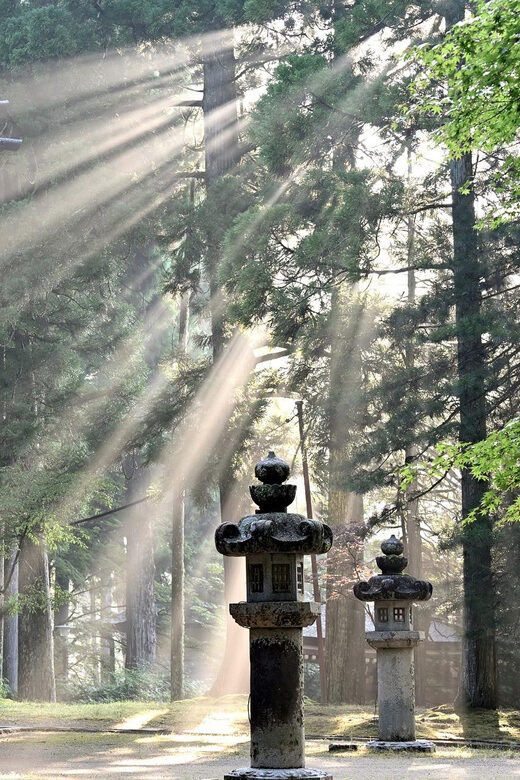
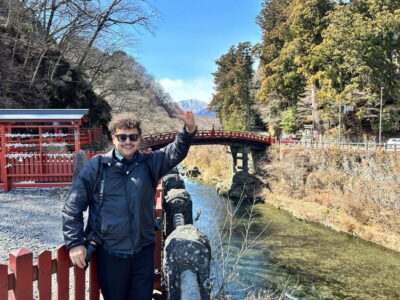
Shinkyo Bridge is one of those places where you don’t need a lot of explanation to get it. The bridge is famously red-lacquered and arches over the Daiya River, and it’s the kind of stop where the photos don’t feel like effort.
I like this stop because it’s a break from the bigger sensory moments. After Toshogu’s dense detail, you get open sightlines and a simpler scene. You can also adjust your timing here. If you want quick photos, you can do it fast. If you want to linger, you can.
This is also a good moment to remind yourself of footwear. You’ll be walking around outdoors for photos, and Nikko doesn’t follow Tokyo’s flat rules.
Irohazaka Road to Lake Chuzenji: The Mountain Drive Part You’ll Actually Remember
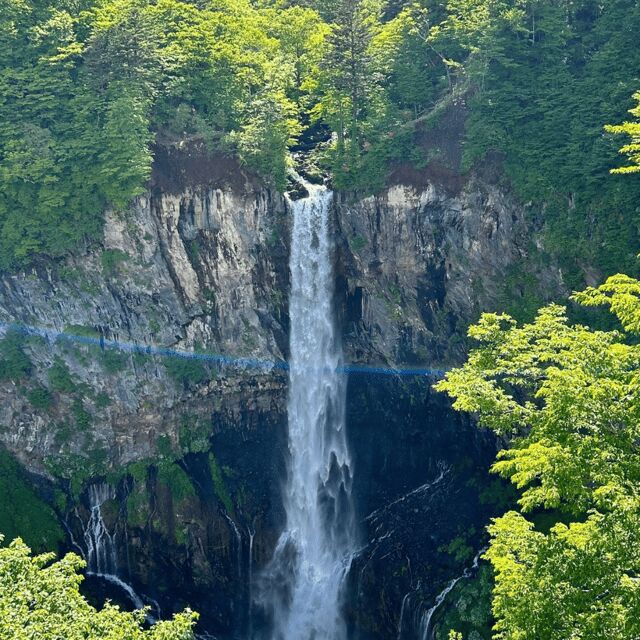
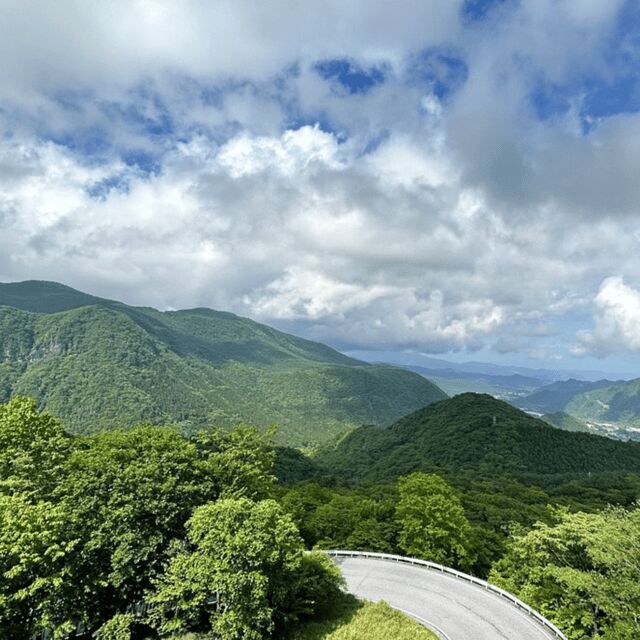
After Shinkyo, you’ll head up via Irohazaka Road, described as a mountain route with sweeping views of forests and valleys as you ascend toward the lake region. This is where the day starts to feel less like a checklist and more like a journey.
In theory, road travel can feel like dead time. Here, it’s not. Those turns and views are part of the experience, and your driver’s job is to keep the trip safe and efficient so you don’t lose your energy before the waterfall and lake.
If you like “watching the scenery go by” more than “staring at a screen,” you’re in the right place. Wi-Fi helps, but it won’t replace the pull of the mountains outside.
Kegon Falls: Nearly 100 Meters of Nature Power
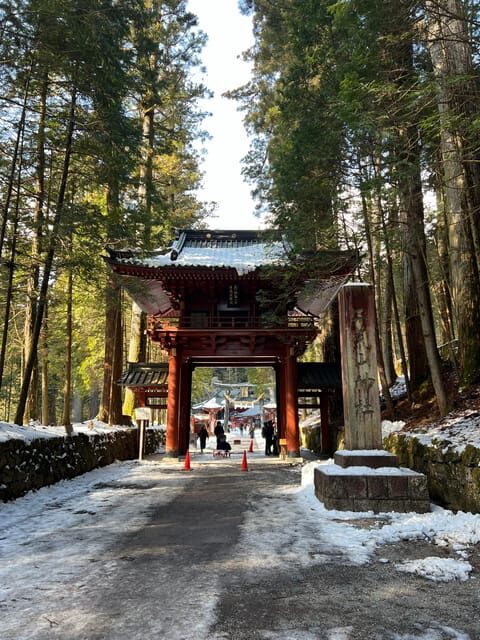
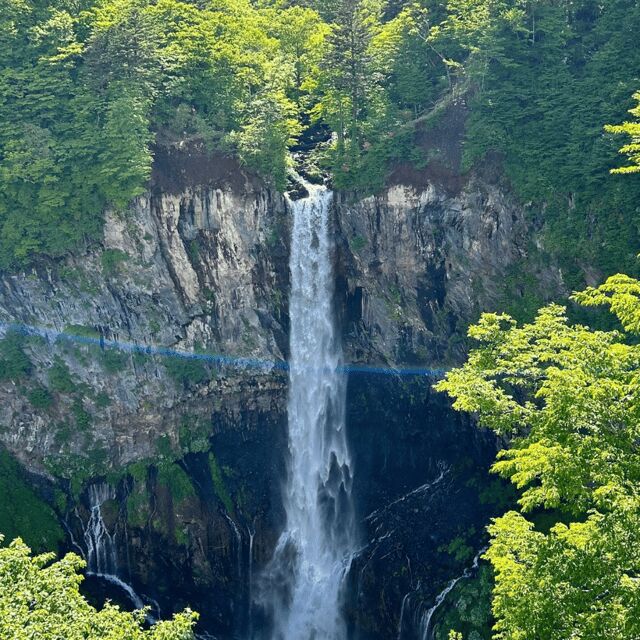
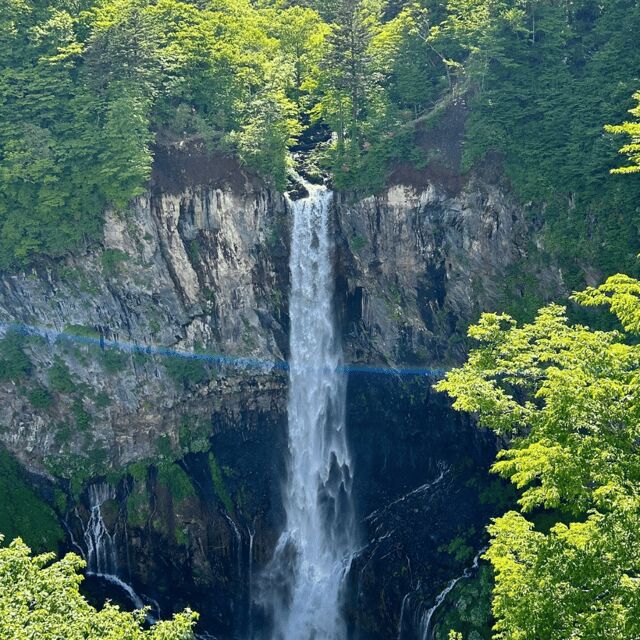
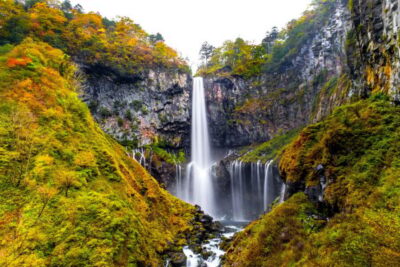
Then you get the main event: Kegon Falls. Water from Lake Chuzenji plunges nearly 100 meters into the gorge below. It’s dramatic not only because of height, but because you feel it immediately—the sound, the mist, and the sense of force.
This is the stop where timing and positioning matter. Even if you’re not an expert photographer, you’ll want a minute to pick your angle and then take your photos before the crowd shifts.
You’ll also feel why this stop gets repeated in people’s trip highlights. The falls are the kind of place that makes you stop talking, just because your brain is processing something bigger than a short temple visit.
If the day is busy, you might be tempted to sprint through. Don’t. Give Kegon Falls the time it deserves, even if it means cutting back elsewhere.
Lake Chuzenji: Fresh Air, Peaceful Views, and the Lunch Reality
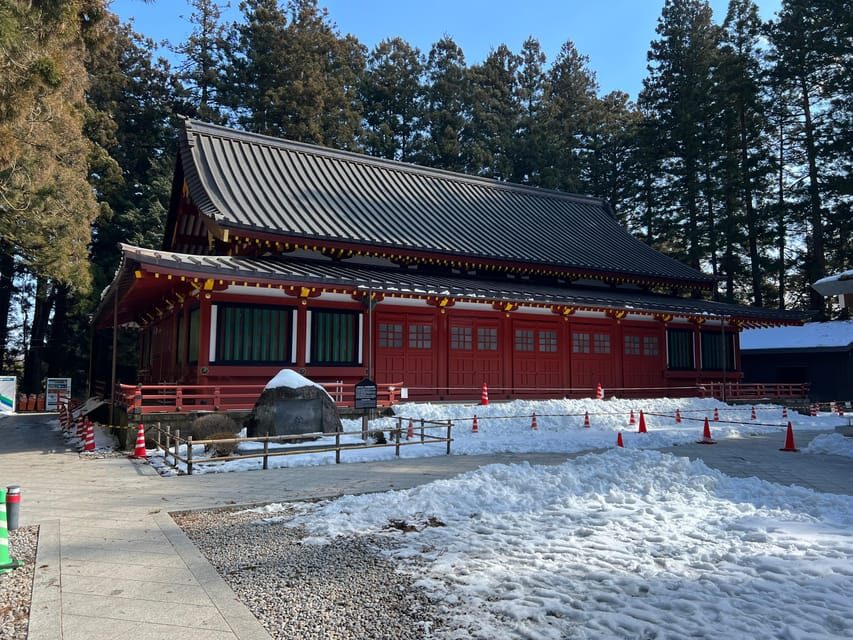
Lake Chuzenji is where the day slows down. The lake sits at the base of Mount Nantai, and you get peaceful lake views plus that mountain fresh-air feeling that Tokyo doesn’t really do.
Lunch is a separate decision. Lunch at a local restaurant near the lake isn’t included, but vegetarian and halal options are available on request. This is one of the most important value details for real-life travelers: you’re not stuck guessing what you’ll be able to eat after a long drive.
One small watch-out: because lunch isn’t included, you should expect to pay extra. If you’re trying to keep your trip budget tight, decide ahead of time whether you’ll eat at a full sit-down meal or go for something quick.
Also, some drivers may suggest or help with extra experiences around this area if you have time. For example, one traveler mentioned going on the Akechi-daira Ropeway cabin and another mentioned help buying tickets for a boat ride at Lake Chuzenji. Those details aren’t guaranteed, but they reflect how flexible some drivers can be.
Kanmangafuchi Abyss: Stone Jizo Quiet Time (If You Have It)
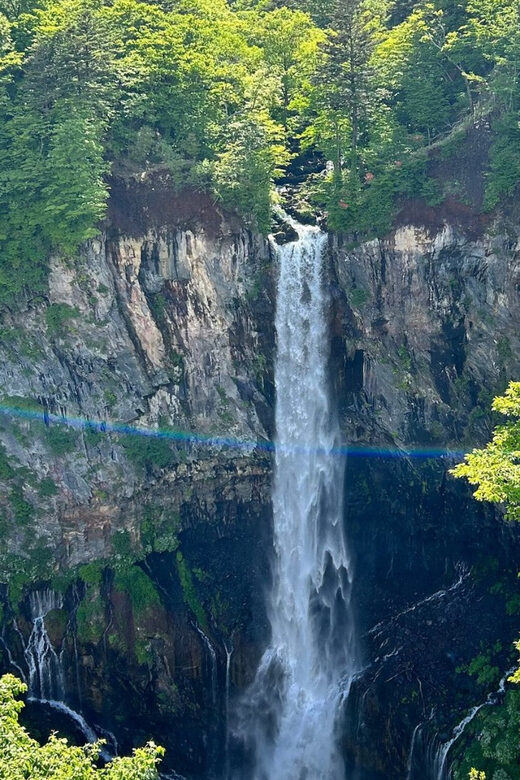
If time allows, you’ll visit Kanmangafuchi Abyss. The description is simple and honest: a quiet riverside path lined with stone Jizo statues. This stop works best when you want a calmer moment after the intensity of Kegon Falls.
I like it because it’s a change in tone. You go from loud water to a slower walk where you can actually pay attention to details. Even if you’re not religious, the statue-lined path gives the day rhythm.
The downside? It depends on time. Some days run full. If it gets cut, you won’t be left feeling robbed—there are already major anchors in the itinerary—but if you love quiet detours, it’s worth keeping your schedule open.
The Driver’s Role: English Support and Real-World Flexibility
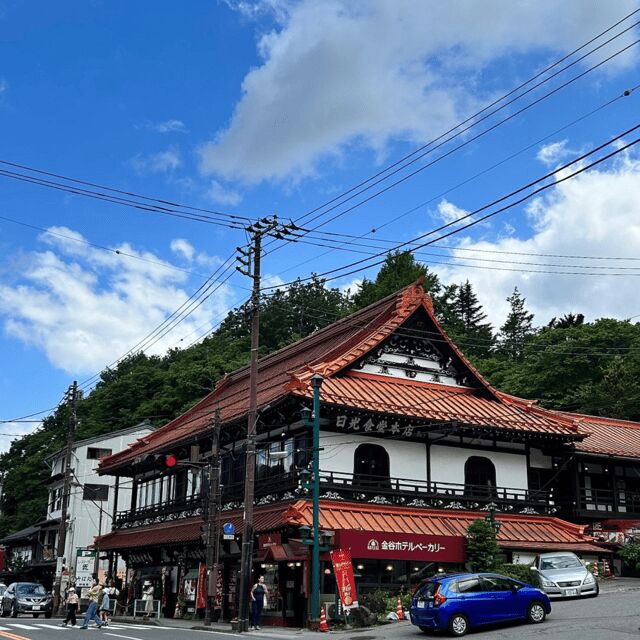
This is a driver-led day, not a scripted group tour. The driver provides English-speaking support, and the vehicle includes Wi-Fi plus parking and fuel surcharges in the tour cost. That matters because Japan can be easy to get around in some places and frustrating in others, especially with long lines and limited parking.
The names people mention give you a clue about what “good” looks like on this kind of day trip:
- Harry and Junaid are praised for showing the right places and bringing local knowledge to the route.
- Asif is mentioned for being helpful and careful, including stepping out to help with ticket situations and even walking with guests for photos.
- Honey and Waheed are praised for pace and communication, with people saying they didn’t feel rushed.
- Some travelers also mention flexibility—choosing how much time to spend at each stop.
There’s one consideration: English ability can vary by driver. One traveler found it slightly difficult to fully understand the driver at times, though they still managed fine. If you need very detailed explanations, it’s smart to keep questions practical and focus on what matters most to you at each stop.
Timing Reality: A Full Day, Not a Quick Hit
This trip is long enough that you should treat it like a day trip with a schedule, not a casual afternoon.
One review mentioned around 2.5 hours each way with average traffic, and noted the round trip felt like 5+ hours even before accounting for time at each stop. That same traveler also said 10 hours on the road and site time was long for them personally, especially with lots of reading needed to grasp the sites’ 1400 years of diverse story.
You don’t need to master the history to enjoy Nikko. But if you want deep context, plan for it to take time. If you’d rather experience the sites through walking and photos, you’ll still get plenty out of the day.
And yes, crowds can happen. During Golden Week, ticket lines can be significant. If you’re sensitive to waiting, consider going on a less crowded weekday.
Price and Value: $391 per Group Up to 6 (Where It Really Makes Sense)
Here’s how I think about the price. The tour is $391 per group up to 6. If you fill the vehicle, that can work out to roughly $65 per person for private transport plus an English-speaking driver. That’s a value move compared with paying for separate taxis or trying to self-navigate a long, winding day.
The price also covers useful stuff that adds up fast on your own:
- air-conditioned transportation
- Wi-Fi in the vehicle
- hotel pickup and drop-off
- fuel surcharges and parking
- an English-speaking driver
Not included are the pieces that you’d likely pay for anyway: food and drinks, any entrance tickets (including Toshogu), and a guide for walking explanations.
So the value sweet spot is simple: this is great when you can share the vehicle cost and when you want stress-free logistics. It’s also smart for families—one traveler described the group included seniors and children and said the pacing and destinations worked well.
Who This Tour Fits Best
This day trip is a strong match if you:
- want private comfort instead of train hopping and timed transfers
- care about big sights without needing to plan parking, routes, and timing
- travel as a small group (up to 6) where the per-person cost becomes reasonable
- want English support from the driver, especially for navigating lines and logistics
It may feel less ideal if you:
- want a full guided walkthrough at every UNESCO site (this is driver support, not a ticketed guide included)
- hate long drives and winding roads
- are visiting during the busiest weeks and get impatient with lines
Before You Go: Practical Notes That Save Headaches
A few things to keep in mind so your day doesn’t get derailed:
- Lunch is not included; plan your food budget.
- Entrance tickets are not included; add them to your totals.
- Non-folding strollers aren’t allowed.
- Alcohol isn’t allowed in the vehicle (and there are other general restrictions like no drugs and no fireworks).
- Pickup is from Tokyo accommodations in the 23 Wards; airports and ports aren’t covered.
Small planning move: pack a light snack. Even if lunch is taken care of, you’ll appreciate having something to hold you over if the schedule runs tight due to crowds.
Should You Book This Nikko Day Trip?
I’d book it if you want the best of Nikko in one day without dealing with road navigation, parking stress, and ticket-line chaos. The combination of Toshogu Shrine, Shinkyo Bridge, Kegon Falls, and Lake Chuzenji gives you a full spectrum day: crafted heritage plus heavy nature.
Skip the booking if you’re looking for a walking guide at every stop, or if you know you can’t handle long drives and possible crowds. For everyone else—especially small groups—this is one of those tours where paying for private transport buys you time, comfort, and a smoother day.
FAQ
What is included in the Nikko day trip price?
The tour includes an English-speaking driver, air-conditioned transportation, Wi-Fi in the vehicle, hotel pickup and drop-off, fuel surcharges, and parking.
Is there a guide on-site for the shrines and attractions?
No. The tour includes an English-speaking driver, but a guide is not included.
Do I need to pay entrance tickets for Toshogu Shrine and other stops?
Yes. Toshogu Shrine entry tickets are not included, and entrance fees at any attraction are not included.
What about lunch—does it come with the tour?
Lunch is not included. There is a lunch break at a local restaurant near Lake Chuzenji, and vegetarian or halal options are available on request.
Where does pickup happen in Tokyo?
Pickup is provided to accommodations (including Airbnb) in Tokyo’s 23 Wards. Pickup is not provided to airports or ports.
What is the cancellation policy?
You can cancel up to 24 hours in advance for a full refund.
Can I pay later?
Yes. You can reserve & pay later, and book your spot without paying anything today.
The Old Nikko, Toured Properly

More Tour Reviews in Nikko
North Again: More Nikko Trips
Nikko Day Trips, compared.
 ★ 4.6Nikko: Kegon Falls, Lake Chuzenji & Toshogu TempleFrom $891,577 reviews
 ★ 4.5Nikko Toshogu Shrine and Kegon Waterfall TourFrom $841,266 reviews
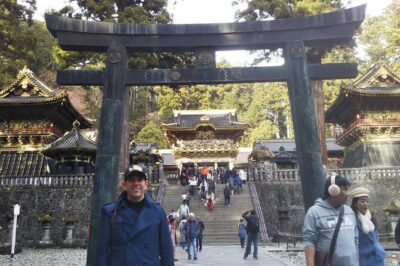 ★ 5.0Nikko Full-Day Private Tour with Government-Licensed GuideFrom $155259 reviews
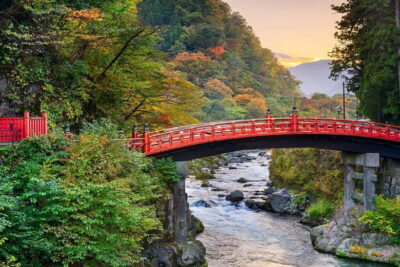 ★ 4.9From Tokyo: Nikko World Heritage Site Private Full-Day TripFrom $483243 reviews
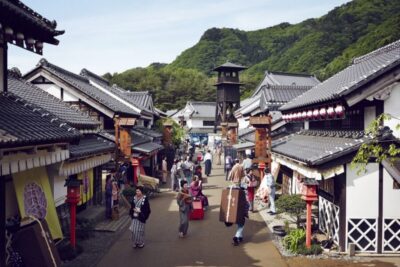 ★ 4.3Nikko: Edo Wonderland Edomura Cultural Theme Park TicketFrom $35205 reviews
From Tokyo: Nikko World Heritage Sight Full Day Private TourFrom $362127 reviews
★ 4.3Nikko: Edo Wonderland Edomura Cultural Theme Park TicketFrom $35205 reviews
From Tokyo: Nikko World Heritage Sight Full Day Private TourFrom $362127 reviews
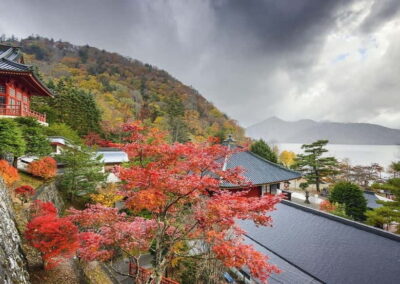 ★ 4.9Nikko – Beautiful Full-Day Personal and Private TourFrom $364119 reviews
 ★ 5.0Chartered Private Tour – Tokyo to Nikko, Toshogu, Edo WonderlandFrom $1,286105 reviews
Browse the lists this tour appears in