
Reviewed · KAMAKURA DAY TRIPS
Tokyo: Day Trip to Kamakura in Spanish – Spanish
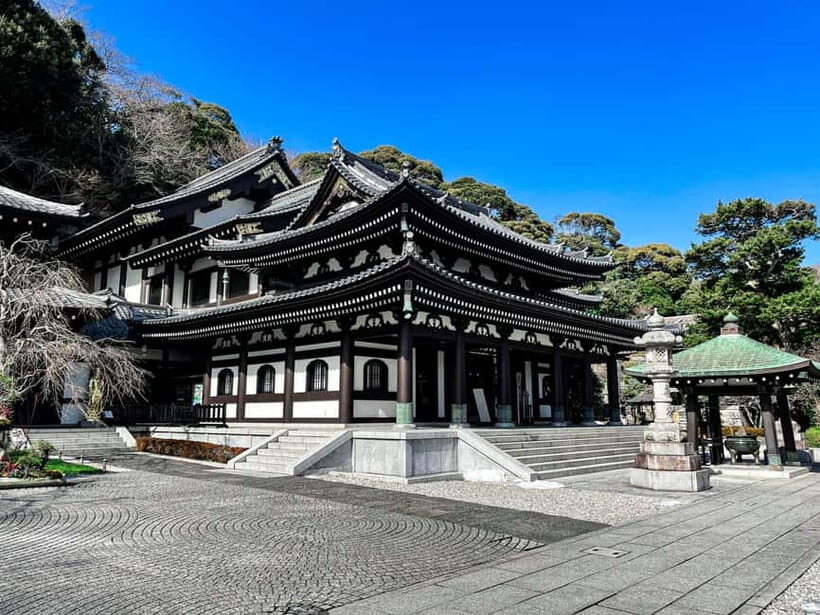
Kamakura hits different from day one. This Spanish-guided day trip mixes temple legends with real city texture, from Tokyo Station down to the old tram and back again. You’ll hit Hase-dera Temple first, where the myths get under your skin the more you walk and look.
What I like most is the Spanish experience itself—guided, explained, and paced so you’re not just wandering. The guides also feel personal and human; names like Camila, Emi, Nikita, Paula, Ori, and Nerea come up for good reason.
One thing to consider: the tour price doesn’t automatically cover everything. You’ll need to budget for local transport (listed as ¥2,300) and temple tickets (listed as ¥700), and there can be some language switching if the group’s needs shift.
In This Review
- Key highlights you’ll feel right away
- Why Kamakura feels worlds away from Tokyo
- Tokyo Station start: easy meeting point, clear end back home
- Riding the oldest-style tram to Hase-dera Temple
- Hase-dera: where vegetation and views matter
- Kotoku-in’s Great Bronze Buddha: huge scale, simple payoff
- Kamakura main street: lunch and shopping time you can actually use
- Guides in Spanish: personal pacing and real recommendations
- Price and value: what $86 covers vs. what you’ll still pay
- Green-friendly mindset and low-waste planning
- Logistics that can affect your comfort: bags, timing, and walking
- Who should book this Kamakura Spanish day trip
- Should you book this tour?
- FAQ
- Where does the tour start and end?
- How long is the Kamakura excursion?
- Is the tour guided in Spanish?
- Do I need to pay extra for transport and temples?
- What temples and sights are included?
- Can I bring luggage or large bags?
- Is this tour suitable for wheelchair users or hearing-impaired guests?
Key highlights you’ll feel right away
- Spanish narration from start to finish for a smoother, less-stress day in Kamakura
- Historic tram ride to Hase-dera, one of Japan’s older still-in-operation lines
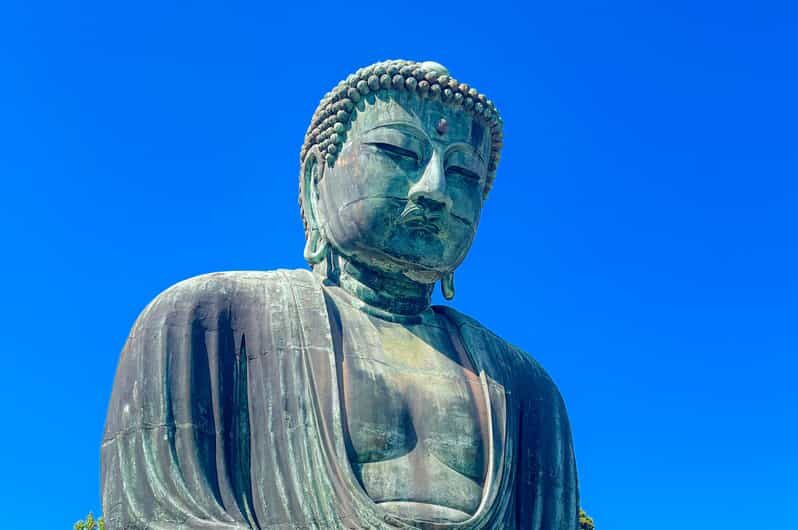
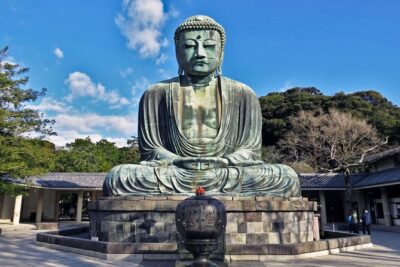
- Kotoku-in’s giant Buddha: second largest bronze Buddha in Japan, 13 meters tall and 121 tons
- Lunch + shop time on Kamakura’s main street, with an atmosphere that feels unlike Tokyo
- Tips built in so you can keep exploring after the tour wraps back at Tokyo Station
More escapes to the Great Buddha and the coast
- Kamakura 8 hr Private Walking Tour with Licensed Guide from Tokyo★ 5.0 · 80 reviews
- Tokyo: Kamakura & Enoshima Day Tour with Pickup & Train Ride★ 4.1 · 61 reviews
- Kamakura Private & Customizable Tour – All-in-One Experience★ 5.0 · 49 reviews
Why Kamakura feels worlds away from Tokyo
Tokyo is fast. Kamakura is calmer. Even before you reach the big sights, the route gives you a clear change of pace: you leave Tokyo by train, then shift to a historic tram. That rhythm matters. It’s not just transport. It’s part of the experience, and it helps you mentally arrive.
Kamakura also has a “walkable shrine town” feel. You don’t cover everything like a checklist monster. Instead, you move between a major temple stop, a short walk to the next, and then time on the main shopping street. That makes it easier to soak in small details—craft shops, snacks, and the way visitors flow through the lanes.
For a day trip, the itinerary is tightly focused. You get the big spiritual landmarks and enough time to breathe. The best part is that you’re not stuck staring at guideboards all day; the day is structured around seeing, listening, and then exploring on your own for a bit.
Tokyo Station start: easy meeting point, clear end back home
This tour starts at Tokyo Station, at the facade in Marunouchi Square (central exit). For many people, that’s a big deal. Tokyo Station can feel like a maze, but choosing a single, central meeting point reduces the anxiety factor.
You’ll also end back at the same meeting point. That’s how you want a day trip to work: one place to locate, one route back, no guessing. If you’re trying to connect to dinner plans later, this kind of reset is practical.
The day runs as an 8-hour excursion. That’s long enough to feel like you escaped Tokyo, but short enough that you’re not draining your whole trip.
Riding the oldest-style tram to Hase-dera Temple
After the train to Kamakura, you board one of the oldest trams still operating in Japan. This is the kind of detail that turns a sightseeing day into a memory you’ll still talk about later. You get movement + atmosphere + a little history in one step.
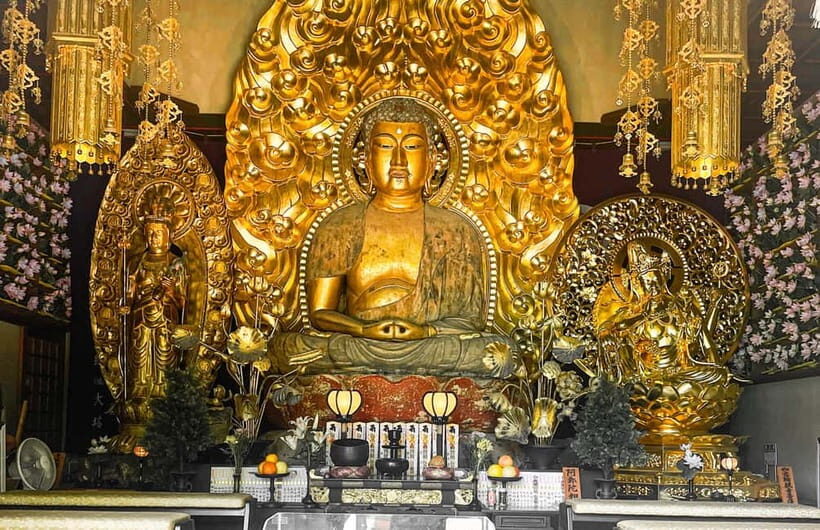
Hase-dera Temple is your first major stop. This temple is known for myths and legends, and the experience is built so the explanation grows as you explore. In practice, that means you’re not just looking at buildings—you’re learning why people care about certain areas and stories inside the grounds.
I also like how this first stop sets the tone for the day. You start with something scenic and spiritual, then you move into the statue-and-history moment at Kotoku-in. The contrast makes the second temple feel even more dramatic.
One practical note: you should plan for walking while you explore the temple area. The tour is not designed for wheelchairs, and it also won’t work well if you’re traveling with large bags.
Hase-dera: where vegetation and views matter
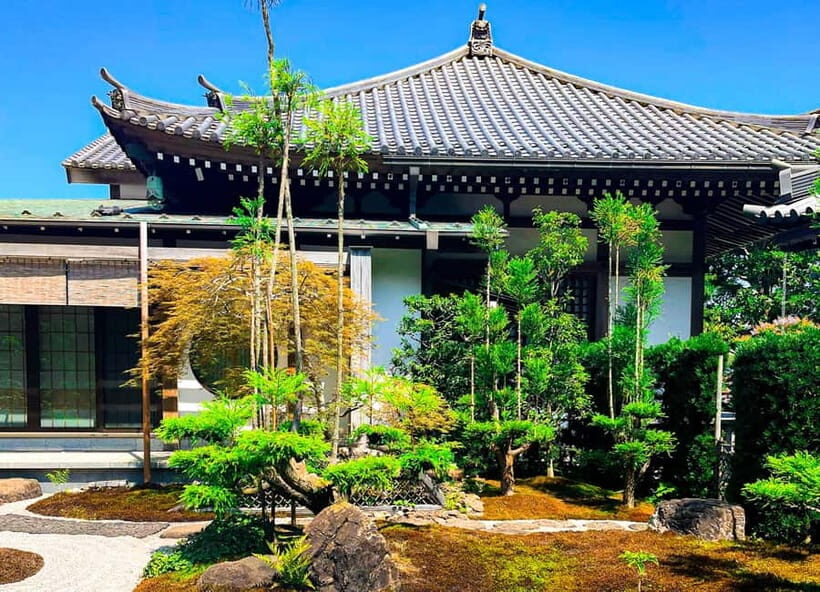
Hase-dera Temple isn’t only about one landmark photo. It’s the layered experience: you walk, you stop, you look around, and the guide’s stories make the place feel deeper. Several guides have been praised for making the legends understandable and for pacing the group so people can actually enjoy the views.
From what you’re likely to notice on the ground, there’s a lot of greenery and sightlines that open up as you move. That combination—stories plus scenery—is one reason this stop lands well in a Spanish-language tour. When you’re already learning, the setting does some of the emotional work for you.
The one caution: if you’re sensitive to crowds or you prefer minimal walking, you may want to go with comfortable shoes and a slower pace. The tour is structured, but temple grounds can still involve uneven surfaces and stairs.
Worth weighing up alongside this Tokyo pick:


Kotoku-in’s Great Bronze Buddha: huge scale, simple payoff
Then you walk to Kotoku-in Temple. This is where the day gets jaw-drop simple: you’re going to see a massive bronze Buddha.
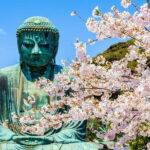
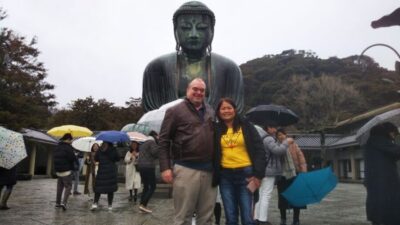
Kotoku-in houses the second largest bronze Buddha in Japan, measuring 13 meters tall and weighing 121 tons. Let that sink in for a second. It’s not a small statue you can admire from one angle. It dominates the space and forces your brain to recalibrate. That’s why this stop is so effective on a short itinerary.
The way the tour moves from Hase-dera to Kotoku-in also helps. You’re not switching between two far-flung places with lots of downtime. You get a natural flow: temple-one myths and atmosphere, then temple-two scale and iconic presence.
If you’re the kind of traveler who likes one truly memorable sight more than ten quick ones, Kotoku-in is the anchor.
Kamakura main street: lunch and shopping time you can actually use
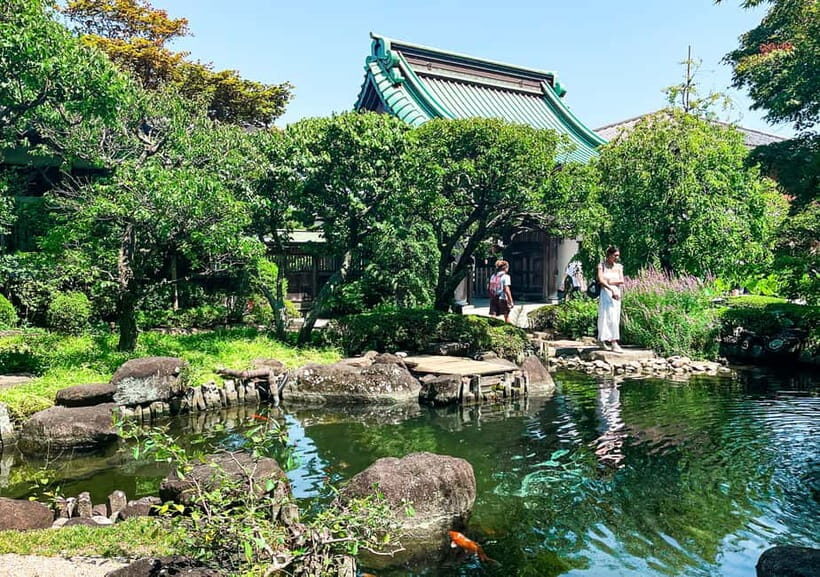
After the temples, you head to the main street of Kamakura—lined with shops and a distinct atmosphere. This is where the day becomes human-sized. Lunch is included as part of your time block (food isn’t included, but you do get time for it), and you get to explore the shopping stretch at your own pace.
This matters because the best souvenirs aren’t usually the ones you buy in the first ten minutes. You’ll want time to wander, compare, and decide what feels right. The tour gives you that breathing room before heading back toward Tokyo.
Practical tip: plan to eat something easy and portable. You’ll likely be walking between the temples and the street area, and you don’t want your afternoon plans tied up in a long restaurant wait.
Guides in Spanish: personal pacing and real recommendations
The Spanish-guided part is a standout. You should expect explanations that help you connect what you see to why it matters. That’s the difference between staring at stone and understanding the story behind it.
Guides like Camila and Emi have been praised for managing the day smoothly and giving explanations that don’t feel like a lecture. Others—Nikita, Paula, and Nerea—are noted for making the tour friendly and adaptable, including pacing that works for families. There’s also mention of Ori as a guide who kept the visit engaging and provided useful on-site recommendations.
One small caution from your side: while you’re booking for Spanish, language handling can sometimes shift depending on the group situation. In one case, a guide started with Spanish but included English later. If you’re relying on Spanish for everything, it’s smart to be mentally ready for the possibility of some bilingual support.
If the guide is good (and the track record here is strong), you’ll leave with:
- a better sense of what to notice next
- practical ideas for where to go after the tour ends
- confidence navigating the area when you’re on your own
Price and value: what $86 covers vs. what you’ll still pay
The tour price is listed at $86 per person, and it’s an 8-hour excursion. The included items are straightforward: a Kamakura excursion in Spanish with the tour time managed.
What isn’t included is also clearly listed:
- Transportation: ¥2,300 (public transport is used)
- Temple tickets: ¥700
- Drinks and food (you’ll handle meals on the day)
So how do you judge value? Here’s the realistic math mindset: you’re paying for a guided, language-led route that strings together travel, tram time, two major temple experiences, and shopping-lane freedom. If you tried to DIY it, you’d still spend money on trains and likely pay entry costs for temple access. The “extra” you’re buying is the route logic, the storytelling, and the time-saving coordination.
Also, you get tips and recommendations to keep enjoying your trip afterward. That’s hard to quantify until you use it, but it’s often what makes a guided day trip feel worth it even after the ticket is used.
Green-friendly mindset and low-waste planning
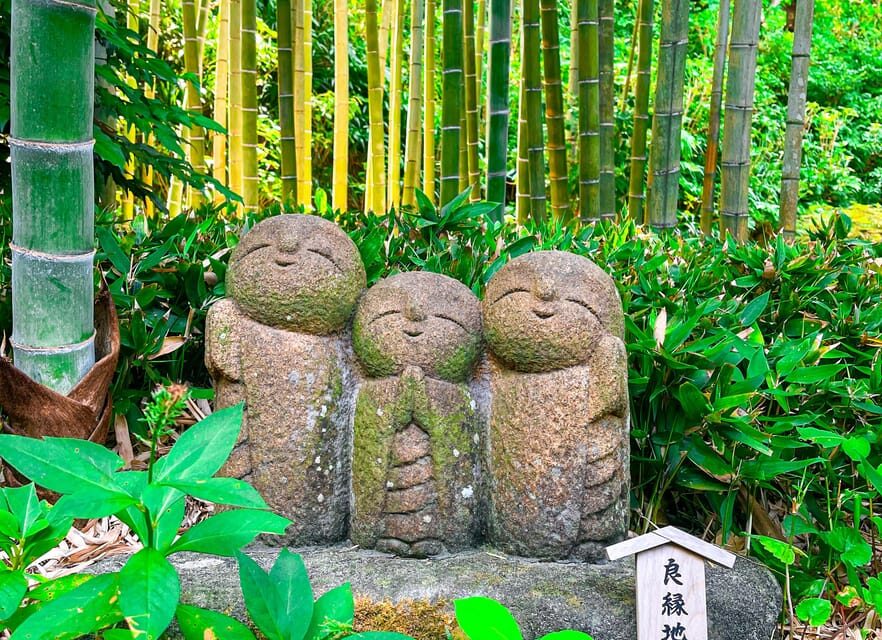
The tour provider states it’s environmentally friendly. You don’t need to turn it into a morality test, but it does signal a style of operations that’s mindful about how the day is run—likely in the way transport is coordinated and how the group moves.
That can translate into less wasted time and fewer random detours. On a day trip, time is the real luxury. The smoother the flow, the less you fight logistics and the more you enjoy the actual place.
Logistics that can affect your comfort: bags, timing, and walking
A few rules are worth taking seriously so the day stays enjoyable:
- No luggage or large bags are allowed.
- Unaccompanied minors aren’t allowed.
- Not suitable for wheelchair users.
- Not suitable for hearing-impaired people.
That tells you the tour is built for standard mobility and standard group communication. Plan for walking between temple areas and along the streets, plus waiting/boarding time during train and tram segments.
If you’re traveling with kids, note that at least one family highlighted how the guide adapted to children’s rhythm and kept things patient. That’s a good sign. Still, bring snacks and water if you know your kids’ energy patterns.
Who should book this Kamakura Spanish day trip
This is a great fit if you want:
- a guided Spanish day without needing to do all the planning yourself
- iconic temple stops in one efficient day
- a historic tram ride plus time on Kamakura’s main shopping street
- guides who give clear explanations and practical next-step ideas
It may not be ideal if you:
- need wheelchair access
- require hearing accessibility support
- rely on zero language switching beyond Spanish only
- want a super lightweight, minimal-walking experience
This also works well for people staying in central Tokyo. Starting and ending at Tokyo Station means you can keep your Tokyo evenings simple.
Should you book this tour?
Yes, if you want a structured day trip that’s built around the real Kamakura experience: temples with stories, one truly iconic bronze Buddha moment, and enough street time to enjoy the town like a place, not a stop.
If you’re price-sensitive, treat the listed $86 as the guide portion, then add the known extras: ¥2,300 for transportation and ¥700 for temple tickets. As long as you budget that in advance, the value becomes clearer—especially because the tour saves you from figuring out the whole route and language on your own.
If Spanish is your priority, it’s still worth booking because the tour is designed for Spanish. Just keep an open mind for possible bilingual support depending on the group situation.
Ultimately, this trip is for travelers who like meaningful sights, good guidance, and a day that feels focused without rushing. If that’s you, you’ll likely enjoy the calm shift from Tokyo and the memorable scale of Kotoku-in.
FAQ
Where does the tour start and end?
It starts in front of the Tokyo Station facade, at Marunouchi Square (central exit), and it ends back at the same meeting point.
How long is the Kamakura excursion?
The excursion is listed as 8 hours.
Is the tour guided in Spanish?
Yes. The tour is described as a Spanish-guided excursion. Note that there can be some language switching depending on the group situation.
Do I need to pay extra for transport and temples?
Yes. Transportation is listed at ¥2,300, and temple tickets are listed at ¥700. Drinks and food are not included.
What temples and sights are included?
You’ll go to Hase-dera Temple, then to Kotoku-in Temple (home to the Great Bronze Buddha), and you’ll have time on Kamakura’s main street for lunch and exploring shops.
Can I bring luggage or large bags?
No. Luggage or large bags are not allowed.
Is this tour suitable for wheelchair users or hearing-impaired guests?
No. It’s not suitable for wheelchair users and it’s not suitable for hearing-impaired people.
More 1-Day Tours in Tokyo
More Tour Reviews in Tokyo





More Days by the Great Buddha

Fresh reviews from around Tokyo






Kamakura Day Trips, compared.
 ★ 4.5Kamakura & Enoshima Day Trip including Temple TicketsFrom $581,375 reviews
 ★ 4.5From Tokyo: Kamakura & Enoshima 1-Day Bus TourFrom $66189 reviews
 ★ 5.0Kamakura Historical Walking Tour with the Great BuddhaFrom $98129 reviews
Kamakura Private Tour: Temples, Nature, and the Great BuddhaFrom $98121 reviews
Kamakura Walking Tour – The City of ShogunFrom $35100 reviews
★ 5.0Kamakura Historical Walking Tour with the Great BuddhaFrom $98129 reviews
Kamakura Private Tour: Temples, Nature, and the Great BuddhaFrom $98121 reviews
Kamakura Walking Tour – The City of ShogunFrom $35100 reviews
 ★ 5.0Kamakura 8 hr Private Walking Tour with Licensed Guide from TokyoFrom $20180 reviews
 ★ 4.1Kamakura & Enoshima Day Tour with Pickup & Train RideFrom $1361 reviews
 ★ 4.8Kamakura: Private Guided Walking Tour with Local GuideFrom $10660 reviews
Browse the lists this tour appears in