
Reviewed · MT FUJI DAY TRIPS
Tokyo: Mt.Fuji & Lake Kawaguchiko 1-Day Bus Tour w/Optional Lunch
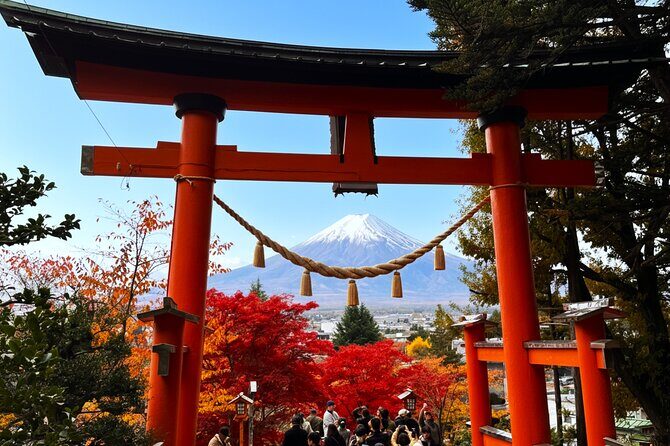
Mt. Fuji day trips can feel like a sprint. This one is built for easy Tokyo-to-Fuji logistics, with central Shinjuku pickup, an air-conditioned bus, and live commentary as you ride. I like that the itinerary leans into famous viewpoints with real variety, so you get more than one “Fuji postcard” angle in a single day.
Two things I really value here are the live guide narration (not just a prerecorded spiel) and the mix of stops around Lake Kawaguchiko, from craft browsing to flower views. One drawback to plan for: Mt. Fuji visibility isn’t guaranteed, and the Chureito Pagoda viewpoint includes stair climbing, so comfortable shoes and a realistic weather mindset matter.
In This Review
- Quick hit points
- How This Mt. Fuji Day Trip Works From Shinjuku
- Chureito Pagoda At Arakurayama Sengen Park: The Stair-Back Reward
- Lake Kawaguchiko Craft Park: Where Shopping Feels Like Part of the Day
- Expect the broader Kawaguchiko area add-ons
- Oishi Park: Flower Season and Fuji Reflections
- Saiko Iyashi no Sato Nenba: The Traditional Finish at Lake Saiko
- Timing, Comfort, and What to Bring
- Price and Value: Is $77.96 Worth It?
- Seasonal Notes That Can Change Your Day
- Who This Tour Fits Best
- Should You Book This Mt. Fuji and Lake Kawaguchiko 1-Day Bus Tour?
- FAQ
- How long is the Tokyo to Mt. Fuji and Lake Kawaguchiko tour?
- Where does the tour start and end?
- Is lunch included?
- Do I need to climb stairs?
- Can I guarantee seeing Mt. Fuji?
- What ticket type do I receive?
- Is the bus air-conditioned?
- Is there a luggage limit?
Quick hit points
- Shinjuku-based start and end so you don’t burn your day fighting trains
- Live commentary on the bus, with guides like Mitsuko, Chen, Eric, and Omar praised for pacing and useful tips
- Multiple Fuji viewpoints, including the Chureito Pagoda area and Oishi Park for scenic reflections
- Optional lunch upgrades (including steak options mentioned in feedback)
- Thatched-roof village at Lake Saiko for a calmer, more traditional finish
- Weather-driven scheduling, with notes that the Mt. Fuji view and timing can shift
Other routes to the mountain, compared
- Mt Fuji & Hakone Cruise, Drum Show Bullet Train 1 Day from Tokyo★ 4.0 · 7,413 reviews
- Tokyo Mt Fuji 5th St & Hakone Cruise Bus Tour w/Bullet Train★ 4.4 · 5,024 reviews
- From Tokyo: Mount Fuji Full-Day Sightseeing Trip★ 4.5 · 4,970 reviews
How This Mt. Fuji Day Trip Works From Shinjuku
This tour runs out of Tokyo’s Shinjuku area, meeting at the Shinjuku Post Office on Nishishinjuku. You’ll board an air-conditioned vehicle and then spend most of the day on a guided drive toward Fuji-san and the lake region. The big win is simple: you don’t have to navigate trains, transfers, and timed connections on your own.
Expect a total day length of about 9 to 10 hours, depending on traffic and the day’s conditions. You return to Shinjuku with enough time back in Tokyo for dinner plans (and you avoid the common problem of arriving too late for real food).
One important logistics note: the end drop-off is Shinjuku only. The bus does not go back to Shinagawa, so build your Tokyo plans around Shinjuku.
Chureito Pagoda At Arakurayama Sengen Park: The Stair-Back Reward
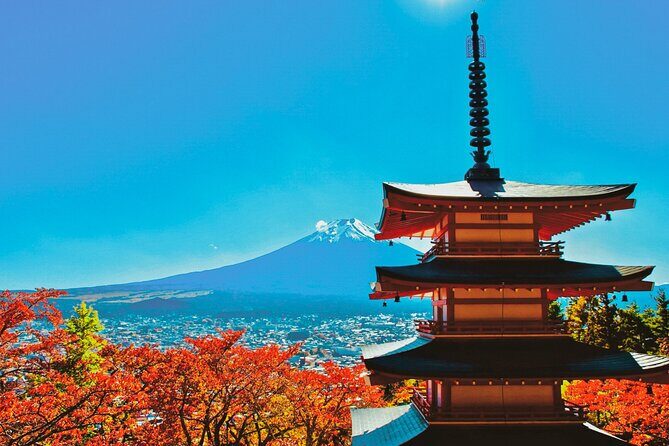
Your first real “wow” stop centers on the Arakurayama Sengen Park area and the famous Chureito Pagoda view. You climb stairs to reach the viewpoint where the pagoda frames Mt. Fuji in the background. If the weather cooperates, this is the kind of scene people remember for years.
Two practical things to know before you go:
1) You’ll be climbing stairs at the viewpoint, so wear shoes you’re happy to walk in.
2) The tour is clear that Fuji visibility can’t be guaranteed, so don’t count on perfect views the way you might count on a museum being open.
There’s also an extra observation-deck option in this region: the Niikurayama Asama Park Observation Deck, described as Japan’s highest observation deck with 398 steps to reach it. It’s a straight-up effort stop, but it gives you another perspective if the day’s visibility is good.
Lake Kawaguchiko Craft Park: Where Shopping Feels Like Part of the Day
After the mountain viewpoint, the day shifts to Lake Kawaguchiko’s more relaxed rhythm. You’ll head to the Kawaguchiko Craft Park area, where you can browse regional crafts and pick up small gifts. This is a nice contrast after the stairs—less vertical, more wandering.
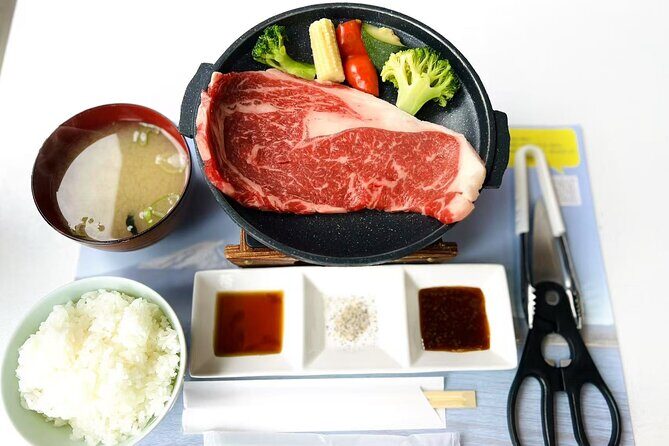
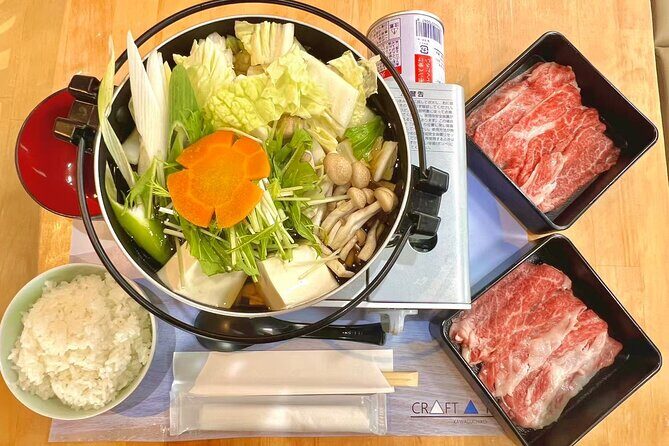
This is also where lunch can fit. Lunch is at your own expense or included only if you choose the lunch option when booking, and the upgrade choices can include steak styles mentioned in feedback (like Kobe beef). If you’re the type who likes eating while you’re out, paying for the lunch upgrade can be good value because it avoids you having to hunt down a meal around a busy tourist circuit.
Plan your time here with photos in mind, not just shopping. Lake Kawaguchiko viewpoints tend to reward pacing—pause, look, adjust, then shoot again. The tour gives you room to do that.
Expect the broader Kawaguchiko area add-ons
Along this part of the day, you may also stop by several cultural or themed spots around Kawaguchiko, including items like a traditional craft museum (Oishi Tsumugi) and additional sites associated with the Fuji-lake culture corridor. The common thread is that the stops don’t just repeat the same view—they add texture: crafts, scenery, and small museum-style breaks.
Worth weighing up alongside this Tokyo pick:


Oishi Park: Flower Season and Fuji Reflections
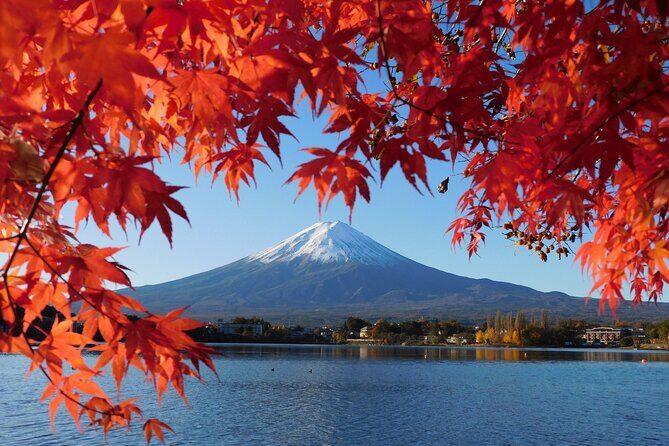
Next comes Oishi Park, one of the best places on the route for taking in the lake setting with Mt. Fuji in the frame. The park is built for seasonal scenery, with flowers throughout the year depending on the season. This is where you’ll notice that the tour isn’t trying to rush you through just one famous image.
If you’ve ever wondered why some Fuji photos look calm and other ones look chaotic, this park is the answer. The lake walking paths and the way the view lines up can make it easier to get that “Fuji + water + flowers” composition.
Time here is relatively short, so the smart move is to decide what you want most:
- If you’re after photography, start walking early and do your best shots first.
- If you’re shopping or browsing, keep your routes tight so you don’t lose your best light.
And remember the reality check: the tour itself points out that visibility depends on weather. Even on a cloudy day, you’ll still see the lake area’s atmosphere, but the classic Fuji silhouette may fade.
Saiko Iyashi no Sato Nenba: The Traditional Finish at Lake Saiko
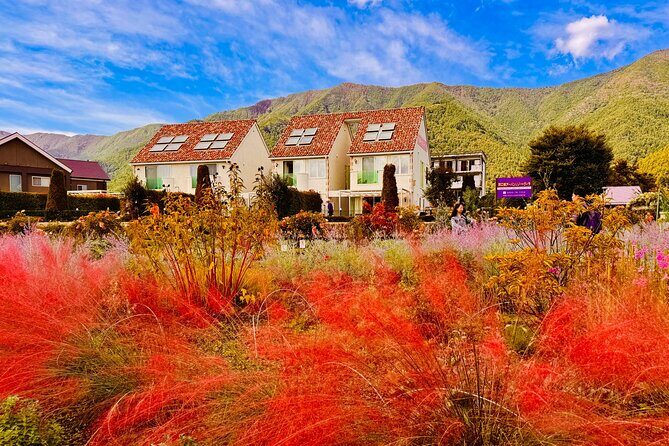
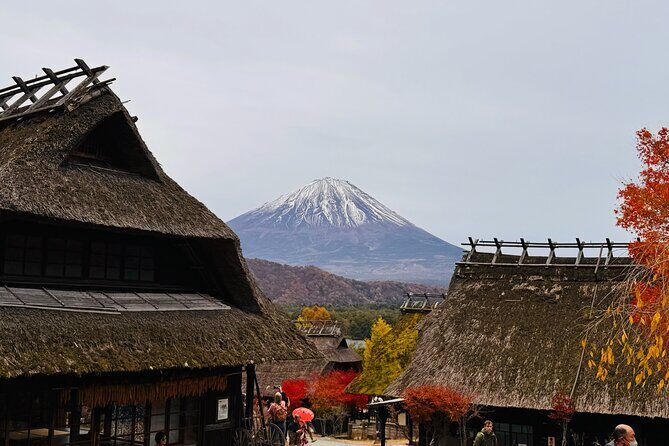
The final stop leans more traditional and a bit more peaceful: Saiko Iyashi no Sato Nenba, a village of thatched-roof houses on the shore of Lake Saiko. This is a great end-of-day choice because it shifts the focus from mountain views to how people lived in older Japan.
You’ll get time to stroll through the village and take in the feel of the place. The tour data also notes this stop includes admission. This is the kind of place where small details matter—house structure, village layout, and the way the lake environment frames everything.
In terms of pacing, this is a good “cool down” before you head back to Tokyo. If you’re trying to avoid a day that feels like nonstop sightseeing, this village stop helps balance the schedule.
Timing, Comfort, and What to Bring
A day trip this long is mostly about momentum. You’ll ride on the bus for a good chunk of the time, so comfort matters. Here you get an air-conditioned vehicle, plus the tour is designed around central pickup and a return in time for dinner.
Because the schedule can shift with weather or traffic, be flexible in your expectations. The tour explicitly warns that road conditions and conditions around Mt. Fuji can affect the timing, and the duration of transfers is approximate.
What I recommend you bring:
- Comfortable walking shoes for stairs and lake paths
- A light layer for chilly mornings and evenings (Fuji-region weather can feel sharper than Tokyo)
- A small bag for snacks and water during viewpoint breaks
- Keep valuables with you, since luggage goes in the trunk and you won’t be able to access it between stops
Also pay attention to luggage limits. The tour allows one piece of luggage per person, and it should be manageable and fit in the vehicle trunk with a combined size limit described as 155 cm (height + width + depth). If you’re traveling light, you’ll feel the day is easier.
Price and Value: Is $77.96 Worth It?
At $77.96 per person, this tour sits in the “reasonable day trip” range for what you’re getting. You’re paying for convenience: central Shinjuku pickup, guided transportation, and live commentary throughout the drive. You’re also not paying for most of the sightseeing admissions at each stop (the stops listed are marked free where applicable, and the Saiko village admission is included).
Where the value gets better is in how the day is structured. Instead of you making multiple train transfers, you ride once and follow the stop-by-stop plan. That’s huge when your time in Tokyo is limited.
The main cost variable is lunch. If you don’t select the lunch option, you’re on your own for food. If you do pick the lunch upgrade, it can add cost, but it can also reduce decision fatigue and help you eat something that fits the day’s schedule. Based on feedback themes, upgraded lunch choices like steak have been a highlight.
So the real question isn’t just the base price—it’s whether you want the tour to handle food and pacing, or if you prefer to freestyle at each stop.
Seasonal Notes That Can Change Your Day
This tour is fairly predictable, but there are a few seasonal and calendar details worth knowing.
- Mt. Fuji Marathon day (Dec. 14): the operator flags potential traffic jams near the event area, which could affect timing.
- November itinerary change: after Lake Kawaguchi Craft Park, the route may adjust to focus on autumn color, including a corridor with more than 400 maple trees.
And don’t forget the biggest “season note” of all: visibility. The tour is upfront that Mt. Fuji can be cloudy or blocked depending on weather. If you’re going for the iconic summit view, choose a day when skies look best—but accept that you may still enjoy the lake region even if Fuji hides.
Who This Tour Fits Best
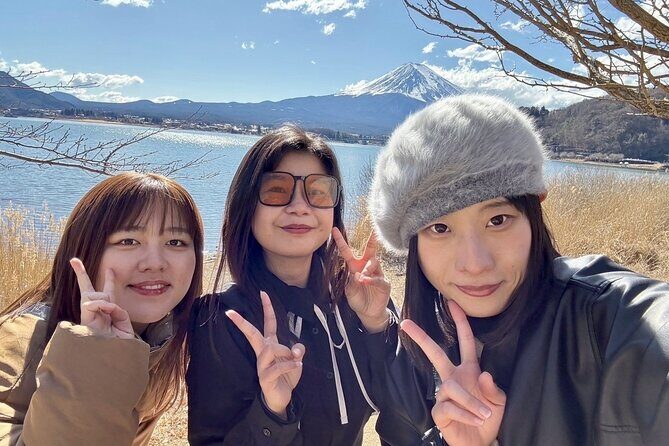
This is a strong fit if you:
- Want one-day Mt. Fuji sightseeing without tackling train routes and transfers
- Like guided context while riding, not just at one stop
- Want several different Fuji photo angles in one day
- Appreciate a mix of nature stops and cultural village time at the end
It may be less ideal if you hate tourist-y hubs or prefer unplanned wandering with no schedule pressure. The route does include popular spots and shopping areas, and if you’re chasing solitude, you might feel the crowd energy at times.
Should You Book This Mt. Fuji and Lake Kawaguchiko 1-Day Bus Tour?
If your priority is a smooth, guided, central Tokyo-to-Fuji day, I’d book it. The combination of Shinjuku convenience, live narration, multiple Fuji viewpoints (Arakurayama/Chureito and Oishi Park), and a traditional village finish at Lake Saiko is exactly what a first visit needs.
Book it especially if you want someone else to manage the stop sequencing and timing. You’ll spend more time looking and less time figuring out transportation.
Skip it only if you’re very sensitive to weather risk and stair climbing. Fuji views are never guaranteed, and the Chureito viewpoint involves stairs. If you can handle that, you’ll likely leave with a day that feels full but not stressful—and with photos that come from several angles, not just one.
FAQ
How long is the Tokyo to Mt. Fuji and Lake Kawaguchiko tour?
It runs about 9 to 10 hours, depending on transfer time, weather, and traffic.
Where does the tour start and end?
It starts and ends at the Shinjuku Post Office (Shinjuku Station West Exit area). The only drop-off location available is Shinjuku.
Is lunch included?
Lunch is included only if you select the lunch option when booking. Otherwise, lunch is at your own expense.
Do I need to climb stairs?
Yes. Reaching the viewpoint area near Chureito Pagoda requires climbing stairs. There’s also a 398-step climb mentioned for an observation deck stop.
Can I guarantee seeing Mt. Fuji?
No. Mt. Fuji visibility can’t be guaranteed because it depends on weather.
What ticket type do I receive?
You receive a mobile ticket.
Is the bus air-conditioned?
Yes. The tour uses an air-conditioned vehicle.
Is there a luggage limit?
Yes. The tour allows one piece of luggage per person, and it should be manageable and fit in the trunk. Items stored in the trunk aren’t accessible between stops.
More Tours in Tokyo






More Tour Reviews in Tokyo




The Fuji Shortlist: Other Days Out to the Mountain

Fresh reviews from around Tokyo






Mt Fuji Day Trips, compared.
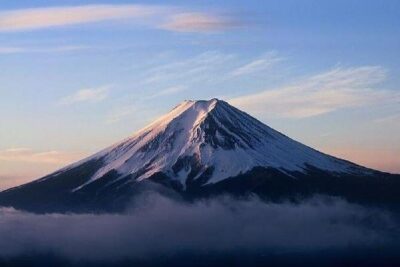 ★ 4.0Mt Fuji & Hakone Cruise, Drum Show Bullet Train 1 Day from TokyoFrom $1497,413 reviews
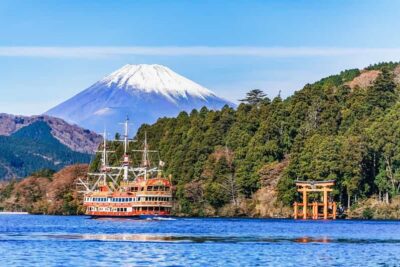 ★ 4.4Tokyo Mt Fuji 5th St & Hakone Cruise Bus Tour w/Bullet TrainFrom $1545,024 reviews
 ★ 4.5From Tokyo: Mount Fuji Full-Day Sightseeing TripFrom $684,970 reviews
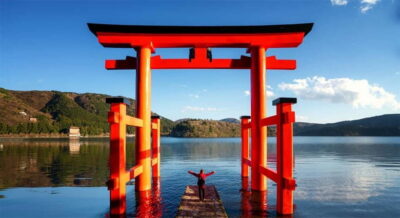 ★ 4.7Mt. Fuji Tour, Hakone Ropeway, Owakudani, Lake AshiFrom $544,002 reviews
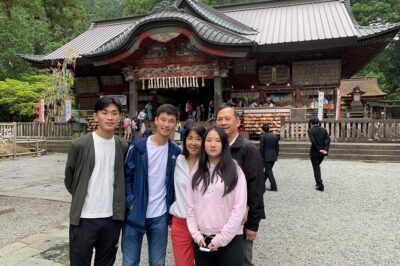 ★ 5.0Private Tour to Mt. Fuji and Hakone (Fully Licenced Operator)From $4971,910 reviews
 ★ 4.9Mount Fuji Full-Day Private Tour from Tokyo (Customizable)From $3931,470 reviews
 ★ 4.0Mt Fuji & Hakone Cruise, Drum Show Bus 1 Day from TokyoFrom $1221,287 reviews
 ★ 4.2From Tokyo: Mt. Fuji & Hakone Tour w/ Return by Bullet TrainFrom $1171,278 reviews
Browse the lists this tour appears in