
Reviewed · 1-DAY TOURS
Tokyo Customized Private Tour: See Top Attractions in 1 Day
Tokyo feels manageable with a guide. This private, customized Tokyo day pairs major sights with smart subway routing, so you can move fast without losing your place in the city maze. You pick a time window, then your guide shapes the pace around what you care about—traditional Tokyo, youth culture, shopping, gardens, or food stops.
I especially like the human part: guides such as Tak, Hiro, Yuki, Yoko, and Ike are praised for making the day feel organized and for answering real questions, including how to use the metro. I also like that the plan mixes icons (like Shibuya Crossing and Meiji Jingu Shrine) with calmer local streets, not just photo stops. One thing to budget for: entrance fees, meals, and public transport fares aren’t included, so your total cost can creep up.
In This Review
- Key things to know before you go
- How This Tokyo Private Tour Really Helps on a First Day
- Picking the Right Length: 4 Hours vs 6 vs 8
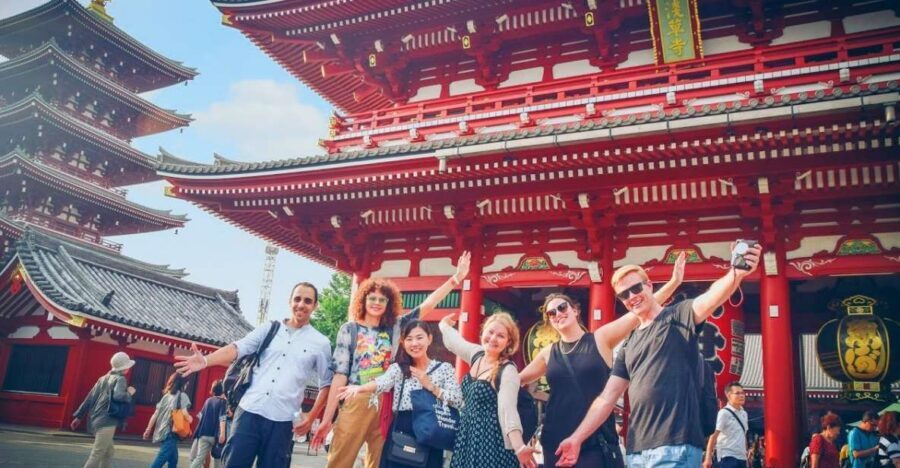
- Senso-ji Temple and Asakusa: Old Tokyo on Foot
- Meiji Jingu Shrine and Harajuku: Tradition Meets Youth Culture
- Tsukiji Fish Market: A Food-Focused Tokyo Stop
- Shibuya Crossing and Shinjuku Gyoen: Big City Energy Plus a Garden Reset
- Imperial Palace, Ginza, and Local Shopping Streets
- Ueno Park, Museums, Skytree, Odaiba, and Hama Rikyu (Optional Add-Ons)
- Price and Value: What You’re Actually Paying For
- What Guides Do That Makes the Day Feel Easy
- Should You Book This Tokyo Private Tour?
- FAQ
- How long is the Tokyo Customized Private Tour?
- How many stops will I see in a 4-hour tour?
- Can I customize the tour based on my interests?
- Is hotel pickup included?
- What’s included in the price?
- Are entrance fees, meals, and transport included?
- Does the tour run in bad weather?
- What should I wear or prepare for?
- Are there limits if I choose the private vehicle option?
- Is there free cancellation?
Key things to know before you go
- Private means just your group: it’s not a shared bus tour; it’s built around your party.
- You can tailor the route: choose your interests, then add or skip optional stops like Shinjuku Gyoen, museums, or Skytree.
- 4, 6, or 8 hours changes the coverage: shorter tours focus on 2–3 stops; longer ones expand to more neighborhoods.
- Walking + metro is part of the deal: you’ll want comfortable shoes and a moderate fitness level.
- Rain or shine: the tour runs even if the weather turns, so plan for that day’s clothing.
- Optional private vehicle is Tokyo-only: if you upgrade, you still won’t go outside Tokyo.
More private options with your own guide
- Tokyo 6hr Private Tour with Government-Licensed Guide★ 5.0 · 3,902 reviews
- Private Tour to Mt. Fuji and Hakone (Fully Licenced Operator)★ 5.0 · 1,910 reviews
- Tokyo Customized Private Tour (Must See Places in 1 Day)★ 5.0 · 1,499 reviews
How This Tokyo Private Tour Really Helps on a First Day
Tokyo can be overwhelming fast. This kind of private tour is designed to help you get your bearings quickly, using on-foot walking and the subway to connect areas that would take you longer to sort out alone.
The big value is control. You choose from multiple tour times, and you can steer the plan toward what you want most—temples and old streets, big-city energy, shopping districts, or gardens. If you’re traveling with kids or you want a slower rhythm, the private format makes it easier for your guide to adjust.
The other practical win: you’re not just getting a route. You’re getting a person who can explain what you’re seeing and help you navigate the train system. That matters because Tokyo transit is efficient, but the system is complex enough that even confident travelers feel clumsy the first time.
Picking the Right Length: 4 Hours vs 6 vs 8
This tour runs about 4 to 8 hours, and the number of stops changes with time. A shorter morning or afternoon tour usually means 2–3 locations, while a longer day gives you 3–4 spots and up to 4–5 at the top end.
Here’s how I’d choose:
- 4 hours if you’re doing a first-day “greatest hits” setup and want a smooth introduction to Tokyo neighborhoods.
- 6 hours if you want a mix of temples plus one or two modern areas, without turning the day into a sprint.
- 8 hours if shopping, gardens, and iconic viewpoints matter and you want time to slow down at each stop.
Also, this tour is flexible. You can choose a half-day style (fewer stops) or a full-day style (more stops). Your guide can also reorder things based on your interests—like swapping shopping time in Ginza for additional temple time in Asakusa, or adding a garden stop if the weather is nice.
Senso-ji Temple and Asakusa: Old Tokyo on Foot
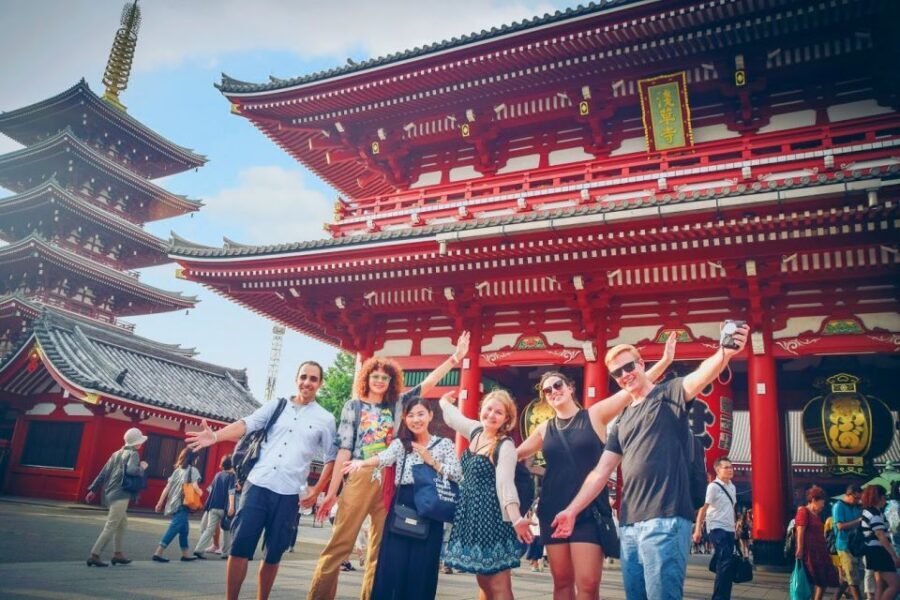
If you only do one traditional area, Asakusa is the one. The day commonly starts at Senso-ji Temple, one of the biggest temple experiences in Tokyo, then moves into Asakusa’s classic old-town atmosphere.
What makes this section work is that you’re not rushing through a single landmark. You have time to experience the temple area and then walk the surrounding neighborhood feel—exactly the kind of “small details” that are hard to find if you’re just trying to follow signs.
After Senso-ji, Asakusa keeps the focus on that traditional mood. This is also where many people start thinking about food. Since meals aren’t included, you’ll want to plan for your own lunch or snacks, and a good guide can point out where to fit that in during your Asakusa time.
A small consideration: temple crowds can be dense, and you’ll be walking. This is why comfortable shoes are more than a suggestion.
Meiji Jingu Shrine and Harajuku: Tradition Meets Youth Culture
Next comes one of Tokyo’s best contrasts: sacred calm paired with modern style. Many versions of this tour include Meiji Jingu Shrine (described as the biggest shrine in Tokyo) and then a shift into Harajuku.
At Meiji Jingu, the setting is the payoff. You get a major shrine experience in the middle of the city, and the tour time is set up so you’re not only snapping photos—you can actually take in the space and the quiet break from the rest of your day.
Then you head toward Harajuku, where the tone changes immediately. This is where you’ll likely see areas like Takeshita Street, known for its youth pop culture vibe. The contrast is fun because it shows how Tokyo can feel both historic and trend-driven in the same day.
If you care about fashion or popular culture, this is the section where you’ll probably feel the most “Tokyo-specific” energy—especially if your guide helps connect what you’re seeing to how the area has changed.
Worth weighing up alongside this Tokyo pick:


Tsukiji Fish Market: A Food-Focused Tokyo Stop
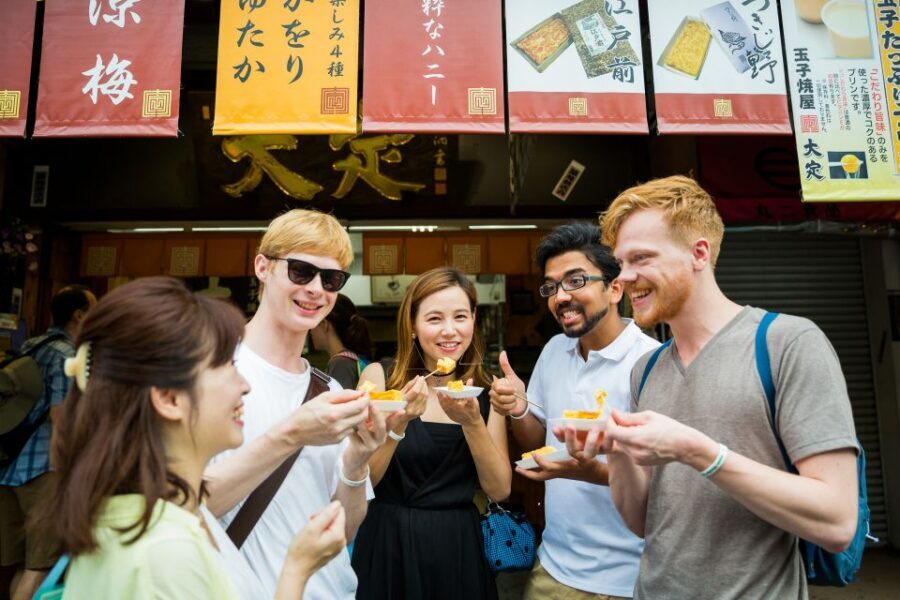
Not every Tokyo tour includes a true food-window the way this one does. Tsukiji Fish Market is built into many day plans and is described as a beautiful market experience.
This stop is valuable even if you don’t plan a big meal. The point is to see Tokyo’s food culture up close and to have time to walk and look around. Since admission fees and meals for you aren’t included, you’ll decide what level you want—quick tasting, a full sit-down lunch later, or just exploring the market atmosphere.
Practical advice: don’t overplan. If your schedule is already heavy with temples and shopping, give Tsukiji enough mental space so it feels like a break, not another item on a list.
Shibuya Crossing and Shinjuku Gyoen: Big City Energy Plus a Garden Reset
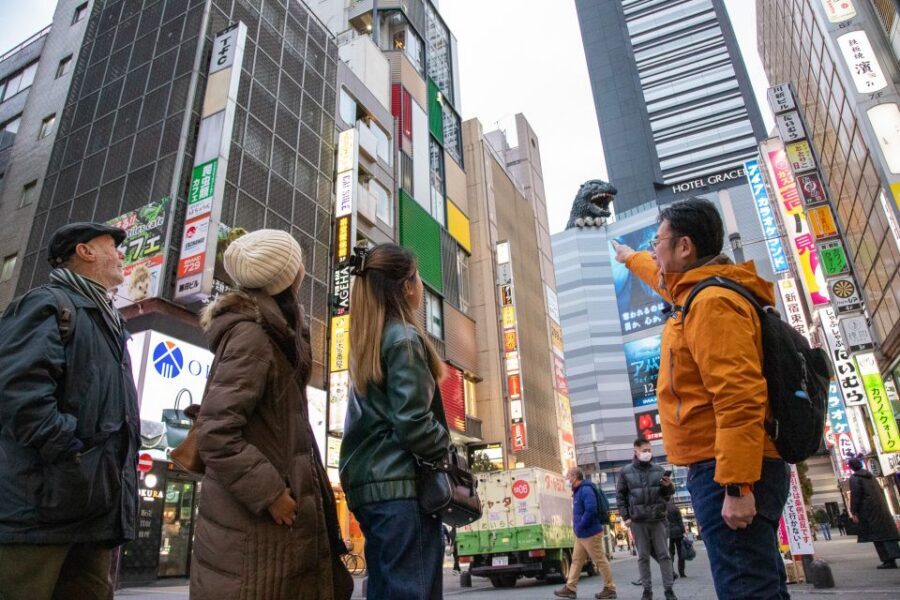
Tokyo’s modern icons show up in the later blocks of many customized routes. Shibuya Crossing is a common stop, described as the busiest intersection. It’s the kind of place that’s always impressive, but it also helps to have a guide who knows where to stand and how to time your crossing with the flow.
Then, if you’re doing a longer day or want something calmer, many tours add Shinjuku Gyoen National Garden as an optional stop. The garden is described as very beautiful, and it may require an entrance fee (optional). If the weather is mild, this can be the most refreshing part of your day after busy streets.
This pairing—iconic intersection, then quiet garden—keeps the tour from feeling one-note. It’s also a smart way to manage fatigue. Your feet still get a workout, but your eyes get a rest.
Imperial Palace, Ginza, and Local Shopping Streets
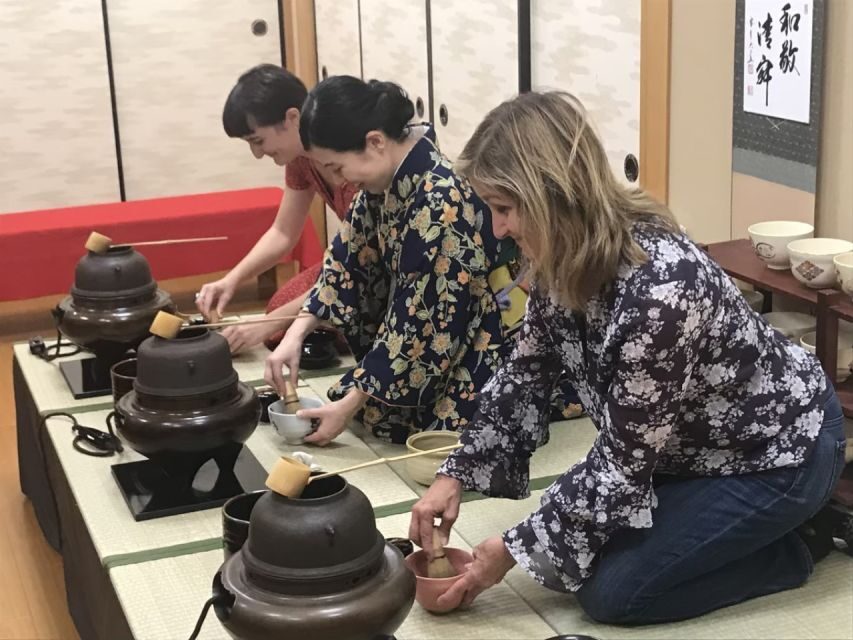
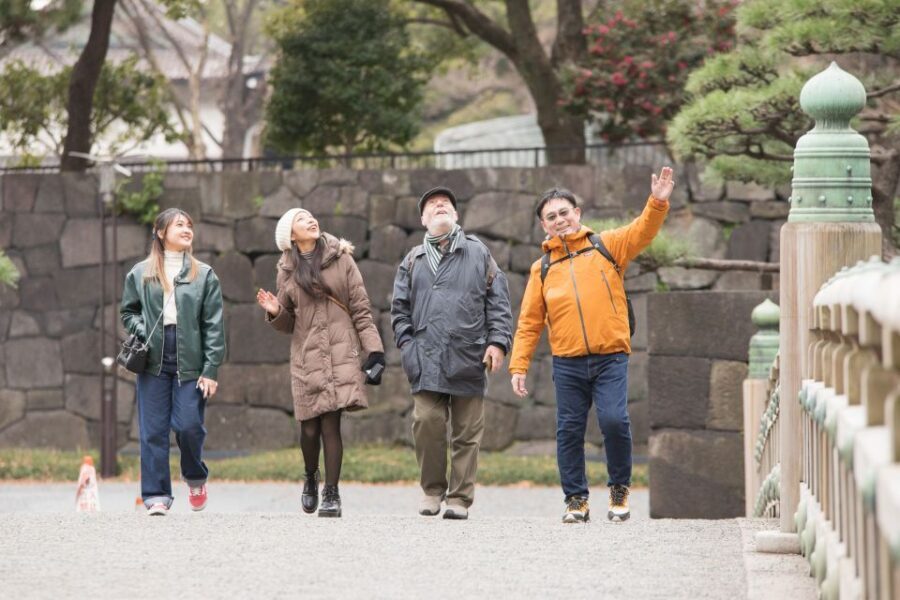
Some versions of this tour include a stop at Imperial Palace, specifically the east garden. Even as a short segment, it can shift your day from busy neighborhoods to something more open and scenic.
From there, Ginza often shows up if shopping matters. Ginza is described as one of the biggest shopping areas in Tokyo. If you’re the kind of traveler who wants to browse department stores, this is an easy add-on when you have time.
Another optional local-feel stop is Yanaka Ginza Shopping Street. It’s described as a place to include if you want to visit something more local. This is one of the tour’s smartest tricks: it lets you see Tokyo not only through famous landmarks, but through everyday street life.
Because the tour is customizable, you can decide how much shopping you want and how much you want to spend purely sightseeing.
Ueno Park, Museums, Skytree, Odaiba, and Hama Rikyu (Optional Add-Ons)
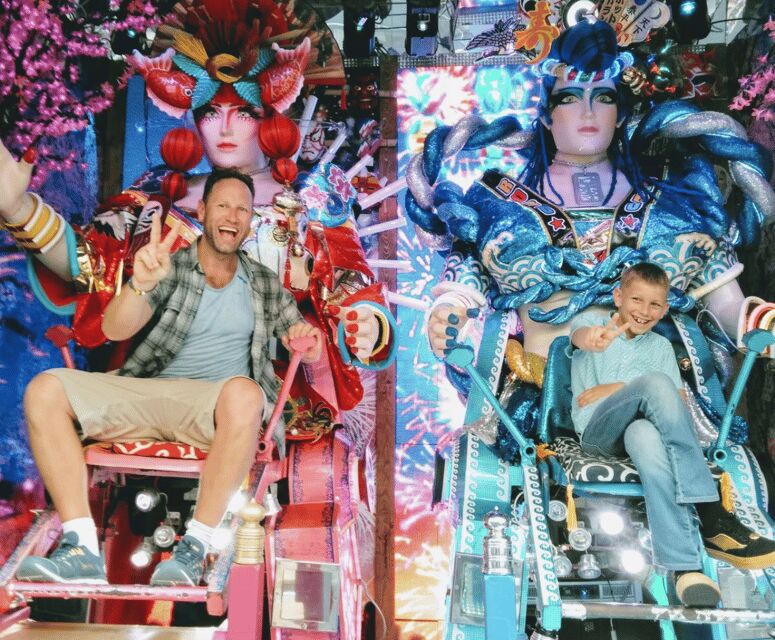
As your time increases, optional stops become more meaningful. Here are a few of the add-ons you can choose depending on the mood you want that day:
- Ueno Park: described as one of the biggest parks in Tokyo and famous for cherry blossoms (when in season). Entrance fee may apply.
- Tokyo National Museum: optional stop with an admission fee if you want to add culture time beyond temples. It’s described as one of the biggest and greatest museums in Tokyo.
- Tokyo Skytree: optional if you want views. It’s described as the tallest building in Japan.
- Odaiba District: optional waterfront district time. It’s described as a waterfront area.
- Hama Rikyu Gardens: optional garden stop described as one of the best Japanese gardens in Tokyo, with an optional entrance fee.
The best part of these options is that you can match them to your day’s energy. If you’re mentally done with long walking blocks, swap in a garden. If you want skyline moments, add Skytree. If you’re museum-minded, choose the museum stop and skip some shopping time.
Price and Value: What You’re Actually Paying For
The tour costs $145.91 per person. That’s not just for “someone to walk with you.” It’s for private guidance, hotel pickup, and a plan that’s flexible enough to reduce wasted time.
What matters for value:
- You’re paying for a local professional guide who can help you connect sites and answer questions as you go.
- You’re also paying for structure in a city where transit can be confusing without help.
- The itinerary choices help you build a day that actually fits your interests instead of following a fixed bus routine.
Now the realistic part: entrance fees, meals, and public transport fares are not included. That means the real cost depends on what you choose to enter and where you eat. If you add several optional stops that have fees, your total spending will rise.
Also, hotel pickup is offered, but pickup/drop-off limitations apply in some areas. If you’re near Tokyo Disney Resort or in Urayasu, pickup isn’t provided for those hotels, and private van service can’t go outside Tokyo.
What Guides Do That Makes the Day Feel Easy
The best thing about this tour format is how it handles the stress points that ruin a first-time Tokyo day.
In practice, guides like Tak and Ike are highlighted for being friendly and helpful around the major stops, while others such as Yoko and Michi are noted for helping with trains and navigation—especially useful if you’re trying to figure out subway routes for the first time. People also mention guides being organized and adapting when plans need to shift, like rainy-day adjustments or tailoring the day for specific interests.
If you want an experience that feels like a plan, not a set of separate landmarks, this is where the tour shines. You get explanations at stops, plus practical guidance for moving from one area to the next.
Should You Book This Tokyo Private Tour?
Book it if:
- You want a first-day orientation to Tokyo that includes both classic temples and modern highlights.
- You like the idea of customizing your route instead of being stuck with a rigid itinerary.
- You’d rather spend your energy experiencing Tokyo than figuring out transit and timing alone.
- Your group includes kids or mixed interests, since private format makes it easier to adjust the pace.
Skip it or choose a shorter version if:
- You’re trying to keep every cost strictly low, since admissions, meals, and transit fares add up.
- You hate walking. This tour includes moderate walking, and you’ll cover several areas in a single day.
If you want Tokyo in one day without the usual first-time confusion, this is a solid choice—especially when you build your day around what you actually want to see.
FAQ
How long is the Tokyo Customized Private Tour?
It runs about 4 to 8 hours, depending on the tour you choose.
How many stops will I see in a 4-hour tour?
A 4-hour tour usually covers 2 to 3 spots.
Can I customize the tour based on my interests?
Yes. The private tour can be customized to match what you want to see, and you can choose from multiple tour times.
Is hotel pickup included?
Yes, hotel pickup is included.
What’s included in the price?
Included items are a professional local guide and hotel pickup. A private vehicle option is also available.
Are entrance fees, meals, and transport included?
No. Entrance fees, meals, and public transportation fares are not included (for you and your guide).
Does the tour run in bad weather?
Yes. The tour takes place rain or shine.
What should I wear or prepare for?
You should have moderate physical fitness and wear comfortable walking shoes because there is a moderate amount of walking.
Are there limits if I choose the private vehicle option?
Yes. If you choose the private van option, you can visit the Tokyo metropolitan area but you cannot visit outside of Tokyo. Also, pickup and drop-off services aren’t available for hotels in the Urayasu area, including near Tokyo Disney Resort.
Is there free cancellation?
Yes. You can cancel up to 24 hours in advance for a full refund.
Just Your Group: Private Options

More Tours in Tokyo




More Tour Reviews in Tokyo



Fresh reviews from around Tokyo






1-Day Tours, compared.
 ★ 4.0Mt Fuji & Hakone Cruise, Drum Show Bullet Train 1 Day from TokyoFrom $1497,413 reviews
 ★ 4.5DisneySea 1-Day PassportFrom $572,726 reviews
 ★ 5.0Tokyo Customized Private Tour (Must See Places in 1 Day)From $1451,499 reviews
 ★ 4.5Kamakura & Enoshima Day Trip including Temple TicketsFrom $581,375 reviews
 ★ 4.0Mt Fuji & Hakone Cruise, Drum Show Bus 1 Day from TokyoFrom $1221,287 reviews
 ★ 4.5Tokyo Panoramic 1 Day: Meiji Shrine, Asakusa, Odaiba and SKYTREE®From $851,222 reviews
 ★ 4.5Mt.Fuji & Lake Kawaguchiko 1-Day Bus Tour w/Optional LunchFrom $77839 reviews
 ★ 5.0Mt. Fuji Day Trip from Tokyo with English Speaking Driver GuideFrom $497443 reviews
Browse the lists this tour appears in