
Reviewed · COOKING CLASSES
Vegan/Vegetarian Ramen and Gyoza by Bentoya cooking
Vegan ramen feels like a magic trick. This BentoYa Cooking class shows you how to make vegan/vegetarian ramen from scratch and shape gyoza, using a local certified instructor and real kitchen steps, not a demo you just watch. You even start by heading to a nearby supermarket to learn what Japanese pantry basics to buy.
I particularly like the way the class tackles the big Japan challenge: dashi. Since traditional soup stock often leans on fish (like bonito flakes), your instructor helps you build a satisfying flavor profile without the fish-stock shortcut. I also like the hands-on teaching style, including the kind of practical knife and seasoning guidance that makes it feel doable again at home with the help of the materials you get afterward.
One consideration: if you tend to arrive hungry, plan for it. Some people advise you to eat before you come, since the focus is on cooking and learning rather than turning the class into an all-you-can-eat feast right on arrival.
In This Review
- Key highlights
- Why vegan ramen is hard in Japan (and why this class matters)
- Meet at Komae Station: the small-group, mobile-ticket setup
- The supermarket stop: buying Japanese pantry basics
- Ramen soup from scratch: building flavor without fish dashi
- Gyoza hands-on: knife skills, filling, and pan technique
- Cooking skills you can repeat at home (with help files)
- Price and value for Tokyo cooking classes
- Practical tips before you go from Komae Station
- Should you book Bentoya Vegan/Vegetarian Ramen and Gyoza?
- FAQ
- Where is the meeting point for the class?
- How long is the BentoYa Vegan/Vegetarian Ramen and Gyoza cooking class?
- What is the price per person?
- How big is the group?
- Is the class vegan and vegetarian?
- Do you visit a supermarket during the experience?
- What do you receive after the class?
- What if the weather is bad?
Key highlights
- Small groups of up to 6 so you get help while you cook.
- Start at Komae Station and return there when you’re done, so the day stays simple.
- Supermarket stop to learn what to buy for Japanese vegan staples.
- Ramen soup from scratch with clear steps, not shortcuts.
- Gyoza practice focusing on cutting, filling, and technique.
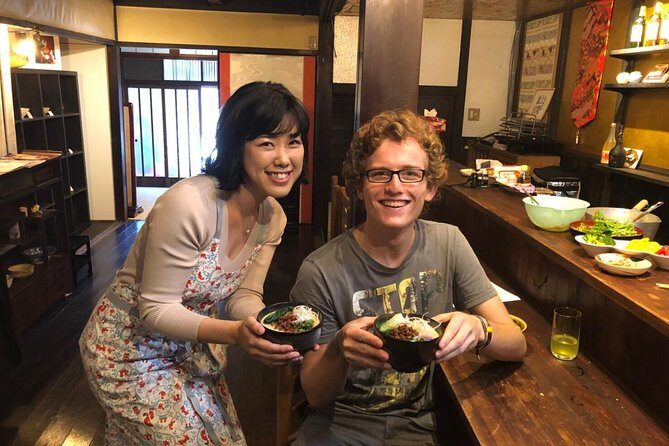
- English-friendly hosts like Kaori, Miwa, and Rina guiding you through each stage.
Before you commit, see how this one stacks up against a few Tokyo Prefecture favourites:
- Vegan/Vegetarian Ramen and Gyoza by Bentoya cooking★ 5.0 · 59 reviews
- Tokyo: Samurai Sword Academy in the Hometown of the Last Samurai★ 5.0 · 24 reviews
- (Private car)Fake It Then Taste It:Japan’s Quirky Cuisine Journey★ 5.0 · 8 reviews
Why vegan ramen is hard in Japan (and why this class matters)
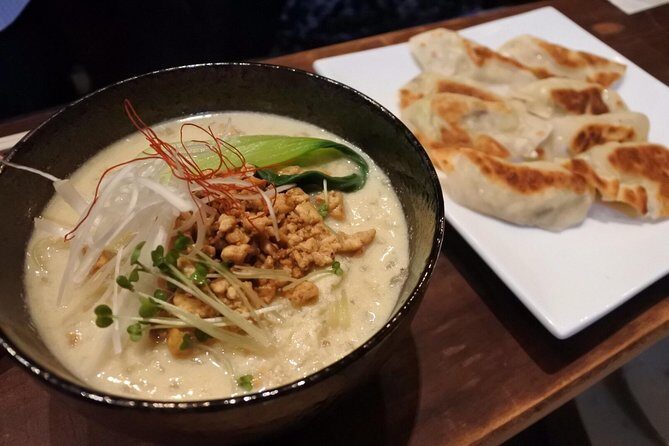
Japanese ramen is built on a deep soup base, and that’s where vegetarian plans can get tricky fast. In Japan, the word dashi often points to fish-based stock like bonito. If you keep avoiding fish, you can end up with bowls that feel flatter than what you expected.
This class is valuable because it treats that problem head-on. You’re not just learning recipes; you’re learning the logic behind them. You’ll see how to think about flavor and structure in ramen soup when you can’t rely on fish stock. That mindset is what makes a “learn today” class turn into something you can actually repeat later.
Then there’s the gyoza side, which is its own skill set. The dumplings are where technique shows. You’re working with wrappers, filling, and cooking methods that can easily go wrong if you just copy a list of ingredients. The teaching approach here is step-by-step and very practical, so you’re guided through the motions instead of guessing.
Meet at Komae Station: the small-group, mobile-ticket setup
Logistics matter on day tours, and this one stays straightforward. You meet at Komae Station (1 Chome-7 Motoizumi, Komae, Tokyo 201-0013), and the activity ends back at the meeting point. That “same starting point, same ending point” setup is great when you want to keep your Tokyo day from turning into a mini scavenger hunt.
The group size is capped at 6 travelers, which is a big deal for a cooking class. With a larger crowd, you can spend too much time waiting your turn. With a smaller group, you get more direct feedback while you’re cutting, mixing, and shaping.
You’ll get a mobile ticket, and you should receive confirmation within 48 hours of booking as long as there’s availability. It’s also scheduled during a daytime window (10:00 AM to 1:00 PM), and the full class runs about 2 hours 30 minutes.
The supermarket stop: buying Japanese pantry basics
Before you cook, you walk through the shopping side of Japanese food. This isn’t just a “nice add-on.” It changes how you’ll shop later when you’re back home and staring at shelves with no labels you trust.
You’ll see the kinds of ingredients that show up in vegan/vegetarian Japanese cooking, and you’ll get direction on what matters for ramen soup and gyoza filling. That’s one reason this experience feels closer to learning a skill than doing a one-off meal.
The instructor also helps you understand ingredients in context. In practice, that means you learn what to look for in Japanese supermarkets rather than chasing a single hard-to-find product. When people rave about being able to re-cook this at home, this supermarket step is one of the reasons why.
If you’re the type who likes food with a plan, you’ll appreciate it. If you only want a quick meal with minimal time in stores, you might find the shopping part takes some of your “cook time.” But even then, it’s usually the difference between vague results and real ramen-level results.
Ramen soup from scratch: building flavor without fish dashi
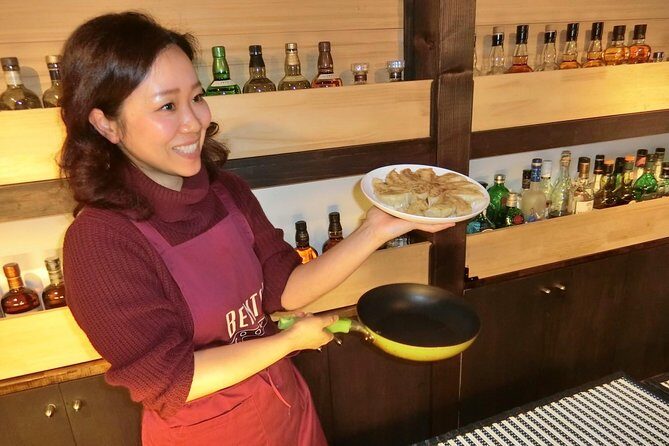
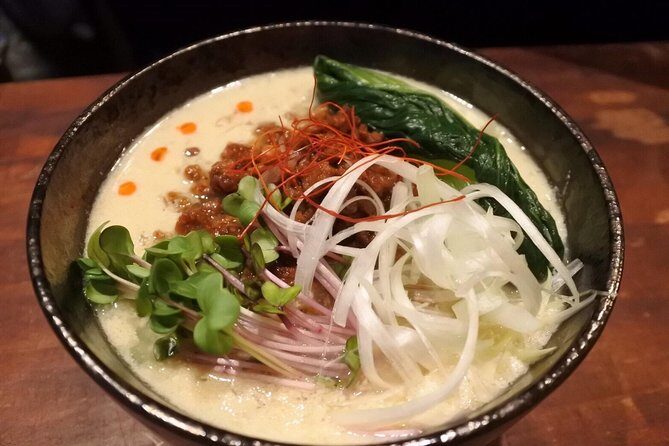
Ramen without the usual fish-based stock sounds simple on paper. In reality, it’s a balancing act. The class is designed around making ramen soup from the scratch and understanding how the base tastes and why.
You’ll learn how the soup is constructed, what you’re aiming for, and how to season with intention. This is where the instruction style really shows. People mention that hosts like Kaori explain techniques clearly, and you’re given guidance that supports both cooking and taste adjustment.
You’ll also learn the difference between “I followed a recipe” and “I understand why it tastes right.” That matters in ramen because small changes in seasoning and timing can swing a bowl from flat to satisfying.
One subtle benefit: ramen soup is forgiving in a way that many dishes aren’t. If something needs adjusting, you’re in the middle of a cooking flow where you can correct. The class structure supports that kind of learning, instead of rushing you through steps with zero feedback.

Gyoza hands-on: knife skills, filling, and pan technique
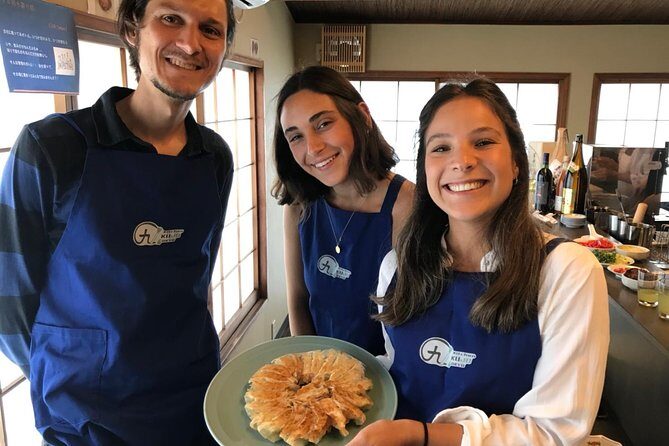
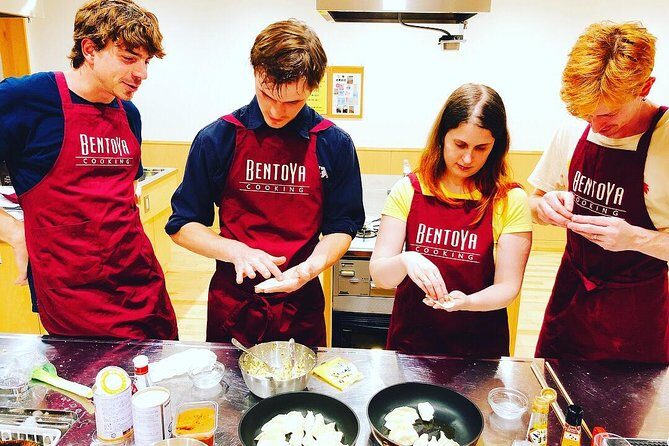
Gyoza is where your hands do the work, not just your taste buds. You’re working with dough wrappers and a filling, so you’ll learn how to handle ingredients, portion the filling, and form dumplings with confidence.
In the kitchen, you’ll get instruction on cutting and cooking techniques and how to season properly. People also specifically highlight the focus on folding and presentation—meaning they care about how it looks and how it cooks, not just whether it’s edible.
This is also a great skill-builder for vegetarians who want Japanese comfort food at home. Once you understand the basics of filling and the cooking rhythm, gyoza becomes a flexible dish you can adapt. You’ll walk away with a clearer idea of how the texture should feel and how the wrapper should behave when it hits the pan.
Also, keep in mind gyoza cooking rewards attention. If your pan heat is off, you’ll feel it quickly. The class size helps because you can get help while you’re learning the technique instead of waiting until everything is over.
Cooking skills you can repeat at home (with help files)
The best part of a cooking class is not the meal in front of you. It’s what you can do next month, on a random Tuesday, with a few ingredients and a plan.
In this class, you get both the process and the repeatable framework. People mention detailed instruction files afterward, which can turn your memories into something usable. When you re-cook later, those written steps and reminders help you avoid the usual problem: you know it was delicious, but you forgot the key detail that made it work.
You’ll also pick up technique tips, like cutting approaches and seasoning habits. Even if your exact ingredients differ at home, technique helps you stay close to the original result.
If you’re vegetarian or vegan, this matters even more in Tokyo-style cooking. The challenge isn’t only finding ingredients. It’s learning how Japanese cooking expects flavor to build, layer by layer. This class gives you that education without requiring you to already be a ramen expert.
And if you enjoy chatting, expect a friendly, welcoming vibe. Hosts such as Kaori and Miwa have been praised for making the experience feel relaxed and personal, while Rina is also mentioned as warm and helpful.
Price and value for Tokyo cooking classes
At $75 per person, this isn’t the cheapest activity in Tokyo. But it’s also not priced like a generic group event where you mainly watch and eat. You’re paying for a skill-based, hands-on session with a small group, a supermarket introduction, and an instructor-led build-from-scratch ramen soup and gyoza experience.
When I think about value for classes like this, I weigh three things:
- Small group time with real instruction
- Ingredient buying guidance (so you can shop with confidence later)
- Materials after class (so you can actually recreate it)
This experience checks those boxes. The max group size of 6 helps you get more direct help, and the supermarket step gives you practical buying knowledge. Then the instruction files push the value beyond the day itself.
If you’re the kind of traveler who wants one “food moment” in Tokyo, you might prefer a restaurant meal. But if you want a hands-on takeaway that keeps paying off, the price starts to look fair.
Practical tips before you go from Komae Station
Here’s how to set yourself up for a smooth session.
Timing: The tour window runs 10:00 AM to 1:00 PM, and the class is about 2 hours 30 minutes. Plan your morning so you’re not rushing to arrive right on the minute.
What to bring: The basics for a cooking class—comfortable shoes and a willingness to get a little involved. The experience is hosted in a kitchen environment, and you’ll be working with food.
Diet expectations: This is designed as vegan/vegetarian Japanese cooking, with special attention to the fact that dashi in Japan is often fish-based. If you have strict dietary needs, think through them in advance so you can ask questions clearly.
Weather note: The activity requires good weather. If weather doesn’t cooperate, you’ll be offered a different date or a full refund.
Language: English instruction has been highlighted by multiple guests, so you should be able to follow steps without getting lost in translation.
Should you book Bentoya Vegan/Vegetarian Ramen and Gyoza?
You should book if you want more than a meal. This is for people who want to learn how ramen soup and gyoza are built, how seasoning works, and how to shop for the ingredients you’ll need later. The small group size and hands-on approach make it easier to ask questions and fix mistakes while you’re cooking.
Skip it if you only want a quick experience and prefer to avoid the supermarket stop. Also consider eating before you go if you tend to get very hungry during slower lessons—some guests specifically recommend that.
If you’re vegetarian or vegan in Tokyo and tired of feeling shut out by fish-based dashi, this class is one of the more practical ways to solve that problem. You’ll leave with skills you can use again, plus the confidence that you can make a bowl that feels like Japanese ramen without the fish-stock shortcut.
FAQ
Where is the meeting point for the class?
You meet at Komae Station, 1 Chome-7 Motoizumi, Komae, Tokyo 201-0013, Japan.
How long is the BentoYa Vegan/Vegetarian Ramen and Gyoza cooking class?
The class lasts about 2 hours 30 minutes.
What is the price per person?
The price is $75.00 per person.
How big is the group?
The experience has a maximum of 6 travelers.
Is the class vegan and vegetarian?
Yes. It is described as a Japanese Vegan/Vegetarian cooking class, focused on vegan/vegetarian ramen and gyoza.
Do you visit a supermarket during the experience?
Yes. The format includes a visit to a local supermarket to introduce Japanese basic ingredients.
What do you receive after the class?
You get instruction materials afterward, and the teaching includes guidance on techniques like cutting, seasoning, and presentation.
What if the weather is bad?
The experience requires good weather. If it’s canceled due to poor weather, you’ll be offered a different date or a full refund.
More Tour Reviews in Tokyo Prefecture
Fresh reviews from around Tokyo Prefecture

Cooking Classes, compared.
 ★ 5.0Ramen & Gyoza Cooking Class in Tokyo with Local Supermarket VisitFrom $122823 reviews
 ★ 4.6Easy Ramen Cooking Experience in Kabukicho, ShinjukuFrom $29321 reviews
 ★ 5.0Ramen and Sushi Cooking Class with Sake Pairing Set in TokyoFrom $79291 reviews
 ★ 4.9Wagyu and 7 Japanese Dishes Cooking ClassFrom $67273 reviews
 ★ 5.0Tokyo Washoku 4-hour Cooking Class: From Market to TableFrom $79253 reviews
 ★ 5.0Small-Group Wagyu Beef and 7 Japanese Dishes Tokyo Cooking ClassFrom $72190 reviews
 ★ 5.0Private Home Cooking in Yanaka – Local Flavors in a Warm SettingFrom $122173 reviews
 ★ 5.0Tokyo Sushi Making Experience & Japanese Cooking ClassFrom $59150 reviews
Browse the lists this tour appears in