
Reviewed · ASAKUSA TOURS
Tokyo: 2-Hour Asakusa Food Hunt & Cultural Tour
That’s a lot of flavor in 150 minutes.
I like how this Asakusa tour mixes real local bites with culture you can see, not just photo stops. You’re led through side streets beyond the main tourist flow, with a small group (max 6) and an English guide. If you get guides such as Max, Shino, Chi, or Leigh, you’ll likely get a calm, chat-friendly pace plus answers to food questions you didn’t know you had.
Two things I especially value are the start with a standing sushi stop run by a fish dealer, and the chance to learn how Japanese eating style works beyond surface habits. The tour also builds in traditional textures you don’t always find on casual itineraries—fresh soba with gyoza, handmade rice crackers at a shop with over 100 years of history, and Japanese snacks traced back to a food stand that began 50 years ago in Tokyo.
One consideration: you’ll walk about 1 to 2 kilometers, so comfortable shoes really matter, and you’re in a lunch-time window (11:30 to 14:00) where heat and crowds can make pace feel like a variable.
In This Review
- Key Points to Know Before You Go
- Why Asakusa Is a Perfect Base for a Food Hunt
- 150 Minutes, 1 to 2 Kilometers: The Realistic Pace
- The Standing Sushi Start: Eat Like the Shop Expects
- Soba and Gyoza at a Place Locals Actually Use
- 100-Year-Old Rice Crackers and Snack Time With a Story
- Sensoji Temple as the Cultural Finale (Not Just a Walk-By)
- What Guides Teach You Beyond the Menu
- Small Group Size: Why It Feels Easier Than Big Tours
- Price and Value: Why $76 Makes Sense for This Many Stops
- Who This Tour Suits Best (And Who Might Prefer DIY)
- Should You Book This Asakusa Food Hunt?
- FAQ
- How long is the Asakusa food hunt and cultural tour?
- Where do we meet for the tour?
- How big is the group?
- Is transportation included?
- What food is included?
- What language is the guide?
- What is the cancellation policy?
Key Points to Know Before You Go
- Non-touristy Asakusa route: you’ll cover about 1 to 2 kilometers and see parts of the neighborhood you might otherwise skip
- Sushi done the right way: a standing shop owned by a fish dealer, plus guidance on eating style
- Full lunch-size tastings: more than 4 stops with a mix of sit-down meals and snack breaks
- Older, family-run food spots: vendor history shows up in the experience, not just on signs
- Small group, English guide: limited to 6 participants for questions and flexibility
- Sensoji Temple time included: you end with major cultural context alongside the food journey
More mornings around Senso-ji and the old town
- Tokyo: Japanese Dance Cabaret Theater Asakusa-Kaguwa Ticket★ 4.8 · 2,270 reviews
- Tokyo: Asakusa Walking Tour with Sensoji Temple Visit★ 4.8 · 1,583 reviews
- Tokyo Asakusa Rickshaw Tour★ 5.0 · 1,375 reviews
Why Asakusa Is a Perfect Base for a Food Hunt
Asakusa is one of those Tokyo neighborhoods where food and culture are linked at street level. Instead of treating meals like a checklist, this tour treats them like a story—how ingredients get chosen, how meals get eaten, and how daily life ties back to bigger landmarks like Sensoji Temple.
What I like most for your trip planning: the tour doesn’t just go where lines are long. It pushes you toward the family-owned shops and local restaurants that support a real community rhythm. That means the experience feels less staged and more like you’re borrowing a local path for a couple of hours.
You also get a helpful mix of textures and styles: fresh seafood at a standing sushi counter, hot noodles at a soba restaurant, crisp handheld snacks, and sweets/savory bites along the way. It’s a smart way to learn Japanese food culture without needing a full day and a giant budget.
150 Minutes, 1 to 2 Kilometers: The Realistic Pace
This is a 2-hour-ish tour in practice: it runs from 11:30 to 14:00 and lasts about 150 minutes. You’ll walk roughly 1 to 2 kilometers, which is not huge distance, but it’s enough that footwear matters.
The itinerary is built around food stops that help you reset mentally. You’re not doing a marathon between tastings. You’ll likely include both sit-down meals and shorter snack moments, and guides tend to manage the day—especially on hot days—by keeping you out of harsh sun when possible and making sure people have fluids.
Since transportation isn’t included, you’ll want to plan how you’ll reach the meeting point calmly. The meeting point is Hinatomaru Kaminarimon, 1 Chome-20-3 Asakusa, Taito City, Tokyo. Arrive a bit early so you can meet up without stress, especially if you’re navigating from a station with multiple exits.
The Standing Sushi Start: Eat Like the Shop Expects
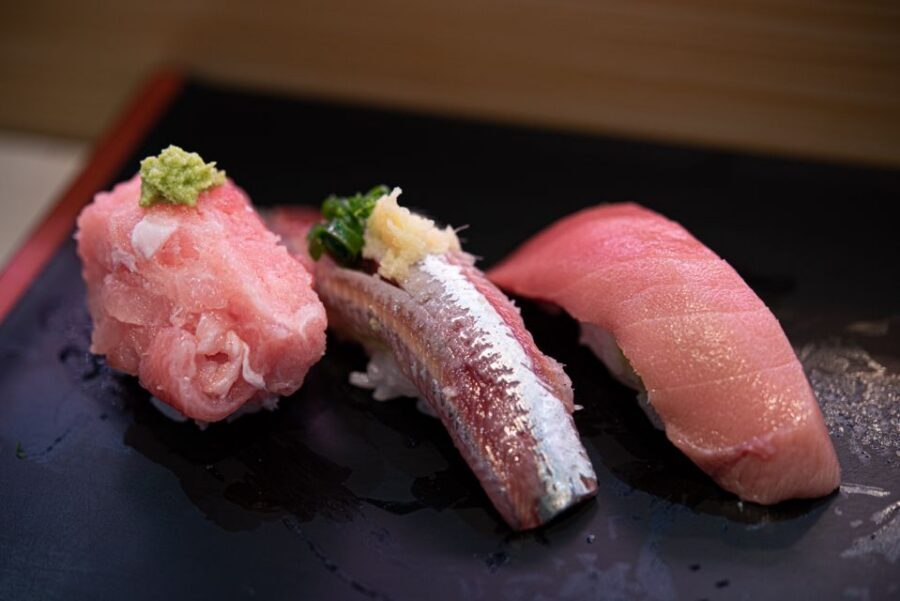
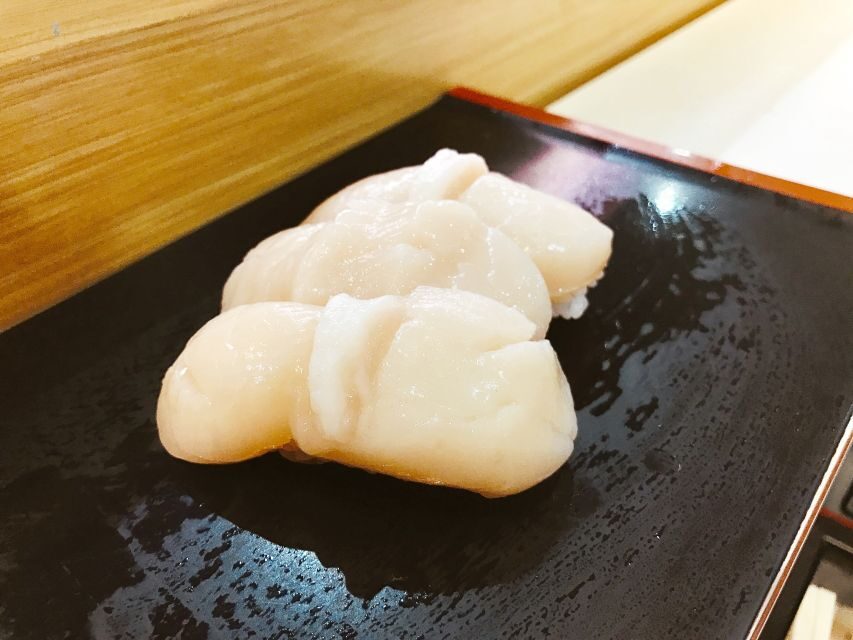
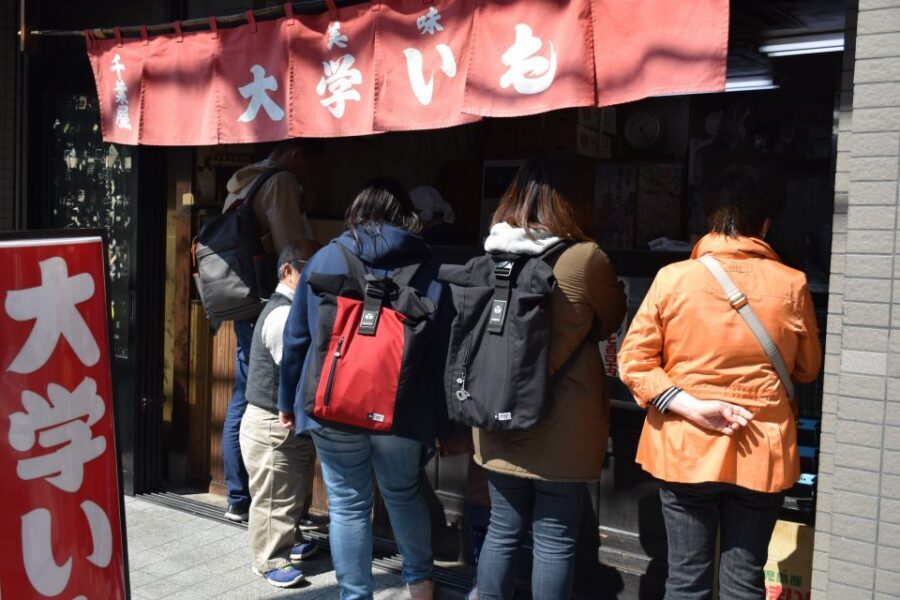
The tour’s opening move is smart: it gets you to a standing sushi restaurant owned by a fish dealer. That choice matters because it places sushi in a supply-chain context—someone who sells fish understands freshness and handling in a practical way.
You’ll learn how to eat sushi properly and you’ll taste fresh seafood you might not choose on your own. The tour also frames sushi as something that used to be quick, easy food in Japan and then became more about craftsmanship in how it’s eaten. That little lesson is more useful than it sounds, because it changes your mindset from getting full fast to eating with intent.
Standing sushi also changes the experience. You get a closer feel for the process and you’re not waiting around for a table service rhythm. If you’re the type who likes structure when trying something new, this is a great first stop: the guide helps you figure out what’s happening and what to do.
Potential drawback? If you dislike standing for extended periods, note that this is part of the experience. You may want to pace yourself and ask your guide about any small breaks if needed.
Soba and Gyoza at a Place Locals Actually Use
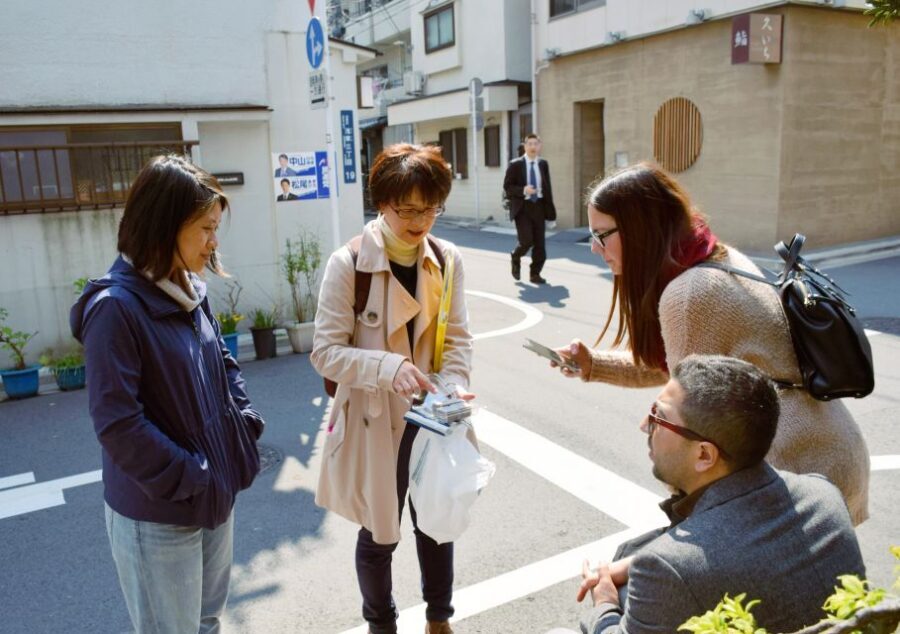
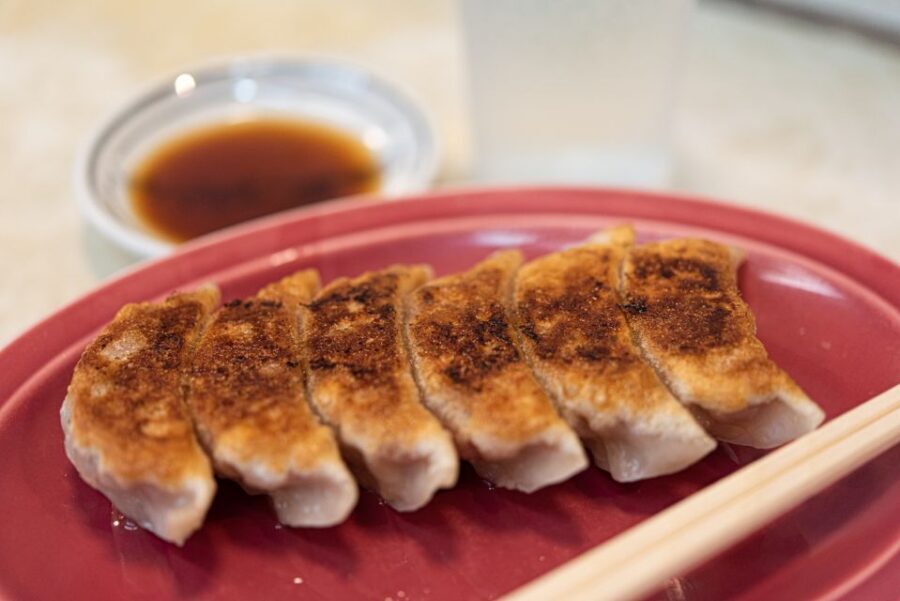
After sushi, the tour moves to a family-owned soba restaurant, with fresh soba and gyoza in a setting geared toward regulars. The big value here is that it teaches you how soba fits into everyday eating, not just as a tourist novelty.
The tour design puts this stop where it helps you. After seafood, you get a different flavor profile and different textures: buckwheat noodles with warm, savory companions. Gyoza adds that satisfying bite you can use as a benchmark for Japanese dumpling expectations.
What you learn on this kind of stop is subtle. Soba shops often make you notice how ingredients and cooking time affect the taste. Even if you’ve eaten noodles before, a local-style meal with the right guide helps you connect the dots between what you’re tasting and why it tastes that way.
If you’re traveling with kids or older relatives, this kind of stop is a plus too. It’s filling, familiar enough to manage, and it’s a chance to sit down and reset while still staying authentic to the neighborhood’s food habits.
Other plates worth crossing Tokyo for


100-Year-Old Rice Crackers and Snack Time With a Story
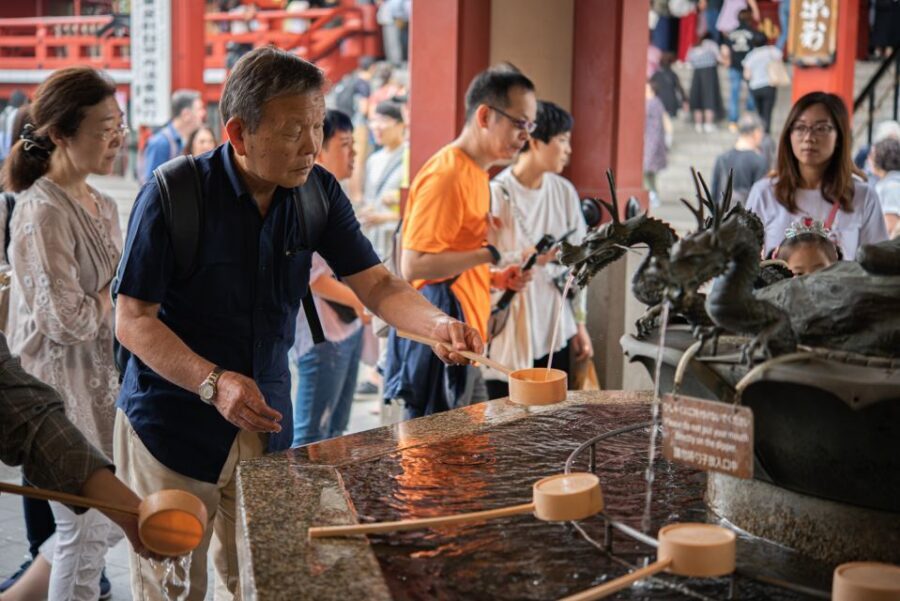
One of my favorite parts of this tour is that it doesn’t treat snacks as filler. You stop at a store for handmade rice crackers with over 100 years of history, and you also try Japanese snacks that trace back to a food stand that started 50 years ago in Tokyo.
Why that matters for you: snacks tell you what locals want between meals. They’re not always about novelty; they’re about comfort, portability, and flavor you can grab on the way somewhere else. A shop with a long timeline usually means the tastes have survived real-world trends, not just marketing.
This is also where you can pick up practical ideas for your independent exploring later. You’ll get a sense of what kinds of snacks belong in Asakusa’s daily life, which makes shopping later less overwhelming. Instead of guessing, you’ll have a mental map of flavors and styles the area actually produces.
If you’re sensitive to certain textures (crisp, brittle, or very salty), let your guide know early. The tour is designed to keep the flow smooth, and a good guide can adjust what you prioritize without derailing the schedule.
Sensoji Temple as the Cultural Finale (Not Just a Walk-By)
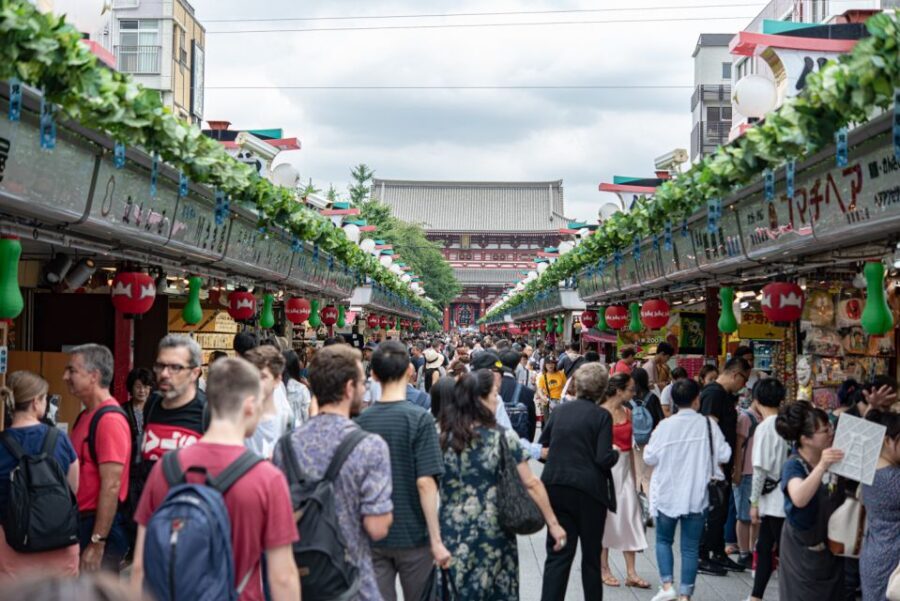
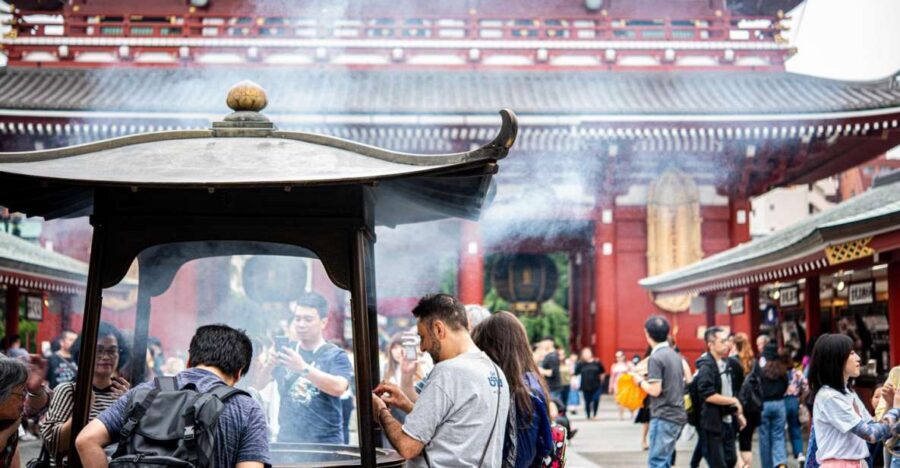
Food tours are often great until the moment they add a major sight and it feels tacked on. Here, Sensoji Temple works as a meaningful finale because you’ll learn Japanese culture and history as you visit one of Tokyo’s largest temples.
This timing is practical. After eating, you’re in a better mood to notice details and take in atmosphere. You’re also less likely to feel rushed through the temple area because the day already gave you the big “do something” payoff.
Sensoji doesn’t just add a landmark check. It helps you connect why Asakusa’s street life exists at all—how a major temple anchors neighborhood identity. The food you tasted earlier becomes easier to place: you’re not just eating in an interesting area, you’re eating in a district shaped by long-standing traditions.
One consideration: temple areas can be crowded. Comfortable shoes still matter, and the best approach is to walk calmly with your guide and let them manage pacing so you can focus on what you’re seeing.
What Guides Teach You Beyond the Menu
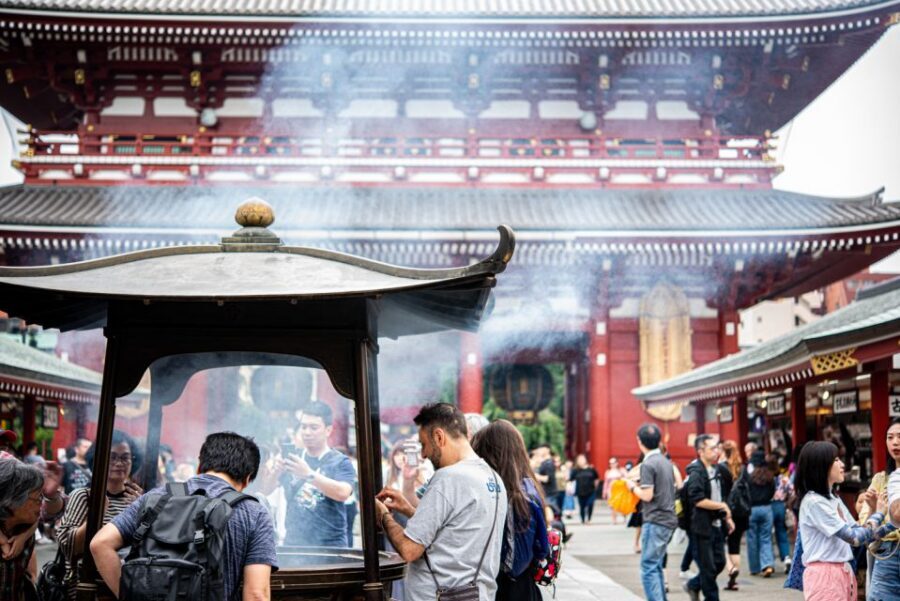
The headline promise is tasting a lot of food. The real value is what your guide helps you do with it. This tour explicitly includes learning and practicing authentic Japanese eating styles and how to handle sushi correctly.
Even if you’ve eaten sushi before, this kind of guidance can be eye-opening. The tour frames sushi as something that changed over time—from fast, convenient food to something people often treat with more care. That shift is reflected in how you’re guided to eat it on this itinerary.
You’ll also get historical insights tied to the stops. That’s how you turn meals into something you can remember later: not just the flavor, but the reason it exists. In the experience style described by past participants, guides also manage questions well, adjust to different needs, and keep things moving without turning the day into a sprint.
If you enjoy asking practical questions—how to eat something, why a shop does it a certain way—this tour rewards that curiosity.
Small Group Size: Why It Feels Easier Than Big Tours
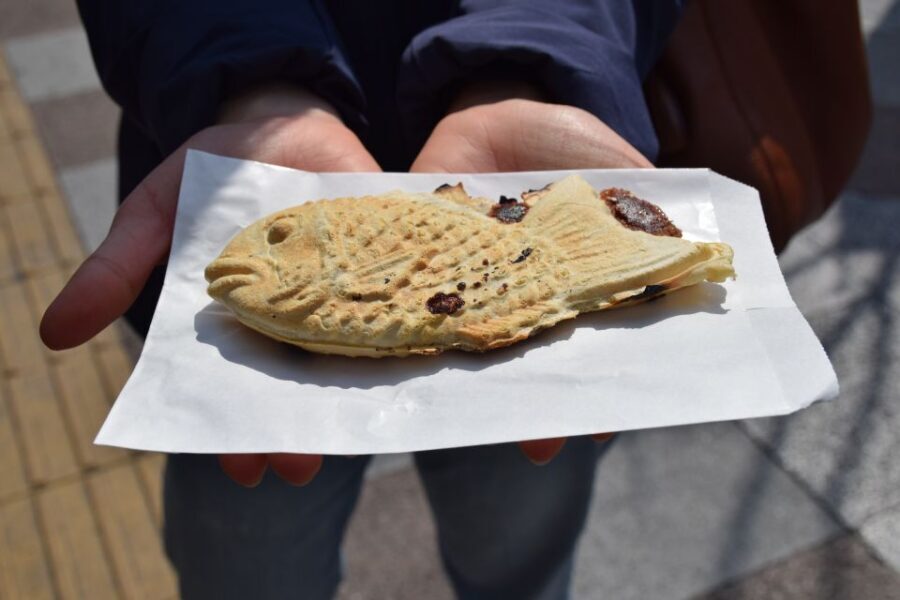
This is limited to 6 participants, which is the sweet spot for a food-and-culture mix. You get enough people for energy, but not so many that the guide has to talk over the group or treat you like a slow-moving obstacle.
That small size also helps when the day gets a little unpredictable—like weather or timing around popular areas. Guides can slow down, pause for comfort, and keep you from feeling like you’re being dragged through each stop.
The tour format is designed so you’re not just receiving a script. You’re encouraged to learn, ask, and eat in a way that feels natural for you. That’s especially helpful if you’re the type who worries about order etiquette or how to react in a new setting.
Price and Value: Why $76 Makes Sense for This Many Stops
At $76 per person for about 150 minutes, the big question is value. Here’s how I’d judge it.
First, you get full lunch-size tastings, not token samples. Multiple stops are included, with more than 4 local vendors and a clear emphasis on places with long histories. Second, the sushi stop isn’t just an eat-and-go location; it’s a standing shop tied to a fish dealer, and you get instruction on how to eat sushi properly.
Third, you’re not paying separately for the guide’s cultural teaching and explanation. That matters because you’re learning eating style and context, not just consuming food. In a city where you can absolutely DIY food for cheaper, paying for direction can still be worth it when you want authenticity without spending hours figuring out where locals actually go.
Transportation isn’t included, so factor that into your total plan. But the tour itself gives you a tight package: food + guidance + a major cultural stop.
Who This Tour Suits Best (And Who Might Prefer DIY)
This works well if you:
- want a guided path through Asakusa beyond the main tourist route
- enjoy learning table etiquette and how food culture works in real life
- prefer a small group with time for questions
- value a structured plan that still leaves room to taste and look around
You might consider another option if:
- you strongly dislike standing at food counters
- you’re trying to keep walking minimal
- you’re traveling with a schedule that can’t fit 11:30 to 14:00
For most people, though, it’s a very practical way to get a satisfying lunch and cultural context without spending the whole day chasing directions.
Should You Book This Asakusa Food Hunt?
If you want your Asakusa day to feel like a real food itinerary with cultural meaning, I think this is a strong booking choice. The combination of a standing sushi start, a soba and gyoza meal, long-running shops for rice crackers and snacks, and a Sensoji Temple visit is exactly the kind of “two birds, one neighborhood” plan that makes Tokyo feel less overwhelming.
Book it when you want help making good choices without doing homework. Skip it only if you know you can’t handle the walking or standing parts.
If you do book, do one simple thing: wear comfortable shoes, arrive a little early at Hinatomaru Kaminarimon, and go hungry enough to enjoy a full lunch-size tasting. Your stomach will thank you, and so will your curiosity.
FAQ
How long is the Asakusa food hunt and cultural tour?
The tour lasts 150 minutes, running from 11:30 to 14:00.
Where do we meet for the tour?
You meet at Hinatomaru Kaminarimon, 1 Chome-20-3 Asakusa, Taito City, Tokyo.
How big is the group?
The group is limited to 6 participants.
Is transportation included?
No. Transportation is not included.
What food is included?
The tour includes full lunch-size local food tastings, including a standing sushi experience, fresh soba with gyoza, handmade rice crackers, and Japanese snacks.
What language is the guide?
The live tour guide speaks English.
What is the cancellation policy?
Free cancellation is available up to 24 hours in advance for a full refund.
More Tours in Tokyo



More Tour Reviews in Tokyo




Around Senso-ji: More Asakusa Picks
Fresh reviews from around Tokyo






Asakusa Tours, compared.
 ★ 4.8Japanese Dance Cabaret Theater Asakusa-Kaguwa TicketFrom $492,270 reviews
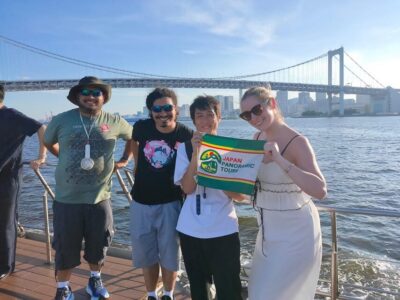 ★ 4.7Meiji Shrine, Asakusa, Skytree Bus Tour and CruiseFrom $1221,986 reviews
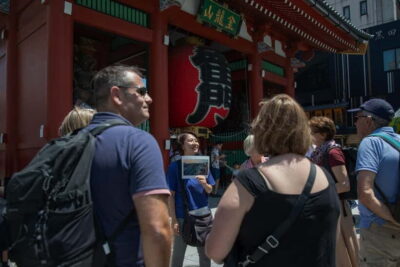 ★ 4.8Asakusa Walking Tour with Sensoji Temple VisitFrom $221,583 reviews
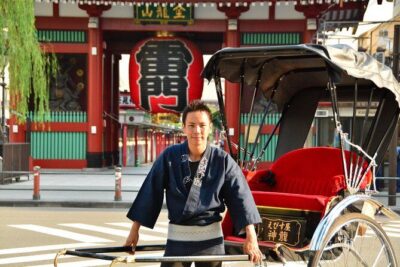 ★ 5.0Tokyo Asakusa Rickshaw TourFrom $421,375 reviews
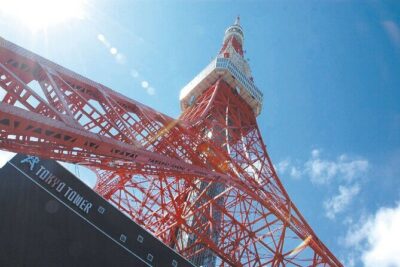 ★ 4.5Tokyo Panoramic 1 Day: Meiji Shrine, Asakusa, Odaiba and SKYTREE®From $851,222 reviews
 ★ 4.8Samurai Ninja Museum Asakusa: Samurai Sword Lesson & TourFrom $63306 reviews
Asakusa Sightseeing Tour by RickshawFrom $35195 reviews
Asakusa Kimono Dressing and Matcha ExperienceFrom $56173 reviews
★ 4.8Samurai Ninja Museum Asakusa: Samurai Sword Lesson & TourFrom $63306 reviews
Asakusa Sightseeing Tour by RickshawFrom $35195 reviews
Asakusa Kimono Dressing and Matcha ExperienceFrom $56173 reviews
Browse the lists this tour appears in