
Reviewed · SUMO SHOWS
Ryogoku: Sumo Town Guided Walking Tour with Lunch
Sumo in Tokyo, without the guessing. I love the small-group pace and I really like that lunch is proper chanko-nabe, one of the signature foods of sumo life. The walk gives you the why behind what you’ll see, even if you don’t catch a match.
One big thing to know: this tour focuses on culture and stables, not guaranteed sumo bouts.
In This Review
- Key points before you go
- Ryogoku: Tokyo’s sumo neighborhood and what 1600 years feels like
- From Ryogoku Station: how the small-group walk stays on track
- Stables at Hakkaku-beya and Kasugano-beya: what you can see from the outside
- Ryogoku Kokugikan and Edo Noren: the stadium aura and Edo-era touches
- Ekō-in plus shrine-and-temple stops: why rituals matter in sumo
- Chanko-nabe lunch: the wrestler’s hot-pot, served right
- Turning tour facts into better sumo watching (even without bouts)
- Price and value at $122 for 3.5 hours
- Should you book this Ryogoku sumo walk with lunch?
- FAQ
- How long is the Ryogoku sumo walking tour with lunch?
- What size is the group?
- Is lunch included?
- Do I get to watch sumo bouts during the tour?
- Where do we meet the guide?
- What language is the guide?
- What should I bring?
- Is the tour suitable for people with mobility impairments?
- Is the tour suitable for people with food allergies?
- Is free cancellation available?
Key points before you go
- A 3.5-hour, expert-led walk through Ryogoku’s sumo heart, capped with lunch
- Stables from the outside (Hakkaku-beya and Kasugano-beya), with explanations of day-to-day life
- Time at Ryogoku Kokugikan so the stadium makes sense, even when you’re not inside for a tournament
- Temple and shrine stops that connect Shinto and Buddhist rhythms to sumo tradition
- Chanko-nabe at a standout Ryogoku restaurant, a hot-pot meal tied directly to wrestler training
More chances to sit ringside
- Tokyo: Sumo Show and Dining Experience★ 4.8 · 2,742 reviews
- the SUMO show★ 5.0 · 1,960 reviews
- Tokyo Shinjuku Sumo Show & Experience with Photo★ 5.0 · 1,750 reviews
Ryogoku: Tokyo’s sumo neighborhood and what 1600 years feels like
Ryogoku is where sumo feels less like a TV product and more like a neighborhood with habits. You’re walking through an area shaped by wrestlers, stables, shrines, and the big stadium presence of Japan’s national sport. And the guide’s job is to connect the dots so the rituals don’t feel random.
What I like most is the framing: sumo didn’t spring up yesterday. This tour gives you the story of how sumo started and developed over more than 1600 years. That matters, because once you understand the long timeline, you start noticing details. You’ll also hear how sumo culture lives beyond the ring, including how wrestlers train and how the stable system shapes careers.
This is also where the tour earns its keep if you’re a first-timer. The walk covers more than just “sumo stuff.” You’ll connect sumo with other pieces of Japanese culture like Shinto shrines, Buddhist temples, woodblock prints, gardens, swords, and cuisine. That turns Ryogoku into a whole mini-class in Japanese culture, with sumo at the center.
From Ryogoku Station: how the small-group walk stays on track
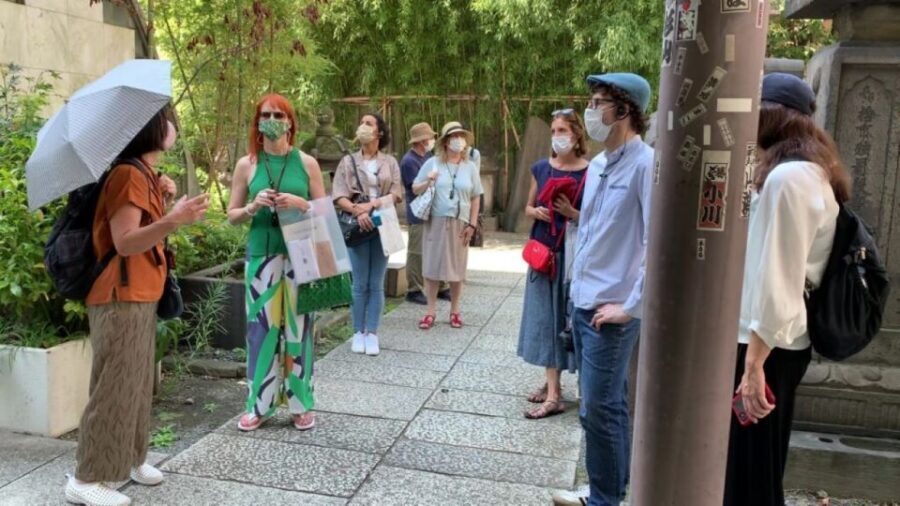
The tour is 210 minutes total, and it stays manageable because it’s built for a small group. The group size is limited to up to 8 people, which helps the guide keep the pace conversational instead of turning into a lecture you can’t hear.
You meet your guide outside Ryogoku Station. The route then mixes short sightseeing blocks with guided commentary, so you’re not constantly walking with your eyes glued to the pavement. Comfortable shoes are a must. You’ll be moving, and you’ll want both your feet and your brain ready for the history and culture being explained.
Also, don’t expect this to feel like “catching sumo.” The tour is designed for learning—sumo history, stable life, and how the sport fits into Japanese tradition. That’s a plus if you’re traveling outside tournament dates, because it means the experience isn’t held hostage by match schedules.
Stables at Hakkaku-beya and Kasugano-beya: what you can see from the outside
Two of the standout stops are the sumo stables: Hakkaku-beya and Kasugano-beya. Important note: you’re not promised a behind-the-scenes ticket. What you get is a guided look from the outside—plus the story of what goes on inside.
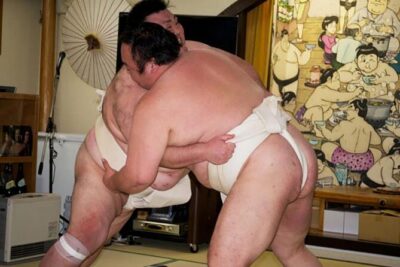
And the details are the point. A stable is where wrestlers live and train, and the guide explains how that system builds discipline over time. In the past, groups have even been lucky enough to spot wrestlers relaxing in a back alley behind a stable and to see loin cloths (the mawashi) airing in the sunshine after practice. You should treat that as a possibility, not a guarantee, but it shows the tour can feel more alive than you’d expect.
Guides also tend to make the stables human. People have credited guides like Jeff for being friendly and personable, Taka for being informative and funny, and Yoko for showing she genuinely loves the sport. With that tone, the stables stop being vague “fancy buildings” and start feeling like workplaces with routines—just with a very different dress code.
If you’re hoping to feel what kind of life a wrestler has—training, stable responsibilities, and the daily rhythm—this is the part that connects best.
Ryogoku Kokugikan and Edo Noren: the stadium aura and Edo-era touches
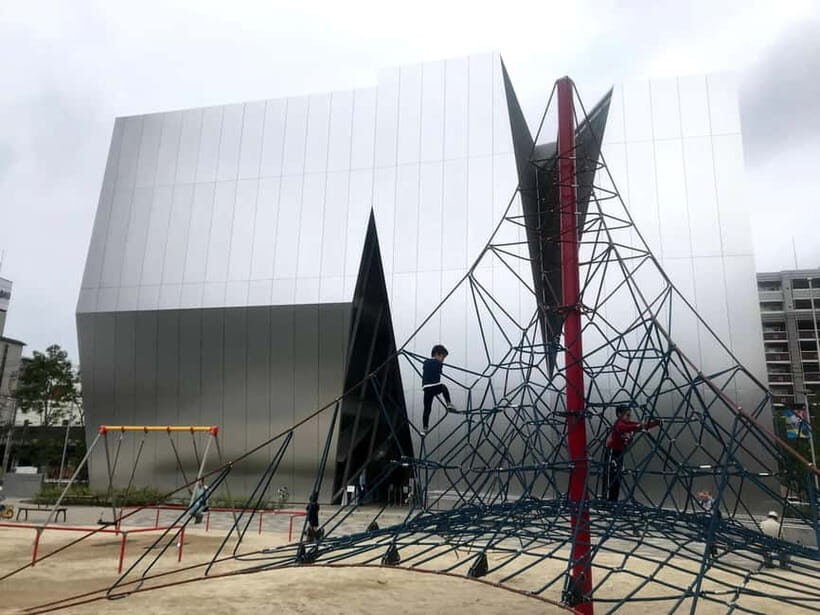
You’ll spend time at Ryogoku Kokugikan, the sumo stadium that anchors the area. Even if you’re not attending a match, standing near the stadium is useful because it gives you scale. This is a sport with ceremony and tradition, and Kokugikan is where that energy concentrates.
You’ll also visit Ryōgoku Edo NOREN. This is one of those stops that helps you understand the “Edo” flavor tied to the area. The guide’s commentary connects the venue and neighborhood vibe to broader cultural themes, so you don’t just walk past buildings—you pick up context that makes the whole sport feel less distant.
One practical thing: since this is a walking tour, you’ll be moving between sights without worrying about transit transfers. The route is staged so you can absorb what you’re seeing. And because the guide is an English-speaking sumo expert, you get explanations on the fly—when you’re standing in front of something and the sport’s history finally clicks.
Tokyo at walking pace, a few more ways
Ekō-in plus shrine-and-temple stops: why rituals matter in sumo
Sumo isn’t only athletic. It’s ritual-heavy, and that shows up in the landscape around it. The tour includes a stop at Ekō-in, along with other cultural stops that connect to Shinto and Buddhist traditions.
This part matters because it changes how you watch the sport later. When you understand the religious and ceremonial roots, you start noticing what might otherwise look like showmanship. You’ll learn how sumo developed over centuries, and how that history intersects with Japanese beliefs and community life.
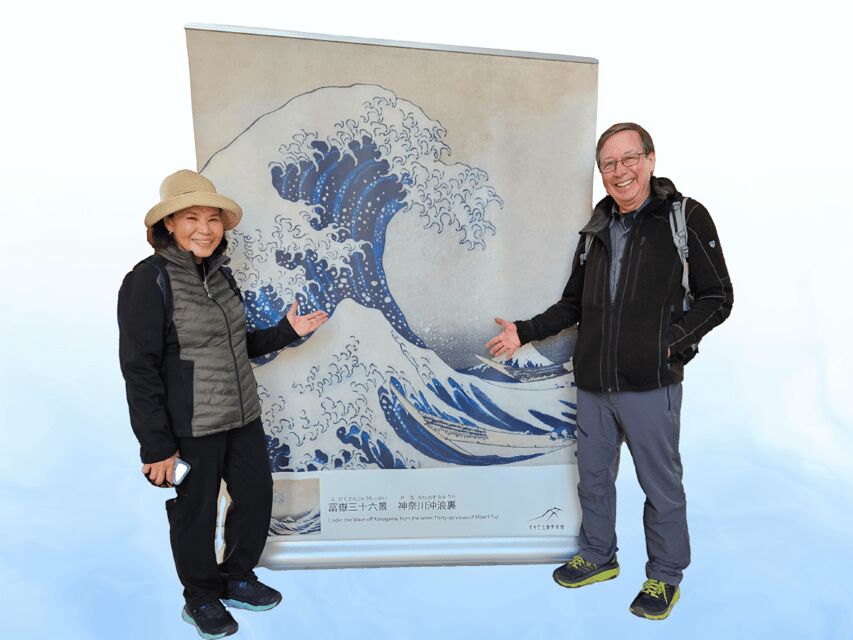
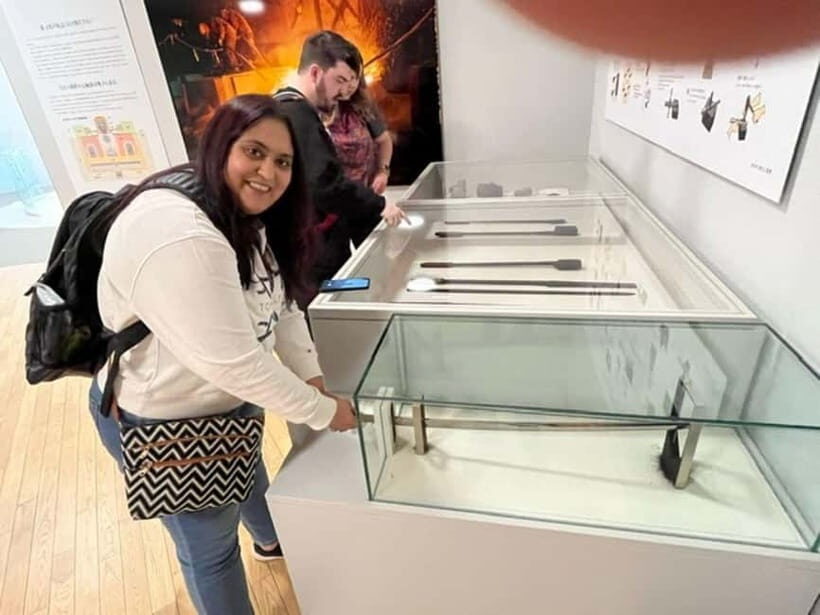
The tour can also include cultural sights connected to woodblock prints, gardens, and swords. One group experience even highlighted the Hokusai museum and a Japanese sword museum as part of what the day can cover. Whether you get every single one on your date depends on the day’s flow, but the overall theme stays the same: sumo is wrapped in the larger fabric of Japanese culture.
Weather can also happen. On a bad-weather day, guides have still managed to keep groups moving to their scheduled points. If your day is soggy, bring a light layer and accept that you’ll see some sights from a slower, more thoughtful angle.
Chanko-nabe lunch: the wrestler’s hot-pot, served right
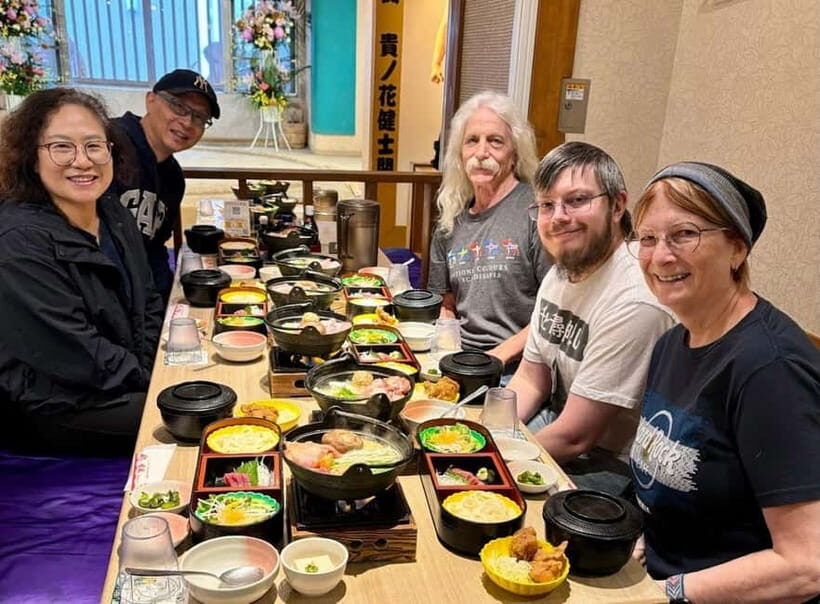
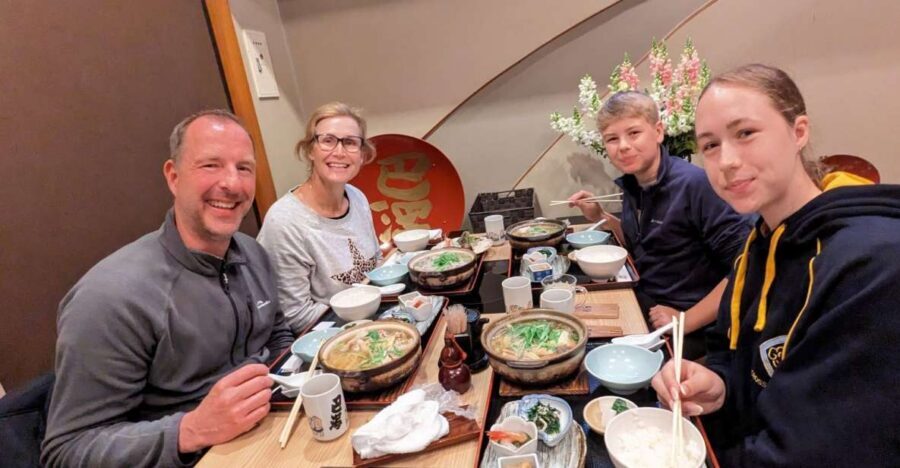
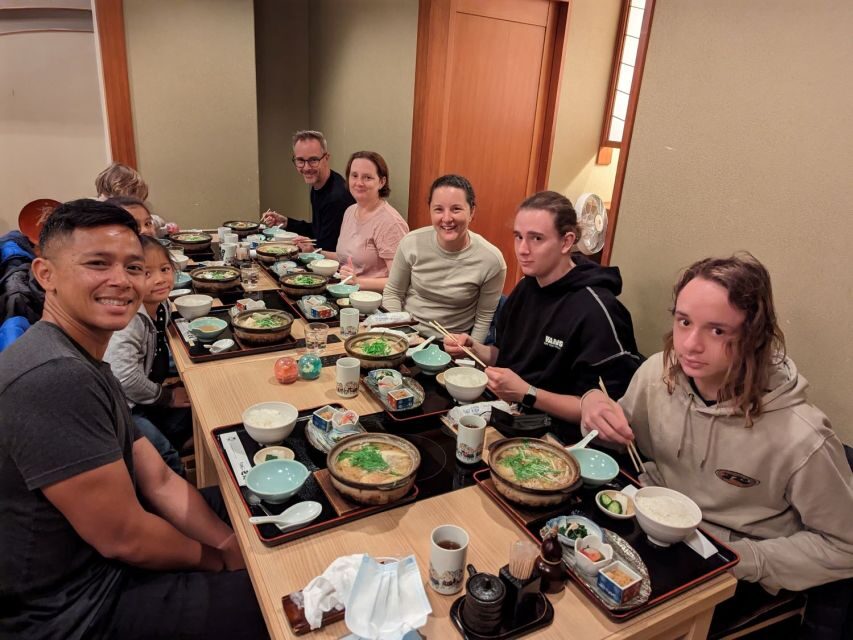
Lunch is a highlight for a reason. You’ll eat chanko-nabe at one of the best chanko-nabe restaurants in Ryogoku. This is not just any hot pot. In sumo culture, chanko-nabe is a centerpiece meal because it’s designed to help wrestlers gain weight and build muscle.
Here’s what makes this tour’s lunch feel authentic: the description emphasizes that the dish is prepared with stable life in mind. The food is made without professional cooks in the typical way people think of restaurant kitchens, and the hot-pot process also supports hygiene because it’s heated during preparation. It’s nutritionally balanced, and it’s eaten from the same pot—so you’re sharing a meal in the spirit of teamwork.
It’s served as a full lunch stop, around 1 hour, so you’re not just “grabbing a bite.” You’ll have time to eat without rushing, and you’ll likely find it satisfying after all the walking and history.
If you’re curious about Japanese food beyond sushi and ramen, this is one of the strongest ways to broaden your palette. And if you love food that has a reason behind it, chanko-nabe gives you that.
Turning tour facts into better sumo watching (even without bouts)
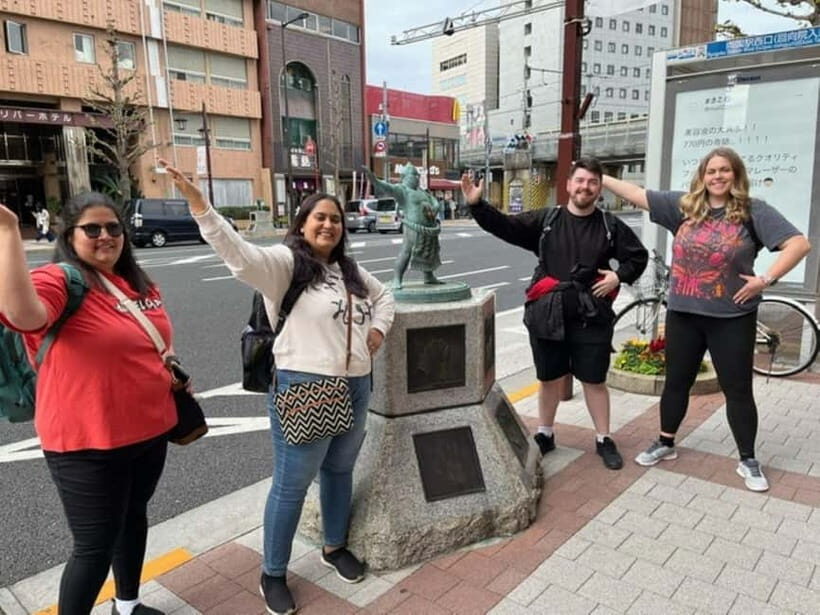
A big selling point is what you take away. The tour is designed to boost your enjoyment of sumo by giving you insight into the sport’s history, culture, and the everyday life of wrestlers.
This is especially valuable if you’re planning to watch sumo later during another trip, or if you’ll catch a broadcast at home. Once you understand the stable system and the long timeline, the viewing experience becomes more than just watching matches. You’ll recognize that sumo is structured by tradition and daily preparation, not only by what happens in a short bout.
Now, the honest constraint: this tour does not include watching sumo bouts. Sometimes, sumo wrestlers can also be away competing in other tournament locations, which can affect whether you see them moving around. That doesn’t make the tour weaker. It just means you’re coming for the culture and context, not a guaranteed wrestler sighting.
If you want match action, you’ll need separate plans for tournament days. But if you want the sport to mean more, this walk does that job well.
Price and value at $122 for 3.5 hours
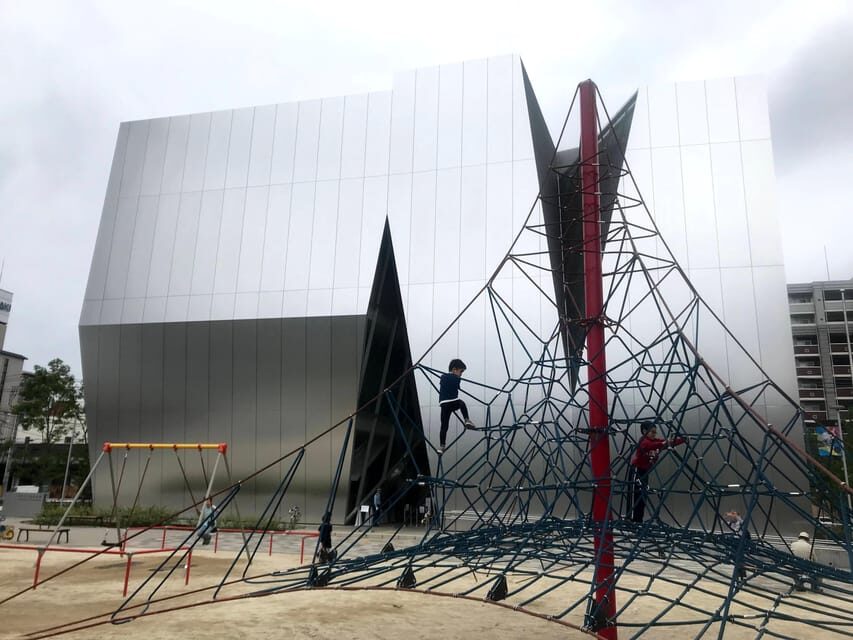
At $122 per person for 210 minutes, the value hinges on two things: you get an English expert guide and you get a real lunch included. You’re not paying just for walking. You’re paying for interpretation—someone who can explain sumo’s origins, stable life, and cultural ties while you’re seeing the real places.
The small group size (up to 8) also matters. It makes questions easier and helps the guide tailor explanations to what you care about. Past experiences credit guides like Sue for being thoughtful and selecting a variety of sights, and Jean for bringing a lot of knowledge. When the guide is sharp, the tour feels like a guided museum day, except you’re outside in Ryogoku.
If you’re on a strict budget, $122 can sting—especially since actual bouts aren’t included. But if you treat this as a cultural education plus a proper meal, it holds up as a solid afternoon plan in Tokyo.
Should you book this Ryogoku sumo walk with lunch?
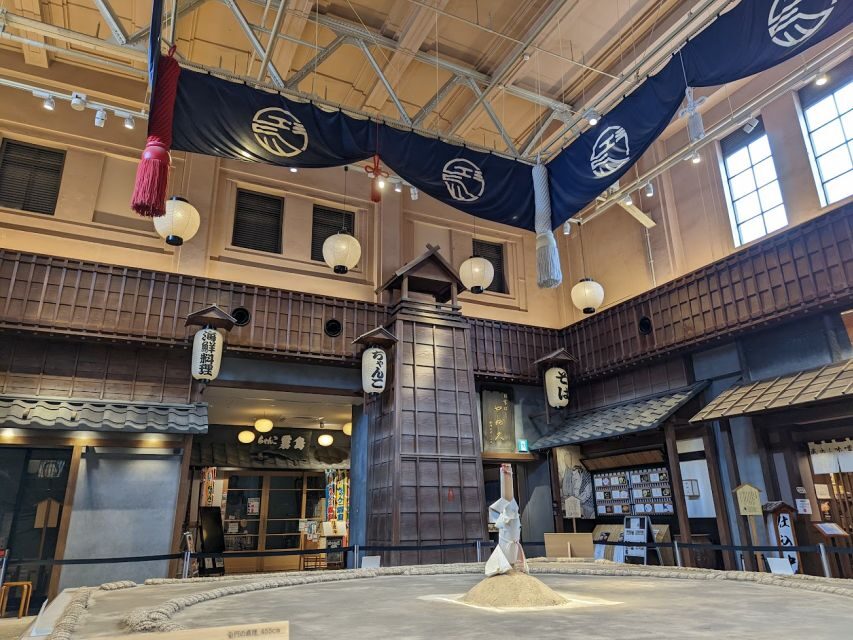
Book it if you want sumo to make sense. This is ideal for first-timers who like learning while walking, food lovers who want chanko-nabe done properly, and Japan fans who enjoy seeing how traditions live in everyday space.
Skip it (or adjust expectations) if your main goal is guaranteed tournament watching. This tour is about history, stables, temples, and context—not match tickets. Also, if you have mobility limitations or food allergies, you’ll need to look at other options, since the tour isn’t suitable for mobility impairments and food allergies aren’t a match for this format.
If your goal is understanding the sport beyond the ring, I think this is a smart buy.
FAQ
How long is the Ryogoku sumo walking tour with lunch?
The tour runs for 210 minutes, or about 3.5 hours.
What size is the group?
It’s a small group limited to up to 8 participants.
Is lunch included?
Yes. Lunch is included, with chanko-nabe at a restaurant in Ryogoku.
Do I get to watch sumo bouts during the tour?
No. The tour does not include actual watching of sumo bouts.
Where do we meet the guide?
Meet your guide outside Ryogoku Station.
What language is the guide?
The tour has an English-speaking live guide.
What should I bring?
Wear comfortable shoes since this is a walking tour.
Is the tour suitable for people with mobility impairments?
No. It is not suitable for people with mobility impairments.
Is the tour suitable for people with food allergies?
No. The tour is not suitable for people with food allergies.
Is free cancellation available?
Yes. You can cancel up to 24 hours in advance for a full refund.
More Tours in Tokyo





More Tour Reviews in Tokyo




More Mornings with the Wrestlers
Fresh reviews from around Tokyo






Sumo Shows, compared.
 ★ 4.8Sumo Show Experience with Chicken Hot Pot and a PhotoFrom $1036,678 reviews
 ★ 4.8Sumo Show and Dining ExperienceFrom $792,742 reviews
 ★ 5.0the SUMO showFrom $891,960 reviews
 ★ 5.0Tokyo Shinjuku Sumo Show & Experience with PhotoFrom $791,750 reviews
 ★ 4.8Sumo Show and Experience in ShinjukuFrom $691,001 reviews
 ★ 5.0Authentic Sumo Experience in Tokyo: Enter the SanctuaryFrom $171603 reviews
 ★ 4.8Tokyo Sumo Experience: Chanko & Mochi with a Former ProFrom $103567 reviews
 ★ 5.0Ultimate Sumo Tournament: Tokyo, Osaka, Nagoya, FukuokaFrom $184468 reviews
Browse the lists this tour appears in