
Reviewed · GUIDED
Private Tour with a Local Guide – Learn about daily life in Japan
Tokyo clicks into place fast. This private Harajuku to Shibuya walk gives you a smoother, less awkward way to see the parts of Tokyo that visitors often cram together. You’ll get a local guide in English and help with photos at key spots, plus the freedom to pick a start time that matches your day.
I especially like the contrast built into the route: you begin at Meiji Jingu Shrine, then shift into Harajuku’s youth fashion energy and end at Shibuya’s famous crossing. One thing to plan for: you’ll likely spend extra money on food and drinks (street food suggestions are yours to choose), and the tour is a 2 to 3 hour walking experience, so comfy shoes matter.
In This Review
- Key things you’ll notice on this Harajuku to Shibuya walk
- Why a private Harajuku-to-Shibuya walk works so well
- Meiji Jingu Shrine: starting with calm before the chaos
- Takeshita Street and Harajuku street style: what’s worth your time
- Cat Street in Shibuya’s shadow: easier browsing and better context
- Shibuya Crossing: navigating the iconic moment without getting lost
- Photo help and pacing: the hidden value of a local guide
- Price and value: $88.68 per person for a short, guided day
- Where this fits best (and where it may not)
- Who you’ll want as your guide: the quality signal
- Quick practical tips before you go
- Should you book this tour?
- FAQ
- How long is the private guided tour?
- What’s the price per person?
- Is this tour private or shared?
- What language is the guide?
- Where does the tour start and end?
- Are photos included?
- Do I need to pay for admission at the stops?
- Is food included in the tour price?
- Can I choose my start time?
- Can I cancel and get a full refund?
Key things you’ll notice on this Harajuku to Shibuya walk
- Photo help that actually fixes the problem: solo shots and group shots at landmarks so you’re not stuck with shaky selfies
- A smart flow from shrine to street style: Meiji Jingu to Takeshita to Cat Street to Shibuya
- Local pacing and route choices: more time feeling the neighborhood than fighting the crowd
- Harajuku style stops with context: what you’re seeing, not just where to stand
- You finish at Shibuya Station, making it easy to keep moving after the tour
More days made easy by a guide
- Tokyo 6hr Private Tour with Government-Licensed Guide★ 5.0 · 3,902 reviews
- Tokyo: Shinjuku Local Bar and Izakaya Guided Walking Tour★ 4.9 · 1,794 reviews
- Tokyo: Private City Highlights Tour with Local Guide★ 4.8 · 1,433 reviews
Why a private Harajuku-to-Shibuya walk works so well
This is the kind of Tokyo tour that helps you get your bearings without turning your day into a checklist. You’re in a private group, so you’re not waiting on anyone else’s pace or losing time because the guide is juggling a whole crowd. That matters in Tokyo, where small delays add up—especially when you’re moving through Harajuku and Shibuya.
The route itself is also a good lesson in how Tokyo functions. You start with a major Shinto shrine experience, where the tone is quiet and intentional. Then you shift into Harajuku’s street shopping and fashion culture—where individuality is the point. After that you move into the space between Harajuku and Shibuya on Cat Street, and then you land in Shibuya, where the city shows its high-speed, high-noise side.
I also like the way the tour removes friction. Your guide helps with landmark photos, both solo-pictures and group-pictures. That’s a small detail, but it’s one you feel immediately. Instead of hunting for strangers, you can focus on your walk, your questions, and where to stand for the best angle.
Meiji Jingu Shrine: starting with calm before the chaos
You’ll meet at CAFÉ Mori no Terrace (1-1 Yoyogikamizonochō), Shibuya, and the walk begins toward Meiji Jingu Shrine in Harajuku. The big idea here is pacing. Meiji Jingu sets the tone with Shinto culture and history, and it gives you a mental reset before you head into the loud, fast parts of town.
At the shrine, your walk focuses on reaching the main area while learning about the culture behind what you’re seeing. Even if you’ve seen photos of Meiji Jingu before, having a guide explain what you’re looking at changes the experience. It’s less about taking pictures and more about understanding the “why” behind the rituals and setting.
Practical tip: Meiji Jingu is a “slow down” moment. You won’t want to rush it, because the value is in the calm and in the context. If your schedule is tight, you might still want to arrive at the meeting point with buffer time so you don’t feel stressed in the quiet part.
Takeshita Street and Harajuku street style: what’s worth your time
After the shrine, the tour shifts into Harajuku and Takeshita Street. Takeshita is famous for a reason: it’s a dense mix of shops, snacks, and fashion. But the best part of doing it with a guide is learning how to read what you’re seeing. Instead of feeling overwhelmed by the number of stores and trends, you’ll have explanations for the street-style choices and the subcultures around them.
This is where the tour focuses on the idea that you can’t fully understand Harajuku by walking in circles. The guide points you toward what to notice—how style signals identity, what certain looks suggest, and where the street energy is coming from. That turns a shopping street into something more like a living cultural story.
You also get suggestions for where to stop for a bite of Japanese street food. Food isn’t included, so you’re free to spend or skip based on your appetite and budget. I like this approach because it keeps the tour honest: you’re not forced into a specific meal, and you can choose what fits your tastes.
One possible drawback: Takeshita can feel crowded and hectic in peak hours. If you’re sensitive to crowds, consider choosing a start time that avoids the absolute busiest window. Since you can pick your start time, you have some control.
Cat Street in Shibuya’s shadow: easier browsing and better context
Next comes Cat Street, a pedestrian street located between Shibuya and Harajuku. Cat Street has a different feel than Takeshita. It’s known for smaller independent boutiques, vintage stores, and trendy cafes, and the vibe tends to be more about browsing and style discovery than pure snack-and-souvenir hustle.
A nice detail: Cat Street is listed with admission free (20 minutes). Translation: you’re paying for the walking and guidance, not paying to enter a place.
This stop is a great “breather” inside a short tour. You’re still in fashion territory, but you’re moving at a calmer pace with more opportunities to stop, look, and ask questions. I find these kinds of streets are where you actually learn what locals care about—because you’re not boxed into a single mega-famous strip.
If you want to buy something, Cat Street can be a better hunting ground than the most famous street. Your guide can help steer you toward areas that match the kind of style you like, instead of you trying to guess from storefront signs alone.
More private options with your own guide


Shibuya Crossing: navigating the iconic moment without getting lost
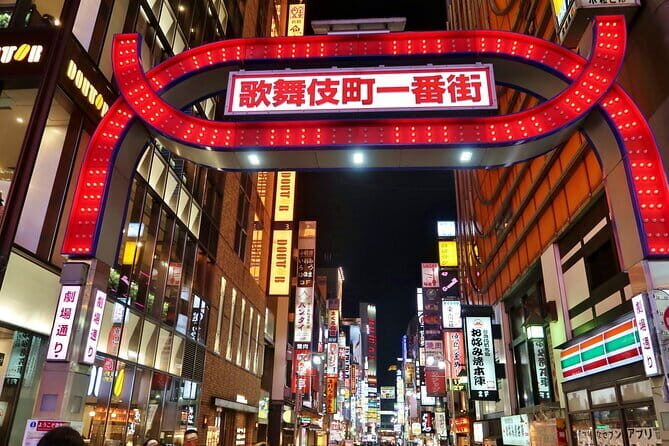
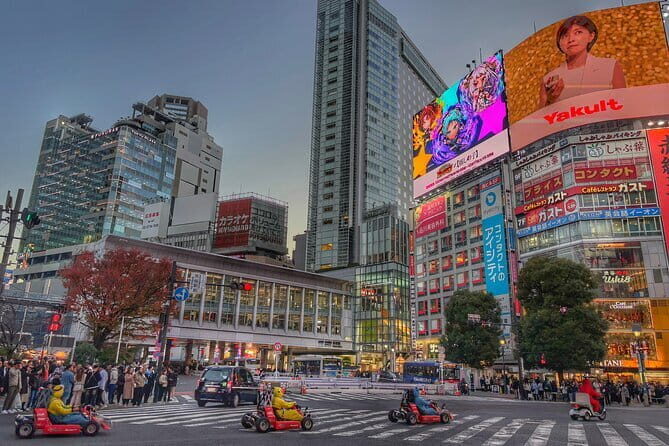
Finally, the tour lands in Shibuya for the famous crossing spectacle. You’ll experience the energy of one of the world’s busiest intersections, where crowds move with strict rhythm and total confidence.
The key value of having a guide here is logistics in a place that can feel chaotic. Your guide helps with where to stand, how to time your crossing moment, and how to handle photo angles without blocking other people. That’s especially important because Shibuya Crossing is visually iconic from almost every angle—but the best angle can depend on where you start and how the crowd is flowing.
Also, the tour includes your landmark photos, and the guide’s presence helps you get those shots with less hassle. You won’t need to stop every minute to coordinate with strangers, and you won’t waste time walking around the intersection looking for a workable spot.
You end right at Shibuya Station, which is practical. After this kind of tour, you’ll want to keep moving—shopping, dinner, or another neighborhood—without doing awkward transit planning.
Photo help and pacing: the hidden value of a local guide
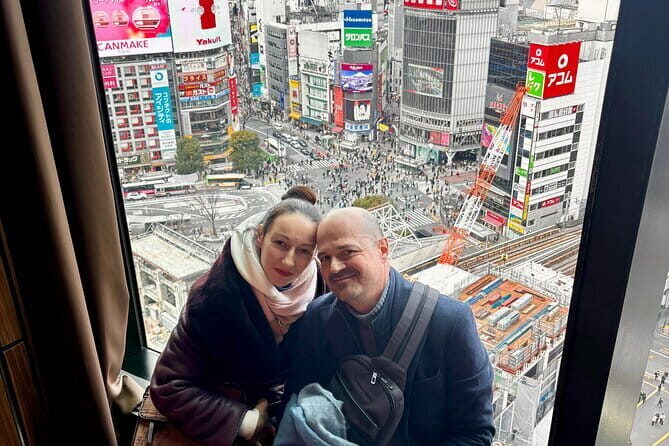
A lot of Tokyo tours promise “local insight.” This one adds something you’ll actually feel during the walk: direct help for photos. You get solo-pictures with famous landmarks and group-pictures, and the tour avoids the classic problem of standing in the wrong spot for the picture you want.
That matters in Harajuku and Shibuya, where backgrounds are visually busy. The guide’s help can reduce the time you spend repositioning, which means you spend more time seeing the street-level details and less time waiting for the right crowd moment.
Pacing is another underrated value. In a 2 to 3 hour tour, the difference between an efficient route and a wandering route is huge. The private format means your guide can steer you, slow down when you want questions, and keep the walk moving when you’re watching the street scene.
And because you can choose your start time, you can better match your energy level. If you’re a morning person, go earlier. If you’re planning a slower day, pick the time that fits—so you don’t feel rushed in the most concentrated neighborhoods.
Price and value: $88.68 per person for a short, guided day

The price is $88.68 per person for about 2 to 3 hours. That’s not a “budget” number, but it’s also not outrageous for what you’re getting.
Here’s what you’re effectively paying for:
- A private walking experience (only your group participates)
- An English-speaking guide
- Photo support for both solo and group shots
- Route guidance through two major districts without you having to figure it out
The tour also notes group discounts and offers a mobile ticket, and it’s commonly booked about 45 days in advance. That pattern matters if you’re traveling in a busy season: you’ll want to plan ahead so your preferred time slot is still available.
Where you may spend extra: food and drinks are not included. Street food suggestions are part of the experience, but you choose what and how much you buy. For me, that’s a fair trade, because it lets you follow your own taste instead of paying for a fixed meal.
Where this fits best (and where it may not)
This tour is a strong match if you:
- Want a private guide and don’t want a group pace
- Like the mix of older culture plus modern fashion culture
- Care about getting good photos without selfie chaos
- Have limited time and want a focused route across Harajuku and Shibuya
It may be less ideal if you:
- Hate walking for 2 to 3 hours
- Want a tour that includes a full meal or drinks
- Prefer a more open-ended “you go where you want” plan rather than a guided path
Most travelers can participate, and the tour is near public transportation, but the walking component is still real. If you’re managing mobility issues, you’ll want to think carefully about your comfort level with neighborhood streets and crowds.
Who you’ll want as your guide: the quality signal
In the stories people share about this experience, a key theme is the guide’s attitude: kind, thoughtful, and good at making Tokyo feel manageable. The name Jero comes up as someone who’s easy to like, and who helps people find corners they might miss on their own. The practical skill of photo timing and landmark positioning is also repeatedly emphasized.
Even without knowing who your guide will be, you can treat the tour’s structure like a quality checklist. Look for a guide who:
- Helps you get good landmark photos without wasting time
- Keeps the walk organized through crowded streets
- Explains what you’re seeing in Harajuku instead of just pointing
Quick practical tips before you go
- Wear comfortable shoes. Harajuku and Shibuya are walk-heavy neighborhoods.
- Plan for food costs if you want to try street snacks. Food and drinks aren’t included.
- Pick a start time that fits the crowd level you’re comfortable with.
- Bring a fully charged phone or camera. Your guide will help with photos, but you’ll still want your own device ready.
- End at Shibuya Station means you can plan dinner or onward transit right after.
Should you book this tour?
Yes, if you want a short, well-paced way to experience Tokyo’s contrast: shrine calm, Harajuku style, then Shibuya’s world-famous intersection. The private format and the built-in photo help make it feel like you’re traveling with a real local friend who has your back.
Skip it or look for another option if you’re strictly budget-focused or you don’t want to walk through crowded areas. Also, if you’d rather control every stop and you don’t care about guided context or landmark photos, a self-guided route might suit you better.
FAQ
How long is the private guided tour?
It runs about 2 to 3 hours.
What’s the price per person?
The price is $88.68 per person.
Is this tour private or shared?
It’s private. Only your group participates.
What language is the guide?
The walking tour guide is in English.
Where does the tour start and end?
It starts at CAFÉ Mori no Terrace, 1-1 Yoyogikamizonochō, Shibuya, Tokyo and ends at Shibuya Station (2 Chome-24, Shibuya, Tokyo).
Are photos included?
Yes. You get solo-pictures and group-pictures with famous landmarks.
Do I need to pay for admission at the stops?
Cat Street is listed as admission free. Food and drinks are not included.
Is food included in the tour price?
No. Food and drinks are not included, though your guide will suggest where to stop for street food (own expense).
Can I choose my start time?
Yes. You can choose the start time that suits your schedule.
Can I cancel and get a full refund?
Yes. You can cancel up to 24 hours in advance for a full refund. If you cancel less than 24 hours before, the amount paid isn’t refunded.
Easier with a Guide

More Tours in Tokyo




More Tour Reviews in Tokyo




Fresh reviews from around Tokyo






Guided, compared.
 ★ 5.0Tokyo 6hr Private Tour with Government-Licensed GuideFrom $1553,902 reviews
 ★ 4.9Shinjuku Local Bar and Izakaya Guided Walking TourFrom $341,794 reviews
 ★ 4.8Private City Highlights Tour with Local GuideFrom $1061,433 reviews
 ★ 4.9Tsukiji Fish Market Guided Walking TourFrom $221,397 reviews
 ★ 5.0Tokyo 4hr Private Tour with Government-Licensed GuideFrom $1091,394 reviews
 ★ 5.0Tokyo Guided Small-Group Biking TourFrom $1061,250 reviews
 ★ 4.6Samurai Ninja Museum Guided tour and ExperienceFrom $271,010 reviews
 ★ 5.0Tsukiji Fish Market Guided Tour and Sushi Making with Pro ChefFrom $104775 reviews