
Reviewed · MT FUJI DAY TRIPS
From Tokyo: Mount Fuji & Hakone Full Day Private Tour
Mount Fuji in one unhurried day. This private Fuji & Hakone full-day trip is interesting because you get a front-row view of Japan’s big icon, plus a practical mix of villages, shrines, and transport-style fun like ropeways and sightseeing boats. I love the flexibility built into a private drive, where you can nudge the day toward what your group cares about. I also love the mix of high-altitude Fuji views and lake-and-valley scenery in one loop. One drawback to plan for: mornings can run 30 minutes late due to heavy highway traffic, and several stops are intentionally short photo-and-view windows.
The real comfort comes from the guide-driver style—calm, safety-first driving and clear explanations so you don’t spend your time figuring out what to do next. In particular, names like Mian, Malik, Ahmad, and Vicky show up as examples of people who keep the day smooth and let you move at your pace.
In This Review
- Key things that make this day tour worth your time
- Why this Fuji + Hakone loop feels like the right kind of big-day
- How pickup and private driving change the whole experience
- Fuji Subaru Line 5th Station: the altitude moment
- Old-village atmosphere at Saiko Iyashi-no-Sato Nenba
- Narusawa Ice Cave: quick, cool, and a little weird
- The Fuji photo classics: Chureito Pagoda
- Lakeside fun at Lake Kawaguchi: boat, cable, and duck rides
- Kitaguchi-hongu Fuji Sengen Shrine: calm and spiritual contrast
- That extra 30-minute slice: Oshino Hakkai or Lake Saiko bat cave area
- Owakudani Valley: volcano energy in human-scale doses
- Lake Ashi and Hakone ropeway-style transport: the ride-yourself scenic part
- Hakone Shrine: a short stop that lands well at the end
- Price and value: what $354 per group really buys
- Who this tour is best for (and who should pick something else)
- Booking advice: how to get the best day from this plan
- Should you book this private Mount Fuji and Hakone day?
- FAQ
- Is this tour private, and how many people are included?
- Where does pickup happen?
- How long is the tour?
- What’s included in the price?
- Are there extra fees you should expect?
- What should I bring?
Key things that make this day tour worth your time
- Private flexibility in a tight 10-hour window, so you can steer the day without slowing everyone down
- Fuji Subaru Line 5th Station at about 2,300 metres, a big altitude jump for dramatic views
- A mix of classic Fuji-side culture and Hakone nature, including thatched-roof village scenery
- Hands-on variety of transport, from ropeways/cable rides to boats on Lake Ashi
- Comfort-focused logistics, with a clean air-conditioned car, bottled water, and highway tolls handled
- English support plus local language options (English, Hindi, Urdu), which helps if your group has mixed needs
Other routes to the mountain, compared
- Mt Fuji & Hakone Cruise, Drum Show Bullet Train 1 Day from Tokyo★ 4.0 · 7,413 reviews
- Tokyo Mt Fuji 5th St & Hakone Cruise Bus Tour w/Bullet Train★ 4.4 · 5,024 reviews
- From Tokyo: Mount Fuji Full-Day Sightseeing Trip★ 4.5 · 4,970 reviews
Why this Fuji + Hakone loop feels like the right kind of big-day
This is the kind of trip that works when you want to see a lot, but you also want the day to feel organized. You start with pickup from your accommodation in Tokyo or Yokohama (with an added charge for Yokohama), then ride in an air-conditioned private vehicle with highway tolls, gas, and bottled water covered.
What makes it click is the balance: you’re not only chasing scenic backdrops. You’re also moving through places that show everyday Japan—shrines, lakeside viewpoints, and villages where you can see traditional village layout and craft culture. It’s a full day, but it’s not a stress test.
How pickup and private driving change the whole experience
With a private group sized up to 6 people, the day can actually match your pace. Your driver/guide speaks English (and can also use Hindi or Urdu), and the format is built around conversation—so you can ask for a specific sight priority and the rest gets arranged.
That pacing matters because Fuji and Hakone traffic can be intense, especially in the morning. The operator notes the driver may arrive up to 30 minutes late in heavy traffic, so I’d plan for a slightly loose start and don’t schedule anything right before pickup.
You also skip the common headache of transfers. No train hops. No multiple bus lines. Just a comfortable ride, with someone keeping the route moving and helping you get to places on time.
Fuji Subaru Line 5th Station: the altitude moment
The day’s big height hit is the Fuji Subaru Line 5th Station stop, about 1 hour. This is where the air and the view feel different—up around 2,300 metres. Even when the mountain is partly hidden, you still get that dramatic “you are close to the clouds” feeling.
Practical tip: dress for cooler conditions. Even in months that feel mild in Tokyo, the higher altitude can be noticeably different. Comfortable clothes and shoes are your best friend here, since you’ll likely be on your feet more than you expect.
Also, budget one extra line item: parking at the 5th station isn’t included. The fee is listed as 2,100 yen. It’s not a dealbreaker, just one of those Japan details that’s easy to forget until you arrive.
Old-village atmosphere at Saiko Iyashi-no-Sato Nenba
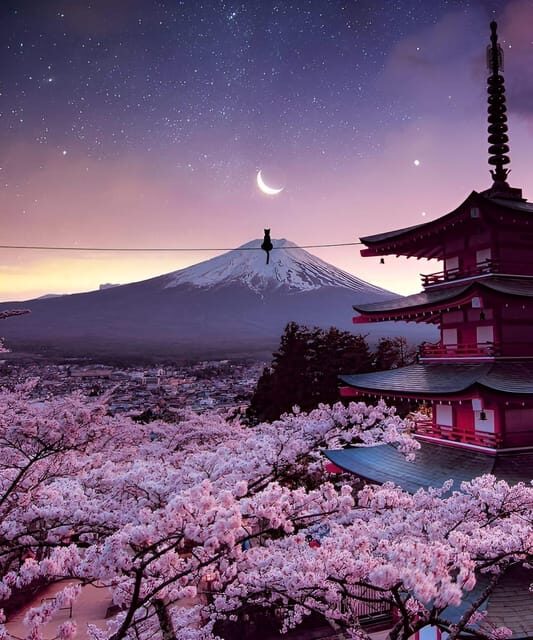
After the height, the trip softens into old Japan with Saiko Iyashi-no-Sato Nenba for about 30 minutes. This is a traditional village-style stop, known for thatched-roof houses and a quieter pace than the main tourist hubs.
This is one of those places where time feels well spent, because you’re not only sightseeing—you’re also getting context for how people lived around the lakes. If your group likes photos, this is a strong candidate for your “slow down and look” stop.
More Hakone loops, ropeways and lake crossings

Narusawa Ice Cave: quick, cool, and a little weird
Next is the Narusawa Ice Cave for about 30 minutes. It’s a short stop by design, so don’t plan to treat it like a whole excursion. Instead, go with the mindset of: walk in, see the ice cave feature, snap a few photos, then move on.
The value here is variety. Fuji isn’t just about views. It’s also about geology and how the environment creates seasonal oddities. This stop adds that “how is this even possible here?” feeling that makes the day feel more than just scenic.
The Fuji photo classics: Chureito Pagoda
For a classic Fuji postcard angle, you’ll stop at the Chureito Pagoda area for about 30 minutes. Even if the mountain isn’t fully clear, the pagoda viewpoint region is still worth it because it gives you that iconic temple architecture framed toward Fuji.
Photo tip: go early in the allotted window so you can reposition if the view changes. Also keep your camera ready—weather shifts here can be fast.
Lakeside fun at Lake Kawaguchi: boat, cable, and duck rides
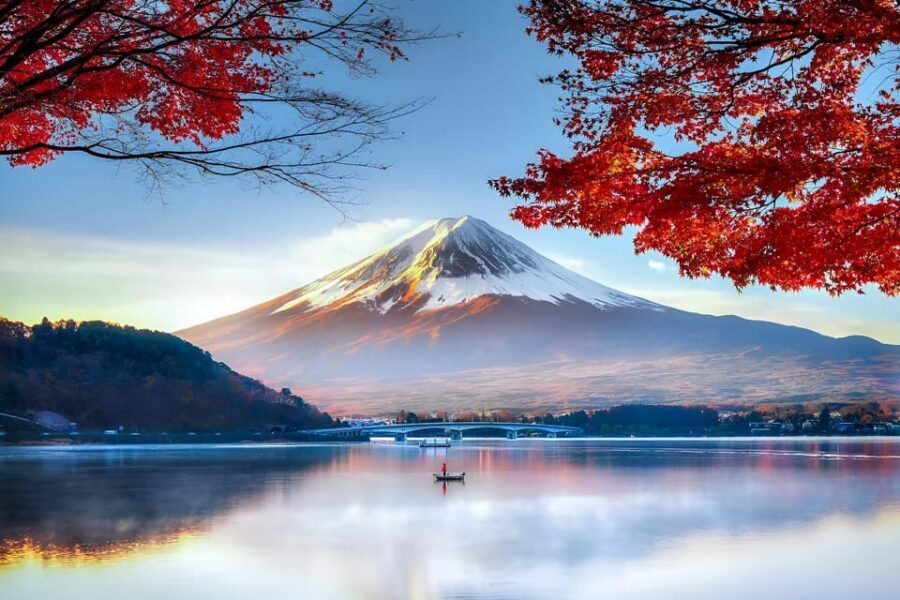
The day gets playful at Lake Kawaguchi. You get about 1 hour, with time to take in the water views plus a set of optional-style transport experiences: boat cruise, cable car ride, and a duck boat ride.
This is a great section for mixed-interest groups. If one person wants pure Fuji views, another person might enjoy the rides, and everyone still feels like they did something fun instead of just standing around.
Practical note: these activities mean walking and boarding. Comfortable shoes matter, even if you’re not doing a hike.
Kitaguchi-hongu Fuji Sengen Shrine: calm and spiritual contrast
Then it’s on to Kitaguchi-hongu Fuji Sengen Shrine for about 30 minutes. This is a nice contrast piece after lakeside activity—less motion, more atmosphere.
Shrines work well in a big-day itinerary because they reset the pace. You stop, look around, and take in the meaning behind why Fuji is treated as sacred. You don’t need to be a religion scholar—just slow down for a bit.
That extra 30-minute slice: Oshino Hakkai or Lake Saiko bat cave area
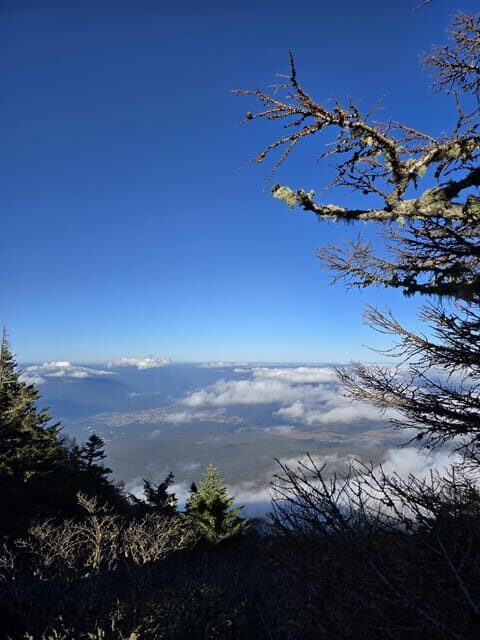
The tour description also includes a short 30-minute stop that can cover either the Oshino Hakkai village area or a Lake Saiko bat cave-type stop (both are part of the planned day themes). This slot is there to diversify your Fuji-side experience—adding either village culture or a quirky natural attraction.
If you care more about traditional village feel, you’ll likely prefer the Oshino Hakkai style stop. If you like unusual nature, the bat-cave-style attraction is your flavor. Either way, the stop is brief, so decide in advance what kind of memory you want from this part of the day.
Owakudani Valley: volcano energy in human-scale doses
When you reach Hakone territory, Owakudani Valley arrives for about 40 minutes. This is the volcanic engine room of Hakone—steam, sulfur vibes, and that “this landscape is alive” feeling.
The practical value of this stop is perspective. It makes Hakone feel different from just another scenic area. You’re seeing how volcanism shapes daily life and tourism there.
Timing tip: if the weather is clear, your photos here can look more dramatic. If it’s cloudy, Owakudani still has atmosphere—you just lose some of the distant crispness.
Lake Ashi and Hakone ropeway-style transport: the ride-yourself scenic part
Next comes Lake Ashi for about 30 minutes, followed by Hakone Shrine for about 30 minutes. This pair is a classic Hakone structure: water views first, then a shrine stop to ground the scenery.
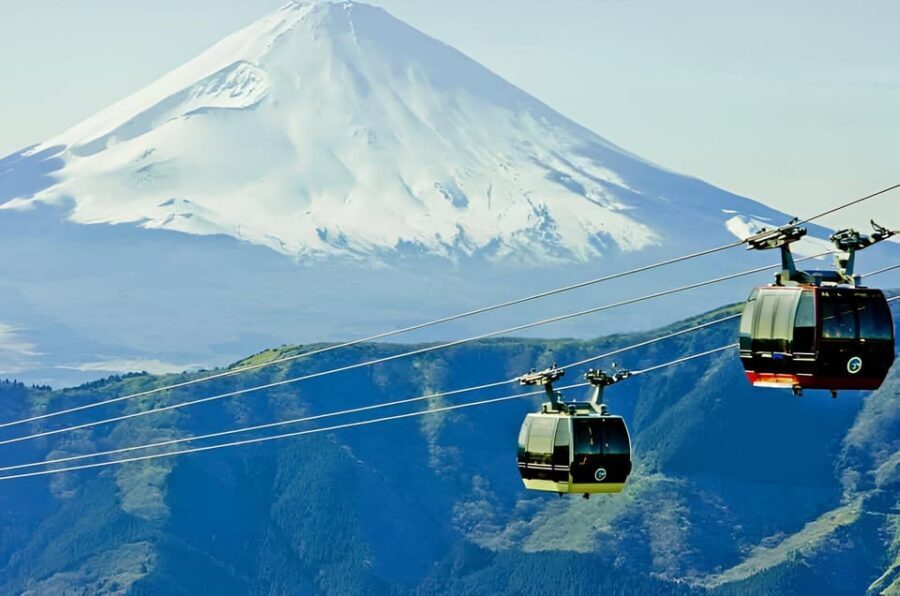
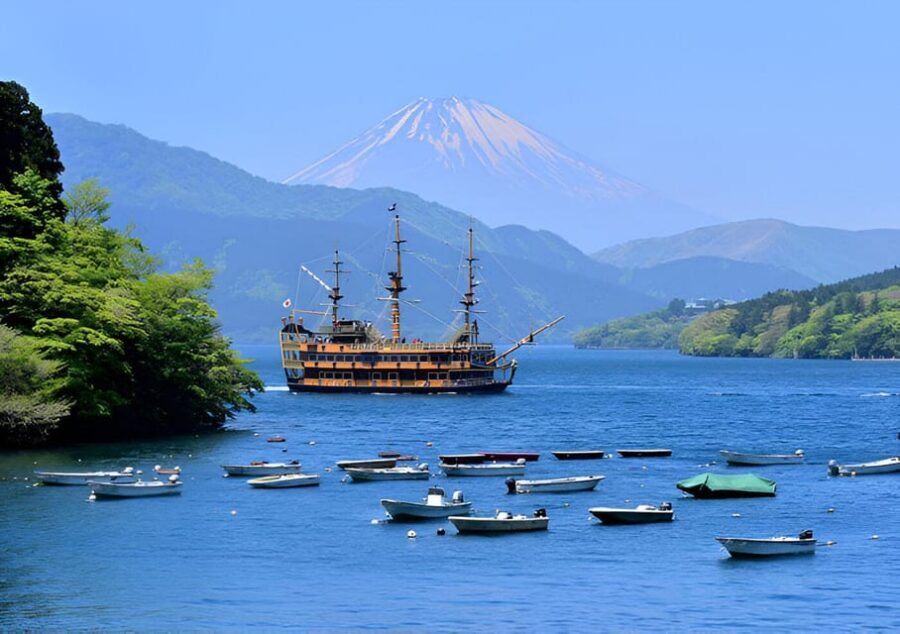
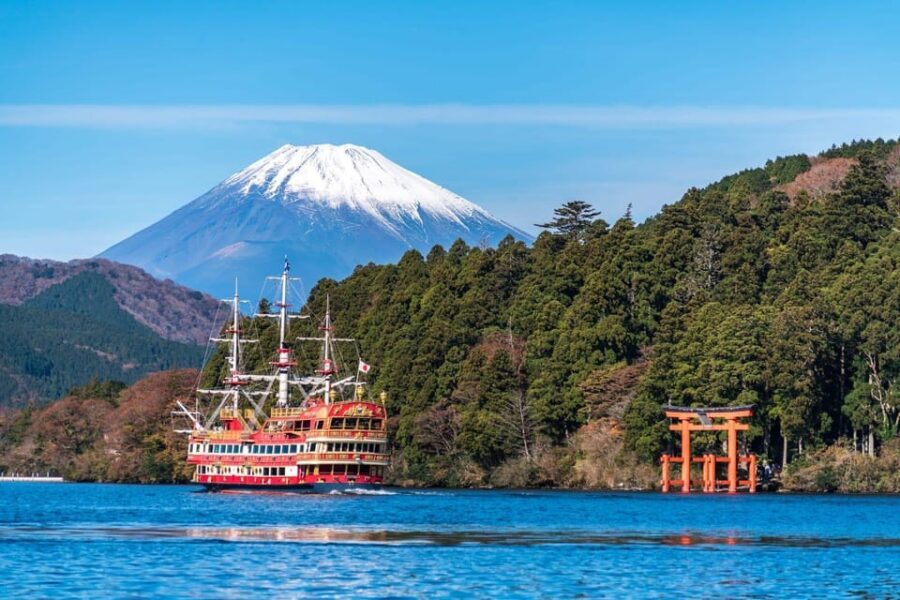
On Lake Ashi, you’ll experience fun transport options mentioned in the highlights, including speed-boat style scenic travel and ropeway/cable-type rides. The description also calls out pirate ships, which often show up in Hakone as those sightseeing boats that look like they belong in a themed movie—great for photos and a fun break for families.
If you’re traveling with kids or teens, this is a strong segment because it turns sightseeing into an activity. If you’re traveling as a couple, it’s still relaxing because you’re not walking nonstop—you’re being carried across the view.
Hakone Shrine: a short stop that lands well at the end
Hakone Shrine for about 30 minutes gives you one last cultural anchor before the drive back. Even if you’re not obsessed with temple details, this is one of the better places in the area to pause and let the day sink in.
At this point, the private format helps. You can take a little extra time for photos without worrying about holding up a big bus group.
Price and value: what $354 per group really buys
The price is $354 per group up to 6 people for a 10-hour day, including private transportation, an English-speaking guide, air-conditioning, pickup and drop-off, highway tolls and gas, and bottled water.
Here’s the value logic I’d use: you’re paying for convenience, not just sightseeing. A group this size can often split the total so the per-person cost becomes reasonable compared with multiple transit tickets plus the time you lose coordinating them. You also get a guide who can keep your day working even when traffic snarls things.
The only clearly stated extra cost is the Mount Fuji 5th station parking fee (2,100 yen). Plan for that, and you’re set.
Who this tour is best for (and who should pick something else)
This tour fits best if you want:
- A private day instead of hopping between buses
- The mix of Fuji views plus Hakone nature in one pass
- Short, varied stops that keep energy up without demanding long hikes
- A guide who can keep things moving while still letting you go at your pace
It may not fit you as well if you:
- Want a very long, slow, deep exploration of only one area
- Need more than short photo windows at each stop
- Get grumpy when traffic changes timing, since you can be delayed around morning drive conditions
If your group includes a person who needs extra help walking, the private setup can be a plus because your guide can plan around what works best on the route. (One of the strongest themes from the experience is patience and making logistics easier.)
Booking advice: how to get the best day from this plan
Fuji visibility is weather-dependent. So I’d treat the itinerary as a set of “if it’s clear, you’ll see the payoff” moments, plus backup sights that still feel meaningful when visibility isn’t perfect.
Bring comfortable shoes. The day is driven, but it still involves multiple sites and walking between them. Also bring comfortable clothes—you’ll go from city temps to higher altitude conditions and back again.
Finally, use the private advantage. Ask your guide what timing might be best for the Fuji-viewing stops that day. If you care about specific sights like Chureito Pagoda, Narusawa Ice Cave, or the Lake Ashi boat rides, say so early and let the driver shape the flow.
Should you book this private Mount Fuji and Hakone day?
I’d book it if you want a smooth, structured, private day that mixes iconic Fuji scenery with Hakone’s volcanic and lakeside character, without you managing logistics. The biggest wins are the calm private driving, the variety of stops, and the easy rhythm of one-day sightseeing that still includes meaningful cultural and nature moments.
I would skip it if you’re looking for a slow adventure with lots of free time at each attraction. This is a “see a lot and enjoy it” day, not a “wander until you feel done” day.
If you want an organized day with flexibility built in, this is a strong option—and for groups up to 6, the shared private cost is often the difference between feeling stressed and feeling happy.
FAQ
Is this tour private, and how many people are included?
Yes. It’s a private group tour with transportation for up to 6 people.
Where does pickup happen?
Pickup is available from Tokyo and Yokohama. Yokohama pickup has an extra charger.
How long is the tour?
The total duration is 10 hours.
What’s included in the price?
Included are private transportation, an English-speaking guide, an air-conditioned vehicle, highway tolls and gas, pickup and drop-off, and bottled water.
Are there extra fees you should expect?
Yes. The Mount Fuji 5th station parking fee (2,100 yen) is not included.
What should I bring?
Bring comfortable shoes and comfortable clothes, and dress for the weather since conditions can change through the day.
More Tour Reviews in Tokyo






Hakone, Three More Ways
The Fuji Shortlist: Other Days Out to the Mountain

Fresh reviews from around Tokyo






Mt Fuji Day Trips, compared.
 ★ 4.0Mt Fuji & Hakone Cruise, Drum Show Bullet Train 1 Day from TokyoFrom $1497,413 reviews
 ★ 4.4Tokyo Mt Fuji 5th St & Hakone Cruise Bus Tour w/Bullet TrainFrom $1545,024 reviews
 ★ 4.5From Tokyo: Mount Fuji Full-Day Sightseeing TripFrom $684,970 reviews
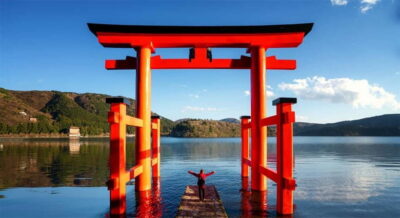 ★ 4.7Mt. Fuji Tour, Hakone Ropeway, Owakudani, Lake AshiFrom $544,002 reviews
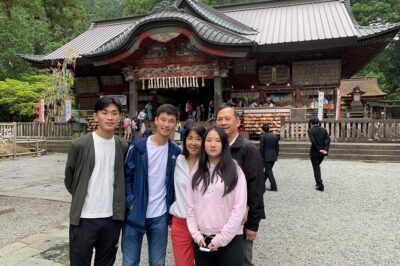 ★ 5.0Private Tour to Mt. Fuji and Hakone (Fully Licenced Operator)From $4971,910 reviews
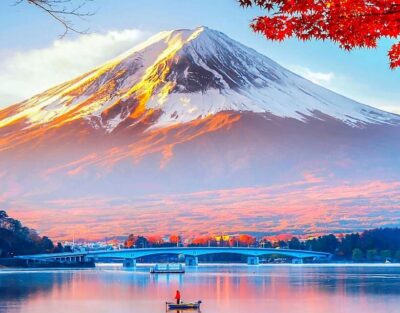 ★ 4.9Mount Fuji Full-Day Private Tour from Tokyo (Customizable)From $3931,470 reviews
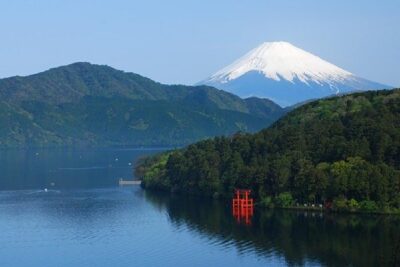 ★ 4.0Mt Fuji & Hakone Cruise, Drum Show Bus 1 Day from TokyoFrom $1221,287 reviews
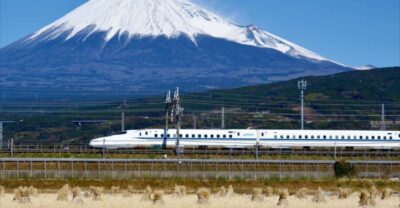 ★ 4.2From Tokyo: Mt. Fuji & Hakone Tour w/ Return by Bullet TrainFrom $1171,278 reviews
Browse the lists this tour appears in