
Reviewed · SUMO SHOWS
Private Ryogoku Walking Tour with Sumo Wrestler and Master Guide
Sumo has a way of making Tokyo feel personal. This private walking tour pairs a sumo wrestler guide with two of the city’s most recognizable zones: Ryogoku (sumo town) and Asakusa (old Tokyo temple and street life).
I especially like how the tour turns big cultural ideas into street-level moments. At Ryogoku, you’re not just looking at the sport—you learn its background while visiting places tied to training and tradition. I also like that you get time with a translator, so you can ask real questions instead of just nodding along.
One consideration: at about $402.32 per person, the price is high for a walking tour. If you want the “best value per yen,” the private format and included guide access are what justify it; otherwise, it can feel steep.
In This Review
- Key things to know before you go
- Ryogoku: Where Sumo Is a Neighborhood Sport
- Ryogoku Station’s Edo Noren: Old Façade, Easy Entrance
- Ryogoku Kokugikan: Stadium Time That Explains More Than Seating
- Nomi Sukune Shrine: The Story Behind the Start
- Asakusa After Sumo: Senso-ji and Nakamise Street Energy
- The Wrestler Guide and Translator: What You Get Beyond Facts
- Price and Timing: When This Private Tour Feels Worth It
- Practical Tips for Your Afternoon Walk
- Who This Tour Is Best For (and Who Might Skip It)
- Should You Book This Sumo and Asakusa Walk?
- FAQ
- How long is the Private Ryogoku Walking Tour with Sumo Wrestler and Master Guide?
- Where does the tour start and end?
- What does the tour include?
- Is food included?
- How many people can be in each booking?
- What if an active sumo wrestler isn’t available?
Key things to know before you go
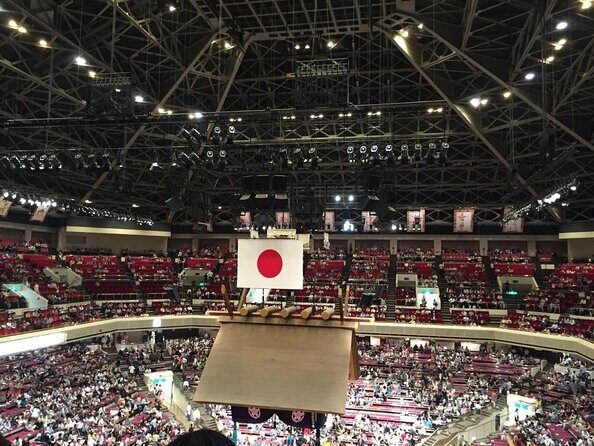
- Sumo wrestler-led, not generic: you’ll hear the sport explained by someone who lives(d) inside it
- Ryogoku Kokugikan focus: you get specific stadium time in Tokyo’s sumo hub
- Senso-ji plus Nakamise Street: temple sightlines paired with snack-and-shop energy
- Private group of up to 5: easier conversation, especially with the translator
- Retired guide is still possible: the guide may be just-retired if tournaments prevent an active wrestler
More chances to sit ringside
- Tokyo: Sumo Show and Dining Experience★ 4.8 · 2,742 reviews
- the SUMO show★ 5.0 · 1,960 reviews
- Tokyo Shinjuku Sumo Show & Experience with Photo★ 5.0 · 1,750 reviews
Ryogoku: Where Sumo Is a Neighborhood Sport
Start your afternoon in Ryogoku, Tokyo’s longtime sumo district. This is where the sport isn’t trapped behind ticket gates or TV screens. It’s part of the local rhythm—shops, signage, small shrines, and the constant sense that people actually show up for wrestling in person.
A big part of the appeal here is the tone of the walk. You’re not doing a speedrun. The guide helps you connect what you see—stadium, shrine, training places, and sumo-related shopping—with what those things mean in the sumo world.
If you love sports culture, you’ll get a lot out of it. If you’re new to sumo, you’ll get a clean entry point too. Either way, it’s Tokyo at street level, not Tokyo as a checklist.
Ryogoku Station’s Edo Noren: Old Façade, Easy Entrance
Your first stop is Ryogoku Edo Noren, housed in the historic former Ryogoku Station building. The structure dates to 1929, and the older station façade has been kept as a nod to the past, even though the current complex is modern and visitor-friendly.
This part matters because it softens you into the district. Before you get to the big arena talk, you’re in a place that feels like Tokyo used to feel—then you notice how the area has adapted for today’s visitors. It’s an ideal “warm-up” stop on a tour like this because you’re moving from mood-setting to match-day intensity.
The stop includes an admission ticket, so you’re not worrying about extra entry costs mid-tour. You’ll have about 30 minutes here, which is enough to look around without feeling rushed.
Ryogoku Kokugikan: Stadium Time That Explains More Than Seating
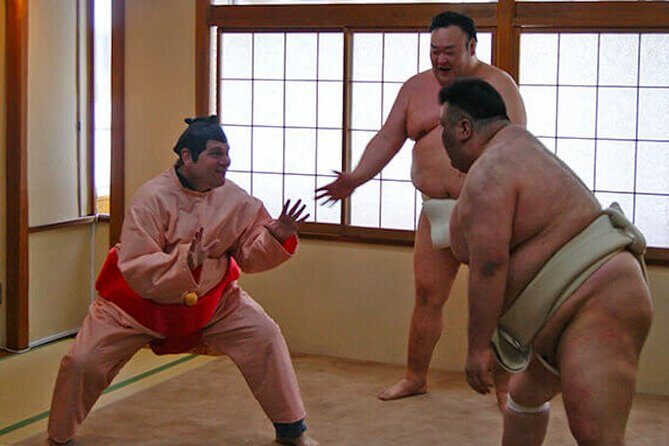
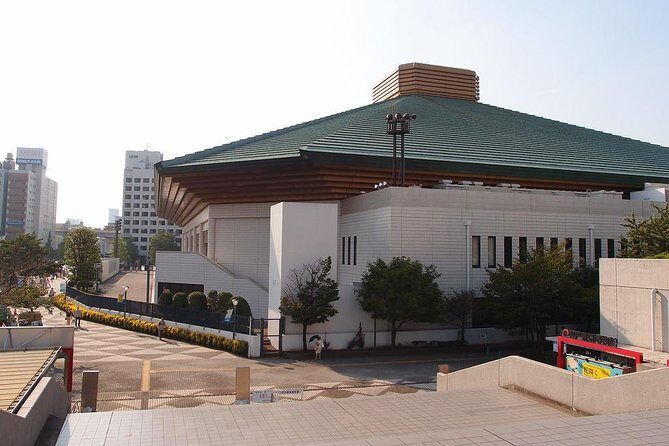
Next comes Ryogoku Kokugikan, the huge sumo stadium built in 1985. It’s the sort of place that looks instantly significant—big scale, strong identity, and the clear sense that this is where people come to follow the sport seriously.
You’ll get about 30 minutes here. And while experiencing an actual tournament is the best way to feel sumo at full volume, Kokugikan is still worth visiting even without match days. The value of a guided stop is that you’re not just staring at architecture. You’re learning how the arena fits into the sport’s daily and seasonal cycle.
On this tour, you’re also set up to see more than the main building. The overall experience is designed to include where wrestlers practice and a sumo goods shop, so the stadium visit connects to real sumo life rather than staying at the “tourist photo” level. That’s the difference between watching a sport and understanding it.
Also note: the stadium entrance time is listed as free, so you’re not paying additional ticket fees just to stand in the right spot and learn.
Nomi Sukune Shrine: The Story Behind the Start
After the big stadium, you slow down with Nomi Sukune Shrine. This local shrine is dedicated to the deity traditionally linked to the beginning of sumo in ancient Japan. That’s not just myth for myth’s sake—it gives you a framework for why sumo has rituals and storytelling woven into it.
There’s also a practical, human angle here. The tour context includes a reference to a Yokozuna champion paying a visit and worshipping there, and there are stone engravings with Yokozuna names in the garden. Those details turn the shrine from “pretty stop” into “sumo memory wall.”
You’ll have about 20 minutes at this stop. It’s a good pace: enough time to take in the garden feel and the quiet contrast to the stadium, without eating up the whole afternoon.
If you like places that show you how tradition lives in daily spaces, this is one of the most satisfying parts. It’s short, focused, and easy to remember later.
Tokyo at walking pace, a few more ways
Asakusa After Sumo: Senso-ji and Nakamise Street Energy
Once the Ryogoku sumo thread is in your head, Asakusa can hit differently—in a good way. You move from arena and shrine symbolism into Senso-ji and Nakamise Street, the classic temple-and-street combo that anchors Asakusa for good reason.
At Senso-ji, expect iconic temple views and the sense that this is one of Tokyo’s main cultural stages. The tour gives you time to experience the area as a guided walk, not just a background while you move between photos.
Then comes Nakamise Street, where the experience shifts into shopping and snack mode. This is where you can taste your way through old Tokyo street culture—without needing to understand Japanese menus to enjoy the vibe. The tour includes snacks and shopping time, so you can browse and nibble while your guide adds context about what you’re seeing.
This pairing works well because it balances the day. Sumo is intense and specific; Asakusa is social and sensory. Together, they give you a full Tokyo afternoon: tradition plus everyday energy.
The Wrestler Guide and Translator: What You Get Beyond Facts
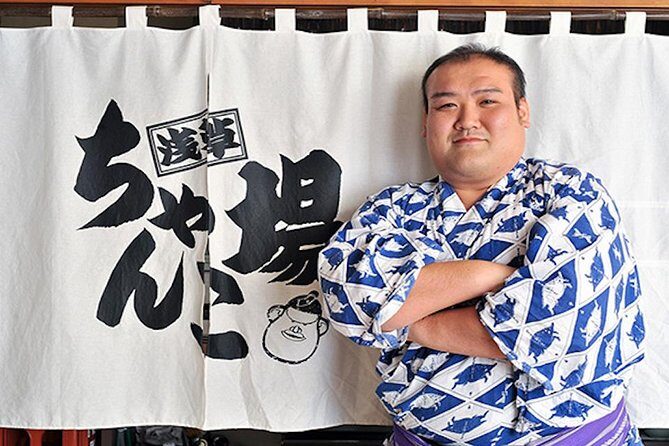
The centerpiece is the sumo wrestler guide, plus a local translator. That combination changes the whole experience. A translator isn’t just about words—it helps you ask better questions, and it turns the tour into a conversation instead of a lecture.
A key detail to know: your guide may be an active wrestler, or it may be a just-retired sumo wrestler if active wrestlers aren’t available due to tournaments or other reasons. The important part is that the tour still provides strong sumo-world knowledge. A retired wrestler often has a full perspective: what the training is like, what the structure feels like, and how the sport shapes daily life.
From what you’ll experience on the ground, the biggest “gain” isn’t trivia. It’s perspective. You’ll start noticing how sumo has its own logic—hierarchy, tradition, ritual, and the way people talk about the sport.
And because it’s private with a small cap of up to 5 people, it’s easier to keep the conversation moving. That’s especially valuable for families, sports fans, and anyone who learns best by asking follow-ups.
Price and Timing: When This Private Tour Feels Worth It
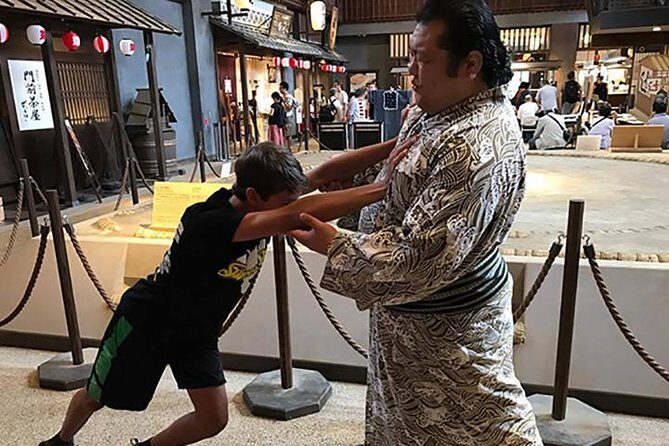
Let’s talk numbers plainly. This tour costs $402.32 per person, lasts about 2 to 2.5 hours, and runs with a start time of 1:30 pm from Ryogoku Station (the meeting point is listed at 1-chōme-3-20 Yokoami, Sumida City).
Is it worth it? It can be, but only if what you want is the specific access: a wrestler-led, translator-supported walk through sumo’s core places plus Asakusa’s highlights.
Here’s where the value comes from:
- You’re getting private format with a small group size (up to 5).
- The tour includes taxes/fees, and it includes a translator and a sumo wrestler guide.
- An admission ticket is included for Ryogoku Edo Noren.
- Food is not included, so you’ll still control your own snack budget on Nakamise Street.
Where it may not feel like a bargain:
- You’re paying for access and interpretation, not just “walking around Tokyo.”
- If you’re mainly after general sightseeing, you could choose a cheaper walking tour and spend the difference on meals and train rides.
My advice: if sumo is a real interest for you—or if you’re traveling with someone who will geek out over it—this is the kind of tour that becomes a highlight.
It also fits well for anyone who wants a “Tokyo story” that’s not the same as every temple-and-market loop. This one has a sports backbone.
Practical Tips for Your Afternoon Walk
A few things to plan so the experience stays smooth.
- Wear good walking shoes. You’ll be on foot through two neighborhoods, and you’ll cover enough distance that comfort matters.
- Bring a light layer. Tokyo afternoons can shift in feel, and temple-street areas are easier when you’re comfortable.
- Go into it curious, not competitive. Ask about what rules and rituals actually mean, not just who wins.
- Budget for snacks. Food and drinks are not included, so set aside money for Nakamise Street bites.
One more note: the tour is private, and it ends back at the meeting point. That makes it easy to continue your day on your own after the walk.
Who This Tour Is Best For (and Who Might Skip It)
This tour is a strong fit if:
- You’re a sumo fan or want a serious intro to the sport
- You like tours where you can ask questions and get answers in context
- You want a private experience with a small group size and a translator
- You want the combination of Ryogoku sumo culture plus Asakusa temple street life
It might be less ideal if:
- You’re cost-sensitive and happy with general sightseeing
- You don’t care much about sumo history or the behind-the-scenes angle
- You want food to be included in the price (it isn’t)
And for families: the minimum age is 10, so it’s built for older kids who can enjoy a cultural walk and a sports explanation. You’ll also find the private format helpful for pacing.
Should You Book This Sumo and Asakusa Walk?
If you’re choosing between “cheap and wide” Tokyo tours and “focused and personal,” I’d lean toward booking this one when sumo matters to you. The standout value isn’t just seeing places like Ryogoku Kokugikan or Senso-ji—it’s having them explained by a sumo wrestler guide with translation support, then tying it all to what you can actually observe in the streets.
Book it if you want a Tokyo afternoon that feels specific, not generic. Skip it if you’d rather spend your money on more flexible sightseeing and don’t care about sports culture.
One last practical caution: the experience is listed as non-refundable and cannot be changed for any reason. If your schedule is uncertain, make sure you can commit before you hit purchase.
FAQ
How long is the Private Ryogoku Walking Tour with Sumo Wrestler and Master Guide?
It’s listed as about 2 hours (approx.), and the tour description also presents it as a longer walk of around 2.5 hours. Plan for roughly that half-day window.
Where does the tour start and end?
It starts at Ryogoku Station (1-chōme-3-20 Yokoami, Sumida City, Tokyo 130-0015, Japan) and ends back at the meeting point.
What does the tour include?
You get all taxes, fees, and handling charges, a local translator, and it’s led by a sumo wrestler.
Is food included?
No. Food and drinks are not included, so you’ll want to plan to buy snacks, especially during the Nakamise Street time.
How many people can be in each booking?
This is a private tour/activity with a maximum of 5 people per booking.
What if an active sumo wrestler isn’t available?
The guide may be a just-retired sumo wrestler if active wrestlers aren’t available due to tournaments or other reasons, and the tour notes there’s no difference in the quality or knowledge about sumo world.
More Tours in Tokyo




More Tour Reviews in Tokyo




More Mornings with the Wrestlers
Fresh reviews from around Tokyo






Sumo Shows, compared.
 ★ 4.8Sumo Show Experience with Chicken Hot Pot and a PhotoFrom $1036,678 reviews
 ★ 4.8Sumo Show and Dining ExperienceFrom $792,742 reviews
 ★ 5.0the SUMO showFrom $891,960 reviews
 ★ 5.0Tokyo Shinjuku Sumo Show & Experience with PhotoFrom $791,750 reviews
 ★ 4.8Sumo Show and Experience in ShinjukuFrom $691,001 reviews
 ★ 5.0Authentic Sumo Experience in Tokyo: Enter the SanctuaryFrom $171603 reviews
 ★ 4.8Tokyo Sumo Experience: Chanko & Mochi with a Former ProFrom $103567 reviews
 ★ 5.0Ultimate Sumo Tournament: Tokyo, Osaka, Nagoya, FukuokaFrom $184468 reviews
Browse the lists this tour appears in