
Reviewed · MT FUJI DAY TRIPS
Mt.Fuji Trekking 1 Day Tour up to the summit
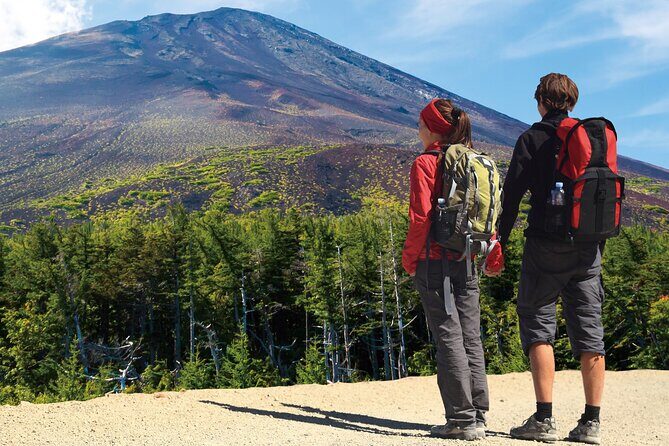
That early start makes everything real. This Mount Fuji 1-day summit trek is built around a guided climb from the 5th Station up the Yoshida trail, with hotel pickup and drop-off so you spend your energy on the mountain, not logistics.
I especially like that you’re not doing this alone. A guide helps set the pace, keeps you on the route, and supports you through the long grind. I also love the practical fuel: snacks, bottled water, plus climbing aids like trekking poles and oxygen cans.
One thing to respect: this is not a casual stroll. The tour expects a strong physical fitness level, and the climb can feel brutally steep fast, even if you’ve hiked before.
In This Review
- Key Points Before You Go
- Why This One-Day Fuji Summit Trip Feels So Intense
- Entering The Climb: Mt. Fuji 5th Station Start
- Yoshida Trail To 7th Station (2700m): The Work Part
- The Summit Option: How to Decide Without Guesswork
- Guide Support, Oxygen Cans, and Poles That Actually Help
- Pickup, Timing, and What a 12–16 Hour Day Means
- Value Check: $2,939.43 Per Group, Plus the ¥4,000 Entrance Fee
- Who This Tour Fits Best (and Who Should Rethink It)
- Should You Book This Mt. Fuji 1-Day Trek?
- FAQ
- How long is the Mt. Fuji 1-day trekking tour?
- Where does the trek start?
- Which trail does the guide use?
- Do you reach 7th Station during the tour?
- Is a summit hike to the top included?
- What’s included in the price?
- Is the Mount Fuji entrance fee included?
- Is pickup and drop-off offered?
- Is this tour private?
- When does the tour run?
Key Points Before You Go
- Private group, up to 8: just your group with a guide, not a crowd shuffle
- Start at Mt. Fuji 5th Station: the main entrance point for this classic climb route
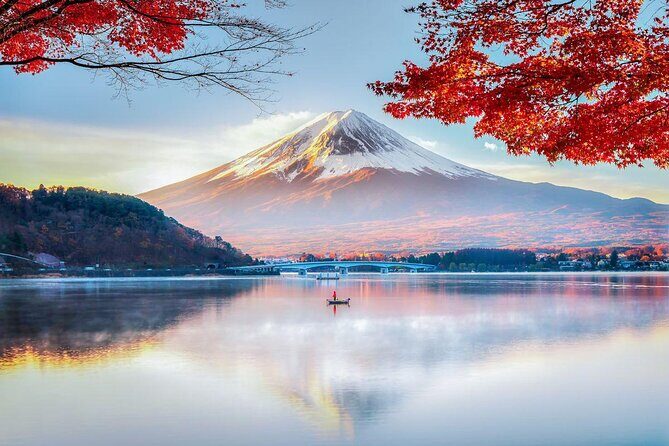
- Yoshida trail to 7th Station (2700m): a big altitude step with panoramic views along the way
- Summit option: if your fitness and conditions allow, the team can arrange the push upward
- Climbing support included: trekking poles, oxygen cans, snacks, and bottled water
- Long day by design: expect about 12 to 16 hours total, starting very early
Other routes to the mountain, compared
- Mt Fuji & Hakone Cruise, Drum Show Bullet Train 1 Day from Tokyo★ 4.0 · 7,413 reviews
- Tokyo Mt Fuji 5th St & Hakone Cruise Bus Tour w/Bullet Train★ 4.4 · 5,024 reviews
- From Tokyo: Mount Fuji Full-Day Sightseeing Trip★ 4.5 · 4,970 reviews
Why This One-Day Fuji Summit Trip Feels So Intense
Mount Fuji is famous, yes. But what makes this tour compelling is the format: it’s still a full mountain day, just organized tightly around an early start, a clear climbing route, and guide support.
From the get-go, you’re climbing fast into a different rhythm. The first stretch can surprise you. Some hikers say the opening kilometer is what really wrecks them, even when they can handle longer trails elsewhere. That tells you the type of effort you’re signing up for: steady incline, repeated effort, and a lot of time with your legs working.
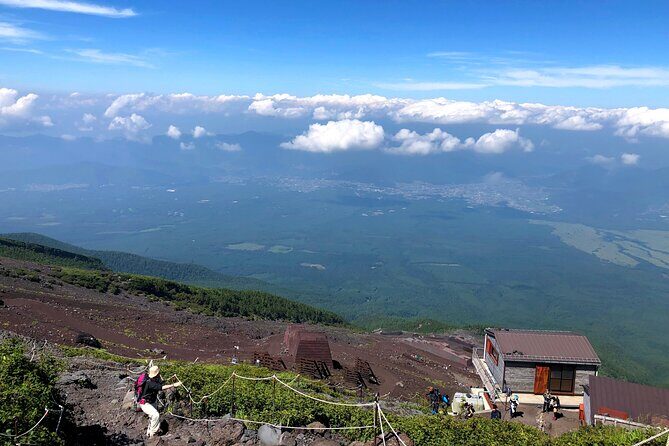
The payoff is also immediate. As you rise toward the higher stations, the view opens across the region. That “I can see farther now” moment matters on Fuji because it keeps your brain engaged during the hard parts.
If you’re the kind of person who likes to measure progress in checkpoints (instead of just suffering), this tour gives you that. You have the 5th Station start, then the climb to 7th Station at 2700m, and the option to go higher.
Entering The Climb: Mt. Fuji 5th Station Start
Your day begins at Mt. Fuji 5th Station, which is the main entrance people use to climb. That matters more than it sounds. Starting from the “right” access point keeps the early energy focused. You’re not wasting time figuring out how the trail connects or whether you’re in the correct flow.
The stop at the 5th Station is short—about 20 minutes. In practice, that time is for getting you ready to walk and keeping everything moving on a tight schedule. Expect the guide to get you aligned quickly, because everyone is dealing with the same early-morning reality.
The tour also includes admission handling at the mountain entrance in some form (there’s a separate note that a Mount Fuji entrance fee may apply). The key point for you: the experience includes your start from the 5th Station, but you should budget for the Mount Fuji entrance fee of ¥4,000 per person since it is not included.
This is also where you’ll feel the early-day stakes. The tour runs during a very narrow window (pickup/starting times are listed as 3:30 AM to 5:30 AM, depending on the day). If you sleep badly the night before, you’ll feel it immediately. If you’re okay with that trade-off, you’ll love the sense of purpose that comes with being on the mountain early.
Yoshida Trail To 7th Station (2700m): The Work Part

After the 5th Station start, you follow the Yoshida trail up to 7th Station, around 2700 meters. The climb portion is listed at about 5 hours. The pace is described as easy-level trekking, but let’s be honest about what that means: easy-level here doesn’t mean effortless. It usually means the trail is manageable and straightforward, not that it’s flat.
This part of the tour is where the guide earns their keep. You follow the route to 7th Station, and you do it with structure. When you’re tired, structure keeps you from second-guessing every step. It also helps you avoid the common mistake of burning too much energy too early and paying for it later.
You also get one of the best “keep going” rewards on Fuji: the mountain opens outward. The description includes panoramic views across the area as you climb higher. Those views can make the effort feel less mechanical and more like progress.
Fueling matters here. You’ll have snacks and bottled water included, which is a big deal on a long trek. Instead of rationing mentally, you can focus on rhythm. And you don’t have to scramble to find gear on-site because trekking poles are included too.
The oxygen cans are another small but important comfort. They’re included in the package, so you’re not thinking about where to rent or buy them right before altitude changes get serious.
The Summit Option: How to Decide Without Guesswork
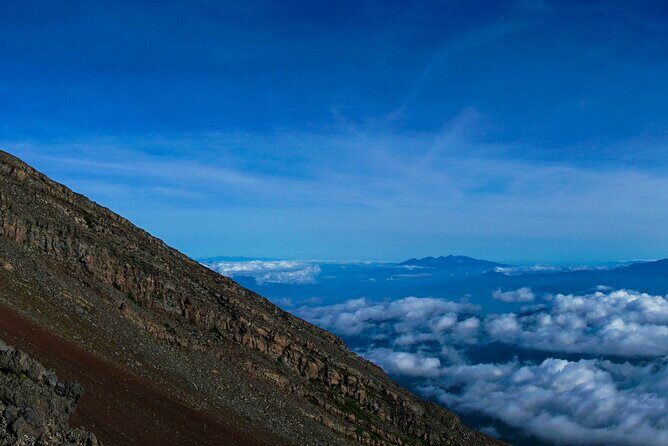
One-day summit hikes sound simple until you’re halfway up and your legs start negotiating. This tour handles that pressure with a built-in choice: you can climb to the very peak if you want and if conditions and your fitness line up.
The key detail is that the tour doesn’t force one outcome. You climb to 7th Station as the main milestone, and the tour notes that if you wish to hike all the way to the summit, the team can arrange it for you.
That’s valuable because it turns an unpredictable mountain decision into a managed plan. You don’t have to decide before you start whether you’ll be able to go all the way. You make a realistic decision after you’ve actually climbed some altitude, felt your energy level, and seen what the conditions are doing that day.
Just remember: a summit push adds time and fatigue. The overall tour length is listed as 12 to 16 hours, which is already long even without a summit extension. If you’re going for the top, you’re choosing to extend the hard work portion while managing the return journey too.
My practical advice: if you want the summit, be ready for the fact that your body may need you to slow down more than you expect. Let the guide set the pace. On Fuji, “fast” is often just “early failure.”
Worth weighing up alongside this Tokyo pick:
Guide Support, Oxygen Cans, and Poles That Actually Help
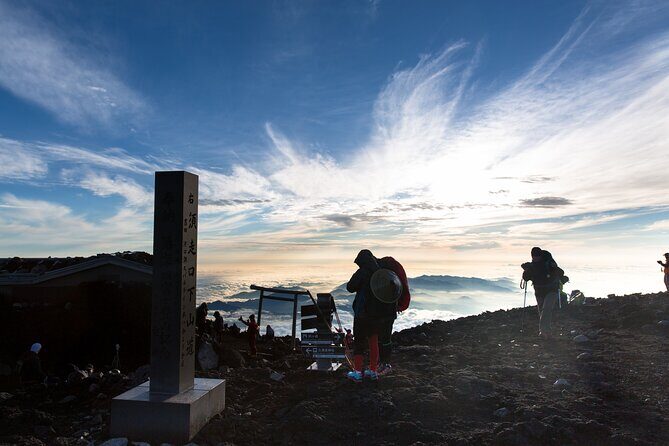
What makes this tour feel safer is not hype. It’s the basics that keep you moving: a guide, route clarity, and gear that supports your body under strain.
You get:
- Trekking poles included
- Oxygen cans included
- Snacks and bottled water included
- A guide leading you along the Yoshida trail up to 7th Station
Poles sound like a minor add-on until you’re climbing a steady incline for hours. Then they turn into leg-saving tools and balance helpers. They also make it easier to keep a steady cadence instead of slipping into a stop-and-start rhythm.
The oxygen cans are even more situational. They’re included, so you have them if you need that extra support at higher elevation. You’re still doing the climb under your own power, but having a plan B feels reassuring when you start noticing altitude effects.
The guide role is also more than “pointing the way.” A guide helps you feel confident and safe, and in a long trek, that confidence is practical. It reduces mental fatigue. Instead of wondering if you’re on track, you can focus on pacing and breathing.
And since the experience is private for your group (up to 8 people), the guide can manage the pace for you. That matters when fitness levels vary inside a group.
Pickup, Timing, and What a 12–16 Hour Day Means
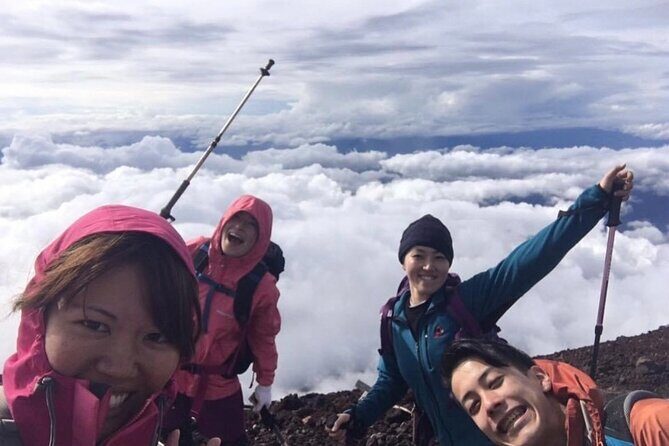
This tour includes pickup and drop-off, using an air-conditioned vehicle. That matters because you’re starting in the early window (listed 3:30 AM to 5:30 AM), and you’ll likely be in transit before your body is fully awake.
The entire experience is listed at about 12 to 16 hours. That’s the big reality check. You’re not just climbing for a few hours and going home. You’re committing to a full-day schedule, including the return and the time needed to keep everyone safe and moving.
A long day like this is also why the included snacks, bottled water, poles, and oxygen support aren’t extras. They’re part of how you survive the whole arc: climb, reach the milestone, and still have enough energy for what comes next.
The tour also uses a mobile ticket, which is helpful when you’re juggling an early morning schedule. You’re not hunting for paper documents in the dark.
In a nutshell: if you like structured adventures and can handle a very early start, this format makes sense. If you want something shorter and less demanding, this tour will feel like a serious undertaking.
Value Check: $2,939.43 Per Group, Plus the ¥4,000 Entrance Fee
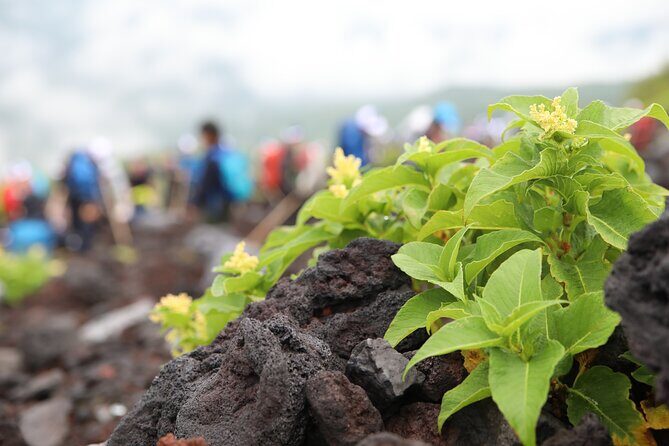
Here’s how I’d look at the price: $2,939.43 per group (up to 8) is a group rate. So your real cost depends heavily on how many people you bring.
For the money, you’re buying:
- Guide support on the climb
- Private transportation in an air-conditioned vehicle
- Hotel pickup and drop-off
- Snacks and bottled water
- Trekking poles
- Oxygen cans
- A private experience (only your group participates)
What’s not included is the Mount Fuji entrance fee of ¥4,000 per person. That separate cost is the one expense you need to plan for.
When this is good value: if your group has a mix of fitness levels, and you want a guided, equipment-backed experience with a real summit option, the all-in structure helps you avoid scrambling. Also, the early start logistics are easier when you don’t have to coordinate everything yourself.
When it might feel pricey: if you’re traveling solo or only two people and you don’t need poles or oxygen support, the guide-plus-transport package may cost more than you want. In that case, you might compare what a self-guided option would cost, but you’d be giving up the structured safety and equipment support that this tour includes.
My bottom line on value: it’s not a cheap day. But it is a thorough day, with real support included. The entrance fee is the only clear added line item.
Who This Tour Fits Best (and Who Should Rethink It)
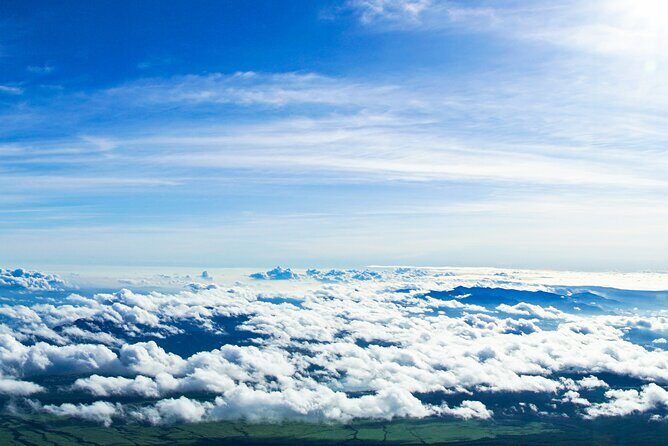
This is best for people who:
- Can handle steep, long-distance effort
- Like a guided plan with clear checkpoints
- Want the option to go higher than the main climb milestone
- Appreciate gear support like trekking poles and oxygen cans
The tour description specifically says travelers should have a strong physical fitness level. The reviews reinforce that reality. One common theme is that Fuji can hit hard early on, even for people who are used to hiking. So if your cardio and leg stamina are solid, you’ll likely feel more in control.
This is also a good fit for groups who want privacy. Since only your group participates, you avoid the awkward pace conflicts that can happen on shared tours.
Who should rethink it: if your hiking experience is light, or if long inclines tire you quickly, you’ll be under pressure from the schedule and the climbing demands. Even with a guide, Fuji will still be Fuji.
Should You Book This Mt. Fuji 1-Day Trek?
I’d book this if you want a classic Fuji climb with real structure, and you want help managing the hardest parts with a guide plus practical gear. The 5th Station start, the Yoshida trail climb to 7th Station at 2700m, and the summit option make it flexible in the ways that matter.
I wouldn’t book it if you’re looking for a gentle sightseeing walk or you’re unsure about your ability to handle a steep, long day. This tour expects fitness, and the early steep grind isn’t something you can “out-motivate” on vibes.
One last decision tip: if the summit is your goal, commit to the mindset that you’ll pace conservatively early and trust the guide. Fuji rewards smart effort more than bravado.
FAQ
How long is the Mt. Fuji 1-day trekking tour?
The duration is listed as about 12 to 16 hours.
Where does the trek start?
The trek starts at Mt. Fuji 5th Station.
Which trail does the guide use?
You follow the Yoshida trail on the climb.
Do you reach 7th Station during the tour?
Yes. The guide takes you to 7th Station, around 2700m.
Is a summit hike to the top included?
A summit option is available. If you wish to hike all the way to the summit, the tour notes that they can arrange it.
What’s included in the price?
Included items are snacks, bottled water, private transportation, an air-conditioned vehicle, trekking poles, and oxygen cans.
Is the Mount Fuji entrance fee included?
No. The Mount Fuji entrance fee is listed as ¥4,000 per person and is not included.
Is pickup and drop-off offered?
Yes. Hotel pick up and drop off are included.
Is this tour private?
Yes. It’s a private tour/activity, and only your group participates (up to 8 per group).
When does the tour run?
The opening hours listed are 3:30 AM to 5:30 AM (Mon–Fri) during the stated date range.
More Tours in Tokyo




More Tour Reviews in Tokyo




The Fuji Shortlist: Other Days Out to the Mountain


Fresh reviews from around Tokyo






Mt Fuji Day Trips, compared.
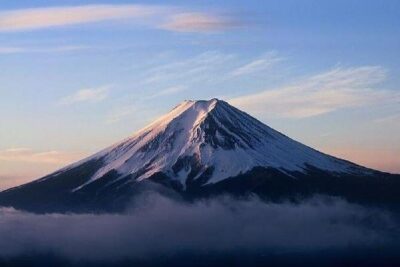 ★ 4.0Mt Fuji & Hakone Cruise, Drum Show Bullet Train 1 Day from TokyoFrom $1497,413 reviews
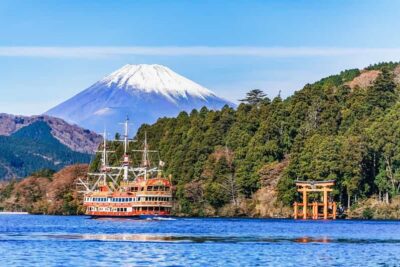 ★ 4.4Tokyo Mt Fuji 5th St & Hakone Cruise Bus Tour w/Bullet TrainFrom $1545,024 reviews
 ★ 4.5From Tokyo: Mount Fuji Full-Day Sightseeing TripFrom $684,970 reviews
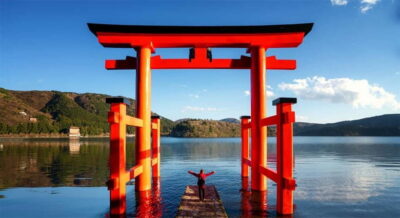 ★ 4.7Mt. Fuji Tour, Hakone Ropeway, Owakudani, Lake AshiFrom $544,002 reviews
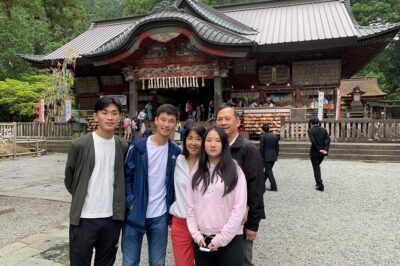 ★ 5.0Private Tour to Mt. Fuji and Hakone (Fully Licenced Operator)From $4971,910 reviews
 ★ 4.9Mount Fuji Full-Day Private Tour from Tokyo (Customizable)From $3931,470 reviews
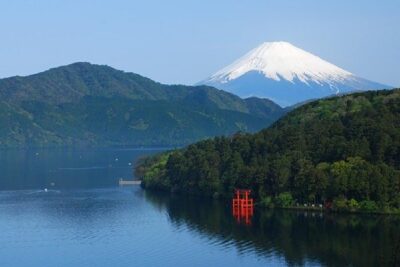 ★ 4.0Mt Fuji & Hakone Cruise, Drum Show Bus 1 Day from TokyoFrom $1221,287 reviews
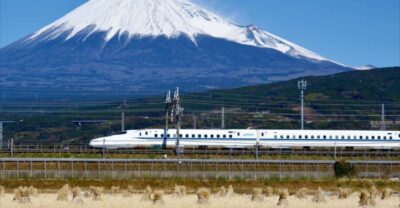 ★ 4.2From Tokyo: Mt. Fuji & Hakone Tour w/ Return by Bullet TrainFrom $1171,278 reviews
Browse the lists this tour appears in