
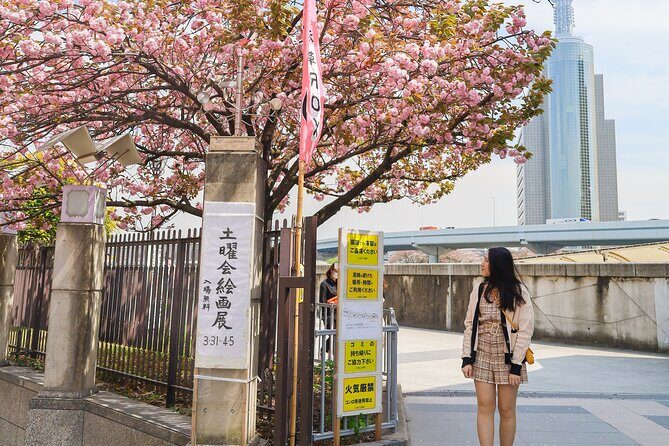
Reviewed · SHIBUYA TOURS
One Day Tokyo Group Tour: Asakusa, Harajuku, Shibuya and more
Tokyo changes fast.
This one-day group tour is a smart way to see Tokyo’s big contrasts in just six hours—ancient temples, trend neighborhoods, and the city’s nightlife hub—while still moving on foot where you get the real details. You’ll spend time learning how locals navigate the city flow, and you can ask your guide about culture and daily life as you go. With a maximum of 15 people, it feels more like a guided walk with room for questions than a cattle-call highlight reel.
I love two things most: the chance to walk up close through Asakusa’s temple area and Shibuya’s street-level energy, and the way guides turn each stop into practical context you can use later. Guides like Amir and Firas (and others, depending on the departure) are the kind who keep conversations moving—history for what you’re seeing, plus local recommendations for what to do next when the tour ends.
One possible drawback: you should plan on a lot of walking. The tour is listed for moderate physical fitness, and you’ll also want to wear comfortable shoes and be ready for some transfers around Tokyo’s train network.
In This Review
- Key things to know before you go
- A Six-Hour Tokyo Orientation on Foot
- Where the Tour Starts in Asakusa (and how to find it)
- Stop 1: Asakusa and Senso-ji in Traditional Tokyo
- Stop 2: Shibuya, Including More Than the Crossing
- Stop 3: Harajuku Station and the Neighborhood Vibe
- Stop 4: Shinjuku, Finishing Where You Can Continue
- Guides Who Actually Explain Things (Amir and Firas included)
- Price and Value: What $75.77 Gets You
- Logistics You’ll Feel: Walking, Shoes, and Cash
- Who This Tour Fits Best (and who should skip it)
- Should You Book This One-Day Tokyo Group Tour?
- FAQ
- How long is the One Day Tokyo tour?
- What’s the price per person?
- Where does the tour start and when?
- Where does the tour end?
- How many stops are included?
- Is the tour ticket mobile?
- Are any admission fees included?
- What’s not included in the price?
- What about cancellations and weather?
- Do I need to be very fit?
- Is the tour in English?
Key things to know before you go
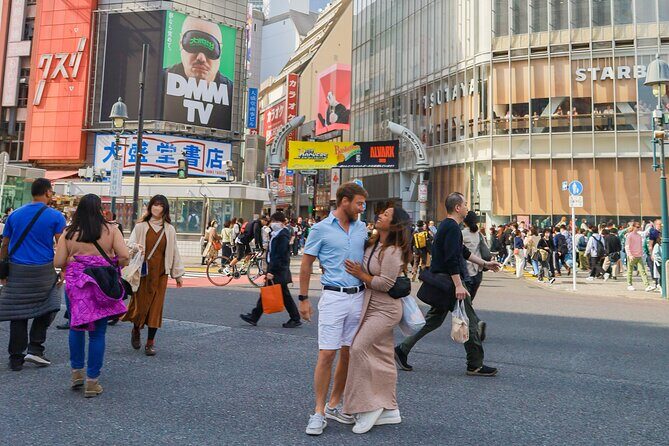
- Max 15 people: small enough for real questions, not a noisy pack.
- On-foot sightseeing: you’ll get close to sights cars can’t reach.
- Asakusa to Shinjuku flow: classic east-to-west tour arc in one day.
- English-speaking guide: you’re encouraged to ask about culture, history, and daily life.
- Main stops are free entry: Asakusa and Shibuya are marked free, so you spend money on food, not tickets.
- Ends in Shinjuku: you finish where nightlife plans and dinner options are easy.
More to do within sight of the Crossing
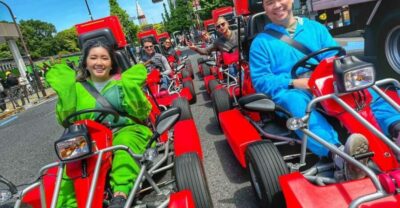
- Official Street Go-Kart in Shibuya★ 5.0 · 3,435 reviews
- Tokyo: Street Kart Experience in Shibuya★ 4.9 · 1,484 reviews
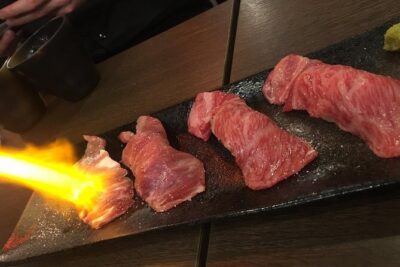
- Shibuya Meltdown Nightlife Tour: All-You-Can-Drink Bar Hopping★ 5.0 · 1,058 reviews
A Six-Hour Tokyo Orientation on Foot
Tokyo is big. And it’s confusing on day one. This tour is designed for that first-day fog. You get a guided route through some of the most recognizable areas—Asakusa, Shibuya, Harajuku, and Shinjuku—plus enough time at each stop to understand what you’re looking at.
The biggest value here is the walking. You don’t just “see” a place from a bus window. You move through streets, crosswalks, and neighborhood corners where Tokyo’s daily rhythm actually shows up.
And because the group size is capped at 15, you’re more likely to get answers to the exact questions you’re wondering—how people use trains, what local etiquette looks like, why certain places matter.
Where the Tour Starts in Asakusa (and how to find it)
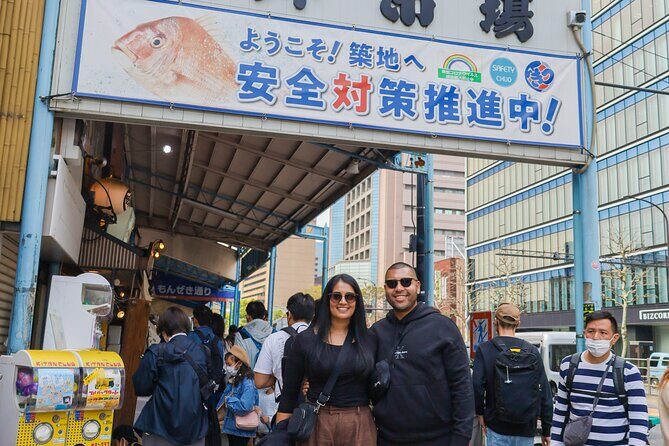
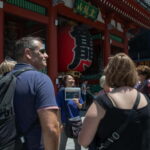
You begin at Asakusa Culture Tourist Information Center, at Kaminarimon (Taito City). The start time is 10:00 am, and you’ll have a mobile ticket.
This matters because Asakusa is one of those areas where it’s easy to wander the wrong direction if you’re trying to figure things out solo. With a set meeting point, you can focus on showing up and letting the guide steer.
Also note: the tour is listed as near public transportation. That’s helpful because you’re not locked into a single transit option. You can get there in a few different ways depending on where you’re staying.
Stop 1: Asakusa and Senso-ji in Traditional Tokyo
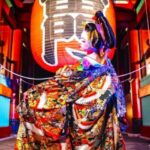
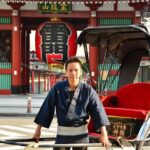
Asakusa is the kind of neighborhood where you feel Tokyo’s older face immediately. Your tour starts here with about two hours around Senso-ji, a temple area with roots going back centuries. The route centers on temple life and the cultural meaning behind the spaces you see.
Why this stop works in a group tour:
- You get time to take in the temple complex without rushing.
- You learn what you’re looking at as you walk—so it’s not just photos and exits.
- Entry is free for this stop (so your budget stays on food and transit).
Look for the small details: people moving through temple space with purpose, family groups, and the way the neighborhood atmosphere shifts block by block. If you’ve only got one day, this is where you build context for everything else.
Practical tip: Asakusa is a great place to take your first coffee break, but do it before you’re too deep into the crowd. Once you’re surrounded by foot traffic, you’ll lose time trying to find a quiet corner.
Stop 2: Shibuya, Including More Than the Crossing
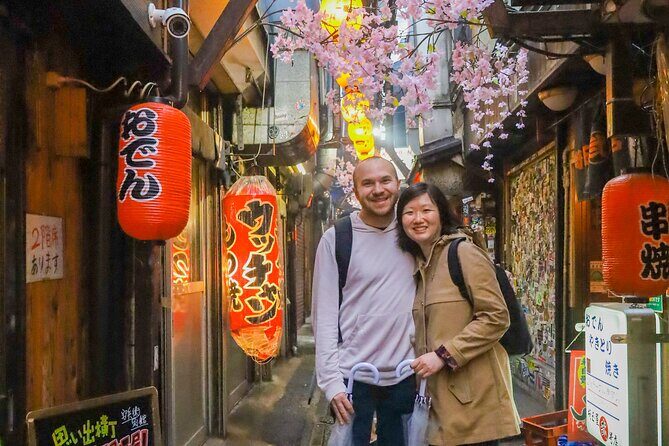
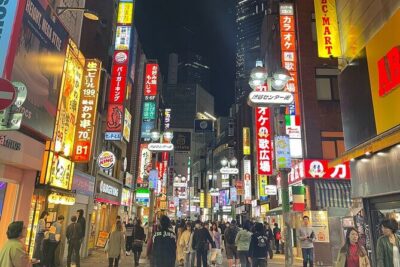
Next you head to Shibuya for another two hours. Yes, this is the area known for the world-famous pedestrian crossing—but the tour is built to show you that Shibuya is more than a single intersection.
Shibuya is also where Tokyo’s food and nightlife culture shows up in the streets. In a short tour, that matters, because you’ll want recommendations that match your taste, not generic “go here” advice.
This stop is also free entry per the itinerary, which keeps the day feeling reasonable cost-wise. The guide can explain what you’re seeing from a local angle—how the neighborhood functions, why certain spots are popular, and what to pay attention to if you return later.
What to do here, beyond taking photos:
Watch how people move. Notice the rhythm of crossing, the mix of age groups, and the way storefronts and side streets change the mood fast. Shibuya can feel overwhelming alone. With a guide, you’ll learn how to read the area quickly.
More mornings around Senso-ji and the old town
Stop 3: Harajuku Station and the Neighborhood Vibe
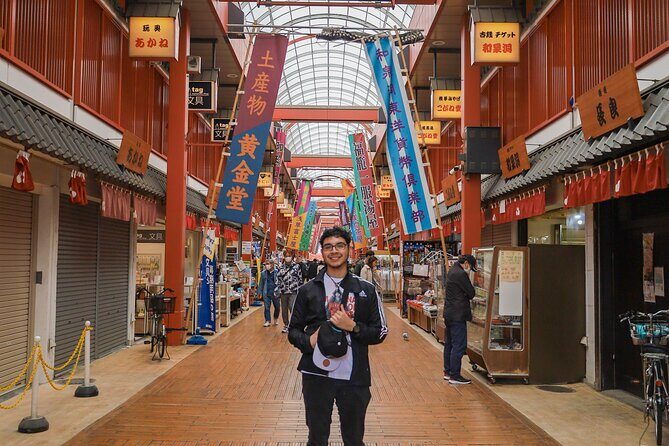
Harajuku is your mid-tour shift into Tokyo’s fashion and style zone. You’ll spend about one hour around Harajuku Station, with this stop marked as admission included.
In one hour, you won’t “cover everything,” and that’s the point. You’re getting the recognizable vibe and enough orientation to know what kind of streets and scenes you want to revisit later.
This is also a good section of the tour for questions. If you’re curious about youth culture, shopping etiquette, or why certain styles show up where they do, ask. A strong guide will connect what you see on the street to broader cultural habits.
If you’re the type who likes to browse, Harajuku is a great place to notice what grabs you so you can come back after the tour with a plan.
Stop 4: Shinjuku, Finishing Where You Can Continue
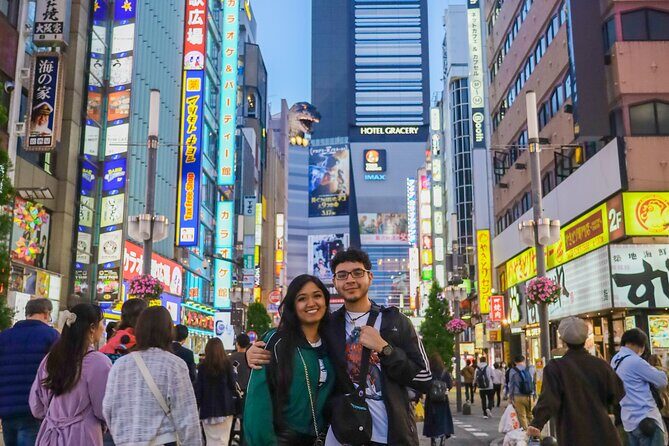
Your final stop is Shinjuku, with about one hour and free entry per the itinerary. Shinjuku is often described as a nightlife central hub, and the area definitely has that “something is always happening” feel.
The tour ends in Shinjuku City, which is a practical move. When you finish here, you’re positioned for dinner, drinks, and a second round of exploring without having to backtrack across town.
Your guide will also send you off with recommendations for places to check out afterwards. That’s where the tour’s value really shows: you don’t just exit Tokyo’s highlights. You walk away with next steps that fit your interests—food, atmosphere, and neighborhoods to target.
One caution: since the tour ends in Shinjuku, you’ll want to plan what you’ll do after. Make a loose dinner plan, even if you keep it flexible. Shinjuku is exciting, but it can also swallow time if you don’t set a target.
Guides Who Actually Explain Things (Amir and Firas included)
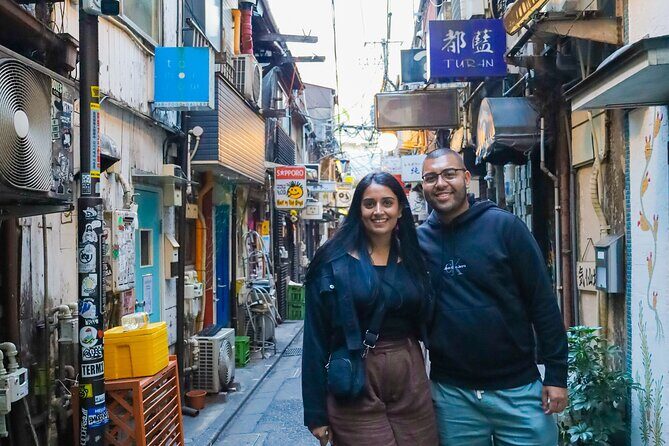
A tour lives or dies by the guide. This one has a track record of strong, friendly leadership, and the names you may see include Amir and Firas—both known for being enthusiastic and attentive.
Here’s what that means for you on the street:
- You can ask questions about what you’re seeing, instead of guessing.
- You get context that helps you interpret the temples and neighborhoods, not just walk past them.
- Small-group pacing can mean you feel looked after, not rushed.
Some guides are especially good at turning shrines and temple areas into understandable stories. That matters because Tokyo’s religious and neighborhood spaces can look similar at first glance, but they don’t mean the same thing.
If your guide is Flor or Ravisha, for example, the emphasis tends to be on clear explanations and making the day feel like you’ve gained a friend in Japan—not just a guide at a microphone. (Even if your guide is someone else, the common thread is the interactive style and willingness to answer questions.)
Price and Value: What $75.77 Gets You
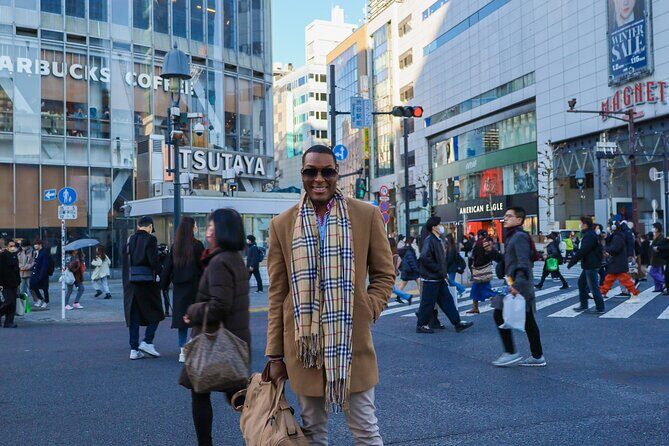
At $75.77 per person, the deal is mostly about what’s included:
- an English-speaking guide
- a walking tour through Tokyo’s highlights
- access to key stops where entry is marked free (at least for Asakusa and Shibuya)
What’s not included:
- lunch
- public transportation (listed as $5.00 per person)
So the “real cost” depends on your habits. If you’re the type who buys a simple lunch and uses transit efficiently, you’ll keep the day in a manageable range. If you plan to eat fancy at multiple stops, your budget will climb fast, but that’s true of any tour day.
The best value angle is this: you’re paying for orientation, context, and a walkable plan. In Tokyo, that can be worth more than adding one more paid attraction.
Also, max 15 people means you’re not paying the price of a crowd experience. You’re paying for guided movement through the places most people only scratch the surface of.
Logistics You’ll Feel: Walking, Shoes, and Cash
This tour is listed for moderate physical fitness, and it’s built around walking. That’s not a problem if you prepare.
Plan for:
- comfortable walking shoes (wear them on day one, not your “cute” ones)
- energy for a full half-day on foot
- a bit of flexibility with weather, since the experience notes good weather needs
One more practical note from guide-led experience styles: bring some cash. The tour doesn’t state that cash is required, but having it helps in Japan when you run into small shops, snacks, and quick purchases where cards might not be convenient.
If you want to stay efficient, pack a small day bag: water, a compact umbrella, and your transit card. You’ll thank yourself later when you’re moving through crowds.
Who This Tour Fits Best (and who should skip it)
This is a great fit if:
- it’s your first day in Tokyo and you want a fast orientation
- you like walking and want to see Tokyo up close
- you want a guide to answer real questions about culture and daily life
- you want your day to end with momentum in Shinjuku
It may be less ideal if:
- you hate walking and prefer slow, sit-down pacing
- you want deep, long stays in just one neighborhood (this tour spreads time across four)
- you’re hoping for a heavy shopping-focused itinerary (Harajuku is a short taste, not a full day)
Think of it as a smart “map-making” day. Not a complete Tokyo master plan.
Should You Book This One-Day Tokyo Group Tour?
I’d book it if you’re in Tokyo for a short window and you want structure. The combination of Asakusa’s traditional atmosphere, Shibuya’s street energy, Harajuku’s style zone, and Shinjuku’s after-hours hub gives you a strong feel for the city in one go.
I’d skip it if your goal is a slow, in-depth deep-dive into one neighborhood. This tour is about coverage with context, not one-place dominance.
If you do book, show up at 10:00 am ready to walk, ask questions early, and treat the Shinjuku ending as the start of your second act. That’s where the guide’s recommendations can turn a good day into a great one.
FAQ
How long is the One Day Tokyo tour?
The tour is listed as about 6 hours.
What’s the price per person?
The price is $75.77 per person.
Where does the tour start and when?
It starts at Asakusa Culture Tourist Information Center and begins at 10:00 am.
Where does the tour end?
It ends in Shinjuku City, Tokyo.
How many stops are included?
You’ll visit Asakusa, Shibuya, Harajuku Station, and Shinjuku.
Is the tour ticket mobile?
Yes, the tour uses a mobile ticket.
Are any admission fees included?
Asakusa and Shibuya are listed as free in the itinerary. Harajuku Station is marked as included. Shinjuku is marked as free.
What’s not included in the price?
Lunch is not included, and public transportation is listed as $5.00 per person.
What about cancellations and weather?
You can cancel for a full refund if you cancel at least 24 hours before the experience’s start time. The experience requires good weather, and if it’s canceled due to poor weather you’ll be offered a different date or a full refund.
Do I need to be very fit?
The tour notes moderate physical fitness is required, and it involves walking.
Is the tour in English?
Yes, it includes an English-speaking guide.
More Harajuku to Wander


Around Senso-ji: More Asakusa Picks
Still in Shibuya? Keep Going





Fresh reviews from around Tokyo






Shibuya Tours, compared.
 ★ 5.0Official Street Go-Kart in ShibuyaFrom $763,435 reviews
 ★ 4.9Street Kart Experience in ShibuyaFrom $741,484 reviews
 ★ 5.0Shibuya Meltdown Nightlife Tour: All-You-Can-Drink Bar HoppingFrom $1061,058 reviews
 ★ 5.0Shibuya Official Street Go-Kart in Shibuya AnnexFrom $69972 reviews
 ★ 5.0Shibuya Food Tour (13 dishes and 4 Eateries)From $77770 reviews
 ★ 5.0Best of Shibuya Food TourFrom $217612 reviews
 ★ 4.8Shibuya Highlights Walking TourFrom $19601 reviews
 ★ 4.7Premium Go-Kart Tour with Tower & Shibuya CrossingFrom $116528 reviews
Browse the lists this tour appears in