
Reviewed · SUMO SHOWS
Morning Sumo Practice Viewing in Tokyo
Sumi sumo at dawn feels like time travel. This morning session gets you into a wrestler’s stable—the kind of access that’s hard to pull off on your own—so you can watch training up close and learn how the rituals shape the sport. It’s also timed early enough that you’ll feel the city waking up around Tokyo Skytree and the sumo world.
Two things I really like: first, the visit is built around real insider context. You start with a guide briefing on how to watch sumo and what rules to notice, then you shift into the stable where you can connect the theory to what’s happening on the floor. Second, your ticket includes donations to the stable, which adds meaning to what you’re seeing and helps explain why guides take etiquette so seriously.
One consideration before you book: you’ll sit on cushions on the floor for about two hours, and there are no toilets available during the practice. If you don’t love long floor seating, plan for it.
In This Review
- Key highlights you’ll care about
- Morning Sumo at 7:30am: what this timing gives you
- Tokyo Skytree briefing: get the rules before the action
- Entering the stable: why close-up training hits harder
- What you’ll actually see during practice
- The Shinto roots and the stable’s rules
- Chanko nabe lunch: refuel after training
- Guides and personal attention: what makes it feel special
- Price and value: is $99.08 worth it?
- Logistics that can make or break your morning
- Who should book this, and who might skip it
- Should you book this morning sumo practice tour?
- FAQ
- What time does the morning sumo practice tour start?
- How long is the experience?
- Where does the tour start and where does it end?
- Is a lunch included?
- Do I sit on chairs during the stable viewing?
- Is there a photo session with wrestlers?
Key highlights you’ll care about
- Small-group access (max 10) keeps you close to the action and easier to ask questions
- Skytree rule briefing helps you understand what you’re watching before you sit down
- Direct stable view puts you near wrestlers during warmups and practice bouts
- Donations included gives purpose to the visit, not just sightseeing
- Possible photo time with the wrestlers, depending on how the session runs
More chances to sit ringside
- Tokyo: Sumo Show and Dining Experience★ 4.8 · 2,742 reviews
- the SUMO show★ 5.0 · 1,960 reviews
- Tokyo Shinjuku Sumo Show & Experience with Photo★ 5.0 · 1,750 reviews
Morning Sumo at 7:30am: what this timing gives you
This is a real morning activity, starting at 7:30am at Tokyo Skytree Station and ending at Naruto-beya Sumo Stable. Early tours are always a trade: you lose sleep, but you gain atmosphere. Morning sumo practice feels less like a performance and more like work—warmups, practice patterns, and the focused energy of a stable getting ready for the day.
I like that the tour is designed around seeing the process, not just the spectacle. You’re not waiting around for a big event; you’re watching training rhythms. That makes it easier to understand why sumo is as much ritual and discipline as it is strength and technique.
Also, the group stays small. With a maximum of 10 people, you’re more likely to get personal attention and clearer guidance on what to do once you’re inside the stable.
Tokyo Skytree briefing: get the rules before the action
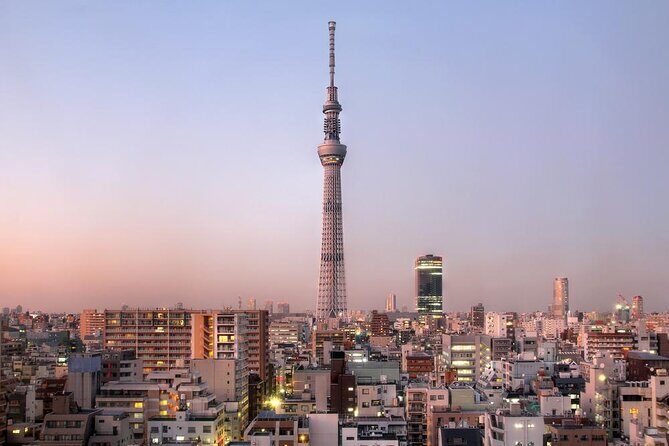
Your first stop is Tokyo Skytree, where your guide sets the stage for what sumo practice will look like. You get about 30 minutes here, with an orientation moment built around how to enjoy sumo and simple watching rules you should follow. It’s smart: you’re learning the basics before you’re staring at a compact ring area and trying to figure out what matters.
Skytree also helps as a visual anchor. Even if you’ve seen the tower in photos, it hits differently in person—huge, modern, and impossible to ignore. That contrast matters. You’re moving from a modern landmark into a traditional world with strict etiquette and deep roots in Shinto beliefs.
Guides for this experience are often praised for how clearly they explain what you’re about to see. Names that come up in real feedback include JOJI, Dawn, Jeff, and Aki. The consistent theme: they don’t just narrate. They prepare you so you can follow the practice with your brain switched on.
Entering the stable: why close-up training hits harder
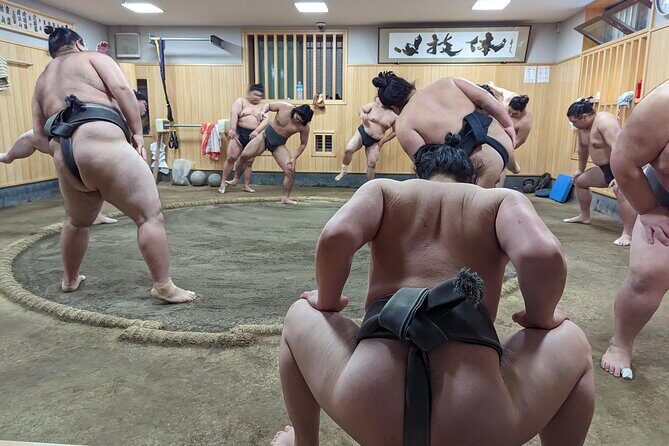
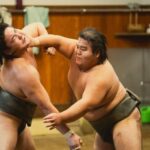
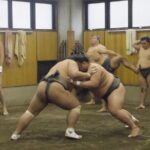
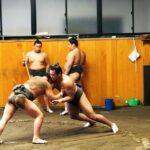
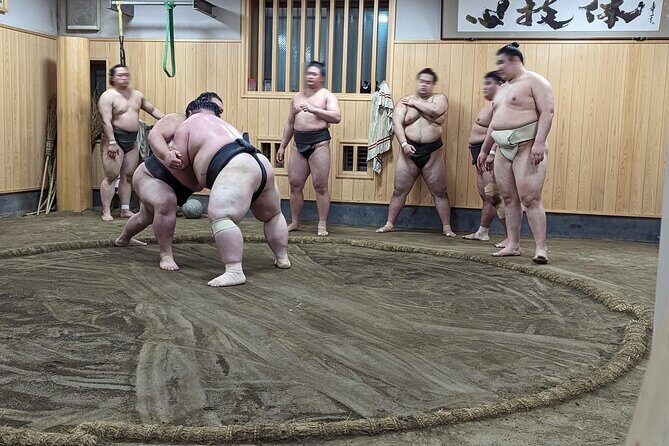
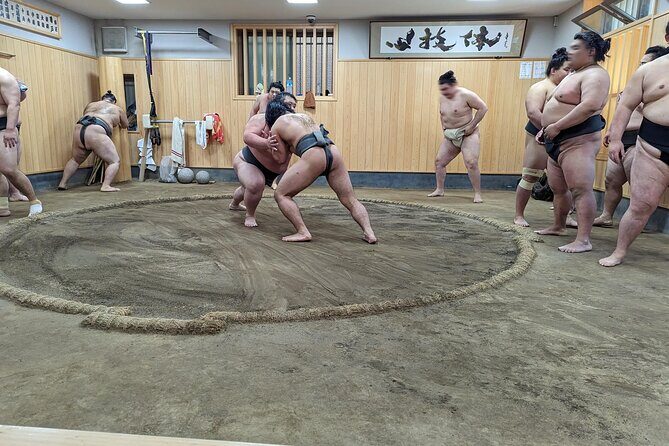
The main part of the tour happens at the stable, where you’ll watch practice for about two hours. You sit inside the stable and see warmups and practice bouts at a close distance. This is the part that people love most, because sumo is usually shown from far away—on TV, in arenas, or in staged moments. Here, you’re close enough to notice how the wrestlers move, set their balance, and respond to each other.
The experience is framed as getting access that’s difficult to arrange alone. That access is more than permission to watch. It usually means you’re also doing the etiquette right—sitting correctly, following instructions, and respecting space—so the stable can keep training without distractions.
One practical detail you’ll appreciate: the tour format is built for real rules of viewing. You’re required to sit on cushions on a flat floor, with no chairs. That’s not a small thing. It changes how long you can comfortably stay focused. Bring patience, and maybe do a quick stretch before you settle in.
What you’ll actually see during practice
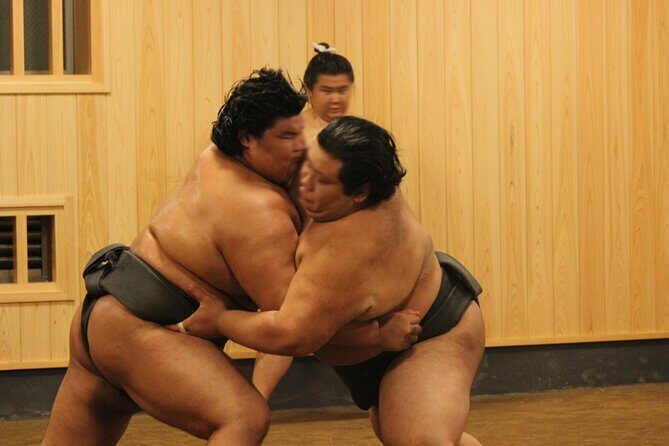
Sumo training isn’t constant action like a basketball game. It’s sequences—set-ups, bursts of intensity, resets, and repeated drills. That’s why the Skytree briefing matters. Once you know what to watch for, the two hours start to feel coherent.
You’ll likely notice:
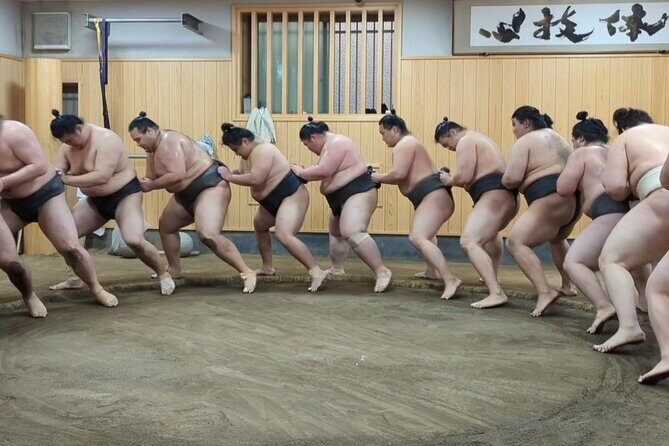
- How wrestlers warm up their bodies before practice bouts
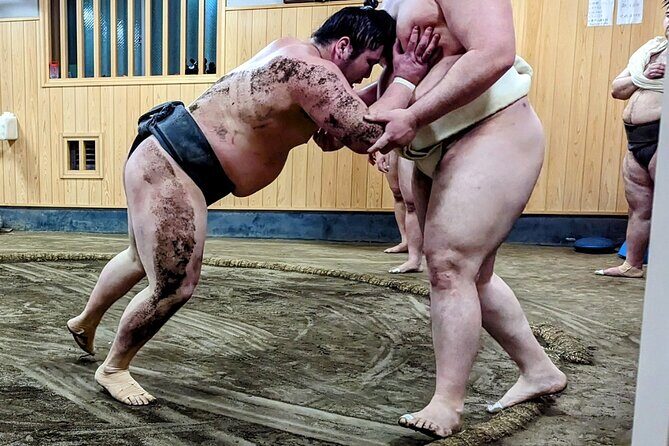
- How they engage each other and work through grips and balance
- The slow, deliberate parts where ritual and focus show up
Even if you’re new to sumo, you’re not stuck guessing. The tour is designed around guiding you through what’s happening. One recurring point in feedback is that guides provide materials like hand-outs and wrestler profiles, so you can connect names and rankings to what you’re seeing in motion.
And yes, you may get a chance to take photos with the wrestlers. It’s not guaranteed in every session, but it’s a strong possibility. If photos are important to you, wear something you feel comfortable sitting in for a while, since getting your camera out between instructions can be tricky.
Worth weighing up alongside this Tokyo pick:


The Shinto roots and the stable’s rules
One of the more interesting angles of this tour is how it links sumo to Shinto roots. Sumo isn’t just combat; it’s bound to ceremony. You’ll hear explanations about tradition and the reasons behind stable behavior, from how practice is structured to why certain moments are treated with care.
This is also where the small-group format helps. When you’re sitting close and the tour pace stays calm, it’s easier to absorb the context instead of rushing to the next photo spot. You can start noticing how etiquette keeps the training environment working.
If you’re the kind of person who likes to understand why something is done, this tour fits you well. You don’t just watch; you learn what the rules protect—focus, respect, and the stable’s daily rhythm.
Chanko nabe lunch: refuel after training
After practice, you’ll have a chance to refuel with chanko nabe, a traditional meal associated with wrestlers. The tour description frames it as part of the day’s flow, so it’s not just a random restaurant stop.
Why it matters: chanko nabe isn’t just food. It’s part of the culture you’re watching. The stable world comes with its own daily habits—training, recovery, and eating together. That makes the meal feel like the natural second act after you’ve watched the work.
If you’re hungry after two hours on the floor, this is one of the best ways to end the experience. It turns the morning from observation into something you can taste and carry home.
Guides and personal attention: what makes it feel special
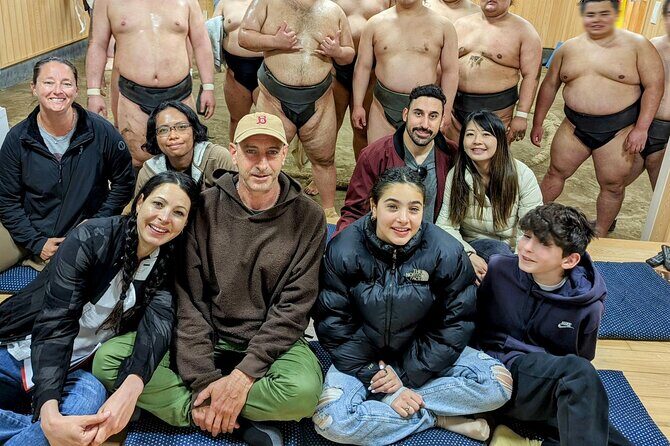
This isn’t a big bus tour. The experience is offered with guidance by a local certified expert guide, and the format is designed to give you personalized attention. With up to 10 people, the group stays manageable enough for the guide to check on comfort, clarify rules, and steer you away from common mistakes.
Names that show up in real guide feedback—JOJI, Dawn, Jeff, and Aki—all point to the same style: clear explanations and careful preparation before you step into the stable. One of the best parts is how guides set expectations ahead of time. They help you understand what to do with your camera, where to look, and how to follow the practice without creating extra noise or confusion.
Price and value: is $99.08 worth it?
At about $99.08 per person, this tour isn’t cheap, especially if you’re comparing it to generic Tokyo sightseeing. But it is priced for access and context.
Here’s what you’re really paying for:
- Stable access that’s hard to arrange on your own
- Guiding by a certified local expert
- Donations to the stable included in your ticket
- A compact morning schedule with about 3 hours total time
That combination is the value. You’re not buying a long city walk; you’re buying a concentrated cultural moment with real purpose. The donation piece matters because it changes the tone of the visit—you’re not treating the stable like a zoo exhibit.
If you’re a first-time sumo fan, this is also a great way to avoid confusion. A lot of people leave their first sumo viewing feeling like they understood only half of what they watched. Here, the tour helps you translate the action into something meaningful.
Logistics that can make or break your morning
This tour runs with good weather expectations. It’s scheduled for early morning and depends on conditions, so plan to be flexible.
On the ground, your biggest practical factor is your body comfort:
- You’ll sit on cushions on a flat floor
- There are no chairs
- There are no toilets during the practice
So I’d treat this like a short indoor performance that asks for patience. Use the bathroom before you meet, and consider wearing clothes that are comfortable for sitting and easy to layer if the morning feels chilly.
Meeting is at Tokyo Skytree Station, and the tour ends at Naruto-beya Sumo Stable. Since there’s no hotel pickup or drop-off, you’ll want to map your morning transit so you’re not rushing with minutes to spare.
Who should book this, and who might skip it
Book it if:
- You want authentic, close-up sumo rather than a distant view
- You love cultural context and want to understand rules and ritual
- You can handle floor seating for around two hours
- You’re excited by morning activities and the idea of seeing training at work level
Skip it if:
- Long floor seating is a dealbreaker for you
- You need frequent restroom access during activities
- You only want casual photos and don’t care about learning what you’re watching
The best fit is usually someone who enjoys sports, culture, and learning how traditions work in everyday practice.
Should you book this morning sumo practice tour?
If you’re planning a short Tokyo trip and you want one activity that feels truly different from standard sightseeing, this is a strong pick. The standout strengths are the close-up stable access, the clear guide preparation, and the way donations add respect to the experience.
The only real negative is practical: floor seating with no chairs and no toilets. If you can plan for that, you’ll likely feel like you did something special instead of just watched a performance.
My advice: if sumo interests you at all, lock it in. It’s the kind of morning that gives you stories you’ll still be telling later.
FAQ
What time does the morning sumo practice tour start?
It starts at 7:30am.
How long is the experience?
The duration is about 3 hours.
Where does the tour start and where does it end?
It starts at Tokyo Skytree Station and ends at Naruto-beya Sumo Stable.
Is a lunch included?
The experience description says you’ll refuel with chanko nabe, a traditional wrestlers’ meal, after the practice.
Do I sit on chairs during the stable viewing?
No. You must sit on cushions on a flat floor because there are no chairs.
Is there a photo session with wrestlers?
There is a photo session most probably, so you may get a chance to take photos with the wrestlers depending on how the session works that morning.
More Morning in Tokyo

More Tour Reviews in Tokyo






More Mornings with the Wrestlers

Fresh reviews from around Tokyo






Sumo Shows, compared.
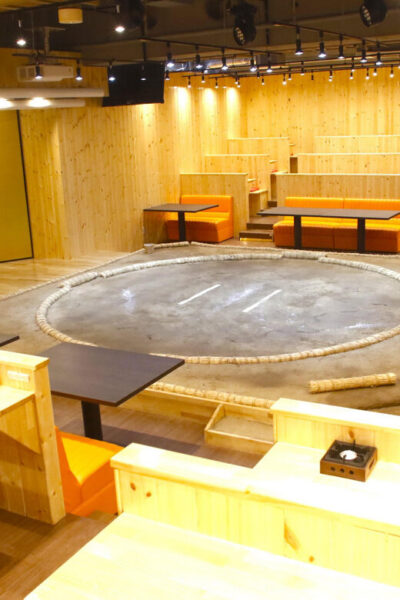 ★ 4.8Sumo Show Experience with Chicken Hot Pot and a PhotoFrom $1036,678 reviews
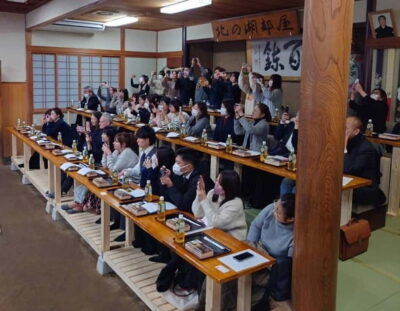 ★ 4.8Sumo Show and Dining ExperienceFrom $792,742 reviews
 ★ 5.0the SUMO showFrom $891,960 reviews
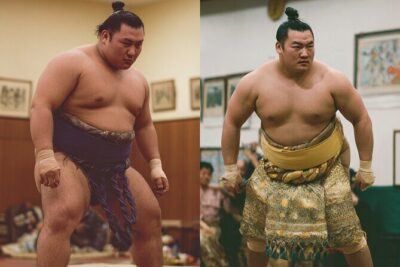 ★ 5.0Tokyo Shinjuku Sumo Show & Experience with PhotoFrom $791,750 reviews
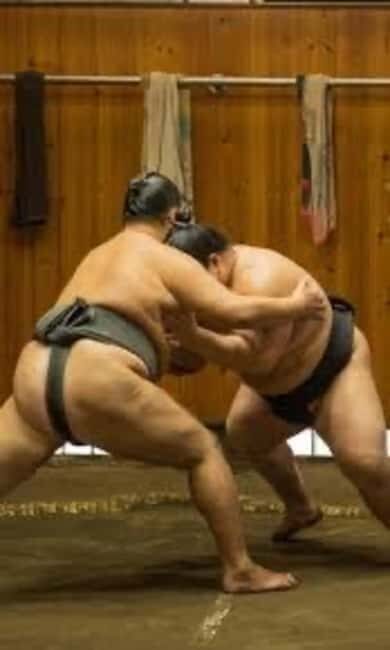 ★ 4.8Sumo Show and Experience in ShinjukuFrom $691,001 reviews
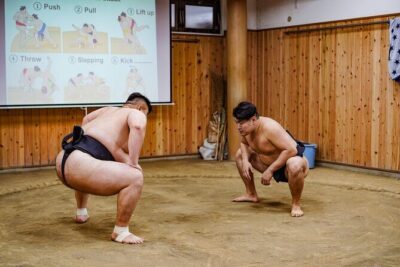 ★ 5.0Authentic Sumo Experience in Tokyo: Enter the SanctuaryFrom $171603 reviews
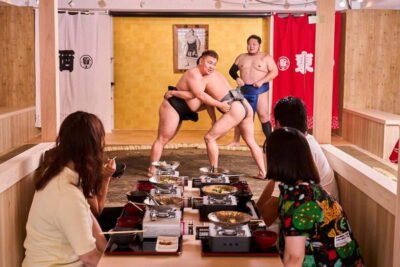 ★ 4.8Tokyo Sumo Experience: Chanko & Mochi with a Former ProFrom $103567 reviews
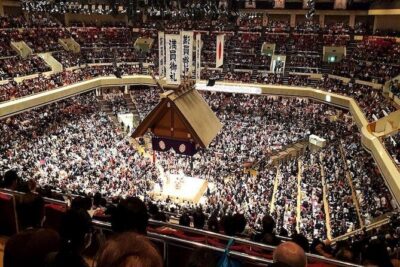 ★ 5.0Ultimate Sumo Tournament: Tokyo, Osaka, Nagoya, FukuokaFrom $184468 reviews
Browse the lists this tour appears in