
Reviewed · WORKSHOPS
Tokyo Chopstick Making Workshop with Artisan
Tokyo’s chopsticks come from your hands.
This hands-on chopstick-making workshop turns a normal souvenir stop into real craft time, with you shaping, smoothing, and finishing wooden chopsticks using traditional tools. What I like most is the personal result: you leave with a take-home set wrapped and ready to use or gift. A second win is the cultural context you get along the way, so the process feels tied to everyday Japanese life instead of just being a demo.
You should, however, know that this is active work. If you’re not used to planing and sanding wood, expect an arm workout, and budget a little extra if you want nicer wood or engraving.
In This Review
- Key highlights
- Carving Chopsticks in Tokyo’s Craft Neighborhood Near Ryogoku
- Inside the Workshop: What Happens During Your Time
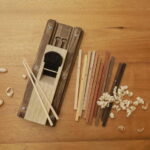
- Traditional Tools and the Real Arm Workout
- Choosing Wood, Paying for Quality, and Avoiding Sticker Shock
- Making It Personal: Wrapping, Optional Engraving, and Gifts That Mean Something
- Timing, Group Size, and Getting Helpful Feedback
- Price and Value: Why $26.53 Can Be a Good Deal
- Who Should Book This Chopstick-Making Class
- Should You Book This Chopstick Workshop?
- FAQ
- How long is the Tokyo chopstick making workshop?
- How many people are in the workshop at once?
- Where does the workshop start?
- Is there a mobile ticket?
- When will I receive confirmation?
- Can beginners participate?
- Do I get to take the chopsticks home the same day?
- Can I choose different types of wood?
- Is engraving available, and does it cost extra?
- What is the cancellation policy?
Key highlights
- Small-group class (max 10) so you can actually get hands-on help
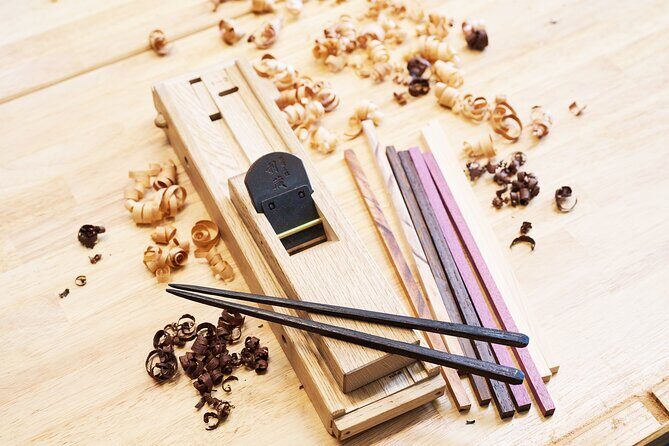
- Traditional tools + real shaping: carve, plane, smooth, and finish
- Take it home the same day, wrapped and ready
- Wood choices with upcharges, so you can control the price
- Engraving is optional for a personal touch
- Artisan-led guidance with instructors like Angie, Kaana, Rasmus, and Sakura mentioned by name
More things to make with your own hands
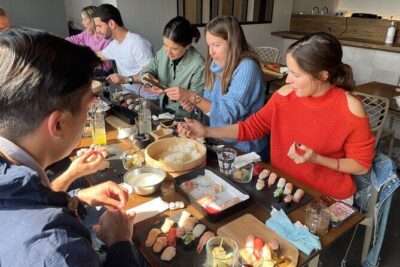
- Sushi Making Tokyo Roll and Authentic Japanese Sushi Class★ 5.0 · 3,971 reviews
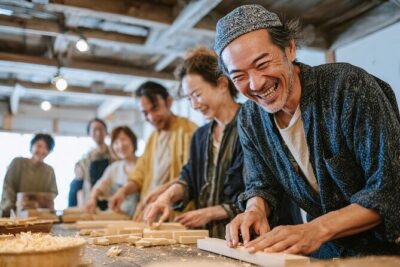
- Tokyo Shinjuku Chopsticks Making Class★ 5.0 · 1,763 reviews
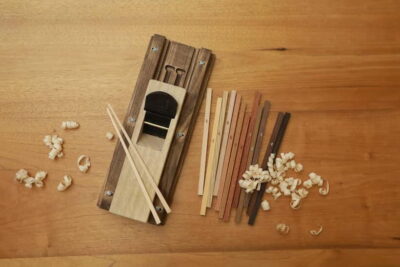
- Chopstick Making Workshop in Ginza★ 4.8 · 1,366 reviews
Carving Chopsticks in Tokyo’s Craft Neighborhood Near Ryogoku
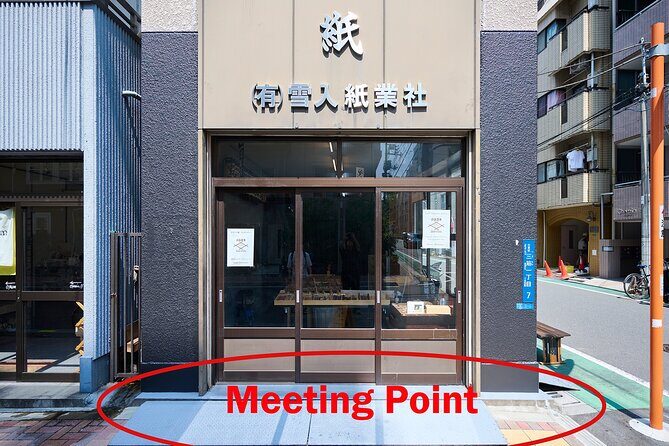
You’ll find this workshop in a calm, local pocket of Tokyo—right by 1-chōme-7-1 Misuji in Taito City. The setting matters. It’s the kind of place where craft feels normal, not staged for tourists, and that makes the whole experience feel more grounded.
Even better, the location is near public transportation, so you can fit it into a busy day without turning it into a logistics puzzle. It also helps that it’s workable as a half-day activity. One hour is the typical duration, and sometimes it runs longer depending on how your group moves and how much detail you want in the finishing.
This is also a nice match if you’re pairing your craft time with food. One person I spoke with planned it instead of a full day trip, then added a sushi class afterward. That’s a smart flow: you get something hands-on in the afternoon, and you end with dinner that matches the theme.
Inside the Workshop: What Happens During Your Time
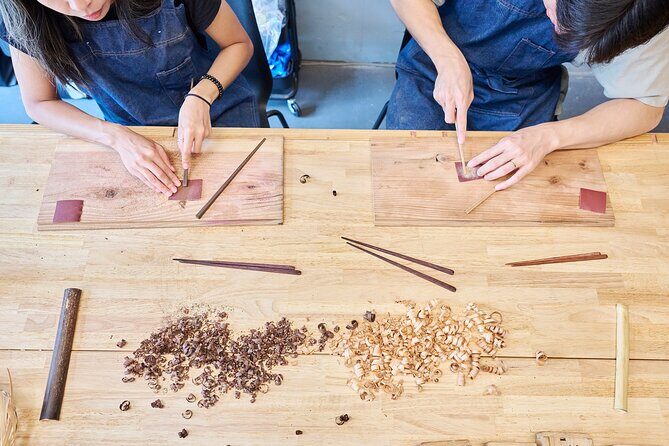
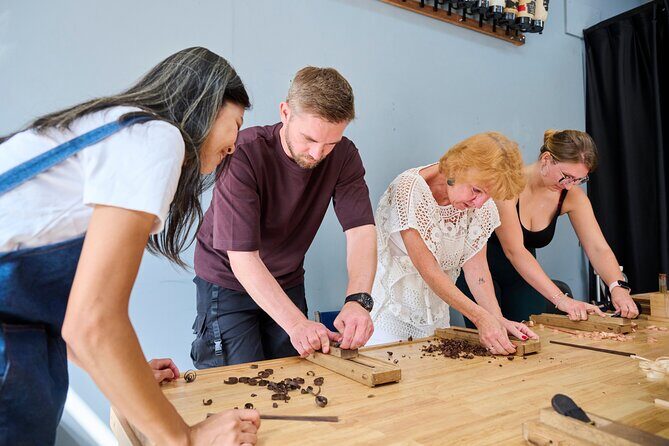
The core of the experience is simple: you create your own wooden chopsticks step by step. You’re not watching a video. You’re working at a bench, guided by an artisan, while you make decisions about the look and feel of your finished chopsticks.
Here’s the practical flow you can expect.
First, you’ll get set up at the work area and start by choosing or working with the wood option provided for your session. Then comes the shaping stage. You’ll carve and refine the chopstick form using traditional tools, not just a quick shortcut. This part is where you build the confidence that you can actually do the craft.
Next is smoothing and finishing. If you’ve ever used a rough wooden utensil, you know why this step matters. The workshop focuses on getting the surface even, so your chopsticks feel comfortable in-hand and look clean in the end.
Along the way, there’s teaching about the cultural significance of chopsticks in Japan. That isn’t just a lecture pasted onto the class. It’s offered as context while you’re doing the craft, which helps you connect daily objects to real cultural habits.
At the end, you’ll leave with your personalized chopsticks wrapped for home use or gifting. That last part sounds small, but it turns the experience into a proper souvenir rather than a bag of tools.
Traditional Tools and the Real Arm Workout
Let’s be honest: chopstick making is not a sit-and-stretch activity. Even though the workshop is beginner-friendly, the physical work is real. Planing, carving, and sanding take effort, especially if you’re starting from zero.
If you’ve never planed wood before, you’ll want to take the guidance seriously on how to hold the tools and how much pressure to use. One helpful tip that came up is choosing an easier wood option if you’re brand new. Not every wood behaves the same, and harder or higher-end choices can take more time and care to shape cleanly.
The payoff is that the work feels satisfying. You can literally see improvements as the chopsticks go from rough to refined. It’s one of those activities where progress is visible every few minutes, not something you only notice at the end.
Also, because the class is capped at 10 people, the artisan can keep an eye on your technique. That matters when your hands are doing something unfamiliar. If you get stuck, you’re not stuck alone at a bench for the whole session.
Choosing Wood, Paying for Quality, and Avoiding Sticker Shock
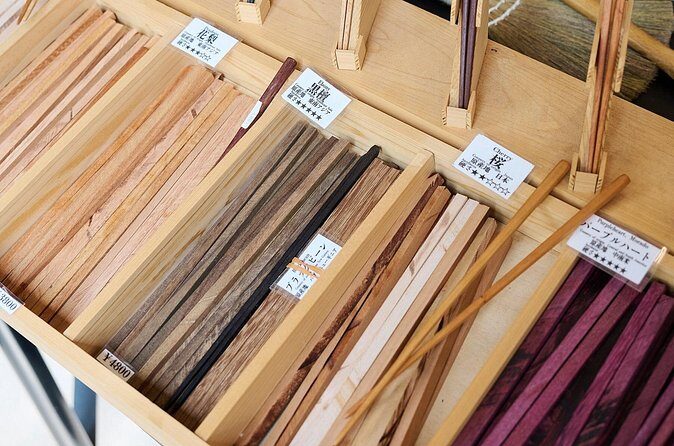
The experience is priced at $26.53 per person, which is a solid entry point for a small, guided craft session with a take-home result. But like most real crafts, the base price can move depending on your choices.
A few key points to know before you go:
- You can typically choose from different wood types. Nicer woods usually cost extra.
- There can be an additional cost for engraving if you want your chopsticks personalized beyond the basic finish.
That’s not a bad thing. It’s how you keep the starter price lower while still letting you upgrade if you care about the final look. Just go in with a plan so you don’t feel surprised when you’re deciding at the workshop.
If you’re buying this as a gift, think ahead about personalization. Engraving can make the chopsticks feel more special, but you’ll want to decide what you want written before you’re deep into the finishing stage.
And if you’re traveling with limited luggage space, the “same-day take-home” approach is a big advantage. You’re not waiting on shipping or worrying about returns.





Making It Personal: Wrapping, Optional Engraving, and Gifts That Mean Something
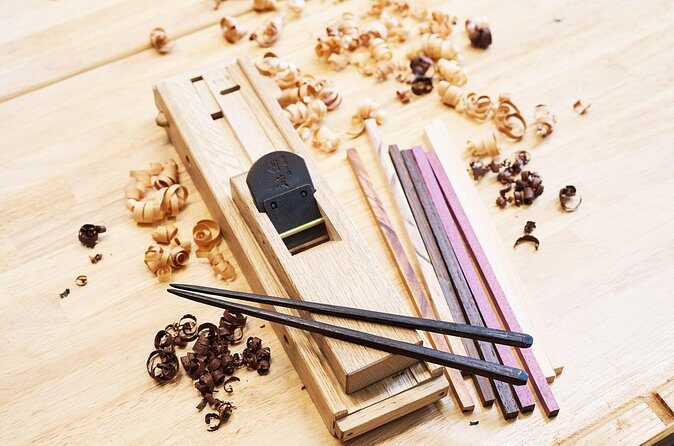
One of the strongest reasons to book this class is what you take home. You’re not leaving with a postcard. You’re leaving with chopsticks you made.
When you finish, your chopsticks are wrapped nicely. That makes them easy to pack, and it also makes them gift-ready. If you’re buying for someone who loves Japanese food or enjoys handmade items, this is the kind of souvenir that doesn’t get stuck in a drawer.
Engraving is an optional extra, and it’s one of the most memorable upgrades people tend to make. Names, dates, or a short message can turn a set of chopsticks into something personal enough to keep for years.
Just remember: engraving may add cost, so if you’re on a strict budget, do the basic finish and skip the extra. The handcrafted feel is still the main value.
Timing, Group Size, and Getting Helpful Feedback
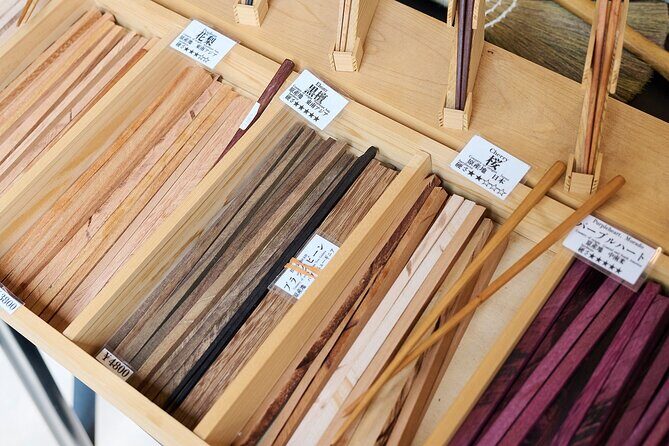
This workshop runs about 1 hour for most sessions, but you should treat that as a guide, not a guarantee. Some classes can take longer depending on the wood chosen and how carefully you want to refine the surfaces.
Because the group size is limited to 10 people, you’ll generally get real attention from the artisan. That’s the difference between an activity you survive and one you enjoy. With a small group, you can ask questions, get tool adjustments, and avoid making avoidable mistakes.
It also helps to arrive with enough time around it. If you’re rushing to a train connection right after, you might feel stressed while you’re still finishing. Plan a little buffer so you can transition calmly from crafting to packing up.
If your instructor is someone like Angie or Kaana (names that have come up), you can expect a friendly pace and step-by-step guidance. Other names like Rasmus and Sakura have also been mentioned for being informative and helpful, especially when participants want to understand the how and why of the process.
Price and Value: Why $26.53 Can Be a Good Deal
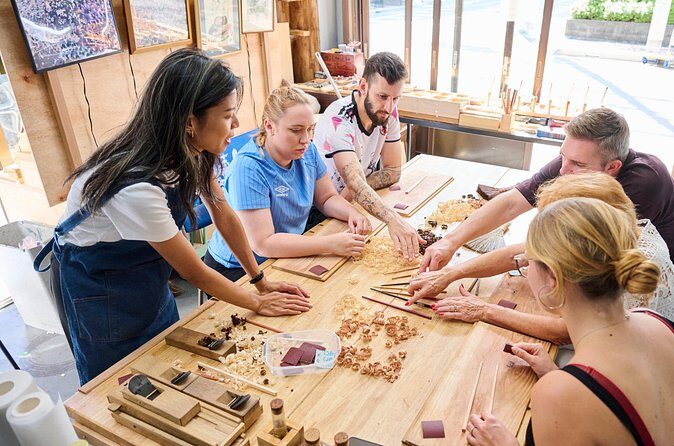
At $26.53, this workshop sits in an accessible range for a small artisan experience in Tokyo. But value isn’t only price. It’s what you get for that money: guided instruction, real tool work, and a tangible, personalized result you can use immediately.
The best part is that you control the upgrade level. Start with the base wood option, then choose whether you want to spend more on higher-end wood. Same with engraving. If you love the idea of a signature on your chopsticks, you can add it. If you don’t, you can keep it simple.
Here’s how I’d judge value for you:
- If you like hands-on activities and want a souvenir with a story, this is strong value.
- If you hate physical tasks or you only want photos, you might feel it’s more work than you expected.
- If you’re traveling with kids, this can work well because it’s short, guided, and ends with something they made. One family specifically noted how it worked nicely for ages 10 and 12, with an instructor leading them clearly.
One more practical note: you may hear that similar options exist without a prebooked workshop package. Even then, your booked experience gets you a defined slot and a guided flow. If you’re the type who wants maximum certainty, prebooking helps.
Who Should Book This Chopstick-Making Class
This is a great fit if you want an authentic craft moment without needing special skills. It’s beginner-friendly, and most people can participate. You’ll get enough instruction to make the process manageable, especially with the small class size.
It’s also a strong choice if you like learning through doing. The cultural part lands better when you’re shaping something with your own hands. You’ll finish with a deeper appreciation for why chopsticks are treated like something worth making carefully.
It may be less ideal if:
- You want a lot more lecture time and minimal physical work.
- You’re extremely time-crunched and can’t handle a class that might run a bit longer.
- You want a purely passive activity.
Should You Book This Chopstick Workshop?
Book it if you want a Tokyo souvenir that feels personal and useful. It’s short, small-group, artisan-guided, and you take your chopsticks home the same day. If you like crafts, utensil culture, or you want something different from another photo stop, this delivers.
Don’t overthink it. Go in with comfortable expectations: expect some work, plan for a possible price increase if you choose nicer wood or add engraving, and give yourself a little buffer around the end time. If you do that, you’ll walk away with something you’ll actually use—and a story that sounds way better than I bought a thing.
FAQ
How long is the Tokyo chopstick making workshop?
The session is listed at about 1 hour.
How many people are in the workshop at once?
The experience has a maximum of 10 travelers.
Where does the workshop start?
It starts at 1-chōme-7-1 Misuji, Taito City, Tokyo 111-0055, Japan.
Is there a mobile ticket?
Yes, it includes a mobile ticket.
When will I receive confirmation?
Confirmation is received at the time of booking.
Can beginners participate?
Most people can participate, and the workshop is designed to be fun and friendly for beginners.
Do I get to take the chopsticks home the same day?
Yes. You take your personalized chopsticks home that same day.
Can I choose different types of wood?
You can choose from different wood options, and nicer woods may cost more.
Is engraving available, and does it cost extra?
Engraving is available and may require an extra cost.
What is the cancellation policy?
You can cancel for free up to 24 hours in advance for a full refund. If you cancel less than 24 hours before the start time, the amount paid is not refunded.
Make Something to Take Home


More Tour Reviews in Tokyo



Fresh reviews from around Tokyo






Workshops, compared.
 ★ 5.0Sushi Making Tokyo Roll and Authentic Japanese Sushi ClassFrom $593,971 reviews
 ★ 5.0Tokyo Shinjuku Chopsticks Making ClassFrom $201,763 reviews
 ★ 4.8Chopstick Making Workshop in GinzaFrom $251,366 reviews
 ★ 5.0Tokyo Sushi Making Class in Tsukiji with Professional ChefFrom $491,177 reviews
 ★ 5.0Ramen & Gyoza Cooking Class in Tokyo with Local Supermarket VisitFrom $122823 reviews
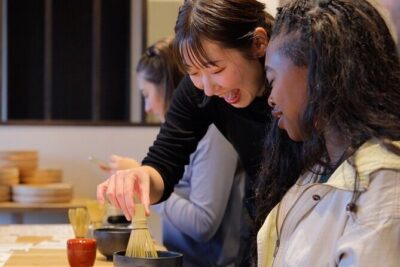 ★ 5.0Matcha Making Class in Tokyo with Authentic Japanese Sweets SetFrom $21744 reviews
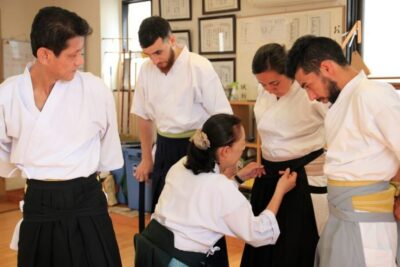 ★ 5.0Samurai Sword & Archery Class from Samurai DescendantFrom $193603 reviews
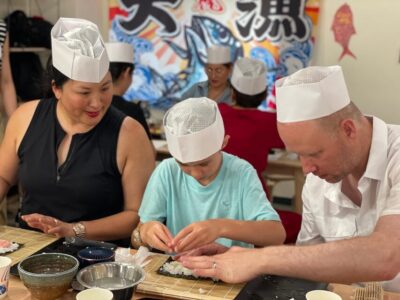 ★ 4.9Tsukiji Fish Market Sushi Making Class with Pro ChefFrom $63506 reviews
Browse the lists this tour appears in