
Reviewed · WORKSHOPS
Kid-Friendly Sushi Making Class in Tokyo (English-Led)
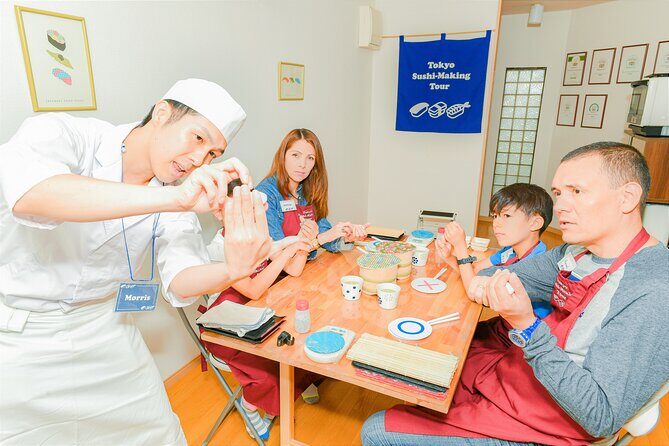
Sushi in Tokyo, taught in kid-friendly steps. I like that this class is English-led and run as a small group, so you’re not just watching from the sidelines. You can also catch the teaching style of guides like Nat or Morris, both known for clear English and patient explanations.
What I really liked most is the hands-on focus. You’ll learn how to perfect sushi rice and then shape four different sushi styles, including Decorative Sushi Roll, California Roll, Nigiri-Sushi, and the Battleship Roll. The other big win is the fun learning layer: you get a pop quiz on sushi etiquette and trivia, plus useful Japanese phrases and travel tips that make the whole thing feel practical, not like a staged show.
One consideration: the class typically uses raw salmon and tuna, so if you’re avoiding raw fish you’ll want to use the Non-Raw Fish, Vegetarian, or Gluten-Free options and tell the team in advance. Also, this is built for kids ages eight and up, so younger kids may not be the best fit.
In This Review
- Key Highlights I’d Prioritize
- Kita-Senju Start: Easy Meeting and a Calm Pace for Families
- What You Learn First: Sushi Etiquette, Trivia, and Helpful Japanese Phrases
- The Main Skill: Perfecting Sushi Rice (The Part Most People Get Wrong)
- Making Four Sushi Styles: Decorative Fun Meets Real Technique
- Decorative Sushi Roll
- California Roll
- Nigiri-Sushi
- Battleship Roll
- Eating What You Make: The Best Part, Without the Stress
- Ingredients and Dietary Options: Plan Ahead, Then Relax
- Who This Is Best For (And Who Might Skip It)
- Price and Value: Is $68.97 a Fair Deal?
- What It Feels Like: Friendly Guidance and a Fun Learning Loop
- Should You Book This Sushi Class?
- FAQ
- How long is the Kid-Friendly Sushi Making Class?
- What time does the class start, and where do we meet?
- How many people are in the group?
- Is the class led in English?
- What ages is the class suitable for?
- What sushi will we make during the class?
- Does the class use raw fish?
- Can you accommodate vegetarian, gluten-free, or non-raw fish options?
- Do we eat the sushi we make?
- Is there mobile ticketing?
- What if I need to cancel?
Key Highlights I’d Prioritize
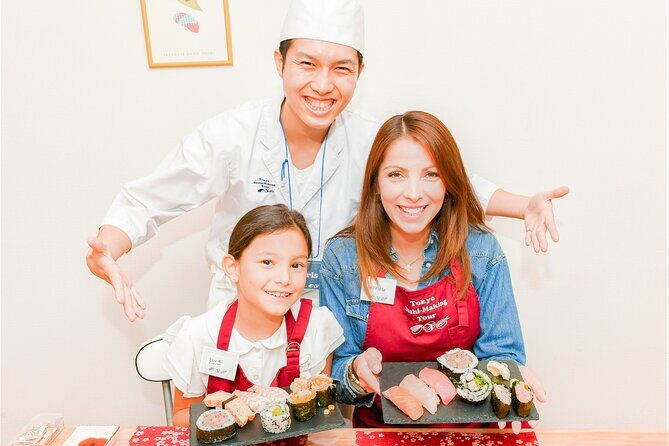
- Small-group attention (max 8 travelers), so questions don’t get lost in the crowd
- Hands-on making: sushi rice plus four styles (decorative roll, California roll, nigiri, battleship roll)
- Etiquette and trivia pop quiz that teaches eating manners in a fun way
- Japanese phrases and travel tips you can actually use while you explore Tokyo
- Dietary-friendly menus (Non-Raw Fish, Vegetarian, Gluten-Free), if you request ahead
More things to make with your own hands
- Sushi Making Tokyo Roll and Authentic Japanese Sushi Class★ 5.0 · 3,971 reviews
- Tokyo Shinjuku Chopsticks Making Class★ 5.0 · 1,763 reviews
- Chopstick Making Workshop in Ginza★ 4.8 · 1,366 reviews
Kita-Senju Start: Easy Meeting and a Calm Pace for Families
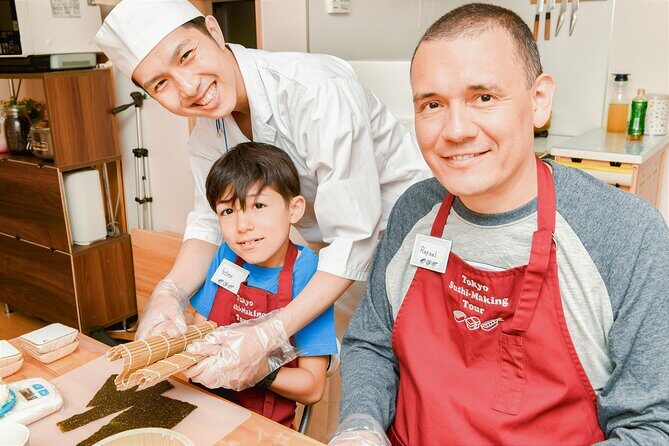
This class starts at 10:30 AM in Kita-Senju, with the meeting point at the East exit of Kita-Senju station. The specific location listed is 3-5 Senjuasahichō, Adachi City, Tokyo 120-0026. I like this setup because it’s clear and transit-based, which matters when you’re traveling with kids and you don’t want to gamble on directions.
The whole experience runs about 2.5 hours. That’s long enough to learn, make, and eat, but short enough that kids typically stay engaged. It also helps adults, because you’ll get real skills without turning this into an all-day food project.
The group size caps at 8 travelers, which changes the feel. In a bigger class, you often spend the time waiting your turn. Here, the format is built for guidance and correction while you’re doing the work.
What You Learn First: Sushi Etiquette, Trivia, and Helpful Japanese Phrases
Before you touch ingredients, you’ll learn sushi’s background and how it’s traditionally eaten. Then you get an entertaining quiz focused on sushi etiquette and sushi trivia. I like this order because it gives context. Instead of just making shapes, you learn the why behind the technique and the manners.
You’ll also pick up useful Japanese phrases and travel tips during the session. The practical angle matters: these aren’t random words. You’re learning things that connect to food culture, so you can use them while eating out or asking for help later.
One extra benefit: the quiz and the trivia break up the timing. If you’re traveling with kids, that rhythm helps. The class isn’t only about measuring rice and rolling—there’s a structured moment built for attention.
The Main Skill: Perfecting Sushi Rice (The Part Most People Get Wrong)
If you want sushi at home that tastes right, sushi rice is the foundation. This class explicitly teaches you how to make vinegared rice and how to get it right.
Here’s why that matters for value. Many cooking classes stop at teaching how to assemble. This one focuses on the rice component—usually the tricky part. Rice texture, temperature, and how the vinegar dressing is mixed all affect the final bite.
You’ll also get professional tips and tricks during the process. Even if your first batch isn’t perfect, the guidance helps you understand what to adjust next time. For kids, rice is still a hands-on win, but it also keeps the class moving because everyone can participate.
Making Four Sushi Styles: Decorative Fun Meets Real Technique
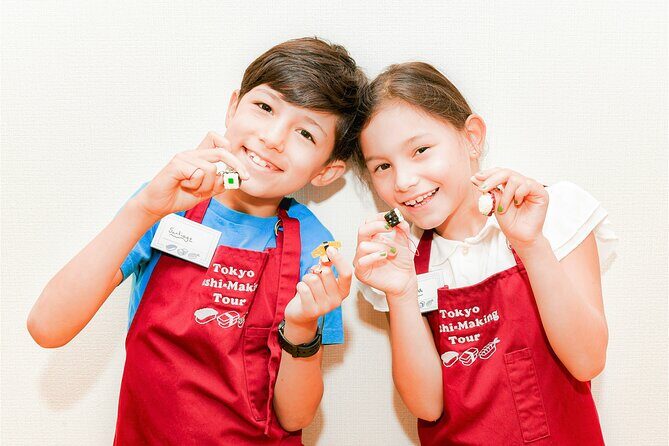
After the rice lesson, you’ll create four types of sushi. This is one of the most practical features of the class because it gives you variety in technique, look, and presentation.





Decorative Sushi Roll
You’ll craft a Decorative Sushi Roll, which tends to be the crowd-pleaser. It’s creative, but it also trains you to roll neatly and shape the sushi with intention. For kids especially, the visual payoff is immediate when the pattern comes together.
California Roll
Next up is the California Roll. This is a familiar style for many visitors, which helps you connect what you’re making with what you may already have seen in Japan or on menus elsewhere. It’s a good anchor for beginners: you’re practicing the roll motion and portioning, not just making something abstract.
Nigiri-Sushi
Then comes Nigiri-Sushi. Unlike rolling, nigiri demands a different feel: shaping the rice and placing the topping carefully. Even if you don’t master it instantly, you learn what “balance” looks like—rice mound size, topping placement, and how everything sits together.
Battleship Roll
Finally, you’ll make the Battleship Roll. The name alone gets attention, but the value is that it teaches you a different form factor and adds another technique to your skills list. It also gives you a second chance to practice “make it look right” plating, which is a real part of sushi culture.
Throughout these stages, the class leader provides hands-on guidance and personal attention. With a small group, you can ask questions and get corrections while your sushi is still on your work surface.
Eating What You Make: The Best Part, Without the Stress
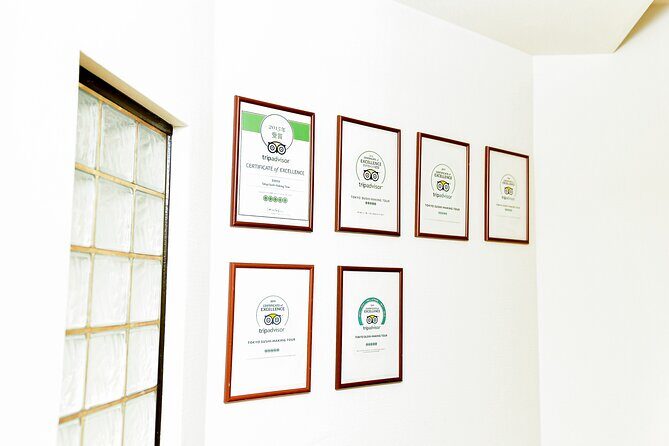
Yes, you get to savor the sushi you craft. This matters because cooking classes often end with you taking food home, or you taste only a small portion. Here, you’re meant to eat your creations as part of the learning cycle.
For kids, that’s the payoff. They don’t just watch instructions; they see what their work becomes. For adults, eating helps you understand what “good” tastes like and what changes you’d make next time.
Also, because the class covers etiquette and trivia, you’re more likely to eat the sushi with awareness. You learn the manners side and the technique side, so the meal feels more complete.
Ingredients and Dietary Options: Plan Ahead, Then Relax
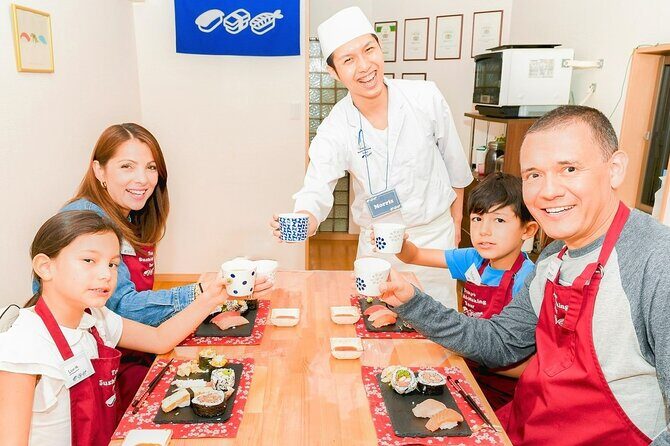
The class typically uses raw salmon and tuna. If you’re fine with that, great. If you’re not, you’ll want to plan ahead because the info explicitly says you need to inform them in advance.
They offer multiple options, including:
- Non-Raw Fish Menu
- Vegetarian Menu
- Gluten-Free Menu
This is a real quality-of-life detail for travelers. You don’t want to show up with restrictions and then have the plan scramble. If you request ahead, you’re more likely to get a smooth experience where everyone can participate fully.
If you or your kids are picky about raw fish, I’d treat this as the main decision point. The class is kid-friendly, but your dietary fit determines how comfortable you’ll be during the “craft and eat” parts.
Who This Is Best For (And Who Might Skip It)
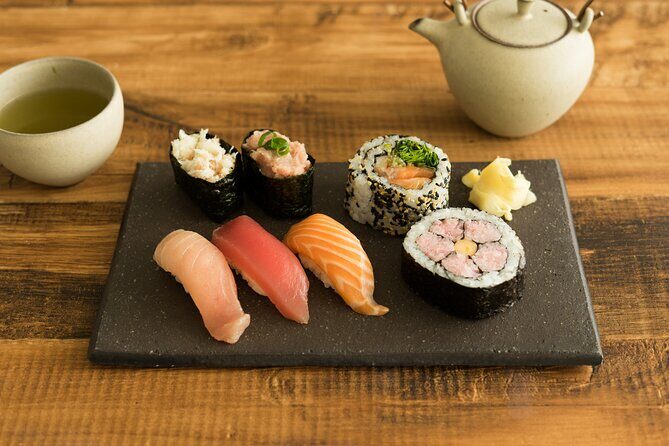
This class is designed for families and kids age eight and above. If your child is curious, likes hands-on projects, and can handle a couple hours of guided activity, this is a strong match.
It’s also a smart choice if you want sushi skills you can repeat later. The class focuses on core parts: sushi rice, technique-based assembly, and professional tips. If you care about the details and want more than a one-time meal, you’ll likely enjoy this.
On the other hand, if your goal is strictly “tour the city” or “see markets,” this isn’t that kind of experience. This is cooking and food culture, not sightseeing. Also, if your dietary restrictions are complex and you don’t want to coordinate ahead, you might find the need to inform them in advance a hassle.
Price and Value: Is $68.97 a Fair Deal?
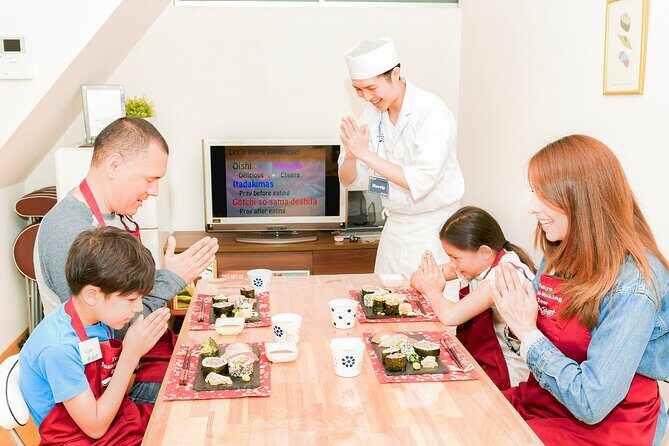
At $68.97 per person for about 2.5 hours, this class sits in the midrange for cooking experiences in Tokyo. The price feels more reasonable when you consider what’s included:
- English-led instruction
- Small group size (max 8)
- Multiple sushi types (four)
- Sushi rice instruction
- Etiquette and trivia quiz
- Japanese phrases and travel tips
- A meal you eat at the end
You’re not just paying for ingredients. You’re paying for guided technique and structure, plus a chef-style coaching approach. That’s why the skills-to-cost ratio can be good, especially for families. If you’re traveling with kids who will actually eat what they make, it also turns into a high-satisfaction “yes, we did something” experience.
One practical note: it’s commonly booked about 40 days in advance. If you’re traveling in a busy season, I’d aim to lock it in earlier rather than hoping for luck.
What It Feels Like: Friendly Guidance and a Fun Learning Loop
The best reviews vibe (and the one you should expect) is that it’s friendly, organized, and upbeat. In particular, guides like Nat and Morris are described as speaking strong English and explaining things clearly. That matters because sushi can feel intimidating if you only see the finished product.
The class design helps too. It starts with history and etiquette, moves into hands-on rice and rolling, then ends with tasting. That structure is great for keeping energy stable for kids and adults.
And since it’s limited to 8 participants, you’re less likely to be stuck waiting while someone else gets attention. You’ll feel more involved, which is the whole point of a family-friendly class.
Should You Book This Sushi Class?
If you want a hands-on Tokyo experience that kids can enjoy and adults won’t find dull, I’d book this. The format is built around participation: quiz learning, rice technique, four sushi styles, then eating what you made. The small group size is also a big deal for comfort and coaching.
I’d only hesitate if raw fish is a hard no for your household and you don’t want to coordinate dietary needs ahead. If that’s your situation, request the Non-Raw Fish, Vegetarian, or Gluten-Free menu during booking so you can still do the full class comfortably.
Overall: this is a practical way to understand sushi culture, not just copy shapes. You’ll leave with skills you can repeat and a clear sense of how sushi should be eaten and assembled.
FAQ
How long is the Kid-Friendly Sushi Making Class?
It runs for about 2 hours 30 minutes.
What time does the class start, and where do we meet?
The start time is 10:30 AM. You meet at the East exit of Kita-Senju station.
How many people are in the group?
The class has a maximum of 8 travelers.
Is the class led in English?
Yes. The instructors are English-speaking and lead the class.
What ages is the class suitable for?
It’s suitable for children aged eight and above.
What sushi will we make during the class?
You’ll make four types: Decorative Sushi Roll, California Roll, Nigiri-Sushi, and Battleship Roll.
Does the class use raw fish?
The class typically uses raw salmon and tuna. There are menus for dietary preferences and restrictions.
Can you accommodate vegetarian, gluten-free, or non-raw fish options?
Yes. Options include Non-Raw Fish, Vegetarian, and Gluten-Free menus, but you need to inform them in advance.
Do we eat the sushi we make?
Yes. You’ll savor the sushi you craft during the class.
Is there mobile ticketing?
Yes, the experience uses a mobile ticket.
What if I need to cancel?
You can cancel for free up to 24 hours before the experience starts for a full refund.
Make Something to Take Home


More Tour Reviews in Tokyo



Fresh reviews from around Tokyo






Workshops, compared.
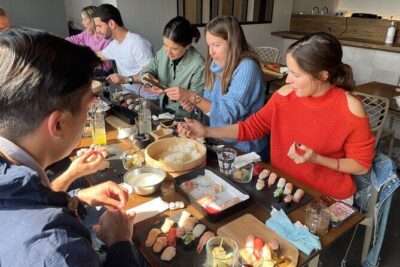 ★ 5.0Sushi Making Tokyo Roll and Authentic Japanese Sushi ClassFrom $593,971 reviews
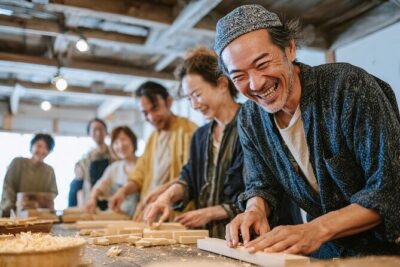 ★ 5.0Tokyo Shinjuku Chopsticks Making ClassFrom $201,763 reviews
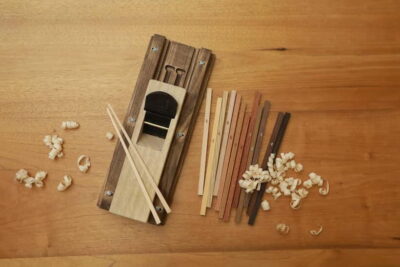 ★ 4.8Chopstick Making Workshop in GinzaFrom $251,366 reviews
 ★ 5.0Tokyo Sushi Making Class in Tsukiji with Professional ChefFrom $491,177 reviews
 ★ 5.0Ramen & Gyoza Cooking Class in Tokyo with Local Supermarket VisitFrom $122823 reviews
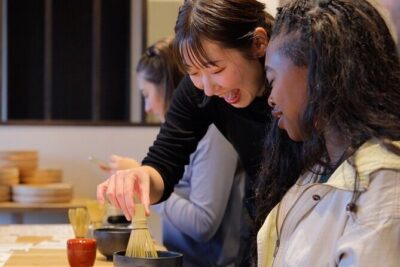 ★ 5.0Matcha Making Class in Tokyo with Authentic Japanese Sweets SetFrom $21744 reviews
 ★ 5.0Samurai Sword & Archery Class from Samurai DescendantFrom $193603 reviews
 ★ 4.9Tsukiji Fish Market Sushi Making Class with Pro ChefFrom $63506 reviews
Browse the lists this tour appears in