
Reviewed · KAMAKURA DAY TRIPS
Kamakura Full Day Walking Tour with Local Expert Guide and Pickup
Temple overload, in a good way.
This private full-day Kamakura walking tour is designed for people who want the big spiritual sights without juggling train lines or temple opening hours. I like that you get a guide who can explain what you’re seeing, and I like that you cover top stops like Kotoku-in (Great Buddha of Kamakura) plus Shinto sights. The main catch is pace: it’s a real day on foot, with public transport between areas, so it may feel like a lot in hot weather or if mobility is limited.
Kamakura is about an hour south of Tokyo, and the tour leans into that perfect day-trip logic. You can start earlier or match your schedule, and round-trip Tokyo hotel, cruise port, or airport transfers are included so you’re not figuring out logistics first thing. Plan on about 8 hours total, with the tour ending back at the meeting point.
If you want the most relaxed day possible, I’d think twice about packing this into a scorching afternoon. If you’re happy to walk temple steps, cross streets with locals, and let your guide set the order, this is a very efficient way to see Kamakura’s best-known spots in one go.
In This Review
- Key things to know before you go
- Why Kamakura Works as a Day Trip From Tokyo
- Pickup, Private Guide, and the Pace You Should Expect
- Stop-by-Stop: Kotoku-in Great Buddha and the Iconic First Impact
- Tsurugaoka Hachimangu Shrine: Where Kamakura Shows Its Heart
- Zeniarai Benten: The Money-Washing Ritual for Luck
- Meigetsuin (Hydrangea Temple) and Engaku-ji Zen Quiet
- Komachi-dori Street: Shopping and Snacks Without Losing Time
- Price and Value: What You’re Paying For (and What You’re Not)
- What the Guides Are Really Good At
- Watch-Outs: Walking Distance and Budget Math
- Should You Book This Kamakura Full Day Walking Tour?
- FAQ
- How long is the Kamakura walking tour?
- Does the tour include pickup from Tokyo?
- Is this a private tour?
- Are entrance fees included?
- Are there any free stops?
- What does the tour use for transportation inside the day?
- What if I need to cancel?
Key things to know before you go
- Private group, local guide: Only your group participates, and guides like Lana, Raffa, Brian, and Colt are specifically praised for making the day smoother.
- A balanced mix of Buddhism and Shinto: You’ll move between major temple sites and important Shinto shrines in one itinerary.
- Two sights are free: Tsurugaoka Hachimangu Shrine and Zeniarai Benten Shrine don’t charge entry, which helps your budget.
- You’ll pay some entry fees: Kotoku-in, Meigetsuin, and Engaku-ji have admission tickets not included.
- Walking is the point: Expect longer stretches between temple clusters, not a drive-and-drop style tour.
More escapes to the Great Buddha and the coast
- Kamakura 8 hr Private Walking Tour with Licensed Guide from Tokyo★ 5.0 · 80 reviews
- Tokyo: Kamakura & Enoshima Day Tour with Pickup & Train Ride★ 4.1 · 61 reviews
- Kamakura Private & Customizable Tour – All-in-One Experience★ 5.0 · 49 reviews
Why Kamakura Works as a Day Trip From Tokyo
Kamakura is one of those places where history and daily life sit close together. You’ll see the famous religious sites, but you’ll also experience the real rhythm of a coastal town: locals moving through shrine grounds, snack stops on the main shopping street, and side paths that feel like you’re slightly off the tourist track.
Doing it as a day trip makes sense because it’s close to Tokyo, yet it feels like its own world. The tour is built around that logic by grouping the major highlights into one long outing, so you’re not bouncing between neighborhoods on separate days.
I also like that the tour doesn’t treat Kamakura like a checklist only. A good guide can help you understand why each place matters, not just what it looks like from the outside.
Pickup, Private Guide, and the Pace You Should Expect
This is a private tour/activity, meaning only your group is participating. That matters because you can ask questions as you go, and your guide can adjust pacing if your group needs breaks or directions clarified.
Pickup is offered, and the tour includes round-trip transfers from Tokyo (hotel, cruise port, or airport). One small but helpful detail: hotel pickup means the guide meets your party at your hotel, not at some distant meeting point. That’s the difference between a smooth morning and a stressful scramble.
The day is about 8 hours, and the tour includes the time to travel between stops. Still, you should expect the “getting around” part to involve more than one short ride or walk. The tour is also close to public transportation, which lines up with the general Kamakura experience: you use trains or buses, then walk around the historic core.
From a practical standpoint, plan for standing and walking on uneven ground. One review specifically flagged long walking between temple areas as a drawback, and that’s exactly what you should plan around if you’re sensitive to distance or hot weather.
Stop-by-Stop: Kotoku-in Great Buddha and the Iconic First Impact
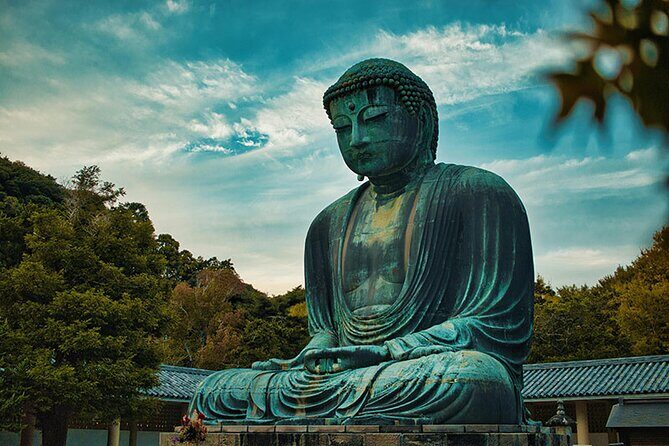
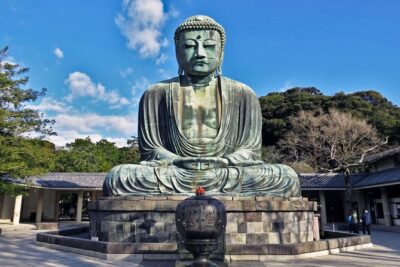
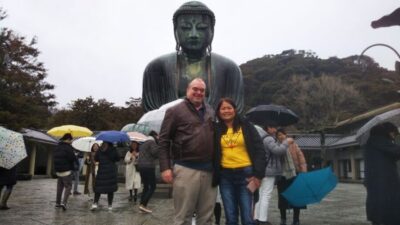
Your first big moment is Kotoku-in, home to the Great Buddha of Kamakura. This is the kind of sight that instantly sets the tone: you’re walking into a temple space centered on a monumental bronze Buddha statue.
The tour gives you time here (about 30 minutes) and includes the general admission structure as “admission ticket not included.” That means you’ll want to budget for the entry fee yourself. I like starting with this stop because it anchors the rest of the day: once you’ve seen the scale and symbolism here, other religious sites in Kamakura start to click faster.
If you’re the type who likes context before photos, this is where a guide really helps. The goal isn’t just getting a picture of a famous object; it’s understanding why this kind of temple landmark became such a cornerstone of the region.
Tsurugaoka Hachimangu Shrine: Where Kamakura Shows Its Heart
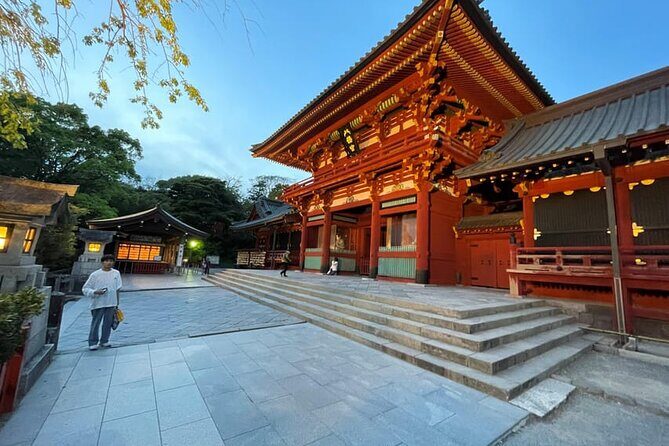
Next up is Tsurugaoka Hachimangu Shrine, described as the spiritual heart of Kamakura. This shrine is a major Shinto landmark, and it’s surrounded by greenery and tradition in a way that feels calm even when you’re in a busy area.
You’ll spend about 45 minutes here, and admission is listed as free. That’s a budget win, but it’s also practical: free entry means you can focus your time on the experience rather than planning around a paid ticket window.
The guide’s role is especially important at a shrine like this. Without some explanation, you can easily see it as just another ornate site. With a guide, you get the local meaning and how the shrine fits into Kamakura’s identity.
Tokyo at walking pace, a few more ways

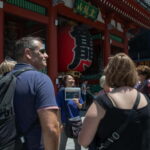
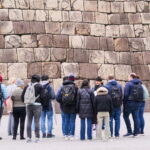
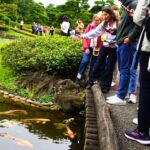
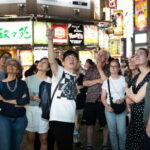
Zeniarai Benten: The Money-Washing Ritual for Luck
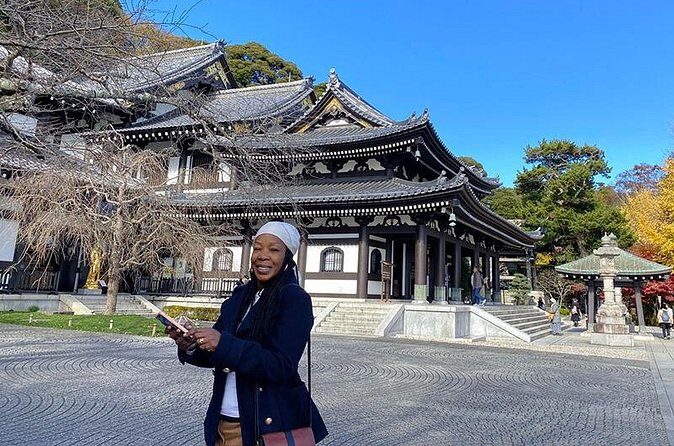
Zeniarai Benten Shrine is one of the more intriguing stops because it’s tied to a very specific ritual. The shrine is known for the practice of washing money to invite prosperity, and it’s also described as a quieter option that’s near Genjiyama Park.
You’ll have about 45 minutes here, and it’s listed as free. The “near Genjiyama Park” detail is useful because it gives you a sense of why this place can feel slightly less like a straight-line sightseeing stop and more like a short exploration area.
One thing to know: the shrine is also described as about a 30-minute walk from Kamakura Station. That matches the overall feel of Kamakura—small distances that add up when you’re doing several temple clusters in one day.
This is a good stop for people who like cultural details with a practical outcome. Whether you actually believe in the ritual isn’t the point; what matters is that it gives meaning to what you’re seeing, and it’s different from the usual “look at the building” temple experience.
Meigetsuin (Hydrangea Temple) and Engaku-ji Zen Quiet
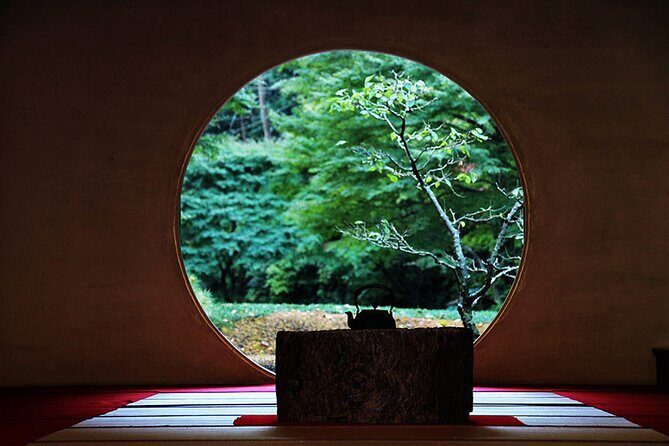
Meigetsuin, also called Ajisaidera or Hydrangea Temple, is a calmer, more contemplative kind of stop. You’ll spend about 45 minutes here, and admission is listed as not included.
The big seasonal draw is hydrangea blooms, which means the visual impact can change depending on when you go. Even if you’re not there in peak bloom season, the attraction is the serene atmosphere and the way the temple grounds guide your pace.
Then the tour moves to Engaku-ji, a historic Zen temple in the hills of Kamakura. You’ll also spend about 45 minutes here, and again admission is not included. This pairing works well because it balances a softer, seasonal-feeling temple moment with a more grounded Zen setting.
A Zen temple day in Kamakura is also a good reset for your brain. In a city day itinerary, temples are sometimes “photo stops.” Here, the structure gives you enough time to slow down, read what you can, and let the space do its job.
Komachi-dori Street: Shopping and Snacks Without Losing Time
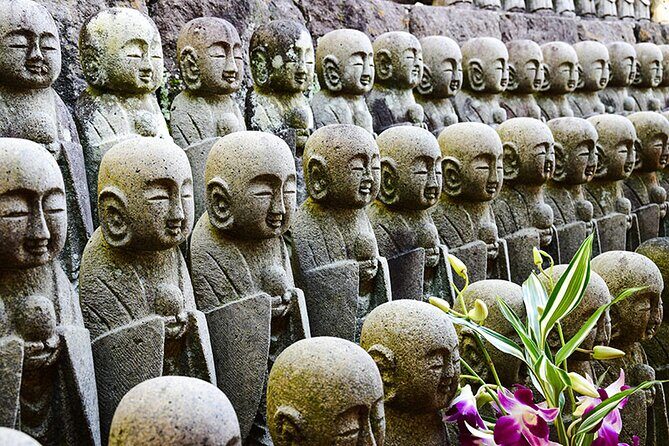
The final highlight is Komachi-dori Street, a main shopping street in Kamakura. You’ll spend about 45 minutes walking it with your guide, and admission is listed as free because it’s a street experience, not a ticketed site.
This is the portion that helps the day feel real. Temples are beautiful, but without local food and small shopping moments, you can leave with a head full of images and no sense of daily life.
Komachi-dori is described as lined with unique shops, traditional crafts, and delicious local treats. Even if you don’t plan to shop, it’s a useful “buffer stop” at the end of the day where you can stretch, grab a snack, and avoid the feeling of rushing straight from temples into your transport ride.
One practical tip: decide your snack mission early. If you wait until the last minute, you might end up with overpriced convenience food just because you’re tired. Use the guide to point you toward what to try and where to look.
Price and Value: What You’re Paying For (and What You’re Not)
The tour price is $118.88 per person, which is not cheap, but it’s also not meant to be “budget day-trip sightseeing.” You’re paying for a private guide, the full-day routing, and round-trip transfers from Tokyo plus support before and after the tour.
What you’re not paying for is also important. Entry fees are not included, and food and drink are not included. In practice, that means you should budget additional money for paid temple admissions at Kotoku-in, Meigetsuin, and Engaku-ji. Two other stops are free (Tsurugaoka Hachimangu and Zeniarai Benten), which helps balance the spending.
Also, “private transportation” is not included. That doesn’t contradict the included Tokyo transfers, but it does hint that within Kamakura you should expect local movement to rely on public transport and walking rather than a dedicated private vehicle.
That’s exactly where value can swing depending on expectations. If you’re comfortable using trains and buses in Japan, this kind of day tour is usually efficient and cost-effective. If you’re expecting a fully chauffeured experience with every yen handled in advance, you’ll feel friction.
What the Guides Are Really Good At
The big theme across positive experiences is not just that people liked the temples. They liked the day as a whole because the guide made it make sense and made it easier to move.
Guides named in the experiences include Lana, Raffa, Brian, and Colt. The common praise is about clarity and helpfulness—explaining Buddhist and Shinto sights, sharing perspective on Japan, and helping you understand how to use transportation without getting flustered.
Colt’s guidance is specifically noted for helping with transportation skills and sacred monuments. That’s a big deal for first-timers in Japan, because navigation is half the challenge when you don’t speak the language and you’re trying to stay on schedule.
Brian is praised for making the day fun while still keeping things organized. Raffa is praised for being helpful and making sure visitors hit the places they expected.
So if your goal is to leave Kamakura feeling oriented and informed, not just tired and photostream-heavy, this is the kind of tour setup that works.
Watch-Outs: Walking Distance and Budget Math
The main drawback you should plan around is walking distance. One experience flagged that long walking between temples can be a problem in hot season or for limited mobility. Even if you’re in decent shape, Kamakura hills and temple steps can add up faster than you think.
The second watch-out is budgeting for what’s not included. Since entry tickets for some stops aren’t included, and food/drink aren’t included, you’ll want a rough plan for the day’s spending beyond the tour price.
Finally, do a quick expectation check before you go. If you’re booking a walking tour, don’t assume you’re being driven around inside Kamakura. One negative experience mentions a mismatch tied to a vehicle assumption, and the response suggests the participant booked the wrong kind of tour. Bottom line: confirm you’re selecting this Kamakura walking experience, not a different format.
Should You Book This Kamakura Full Day Walking Tour?
Book it if you want a one-day Kamakura hit with major temples and shrines, a guide who can explain what you’re seeing, and the convenience of Tokyo pickup and transfers. It’s a strong pick for people visiting Tokyo who want an efficient day trip without wrestling with schedules.
Skip it or at least rethink if you strongly dislike walking or you’re traveling during peak heat. Also consider whether you’re okay paying for some temple admission fees and choosing your own food and snacks.
If you like structure but still want the day to feel human, this tour’s route makes sense: iconic Great Buddha impact first, then shrine and ritual variety, then Zen quiet, and ending on Komachi-dori where you can breathe and eat.
FAQ
How long is the Kamakura walking tour?
The duration is listed as 8 hours (approx.).
Does the tour include pickup from Tokyo?
Yes. Round-trip hotel, cruise port, or airport transfers from Tokyo are included, and hotel pickup means the guide meets your group at your hotel.
Is this a private tour?
Yes. It’s private, and only your group participates.
Are entrance fees included?
No. Entry fees are not included. (Admission ticket is listed as not included for Kotoku-in, Meigetsuin, and Engaku-ji.)
Are there any free stops?
Yes. Tsurugaoka Hachimangu Shrine and Zeniarai Benten Shrine are listed as free.
What does the tour use for transportation inside the day?
The tour is near public transportation, and you should expect local movement by public transit and walking as part of the itinerary. Private transportation is not included.
What if I need to cancel?
Free cancellation is offered up to 24 hours in advance for a full refund.
More Tours in Tokyo




More Tour Reviews in Tokyo




More Days by the Great Buddha

Fresh reviews from around Tokyo






Kamakura Day Trips, compared.
 ★ 4.5Kamakura & Enoshima Day Trip including Temple TicketsFrom $581,375 reviews
 ★ 4.5From Tokyo: Kamakura & Enoshima 1-Day Bus TourFrom $66189 reviews
 ★ 5.0Kamakura Historical Walking Tour with the Great BuddhaFrom $98129 reviews
Kamakura Private Tour: Temples, Nature, and the Great BuddhaFrom $98121 reviews
Kamakura Walking Tour – The City of ShogunFrom $35100 reviews
★ 5.0Kamakura Historical Walking Tour with the Great BuddhaFrom $98129 reviews
Kamakura Private Tour: Temples, Nature, and the Great BuddhaFrom $98121 reviews
Kamakura Walking Tour – The City of ShogunFrom $35100 reviews
 ★ 5.0Kamakura 8 hr Private Walking Tour with Licensed Guide from TokyoFrom $20180 reviews
 ★ 4.1Kamakura & Enoshima Day Tour with Pickup & Train RideFrom $1361 reviews
 ★ 4.8Kamakura: Private Guided Walking Tour with Local GuideFrom $10660 reviews
Browse the lists this tour appears in