
Reviewed · TOKYO
Ninja Samurai 2-hour hands-on lesson by Japanese master in Tokyo
One sentence can sum up this class: you get trained, not just entertained. In Tokyo’s Shiomi area, this 2-hour hands-on session blends Ninja and Samurai skills in English, from Kuji-In ninja meditation to weapon practice and short performance-style drills. The small group size (up to six) also means you get real coaching, not that stand-off distance some activities turn into.
I especially like the mix of body skills and history—so it feels connected to Japan’s old world, not just cosplay. I also love that the class supplies ninja clothing rental, so you can actually step into the role while you learn. One thing to consider: the meeting spot is in a specific building address, and one review warned the elevator wasn’t working, so plan for some stairs.
In This Review
- Key things worth your attention
- Where Ninja Samurai training happens in Shiomi (and why location matters)
- The 2-hour flow: Kuji-In, ninja tools, shuriken, and blow darts
- Kuji-In ninja meditation: the mindset first
- Ninja tools and the trick-house style introduction
- Ninja sword training and technique basics
- Shuriken (ninja star) and blowgun/blow darts practice
- Samurai sword practice: drawing, using a katana-style weapon, and performing
- Drawing and swinging: why this part feels different
- Learning the “difference” between ninja vs samurai swords
- Short performance-style practice
- The instructor experience: what English teaching actually feels like
- What’s included (and what to plan for yourself)
- Pricing and value: is $86.22 worth it?
- Who this is for (and who should skip it)
- Timing tips: make the most of your day in Tokyo
- Final verdict: should you book Ninja Samurai?
- FAQ
- How long is the Ninja Samurai lesson?
- What is the group size?
- Is the lesson taught in English?
- What’s included in the price?
- What activities will I practice during the lesson?
- Do I need any prior experience?
- Where does the experience start?
- Is bottled water included?
- What happens if I need to cancel or the weather is poor?
Key things worth your attention
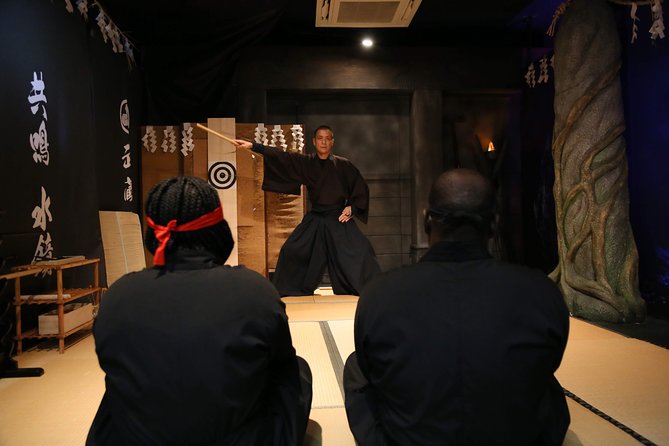
- Max six people keeps the session personal and hands-on
- English instruction from a Japanese Sensei master (names you might see include Hyoga, Asami, Onel, and Buddy)
- Kuji-In ninja meditation plus practical weapon training
- Real “do the skill” time with shuriken and blow darts, not just watching
- Ninja outfit rental helps you focus and get into it
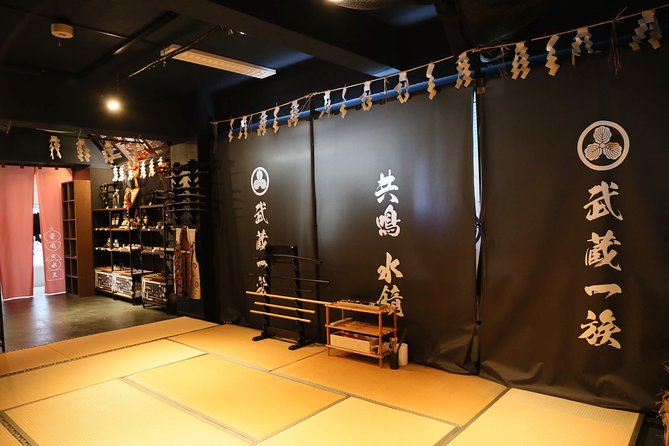
- A dojo-style setting with a clear “training” feel, not a classroom lecture
Before you commit, see how this one stacks up against a few Tokyo favourites:
- Mt Fuji and Hakone 1-Day Bus Tour Return by Bullet Train★ 5.0 · 26,383 reviews
- 1-Day Tokyo Bus Tour★ 5.0 · 14,250 reviews
- Tokyo: teamLab Planets TOKYO Digital Art Museum Entry Ticket★ 4.6 · 9,779 reviews
Where Ninja Samurai training happens in Shiomi (and why location matters)
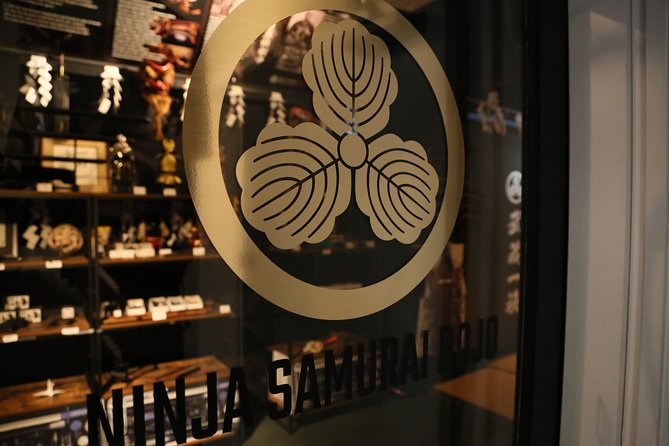
This lesson starts at NINJA SAMURAI TOKYO in Shiomi, Koto City, in the Bayfrere Shiomi EAST building (4th floor). That sounds detailed—because it is. In Tokyo, the difference between “easy” and “why is this address not showing” can be one building, one floor, or one entrance.
A big plus: it’s described as near public transportation. So if you like to move quickly and not waste half your afternoon on transit drama, this fits. Still, one practical note from a past experience: the location can take a moment to pinpoint. My advice is simple—have the building name and exact floor ready before you show up, and give yourself a few extra minutes.
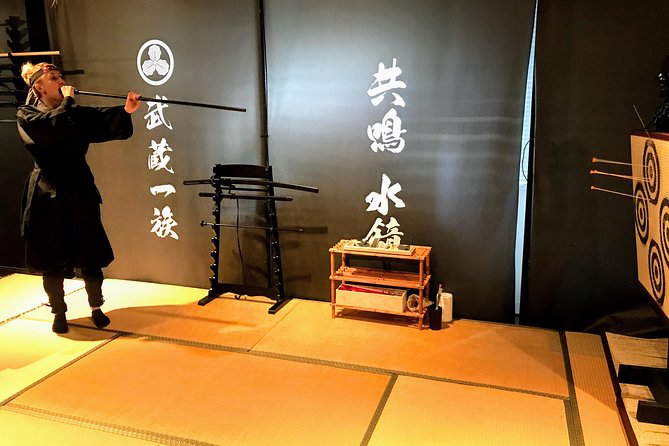
The class is held in a dojo-like space, and that comes with a certain energy: you’re expected to participate. One review also mentioned stairs (and that an elevator wasn’t working). If you’re traveling with someone who doesn’t do well with steps, keep that in mind when you plan your day.
The 2-hour flow: Kuji-In, ninja tools, shuriken, and blow darts
The training runs for about two hours, and the whole point is a tight loop of instruction, demo, then practice. The class is structured so you learn both the “spirit” ideas and the physical methods, in English.
Kuji-In ninja meditation: the mindset first
You begin with ninja meditation (Kuji-In). This matters because it frames the rest of the lesson. Instead of treating the ninja side as pure stunt work, the training aims to teach control—how to focus your movement and attention.
Even if you’re not a “quiet mind” person, you’ll still get value. Short meditation drills are a good warm-up. They help you slow down enough to learn sword and weapon basics without turning everything into flailing.
Ninja tools and the trick-house style introduction
Next comes an introduction to ninja weapons and tools, plus an introduction gimmick at the ninja trick house. The listing and training format suggest this is meant to make you comfortable with the idea of “methods” and not just “cool props.”
In real training, that transition is underrated. Many activities toss you directly into weapon time. Here, you’re guided step-by-step so you can keep up, even if you’ve never held a ninja tool before.





Ninja sword training and technique basics
You’ll get demonstration and training for a Ninja sword. You should expect basics of handling: how to grip, how to swing safely, and how to understand the motion rather than just copying a pose.
One review highlighted that the instructor made everything feel doable for different ages and skill levels. If you’ve ever been worried that you’ll look awkward, this is the kind of class where that concern usually fades fast—because you’re coached through each step.
Shuriken (ninja star) and blowgun/blow darts practice
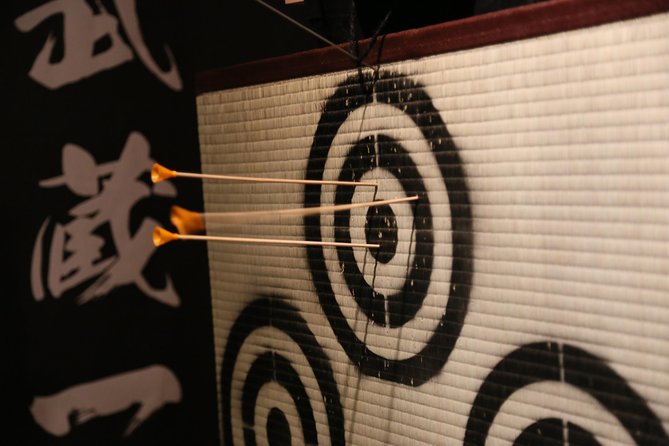
Then you move into the fun stuff: shuriken training and ninja blowgun (blow darts) training. This is where the session becomes very hands-on and very memorable.
A review also mentioned throwing skills using shuriken at targets and using blow darts. That’s the key: it’s not just “here’s a star.” You’re practicing. And because it’s limited to a small group, you’re more likely to get corrections in real time.
One small consideration: reviews mention running/jumping movements as part of the training. You don’t need to be an athlete, but it does mean you should plan to be active for the full two hours.
Samurai sword practice: drawing, using a katana-style weapon, and performing
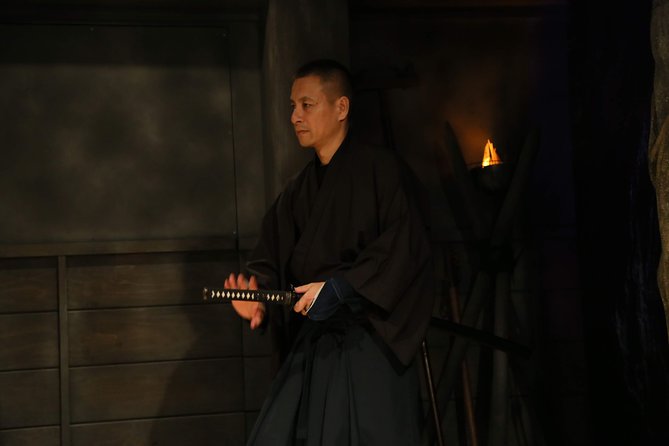
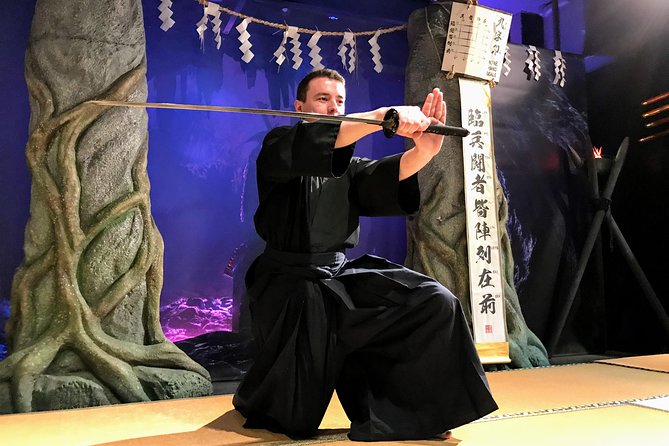
The Samurai side of the lesson focuses on learning how to use and draw a samurai sword, and then trying a performance-style segment based on what you learn.
Drawing and swinging: why this part feels different
Drawing a sword sounds cinematic, but the training goal is practical: you learn mechanics and control. Reviews repeatedly point out that the instructor explains what each sign and movement means, and you get to practice swinging safely.
Some past participants even noted that the session used a real metal sword for practice, not just a prop. I can’t promise that exact setup will match every class, but the overall takeaway is clear: this isn’t only theater.
Learning the “difference” between ninja vs samurai swords
A standout theme in the experience is that you’re taught to understand the differences between ninja and samurai weapons and approach. That gives you a more meaningful souvenir than a photo.
For you, this is where the class becomes educational in a way that doesn’t feel like homework. You’ll leave knowing that these are connected traditions with differences in weapons and attitudes.
Short performance-style practice
The lesson includes watching and then doing a samurai performance style routine you learn. If you like activities where you leave with a new skill you can show others, this portion is built for that.
And if you don’t like performing, it still helps. Doing a short routine pushes you to retain the moves, not just copy them.
The instructor experience: what English teaching actually feels like
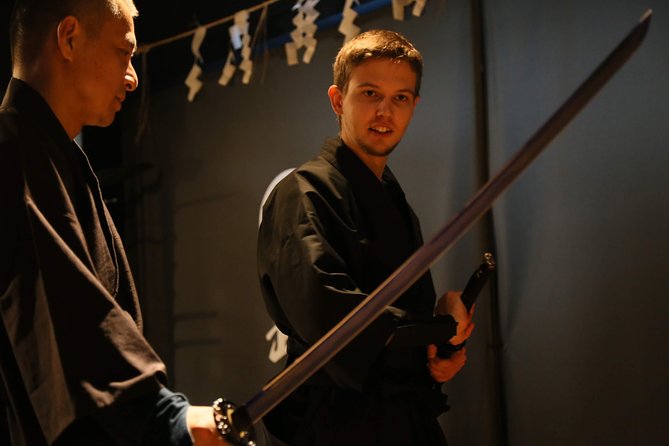
This class is taught by a Japanese Sensei master who teaches Ninja-Arts in English. Past instructors mentioned in real experiences include Hyoga, Asami, Onel, and Buddy (described as a Master).
What you’re looking for isn’t just translation—it’s clear instruction. Multiple reviews emphasized that English is strong, explanations are patient, and the instructor adds humor. That combination matters. Humor keeps people relaxed when they’re doing something new. Patience prevents bad habits from sticking.
In practical terms, small-group teaching is what makes the whole thing work. Up to six people means the instructor can walk over, watch what you’re doing, and correct your grip or stance before you repeat it a hundred times.
What’s included (and what to plan for yourself)
Your price includes a few key things that push this into “value” territory for hands-on travel.
Included:
- Ninja clothing rental during training
- Admission fee
- Instruction by the Sensei master in English
- The activity itself (Kuji-In, ninja tools, shuriken, blow darts, sword training)
Not included:
- Bottled water
My advice: plan to have water available. Even though the class is only two hours, you’re going to be moving, focusing, and probably sweating a bit. Also, closed-toe shoes and comfortable travel clothes are a smart idea for a dojo-style session where you’ll practice skills.
Pricing and value: is $86.22 worth it?
At $86.22 per person, this isn’t a “cheap afternoon” activity. But it also isn’t a basic craft class where you spend most of the time sitting.
Here’s the value logic:
- You get two traditions (Ninja + Samurai) in one session
- The class is small-group (up to six), which increases coaching time
- You use multiple tools: shuriken, blow darts, and sword training
- You get clothing rental, which adds to both comfort and the learning feel
- English instruction reduces frustration and helps you understand the “why,” not just the “what”
If you want to collect Tokyo moments, this is the type where you’ll remember specific skills, not just the building you visited.
If you’re the kind of traveler who hates being active and prefers passive sightseeing, you might feel the price more than you need to. But if you like hands-on learning, it’s a strong use of a two-hour block.
Who this is for (and who should skip it)
This lesson is a great fit if you want:
- A short, high-participation activity in Tokyo
- Family time with a mix of ages (multiple reviews mention wide age ranges)
- A break from museums that still feels cultural and historical
- A skill you can talk about afterward: meditation focus, shuriken practice, and sword drawing
You might skip it if:
- You strongly prefer low-movement activities
- You’re uncomfortable with the idea of handling weapons, even in a trained and coached setting
- You need an activity with no stairs or a fully step-free route (one review flagged elevator problems)
Timing tips: make the most of your day in Tokyo
This is an ideal slot for a day when you want something scheduled and active. Since it runs about two hours and ends back at the meeting point, you can plan an easy meal afterward.
One more planning note: the experience is tied to good weather requirements. Even if the class space is indoors, plan for the possibility of rescheduling if conditions are poor.
For a smooth day, I suggest:
- Arrive a few minutes early so you can find the building and floor without stress
- Eat beforehand if you’re heading straight from a busy area
- Bring (or plan to buy) water since it isn’t included
Final verdict: should you book Ninja Samurai?
I’d book it if you want a Tokyo activity that blends fun with real instruction. The small group size, the English Sensei teaching, and the chance to practice multiple skills—especially Kuji-In, shuriken, and sword drawing—make it feel worth your time and money.
I’d think twice if you’re very sensitive to stairs or you want a completely passive experience. And if you hate hunting for addresses, double-check directions before you go.
If you’re on the fence, here’s the simple test: if you’re excited by the idea of learning how these arts work (not just posing with gear), this is a strong choice.
FAQ
How long is the Ninja Samurai lesson?
The class runs for about 2 hours.
What is the group size?
This is a maximum of 6 travelers, which helps keep the coaching personal.
Is the lesson taught in English?
Yes. The Sensei master teaches Ninja-Arts training in English.
What’s included in the price?
Included are the Sensei master instruction, ninja clothing rental during training, and the admission fee.
What activities will I practice during the lesson?
You can expect Ninja meditation (Kuji-In), introductions to ninja weapons and tools, a ninja trick-house style introduction, ninja sword training, shuriken training, blowgun/blow darts training, and samurai sword training including drawing and use.
Do I need any prior experience?
No prior experience is stated. The class is designed so most people can participate.
Where does the experience start?
It starts at NINJA SAMURAI TOKYO in Shiomi, Koto City, at the building address listed for the meeting point, and it ends back at the meeting point.
Is bottled water included?
No. Bottled water is not included.
What happens if I need to cancel or the weather is poor?
You can cancel for a full refund up to 24 hours in advance. The experience requires good weather, and if it’s canceled due to poor weather, you’ll be offered a different date or a full refund.
More Tour Reviews in Tokyo



Fresh reviews from around Tokyo






Tokyo, compared.
 ★ 5.0Mt Fuji and Hakone 1-Day Bus Tour Return by Bullet TrainFrom $16326,383 reviews
 ★ 5.01-Day Tokyo Bus TourFrom $12914,250 reviews
 ★ 4.6teamLab Planets TOKYO Digital Art Museum Entry TicketFrom $259,779 reviews
 ★ 4.0Mt Fuji & Hakone Cruise, Drum Show Bullet Train 1 Day from TokyoFrom $1497,413 reviews
 ★ 5.0Shinjuku Food Tour (13 Dishes at 4 Local Eateries)From $866,603 reviews
 ★ 4.4Tokyo Mt Fuji 5th St & Hakone Cruise Bus Tour w/Bullet TrainFrom $1545,024 reviews
 ★ 5.0Flagship 2-Hours Official Street Go-Kart Tour – Tokyo Bay ShopFrom $644,974 reviews
 ★ 4.5From Tokyo: Mount Fuji Full-Day Sightseeing TripFrom $684,970 reviews