
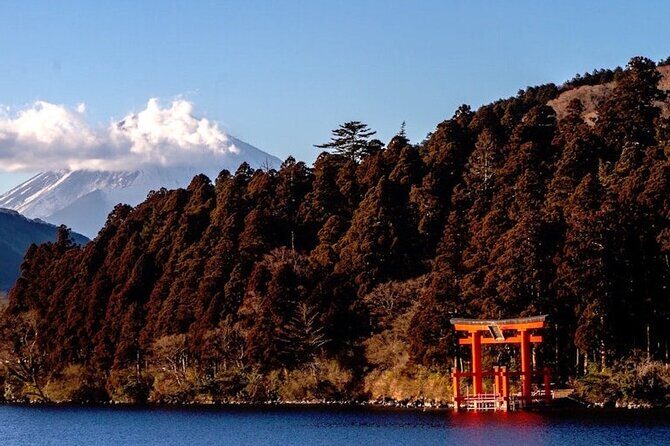
Reviewed · MT FUJI DAY TRIPS
Hakone and Mt Fuji Private Custom Tour with English Guide
Hot springs, pagodas, and a day that bends. This private Hakone and Mt. Fuji tour runs about 10 hours with pickup and drop-off in Tokyo’s 23 wards, so you can skip the long-bus-and-transfer headache. I like that it’s customizable and built around a calm, flexible flow, not a rigid checklist.
Two things I’d pick right away: first, you’re not stuck watching the clock. Your English-speaking driver-guide can adjust the pace as the day unfolds, and past guests even highlighted a driver named Mike for being patient and steering people toward the best stops. Second, the comfort and basics are handled—air-conditioned car, onboard WiFi, bottled water, and maps with explanations.
One drawback to think about: it’s weather-dependent. If visibility is poor, you may not get the Fuji views you hoped for, and you’ll still spend a good chunk of the day in the car between sights.
In This Review
- Key things that make this Hakone–Fuji private day work
- Tokyo pickup, one car, and a custom day that doesn’t feel frantic
- Your English driver-guide: what “customizable” looks like in real life
- Hakone Owakudani: black eggs and the ropeway shortcut to volcano views
- Lake Ashinoko cruise: the easiest way to slow down
- Fuji Five Lakes time: reflections at Saiko and Kawaguchi
- Chureito Pagoda and two Fuji shrines: icons plus context
- Oshino Hakkai: Fuji snowmelt ponds you can walk around
- Optional caves, caves, and more: Narusawa Ice Cave and Fugaku Wind Cave
- Optional art and viewpoints: Gotemba, glass museum, and Mishima Skywalk
- Price and value: what $430 really covers for a group of up to 3
- How to plan your expectations for a 10-hour day
- Who this tour fits best (and who should skip it)
- Should you book this private Hakone–Fuji tour?
- FAQ
- Is this a private tour?
- How long does the tour last?
- Do you offer pickup and drop-off in Tokyo?
- Is the guide English-speaking?
- What’s included in the price?
- Are food and entrance fees included?
- What happens if the weather is bad?
Key things that make this Hakone–Fuji private day work
- Pickup in Tokyo’s 23 wards means less stress before the trip even starts
- English-speaking licensed driver-guide who can keep the day moving without rushing you
- A balanced Hakone-to-Fuji route that includes volcano sights, lake viewpoints, and shrine/photo stops
- Short, manageable stop times (often about 30 minutes) that help you keep energy for photos
- Optional adds for geology and photo moments, like Narusawa Ice Cave, Fugaku Wind Cave, and the Chureito Pagoda area
- Comfort and small extras included: bottled water, onboard WiFi, and maps with explanations
Other routes to the mountain, compared
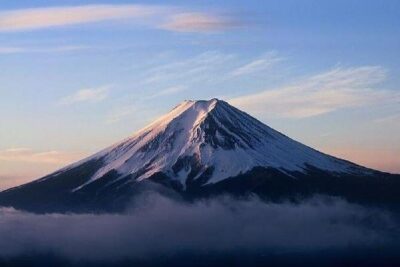
- Mt Fuji & Hakone Cruise, Drum Show Bullet Train 1 Day from Tokyo★ 4.0 · 7,413 reviews
- Tokyo Mt Fuji 5th St & Hakone Cruise Bus Tour w/Bullet Train★ 4.4 · 5,024 reviews
- From Tokyo: Mount Fuji Full-Day Sightseeing Trip★ 4.5 · 4,970 reviews
Tokyo pickup, one car, and a custom day that doesn’t feel frantic
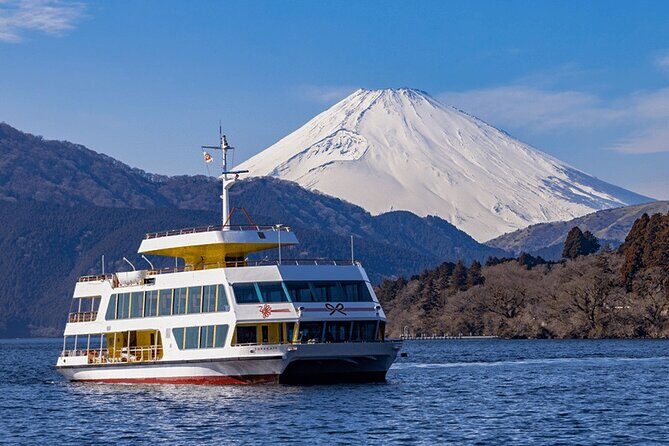
The best part of this tour is the friction-free start. You get pickup and drop-off within Tokyo’s 23 wards, which is huge if you’re trying to protect your time. Instead of figuring out trains and timing connections, you’re in one vehicle and on a route that’s built for one-day efficiency.
This is also genuinely private: it’s just your group (up to 3 people). That matters because you can shape the day around what you actually care about—more photo stops, a shorter shopping break, or extra time at a lake view point—without asking a group vote.
The tour length is about 10 hours, so it’s a full day. You’ll be moving between Hakone and the Mt. Fuji region, which means you should plan for transit time. The upside is that the itinerary is structured as quick hits, so you’re not stuck waiting for long stretches at every stop.
Your English driver-guide: what “customizable” looks like in real life
“Customizable” can mean a million things. Here, it mostly means you get flexibility inside a well-planned route. Your licensed English-speaking driver-guide can help you sequence stops based on what you want most, rather than forcing you through every possible attraction.
In the feedback you’ll see a theme: people love how the pace stays relaxed and adaptable. The driver keeps the day flowing, handles the logistics, and stays patient when you want a few extra minutes for photos or walking.
If you’re the type who hates feeling herded, this format is a strong fit. You can still see a lot—Hakone’s volcanic sights and multiple Mt. Fuji-area viewpoints—but it doesn’t feel like a sprint. I also like that the company provides maps with explanations. That turns each stop into something you can actually make sense of while you’re there.
Hakone Owakudani: black eggs and the ropeway shortcut to volcano views
Your Hakone half starts at Owakudani Valley, famous for the volcanic hot-spring tradition of the Hakone Black Egg. The idea is simple: a hard-boiled egg is cooked in sulfur-rich hot springs, so the shell turns black. It’s also tied to local legend and a fun tasting moment—exactly the kind of low-effort, high-interest stop that works well on a one-day tour.
The practical value: you get a real sense of Hakone’s volcanic character fast. You’re not just seeing a “nice area”—you’re stepping into the story that explains why steam rises and why the region looks the way it does.
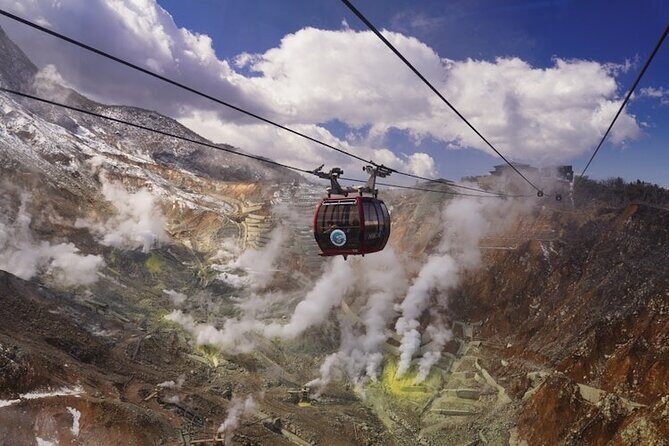
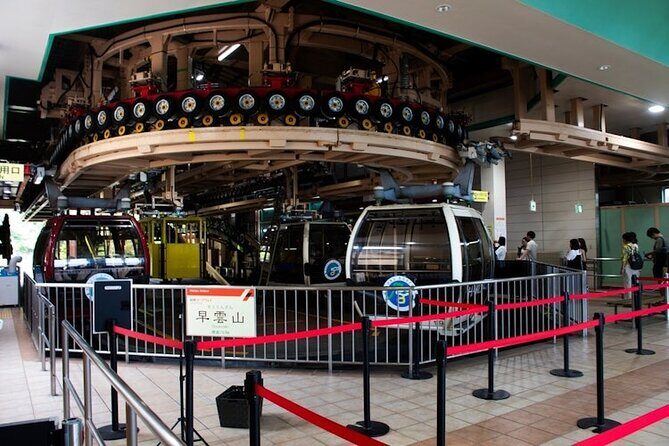
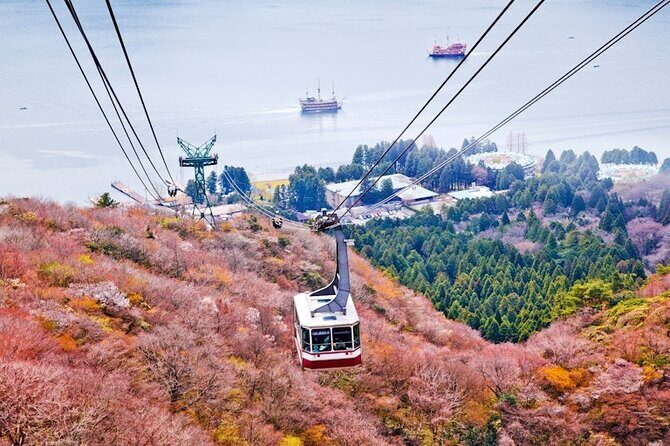
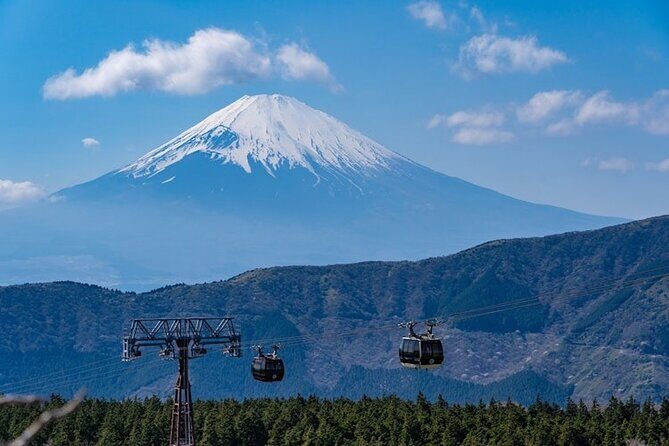
Next up is the Hakone Ropeway. This cable-car style ride gives you an elevated view over the Owakudani volcanic zone. The pay-off is panoramic perspective—steam vents below, and a wide view toward Lake Ashinoko. The downside is time and weather sensitivity: if visibility is poor, you might feel like you’re riding for the ride’s sake rather than for epic scenery. Still, it’s a classic move because it compresses “big views” into a short stop.
Lake Ashinoko cruise: the easiest way to slow down
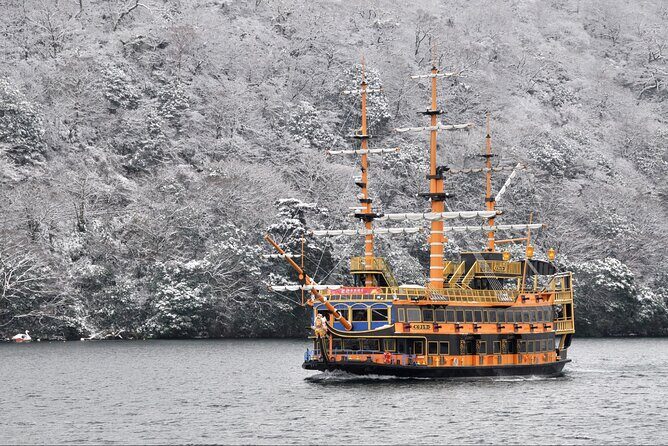
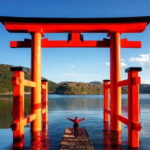
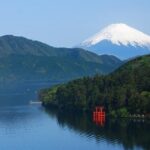
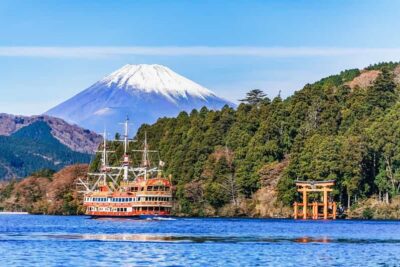
After the volcano stops, you switch gears at Lake Ashinoko (Motohakone Port) with a cruise on the famous Hakone Pirate Ship. This is the break in the day that keeps everything from feeling too intense.
Why it works: the lake cruise turns the trip from sightseeing into a calmer experience. You sit, you watch, you reset your feet. It’s also a smart photo stop because you get layered views of the surrounding area from the water.
The only thing to watch is the overall schedule. If you want longer time here, you’ll need to keep an eye on how much time you’re allocating to the rest of the day. The good news is this tour uses short stops, so it’s easier to flex.
More Hakone loops, ropeways and lake crossings
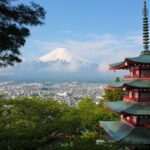
Fuji Five Lakes time: reflections at Saiko and Kawaguchi

Once you leave Hakone, you’re in the Mt. Fuji region, where the main storyline becomes reflections, lakes, and iconic viewpoints.
A strong stop is Saiko Iyashi no Sato Nemba, a restored traditional village by the shores of Lake Saiko. Even in short time, it gives you a different texture than the volcanic sights: wood-and-craft atmosphere, quiet streets, and a sense of how people lived around the lakes. The practical drawback is that it can feel like a quick stroll if you prefer hands-on activities. If you like atmosphere and photos, you’ll likely enjoy it more than you’d expect from a 30-minute stop.
Then you’ll hit Saiko Lake, described as the “Lake of Reflections.” If you’ve ever wanted Fuji-area scenery without the biggest crowds, a lake viewpoint like this is often one of the best ways to get that vibe. The catch is visibility again: if Fuji is hidden by clouds, the reflection effect you’re hoping for may not show up as strongly.
Next is Kawaguchi Lake Ishikoro kan, positioned as one of the most scenic and accessible Fuji Five Lakes. This is a good choice if you want a straightforward lake view with a strong chance of getting that classic Fuji framing—again, dependent on weather. It’s also an efficient stop, which matters when you’re packing multiple iconic sites into one day.
Chureito Pagoda and two Fuji shrines: icons plus context
Now you get into the photo-famous zone.
At Arakura Fuji Sengen Shrine, you’ll visit the area known for the Chureito Pagoda—one of Japan’s most recognizable Mt. Fuji photography spots. Even if you only have 30 minutes, it’s worth it because the composition is so iconic: pagoda and Fuji in the same frame when conditions cooperate. If you’re going for photos, arrive ready to move quickly—wear comfortable shoes and be okay with adjusting your spot as people shift around you.
After that, you’ll visit Kitaguchi Hongu Fuji Sengen Jinja Shrine, a historic shrine at the foot of Mt. Fuji. This is a nice balance to the modern photo scene. The shrine setting helps you understand Mt. Fuji not just as a view, but as a sacred mountain. The practical value is time well spent: it’s not just another viewpoint, it adds cultural context in a compact stop.
If you’re short on time, this pairing is smart. You get both the “wow photo” and the “why it matters” side in a few hours.
Oshino Hakkai: Fuji snowmelt ponds you can walk around
One of the most satisfying stops is Oshino Hakkai. This is a traditional village made famous by eight crystal-clear ponds fed by Mount Fuji’s snowmelt. The experience is relaxing and easy to understand even with no deep background: clean water, scenic village houses, and multiple pond viewpoints in one area.
This is also a good “slow your brain down” stop. After ropeways and driving, it’s a place where you can wander at your pace and take your time with photos. The downside is simple: like many popular places, it may not feel quiet. If you’re sensitive to crowds, build in a mindset of short bursts—walk the ponds, take the shots, then keep moving.
Optional caves, caves, and more: Narusawa Ice Cave and Fugaku Wind Cave
If you like unusual terrain and geology stories, consider the optional stops for Narusawa Ice Cave and Fugaku Wind Cave.
- Narusawa Ice Cave: formed by ancient lava flows from Mt. Fuji. The pitch is the naturally cooled cave with ice pillars and frozen walls kept at a cool temperature.
- Fugaku Wind Cave: also a lava cave tied to ancient eruptions, known for the cool, wind-like environment.
What to consider: the information you want most is temperature and comfort. Caves can feel chilly compared to the outside, especially if the weather is gray. Bring layers even if it’s warm in Tokyo. Also, since these are labeled optional, you should only add them if you still have energy after the lake and shrine stops.
These caves are not just “another place.” They connect Fuji’s volcanic past to something you can feel with your senses—cold air, rock textures, and the contrast between inside and outside. That makes them memorable in a day packed with scenic viewpoints.
Optional art and viewpoints: Gotemba, glass museum, and Mishima Skywalk
Some optional choices help you match the day to your travel style.
Gotemba Premium Outlets is the shopping break. It’s described as a foothill city with a mall-style experience: over 200 shops. If you want to shop for practical stuff or you need a break from photos, this can be a good trade. The drawback is that it can steal time from Fuji views, so only add it if you genuinely want the outlet experience.
Hakone Venetian Glass Museum is another optional stop, and it’s pretty specific: an art museum dedicated to Venetian glass. If you’re the type who likes crafted objects and calm indoor time, it can be a nice contrast to outdoor volcano and lake stops.
Finally, Mishima Skywalk (optional) is a viewpoint walk—Japan’s longest pedestrian suspension bridge, stretching about 400 meters. The focus here is the sensation of being high over a valley and the view during the walk. If you’re afraid of heights, skip it. If you love perspective and movement, it’s a fun add.
Price and value: what $430 really covers for a group of up to 3
At $430 per group (up to 3 people), this tour can feel steep if you’re traveling solo. But when you split it, the value improves fast. You’re paying for private transportation, a licensed English-speaking driver-guide, and a car that can handle highway travel, parking, and fuel.
Here’s what you get that reduces your own costs and friction:
- bottled water
- onboard WiFi
- air-conditioned vehicle
- maps with explanations
- highway, fuel, and parking fees
- private transportation
Food isn’t included, and optional sites may have entrance fees that are not covered. Still, many of the core stops are listed as Admission Ticket Free, which helps keep the total day cost predictable.
What you’re really buying is time and confidence. In one day, you’re moving between Hakone and the Mt. Fuji area with less stress than doing it on your own, and you’re getting guidance on what to see and how to pace it.
How to plan your expectations for a 10-hour day
This is a full-day outing. Even with flexible pacing, you should treat it like a “great hits” day.
A few practical tips:
- Wear comfortable shoes. Some photo spots involve walking uphill or moving around quickly for views.
- Bring layers. If you add caves, the temperature shift can be noticeable.
- Decide your top priority before you go. If your main goal is Fuji photos, spend your mental budget protecting that time window.
- If you hate rushing, say so early. A flexible driver-guide can help you adjust stops without turning the day into a checklist.
Also, remember the reality of Fuji-area weather. The tour is listed as requiring good weather, so you should be ready for the possibility of lower visibility. If visibility is poor, you’ll still get cultural stops and scenic elements, but your “Fuji photo payoff” may vary.
Who this tour fits best (and who should skip it)
This tour is a strong match if you want:
- a private day with pickup in Tokyo
- English guidance without the hassle of trains and transfers
- a practical way to see both Hakone volcano highlights and Mt. Fuji-area icons in one stretch
It’s also ideal for couples, small families, and small groups up to 3 who want to split the cost of private transportation.
You might skip it if you’re on a tight budget and traveling solo. You might also skip it if you strongly prefer slow, multi-day exploration where you can move at your own pace without compressing so many stops into one day.
Should you book this private Hakone–Fuji tour?
If you want one day that feels organized but not rigid, I’d lean yes. The value is strongest for groups of up to 3 because the $430 price covers the big stuff: a private car, a licensed English-speaking driver-guide, parking/fuel/highway costs, onboard WiFi, and basic comfort.
I’d book it especially if Hakone’s volcanic sights and Fuji-area icons are both on your list, but you don’t want to juggle transit times or chase complicated connections. Just be honest with yourself about weather and about the fact that it’s a 10-hour day with driving between zones.
If you can be flexible, show up with decent stamina, and tell your guide what matters most to you, this is the kind of tour that can turn a long day into a genuinely satisfying one.
FAQ
Is this a private tour?
Yes. It’s a private tour/activity, and only your group will participate. The price is per group for up to 3 people.
How long does the tour last?
The duration is about 10 hours.
Do you offer pickup and drop-off in Tokyo?
Yes. Pickup and drop-off are offered within Tokyo’s 23 wards.
Is the guide English-speaking?
Yes. The tour includes a licensed driver-guide with English-speaking support.
What’s included in the price?
Included items are bottled water, highway/fuel/parking fees, WiFi on board, private transportation, an air-conditioned vehicle, and maps with explanations.
Are food and entrance fees included?
Food is not included. Also, any entrance fees from optional options are not included.
What happens if the weather is bad?
The experience requires good weather. If it’s canceled due to poor weather, you’ll be offered a different date or a full refund.
More Tour Reviews in Tokyo






Hakone, Three More Ways
The Fuji Shortlist: Other Days Out to the Mountain

Fresh reviews from around Tokyo






Mt Fuji Day Trips, compared.
 ★ 4.0Mt Fuji & Hakone Cruise, Drum Show Bullet Train 1 Day from TokyoFrom $1497,413 reviews
 ★ 4.4Tokyo Mt Fuji 5th St & Hakone Cruise Bus Tour w/Bullet TrainFrom $1545,024 reviews
 ★ 4.5From Tokyo: Mount Fuji Full-Day Sightseeing TripFrom $684,970 reviews
 ★ 4.7Mt. Fuji Tour, Hakone Ropeway, Owakudani, Lake AshiFrom $544,002 reviews
 ★ 5.0Private Tour to Mt. Fuji and Hakone (Fully Licenced Operator)From $4971,910 reviews
 ★ 4.9Mount Fuji Full-Day Private Tour from Tokyo (Customizable)From $3931,470 reviews
 ★ 4.0Mt Fuji & Hakone Cruise, Drum Show Bus 1 Day from TokyoFrom $1221,287 reviews
 ★ 4.2From Tokyo: Mt. Fuji & Hakone Tour w/ Return by Bullet TrainFrom $1171,278 reviews
Browse the lists this tour appears in