
Reviewed · SUMO SHOWS
Exclusive Sumo Morning Practice in Tokyo with Photo Opportunity
Sumo practice at 8 a.m. is magic. This tour lets you see how sumo training really works, not just the big-match spectacle. I love the small-group attention (max 10 people), and you’ll also get a real photo opportunity that makes the whole experience feel personal, even though it is early and intense.
The trade-off is simple: seating in the stable is first come first served. If you’re late, you may sit a couple rows back (often 2 to 3), and your view may feel less close.
In This Review
- Key highlights to know before you go
- Meeting at Oshiage Station: How the Morning Starts
- The Two-Hour Tour Flow and What It Includes
- A Tokyo Sumo Stable Near Skytree: The Setting You Don’t See in Photos
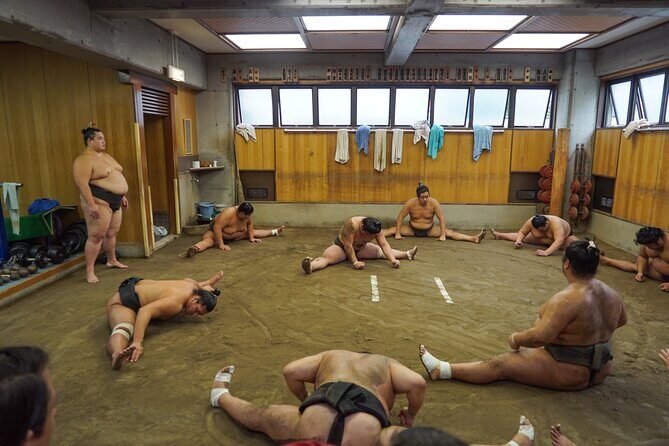
- Watching Morning Practice Close-Up: Warm-Ups and Sparring
- Photo Opportunity With Wrestlers: How to Get the Shot Respectfully
- Rules Inside the Stable: Off-Limits Areas and Tatami-Only Access
- Hot Tokyo Morning Reality: What to Wear and Bring at 8 a.m.
- Price and Value: Why $99.10 Can Make Sense Here
- Who This Tour Fits Best (and Who Might Not)
- Practical Tips That Make the Difference
- Should You Book? My honest take
- FAQ
- Where does the tour meet?
- What time does the sumo practice start?
- How long is the experience?
- How many people are in the group?
- Is there a photo opportunity?
- What parts of the stable can visitors access?
- Will seating be guaranteed in the front?
- What should I bring for summer weather?
- How do I access my ticket?
- What is the cancellation policy?
Key highlights to know before you go
- Oshiage Station meeting at the taxi stand rotary for an easy, central start
- Tokyo Skytree area stable visit, so you’re tied to a convenient part of town
- Small-group size (up to 10) for calmer pacing and more time with your guide
- Hands-on photo moment with wrestlers and stable members, following stable rules
- Off-limits areas inside the stable, with access limited to the tatami areas
- Clear warm-up and sparring viewing, with your guide translating meaning as well as movement
More chances to sit ringside
- Tokyo: Sumo Show and Dining Experience★ 4.8 · 2,742 reviews
- the SUMO show★ 5.0 · 1,960 reviews
- Tokyo Shinjuku Sumo Show & Experience with Photo★ 5.0 · 1,750 reviews
Meeting at Oshiage Station: How the Morning Starts
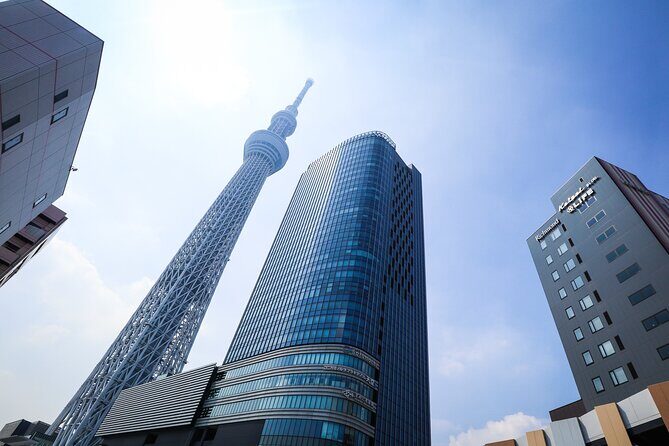
Your day kicks off at 8:00 a.m. at Oshiage Station. The exact meeting spot is inside the station’s taxi stand area (the rotary), which is helpful because you’re not trying to guess a random street corner in a big city before caffeine.
Plan to arrive a bit early. Not just for time, but because seating inside the stable is first come first served. In other words, a few minutes can be the difference between a front-row-ish view and sitting a couple rows back.
The Two-Hour Tour Flow and What It Includes
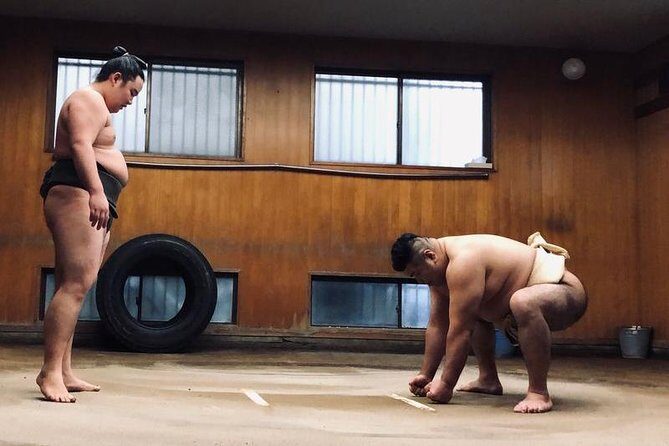
This is a short, focused morning experience, about 2 hours total. You’ll meet your guide, travel to a sumo stable around the Tokyo Skytree area, watch the morning practice, and then return to the meeting point.
You should also know the tour is designed to keep things orderly inside the stable. There are strict boundaries: most areas are off-limits, except for the tatami (straw flooring) areas where you are allowed to view and move.
A Tokyo Sumo Stable Near Skytree: The Setting You Don’t See in Photos
One reason I like this tour is where it takes place. You’re visiting a stable in the Tokyo area near Skytree, which makes it more accessible than some far-flung ideas people imagine when they hear sumo.
And the atmosphere feels different than stadium sumo. Stables are working spaces. Even when you’re there as a visitor, you’ll notice how serious everything is: the timing, the discipline, and the way the practice is built around repetition and technique, not just performance.
Watching Morning Practice Close-Up: Warm-Ups and Sparring
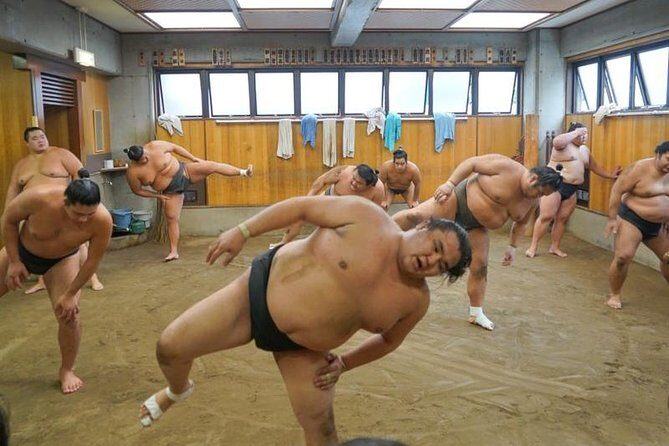
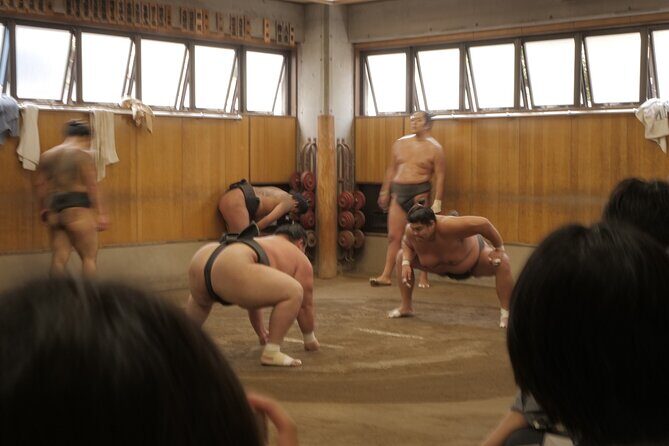
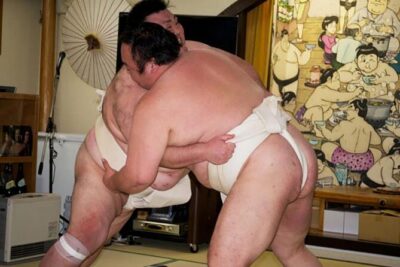
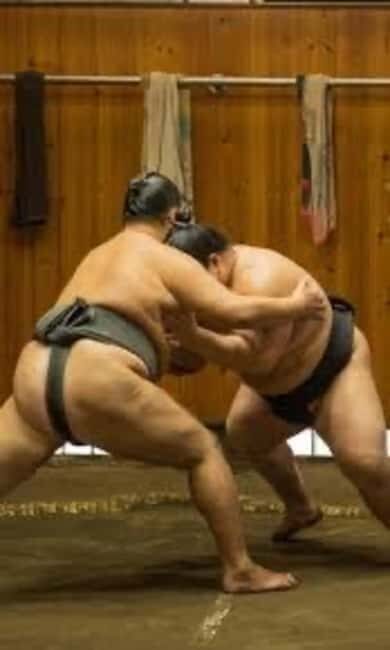
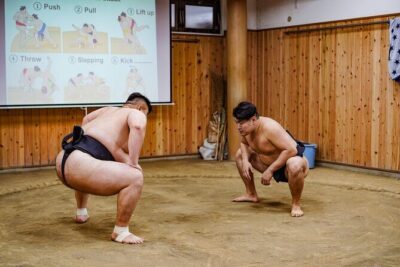
The core of the experience is the training session. You’ll watch wrestlers warm up and spar with each other during their morning practice. This is the part sports fans tend to love most, because you get to see intensity up close.
You’ll also get context from your guide as things happen, not in a vague history lecture. Different guides have led this tour with names you may hear like Hana, Kentake, or Yuki, and the common thread is clear explanations that help you understand what you’re seeing and why it matters.
One small reality check: practice can feel repetitive at times. That’s not a flaw. It’s how training works. Still, if you expected constant high drama every minute, you might find that the session’s rhythm is more gradual than tournament footage.
Worth weighing up alongside this Tokyo pick:

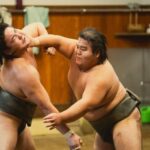
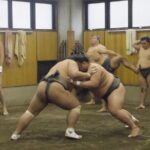

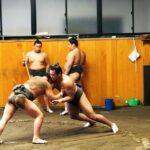
Photo Opportunity With Wrestlers: How to Get the Shot Respectfully
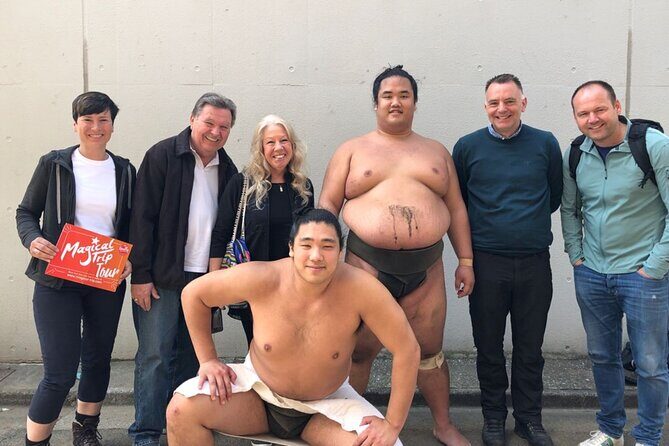
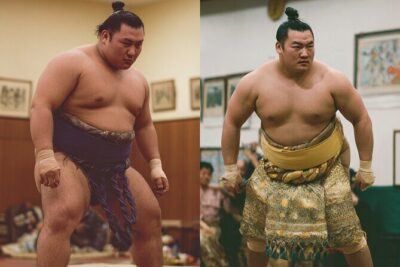
This tour includes a photo opportunity, which is a big draw for first-timers. You’re not just watching from afar; you’re given a chance to photograph the wrestlers and even pose for pictures with them.
The best way to think about the photo moment is that it’s part of respecting the stable’s routine. Keep your movements calm and follow whatever your guide says on where you should stand and when you should raise your camera. It’s not a free-for-all, and that restraint is what keeps the experience positive for everyone.
If you care about photos, arriving on time for seating matters even more than you’d expect. When you’re closer to the tatami area, you’ll generally have an easier time getting clear shots during the viewing period and the eventual photo time.
Rules Inside the Stable: Off-Limits Areas and Tatami-Only Access
This tour has clear boundaries because stables run by tradition and rules. Here’s what you should plan for:
- All areas are off-limits except the tatami areas where visitors are allowed to sit or stand for viewing.
- Your guide will direct you on where you can be during the session.
This means you should not assume you can walk around, peek into side rooms, or take photos from any angle you want. The experience is close, but it’s close in a controlled way.
Also, the stable setting can mean you’ll be more mindful of body language. Speak softly, keep your camera ready but don’t block others, and treat this like a working space.
Hot Tokyo Morning Reality: What to Wear and Bring at 8 a.m.
Even though the tour starts early, summer in Japan is still hot and humid. You’ll be outside briefly around the meeting point and in transit, then you’ll spend time watching practice in the stable.
Bring water. Wear a hat. This isn’t just comfort advice. Heat can hit fast when you’re standing, waiting for instructions, and focusing for a full morning block. I’d rather you show up feeling prepared than trying to find water once you’re already committed to the schedule.
Price and Value: Why $99.10 Can Make Sense Here
At $99.10 per person, this isn’t the kind of activity you treat like a casual add-on. The value comes from a few specific things working together.
First, you’re paying for exclusive access to a stable practice, not a tourist-friendly reenactment. Tournament sumo is exciting, but training is where you see discipline and technique in action.
Second, you get a small-group format (max 10), which usually improves the quality of the experience. A larger group tends to mean longer waiting and less personal attention. Here, your guide is more likely to keep the pace manageable and answer questions in a real way.
Third, the photo opportunity adds tangible payoff. It’s one thing to take photos of wrestlers from a distance; it’s another to get that posed moment while still following stable rules.
Who This Tour Fits Best (and Who Might Not)
This is a great fit for:
- Sports and culture fans who like watching technique, not only cheering outcomes
- People who want a short morning plan that doesn’t swallow half a day
- Travelers who enjoy guided context, especially explanations tied to what’s happening in real time
- Anyone hoping for respectful access and a photo moment that goes beyond a distant view
It may not be ideal if:
- You strongly dislike early mornings. This starts at 8:00 a.m.
- You need a constant stream of action every minute. Practice has a training rhythm, and some repetition is part of it.
- You’re very sensitive about seating positions. First come first served means you should arrive early for the best view.
Practical Tips That Make the Difference
Here are a few details that matter more than people expect:
- Arrive early for seating. The stable seating can be limited, and late arrivals may sit 2–3 rows back.
- Plan for tatami-only access. You’re there to watch from allowed areas, not to wander.
- Bring water and a hat in summer. Humidity can turn a short wait into an uncomfortable one.
- Use your mobile ticket. It’s a mobile ticket experience, so have it ready on your phone.
Also, the tour is described as near public transportation, which is helpful in Tokyo. You won’t feel forced into a long taxi ride just to start the day.
Should You Book? My honest take
If you’re the kind of traveler who likes seeing how things actually work, this is an easy yes. The morning stable practice format gives you a behind-the-scenes look at sumo that tournament tickets can’t replicate. Add in the small-group size and the chance for photos, and the experience feels worth the money.
I’d book it especially if you want a morning plan that’s both cultural and practical: you get guided context, a real viewing experience, and a short time commitment. Just arrive on time so you’re not stuck with a more distant seat, and come prepared for Tokyo’s humidity if you’re going in summer.
FAQ
Where does the tour meet?
The tour meets at Oshiage Station at the taxi stand inside the station rotary area.
What time does the sumo practice start?
The start time is 8:00 a.m.
How long is the experience?
The duration is about 2 hours.
How many people are in the group?
The tour has a maximum of 10 travelers.
Is there a photo opportunity?
Yes. You’ll have a photo opportunity with the wrestlers and can pose for pictures.
What parts of the stable can visitors access?
All areas are off-limits except the tatami (straw flooring) areas.
Will seating be guaranteed in the front?
No. Seating is first come first served, and late visitors may be seated 2–3 rows from the front.
What should I bring for summer weather?
Bring water and wear a hat to help prevent heat stroke in hot, humid summer conditions.
How do I access my ticket?
You’ll receive a mobile ticket.
What is the cancellation policy?
You can cancel for a full refund up to 24 hours before the experience starts.
More Morning in Tokyo

More Tour Reviews in Tokyo






More Mornings with the Wrestlers

Fresh reviews from around Tokyo






Sumo Shows, compared.
 ★ 4.8Sumo Show Experience with Chicken Hot Pot and a PhotoFrom $1036,678 reviews
 ★ 4.8Sumo Show and Dining ExperienceFrom $792,742 reviews
 ★ 5.0the SUMO showFrom $891,960 reviews
 ★ 5.0Tokyo Shinjuku Sumo Show & Experience with PhotoFrom $791,750 reviews
 ★ 4.8Sumo Show and Experience in ShinjukuFrom $691,001 reviews
 ★ 5.0Authentic Sumo Experience in Tokyo: Enter the SanctuaryFrom $171603 reviews
 ★ 4.8Tokyo Sumo Experience: Chanko & Mochi with a Former ProFrom $103567 reviews
 ★ 5.0Ultimate Sumo Tournament: Tokyo, Osaka, Nagoya, FukuokaFrom $184468 reviews
Browse the lists this tour appears in