
Reviewed · WORKSHOPS
3-Hour Small-Group Sushi Making Class in Tokyo
Sushi gets real when your hands are involved. This 3-hour Tokyo class turns you from sushi fan to sushi maker, with ingredients included and guidance throughout. Small-group access means you can ask questions while you work, and the hands-on format keeps every step practical, from sushi rice to rolling and shaping.
I like that the menu is built for learning, not just eating. You’ll make nigiri by hand, sweet inari in a tofu pouch, thin hosomaki rolls, and a classic California roll. One possible consideration: the class uses pre-sliced fish, so you won’t get instruction on cutting raw fish, and it’s not a hotel pickup situation, so you’ll want to plan transit to Cooking Sun Tokyo.
In This Review
- Key things I’d watch for
- Why Cooking Sun’s Tokyo sushi class feels like a real skill, not a demo
- Where Cooking Sun Tokyo is and how to plan your afternoon
- The 3-hour flow: what you actually do from first bite to final plate
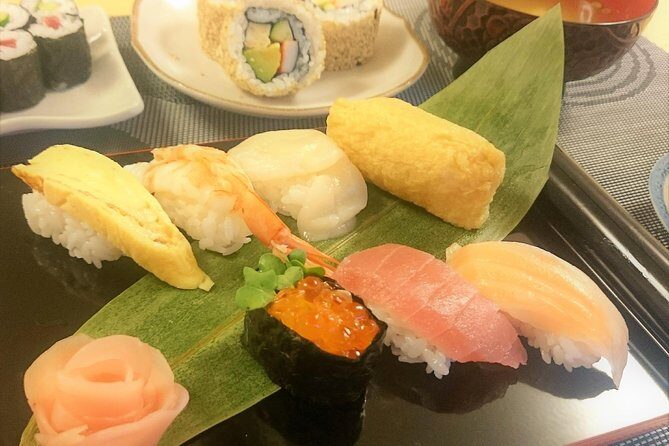
- Your sushi menu: nigiri, inari, hosomaki, and California roll
- Nigiri (hand-pressed sushi)
- Inari (sweet tofu pouch sushi)
- Hosomaki (thin roll)
- California roll
- Tamagoyaki and sushi rice: the two skills that make or break your result
- Sushi rice
- Tamagoyaki
- Assembly tricks: rolling, shaping, and keeping it from falling apart
- The meal at the end: eating is part of the lesson
- Price and value: why $72.67 can make sense for Tokyo
- Who this class suits best (and who might want a different format)
- Should you book Cooking Sun’s sushi workshop?
- FAQ
- What is the duration of the sushi making class?
- How many people are in the class?
- Is the instruction available in English?
- What sushi types will I learn to make?
- Does the class include ingredients and recipes?
- Will I learn how to cut raw fish?
- Is there a vegetarian option?
- Where is the class meeting point, and is pickup included?
- Can I cancel for a full refund?
Key things I’d watch for
- Max 9 people keeps the class interactive and teacher-focused.
- English-friendly instruction makes the steps feel doable, even if you’re new to sushi.
- Pre-sliced fish only means more time on rice and assembly, less on knife skills.
- You learn a full sequence: tamagoyaki, sushi rice, toppings, then rolling and shaping.
- You eat what you make with miso soup, wasabi, and pickled ginger.
- Vegetarian option available if you tell them in advance.
More things to make with your own hands
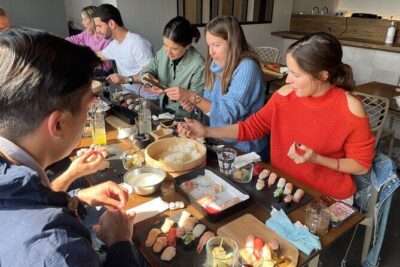
- Sushi Making Tokyo Roll and Authentic Japanese Sushi Class★ 5.0 · 3,971 reviews
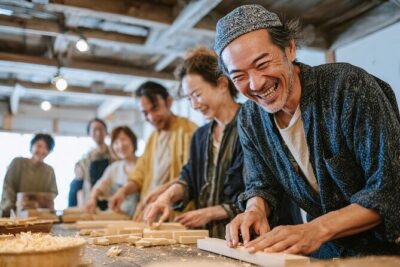
- Tokyo Shinjuku Chopsticks Making Class★ 5.0 · 1,763 reviews
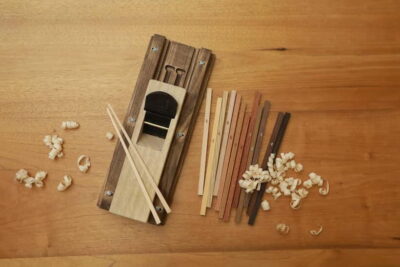
- Chopstick Making Workshop in Ginza★ 4.8 · 1,366 reviews
Why Cooking Sun’s Tokyo sushi class feels like a real skill, not a demo
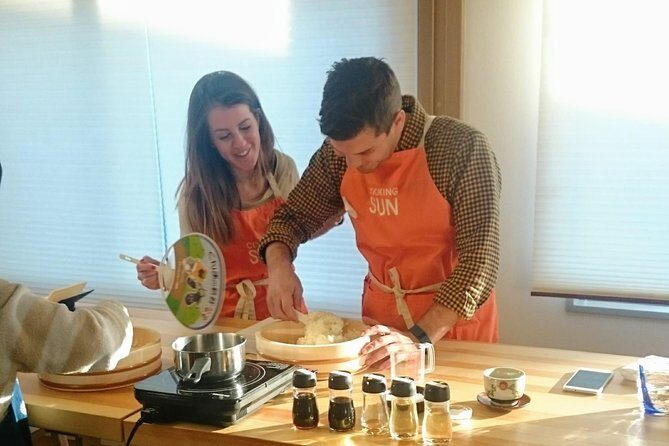
This kind of workshop works in Tokyo for one big reason: sushi is technique-heavy. You can’t truly copy it just by watching someone roll. Here, you’re doing the work, with the ingredients and steps laid out so you can recreate it later.
I especially like that the class starts with the building blocks. The instructors don’t rush you into the fun parts before the basics make sense. Once your sushi rice is right and your tamagoyaki is cooked, everything else (nigiri, hosomaki, and the California roll) starts to feel less mysterious.
If you’ve ever struggled with sushi rice sticking, uneven rolls, or toppings sliding around, this format helps you fix those issues in the moment. And you’ll leave with recipes, not just a memory.
Where Cooking Sun Tokyo is and how to plan your afternoon
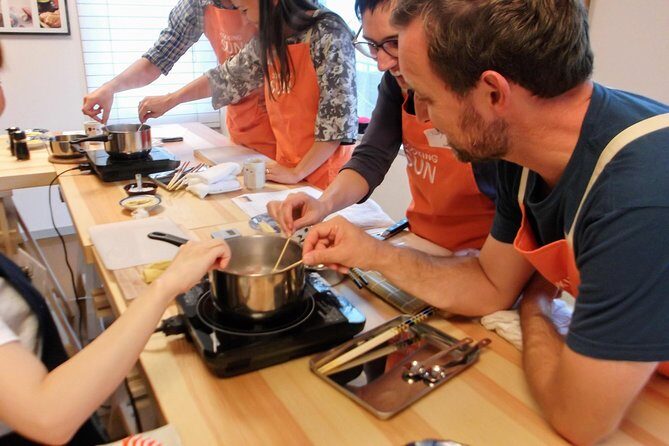
The class meets at Cooking Sun Tokyo, in Shinanomachi near Shinjuku (160-0016). It’s close to public transportation, which matters because there’s no hotel pickup or drop-off.
The start time listed is 1:30 pm, and the experience runs about 3 hours. That timing is good for travelers who want something hands-on without burning the whole day. It also gives you an easy buffer before dinner plans, since you’ll finish by eating your sushi creations.
Bring your appetite, and also a realistic mindset: rolling looks tidy in photos, but in real life you’re learning muscle memory. Come ready to make a few imperfect pieces that still taste great.
The 3-hour flow: what you actually do from first bite to final plate
The workshop follows a clear rhythm, and that’s part of why it’s popular with beginners.
First, you get an introduction to key Japanese ingredients and seasonings. You’ll hear about things like dashi and miso, plus the traditional flavor basics that show up throughout Japanese cooking. This matters because sushi isn’t only fish and rice. It’s balance.
Next comes a demonstration, then hands-on prep. You’ll make tamagoyaki, the Japanese rolled omelet. Even if you’re not trying to become a breakfast chef, learning tamagoyaki helps you understand texture, slicing, and how fillings work inside rolls.
After that, you prepare sushi rice and toppings. Then you move into the parts most people care about: rolling and shaping. You’re not just assembling one type. You’ll work through a set of sushi styles so you understand how each one is built.
Finally, you eat. The meal includes miso soup, fresh wasabi, and pickled ginger. That last part isn’t just a bonus; it’s how the whole class locks in. You taste the results right away while the steps are still fresh.
Your sushi menu: nigiri, inari, hosomaki, and California roll
The class is set up as a mini tour of sushi styles. Here’s what that means for your learning.
Worth weighing up alongside this Tokyo pick:



Nigiri (hand-pressed sushi)
Nigiri teaches portion and shape. The key skill is how the rice supports the topping. You’ll learn how to press and position so pieces hold together without looking like a messy rice brick.
Inari (sweet tofu pouch sushi)
Inari is different, and that’s the point. Instead of raw fish or a roll, you’re working with sweet tofu pouches. It’s a great way to see sushi as a broader concept than “raw fish on rice.” It also adds a sweet-savory contrast that’s easier to get right in a short class.
Hosomaki (thin roll)
Hosomaki focuses on rolling technique. Thin rolls demand attention to how much filling you add and how you seal. If you’ve ever eaten a roll that tasted fine but fell apart, this teaches the fixes.
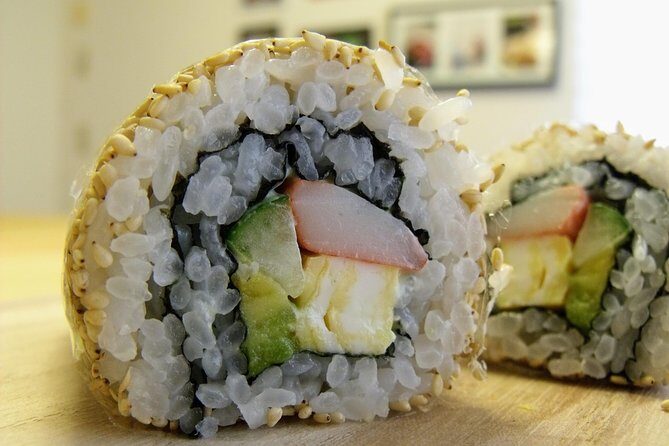
California roll
The California roll is a practical crowd-pleaser and very learnable. It brings together rolling, topping distribution, and how to cut and present pieces neatly. It’s also a way to compare your results to what you’ve likely eaten outside Japan, so you can spot the differences in rice texture and overall balance.
Tamagoyaki and sushi rice: the two skills that make or break your result
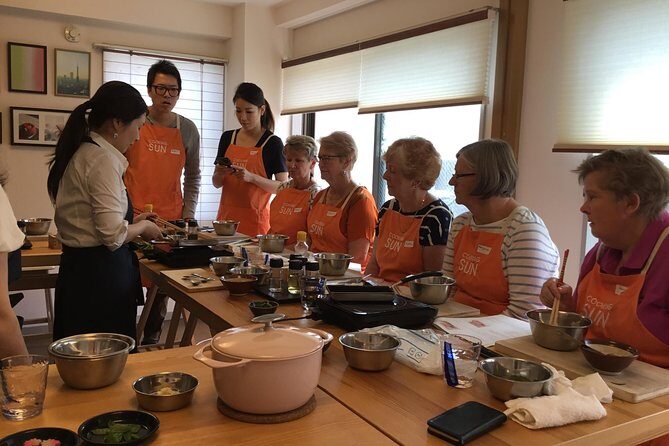
If I had to pick the biggest value inside this class, it’s the focus on sushi rice and tamagoyaki. These two parts show up in different forms across the sushi you make.
Sushi rice
Sushi rice needs the right stickiness and seasoning balance. In a beginner-friendly class, you don’t just measure and hope. You get guided steps that help you understand how seasoning and temperature affect the final feel.
Once you’ve worked with the rice, you start realizing why good sushi rice changes everything. Your toppings behave better, rolls seal more easily, and nigiri holds shape with less struggle.
Tamagoyaki
Tamagoyaki can look intimidating. The upside is that it’s learnable with guidance. Cooking Sun’s class uses this rolled omelet as a filling base, so you’re building a specific skill, not doing random culinary theater.
When your tamagoyaki is done, you’re not just proud of the look. You’re ready to cut and place it correctly for rolls.
Assembly tricks: rolling, shaping, and keeping it from falling apart
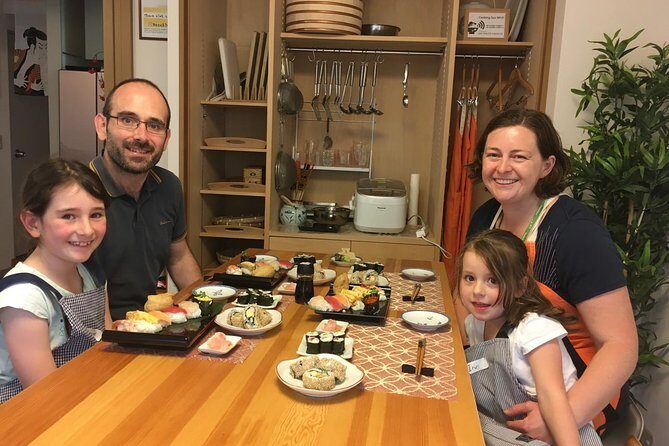
This is where the small group setup matters. With a maximum of 9 people, you’re not stuck waiting for one long teacher lecture. You can get help while you still remember what went wrong.
The class guides you through:
- Preparing toppings and fillings
- Rolling techniques for hosomaki and California roll
- Shaping steps for nigiri
- Putting it together so each piece stays intact
There’s also an important note for expectations: the class uses pre-sliced fish. So you’ll spend time learning rice and assembly rather than cutting raw fish. If you were hoping for serious knife-work instruction, you’ll want to look for a different style of workshop. If your goal is to learn how sushi comes together, this is a good match.
The meal at the end: eating is part of the lesson
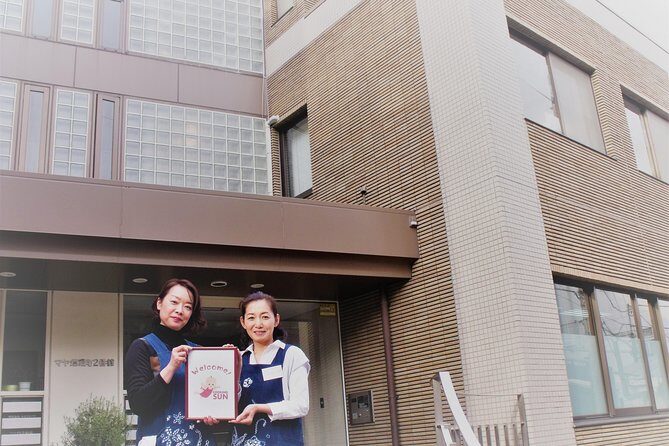
After cooking, you sit down and eat your sushi creations. The meal includes miso soup, fresh wasabi, and pickled ginger.
This works because it reinforces the flavor logic. You taste the balance you built during the rice and topping steps. You also get to judge texture and saltiness immediately, instead of guessing at home later.
And yes, portion size can feel surprising. With multiple sushi styles on your plate, you’ll likely end up with a full meal, not just “a little snack to taste.”
Price and value: why $72.67 can make sense for Tokyo
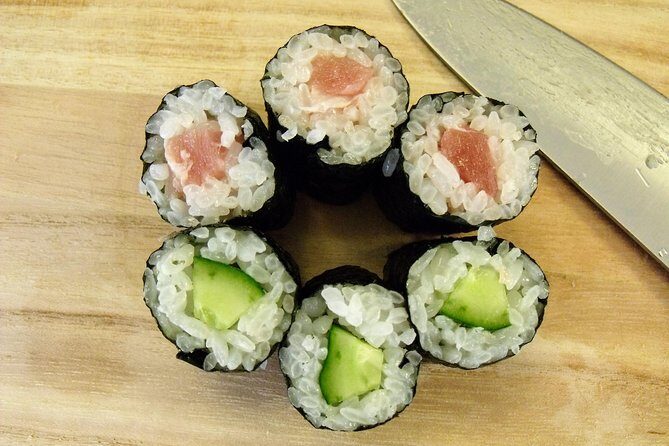
At $72.67 per person for about 3 hours, this class looks like a lot until you break down what’s included.
You get:
- A local, English-speaking cooking instructor
- Recipes and ingredients provided
- Apron and towel rental
- A full meal built from what you cook
That combination is where the value sits. If you try to replicate the experience alone later, you’ll still need sushi rice, nori, tofu pouches for inari, seasonings like dashi/miso-based ingredients, plus fish and toppings if you go that route. On top of ingredients, you’ll also miss the guided correction when things go off track.
Also, because it’s a small-group class, you’re paying for attention from the instructor, not just a ticket to a kitchen.
Who this class suits best (and who might want a different format)
This sushi making class is a great fit if:
- You’re a sushi fan who wants a skill you can actually repeat at home
- You have no cooking experience and want English-friendly guidance
- You’d rather learn technique than just tour Tokyo food spots
- You’re traveling solo, as a couple, or with a small group and want something social but not chaotic
It’s also family-friendly in practice since the minimum age is 6 and the class is designed as a small, supportive workshop environment.
You might consider a different option if:
- You want instruction on cutting raw fish (this one does not cover that)
- You strongly prefer hotel pickup or a fully organized door-to-door experience (there’s no pickup here)
- You have a dietary situation that requires special handling and you didn’t plan to mention it when booking (vegetarian is available, but you need to request it)
Should you book Cooking Sun’s sushi workshop?
I’d book it if your goal is simple: make sushi in Tokyo with a real teacher guiding the steps, then eat what you made. The small-group size, English-friendly structure, and full set of sushi styles (nigiri, inari, hosomaki, California roll) make it a strong “learn and practice” experience.
I’d hesitate only if raw fish cutting instruction is essential for you. Otherwise, this is one of those Tokyo activities that turns into a memory plus a skill.
If you come hungry, take your time with the rice and rolling, and ask questions as you go, you’ll walk out with something better than a photo. You’ll have a process you can repeat at home.
FAQ
What is the duration of the sushi making class?
The class runs for about 3 hours.
How many people are in the class?
The class has a maximum of 9 people.
Is the instruction available in English?
Yes. It’s an English-friendly sushi making class with a local instructor.
What sushi types will I learn to make?
You’ll learn to make nigiri, inari, hosomaki, and a California roll.
Does the class include ingredients and recipes?
Yes. Recipes and ingredients are included, along with an apron and towel rental.
Will I learn how to cut raw fish?
No. The class uses pre-sliced fish, and it does not include instruction on cutting raw fish.
Is there a vegetarian option?
Yes, a vegetarian option is available. You need to advise at booking if you require it.
Where is the class meeting point, and is pickup included?
The meeting point is Cooking Sun Tokyo. Hotel pickup and drop-off are not included.
Can I cancel for a full refund?
Yes, free cancellation is available up to 24 hours before the experience’s start time for a full refund. The experience requires good weather, and if it’s canceled due to poor weather you’ll be offered a different date or a full refund.
More 3-Hour Experiences in Tokyo

Make Something to Take Home


More Tour Reviews in Tokyo






Fresh reviews from around Tokyo






Workshops, compared.
 ★ 5.0Sushi Making Tokyo Roll and Authentic Japanese Sushi ClassFrom $593,971 reviews
 ★ 5.0Tokyo Shinjuku Chopsticks Making ClassFrom $201,763 reviews
 ★ 4.8Chopstick Making Workshop in GinzaFrom $251,366 reviews
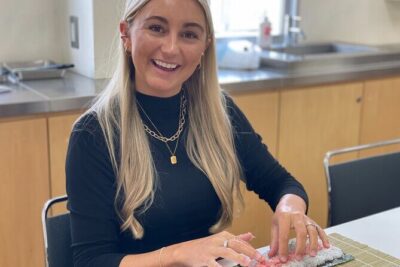 ★ 5.0Tokyo Sushi Making Class in Tsukiji with Professional ChefFrom $491,177 reviews
 ★ 5.0Ramen & Gyoza Cooking Class in Tokyo with Local Supermarket VisitFrom $122823 reviews
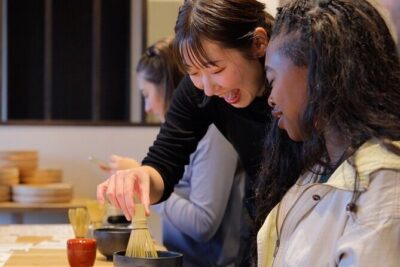 ★ 5.0Matcha Making Class in Tokyo with Authentic Japanese Sweets SetFrom $21744 reviews
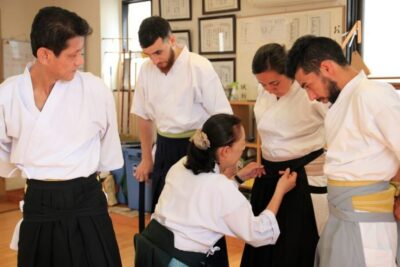 ★ 5.0Samurai Sword & Archery Class from Samurai DescendantFrom $193603 reviews
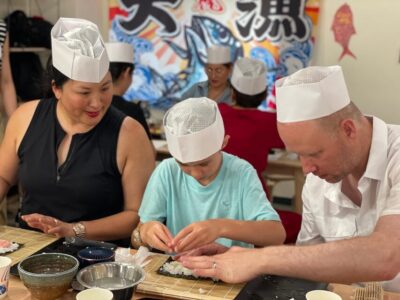 ★ 4.9Tsukiji Fish Market Sushi Making Class with Pro ChefFrom $63506 reviews
Browse the lists this tour appears in