
Reviewed · CYCLING TOURS
3-Hour Tokyo Private E-Bike Tour Starting from Your Hotel
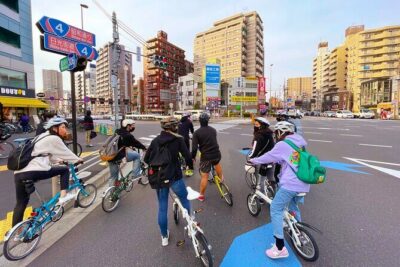
Tokyo makes sense on two wheels. This private 3-hour e-bike tour lets your guide handle the tricky streets, with hotel pickup and drop-off so you can start smoothly. You’ll get an easy e-assist ride to big sights like Tokyo Tower and Shibuya Crossing, plus the chance to see calmer photo spots your map won’t find. One key consideration: depending on your start and route, some listed stops might not be included.
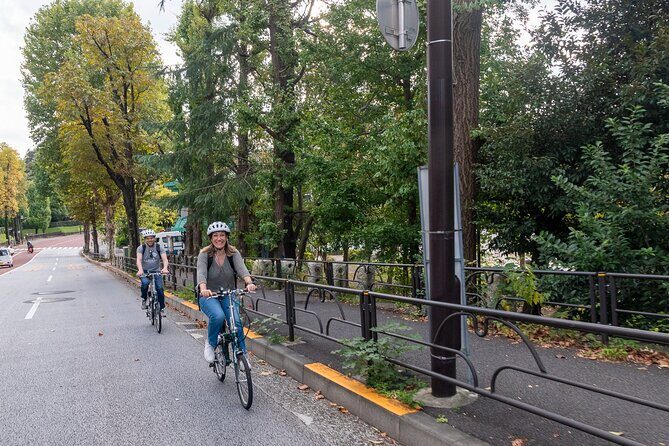
What really lifts this experience is the private, customized pacing. In recent rides, the guide has been Kazuma, and the vibe is practical and safety-first, with clear road rules before you roll. You’re also expected to put the phone away while you ride, which takes a minute to get used to, but it helps keep the group together.
In This Review
- Key Highlights That Make This Worth Your Time
- Your Hotel Is the Starting Line, Not a Guess
- The value of a private tour in a fast city
- E-Bike Setup and Safety: What to Expect Before You Ride
- A practical checklist for comfort
- How the 3-Hour Route Flows From Big Sights to Real Tokyo
- Admissions that are handled for you
- Tokyo Tower: The Photo Spot Plus the Quiet Angles
- What to watch for
- Imperial Palace Perimeter: History You Can Walk Through
- Why this works in a 3-hour window
- Parks That Let Tokyo Breathe: Yoyogi and Ueno
- Shioiri Park and cherry blossoms (season dependent)
- The big benefit of short park stops
- Kanda Shrine: A Different Side of Tokyo
- A gentle reminder
- Tsukishima Monjya Street: Where Food Culture Gets Specific
- Optional stops during the ride
- Shibuya Crossing by Bicycle: Stand in It, Don’t Just Watch It
- What can be tricky
- Tokyo Metropolitan Government Buildings: Big-View Photo Opportunities
- How to get the best photos
- Kaminarimon Gate: Asakusa’s Lantern, Time on Foot
- A good reality check
- Price and Value: What $145.35 Buys You in Tokyo
- Who Should Book This E-Bike Tour (and Who Might Skip It)
- Best match by traveler style
- Should You Book Tokyo Bike Bliss for a Private E-Bike Afternoon?
- FAQ
- What’s included in the tour price?
- Is hotel pickup and drop-off included?
- How long is the tour?
- Is this tour private or shared?
- Are any admissions included?
- What’s not included?
- What are the requirements for participants?
- Is there a rule about phones and earphones while riding?
- Can I change the start/end time or the places visited?
- What if the weather is bad?
- What’s the cancellation window for a full refund?
Key Highlights That Make This Worth Your Time
- Hotel pickup and drop-off saves you from Tokyo’s “where is the station entrance” moments
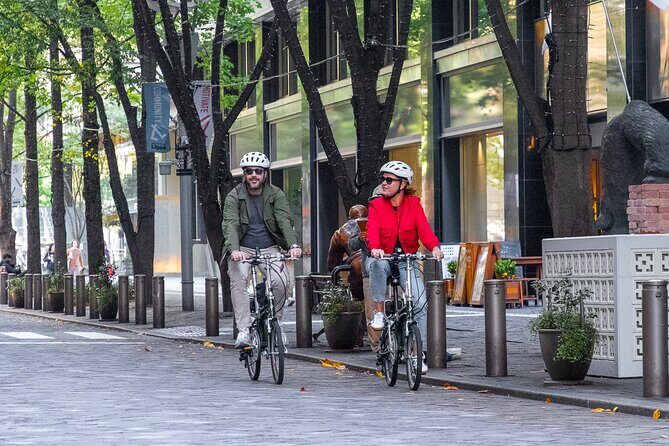
- E-bikes with e-assist make hills and longer stretches feel manageable
- Private route at your pace means you can linger at a view or move on quickly
- Tokyo Tower and Shibuya Crossing are handled with guidance, timing, and safer flow
- A mix of big sights and local textures like shrines and Tsukishima Monja street
- Free admissions are included for the listed stops (when that stop is on your route)
More of Tokyo by bike
- Tokyo Guided Small-Group Biking Tour★ 5.0 · 1,250 reviews
- Tokyo Great Cycling Tour★ 5.0 · 811 reviews
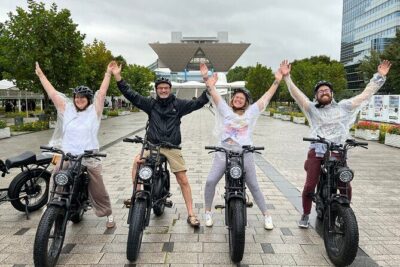
- Tokyo Top Highlights 3h Guided E-bike Tour★ 5.0 · 714 reviews
Your Hotel Is the Starting Line, Not a Guess
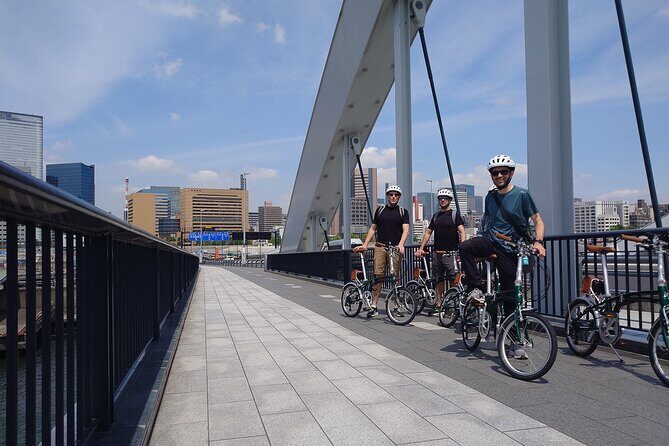
This tour is built around one smart idea: start where you’re staying. Pickup and drop-off mean you don’t spend your limited Tokyo time figuring out train lines, station exits, and crosswalk logistics before you even see the sights. For many people, a first-day plan like this is gold, because you come away knowing where areas are and how they connect.
You also get a private setup. That matters in Tokyo, where it’s easy to feel swept along in busy crowds. Here, you’re not competing with strangers for sidewalk space. Your guide can adjust pacing, stop length, and route choices based on your group.
The value of a private tour in a fast city
Three hours is a short window. A private guide helps you use it well by:
- taking you along routes that avoid unnecessary detours
- explaining what you’re seeing (not just pointing)
- keeping the ride moving without rushing your group
E-Bike Setup and Safety: What to Expect Before You Ride
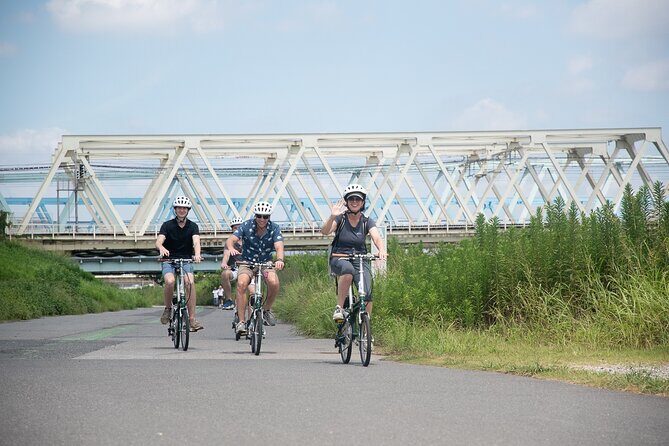
You get the bike and a helmet. There’s also insurance included and a quick briefing on Japan road rules before you start, which is a big deal if you’re not used to cycling in a dense city. The e-bike is e-assist, meaning you still pedal, but the motor helps. In plain terms, it makes longer rides feel less punishing and helps with gentle climbs.
There are limits and rules, and you should read them closely before you book. The tour notes ideal height and weight ranges (145 cm to 185 cm, under 100 kg), and it asks you to avoid certain footwear and clothing like sandals/flip-flops and wide-flaring or high-heeled shoes. Also, no smartphone use while cycling and no wireless earphones—your attention needs to stay on the group and the road.
A practical checklist for comfort
I recommend packing smart for a bike tour:
- wear closed, secure shoes
- bring layers if the weather turns
- keep your phone put away during the ride (you can use it when you stop)
One more small but important point: the tour is subject to good weather. If conditions aren’t suitable, you’ll be offered a different date or a full refund.
More private options with your own guide

How the 3-Hour Route Flows From Big Sights to Real Tokyo
The itinerary has a menu of stops, but your actual route depends on where you start and end and what you request. That’s not a downside, it’s how private tours stay workable in Tokyo. In practice, you’ll ride through a sequence that usually moves from iconic sights toward lively intersections and then into calmer neighborhoods.
Your guide also has the freedom to include or skip certain stops. Some stops are clearly “may vary” like Tokyo Tower, Imperial Palace perimeter areas, Yoyogi Park, Shioiri Park, Ueno Park, Kanda Shrine, Tsukishima Monja Street, Shibuya Crossing, Tokyo Metropolitan Government Buildings, and Kaminarimon Gate. If you have “must-see” places, make the request when you book, understanding it may affect price.
Admissions that are handled for you
For the listed stops, the tour specifies admission tickets are free. That’s one less cost to calculate on the day.
Tokyo Tower: The Photo Spot Plus the Quiet Angles
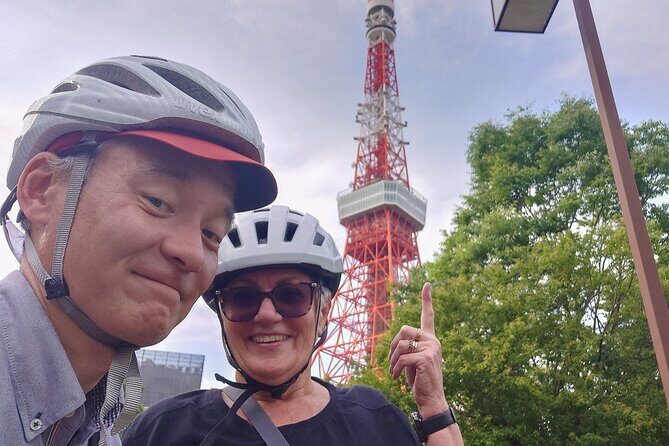
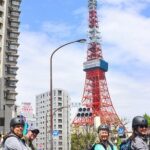
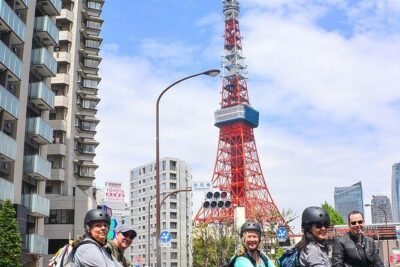
Tokyo Tower is on the itinerary, and it can be more than a single skyline shot. The tour is designed to give you a chance at both famous viewpoints and quieter spots your guide knows. That’s useful because the “classic” areas can be crowded, and photos taken from the wrong angle can look flatter than you expect.
If Tokyo Tower isn’t included on your specific route, don’t panic. You’ll still get the same guide logic—moving you toward signature views and making the ride feel efficient.
What to watch for
This stop is short. Plan to use those minutes for:
- a couple of photos from different angles
- listening for the story behind why the tower shows up in so many Tokyo postcards
- a quick reset before you roll again
Imperial Palace Perimeter: History You Can Walk Through
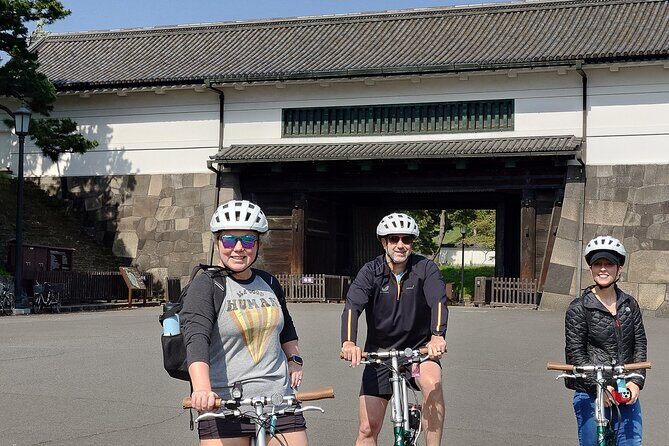
The Imperial Palace stop focuses on the perimeter around the former moats. This isn’t about wandering inside. It’s about understanding the space—why those boundaries exist, how the surrounding landmarks fit together, and how the Japanese approach to history and place shows up in everyday geography.
This is also one of those stops that can be easy to gloss over if you’re on your own. On a bike tour, you move through the area quickly, and the guide gives you the meaning behind what you’re seeing.
Why this works in a 3-hour window
You get educational context without turning the afternoon into a museum day. If you’re coming to Tokyo for the first time, it helps you understand the city’s layout and why certain areas feel “formal” compared with neighborhood streets.
Parks That Let Tokyo Breathe: Yoyogi and Ueno
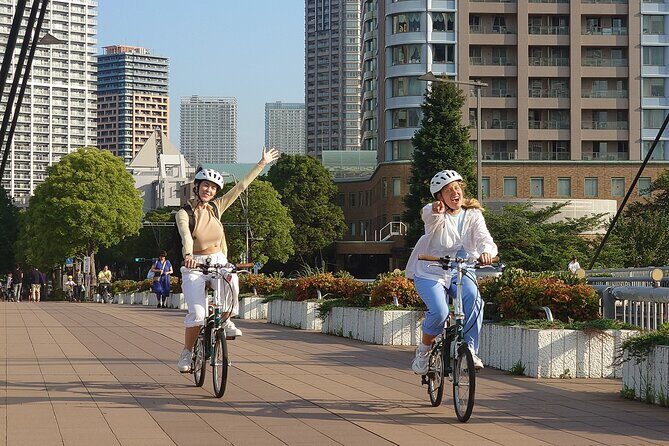
Two big parks are in the mix: Yoyogi Park and Ueno Park, each typically with about a 10-minute stop. In Tokyo, parks aren’t just “green space.” They’re social rooms for locals—places where you see how people actually move through the city.
Yoyogi Park is the kind of place where a bike ride feels like you’ve stepped out of traffic for a moment. Ueno Park is larger and significant, and the guide can help you connect why it matters in how Tokyo organizes recreation and culture.
Shioiri Park and cherry blossoms (season dependent)
Shioiri Park is also listed, with the note about cherry blossoms and a bit of extra guidance beyond what most basic guides include. In other words: if you hit it during season, it can be a standout visual moment.
The big benefit of short park stops
A 10-minute park break is just long enough for:
- a stretch
- a calmer photo
- a breather after city cycling
Kanda Shrine: A Different Side of Tokyo
Kanda Shrine adds spiritual depth without turning your tour into a long religious detour. The tour description frames it as spiritually powerful and emphasizes what this kind of site can teach you about Japanese culture beyond the obvious tourist headlines.
This is also one of the stops where your guide’s voice really matters. A shrine can look beautiful and still feel confusing if you don’t know what you’re looking at. Here, you’re spending just enough time to make it click.
A gentle reminder
Keep your group together, watch your footing, and follow any local guidance around the shrine area. Even with a bike tour, these are walking moments.
Tsukishima Monjya Street: Where Food Culture Gets Specific
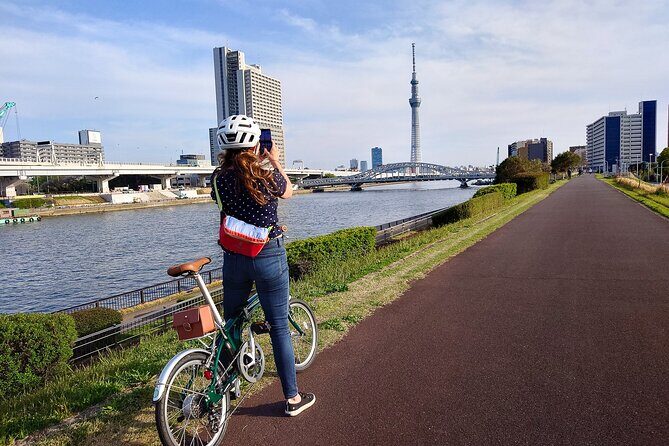
Tsukishima Monjya Street is listed as a food stop—famous for Monja (often spelled Monjya)—and it’s framed as the kind of local detail you can’t easily reach without a guide. This is the “Tokyo neighborhoods” side of the tour: street texture, food culture, and local history that doesn’t always show up in generic sightseeing plans.
If your route includes this stop, expect it to be more about meaning than scenery. It’s the sort of place where you can leave with a better sense of what locals talk about and why.
Optional stops during the ride
Some rides include choices for breaks, such as stopping at convenience stores or places to grab coffee. The tour itself doesn’t include lunch, bottled water, or coffee/tea, so if you want a snack, you’ll typically buy it on your own during a stop. That’s normal and easy to plan for.
Shibuya Crossing by Bicycle: Stand in It, Don’t Just Watch It
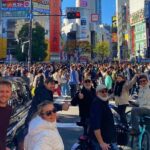
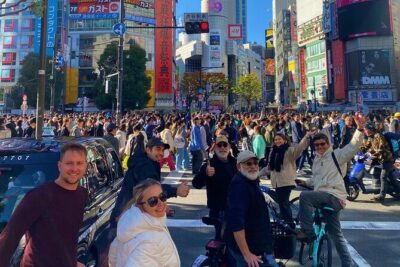
Shibuya Crossing is arguably the most famous junction in the world, and the tour includes a chance to visit it by bicycle. That means you’re not just standing at a distance. You’re moving through the flow with your guide managing the timing and route.
This stop is about being in the moment—seeing how people cross, how the streets feed into each other, and how Tokyo’s system works at street level. It’s loud, it’s fast, and it can feel overwhelming if you come without a plan. With a guide, you get a more controlled experience.
What can be tricky
Crowds can affect exactly how the route feels, and this stop can vary based on timing and your route. Still, if it’s on your itinerary, it’s a payoff stop.
Tokyo Metropolitan Government Buildings: Big-View Photo Opportunities
The Tokyo Metropolitan Government Buildings stop is about a twin-tower look from a strong viewing spot. This is a classic Tokyo “see the city’s scale” moment without making you book another long activity.
It’s short, which is good: in three hours, you want skyline views but you also want time to enjoy neighborhood details.
How to get the best photos
Use the guide’s positioning advice. Even when the view is the same for everyone, the angle changes how the city looks in your pictures.
Kaminarimon Gate: Asakusa’s Lantern, Time on Foot
Kaminarimon Gate is your Asakusa Senso-ji Temple gateway moment. The focus is the big lantern and the iconic entrance photo spot. It’s one of those “Tokyo you’ve seen in movies” scenes, but what matters here is how you experience it: you arrive by bike, with a guide who can help you find the best viewpoint quickly.
As with other stops, you might find this stop is included or not depending on route.
A good reality check
Because it’s a 10-minute stop, treat it like a photo and orientation moment. If you fall in love with Asakusa, you can always come back later and explore deeper when you have more time.
Price and Value: What $145.35 Buys You in Tokyo
At $145.35 per person for about 3 hours, you’re paying for a private guide, e-bike use, helmet, insurance, and the convenience of hotel pickup/drop-off. In Tokyo, that combination is where the value shows up.
Here’s how I think about the price:
- If you’d normally spend time commuting by train and walking with a map, pickup and drop-off can be a big chunk of your day back.
- If you’re traveling with family or teens, private pacing can be worth it fast, because the group doesn’t have to match strangers’ energy.
- If you’re not a confident cyclist, e-assist reduces the risk of a “we planned to bike but we survived it” day.
The main cost caveat: lunch, bottled water, coffee/tea, and snacks aren’t included. That means you should budget small extras during the ride if you want them.
Who Should Book This E-Bike Tour (and Who Might Skip It)
This is a strong fit if you want:
- a first-day orientation to understand Tokyo geography fast
- a guided look at both iconic sights and everyday neighborhoods
- a private experience that can flex with your pace
- a cycling-friendly plan without the strain of cycling everywhere on pure human power
It might not be the best choice if you:
- can’t follow the biking rules (no smartphone while cycling, no earphones)
- aren’t comfortable with the clothing/shoe requirements
- expect every single listed stop to be guaranteed, since the route depends on your start/end and requests
Best match by traveler style
I’d prioritize this for families, couples, and small groups who like structure but also want room to breathe. If you enjoy photo stops, parks, shrines, and food street texture, this route pattern fits.
Should You Book Tokyo Bike Bliss for a Private E-Bike Afternoon?
If you’re trying to do Tokyo efficiently and you want a guide to connect the dots, I’d book this. The strongest reasons are the hotel pickup/drop-off, the e-assist comfort, and the way the route mixes landmark moments with quieter, more local stops.
My final advice: decide your top two or three priorities before booking, and ask for those in your route request. That way, even though some stops may vary, the experience stays aligned with what you came to see.
FAQ
What’s included in the tour price?
The tour includes the use of the bicycle, a helmet, insurance, instructions about brief road regulations in Japan, and an in-person English guide.
Is hotel pickup and drop-off included?
Yes. Hotel pickup and drop-off are included for convenience.
How long is the tour?
The tour runs for about 3 hours.
Is this tour private or shared?
This is a private tour/activity. Only your group participates.
Are any admissions included?
For the listed stops, admission tickets are noted as free. (Stops may depend on the route.)
What’s not included?
Lunch, bottled water, and coffee and/or tea and snacks are not included.
What are the requirements for participants?
The tour states that most travelers can participate, with ideal height of 145cm to 185cm and less than 100kg. It also notes ideally for those 10 years old or older.
Is there a rule about phones and earphones while riding?
Yes. The tour includes no wireless earphones and no smartphone usage while cycling.
Can I change the start/end time or the places visited?
You can change the starting/ending time and spot, and you can request specific spots to visit. Changes are subject to additional charges and depend on the route for your start/end.
What if the weather is bad?
The experience requires good weather. If it’s canceled due to poor weather, you’ll be offered a different date or a full refund.
What’s the cancellation window for a full refund?
You can cancel up to 24 hours in advance for a full refund. Cancellation less than 24 hours before the start time isn’t refunded.
Tokyo on Two Wheels
More Tours in Tokyo




More Tour Reviews in Tokyo




Fresh reviews from around Tokyo






Cycling Tours, compared.
 ★ 5.0Tokyo Guided Small-Group Biking TourFrom $1061,250 reviews
 ★ 5.0Tokyo Great Cycling TourFrom $99811 reviews
 ★ 5.0Tokyo Top Highlights 3h Guided E-bike TourFrom $63714 reviews
3-Hour Bike or E-Bike City Highlights TourFrom $45435 reviews
★ 5.0Tokyo Top Highlights 3h Guided E-bike TourFrom $63714 reviews
3-Hour Bike or E-Bike City Highlights TourFrom $45435 reviews
 ★ 5.0Tokyo West-Side Cycling & Food TourFrom $99214 reviews
 ★ 5.03-Hour Bike/E-Bike Tour of the City’s HighlightsFrom $63209 reviews
 ★ 5.0Small Group Cycling Tour in TokyoFrom $66184 reviews
 ★ 5.0Tokyo downtown bicycle tour Tokyo Backstreets Bike TourFrom $65117 reviews
Browse the lists this tour appears in