
Reviewed · AKIHABARA OTAKU TOURS
Akihabara: Self-Guided Tour with a special brochure
Akihabara is a choose-your-own-adventure. This self-guided day turns Japan’s anime and electronics zone into a walkable plan, with an English brochure that helps you target shops, foods, and side stops at your pace. I like the straightforward focus on practical “what to look for” shopping—manga in English, retro games, and even hints for spotting rare hardware and software. I also like that the brochure includes a Google map link, so you’re not bouncing between screenshots. The main drawback to plan for: a few people have had trouble locating the brochure or the map link, so you’ll want to have it ready before you start walking.
If you’re traveling solo, this format fits Akihabara like a glove. You start near Akihabara Station, follow the clues when you feel like it, and skip anything that doesn’t match your mood. At $6 for a full day, it’s one of the better “low-cost structure” options—assuming you’re comfortable using your smartphone as your brain.
In This Review
- Key things I’d look for before you go
- Why Akihabara Works Best With a No-Guide Brochure
- Starting at Akihabara Station: Get Oriented Fast
- Anime Shops, English Manga, and What to Browse First
- Retro Games and Electronics: How to Shop Without Getting Lost
- Taito Station and Arcade Time: A Good Use of 1 Day
- Maid Café Option: When to Go and How to Say It
- Food Picks and the Tanaka Ramen Reality Check
- Other Small Stops: Batting Cages and Quick Wins
- Price and Value: Why $6 Is a Surprisingly Smart Bet
- Small Risks to Know Before You Rely on the Brochure
- Who Should Book This Akihabara Self-Guided Tour
- Should You Book This Akihabara Self-Guided Tour?
- FAQ
- Is this a guided tour or no-guide?
- Where should I start?
- What does the tour include?
- Do I need an English-speaking guide?
- How long is the experience?
- Do I need anything in advance?
- Can I choose stops like a maid café on my own?
- What is the price?
- Is transportation like hotel pickup included?
- Is wheelchair accessibility available?
- What if my plans change?
Key things I’d look for before you go
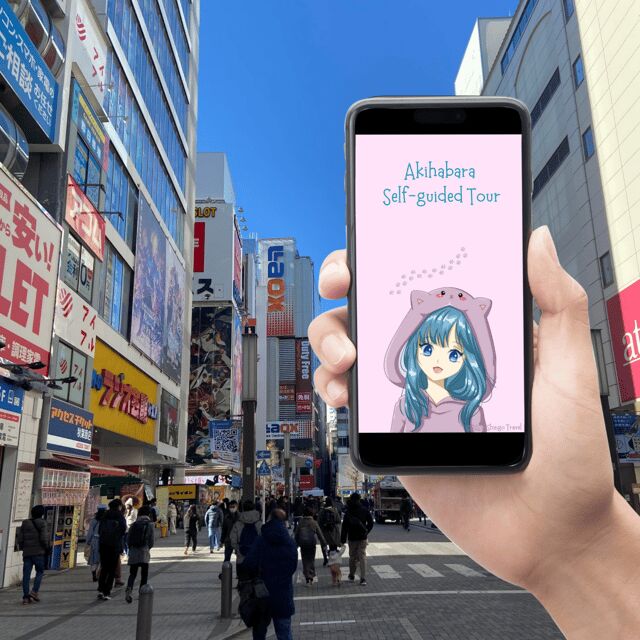
- English-first shopping guidance for anime and manga, including tips aimed at finding English versions.
- Google map support inside the brochure to help you locate each stop without guesswork.
- Retro games and older tech focus, with hints for tracking down games and consoles (not just souvenirs).
- A maid café option you can choose on your own schedule, including a simple greeting script tied to Shingo Travel.
- Food and quick-hit activities suggested alongside shopping, including ramen guidance around busy times.
- Solo-friendly pacing, since there’s no live guide to herd you around.
Deeper into Electric Town
- Tokyo: Original Street Kart Experience from Akihabara★ 5.0 · 111 reviews
- Ramen Making from Scratch +Akihabara Tour –Tokyo Cooking Class★ 5.0 · 107 reviews
- Tokyo’s Must-Sees: 5-hour Tsukiji, Akihabara & Asakusa Tour★ 5.0 · 88 reviews
Why Akihabara Works Best With a No-Guide Brochure
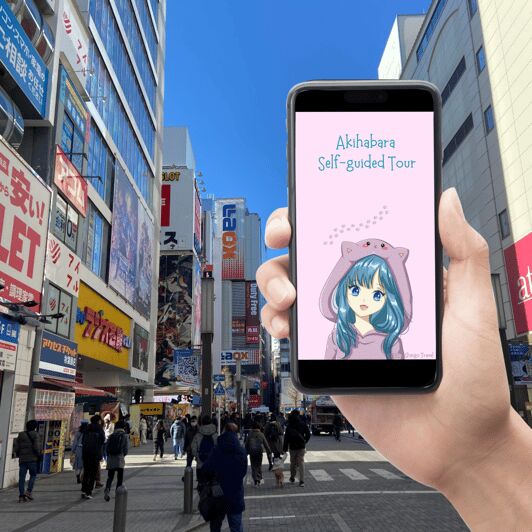
Akihabara can overwhelm you fast. One street and you’re suddenly choosing between anime merch, plastic model aisles, big-screen electronics, and game arcades with walls of buttons.
That’s why I like the “no guide” setup. You’re not trapped in a fixed route, and you can spend an extra 20 minutes where you care. The brochure does the heavy lifting: it points you toward what to look for and how to move between themes.
Also, this is one of those areas where English support matters. The brochure is written in English and is meant to guide you in-store, not just from your hotel desk. That’s a real value for visitors who want to browse without feeling lost.
Starting at Akihabara Station: Get Oriented Fast
Your recommended start is near Akihabara Station, at approximately 35.6986, 139.7726. Even if you arrive at a different station exit, the idea is simple: start somewhere you can anchor your direction and pull up the map right away.
Here’s the practical move: before you cross the first busy street, open your smartphone’s map and make sure you can access the brochure content. The experience is designed around you using your phone as the “control panel,” especially since there’s no English speaking guide to translate on the fly.
Then set a loose rule for yourself. Example: spend your first hour following the brochure’s shopping cues, and only after that decide if you want detours like arcade time or food stops.
Anime Shops, English Manga, and What to Browse First
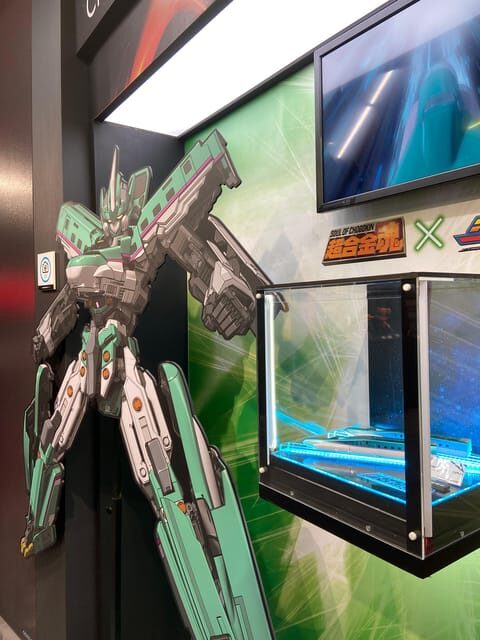
Akihabara’s storefronts are the main event. The brochure’s guidance is aimed at helping you find the kinds of items that match common visitor goals: anime merchandise, manga, and related pop-culture goods.
What I like in this approach is that it’s not just anime-only. The information is meant to include foods, history, and other spots, which helps you avoid the “I bought one figure and left” feeling. Instead, you get suggestions to connect the subculture to the surrounding area.
You’ll likely spend most of your time wandering through shops around the station and nearby streets where anime goods are easy to spot. Follow the brochure order if you want efficiency, or use it like a menu—pick the stops that match your current obsession level.
If you want a smooth day, treat the morning as your browsing window. Shops and game-related spots tend to be easiest when you arrive with energy and before you’re hungry.
Retro Games and Electronics: How to Shop Without Getting Lost
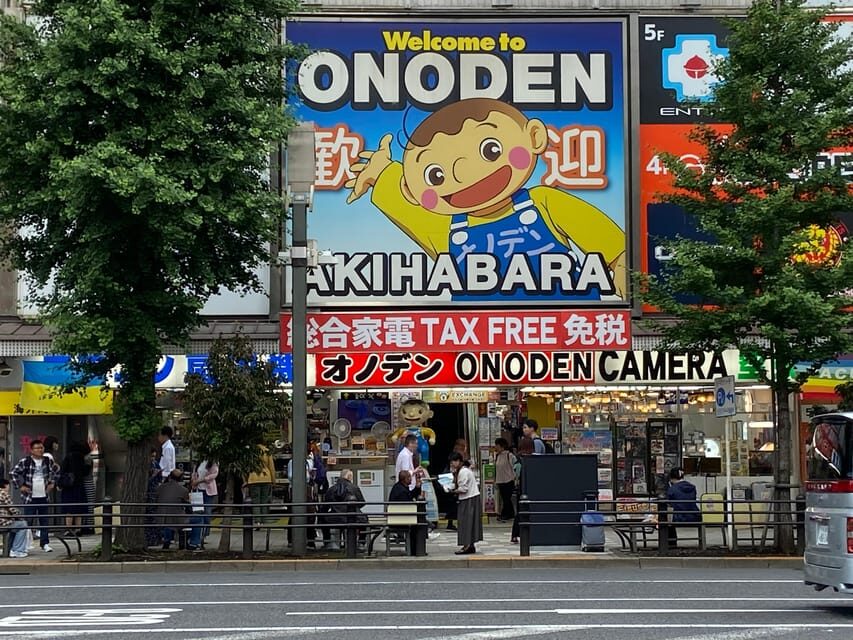
A lot of first-timers enter Akihabara with one dream: find something old and awesome. This brochure is built around that kind of hunt—retro games, older consoles, and the thrill of locating hardware or software you can’t easily find anywhere else.
The tip-based structure matters here. Without guidance, you can burn time checking the same kind of store again and again. With the brochure, you can work through suggested stop types and use the map links to cut down dead ends.
One practical note: if you’re hunting for rare items, your best friend is patience plus flexibility. Even with tips, availability changes daily. So don’t plan your whole trip around one exact product; aim for “walk away with a great find,” not “must buy X.”
If you’re also into electronics more broadly, you’ll find plenty to window-shop. Just keep in mind that Akihabara can be a maze of similar-looking storefronts. Your smartphone + the brochure map links are what keep the day from turning into random wandering.
More days made easy by a guide





Taito Station and Arcade Time: A Good Use of 1 Day
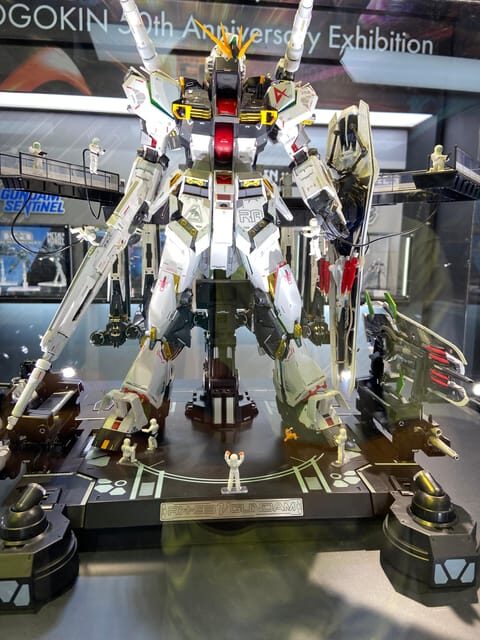
Akihabara isn’t only about shopping bags. It’s also about playing—especially at game-focused spots.
In particular, there’s a strong push toward arcade-style fun, including a stop tied to Taito Station. If you like trying classic-style games or just watching how Japanese game culture works in action, this is where you’ll get it.
This is also a great “reset” in the day. If you’ve been scanning shelves for hours, you can switch modes: sit down, play something, and recharge while still staying inside the Akihabara vibe.
The brochure helps you fit these kinds of breaks into the overall route. That’s why I like this tour even as a low-cost option: it gives you pacing, not just destinations.
Maid Café Option: When to Go and How to Say It
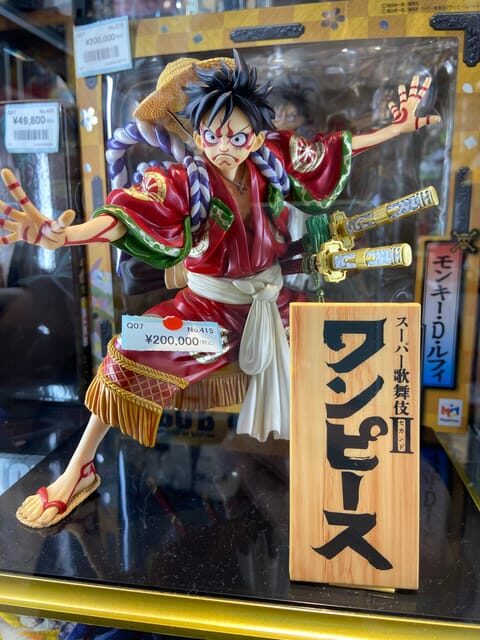
Maid cafés are part of Akihabara’s tourist mythology, but the experience can still be surprisingly fun if you treat it like a quick cultural performance. The brochure includes a self-guided way to go by yourself.
Timing matters. If you’re visiting on a weekend, you should expect it to be packed. That doesn’t mean “skip it,” but it does mean you should avoid arriving at your most rushed moment.
The brochure also gives you a simple greeting script tied to Shingo Travel. When you enter, you can say: I came here recommended by Shingo Travel. Having a line ready helps you relax instead of standing there translating in your head.
If you want a fair expectation: you’re not buying “a tour.” You’re choosing a short, themed stop. Keep it on the schedule like you would a dessert place—something memorable, not something that eats the whole day.
Food Picks and the Tanaka Ramen Reality Check
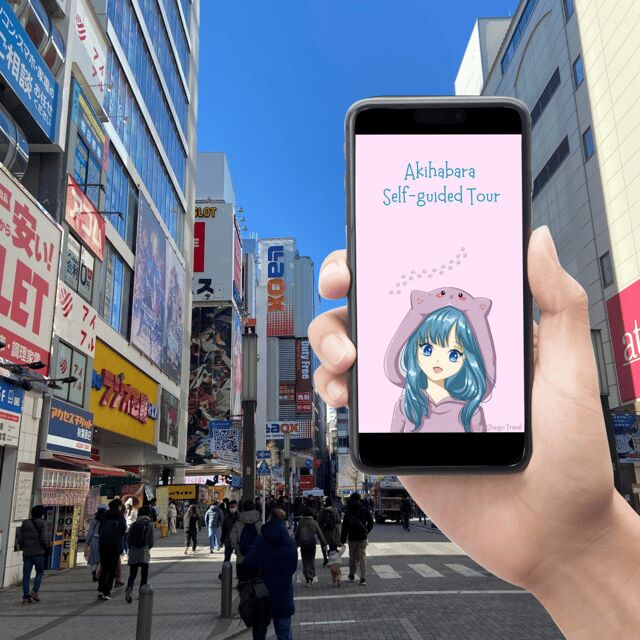
Food is where Akihabara trips can either feel smooth or get annoying. The good news is the brochure includes guidance for ramen and other food-related ideas.
A specific heads-up that’s worth taking seriously: Tanaka ramen can have a line if you go around 12:00, with waits of at least 30 minutes. If you’re the kind of person who gets impatient in line, plan your ramen earlier or later, and use the waiting time to hit nearby shop stops.
This is why a self-guided brochure works well. You can adjust. If you see a long line, you don’t need to call anyone to change your plan. You just pick another suggested spot and keep moving.
Also, don’t treat food like a reward you earn at the end of the day. Treat it like a tool to manage your energy. A strategic ramen break makes the rest of the browsing feel way more enjoyable.
Other Small Stops: Batting Cages and Quick Wins

One of the nicer touches in the brochure concept is that it doesn’t limit you to stores. You’ll also see suggestions for other experiences that fit the Akihabara mood.
For example, it includes ideas like batting cages. That kind of stop is perfect if you want a break from retail without leaving the area or switching to a “major attraction” mindset.
These side stops help you build a day that feels like you did more than shop. Even if you only do one non-shopping activity, you’ll remember it because it’s different from the usual “walk, browse, buy, repeat” pattern.
If you want the best value, use these spots when you notice your feet are starting to complain. You’ll keep the day fun without sacrificing your energy.
Price and Value: Why $6 Is a Surprisingly Smart Bet

At $6 per person for a full day, you’re paying for structure, not labor. There’s no live guide, no pickup and drop-off, and no activities included beyond what you choose to do yourself.
So why does it still feel like good value?
Because Akihabara isn’t just complicated—it’s information-heavy. Stores are packed, specialties vary by block, and English support is uneven. If the English brochure and map links save you even one hour of aimless wandering, the cost makes sense fast.
Plus, you’re buying flexibility. You can stretch the day if you’re having fun, or speed up if you’re done. When you compare that to tours that “must” move on a schedule, the value gets even clearer.
The key assumption is you’ll actually use the brochure on your phone while walking. If you leave it for later, you won’t get the payoff.
Small Risks to Know Before You Rely on the Brochure
This experience is built around a digital brochure that you need to access. That’s the trade.
Some people have run into issues finding the brochure or locating the Google Maps link. I can’t tell you how often that happens, but it’s enough to justify a simple safety habit: confirm you can open the brochure and follow the map links before you step into your first store.
Also, remember this is “no guide.” You’re not paying for interpretation. If you run into a store that’s heavy on Japanese-only signage, your best tools are smartphone translation and the brochure’s direction.
Finally, accept that availability can be random for rare electronics and older game items. Even a well-made plan can’t change what a shop has on its shelves today.
Who Should Book This Akihabara Self-Guided Tour
This tour fits best if you’re:
- Traveling solo and want Akihabara on your own schedule
- Interested in anime + electronics + retro games, not just one narrow theme
- Comfortable using your smartphone for maps and quick translation
- Looking for a cheap way to add structure without joining a group
It’s also a decent choice if you want optional experiences. You can choose the maid café idea if it sounds fun, skip it if you’re not in that mood, and still keep your day moving.
If you hate planning and want someone to lead you turn-by-turn, this probably won’t feel like enough. There’s no English speaking guide included, and there’s no live human to handle questions as they pop up.
Should You Book This Akihabara Self-Guided Tour?
I’d book it if you want a low-cost, English-friendly plan that helps you get moving quickly and stay on track. The biggest reasons are the practical brochure focus—English manga and pop-culture guidance, plus retro game and electronics hunting tips—and the built-in Google map links.
I would hesitate if you rely on downloads to work instantly or you absolutely need a human guide for answers. If you’re the type who gets stressed when a file doesn’t show up right away, make sure the brochure is accessible offline or ready before you start walking.
Overall, this is one of those smart “pay a little for guidance” experiences. For $6, you’re not buying entertainment by itself—you’re buying momentum. If you use that momentum well, your Akihabara day can feel like a game you actually won.
FAQ
Is this a guided tour or no-guide?
It’s a no-guide experience. You’re given a brochure and a recommended starting point, but you’re not meant to meet anyone.
Where should I start?
Your recommended starting point is near Akihabara Station, with coordinates 35.698613452321446, 139.7726244449829.
What does the tour include?
You get an Akihabara brochure written in English, created by an Akihabara tour guide. The brochure also includes a Google map link to help you find places.
Do I need an English-speaking guide?
No. An English speaking guide is not included.
How long is the experience?
It’s valid for one day.
Do I need anything in advance?
You should bring a charged smartphone, since the experience relies on you following the brochure and map.
Can I choose stops like a maid café on my own?
Yes. Maid café visits are not included as an additional activity, but the brochure gives you guidance for how you can go by yourself.
What is the price?
The price is $6 per person.
Is transportation like hotel pickup included?
No. Hotel pickup and drop-off are not included.
Is wheelchair accessibility available?
Yes, the experience is listed as wheelchair accessible.
What if my plans change?
Free cancellation is available up to 24 hours in advance for a full refund.
More Tours in Tokyo




More Tour Reviews in Tokyo




Further into Akihabara





Fresh reviews from around Tokyo






Akihabara Otaku Tours, compared.
 ★ 5.0Official Street Go-Kart Tour – AkihabaraFrom $611,578 reviews
 ★ 5.0Original Street Kart Experience from AkihabaraFrom $51111 reviews
 ★ 5.0Ramen Making from Scratch +Akihabara Tour –Tokyo Cooking ClassFrom $123107 reviews
 ★ 5.0Tokyo’s Must-Sees: 5-hour Tsukiji, Akihabara & Asakusa TourFrom $10188 reviews
 ★ 4.8Tokyo Akihabara, Anime, Manga, Video Games & Maid Cafe TourFrom $3881 reviews
 ★ 4.6Akihabara: Anime & Gaming Adventure Tour (Group or Private)From $8880 reviews
 ★ 4.5Akihabara: Go-Kart Experience with Local Guide in TokyoFrom $7257 reviews
Real Anime Culture Tour in Shibuya: Food, Shopping & Game FunFrom $7548 reviews
★ 4.5Akihabara: Go-Kart Experience with Local Guide in TokyoFrom $7257 reviews
Real Anime Culture Tour in Shibuya: Food, Shopping & Game FunFrom $7548 reviews
Browse the lists this tour appears in