
Reviewed · TOKYO
Mt. Fuji Heritage Tour: Traditional Villages, Lakes & Shrine
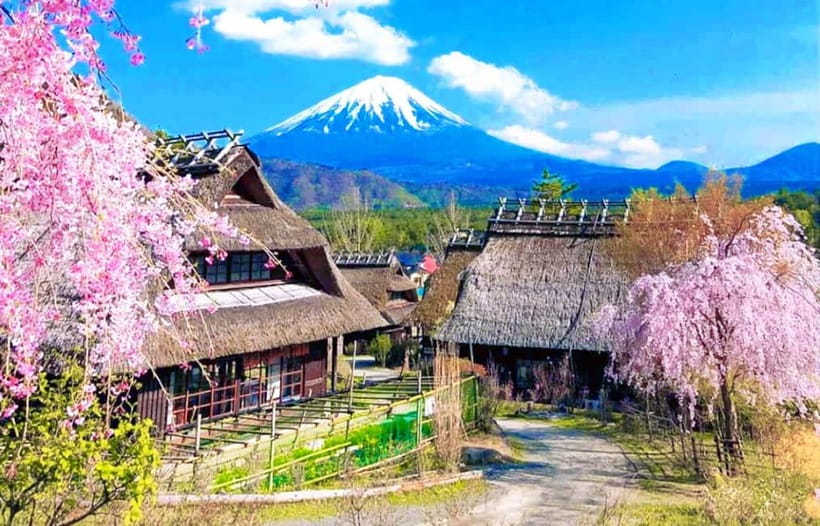
That Fuji view feels personal. This day tour strings together classic photo stops with real-life village flavor around Lake Kawaguchi and Oshino. You get the big sights in one run: Saiko Iyashi no Sato Nenba’s thatched rooftops, Arakurayama Sengen Park with the Five-Story Pagoda, and the calm ponds of Oshino Hakkai—plus Lake Kawaguchi viewpoints in between.
I especially love how the schedule is built for photos without turning every stop into a rush-job. Guides like Sia and Kazi are consistently praised for clear timing and helpful on-the-ground direction, which matters when Mt. Fuji can hide behind clouds.
One thing to consider: lunch isn’t included, and the day is weather-dependent. If conditions are hazy, you might still enjoy the places, but you may not get the clean, iconic mountain views you came for.
In This Review
- Key things that make this tour worth your time
- Entering the Mt. Fuji Photo Circuit From Tokyo
- Saiko Iyashi no Sato Nenba: Thatched Houses, Snacks, and Optional Ninja Fun
- Lake Kawaguchi View Time and the Seasonal Call: Oishi Park vs Maple Corridor
- Oishi Park: lavender in summer, broom grass in autumn
- Maple Corridor: the fiery Fuji framing
- A reality check on Fuji visibility
- Arakurayama Sengen Park: The Shrine Steps and the Five-Story Pagoda Frame
- A smart goshuin tip at the top
- What you should expect at the viewpoint
- Oshino Hakkai: Eight Ponds, Spring Water Reflections, and Local Treats
- What to try nearby
- Price and Time: Why This $50 Day Feels Like Value (and What It Costs You)
- How the Guides Make or Break the Day (Sia, Kazi, Wanting, Alex, Rachel)
- Photo Tips That Actually Help on This Route
- When Fuji shows up, work fast—but smart
- Use the pagoda timing trick for goshuin
- Bring cash for small purchases
- Protect your feet
- Who This Tour Fits Best
- Should you book the Mt. Fuji Heritage Tour with Traditional Villages, Lakes, and Shrine?
- FAQ
- How long is the Mt. Fuji Heritage Tour?
- How much does it cost?
- What are the main places you visit?
- Is lunch included?
- Is admission to Saiko Iyashi no Sato Nenba included?
- What should I bring?
- Will I always see Mt. Fuji clearly?
- What languages does the guide speak?
- Is this tour suitable for wheelchair users?
Key things that make this tour worth your time
- Saiko Iyashi no Sato Nenba: thatched village charm with Fuji backdrops and snack stops right at the entrance
- Oishi Park and Maple Corridor: seasonal color themes tied to when you travel
- Arakurayama Sengen Park: the shrine steps lead to the famed pagoda framing
- Oshino Hakkai ponds: eight spring-fed pools with reflections that slow your pace down
- Guides who run the day smoothly: clear instructions, multi-language help, and practical tips (including photo placement)
Before you commit, see how this one stacks up against a few Tokyo favourites:
- Mt Fuji and Hakone 1-Day Bus Tour Return by Bullet Train★ 5.0 · 26,383 reviews
- 1-Day Tokyo Bus Tour★ 5.0 · 14,250 reviews
- Tokyo: teamLab Planets TOKYO Digital Art Museum Entry Ticket★ 4.6 · 9,779 reviews
Entering the Mt. Fuji Photo Circuit From Tokyo
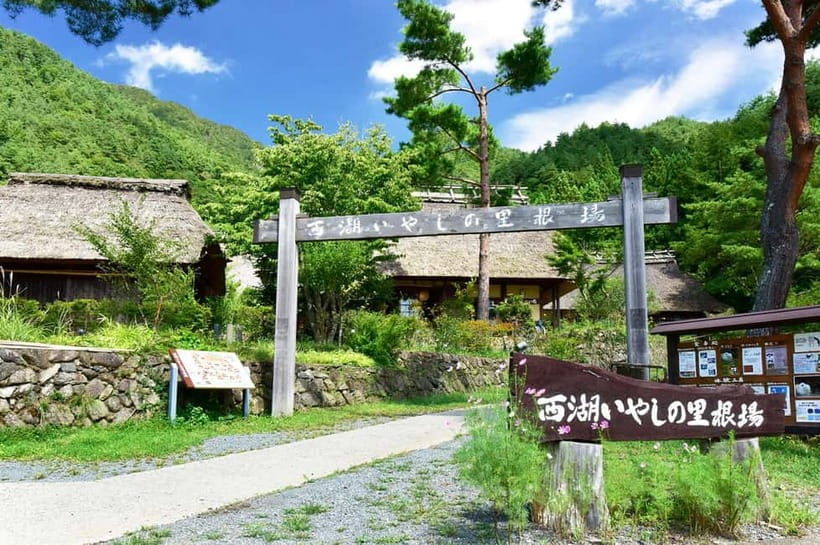
This is a bus day out of Tokyo built around Mt. Fuji’s most “camera-friendly” areas. You start in Marunouchi at Tokyo MODE學園 (and the tour lists a second Tokyo meeting/drop option at the same area), then head west by coach.
The ride is long enough that you’ll feel it, but it’s also the easiest way to hit multiple major sights without wrestling train transfers and bus schedules. The tour lasts about 10 hours and is paced so you still get meaningful time outdoors at each stop—especially around the places everyone goes to for that Fuji-and-postcard framing.
What makes this tour feel good in practice is the flow. It’s not just “arrive, stand, leave.” The guide sets up each location so you know where to look, when to return to the bus, and how to keep the day from turning into a group scavenger hunt.
Saiko Iyashi no Sato Nenba: Thatched Houses, Snacks, and Optional Ninja Fun

Your first major stop is Saiko Iyashi no Sato Nenba, a traditional village known for its thatched-roof houses. This is the kind of place where the scenery does half the work for you. When Fuji is visible, the backdrop can be stunning, and the village setting gives you more than just a distant mountain photo.
You get about one hour here, which is enough to:
- walk the village paths at a relaxed pace
- stop for photos without feeling like you’re always “behind”
- browse small shops and pick up local souvenirs at your own speed
There’s also food right where you’ll see other visitors start to snack. The village entrance is where you can grab Japanese street snacks, and it’s a simple way to avoid the lunch panic later.
A fun extra: if you want to go full costume mode, there’s an option to rent a ninja costume for photos (it’s extra cost). It’s not required, but it’s one of those lighthearted add-ons that turns a classic stop into something more personal.
Practical note: wear comfortable shoes. Cobblestones and uneven walking can show up in village areas, and you’ll be happier if your feet aren’t angry by mid-morning.
Lake Kawaguchi View Time and the Seasonal Call: Oishi Park vs Maple Corridor
After Nenba, the itinerary shifts to Lake Kawaguchi and the surrounding viewpoints. You’ll get a sightseeing block at the lake, and then two separate photo-focused stops: Oishi Park and the Maple Corridor.
Here’s the key seasonal reality: peak autumn timing changes the lineup.
- The tour notes that Maple Corridor is at its best from Oct 26 to Nov 20.
- During peak autumn, it says the tour doesn’t go to Oishi Park.
So if you’re traveling in that window, plan your expectations accordingly. In other seasons, Oishi Park is the featured color stop.
Oishi Park: lavender in summer, broom grass in autumn
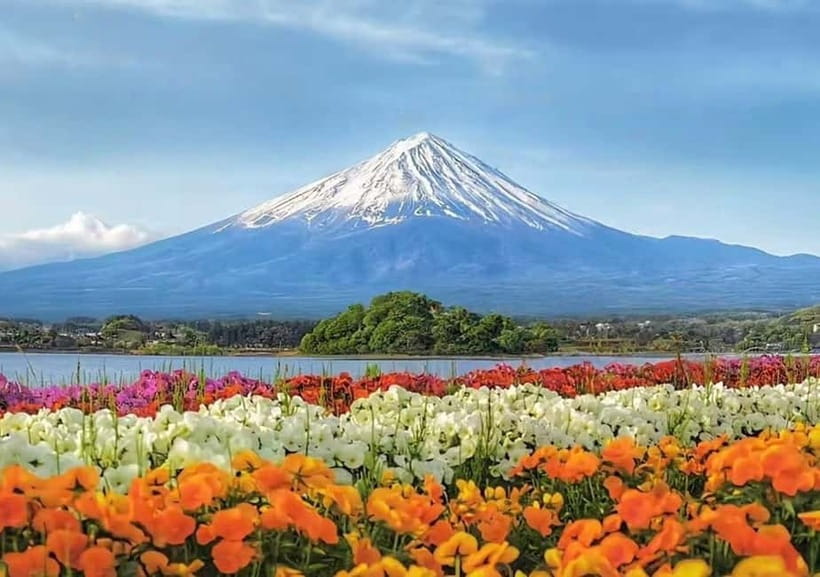
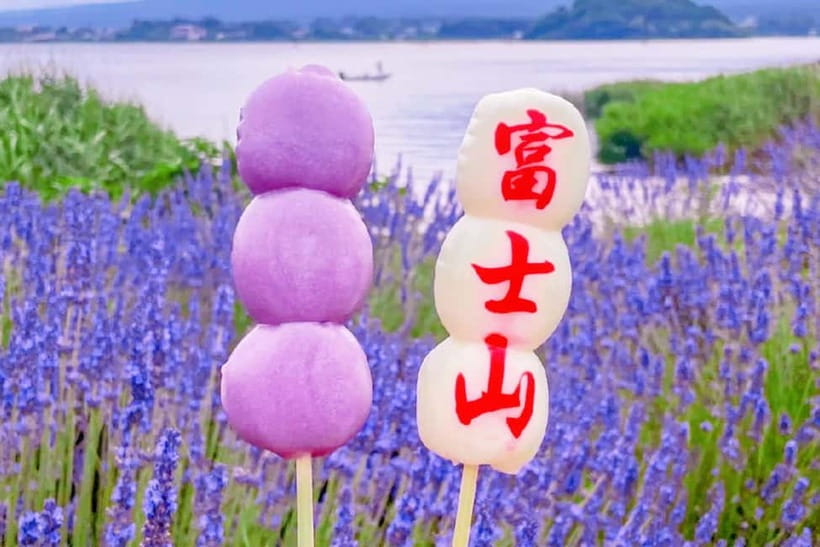
Oishi Park (around Lake Kawaguchi) is designed for seasonal color themes. The tour description calls out lavender fields in summer and red broom grass in autumn. In other words, even if Mt. Fuji is partly covered, the park still gives you a strong visual story—fields and color gradients that don’t require a clear sky to look good.
You’ll have around 40 minutes at Oishi Park, and that’s usually enough to find a few vantage points and settle into the photo angles you like.





Maple Corridor: the fiery Fuji framing
Maple Corridor is the more dramatic option for autumn color seekers. The tour description specifically links it to peak foliage dates and the classic idea of Fuji framed by fall leaves.
You also get about 40 minutes at the Maple Corridor photo stop. If you want your photos to be sharp and not rushed, give yourself a few minutes to watch what people do first—then step into the angles that line up with the views you’re after.
A reality check on Fuji visibility
This is a common truth around Lake Kawaguchi: weather rules everything. The tour explicitly warns that conditions can block the view, so don’t treat Fuji like a guarantee. Still, the area is beautiful even when the mountain is shy, and the seasonal parks give you “plan B” visuals.
Arakurayama Sengen Park: The Shrine Steps and the Five-Story Pagoda Frame
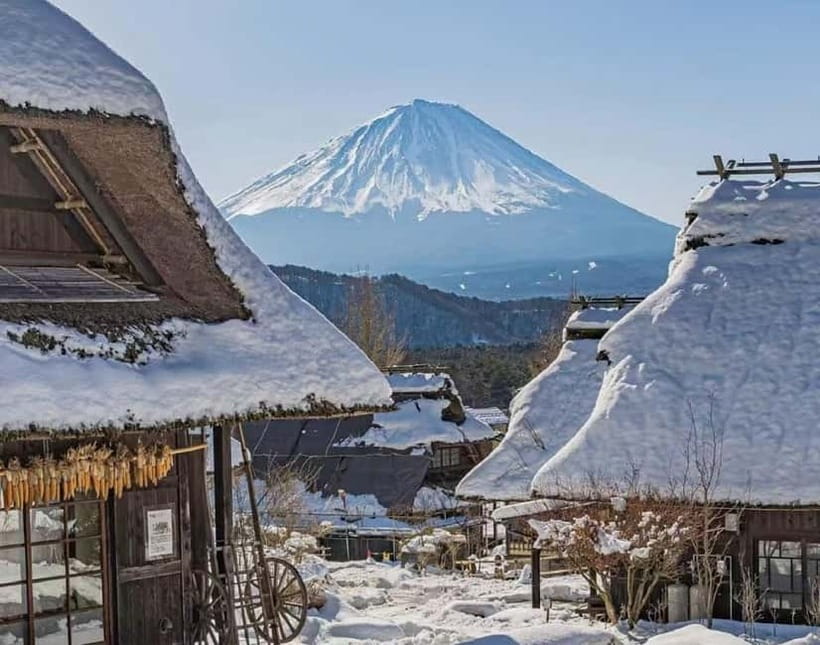
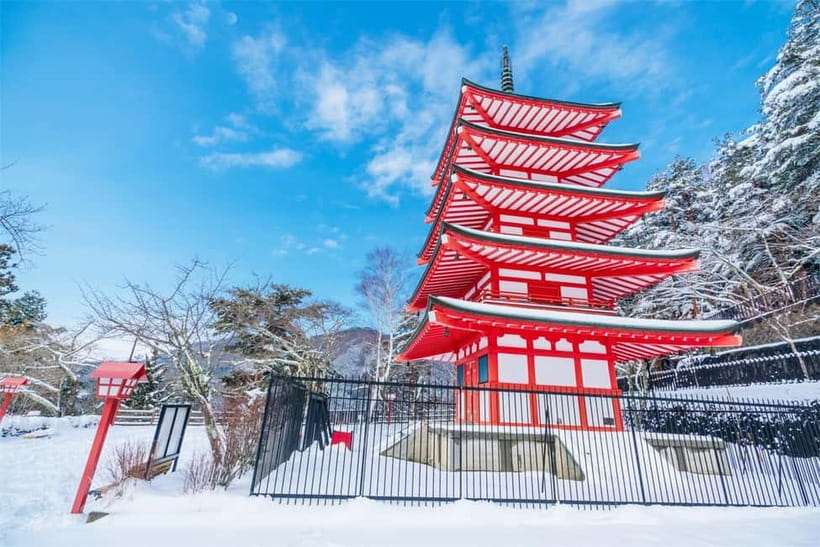
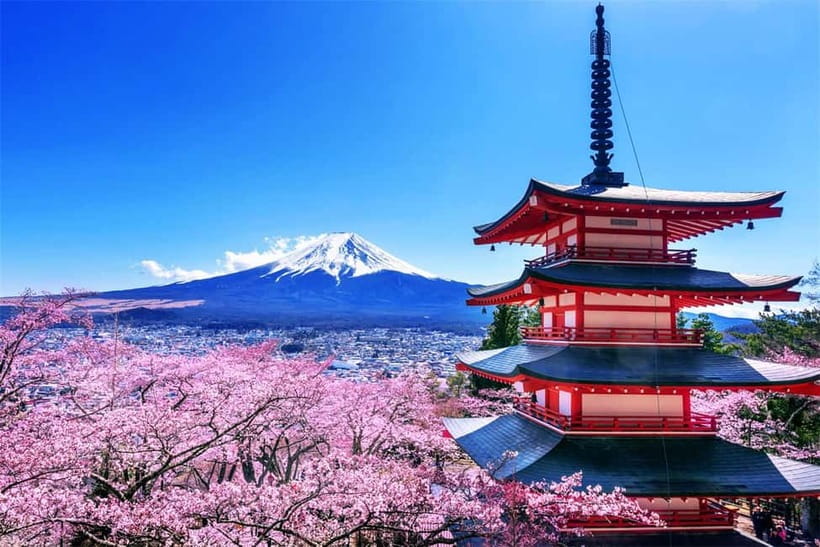
This is the big one for many people. The tour takes you to Arakurayama Sengen Park, home to the iconic Five-Story Pagoda view, often called the Chureito Pagoda area.
You get about 40 minutes at Arakurayama Sengen Park, plus additional shrine time right after. The itinerary includes:
- a photo stop and a visit at Arakurayama Sengen Park
- then separate stops at Arakura Sengen Shrine
- and then the Chureito Pagoda photo area
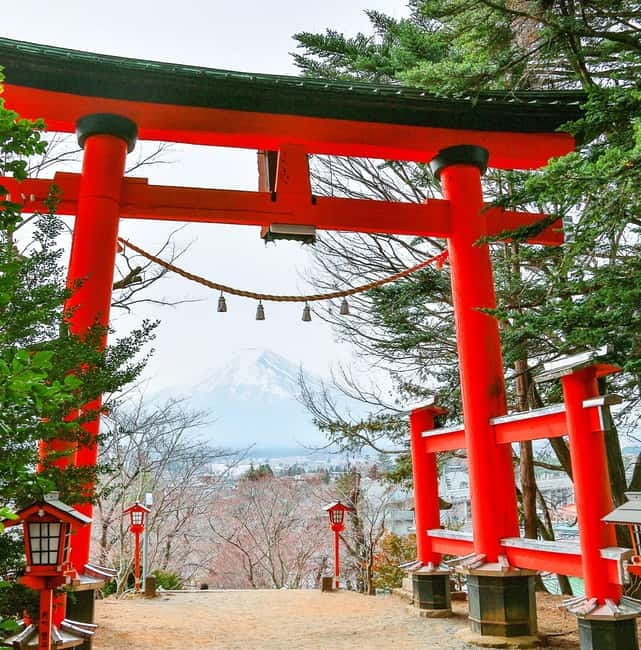
In practice, that means you’re not just looking at the pagoda from street level. You can climb the steps and work your way into the viewing zone. One review specifically calls out that the hike up to the pagoda and the shrine along the way are their favorite part.
A smart goshuin tip at the top
If you want to do a goshuin (shrine stamp/booklet), a review gave a useful timing trick: hand over your goshuin book before climbing the stairs. In that case, it reduced waiting (they reported about a 20-minute wait when arriving later). It’s a small move that can save a chunk of your precious stop time.
What you should expect at the viewpoint
This is a famous photo spot, so crowds are part of the deal. The upside is you’ll quickly understand where the best photo angles are. The downside is you might not get total quiet while you’re waiting for Fuji to show itself again.
Still, the time allocation is solid. You’re not stuck for only five minutes, and you won’t feel like you’re guessing the route.
Oshino Hakkai: Eight Ponds, Spring Water Reflections, and Local Treats
Your final major stop is Oshino Hakkai, a set of eight spring-fed ponds created by melted snow from Mt. Fuji. This is the calmer end of the day, and it’s a nice contrast to the busier shrine views earlier.
You’ll get about 70 minutes here, which is plenty of time to:
- walk the pond area at an unhurried pace
- take photos of reflections
- and check out what’s sold nearby
The tour description highlights that the ponds are crystal-clear and look great year-round. That matters because Oshino Hakkai is one place where you don’t need perfect mountain visibility to enjoy the scene. Even if Fuji isn’t popping out, water reflections and the pond layout still deliver.
What to try nearby
The tour also calls out local treats around the area, like fresh rice crackers and wasabi ice cream. These aren’t “fine dining,” but they are exactly the kind of small local flavors that make the last stop feel rewarding.
This is also a good place to slow down before the long return bus ride.
Price and Time: Why This $50 Day Feels Like Value (and What It Costs You)
At $50 per person for a roughly 10-hour day, this tour is priced like a value-focused way to see several headline Mt. Fuji sites in one go. You’re paying for:
- transportation from Tokyo and back
- a guide who keeps the group together and explains what you’re seeing
- admission to Saiko Iyashi no Sato Nenba
- and a scheduled flow that prevents missed connections
The trade-offs are normal for this style of trip:
- You’re on a coach most of the day. It’s not a slow, independent exploration.
- Lunch isn’t included, even though the itinerary includes a 40-minute break for eating at a local restaurant option. The guide may suggest places, but you’ll still pay for your own meal.
- Mt. Fuji visibility can be hit or miss. When clouds roll in, you’ll still enjoy the cultural stops, but the iconic views are weather-dependent.
One practical warning from the tour info: weekend and holiday traffic can delay the return, and the itinerary times can be shortened, adjusted, or canceled. So don’t plan anything critical right after you expect to be back in Tokyo.
How the Guides Make or Break the Day (Sia, Kazi, Wanting, Alex, Rachel)
The most consistently praised part of this tour is how the day is run. In the reviews, guides such as Sia, Kazi, Wanting, Alex, and Rachel show up again and again, and the common thread is practical support.
Here’s what that support looks like:
- clear instructions before arriving at each location
- patience with all ages (including families traveling with babies and toddlers)
- helpful guidance on where to find bathrooms
- reminders about exact meeting points so no one gets left behind
One review also mentioned a guide communicating precise meeting details in advance, down to knowing the pickup spot quickly at the start. Another noted how the guide stayed organized even when weather wasn’t perfect, keeping the schedule moving while still letting people enjoy the scenery.
The takeaway for you: if you want a stress-free Fuji day, the guide matters. This tour’s reputation suggests you’ll get that on most days.
Photo Tips That Actually Help on This Route
If you’re chasing photos, don’t wait until you’re at the stop to think. Use the route structure to your advantage.
When Fuji shows up, work fast—but smart
Reviews describe days where Fuji appears from multiple locations, and other days where clouds win. The best approach is to:
- take your key shots early at each stop
- then return later if conditions improve
The schedule gives you repeated outdoor opportunities. That’s better than “one location and done.”
Use the pagoda timing trick for goshuin
At Arakurayama Sengen Park, if you want goshuin, follow the “hand it in early” approach. It can reduce waiting time when crowds are building.
Bring cash for small purchases
The tour specifically warns that credit cards may not be accepted at some locations, and to bring cash. That matters most at souvenir shops and small snack stands.
Protect your feet
You’ll do steps at the shrine/pagoda area and walk village paths. Comfortable shoes aren’t optional.
Who This Tour Fits Best
I think this is a strong pick if you:
- want a one-day overview of the main Fuji sights near Lake Kawaguchi and Oshino
- prefer guided navigation over DIY transit stress
- value having enough time at each photo stop to actually enjoy the views
It’s also family-friendly in the sense that guides can manage group dynamics. Still, the day is long and mostly bus-based, so extremely picky walkers may feel it.
If you want a slow, independent experience with lots of off-route wandering, you might prefer mixing trains and doing fewer stops. But if your priority is seeing the headline locations with minimal hassle, this route makes sense.
Should you book the Mt. Fuji Heritage Tour with Traditional Villages, Lakes, and Shrine?
Book it if you want the highest chance of a full “Fuji day” experience without planning every connection yourself. The value is hard to ignore: big photo sites, one guided day structure, admission to the thatched village, and a guide team that’s repeatedly praised for keeping things smooth.
Skip it—or go in with patience—if:
- you’re traveling in the peak autumn window and truly need Oishi Park included (the tour notes Maple Corridor replaces it then)
- you cannot handle a long day or sudden schedule tweaks due to traffic
- you expect Mt. Fuji to be guaranteed every hour
If you can be flexible with the mountain view and you’re ready to use the day’s planned stops as your photo strategy, this tour is a practical, good-value way to see the Mt. Fuji area the way most people dream about—without the logistics headache.
FAQ
How long is the Mt. Fuji Heritage Tour?
The tour duration is listed as 10 hours.
How much does it cost?
The price is $50 per person.
What are the main places you visit?
You visit Saiko Iyashi no Sato Nenba, Lake Kawaguchi viewpoints including Oishi Park and the Maple Corridor, Arakurayama Sengen Park and the Arakura Sengen Shrine / Chureito Pagoda area, and Oshino Hakkai.
Is lunch included?
No. Lunch is not included. There is a 40-minute break for food, and you can bring your own or buy food near the stops and/or at a restaurant suggested by the guide.
Is admission to Saiko Iyashi no Sato Nenba included?
Yes. Admission to Saiko Iyashi no Sato Nenba is included.
What should I bring?
Bring comfortable shoes, water, and cash.
Will I always see Mt. Fuji clearly?
Not necessarily. The tour notes that weather conditions may prevent a clear view of Mt. Fuji, so check the forecast.
What languages does the guide speak?
The guide is listed as speaking English, Japanese, and Traditional Chinese.
Is this tour suitable for wheelchair users?
No. It is listed as not suitable for wheelchair users.
More Tour Reviews in Tokyo



Fresh reviews from around Tokyo






Tokyo, compared.
 ★ 5.0Mt Fuji and Hakone 1-Day Bus Tour Return by Bullet TrainFrom $16326,383 reviews
 ★ 5.01-Day Tokyo Bus TourFrom $12914,250 reviews
 ★ 4.6teamLab Planets TOKYO Digital Art Museum Entry TicketFrom $259,779 reviews
 ★ 4.0Mt Fuji & Hakone Cruise, Drum Show Bullet Train 1 Day from TokyoFrom $1497,413 reviews
 ★ 5.0Shinjuku Food Tour (13 Dishes at 4 Local Eateries)From $866,603 reviews
 ★ 4.4Tokyo Mt Fuji 5th St & Hakone Cruise Bus Tour w/Bullet TrainFrom $1545,024 reviews
 ★ 5.0Flagship 2-Hours Official Street Go-Kart Tour – Tokyo Bay ShopFrom $644,974 reviews
 ★ 4.5From Tokyo: Mount Fuji Full-Day Sightseeing TripFrom $684,970 reviews