
Reviewed · KAMAKURA DAY TRIPS
Yokohama and Kamakura Private Day Trip from Tokyo
Two cities, one smooth day. This private day trip strings together Yokohama’s modern harbor sights and Kamakura’s big-hitter temples, with an English-speaking chauffeur who lets you set the pace so you can linger where you care most.
I especially like the mix of Minato Mirai waterfront views and the spiritual weight of Kotoku-in’s Great Buddha. You also get a comfortable, air-conditioned ride with bottled water, so the day doesn’t feel like a marathon of public transit switches.
The main thing to consider: admission fees are optional at several stops, and you pay those on-site, not in advance.
In This Review
- Key things I’d lock in before you go
- How the Yokohama-to-Kamakura day fits together
- Yokohama Minato Mirai 21: harbor views that start the day right
- Sankeien Gardens: a calm break with relocated buildings
- Landmark Tower Sky Garden: turn your time into a view
- Yokohama Chinatown: snack first, then wander
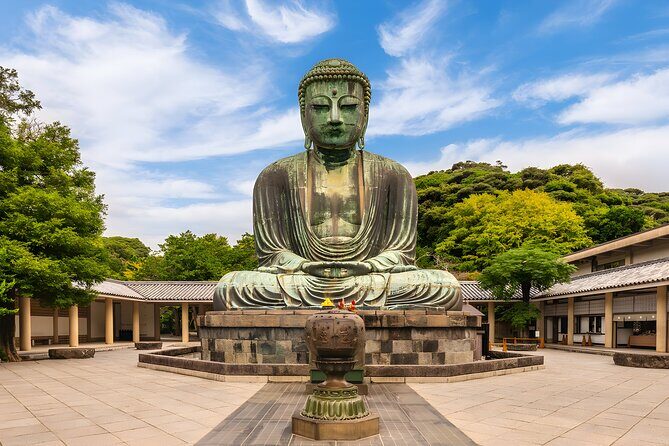
- Kotoku-in Great Buddha: iconic scale, good “stand still” time
- Hokoku-ji Bamboo Grove: quiet even in a packed day
- Tsurugaoka Hachimangu Shrine: a history-rich walk at a good pace
- Hasedera Temple: Kannon statue, ocean views, and seasonal charm
- Price and value: $360 for up to 3, and what you get for it
- The real comfort wins: car time, bottled water, and a driver who keeps things moving
- Who this day trip is best for
- Should you book this private Yokohama and Kamakura day trip?
- FAQ
- How long is the Yokohama and Kamakura private day trip?
- What is the price for this tour?
- Do we get picked up from Tokyo?
- Is there an English-speaking driver?
- Are admission fees included?
- What’s included in the tour price?
- Do we get a guide walking with us at each stop?
- How does ticketing work?
- Is the tour cancellable?
Key things I’d lock in before you go
- Private door-to-door pickup in a comfort-focused, air-conditioned car
- Flexible pacing guided mostly by what the driver can explain between stops
- Minato Mirai 21 for quick harbor photos, plus shopping and landmark views nearby
- Sankeien Garden for tea-house strolls and historic buildings moved from across Japan
- Kamakura’s big landmarks in one run: Great Buddha, Hokoku-ji bamboo grove, and Hasedera
- A group deal up to 3 people at a single price, which often beats per-person private options
More escapes to the Great Buddha and the coast
- Kamakura 8 hr Private Walking Tour with Licensed Guide from Tokyo★ 5.0 · 80 reviews
- Tokyo: Kamakura & Enoshima Day Tour with Pickup & Train Ride★ 4.1 · 61 reviews
- Kamakura Private & Customizable Tour – All-in-One Experience★ 5.0 · 49 reviews
How the Yokohama-to-Kamakura day fits together
This is a full-day private outing, about 9 to 10 hours, from Tokyo into Yokohama first and then Kamakura. You’ll ride in a private vehicle with bottled water, and you’ll typically get the main context from your English-speaking chauffeur while you’re traveling between destinations.
Because it’s private, you’re not stuck with the same rhythm as a large bus group. If you’d rather spend 20 extra minutes in a garden, or you want to sprint from photo spot to photo spot, you can usually steer the timing.
One practical note: the trip includes transfers, but it doesn’t include a walking guide at the sites. Think of this as a “ride + smart narration + well-chosen stops” format.
Yokohama Minato Mirai 21: harbor views that start the day right
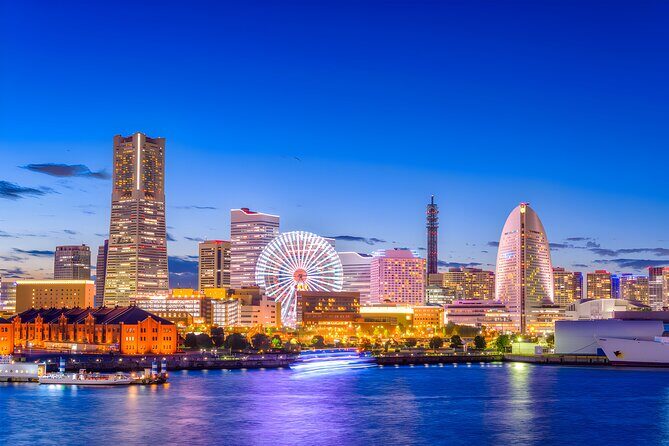
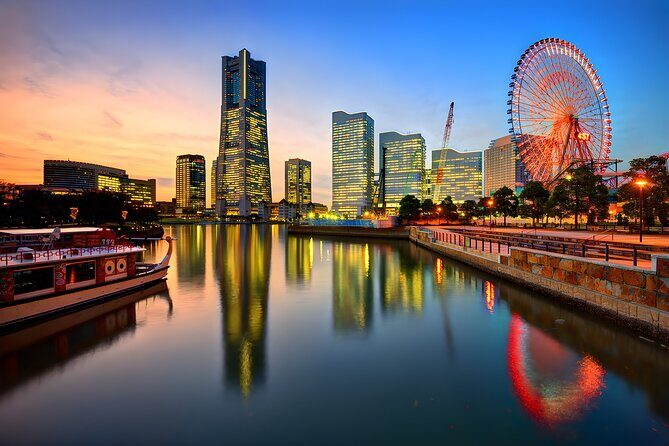
Minato Mirai 21 is the part of Yokohama people describe as sleek and future-leaning. You’re looking at a waterfront district where you can get a clean view of the harbor and snap photos with big skyline backdrops.
You’ll have about 1 hour here, which is enough for a relaxed stroll and quick stops around the area. It’s also a good buffer before you hit the more traditional vibe of the temples later.
What to do with your hour: prioritize views over shopping. The best value of this stop is the perspective—seeing how Tokyo’s energy shifts when you move to the coast.
Sankeien Gardens: a calm break with relocated buildings
Then you slow things down with Sankeien Garden, a traditional Japanese garden that mixes ponds, tea houses, and buildings that were brought in from elsewhere. The time you have—about 2 hours—is just right for walking, pausing for photos, and taking a breather from city movement.
This is also one of the better “photo with meaning” stops. Gardens here aren’t just pretty backdrops; they’re designed to guide you through small scenes as you move.
Considerations: admission isn’t included, so you’ll want to budget for optional entry. Also, if it’s hot or rainy, you’ll appreciate that the garden is still walkable, but you may want to wear shoes you don’t mind getting slightly dusty or wet.
Landmark Tower Sky Garden: turn your time into a view
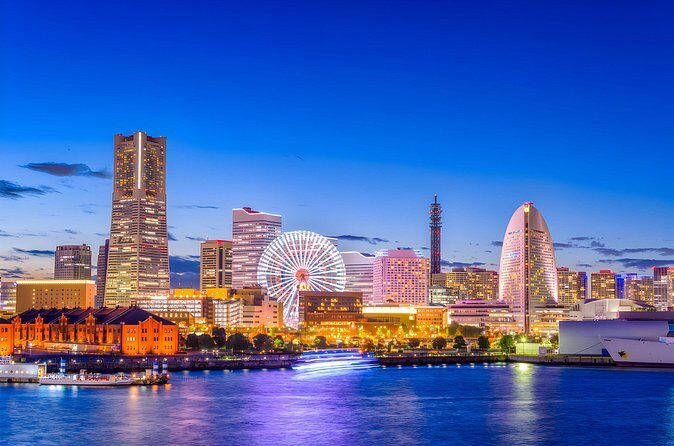
Next up is Yokohama Landmark Tower Sky Garden, with panoramic views from the observatory on the 69th floor. The tower is 296 meters, and it held the title of Japan’s tallest building from 1993 to 2014.
You’ll spend about 1 hour here. Even if you don’t care about heights for their own sake, this is one of the fastest ways to understand where things are in Yokohama—what’s near the port, how the neighborhoods spread, and how the day connects geographically.
Admission isn’t included. If you’re the type who dislikes paying for view decks, you might treat this stop as optional and focus more time on Chinatown and Kamakura instead.
More of the harbour city next door


Yokohama Chinatown: snack first, then wander
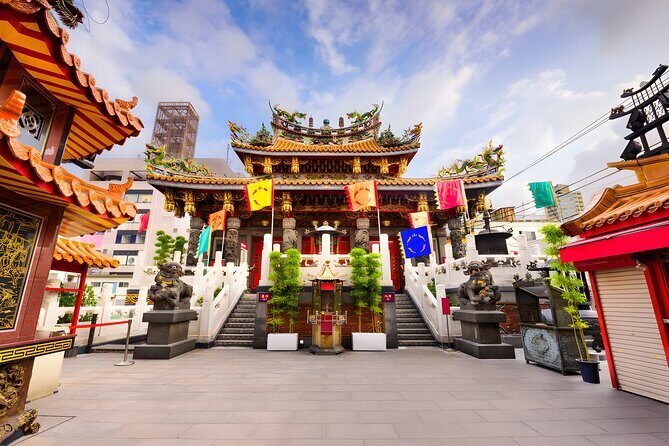
Yokohama Chinatown is known as the largest Chinatown in Japan, and this stop works best as a stroll-and-sample mission. You’ll have about 1 hour, and that’s enough to walk the main streets, duck into shops, and grab quick food without feeling stuck.
This is one of the easiest cultural contrasts on the day: Chinese architecture and street-style eating in the middle of a modern Japanese city. It’s casual, fun, and it breaks up the more temple-heavy schedule.
Admission is free here. If you’re choosing just one Chinatown tactic, I’d pick this: make your first purchase small so you can keep moving and try a second item without committing your whole budget.
Kotoku-in Great Buddha: iconic scale, good “stand still” time
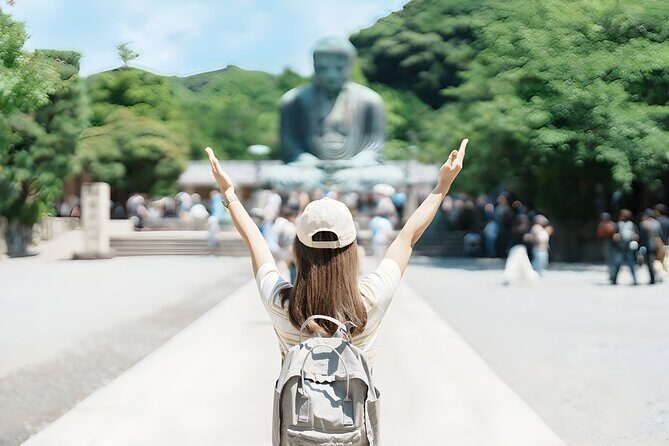
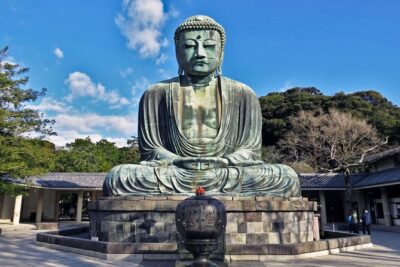
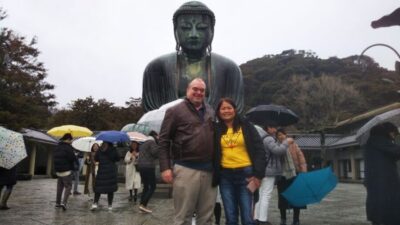
Kamakura begins with Kotoku-in, home to the bronze Great Buddha. This is one of Japan’s most recognizable temple sights, and it’s impressive not because it’s loud, but because it’s steady—standing since the 13th century.
You’ll have about 1 hour. That time is helpful because you’ll likely want both close-up viewing and a few moments back to see the overall scale. When you pause, you notice how the space around the Buddha changes your pace automatically.
Admission isn’t included. If you’re trying to keep costs down, treat it like a must-see that you budget for, because the Great Buddha is the anchor stop that gives the whole day its title-level credibility.
Hokoku-ji Bamboo Grove: quiet even in a packed day
After the big statue, you get a change of texture at Hokoku-ji Temple, famous for its bamboo grove and a traditional tea house. You’ll spend about 1 hour, which feels like the right amount of time to slow down and let the bamboo do its calming job.
This stop works especially well after Kotoku-in because your eyes and mind get a different kind of focus. The bamboo creates vertical lines and soft light, so even casual photos look more intentional.
Admission isn’t included. If you’re paying separately for multiple sites that day, this is one place where the atmosphere is usually worth it because you’re paying for a specific experience, not just a building.
Tsurugaoka Hachimangu Shrine: a history-rich walk at a good pace
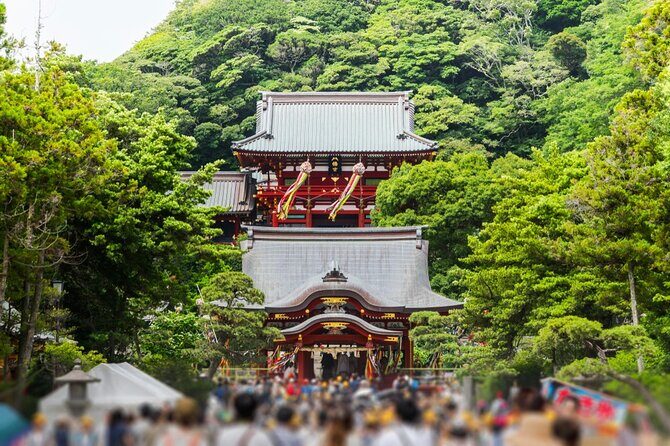
Next comes Tsurugaoka Hachimangu, Kamakura’s most important Shinto shrine. It traces back to 1063, and it was later expanded by Minamoto no Yoritomo, the founder of the Kamakura shogunate.
You’ll have about 1 hour, and that’s enough time to walk the shrine area without feeling rushed. This stop adds the “bridge” between Kamakura’s religious heritage and its political past, without requiring you to memorize a timeline.
Admission is free. That makes this a smart slot for budget-conscious sightseeing inside a private day plan. You can also use this time to reset—grab a drink, use the bathroom if you need to, and keep your energy for Hasedera.
Hasedera Temple: Kannon statue, ocean views, and seasonal charm
Finally, you reach Hasedera Temple, famous for its large wooden statue of Kannon (Goddess of Mercy). You’ll also hear a lot about the setting: ocean views, a cave, and a hydrangea path in early summer.
You’ll spend about 1 hour. That’s not endless time, but it’s enough to see the main highlights and enjoy the temple’s changing viewpoints as you move through the grounds.
Admission isn’t included, so plan for optional payment here as well. If you’re visiting in early summer, this is one stop where the season matters, because hydrangeas can turn a normal temple visit into a memorable one.
Price and value: $360 for up to 3, and what you get for it
At $360 per group (up to 3 people), this can be very good value if you’re traveling as a small unit. The biggest reason is simple: it’s a private day with transportation, English-speaking chauffeur service, and fees like fuel, parking, and tolls covered.
If you were doing Yokohama and Kamakura with separate transfers and multiple tickets, the costs can creep up fast. Here, you’re paying mostly for time, comfort, and the ability to hit multiple major stops without navigating the logistics yourself for every leg.
To judge value in a real-world way: think about your likely admission spend. Several major sights have optional entry costs, so your final cost depends on which ones you choose to add on.
The real comfort wins: car time, bottled water, and a driver who keeps things moving
This tour includes bottled water, an air-conditioned vehicle, and an English-speaking chauffeur. Pickup is offered, and you’ll use a mobile ticket.
One detail that really matters on a long day: timeliness. In one standout example, an English-speaking driver named Rudy was noted for being exceptional, informative, and always timely at pickup. That kind of pacing matters because Yokohama and Kamakura are both places where a late start can compress your options.
Also, because there’s no separate walking guide, your best experience comes from being ready to soak up explanations during the drive. If you enjoy learning while moving—rather than relying on someone holding a mic at each gate—you’ll fit this format nicely.
Who this day trip is best for
This private plan is a strong fit if you want:
- A well-structured day that covers both Yokohama and Kamakura without building your own route
- A small group setup (up to 3) where one price makes sense
- A balance of modern views (Minato Mirai, Sky Garden) and classic temple landmarks (Great Buddha, bamboo grove, Hasedera)
- Comfort-focused travel with an English-speaking chauffeur doing the heavy lifting
It’s also a great choice for first-time visitors who want the “headline” sights, plus a quieter garden stop that slows the pace down.
Should you book this private Yokohama and Kamakura day trip?
I’d book it if you want an efficient, comfortable day that hits the top icons in Yokohama and Kamakura while still letting you adjust timing to your interests. The private format is the selling point: less stress, more control, and more time spent where you actually care.
I’d hesitate only if you prefer tours where a walking guide talks you through every site on foot, or if you want to avoid optional admission costs because multiple stops may charge extra on-site.
If you like the idea of starting with harbor views, switching to Chinatown for easy snacks, then ending with Kamakura’s temples and ocean-side atmosphere, this is a very practical way to do it.
FAQ
How long is the Yokohama and Kamakura private day trip?
It runs about 9 to 10 hours.
What is the price for this tour?
The price is $360 per group, up to 3 people.
Do we get picked up from Tokyo?
Yes, pickup is offered.
Is there an English-speaking driver?
Yes. The tour includes an English-speaking chauffeur.
Are admission fees included?
Entry and admission fees are optional and must be paid on-site by you. Some stops are listed as free, while others are not included.
What’s included in the tour price?
Included items are bottled water, an air-conditioned vehicle, English-speaking chauffeur, and fuel/parking/toll fees.
Do we get a guide walking with us at each stop?
A walking guide is not included. Insights are given mostly while in the car between destinations.
How does ticketing work?
You’ll receive a mobile ticket.
Is the tour cancellable?
Yes. Free cancellation is available up to 24 hours before the experience start time for a full refund.
More Tour Reviews in Tokyo






Next Door in Yokohama
More Days by the Great Buddha
Fresh reviews from around Tokyo






Kamakura Day Trips, compared.
 ★ 4.5Kamakura & Enoshima Day Trip including Temple TicketsFrom $581,375 reviews
 ★ 4.5From Tokyo: Kamakura & Enoshima 1-Day Bus TourFrom $66189 reviews
 ★ 5.0Kamakura Historical Walking Tour with the Great BuddhaFrom $98129 reviews
Kamakura Private Tour: Temples, Nature, and the Great BuddhaFrom $98121 reviews
Kamakura Walking Tour – The City of ShogunFrom $35100 reviews
★ 5.0Kamakura Historical Walking Tour with the Great BuddhaFrom $98129 reviews
Kamakura Private Tour: Temples, Nature, and the Great BuddhaFrom $98121 reviews
Kamakura Walking Tour – The City of ShogunFrom $35100 reviews
 ★ 5.0Kamakura 8 hr Private Walking Tour with Licensed Guide from TokyoFrom $20180 reviews
 ★ 4.1Kamakura & Enoshima Day Tour with Pickup & Train RideFrom $1361 reviews
 ★ 4.8Kamakura: Private Guided Walking Tour with Local GuideFrom $10660 reviews
Browse the lists this tour appears in