
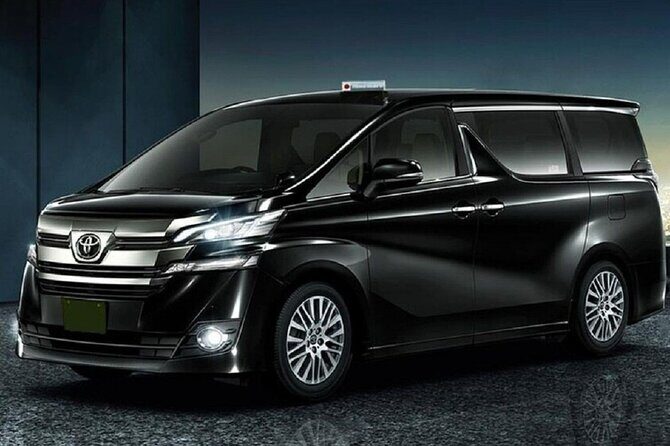
Reviewed · YOKOHAMA TOURS
Tokyo: Private One-Way Transfers to/from Yokohama Port
Your cruise starts with a smooth ride. This private transfer is built for the reality of Tokyo-to-Yokohama travel: skip crowded transit with heavy luggage and get door-to-door pickup organized ahead of time. I also like the clear driver communication via phone/WhatsApp, plus the fixed price so you do not watch a cab meter while you’re thinking about check-in.
One thing to keep in mind: English levels can vary by driver. If communication matters a lot for you, plan to rely on WhatsApp messages and keep the voucher details handy, because language can be the only weak spot in an otherwise easy transfer.
In This Review
- Key Points That Make This Transfer Worth Your Time
- Tokyo–Yokohama by Private Car: Why This Works So Well
- Price and Value: What $67.20 Is Really Buying
- Service Area Reality: Are You in Their Tokyo Zone?
- Pickup and Drop-Off: How You Avoid the Port Panic
- Waiting Time: The 30-Minute Buffer That Saves Plans
- The Car Experience: Air-Conditioning, Comfort, and Luggage Handling
- Communication That Actually Reduces Stress
- Cruise Port Logistics: Why Drop-Off Location Matters
- Timing: About That One-Hour Ride Window
- Common Hiccups to Watch For (and How to Prevent Them)
- Who This Transfer Is Best For
- Should You Book It? My Practical Verdict
- FAQ
- Where are you picked up and dropped off for this one-way transfer?
- Is this a private transfer or shared with other passengers?
- What’s included with the price?
- Do I need to provide addresses in advance?
- Do you wait if I’m delayed?
- Is a child seat included?
- Are there extra charges for time delays?
- What areas of Tokyo are covered?
- Is customer service available if I have questions?
Key Points That Make This Transfer Worth Your Time
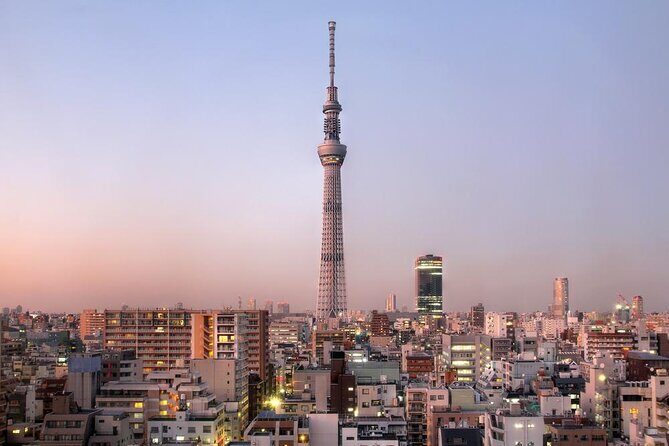
- Door-to-door convenience: Tokyo City Center hotel pickup to Yokohama Port, and the reverse
- Communication that reduces stress: driver contact in advance through phone/WhatsApp
- Fixed price sanity: no surprise cab-meter moments
- 30-minute free waiting time: useful when boarding lines move slowly
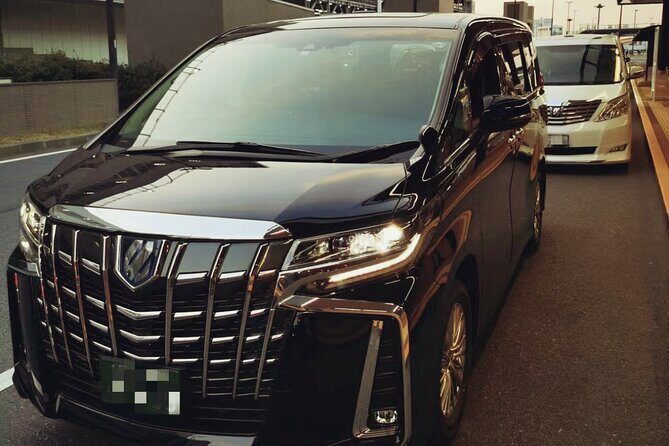
- Big, luggage-friendly rides: often large premium vehicles, including models like an Alphard
- Port navigation help: drivers may escort you toward check-in areas when needed
More of the harbour city next door
- Narita Airport: One Way Private Transfer to Tokyo|Yokohama Hotels★ 4.5 · 69 reviews
- Tokyo: Private One-Way Transfers to/from Yokohama Port★ 4.5 · 50 reviews
- Private Car Tour to see Highlights of Kamakura, Enoshima, Yokohama from Tokyo★ 5.0 · 48 reviews
Tokyo–Yokohama by Private Car: Why This Works So Well
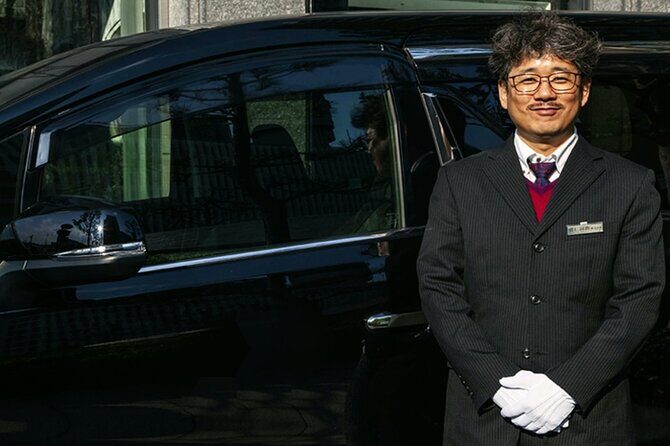
Tokyo to Yokohama is the kind of trip where a few small problems stack up fast. Luggage, lines, confusing walking routes inside busy stations, and the fear of being late for a cruise check-in. This one-way private transfer is designed to knock those problems off the table.
You’re paying for control. You skip public transport with suitcases and you do not have to coordinate pickup times with strangers. And because the ride is one-way and private, you get a direct path from your hotel to the port, or from the port back to your hotel.
The drive also turns “travel time” into a low-stress buffer. Instead of rushing through train stations, you can sit down and let someone else handle traffic, turning, and finding the correct drop-off zone.
Price and Value: What $67.20 Is Really Buying
At about $67.20 per person, this is not the cheapest option. But it is often the most practical one once you factor in luggage and time. Public transport might be less money, yet it can cost you energy and flexibility—especially when you’re hauling bags and trying to move quickly through transit hubs.
This ride is also fixed-price, which matters more than it sounds. In Japan, the route and timing can change with traffic, and nobody wants a surprise bill when they’re trying to focus on the day ahead. A fixed price helps you plan like an adult: you know what you’ll pay.
Add in the included comforts—air-conditioned vehicle and door-to-door service—and the math starts to make sense for couples, small groups, or families with at least a few suitcases. If you’re traveling light and flexible, you might feel less urgency. If you’re carrying more than one bag per person, the value jumps.
Service Area Reality: Are You in Their Tokyo Zone?
This transfer is only available for properties in Tokyo City Center, specifically the Tokyo 23 wards (the list includes many areas like Adachi, Arakawa, Bunkyo, Chuo, Edogawa, Itabashi, Koto, Minato, Ota, Setagaya, Shibuya, Shinagawa, Shinjuku, Suginami, Sumida, Taito, Toshima, and more). The operator also lists Narita in the service-area description, so double-check your exact pickup location during confirmation.
If your pickup address is outside the service area, they may contact you about additional charges. That’s not a bad thing—it just means you should confirm your hotel address early and be ready for a small adjustment if you’re far out.
Tip: when you confirm, send the exact hotel name and the closest entrance. Ports and big roads are easier when the driver has precise wording, not “near the station.”
Pickup and Drop-Off: How You Avoid the Port Panic
The best part of a private transfer is simple: you don’t wait around for other people. You also do not have to guess where your vehicle will stop while you’re dragging luggage.
Here’s what to expect in practice:
- You provide your pickup and drop-off address in advance.
- You share a contact phone number or WhatsApp account when confirming.
- The operator contacts you to confirm pickup details in advance.
- The driver is arranged one day in advance, and your ride is designed around that confirmed plan.
When you’re going from your Tokyo hotel to Yokohama Port, the “arrival moment” matters. The port has multiple entrances and check-in areas, and getting dropped at the wrong spot can add walking time. One of the most positive patterns from actual transfers is that some drivers actively escort passengers toward check-in when you arrive, which can save real minutes.
When you’re going from Yokohama Port to your Tokyo hotel, the challenge flips to finding the pickup point quickly in a busy terminal area. Having the driver contact details and communicating clearly helps a lot here.
More private options with your own guide




Waiting Time: The 30-Minute Buffer That Saves Plans
You get 30 minutes of free waiting time. That’s a big deal for two reasons.
First, cruise schedules often come with “be ready” moments—boarding can move like a slow conveyor belt, not like a stopwatch. Second, traffic and port-entry timing can be unpredictable even when you did everything right.
If you miss the pickup window, you may run into extra costs through an overtime fee. So treat that 30-minute buffer as your safety net, not as permission to wander off for coffee.
The Car Experience: Air-Conditioning, Comfort, and Luggage Handling
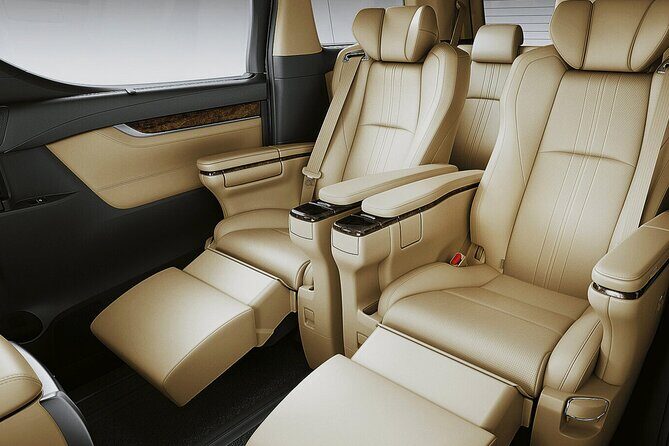
This transfer uses an air-conditioned vehicle, which is not a luxury in Japan—especially in warmer months. Comfort also matters because you’re likely sitting with bags in the car and you want a ride that feels calm, not cramped.
In real-world use, you may see premium models. Some transfers mention an Alphard, and others describe luxury vans with spacious seating. There’s also a note of mixed seat comfort in at least one case, so I’ll be straight with you: vehicle assignments can vary. The good news is the consistent goal is safe, careful driving and luggage-friendly drop-off.
Practical tip: keep one small bag accessible. Even with a private ride, port days can involve walking, queues, and quick checks.
Communication That Actually Reduces Stress
Most of the positive experience comes from communication that starts before you step outside. Drivers are reported as reaching out the day before to confirm details, and messages often come through WhatsApp or phone.
This is the difference between a transfer that feels easy and one that feels like a hunt. When your driver can send vehicle description and contact info, you spend less time scanning parking areas.
A few language realities show up too. Some drivers speak English well. Others may use basic English or have limited English. In those cases, Google Translate or careful wording in WhatsApp can get you through smoothly. The operator also states they provide 724 customer service, so there is support if you get stuck.
My advice: do the simple preparation that makes language barriers irrelevant. Send the hotel name in English and the address in the format your app uses. Then keep your WhatsApp messages short and clear.
Cruise Port Logistics: Why Drop-Off Location Matters
Yokohama Port is not just one spot. It’s a cruise ecosystem with gates, signage, and walking routes. That’s why the “where exactly are you dropped” question is so important.
One of the strongest themes in successful rides is that drivers make an effort to get you to the correct check-in area. That’s not guaranteed for every situation, and port setup changes by cruise line and terminal. But it’s a real reason to choose private transportation over DIY transit: you’re paying for someone to handle the arrival complexity.
Also, the route itself can be long enough that fatigue starts to creep in. Private car time lets you arrive calmer, which makes the rest of embarkation less annoying.
Timing: About That One-Hour Ride Window
The ride is listed at about 1 hour. But that’s an estimate, not a promise. Traffic and port-entry procedures can add time, especially near peak cruise embarkation.
A few experiences mention delays caused by traffic, but the broader pattern is that drivers try to communicate and adjust. Still, build in a cushion on your schedule. If your cruise departure is strict, do not plan to arrive at the absolute last minute.
When you confirm, ask yourself: do I have enough time for luggage lines and check-in? If yes, private transfer is a great fit. If you’re already cutting it close, this service can help—but you still need buffer.
Common Hiccups to Watch For (and How to Prevent Them)
No service is perfect, so here are the issues that can pop up and how you can reduce the odds:
- English mismatch: If your driver has limited English, you’ll rely on WhatsApp messages and translation. Keep the address and booking details in your phone.
- Pickup-point confusion: Ports can have multiple standard pickup zones. If your driver says a different location is needed, follow their instructions and communicate quickly.
- Vehicle-seat expectations: One mismatch was described between what was expected and what arrived. Seat comfort can depend on which vehicle is assigned that day.
- Traffic delays: If traffic hits, you may be late. The 30-minute waiting time helps, and communication helps even more.
The best prevention plan is boring and effective: confirm early, share your phone/WhatsApp, and send the exact pickup address.
Who This Transfer Is Best For
This one-way private transfer fits you best if any of these are true:
- You’re sailing from Yokohama and want door-to-port simplicity.
- You have luggage and do not want to wrestle it through transit stairs and platforms.
- You want a fixed-price ride so your budget stays clean.
- You’re traveling with someone who values less walking on travel days.
It may be less ideal if you’re traveling ultra-light and you enjoy DIY navigation. You could save money by using public transport. But if your goal is an easier embarkation day, the private angle is the whole point.
Should You Book It? My Practical Verdict
Book this transfer if you want your Tokyo-to-Yokohama day to feel controlled. The biggest win is straightforward: skip public transport with luggage and replace it with a confirmed pickup, an air-conditioned ride, and a direct arrival at the port area.
The main reason to hesitate is communication and vehicle variability. If English needs are strict, message clearly on WhatsApp and keep your booking details ready. If seat comfort matters a lot, remember that vehicle assignment can vary, including premium models like an Alphard in some cases.
If you’re thinking about it for a cruise day, I’d lean yes. This is one of those services where paying for convenience is not indulgent—it’s time-saving. You arrive ready to board, not stuck in transit math.
FAQ
Where are you picked up and dropped off for this one-way transfer?
For this transfer, you’re picked up from a Tokyo hotel to Yokohama Port, or picked up at Yokohama Port and dropped off at your Tokyo hotel, depending on the direction you book.
Is this a private transfer or shared with other passengers?
It’s private. Only your group participates.
What’s included with the price?
Included features include the hotel pickup to Yokohama Port (or port pickup to your Tokyo hotel), an air-conditioned vehicle, and a 30-minute free waiting time.
Do I need to provide addresses in advance?
Yes. You’re asked to provide your pickup and drop-off address in advance, and the operator contacts you to confirm pickup details.
Do you wait if I’m delayed?
You get 30 minutes of free waiting time.
Is a child seat included?
No. A child seat is not included and costs an additional $17.
Are there extra charges for time delays?
Overtime fees apply if there’s additional time, listed as $30 per hour.
What areas of Tokyo are covered?
The service is for properties in Tokyo City Center, covering the Tokyo 23 wards listed in the description (with the listed areas including many central neighborhoods). If your pickup is outside the service area, additional charges may be requested.
Is customer service available if I have questions?
Yes. The operator states 724 customer service is available, and English support is available if you need help coordinating.
Just Your Group: Private Options
More Tour Reviews in Tokyo






Next Door in Yokohama




Fresh reviews from around Tokyo






Yokohama Tours, compared.
 ★ 4.9EVO, WRX, Skyline – JDM Night Run to Daikoku Car MeetFrom $125478 reviews
Best Price Daikoku Parking Area JDM Car MeetFrom $76192 reviews
★ 4.9EVO, WRX, Skyline – JDM Night Run to Daikoku Car MeetFrom $125478 reviews
Best Price Daikoku Parking Area JDM Car MeetFrom $76192 reviews
 ★ 4.9Daikoku & Tokyo Private JDM Tour by 700HP R34 GT-RFrom $586101 reviews
 ★ 5.0Tokyo 8hr Private Tour with Licensed Guide from YokohamaFrom $20194 reviews
 ★ 5.0【Tokyo】JDM Daikoku Parking Area & Nissan Facility TourFrom $5587 reviews
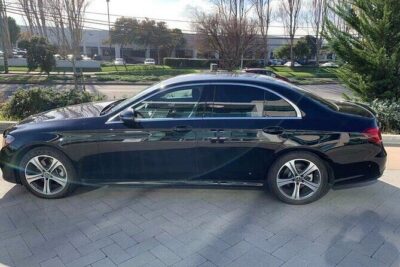 ★ 4.5Narita Airport: One Way Private Transfer to Tokyo|Yokohama HotelsFrom $7769 reviews
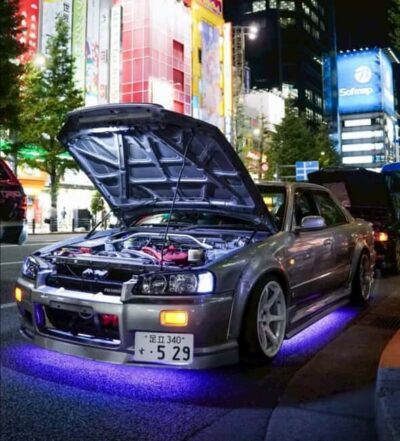 ★ 5.0R34Skyline Daikoku PA Fast & Furious Private ExperienceFrom $10963 reviews
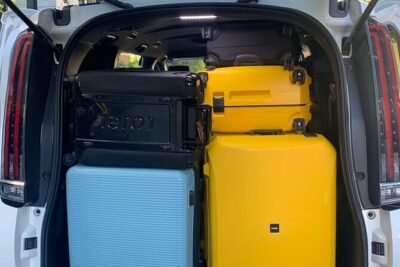 ★ 5.0Shuttle Van Transfer, Yokohama(Port)⇒Tokyo, Narita, Haneda, TDRFrom $12263 reviews
Browse the lists this tour appears in