
Reviewed · TEA CEREMONY EXPERIENCES
Walking Tour: Yanaka,Nezu& Sendagi: Tea Ceremony & Old Tokyo
Old Tokyo has a way of slowing you down.
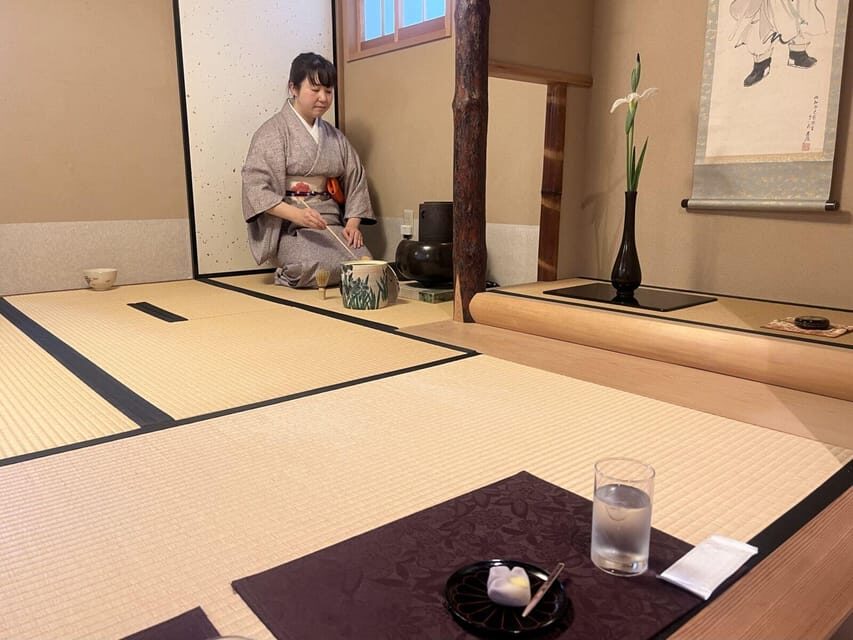
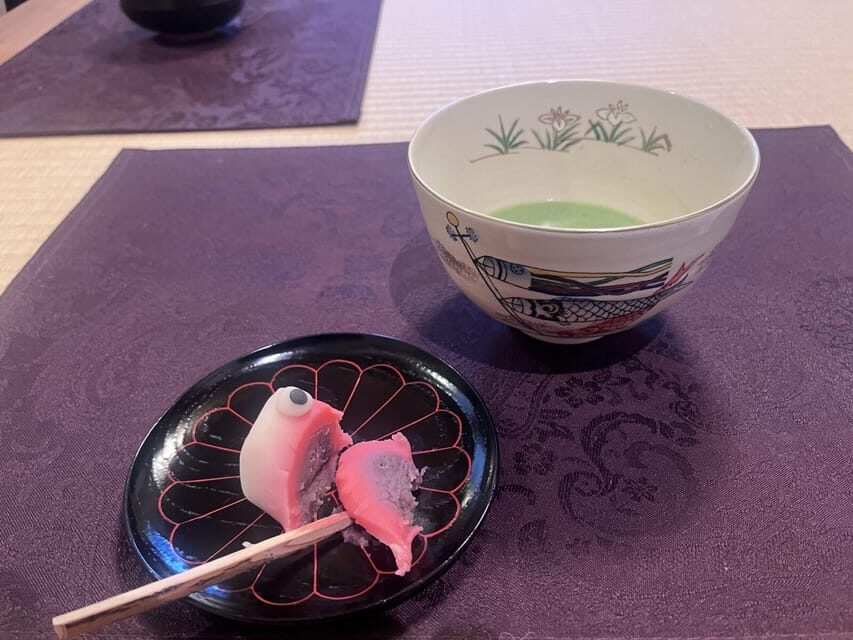
This Yanaka, Nezu & Sendagi walking day focuses on Shitamachi-style Tokyo that still feels lived-in, not staged. I love how the route keeps you moving through real neighborhood texture, and I love the tea ceremony side of the day, especially the antique tea bowls and the wagashi. One watch-out: it is a full walking day, so comfy shoes matter more than sightseeing enthusiasm.
What really makes it work is the balance. You get structured time with shrines, a museum visit, and a park-temple area, plus real breathing room for lunch and neighborhood wandering. In the past, guides such as Jeff have made it feel like a friendly conversation on the move, and Beth has brought extra warmth and detail to the tea moment, including a portrait drawing connected to the antique tea bowls. A possible drawback: if you prefer ultra-flexible free time, you’ll still get some, but it’s not a self-guided day.
You start at 10:30 at Nippori Station’s West exit, meeting outside near a red information board and post box. And do yourself a favor: come out of Nippori, not Nishi-Nippori. That one small station mix-up can waste your best morning.
In This Review
- Key highlights worth your attention
- Yanesen Is the Tokyo You Picture, But Harder to Find
- Nippori West Exit: The Easy Start That Sets the Tone
- Yanaka Cemetery: Old Tokyo That Feels Quiet and Real
- A Secret Stop for Food Tasting: The Break Your Feet Will Thank You For
- Yanaka District Free Time: Where the Neighborhood Does the Talking
- Asakura Museum of Sculpture: Indoor Art, Outdoor Views
- Lunch in Yanaka: A Good Reset Before Sendagi and Nezu
- Sendagi: Temples and Park Time for a Slower Kind of Tokyo
- Nezu-jinja Shrine: The Day’s Beautiful Signature
- Price and Value: Is $135 Worth a One-Day Yanesen Plan?
- Who Should Book This Tour (and Who Might Skip)
- Should You Book It
- FAQ
- Where does the tour start?
- Which train station should I use: Nippori or Nishi-Nippori?
- How long is the walking tour?
- What’s included in the price?
- Does the tour have an English-speaking guide?
- What cultural activity do you do during the day?
- Is lunch included?
- What are the cancellation and payment options?
Key highlights worth your attention
- Yanesen, the Shitamachi triangle: Yanaka, Nezu, and Sendagi in one day with local context
- Tea ceremony with antique tea bowls plus wagashi, not just a quick demo
- Guided museum time at Asakura Museum of Sculpture with rooftop terrace views
- Historic stops with a relaxed pace: cemetery, temples, and a major shrine
- A dedicated food-tasting break at a secret stop that breaks up the walking flow
Quieter hours: more tea rooms and ceremonies
- Tokyo: Traditional Tea Ceremony with a Tea Master★ 5.0 · 528 reviews
- Tea Ceremony Workshop in Tokyo by the Experienced Instrucor★ 5.0 · 189 reviews
- Tea Ceremony Experience in a Private Tea Room in Shibuya★ 4.9 · 125 reviews
Yanesen Is the Tokyo You Picture, But Harder to Find
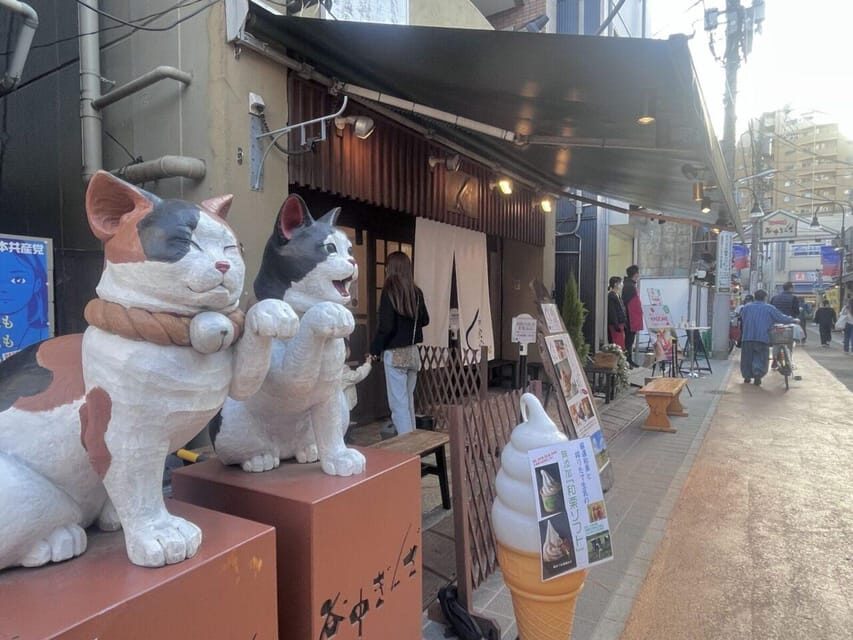
Most first-time Tokyo days feel like a highlight reel. This one aims for something steadier: Shitamachi (lower-city) atmosphere in and around Yanaka, Nezu, and Sendagi, a part of Tokyo that holds onto older streets and building shapes. The tour’s big value is not just where you go, but how it helps you read what you’re seeing—why it feels different from the big-name districts.
If you care about everyday Tokyo life—small streets, local worship spots, and the kind of corners you normally walk past without understanding—this layout clicks. You’re not rushed into constant “next photo spot” mode. Instead, you get a story behind the neighborhood identity, then time to look around yourself.
Nippori West Exit: The Easy Start That Sets the Tone
You’ll begin at Nippori Station at 10:30, outside the West exit. The meeting point is practical: look for the red information board and the post box right in front of you when you come out of the ticket gates. This matters because Nippori and Nishi-Nippori are close on the map, and mixing them up is an easy mistake when you’re navigating in a new city.
Why I like this start: it gives you a proper Tokyo morning rhythm. You’re not starting late and you’re not losing time crossing town right away. By the time you hit the first Yanaka area stop, your day feels like it has momentum.
Tip: if you arrive early, don’t just stand around. Take a moment to orient yourself to the station layout so you’re not hunting exits later.
Yanaka Cemetery: Old Tokyo That Feels Quiet and Real
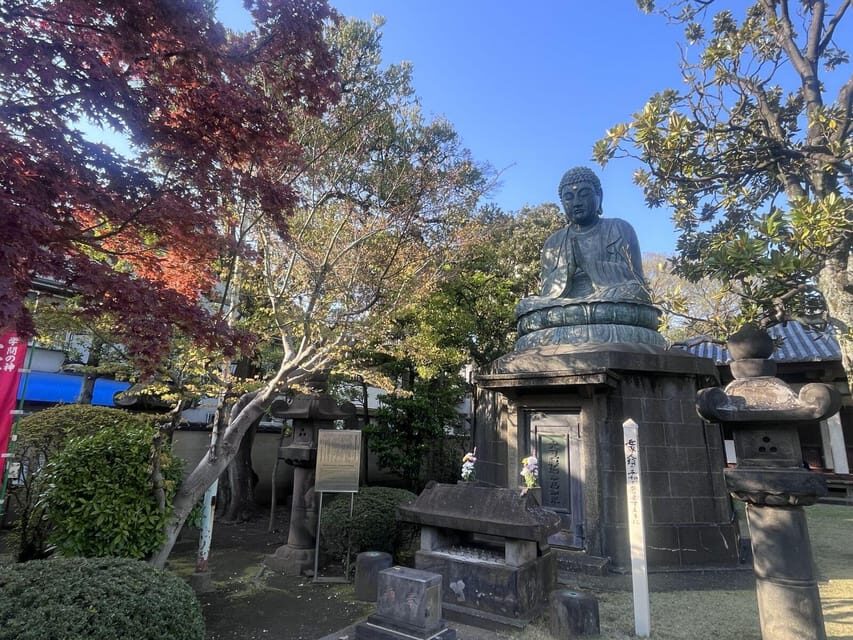
The day’s first guided stop is Yanaka Cemetery, with time to visit and get oriented. Cemeteries in Japan are often more than solemn places. They can be peaceful walking spaces and also a kind of open-air record of local life over time. Here, it sets the tone for the rest of Yanesen: calm streets, thoughtful architecture, and the feeling that this is not a brand-new tourist zone.
What to expect during your guided time is less about formal lectures and more about context—what you’re looking at and how the area has kept its character. Then you move on, which helps. You don’t get stuck in one place too long, but you also don’t treat the stop as a quick checkbox.
Possible drawback: if you’re sensitive to quiet spaces or prefer lively markets over reflective atmospheres, this part can feel slower than you expected. The upside is you’ll likely appreciate it more once the day has warmed up.
A Secret Stop for Food Tasting: The Break Your Feet Will Thank You For
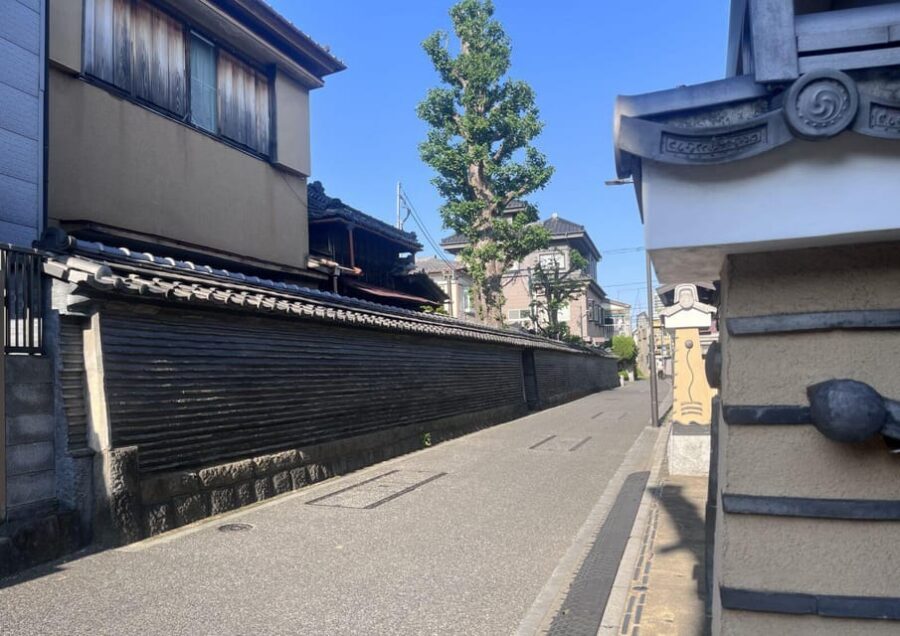
Midway through the Yanaka stretch, you’ll hit a “secret stop” for food tasting with guided time. This is one of the smartest pieces of the whole plan: you get guided walking through neighborhoods, then you get a break where you sample local tastes and refocus.
The key is pacing. An all-day walking tour can start to feel like a string of entrances and exits. A tasting stop breaks that pattern. It also helps you understand the neighborhood in a sensory way, not just through temples and museum walls.
What I’d do: go into this stop with a relaxed attitude. If you’re offered more than you expected, you can always take smaller bites where possible. The goal isn’t stuffing up. It’s getting the flavors that make this part of Tokyo distinct.
Tokyo at walking pace, a few more ways


Yanaka District Free Time: Where the Neighborhood Does the Talking
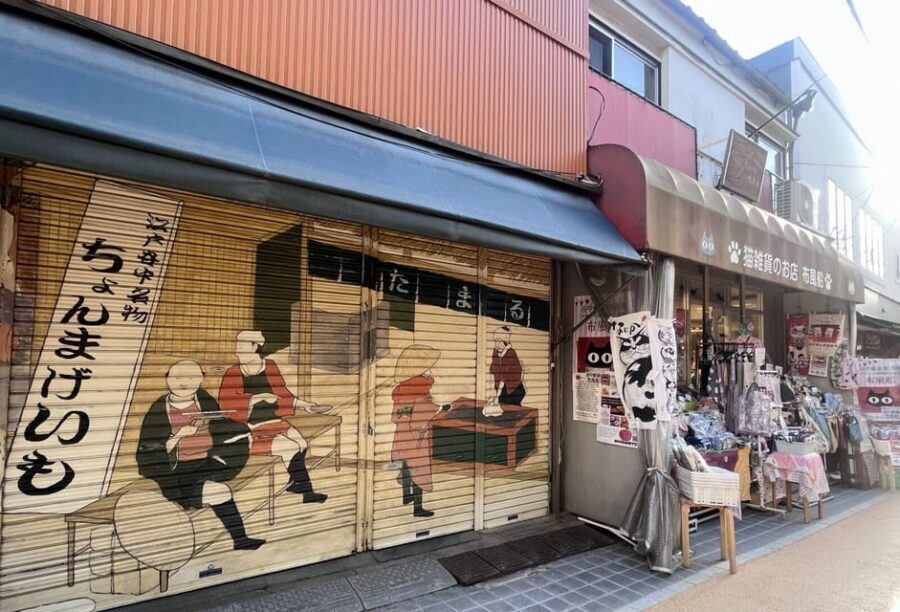
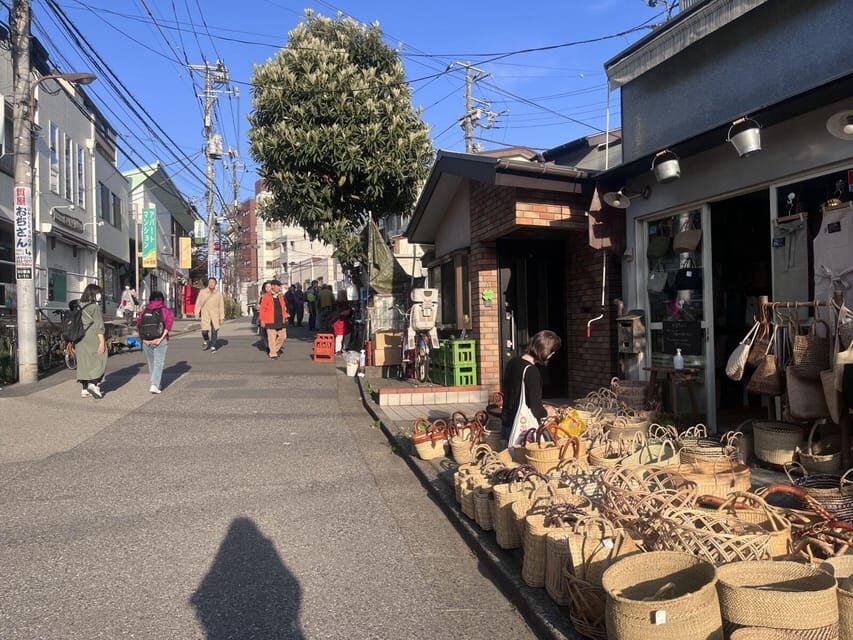
After the cemetery and tasting break, the tour shifts into Yanaka District time with guided guidance earlier and then a chunk of free time (about 80 minutes). This is your chance to slow your eyes down and follow the smaller streets, not just the main approach.
Yanaka is known for holding onto the textures of older Tokyo, and free time is the part that lets you actually feel that difference. You can browse, pause, and decide what you personally want to prioritize: small streets, temple-adjacent corners, or simple wandering for atmosphere.
How to make this time useful: don’t plan every minute. Pick a direction, walk it, and then re-check your bearings. If you see a small side street that looks promising, take it. This is the time where you can turn a guided day into your own Tokyo memory.
Asakura Museum of Sculpture: Indoor Art, Outdoor Views
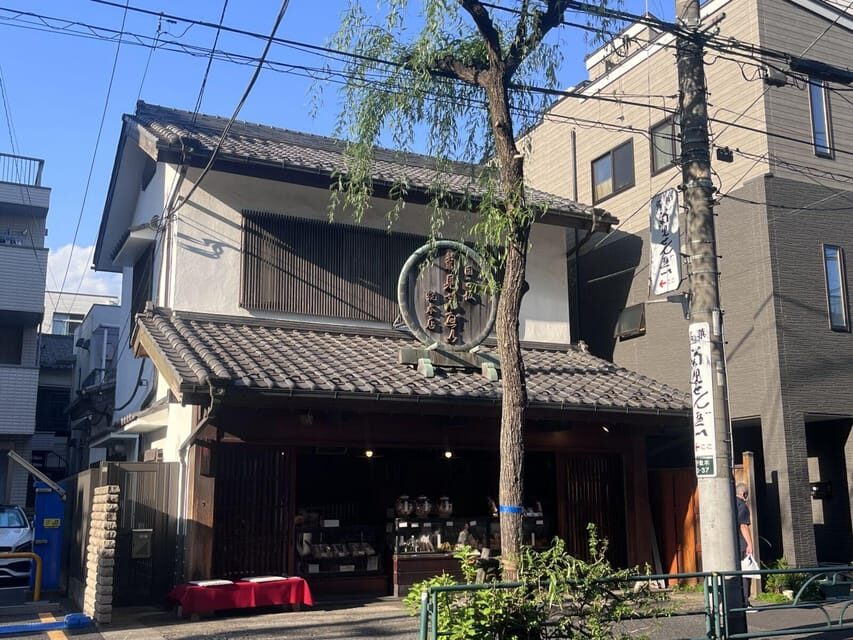
Next up is the Asakura Museum of Sculpture with a guided visit (about an hour). Sculpture museums can be a hit-or-miss if you’re expecting only picture-postcard culture. Here, the big selling point is that you also get rooftop terrace views. That combo matters because it gives you both an indoor cultural stop and an outdoor payoff.
During the guided museum time, you’ll likely get enough context to understand what you’re seeing without needing to read a textbook. Then, once you step onto the terrace views, the day balances out: culture indoors, skyline and perspective outside.
Why it’s good value in a one-day itinerary: it gives variety. If your day already includes shrine walking and a park-temple area, a museum stop prevents “too many sacred steps” fatigue.
Lunch in Yanaka: A Good Reset Before Sendagi and Nezu
There’s time for lunch with a free period (about an hour). The plan here is smart because it prevents the tour from cramming everything back-to-back. Use this hour to eat something easy and practical, then come back ready for the next two guided sections.
I like free lunch time because it lets you match your energy level. If you feel hungry-hungry, you can go bigger. If you’re just grazing, you can keep it light and save appetite for whatever you find on the way.
Practical note: plan to return to the group’s expected pace after you eat. You don’t want lunch to stretch and quietly steal time from the shrine visit.
Sendagi: Temples and Park Time for a Slower Kind of Tokyo
After lunch, you head to Sendagi, guided time plus a walk (about 40 minutes). Sendagi is known for temples and park space, and that pairing is a big reason this stop works. You get a mix of sacred spaces and open air, which changes how the day feels physically.
Think of this as the “breather” section. Even if you’re still walking, the environment is different. Parks and temple grounds generally create a slower pace for your attention—less noise, more space to notice details.
One consideration: if you’re expecting a street-market carnival, this may feel quieter. If you enjoy calm, it’s a win. It also helps set up Nezu-jinja later, because your eyes won’t be numb from constant stimulus.
Nezu-jinja Shrine: The Day’s Beautiful Signature
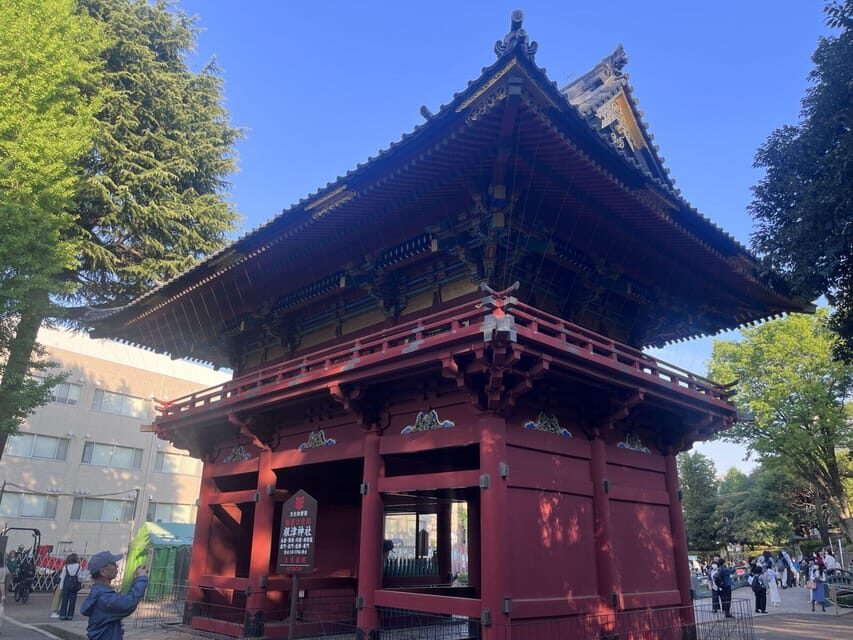
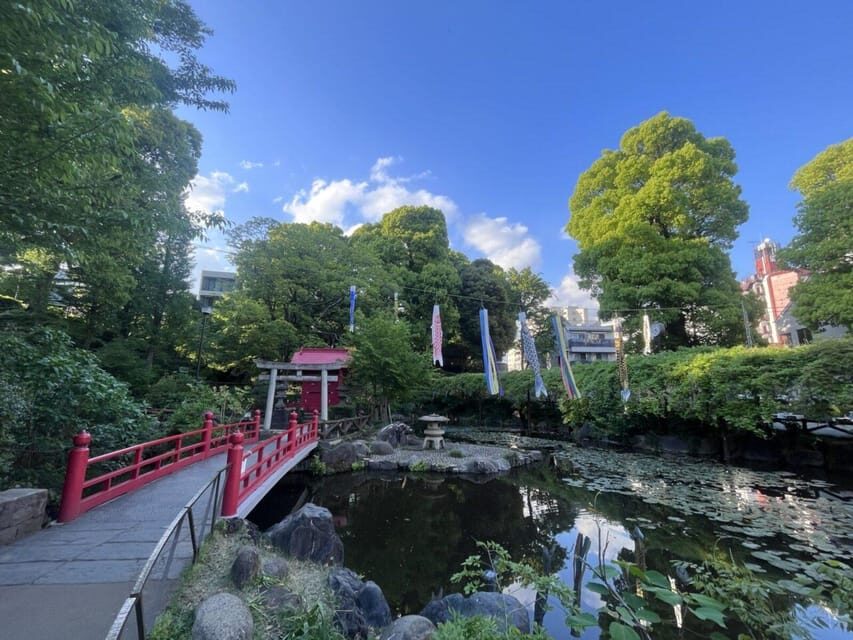
The final major guided stop is Nedu-jinja Shrine (Nezu-jinja), with about an hour for visiting and learning. This is one of Tokyo’s most beautiful shrine stops, and the tour gives it enough time to feel meaningful rather than rushed.
Why a dedicated guided visit helps here: shrines can look “simple” from far away, but there’s often a lot to notice up close—arrangement, design choices, and how the site functions in local life. You’ll get the context that turns sight-seeing into understanding.
If you’re the type who likes photos, you’ll get them, but try to do at least part of the hour without taking pictures. Let it be the kind of moment you remember more than document.
Price and Value: Is $135 Worth a One-Day Yanesen Plan?
At $135 per person for a full one-day experience, the value comes from what’s included and how much guidance you get.
Here’s where the money goes:
- Local English-speaking guide for the day’s flow and explanation
- Tea ceremony experience, including drinking from antique tea bowls
- Admission fees for the Asakura Museum of Sculpture
For one day, that’s a solid bundle. You’re not just paying for transit between spots. You’re paying for guided interpretation plus paid entries plus a cultural activity that can easily cost more when booked separately.
Compared to DIY, the advantage is time saved on decision-making. Instead of figuring out what order makes sense and what’s worth a stop, you get a pre-set rhythm that moves through Yanaka, Sendagi, and Nezu in a way that feels coherent.
Who Should Book This Tour (and Who Might Skip)
This tour is a good fit if:
- you want a Shitamachi Tokyo day that doesn’t feel like the biggest-billboard districts
- you’re curious about Japanese culture beyond watching from the sidewalk
- you want a mix of temples, neighborhoods, museum art, and a tea ceremony
You might skip it if:
- you strongly prefer self-directed time with minimal walking
- you dislike structured schedules and would rather spend the whole day choosing your own stops
The pacing is best for people who enjoy walking with a purpose—enough structure to guide you, enough breaks to breathe, and a few free moments to make the day yours.
Should You Book It
If your Tokyo trip needs one day that feels more like a neighborhood story than a checklist, I’d book this. The tea ceremony with antique bowls is the kind of experience you’ll remember because it’s hands-on and guided, not just a spectacle. Add the museum admission and rooftop views, plus the shrine time, and the day feels complete without being too chaotic.
My only hesitation is the walking load. If you’re planning lots of long days already, go in with sensible expectations and good footwear. Otherwise, this is a thoughtful, high-value way to see Yanesen like it has a pulse—quiet, local, and old-school Japanese.
FAQ
Where does the tour start?
The tour starts at 10:30 outside Nippori Station’s West exit, near a red information board and a post box.
Which train station should I use: Nippori or Nishi-Nippori?
You should use Nippori Station. The meeting point is at Nippori, not Nishi-Nippori.
How long is the walking tour?
The experience is listed as lasting 1 day.
What’s included in the price?
Admission fees for the Asakura Museum of Sculpture, the tea ceremony experience, and a local English-speaking guide are included.
Does the tour have an English-speaking guide?
Yes. The tour includes a live local English-speaking guide.
What cultural activity do you do during the day?
You take part in a traditional tea ceremony and drink from antique tea bowls.
Is lunch included?
Lunch is not specifically listed as included, but there is free time for lunch during the day.
What are the cancellation and payment options?
There is free cancellation up to 24 hours in advance for a full refund, and you can reserve now and pay later (book your spot and pay nothing today).
More Tours in Tokyo





More Tour Reviews in Tokyo




More Tea Rooms Worth Booking




Fresh reviews from around Tokyo






Tea Ceremony Experiences, compared.
 ★ 5.0Traditional Tea Ceremony with a Tea MasterFrom $38528 reviews
 ★ 5.0Tea Ceremony Workshop in Tokyo by the Experienced InstrucorFrom $38189 reviews
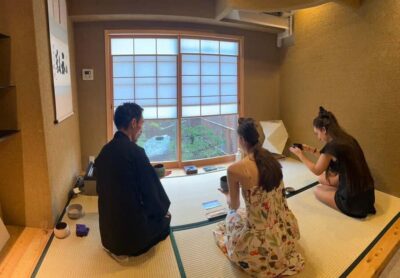 ★ 4.9Tea Ceremony Experience in a Private Tea Room in ShibuyaFrom $30125 reviews
 ★ 5.0Matcha Kimono Tea Ceremony in TokyoFrom $59104 reviews
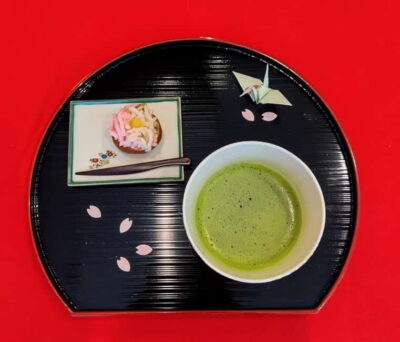 ★ 4.9Tea ceremony experience in Japanese-style room 60minFrom $4586 reviews
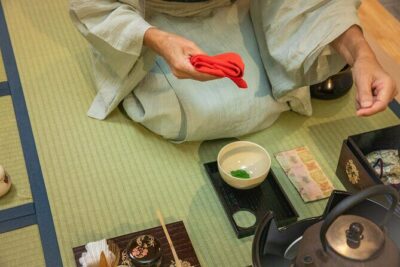 ★ 5.0Casual Japanese Tea Ceremony ExperienceFrom $2574 reviews
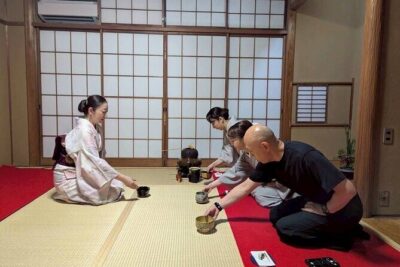 ★ 5.0Shibuya Authentic Tea Ceremony with experienced instructorFrom $2554 reviews
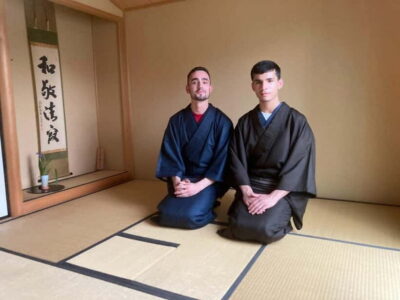 ★ 4.9Tea Ceremony Experience in a small tea roomFrom $5153 reviews
Browse the lists this tour appears in