
Reviewed · TEA CEREMONY EXPERIENCES
Tokyo: Tea Ceremony Experience in a small tea room
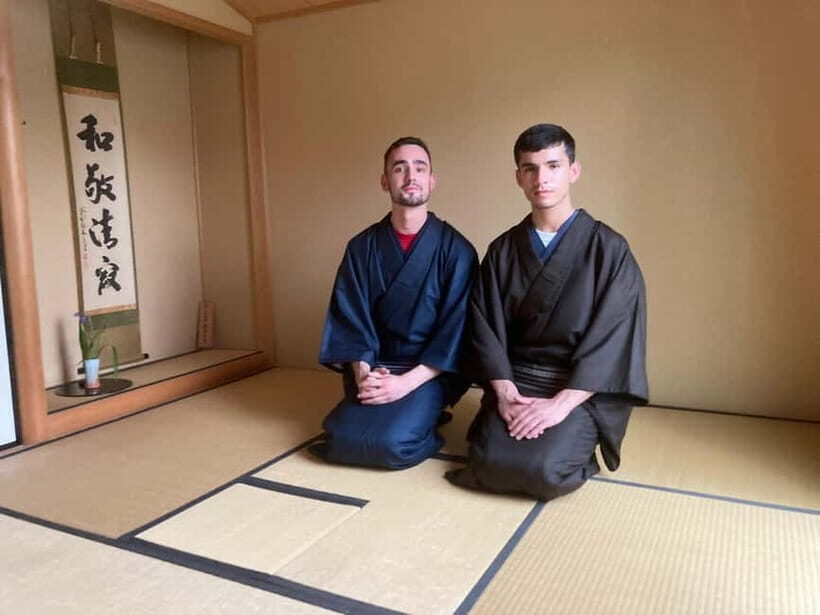
Silence, matcha, and real tradition. You get a hands-on tea ceremony in a small room near the Kamogawa Delta area, with time to learn the why behind the motions. I like how welcoming it feels, even if you’ve never touched a whisk before.
The second thing I really like is the teacher: Mari brings 20 years of experience and explains everything in clear English, patiently guiding your matcha steps. One small drawback to flag: the room is up narrow stairs, so it can be a little tricky if stairs are a concern.
In This Review
- Key highlights at a glance
- Finding Senraku-an: 7 minutes from Nishi-Nippori, peaceful Kamogawa Delta vibes
- Your 1-hour flow: arriving early and meeting Mari
- Matcha prep at a small table: whisking, mindful pacing, and towel folds
- Tea sweets and the manners behind omotenashi
- Cost and what you actually get for $51 in Tokyo
- Kimono option: a nice extra, but plan for the trade-off
- Where to go after: Yanaka and Nezu Shrine area calm walks
- Who this tea ceremony suits best (and who should reconsider)
- Should you book this Tokyo tea ceremony near Kamogawa Delta?
- FAQ
- How long is the tea ceremony experience?
- What is included in the price?
- Where do we meet?
- Is the instructor able to teach in English?
- Is this a group activity?
- Is transportation included?
- Can I request a kimono?
- Is there free cancellation?
Key highlights at a glance
- Small group (up to 6): more attention and less rushing.
- English instruction by Mari: easy to follow, question-friendly.
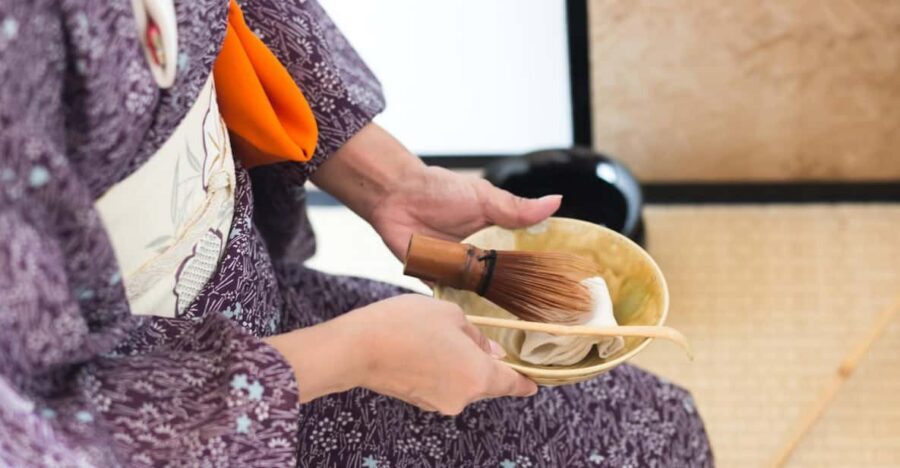
- Make your own matcha: you practice the whisking steps and pacing.
- Traditional dried sweets included: a simple, classic pairing.
- Near Nishi-Nippori (7-minute walk): easy to reach without a long commute.
- Optional kimono: you can request it if you want the extra touch.
Quieter hours: more tea rooms and ceremonies
- Tokyo: Traditional Tea Ceremony with a Tea Master★ 5.0 · 528 reviews
- Tea Ceremony Workshop in Tokyo by the Experienced Instrucor★ 5.0 · 189 reviews
- Tea Ceremony Experience in a Private Tea Room in Shibuya★ 4.9 · 125 reviews
Finding Senraku-an: 7 minutes from Nishi-Nippori, peaceful Kamogawa Delta vibes
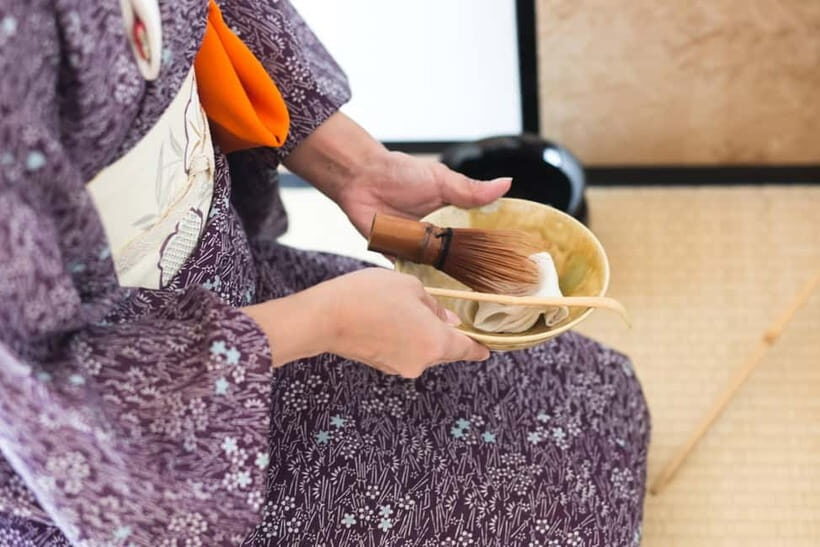
This tea ceremony takes place in the Yanaka / Nezu Shrine area side of Tokyo, close to a calmer pocket near the Kamogawa Delta. It’s the kind of setting where the city noise fades fast, because the ceremony is done at a small, dedicated location rather than a storefront-style tourist room.
You’ll meet at Senraku-an about 10 minutes before it starts. That early arrival matters here: it gives you time to settle, meet your instructor, and get oriented before the quiet part begins. If you’re taking a taxi, I’d still plan to be there early, because the location is in a residential area and can be a bit tricky to spot at first.
One more practical note: the ceremony space is reached via narrow stairs. That detail matters if you’re traveling with a mobility limitation, carrying a bag you don’t want to wrestle up stairs, or you simply prefer step-free access.
Your 1-hour flow: arriving early and meeting Mari
The whole experience is about one hour, and it’s designed to work for complete beginners. Your instructor teaches you the basics of the ceremony and guides you through matcha prep at a relaxed pace.
Here’s the kind of flow you can expect:
- Arrival and setup: you show up at Senraku-an roughly 10 minutes early.
- Introduction to the ceremony: you learn what each part is trying to communicate—calm, respect, and attention.
- Matcha preparation: you follow Mari’s guidance step-by-step.
- Support for practice: you get tips you can repeat on your own after you leave.
- Tasting setup with included sweets: you’ll have traditional dried sweets as part of the session.
Mari’s English teaching style is a big reason this works well. The explanations are steady and patient, and you’re encouraged to ask questions during the session rather than just watching and hoping it clicks.
Matcha prep at a small table: whisking, mindful pacing, and towel folds
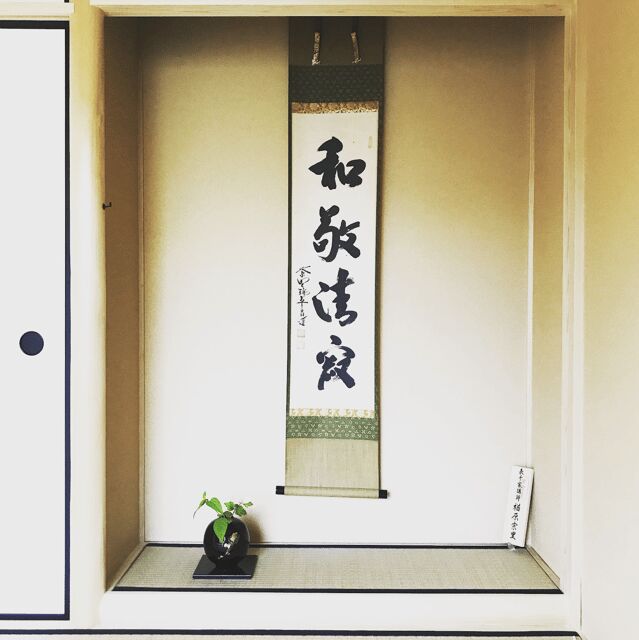
The star of the show is the matcha lesson. You’ll prepare your own matcha with guidance from Mari, using the motions and timing that make the ceremony feel different from a quick drink.
What I like for your first time: the instruction isn’t just about results (like getting the froth). It’s about movement—how you hold the whisk, how you handle the tools, and how the rhythm slows you down. That’s where the “mindfulness” side becomes real, not just a slogan.
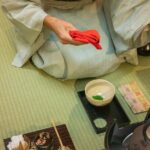
A useful detail: you can practice the folding of the tea towel. That might sound small, but it’s exactly the kind of step beginners often skip when they try to recreate a ceremony later. Having it broken down (and practiced a few times) gives you something you can actually repeat at home.
And because the group is limited to 6 participants, Mari can correct and coach without the class feeling crowded. This is one of the best ways to turn a cultural activity into a skill you walk away with.
Tea sweets and the manners behind omotenashi
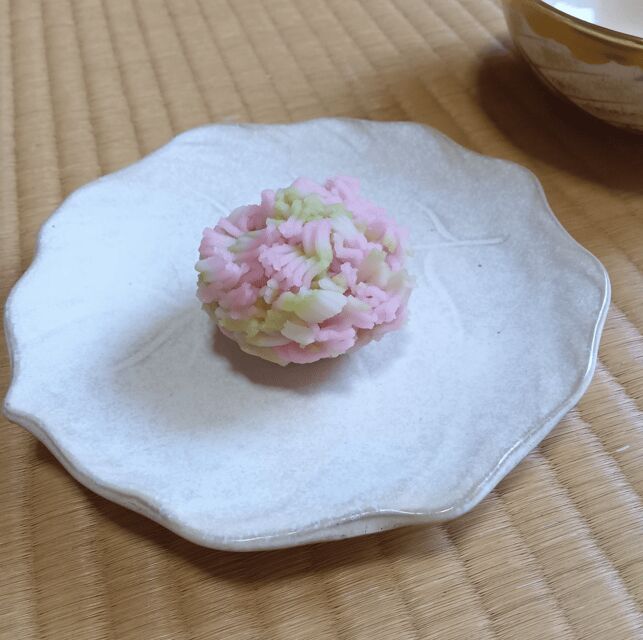
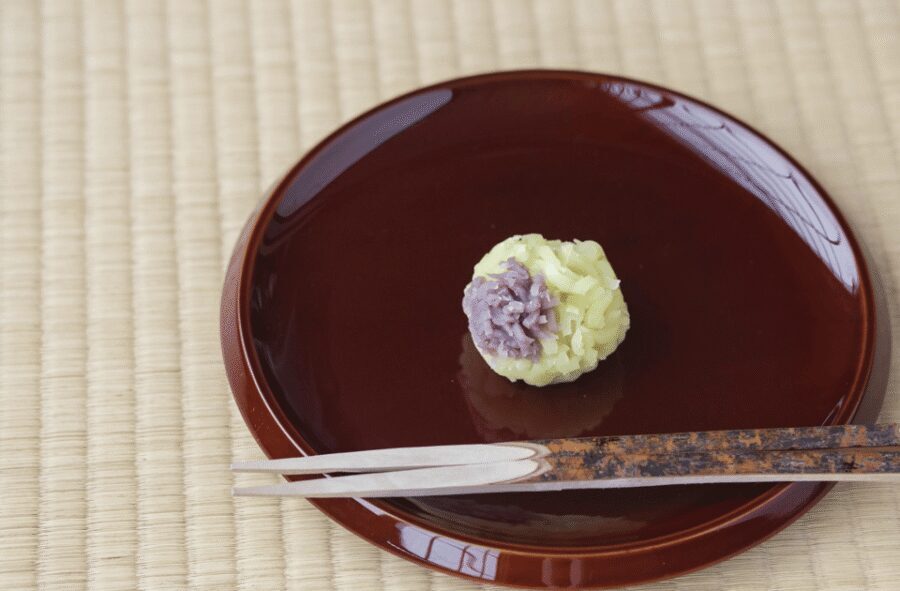
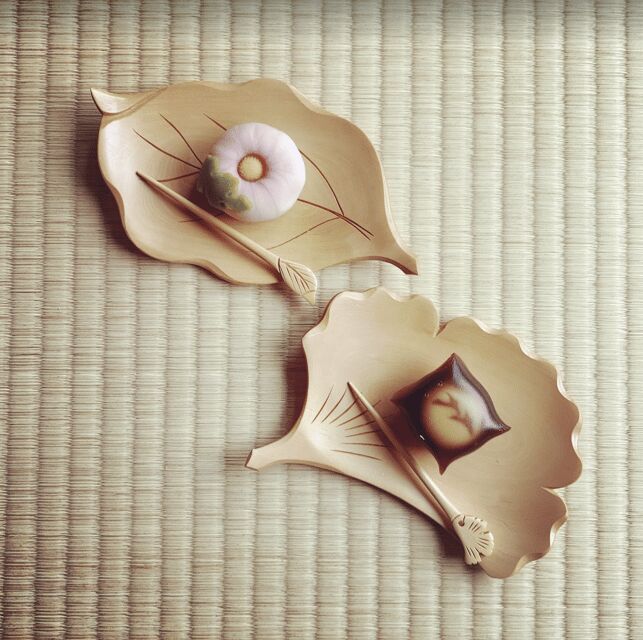
You’ll also get traditional dried sweets included, served as part of the ceremony. This matters because Japanese tea traditions aren’t only about matcha flavor—they’re about pacing and pairing. The sweet gives you a gentle contrast before the tea moment, and it helps turn the session into something you feel with your senses rather than a checklist.
Culturally, the ceremony is often explained through ideas like hospitality and harmony—what people call omotenashi, the way respect is shown through attention to small details. In practice, you see it in the pace and the care: everyone has room, movements are intentional, and the atmosphere asks you to slow down.
I also like that the experience is meant to lower barriers. You’re not expected to already know etiquette, terminology, or the “right” way to sit. The goal is to make the tradition understandable and comfortable, so you spend the hour learning rather than worrying you’ll do something wrong.





Cost and what you actually get for $51 in Tokyo
At $51 per person for a 1-hour session, this sits in a category where value depends on what you care about. If you want photos and a quick performance, you’d probably find cheaper options. But if you want real instruction, a small group, and hands-on matcha making, the price starts to make sense.
Here’s what you’re getting for that cost:
- Matcha
- Traditional dried sweets
- A lesson led by Mari (English)
- Small-group attention (up to 6)
The big value play is the combination: you’re paying for guided learning, not just entry. Also, because transportation isn’t included, you should factor in how you’ll get to Nishi-Nippori. The good news: the meeting area is only about a 7-minute walk from Nishi-Nippori station, which keeps your “hidden costs” low.
If kimono is part of your wish list, that’s an extra decision. The kimono option is available if you request it, but it’s not included in the base price.
Kimono option: a nice extra, but plan for the trade-off
You can request kimono dressing if you want. Reviews also point out that the kimono add-on can be priced on the higher side, so think of it as a bonus rather than part of the core experience.
If you’re the type who enjoys dressing up for cultural activities, it can add fun and photo memories. If you’re more focused on the ceremony itself, you can skip it and still get the full matcha lesson and instruction.
Also consider comfort: because the location involves narrow stairs, clothing restrictions and footwear can matter more than usual. If stairs and getting comfortable in traditional garments are a concern, you may prefer to skip the kimono and just enjoy the tea room setting.
Where to go after: Yanaka and Nezu Shrine area calm walks
This ceremony is close to the Yanaka and Nezu Shrine area, which is a great way to turn the hour into a longer, low-key visit. Once you finish, you’ll likely feel a little calmer than when you arrived—use that mood.
A practical approach:
- Take a slow stroll nearby rather than immediately jumping into major transit lines.
- Look for small streets and quiet corners where you can keep the pace gentle.
- If you planned shopping or big-sight marching, swap one of those for a light walk in this neighborhood vibe.
Since the ceremony location is in a residential area, you’ll also be experiencing Tokyo like locals do when they’re not rushing—just for an hour. That contrast is part of what makes the tea session memorable.
Who this tea ceremony suits best (and who should reconsider)
This experience is a strong match if:
- You want to learn matcha prep with guidance and correction.
- You prefer small groups where questions feel normal.
- You value calm, traditional pacing over a fast, performance-style event.
- You’d like the ceremony in English, with clear instruction.
You might reconsider if:
- Stairs are a problem for you (the session involves going up narrow stairs).
- You’re only interested in watching with no desire to participate in matcha prep.
- You’re traveling on a tight budget and want the absolute cheapest activity in Tokyo.
For most people, though, the mix of English teaching, hands-on matcha, and the small-room atmosphere is exactly what makes the hour feel worth it.
Should you book this Tokyo tea ceremony near Kamogawa Delta?
I’d book it if you want one Tokyo activity that feels real, quiet, and skill-based. The strongest reasons are simple: Mari teaches clearly in English, the group stays small, and you leave with the real experience of making matcha (not just observing it).
If you’re deciding between several things, treat this as your slower moment. Tokyo can be intense. This is the kind of stop that gives you a different rhythm and a practical takeaway you can try again later.
If stairs are a concern or kimono pricing feels like a stretch, you can still enjoy the core lesson without adding extras. Show up a bit early at Senraku-an, wear shoes you’re comfortable in, and let the hour do its job.
FAQ
How long is the tea ceremony experience?
It lasts about 1 hour.
What is included in the price?
Matcha, traditional dried sweets, and a lesson led by the tea ceremony teacher are included.
Where do we meet?
You meet at Senraku-an, about 10 minutes before the experience begins.
Is the instructor able to teach in English?
Yes. The instructor offers the session in English.
Is this a group activity?
It’s a small group experience, limited to 6 participants.
Is transportation included?
No. Transportation isn’t included.
Can I request a kimono?
If you want, you can request kimono dressing as an add-on.
Is there free cancellation?
Yes. You can cancel up to 24 hours in advance for a full refund.
More Tour Reviews in Tokyo



More Tea Rooms Worth Booking


Fresh reviews from around Tokyo






Tea Ceremony Experiences, compared.
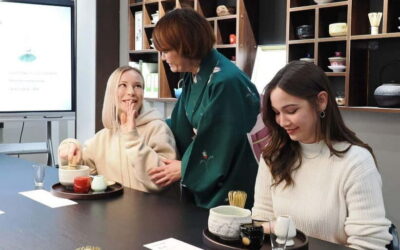 ★ 5.0Traditional Tea Ceremony with a Tea MasterFrom $38528 reviews
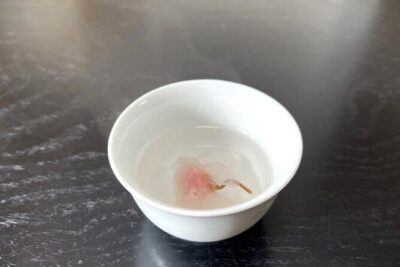 ★ 5.0Tea Ceremony Workshop in Tokyo by the Experienced InstrucorFrom $38189 reviews
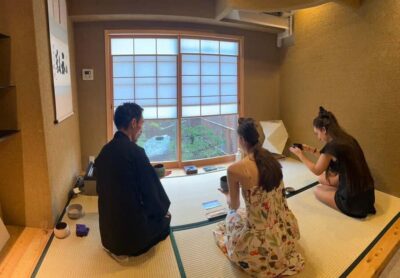 ★ 4.9Tea Ceremony Experience in a Private Tea Room in ShibuyaFrom $30125 reviews
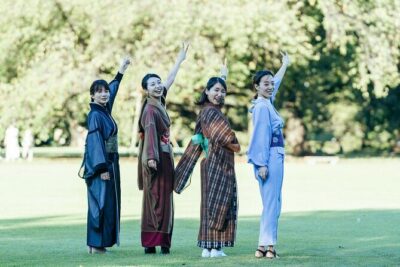 ★ 5.0Matcha Kimono Tea Ceremony in TokyoFrom $59104 reviews
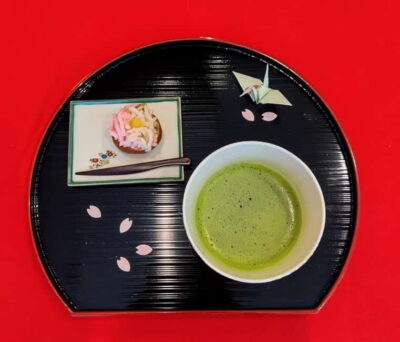 ★ 4.9Tea ceremony experience in Japanese-style room 60minFrom $4586 reviews
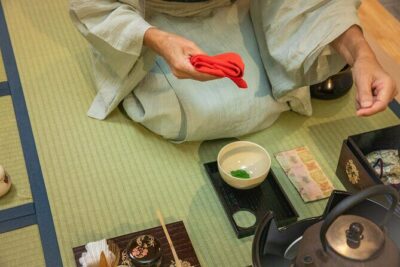 ★ 5.0Casual Japanese Tea Ceremony ExperienceFrom $2574 reviews
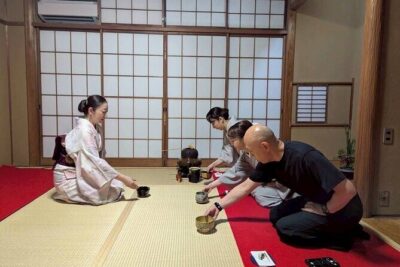 ★ 5.0Shibuya Authentic Tea Ceremony with experienced instructorFrom $2554 reviews
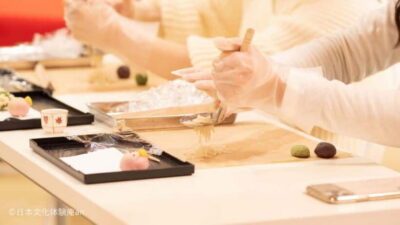 ★ 4.7Japanese Traditional Sweets making and Tea CeremonyFrom $1850 reviews
Browse the lists this tour appears in