
Reviewed · TEA CEREMONY EXPERIENCES
Tokyo: Traditional Tea Ceremony with a Tea Master
A few quiet steps and you’re in tea heaven.
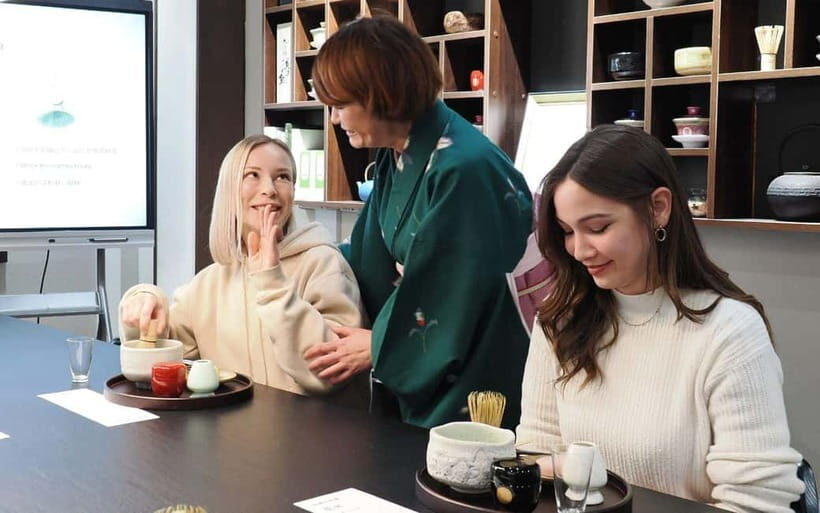
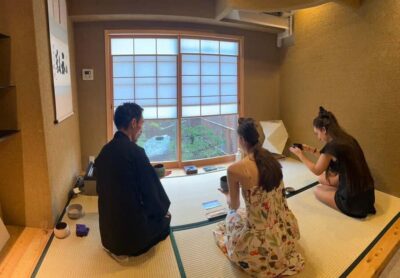
This Tokyo tea ceremony happens right across from Tokyo University, in a dedicated Ocharu room where the pacing feels calm and practical. You’ll drink several Japanese teas, learn what makes each one different, and then get hands-on with matcha. It’s a full hour of sensory education without the stiff, museum-tour vibe.
What I like most is how you go beyond sipping. You get to make matcha with guidance, using traditional tools, and you also taste sweets like seasonal wagashi from Ougiya, a name that shows up again and again in Japanese confectionery circles.
One thing to consider: the setting is simple and compact, and it can be a little tricky to find quickly if you’re arriving late or not spotting the OCHARU green logo on the wall.
In This Review
- Key things to look forward to
- What You’re Really Buying in This 1-Hour Tea Ceremony
- Your Start in the Ocharu Room: Wakocha Tea Cake Welcome
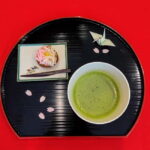
- Gyokuro Sencha Tasting and Seasonal Wagashi from Ougiya
- Matcha Making with Traditional Tools (and the Small Etiquette Details)
- The Final Cup: Genmaicha to Close on a Comfort Note
- Keepsakes: Certificate and Group Photo You’ll Actually Want
- English Guidance and the Tea Master Style
- Finding It Fast: Across from Tokyo University at Ocharu
- Is $38 Good Value for This Tea Session?
- Who This Tea Ceremony Fits Best (and Who Might Skip It)
- Should You Book Ocharu’s Traditional Tea Ceremony?
- FAQ
- How long is the tea ceremony?
- Where is the meeting point?
- How much does it cost?
- What languages are offered?
- What teas and sweets are included?
- Do I make matcha during the experience?
- Is the ceremony wheelchair accessible?
- What’s the cancellation policy?
- Is there an option to pay later?
Key things to look forward to
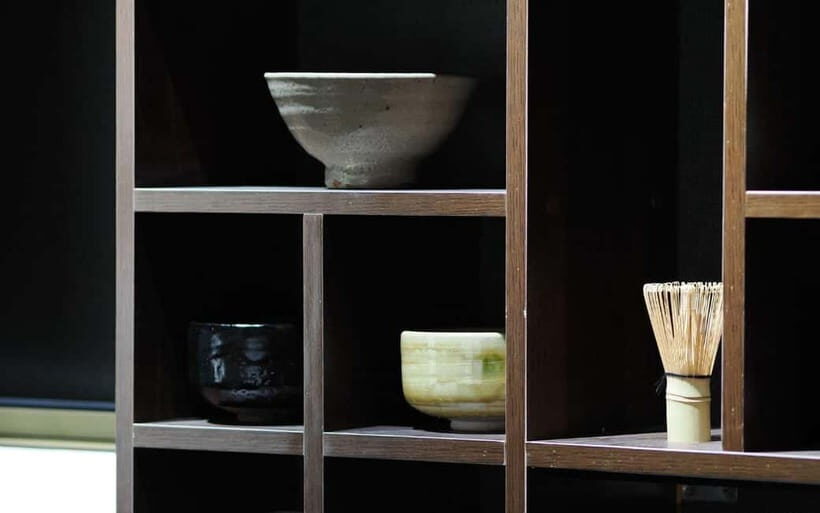
- Wakocha welcome cup with tea cake to set the tone before you start whisking
- Gyokuro sencha tasting, including a chance to experience higher-grade tea up close
- Seasonal wagashi from Ougiya paired with the teas you’re learning about
- Hands-on matcha whisking with a tea master using traditional utensils
- Genmaicha finale to wind down with a comforting, roasted finish
- Certificate and group photo as a keepsake from your tea session
Quieter hours: more tea rooms and ceremonies
- Tokyo: Traditional Tea Ceremony with a Tea Master★ 5.0 · 528 reviews
- Tea Ceremony Workshop in Tokyo by the Experienced Instrucor★ 5.0 · 189 reviews
- Tea Ceremony Experience in a Private Tea Room in Shibuya★ 4.9 · 125 reviews
What You’re Really Buying in This 1-Hour Tea Ceremony
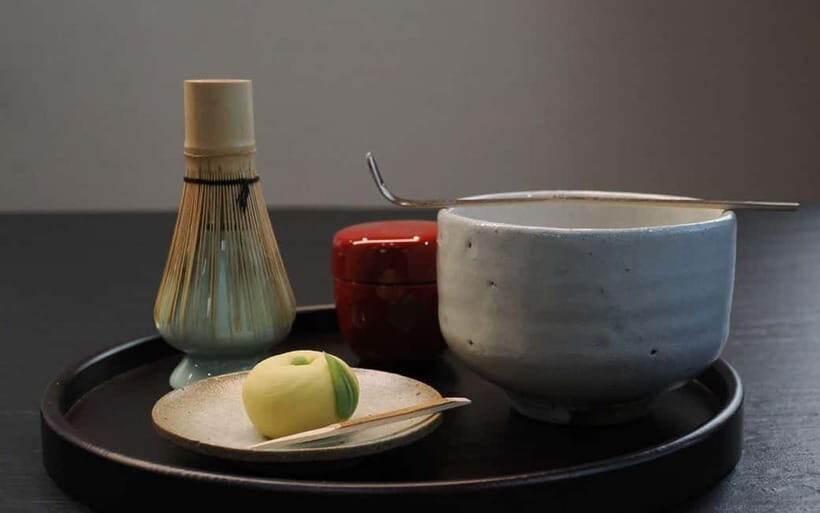
For $38, you’re not just paying for a drink. You’re paying for structure: a short, guided sequence that takes you through multiple tea styles and then gives you one key skill to practice—matcha preparation.
In Japan, tea culture isn’t only about taste. It’s also about attention: water temperature, tool use, aroma, and etiquette. This session makes those ideas easy to grasp in an hour. You’ll start with a welcome tea, then taste sencha and other styles, then finish with genmaicha, so the progression doesn’t feel random.
The value is also in variety. You’ll try more than one tea and more than one “mood” of tea: fruity-floral black tea at the beginning, higher-grade green tea in the middle, and the cozy roasted-rice blend at the end. That range is exactly what helps you understand Japanese tea rather than memorizing terms.
Your Start in the Ocharu Room: Wakocha Tea Cake Welcome
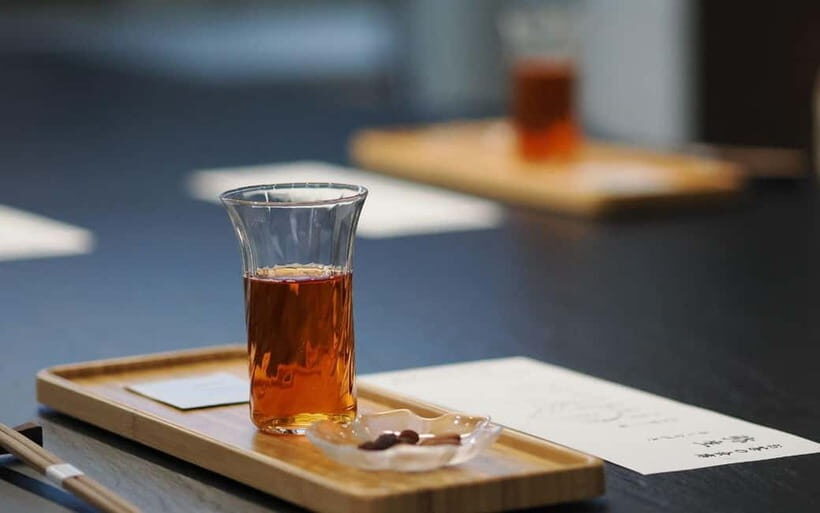
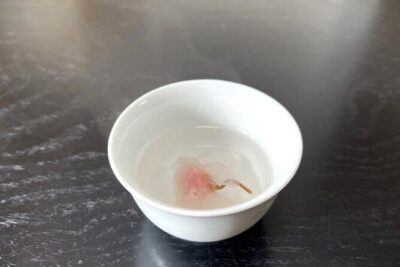
You begin with a warm welcome cup of wakocha, a Japanese black tea from Shizuoka, paired with a traditional tea cake.
Why this matters: most tea experiences in Tokyo are either green-tea heavy or matcha-only. Starting with wakocha gives your palate a baseline that’s easier to notice once you switch to green teas later. It also keeps the first five minutes from feeling too formal or too “technical.”
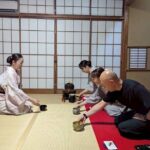
Expect the guide to set the rhythm early. You’re not expected to perform perfectly. You’re expected to watch, smell, taste, and ask questions if you want. Reviews repeatedly mention sessions that feel relaxed and friendly, where the tea master explains step-by-step without making you feel rushed.
Gyokuro Sencha Tasting and Seasonal Wagashi from Ougiya
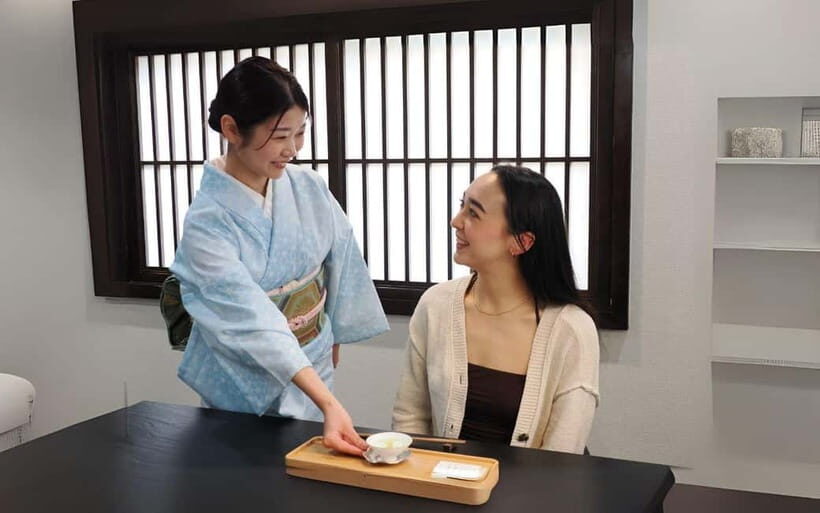
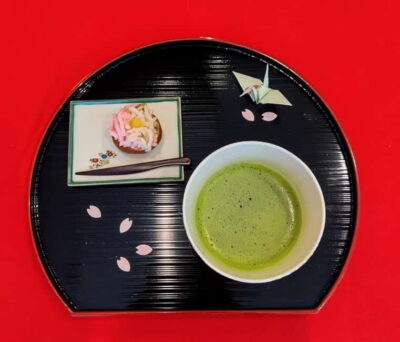
Next comes Gyokuro sencha, described as a top-grade green tea. You’ll taste the tea and also have seasonal wagashi from “Ougiya,” a well-known confectioner.
Gyokuro is a great choice for a first “serious” green tea experience because it’s known for being expressive. You can often taste deeper umami and sweetness compared to basic green tea. In a guided setting, you learn what to look for: aroma, the feel of the tea, and how the leaves influence the flavor.
The wagashi part is not just dessert. It’s part of how Japanese tea sessions balance bitterness, freshness, and sweetness. Seasonal wagashi means you’re getting a flavor that matches the moment, not a generic packaged sweet. If you care about food details, this pairing is one of the smartest reasons to book, because it teaches how tea and confectionery talk to each other.
A practical tip: when the sweets arrive, take a small bite and then sip. That back-and-forth helps you understand why wagashi is served at particular moments.
Matcha Making with Traditional Tools (and the Small Etiquette Details)
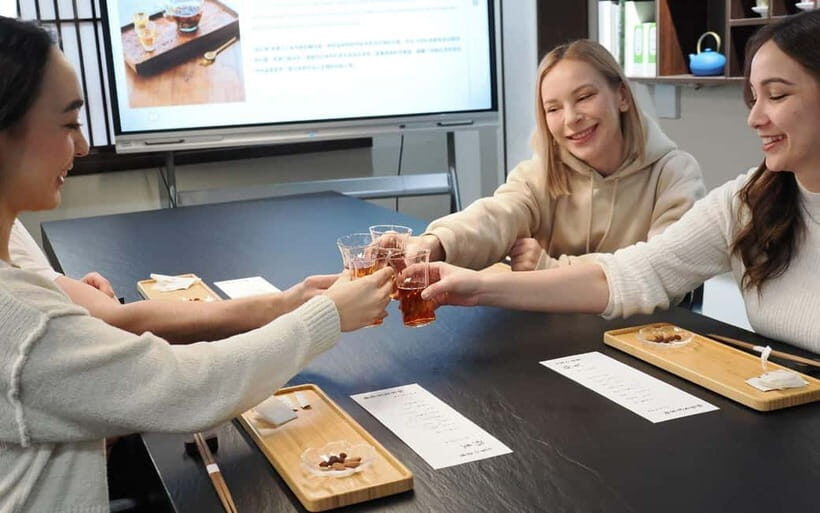
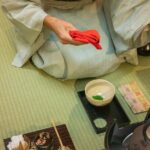
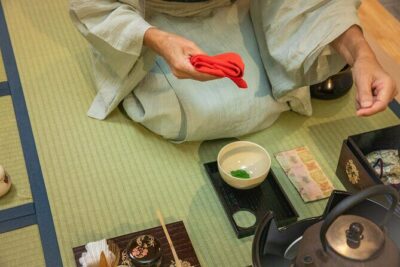
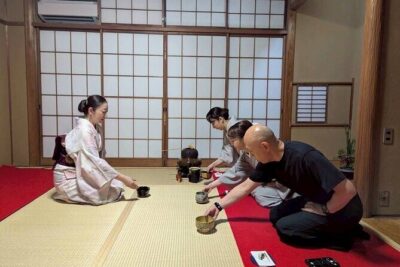
Now for the hands-on part: matcha making with a skilled tea master using traditional tools. This is where the session turns from listening into doing.
You’ll whisk your own matcha. That means you’ll notice things that are hard to grasp from videos: how the whisk moves, how the powder behaves, and how the foam develops. Several guides mentioned in recent sessions include Ekiko, and Shinichi-san (both names appear in past bookings), and the consistent theme is patient, clear instruction.
Even if you’ve had matcha before, making it changes your perspective. You stop thinking of matcha as one flavor and start thinking of it as a technique plus tea quality plus water and timing.
Also pay attention to etiquette cues the guide explains. Reviews mention learning about proper preparation and manners, and even basic points like water temperature guidance. You don’t need to be “good at rituals.” You just need to follow along and take your time.
If you’re worried you’ll mess it up, don’t. The goal is participation, not perfection. Most people leave feeling like they learned something they can actually repeat at home.





The Final Cup: Genmaicha to Close on a Comfort Note
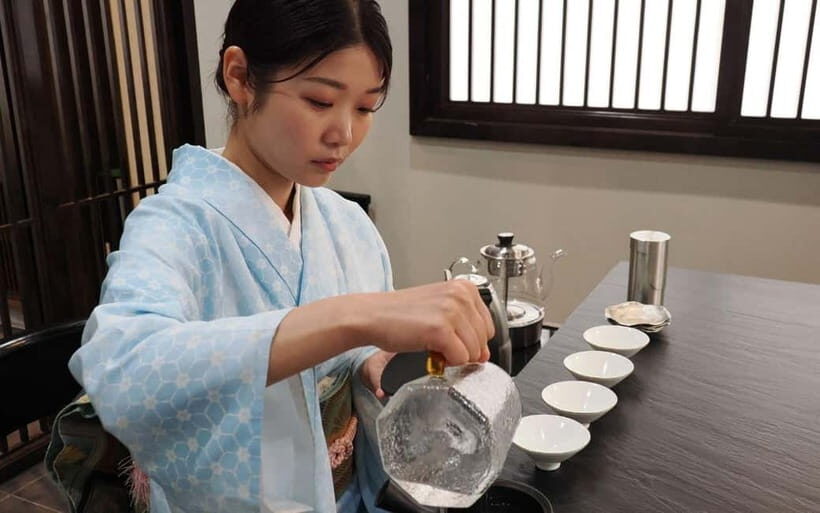
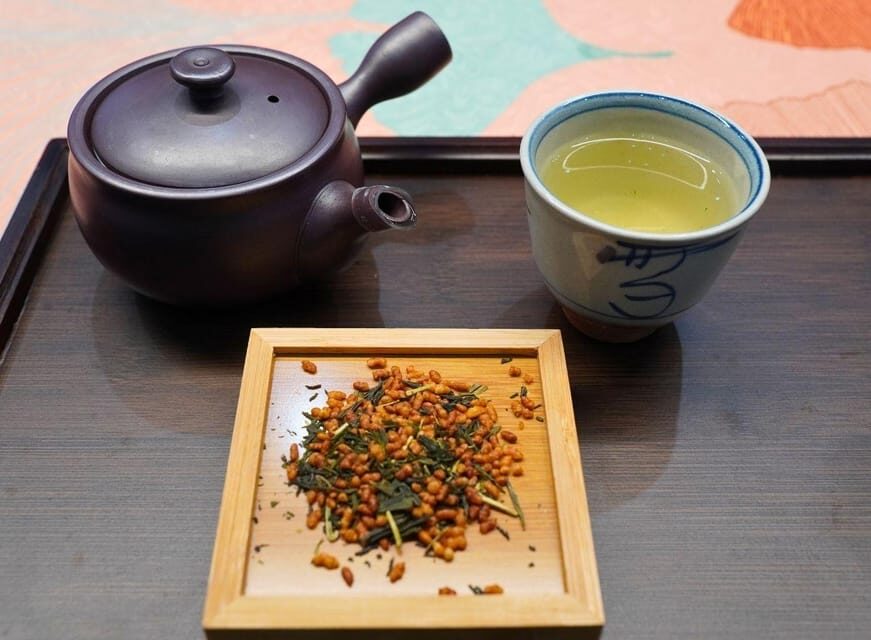
You finish with genmaicha, a blend of sencha and roasted rice from Niigata Prefecture. It’s a gentle, comforting way to end a tea session that starts more delicate and shifts into heavier green flavors.
Genmaicha works well as a finale because it’s more forgiving on the palate. Roasted rice adds a toasty character that rounds out any sharpness. It’s also a useful “teaching tea” because it shows how adding another ingredient type changes both flavor and mouthfeel.
Think of this as the part that lets your brain relax. You’ve learned the steps; now you get to enjoy the result without analyzing it.
Keepsakes: Certificate and Group Photo You’ll Actually Want
Before you leave, you receive a certificate of completion and a group photo.
This sounds small, but it’s a smart way to make the experience stick. It’s also why the session feels like more than a drink stop. In past bookings, people noted details like certificates being written with a name in Japanese, which makes the keepsake feel more personal.
If you like souvenirs that don’t turn into clutter, this is the kind of item that’s easy to keep.
English Guidance and the Tea Master Style
The session is guided in English. Recent feedback suggests most people find the communication clear, with some noting occasional accent difficulty in a few cases. Translation isn’t guaranteed, but it’s a good sign that the instruction is built for English speakers.
The “tea master vibe” matters here. Several reviews praise guides as engaging, funny, patient, and interactive, and that usually means you’re encouraged to ask questions. That’s important, because Japanese tea culture has enough small terms and techniques that a Q-and-A moment can save you from confusion later.
If you prefer learning through conversation, this is a strong match. If you want pure quiet, you can still enjoy it, but you’ll likely have some friendly back-and-forth as part of the group dynamic.
Finding It Fast: Across from Tokyo University at Ocharu
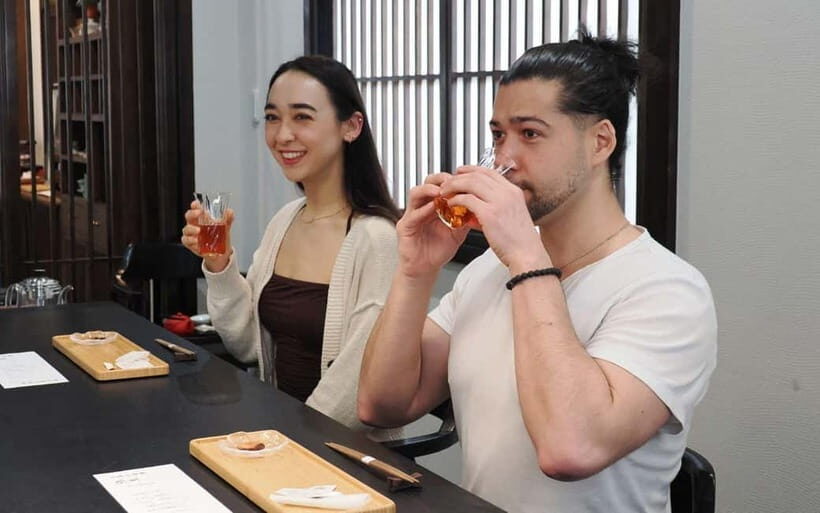
The meeting point is simple: look for the building with a green logo on the wall saying OCHARU.
Because it’s a short, one-hour experience, you’ll want to arrive about five minutes early so you can check in and get seated without stress. One practical note from past participants: signs can be easy to miss if they’re higher than you expect. If you’re unsure, stop and ask inside nearby shops or directly at the building entrance. You’ll save time and keep the day smooth.
If you’re coming by metro, one reported route is: Shibuya to Meiji-Jingumae Station, then Nezu Station (Exit 14), and walk about 15 minutes. That’s just a guide route, not the only option, but it can help you plan a low-friction arrival.
Is $38 Good Value for This Tea Session?

For many Tokyo food experiences, you pay for a meal. Here you pay for an hour of guided learning plus multiple tastings plus tools time.
You’re getting:
- a welcome cup of wakocha with a tea cake
- Gyokuro sencha tasting
- seasonal wagashi from Ougiya
- a matcha making session with guidance and traditional utensils
- a genmaicha finale
- certificate and group photo
- access to the tea room across from Tokyo University
If you like food but don’t want a long sit-down restaurant day, this is a strong value. It’s also useful for people who feel overwhelmed by Tokyo’s options. A structured session gives you a clear plan and a guaranteed set of tastes.
The other value angle is “repeatability.” After you whisk matcha once, you can make better choices when you buy tea later. Even if you don’t buy anything, you’ll know what to look for.
Who This Tea Ceremony Fits Best (and Who Might Skip It)
This is ideal if you:
- enjoy learning through food
- want something calm that’s still hands-on
- like Japanese sweets and want the tea pairing context
- drink green tea, want to try Gyokuro, or want a matcha skill you can use later
It’s not a great fit if you rely on wheelchair access, since it’s listed as not suitable for wheelchair users.
And if you already know every tea term and you’re only hunting for the world’s strongest matcha, you might find the session a bit more introductory. But for most people, it hits the sweet spot: clear explanations, real tasting, and enough participation to feel memorable.
Should You Book Ocharu’s Traditional Tea Ceremony?
If you want a short, well-paced cultural experience near Tokyo University, I’d book it. The strongest reasons are practical: you taste multiple teas, you make matcha, and you leave with a keepsake. It’s also one of those “small time investment, big attention payoff” activities that works even on a busy Tokyo day.
I would hold back only if you strongly dislike guided group activities or you need fully step-by-step written instructions. Otherwise, this is a smart, compact way to learn Japanese tea culture without turning your schedule into a full-day production.
FAQ
How long is the tea ceremony?
The experience lasts about 1 hour.
Where is the meeting point?
Meet at the Ocharu Tea Ceremony room building across from Tokyo University. Look for the building with a green logo on the wall that says OCHARU.
How much does it cost?
It costs $38 per person.
What languages are offered?
The instructor speaks English.
What teas and sweets are included?
You’ll have a welcome cup of wakocha with tea cake, taste Gyokuro sencha with seasonal wagashi from Ougiya, make and enjoy matcha, and finish with genmaicha. A certificate and group photo are included as well.
Do I make matcha during the experience?
Yes. You’ll have a hands-on matcha making session with expert guidance using traditional tools.
Is the ceremony wheelchair accessible?
No. The activity is listed as not suitable for wheelchair users.
What’s the cancellation policy?
Free cancellation is available up to 24 hours in advance for a full refund.
Is there an option to pay later?
Yes. The listing offers reserve now & pay later, so you can book without paying today.
More Tour Reviews in Tokyo



More Tea Rooms Worth Booking
Fresh reviews from around Tokyo






Tea Ceremony Experiences, compared.
 ★ 5.0Tea Ceremony Workshop in Tokyo by the Experienced InstrucorFrom $38189 reviews
 ★ 4.9Tea Ceremony Experience in a Private Tea Room in ShibuyaFrom $30125 reviews
 ★ 5.0Matcha Kimono Tea Ceremony in TokyoFrom $59104 reviews
 ★ 4.9Tea ceremony experience in Japanese-style room 60minFrom $4586 reviews
 ★ 5.0Casual Japanese Tea Ceremony ExperienceFrom $2574 reviews
 ★ 5.0Shibuya Authentic Tea Ceremony with experienced instructorFrom $2554 reviews
 ★ 4.9Tea Ceremony Experience in a small tea roomFrom $5153 reviews
 ★ 4.7Japanese Traditional Sweets making and Tea CeremonyFrom $1850 reviews
Browse the lists this tour appears in