
Reviewed · TEA CEREMONY EXPERIENCES
Tea Ceremony Workshop in Tokyo by the Experienced Instrucor
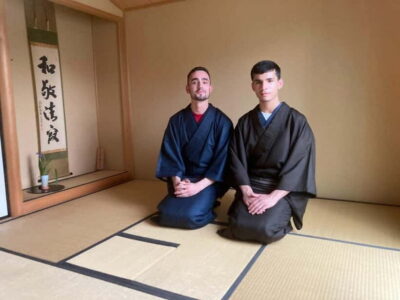
Tea calm arrives fast. This Chado workshop in Asakusa mixes a short cultural lesson with hands-on tea making, in a real Japanese tearoom with tatami mats and a moment to slow down. I love how you get both the teaching and the doing, and not just a quick demo of matcha.
I also love that it’s taught through a school licensed by the Urasenke Chado School in Kyoto, so the basics you learn follow a serious tradition. In one of the experiences, the instructor was Ms. Haneishi, friendly and fluent in English after living in the United States, and clearly practiced enough to explain the steps without rushing you.
One real consideration: the tea room is on the second floor in an old 1940s house with steep stairs and no assistive machinery. Plan for that, and bring socks since bare feet aren’t allowed.
In This Review
- Key things to know before you go
- Why This Chado Workshop Feels Personal in Asakusa
- Your Meeting Point and the Steep Climb to the Tea Room
- Sakura Tea Welcome and the 10-Minute Chado Primer
- Tea Room Pause: Meditation and How Hosting Works
- Koicha Ceremony Performance and Strong Matcha Tasting
- Tea Bowls by Region: Small Shapes, Big Flavor Clues
- Making Usucha Yourself: Thin Matcha, Thick Foam
- The Sweets Course: Sakura, Confection, and Dry Sweets
- Dress Code, Seating Options, and the Socks Rule
- Timing, Group Size, and What $38.47 Buys You
- Who Should Book This Matcha Workshop
- Should You Book the Tea Ceremony Workshop in Tokyo?
- FAQ
- Where is the meeting point for the Tokyo tea ceremony workshop?
- What’s included during the workshop?
- Do I need to wear socks or special shoes?
- Is seiza sitting required on the tatami?
- What ages can participate?
- How large is the group?
- Can I cancel and get a full refund?
Key things to know before you go
- Urasenke-licensed instruction in Tokyo: Training is tied to the Kyoto Urasenke Chado School tradition.
- You taste koicha and usucha: Strong ceremonial matcha first, then your own thin matcha with foam.
- Host-and-guest serving practice: You don’t just stand and watch; you practice the flow of serving.
- Tatami time, with chair options: You can sit on tatami in your own way, or use a chair if needed.
- Sweets and matcha throughout: Sakura tea welcome, confectionery, dry sweets, then two matcha styles.
- Small maximum group size: Limited to 6 people, so the class stays intimate.
Quieter hours: more tea rooms and ceremonies
- Tokyo: Traditional Tea Ceremony with a Tea Master★ 5.0 · 528 reviews
- Tea Ceremony Workshop in Tokyo by the Experienced Instrucor★ 5.0 · 189 reviews
- Tea Ceremony Experience in a Private Tea Room in Shibuya★ 4.9 · 125 reviews
Why This Chado Workshop Feels Personal in Asakusa
This isn’t a big-group “tea show.” It’s built for you to understand what you’re doing and why it matters, step by step, in a small room with a calm pace. The class runs about 1 hour 30 minutes, which is just long enough to learn the story, see the ceremony, and make your own bowl.
What makes it feel legitimate is the training connection. The workshop is taught through a school licensed by the Urasenke Chado School in Kyoto. That matters because Chado has rules and rhythms, and here you learn those fundamentals instead of just copying a hand motion.
The instructor experience shows in how the session is structured: a quick history primer, a formal ceremony segment, and then hands-on tea making. One review mentioned Ms. Haneishi’s English fluency after time in the United States, and another noted the host’s long-term practice. In plain terms, you get a teacher who can slow things down without making it feel basic.
If your goal is cultural depth without a time sink, this fits.
Your Meeting Point and the Steep Climb to the Tea Room
You’ll meet in Asakusa near public transportation at 2-chōme-3-12 Kotobuki, Taito City, Tokyo 111-0042. Then you’ll head to the tea room in an older Japanese-style house.
Here’s the important practical note: the correct address for the tea room is 2-3-12 (some maps show 2-3-3). Before you go, copy the address into your map app so you don’t waste time circling.
The tea room is on the second floor. The staircase is steep, and the operator says they can’t provide machinery assistance. If you have mobility limits, go in with eyes open. Also, because the building is old, there’s a weight capacity. Even if a group is listed at 8 people for the overall listing, the operator may adjust timing to stay within safety limits. That’s not a “maybe”—it’s a clear contingency plan.
None of this is meant to scare you. It’s just the kind of real-world friction that affects your experience. You’ll feel calmer if you plan for it.
Sakura Tea Welcome and the 10-Minute Chado Primer
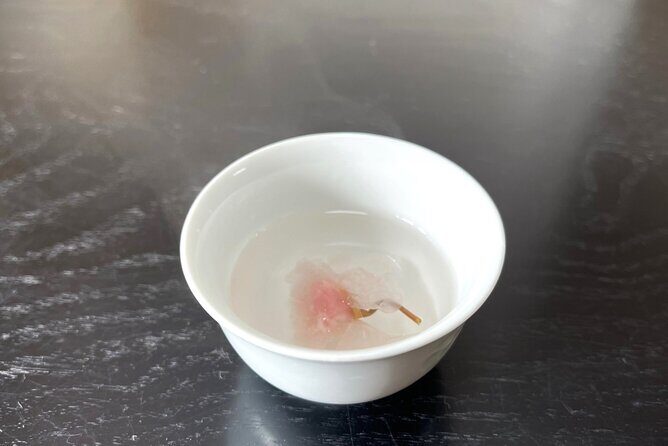
The workshop starts with a welcome drink: Sakura tea, served by the host. It sets the mood immediately—soft, ceremonial, and distinctly Japanese without needing you to understand anything first.
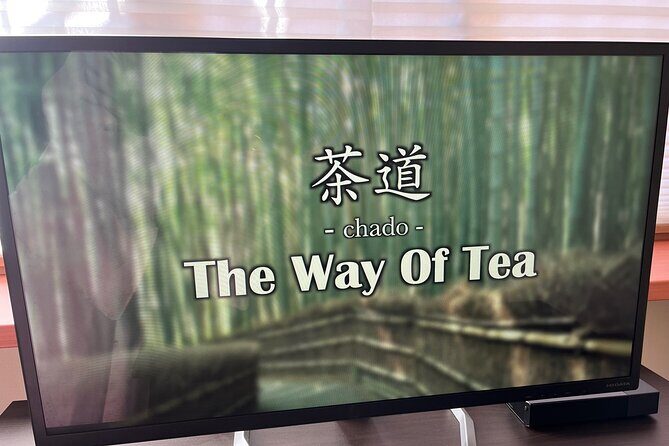
Next comes a short 10-minute introduction video. It covers the history and the core concepts of Chado, which is helpful because a tea ceremony is more than “making tea.” It’s about attention, respect, and a set sequence that turns everyday actions into something meditative.
This is one of the smart parts of the experience. If you’ve never seen Chado before, the video gives you a map. And if you’ve seen a little online, it helps you connect what you already know to the choices you’ll make during the tea-making lesson—like how you handle the bowl, how you whisk, and what you’re supposed to notice.
After that, you settle into the tearoom and begin moving from concept to practice.
Tea Room Pause: Meditation and How Hosting Works
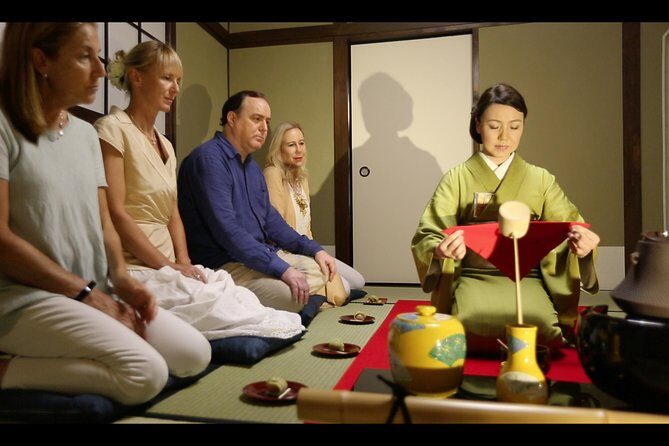
The tea room is set up for quiet. You’ll learn about the tearoom itself, then you’ll get a meditative pause where the tone changes from “lesson” to “experience.”
One of the things I like about this structure is that it doesn’t just throw you into matcha mixing. You’re given a moment to let the ceremony rhythm take over: sit, breathe, watch, and then join in.
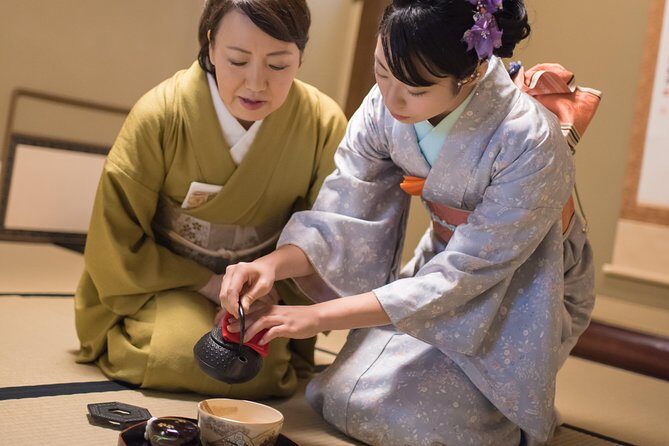
You also practice serving tea as both a host and a guest. That sounds like a small detail, but it changes everything. When you only observe, you memorize gestures. When you practice being the host and then the guest, you understand the respect embedded in the sequence—how the interaction moves, how you present, and how receiving is part of the ceremony.
One practical point: you don’t have to sit in strict seiza knee-bent style on tatami. If you can’t sit that way, the operator can provide a chair. That’s a big quality-of-life win. You should be focusing on the tea and the attention, not fighting your knees.
More things to make with your own hands



Koicha Ceremony Performance and Strong Matcha Tasting
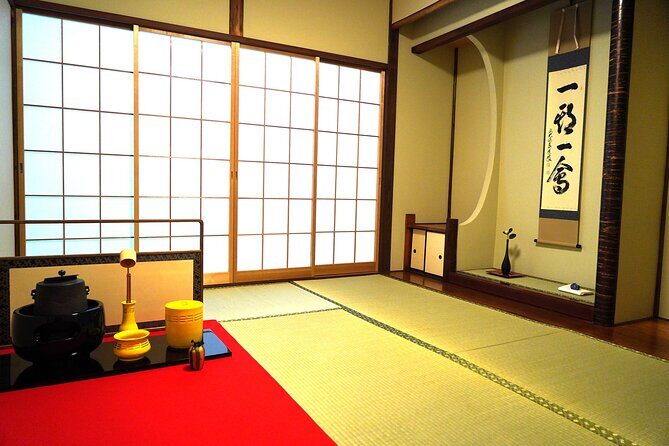
The ceremony segment focuses on koicha, the main matcha tea in Chado. First, you watch the formal performance for making it.
Koicha is thick and strong compared to the everyday matcha you might be used to. The workshop also connects it to tradition by explaining koicha as the original form consumed by samurai. You taste it as part of the experience, so you’re not learning about it only in theory.
Then comes the key learning: you see how the tea is prepared and distributed as part of an actual ceremony flow. If you’ve ever wondered why tea bowls and whisking matter, koicha gives you the answer through taste and texture. It’s not just green powder in hot water. The method shapes the drinking experience.
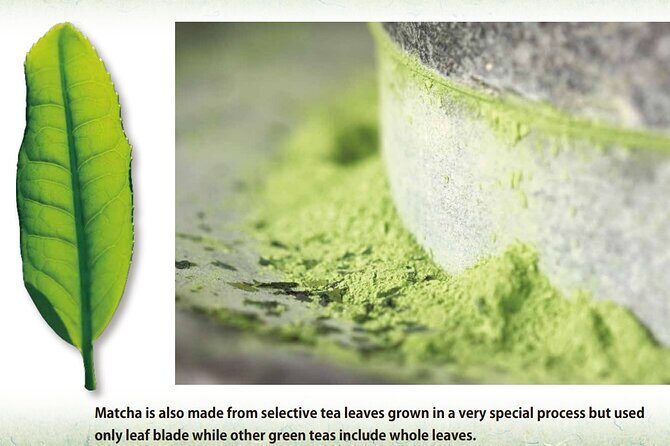
You’ll also get matcha powder context here—how matcha is part of Chado and what you’re working with before you make your own bowl later.
Tea Bowls by Region: Small Shapes, Big Flavor Clues
One of the most interesting teachable moments is the tea bowl lesson. You’ll learn about the variety of tea bowls from different regions and how bowl shapes can create different tastes and experiences.
This is one of those details that’s easy to skip if you’re in a hurry. Don’t. Bowl shape isn’t just decoration. It influences how the matcha meets the cup, how you perceive aroma and texture, and how the ceremony feels in your hands.
And because Chado uses repetition and careful attention, that sensory difference matters. You’re training your awareness. Even if you can’t name the exact chemical difference (nobody expects you to), you can notice how the experience changes from bowl to bowl and from koicha to usucha.
In other words: your tea ceremony becomes less about copying steps and more about learning what to observe.
Making Usucha Yourself: Thin Matcha, Thick Foam
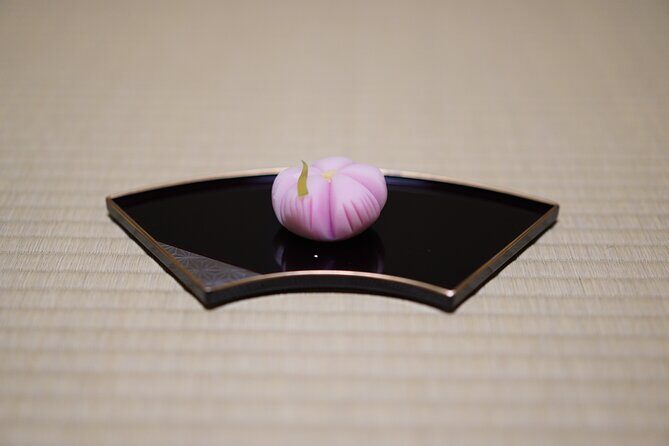
Now for the hands-on part. You’ll make usucha, the thinner matcha with a thick foam on top.
The class is set up so you don’t just “make matcha.” You follow steps to create the correct texture and presentation. That’s why the earlier primer and the koicha viewing matter. You’re building on what you’ve already seen.
Before drinking usucha, you’ll enjoy dry sweets and then taste the bowl of usucha. This pacing is useful. It lets your palate reset so the matcha taste reads clearly, and it reinforces the full sequence of the ceremony rather than treating tea as a standalone drink.
If you like tactile learning—watch, try, adjust—this portion is the payoff. And because the group is small, you should have a better chance to get your technique corrected if you’re doing something off.
In plain terms: you’ll leave knowing not only what Chado is, but how it feels when you participate.
The Sweets Course: Sakura, Confection, and Dry Sweets
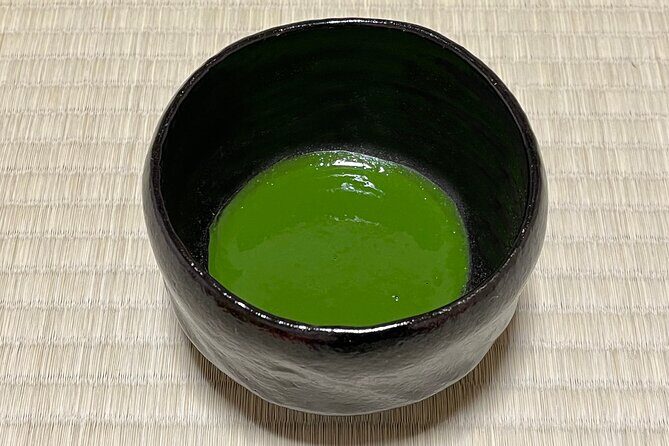
Tea ceremonies in Japan almost always pair taste with flavor balance, and this workshop does that in stages.
You start with Sakura tea as a welcome drink. Then you enjoy traditional Japanese confectionary—your session includes three kinds of local Japanese confectionary. During the ceremony flow, you’ll also get dry sweets before usucha.
This matters for two reasons. First, it keeps the experience from being matcha overload. Second, it teaches you how Chado treats food as part of the atmosphere and pacing, not just filler.
One review described the desserts as yummy and noted that the experience was interactive. Another highlighted that sweets were part of the overall learning, not an afterthought. That lines up with how the workshop is timed: tea, pause, sweets, then tea again.
If you’re curious about Japanese confections beyond the usual tourist sweets, this is a good low-pressure way to sample.
Dress Code, Seating Options, and the Socks Rule
The workshop is strict about comfort and the tea room setup. The operator asks that miniskirts and tight pants are not recommended. There’s also a no-bare-feet rule: you must wear socks in the tea room.
Bring socks with you. Don’t assume you can fix that on arrival.
Seating is also flexible. You don’t have to use seiza on tatami. If tatami seating isn’t workable for you, the operator can provide a chair. That’s a thoughtful option and it makes the class accessible to more body types without forcing you into pain.
Also note the house is old and stairs are steep. Wear shoes you can get on and off quickly, because you may be transitioning in and out of the tea room area.
Chado is about calm. You’ll enjoy it more if your body feels safe and your clothing and socks rules are easy.
Timing, Group Size, and What $38.47 Buys You
The price is $38.47 per person for about 1 hour 30 minutes. That’s not “cheap,” but it’s not inflated for what’s included.
Here’s what you get for your money: a welcome drink (Sakura tea), a short introduction video, time in a real tea room with tatami mats, multiple sweets, a formal koicha ceremony performance with tasting, a tea bowl lesson, and hands-on preparation of usucha that you also drink. On top of that, you practice serving as both host and guest.
The small group size (maximum 6) is a big part of the value. A larger class often turns into a mostly one-way experience: watch, then wait. Here, you’re more likely to interact and actually practice the steps.
And the reviews back that vibe. The overall rating is 4.9 with lots of positive feedback about education, friendliness, and the calm atmosphere. People also repeatedly note how intimate it feels, which lines up with the group limit.
Choose a time that fits your day, because the workshop offers multiple start times. And if you arrive early, don’t be surprised if there’s a brief waiting area before the video and ceremony.
Who Should Book This Matcha Workshop
This is best for you if you want something cultural but not exhausting. You’ll probably love it if you enjoy quiet experiences, hands-on learning, and detailed step-by-step teaching.
It’s also a good fit for families with kids age 10 and up. One review mentioned parents bringing teens who stayed engaged, and another noted someone liked it enough to buy matcha afterward.
If you’re the type who likes to understand how Japanese traditions work—not just take photos—this class delivers. And if your matcha interest is mostly the drink itself, you’ll still get a lot here because you taste koicha and usucha, not just one style.
Just be honest with yourself about the stairs and the socks/tatami setup.
Should You Book the Tea Ceremony Workshop in Tokyo?
Book it if you want a small-group Chado lesson that’s structured, calm, and hands-on—especially if you care about etiquette and the why behind the steps. The Urasenke-linked instruction and the chance to taste and make both koicha and usucha are strong reasons.
Skip it only if the steep stairs and old 1940s building layout would be stressful for you. If that’s the case, ask yourself whether you’d rather spend your limited energy walking around Asakusa instead of climbing to a second floor.
For most people in good mobility, this is one of those “do it once, remember it for years” Tokyo experiences.
FAQ
Where is the meeting point for the Tokyo tea ceremony workshop?
The start point is listed as 2-chōme-3-12 Kotobuki, Taito City, Tokyo 111-0042, Japan in Asakusa.
What’s included during the workshop?
You get a Sakura tea welcome drink, a 10-minute introduction video about Chado, tea room time, traditional Japanese confectionary, a ceremony segment for koicha with tasting, a tea bowl lesson, hands-on making of usucha, dry sweets, and finally a bowl of usucha with matcha learning.
Do I need to wear socks or special shoes?
Socks are required in the tea room, and no bare feet are allowed. The dress code also notes that miniskirts and tight pants are not recommended.
Is seiza sitting required on the tatami?
No. You don’t have to sit in seiza style on tatami. If you can’t sit on the tatami mats, the operator can provide a chair.
What ages can participate?
The workshop is designed for participants age 10 and above.
How large is the group?
The workshop has a maximum of 6 travelers.
Can I cancel and get a full refund?
Yes. Free cancellation is available up to 24 hours before the experience start time for a full refund.
Make Something to Take Home

More Tour Reviews in Tokyo






More Tea Rooms Worth Booking


Fresh reviews from around Tokyo






Tea Ceremony Experiences, compared.
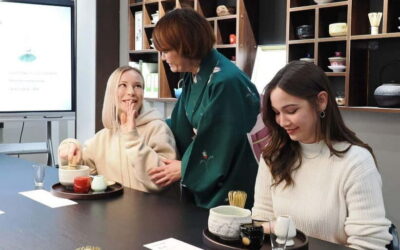 ★ 5.0Traditional Tea Ceremony with a Tea MasterFrom $38528 reviews
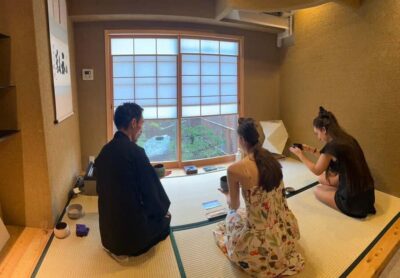 ★ 4.9Tea Ceremony Experience in a Private Tea Room in ShibuyaFrom $30125 reviews
 ★ 5.0Matcha Kimono Tea Ceremony in TokyoFrom $59104 reviews
 ★ 4.9Tea ceremony experience in Japanese-style room 60minFrom $4586 reviews
 ★ 5.0Casual Japanese Tea Ceremony ExperienceFrom $2574 reviews
 ★ 5.0Shibuya Authentic Tea Ceremony with experienced instructorFrom $2554 reviews
 ★ 4.9Tea Ceremony Experience in a small tea roomFrom $5153 reviews
 ★ 4.7Japanese Traditional Sweets making and Tea CeremonyFrom $1850 reviews
Browse the lists this tour appears in