
Reviewed · SHIBUYA TOURS
Tea Ceremony Experience in a Private Tea Room in Shibuya
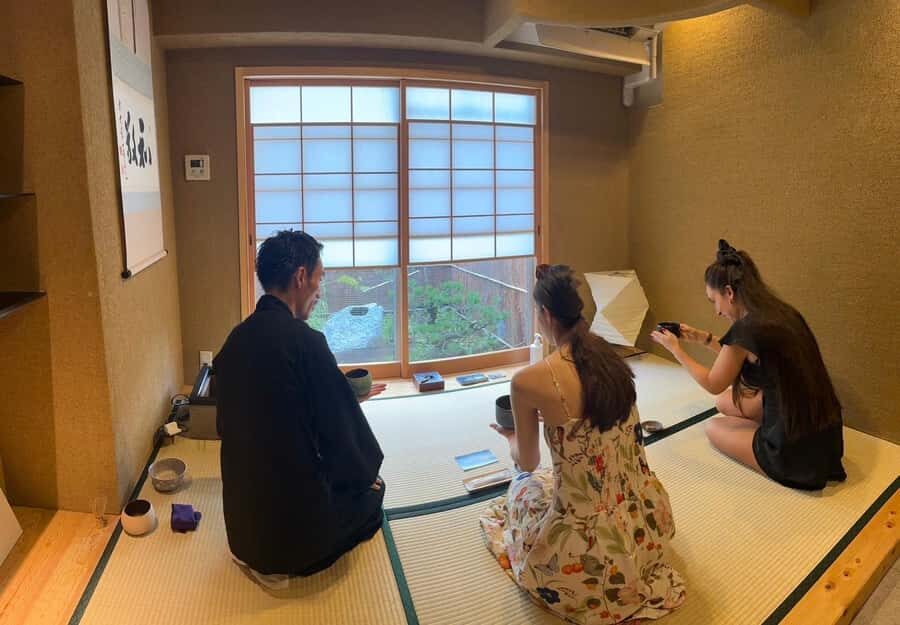
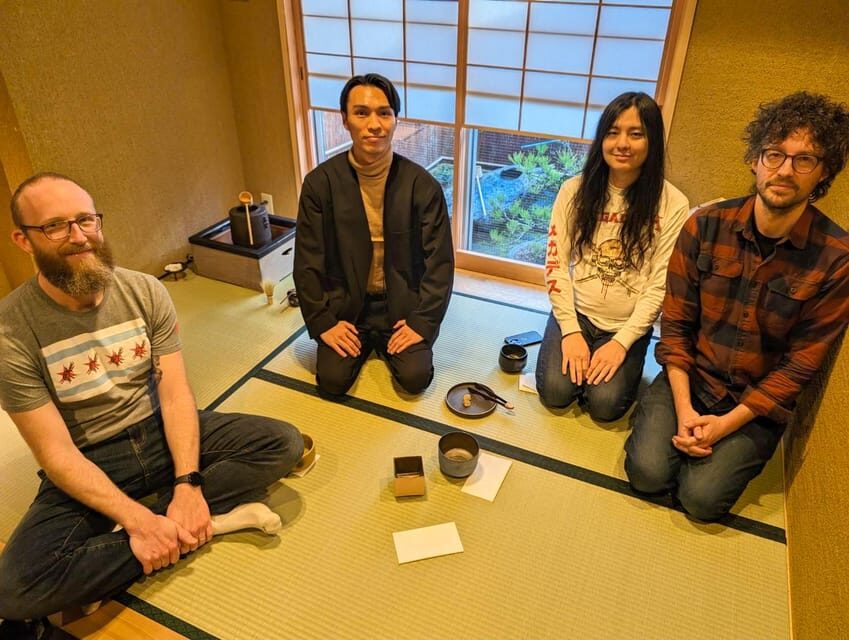
Shibuya gets quiet fast. That contrast is the magic here: you start in one of Tokyo’s busiest neighborhoods, then step into a private tea room where the pace slows down for a real Japanese tea ceremony. I love the focus on organic matcha quality from EAST GREEN MATCHA, and I also like that you don’t just watch—you learn the motions and drink it properly. One practical downside: there’s no toilet in the tea room, so plan ahead.
This experience is built around a simple idea: matcha is more than a drink. The host explains where it comes from, how the ceremony treats each utensil with respect, and how you prepare it in formal style before you’re guided through making your own cup. If you want a cultural activity that feels calm, clear, and genuinely hands-on, this is a good fit—especially since the meeting point is right by Shibuya’s major hotel zone.
In This Review
- Key things that make Tea Room Kakoi worth it
- Tea Room Kakoi in Shibuya: the quick route to a slow moment
- What EAST GREEN MATCHA means for what’s in your cup
- How the tea ceremony unfolds, step by step
- Wagashi sweets: the quiet partner to your matcha
- The practical matcha-making session: what you’ll learn to do
- Souvenir time: where to spend your matcha money wisely
- Finding the calm in a tiny space
- Price and value: is $30 reasonable in Shibuya?
- Who should book this tea ceremony (and who might not)
- Booking with confidence: a flexible plan
- Should you book Tea Room Kakoi in Shibuya?
- FAQ
- How much does the tea ceremony experience cost?
- Where do we meet for Tea Room Kakoi?
- How far is it from Shibuya Station?
- What languages is the experience offered in?
- What do I drink and do during the ceremony?
- Can I buy matcha or tea tools after the session?
- Is there a toilet in the tea room?
- Are pets or young children allowed?
Key things that make Tea Room Kakoi worth it
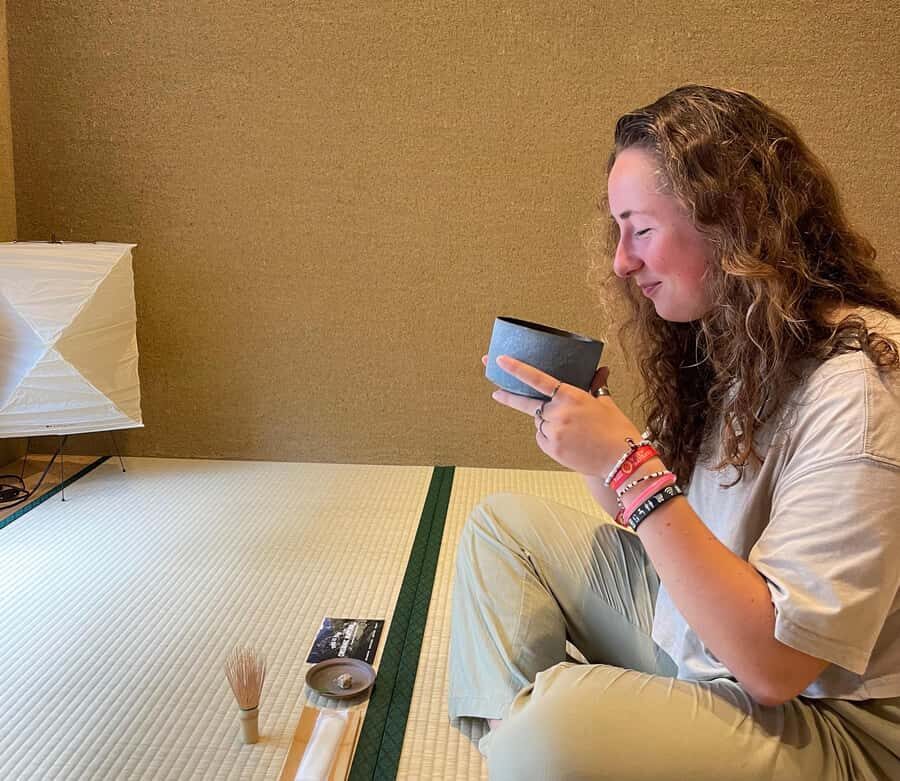
- 2% harvest organic matcha from EAST GREEN MATCHA, served as the star of the ceremony
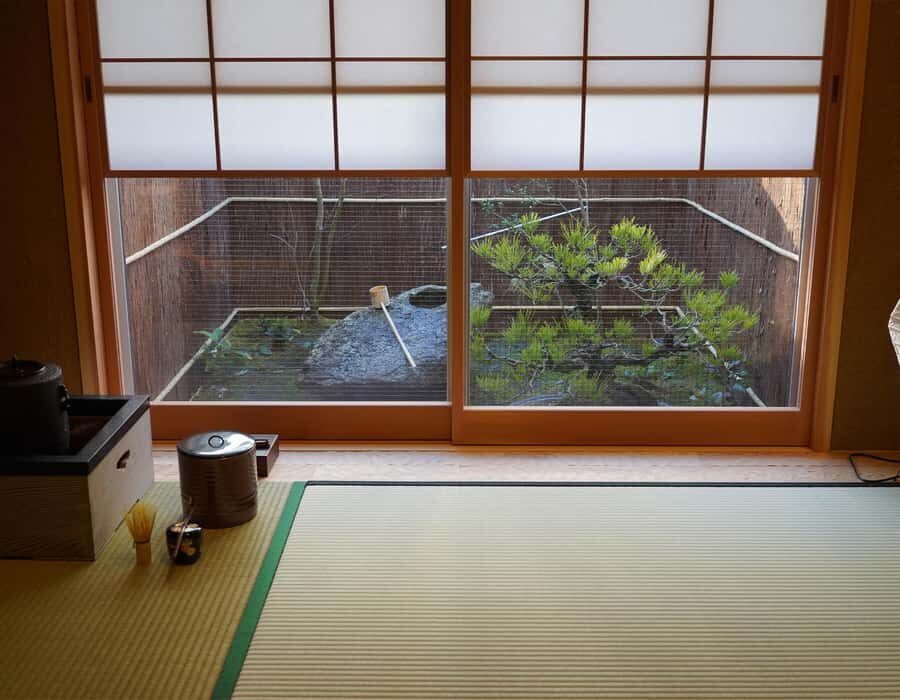
- An authentic private tea room in Shibuya, with a calm setting that feels far from the street
- Wagashi sweets with a 200-year history, served alongside your matcha
- You make matcha yourself, with a guided session in the formal style
- Your host teaches how to drink, not just how to whisk
- No toilet in the tea room, so use the bathroom before you arrive
More to do within sight of the Crossing
- Official Street Go-Kart in Shibuya★ 5.0 · 3,435 reviews
- Tokyo: Street Kart Experience in Shibuya★ 4.9 · 1,484 reviews
- Shibuya Meltdown Nightlife Tour: All-You-Can-Drink Bar Hopping★ 5.0 · 1,058 reviews
Tea Room Kakoi in Shibuya: the quick route to a slow moment
Shibuya is high-energy. You’ll see it the moment you land near Shibuya Station—crosswalks full of people, neon, and constant motion. Then you’ll walk about 8 minutes to the meeting area, and the whole vibe shifts.
You meet at the front of The OneFive Tokyo Shibuya hotel (1-8-11, Jinnan, Shibuya-ku, Tokyo 150-0041). The host holds a sign reading TEA ROOM KAKOI, so you can spot them without guesswork. Expect this to feel like a small, careful experience rather than a big group show.
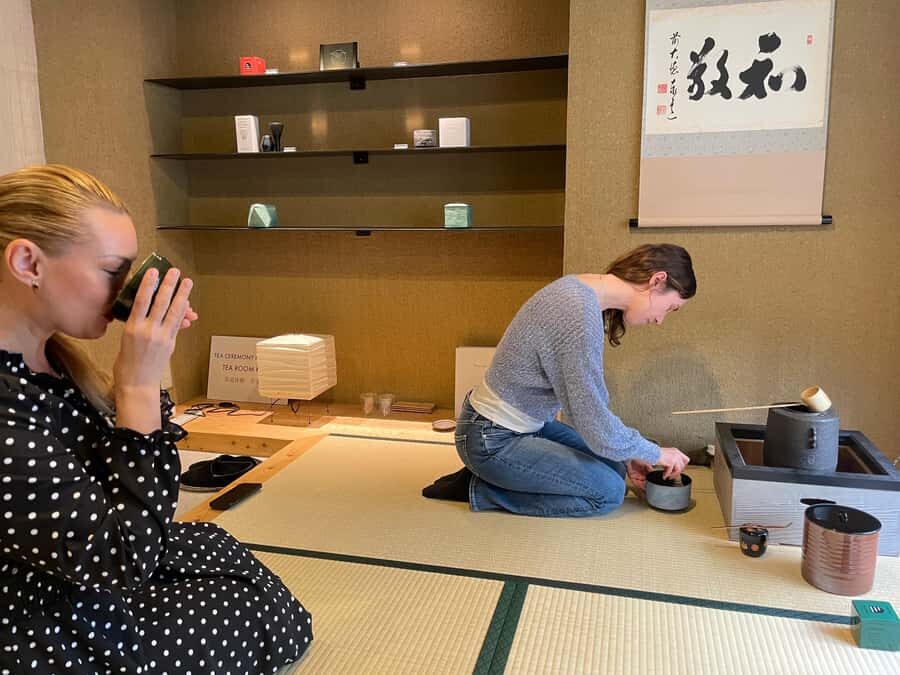
The private tea room setting matters because it changes how you experience the ritual. When space is limited and quiet, you notice details: the order of steps, the sounds of tools, and the way conversation slows down. It’s also why this works well as a break from sightseeing days.
What EAST GREEN MATCHA means for what’s in your cup
The matcha here is the headline. You’ll be enjoying premium organic matcha from EAST GREEN MATCHA, described as coming from only 2% of the total harvest in Japan. That sounds like marketing at first glance, but the important part for you is the outcome: you’re tasting a ceremonial-grade style of matcha meant for whisking and drinking in the ceremony format.
You’ll also hear context while you’re there. The host starts by talking about Japanese tea ceremony traditions and the history and production of matcha—so the cup doesn’t feel random. Instead, you understand what you’re aiming for: a smooth, well-aerated drink where the flavor and texture are the point.
One quick heads-up: matcha contains caffeine. If you’re sensitive, you’ll want to take that seriously. You can still enjoy it, but consider timing—especially if you’re doing this late in the day and you’re prone to staying awake.
How the tea ceremony unfolds, step by step
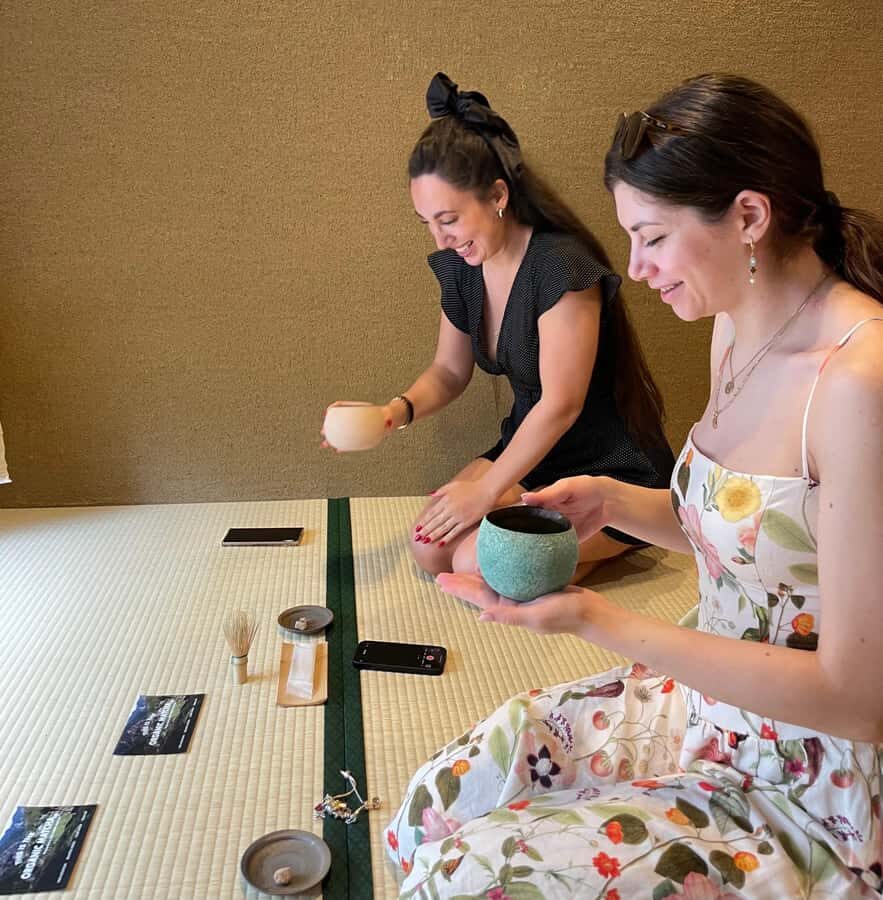
The flow is structured, but it doesn’t feel stiff. You start with an introduction: why the ceremony exists, how matcha became a celebrated tea, and what makes ceremonial preparation different from everyday drinking. You’ll also learn what to watch for—because this ceremony is about attention.
Then comes the formal preparation. The host prepares matcha in the ceremony style and serves it with traditional sweets. This part is useful even if you’ve seen videos before, because watching someone match the technique with the pacing helps you understand what’s happening beyond the surface look.
After that, you get hands-on. You’re guided through making your own matcha, with attention to the techniques you’ll use. This is where the experience becomes more than a tasting: you learn the motion, timing, and care that turn matcha powder into the drink you actually want to sip.
At the end, there’s time to ask questions about tea, matcha production, tools, and the ceremony itself. If you’re the type who wants to know why one method tastes smoother than another, this is where you can press the host for details.
Wagashi sweets: the quiet partner to your matcha
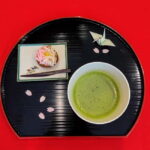
Tea ceremony matcha is often paired with sweets, but the pairing matters. Here, you’ll enjoy traditional Japanese sweets (wagashi) from a long-established shop with over 200 years of history. That’s not just a backstory—it helps you taste the matcha in a more complete way.
The value for you is contrast. Matcha has an intense, grassy character (and sometimes a slightly bitter edge). Wagashi is typically designed to soften or balance that experience. Even if you don’t know wagashi well, you’ll get the “why” while you’re there because the host talks through the overall ritual.
If you like food culture activities that teach you how locals think, this pairing is one of the best parts of the session. You don’t just eat a sweet—you experience it in context.
Quieter hours: more tea rooms and ceremonies


The practical matcha-making session: what you’ll learn to do
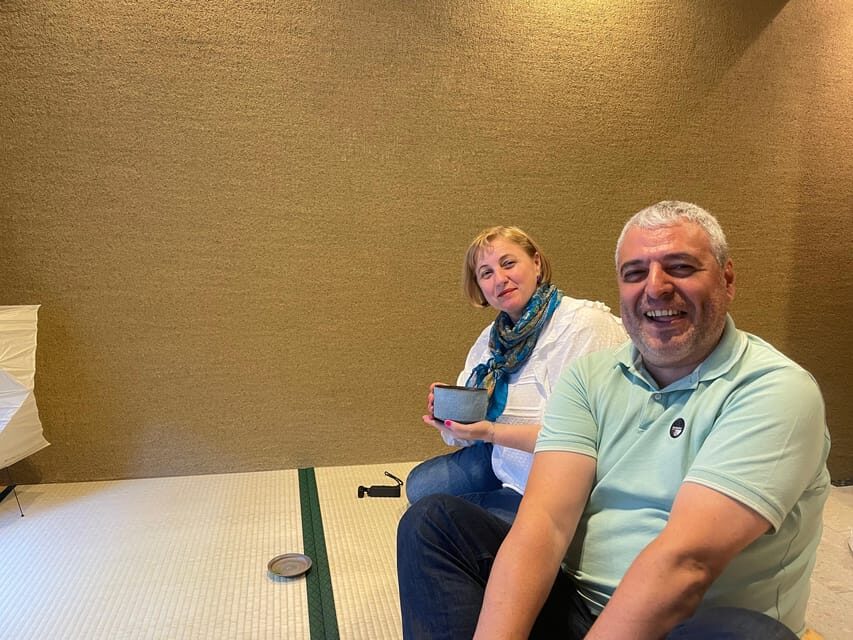
This is not a quick demo where you stand and smile. You’re guided through preparing matcha yourself, which means you’ll understand what each step is trying to achieve.
You’ll follow the host’s lead through the formal style preparation, then drink the result and learn how it’s meant to be consumed. The ceremony also includes respect for the utensils—so you’ll pick up the basic etiquette that gives the experience its calm tone.
And yes, the “teaching yourself” part is the core value of the $30 price. You’re buying time, attention, and instruction—not just a cup of tea. That matters because it’s the only way the experience becomes a skill you can reuse later.
Souvenir time: where to spend your matcha money wisely
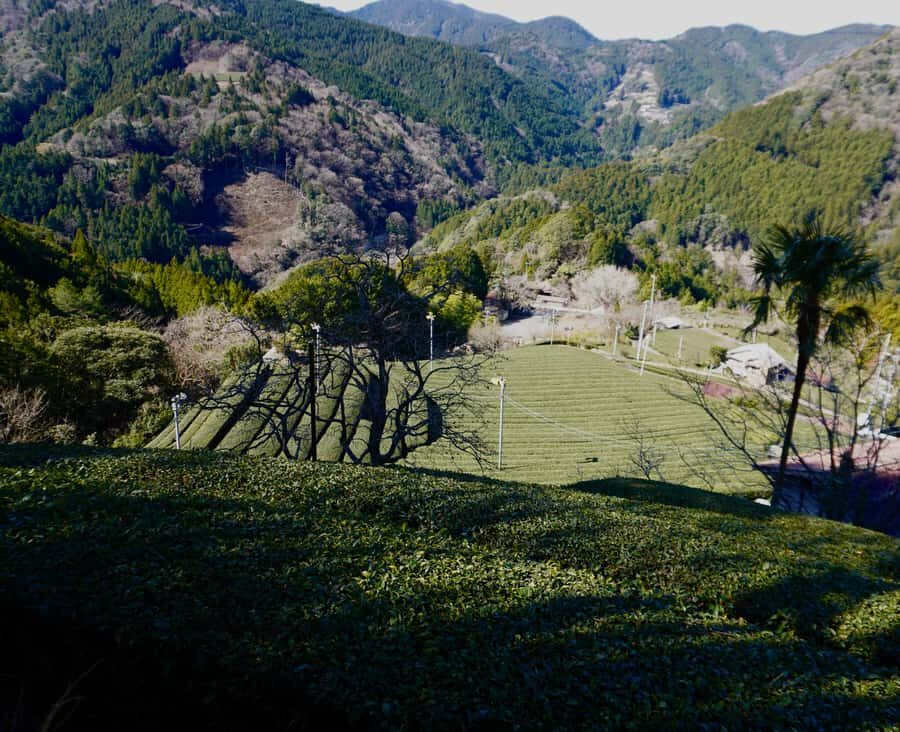
You’re not required to buy anything. But you can purchase high-quality organic matcha and original tea tools as souvenirs if you want. That’s a smart option for you if you tasted a style of matcha you genuinely like.
Why this is valuable: matcha is one of those things where quality can be obvious, but buying the right product can be confusing later. Having a guided tasting and a ceremony context makes your souvenir purchase more intentional.
If you plan to take matcha home, consider packing logistics for powders and tools. The experience provides what you need during the session, but souvenirs are separate—so think about what you can comfortably bring back.
Finding the calm in a tiny space
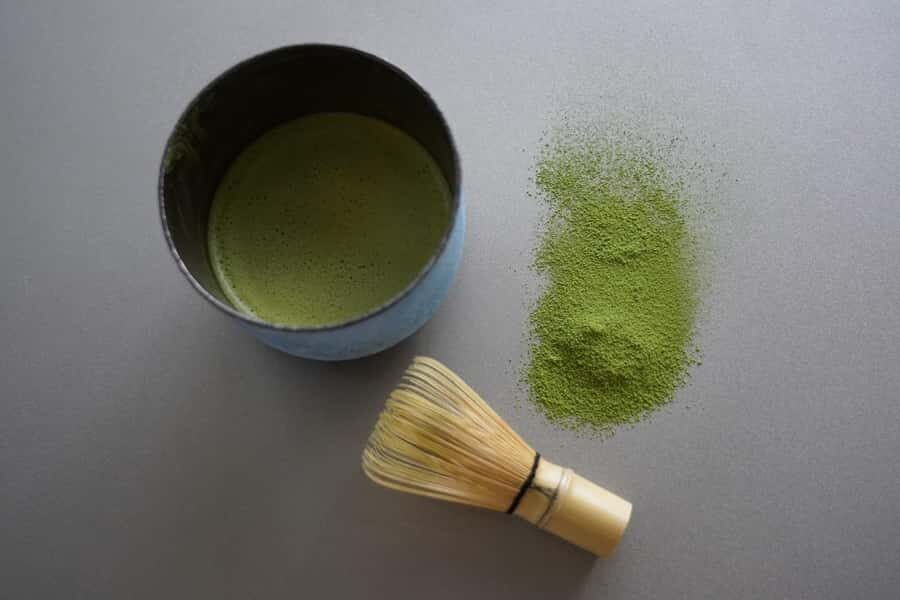
One thing that pops up in the overall vibe: the tea room can feel small at first glance, especially since the meeting point is in a normal Tokyo hotel area. Still, once you enter, the atmosphere shifts quickly. That’s part of the design of Japanese rooms in general—small space forces focus.
In practical terms, you should know the room doesn’t include a toilet. So do a quick bathroom stop before you head in. It’s a small issue, but it’s the kind that can spoil a calm experience if you ignore it.
Also, consider the audience fit. The experience isn’t suitable for children under 10, and it’s not suitable for pregnant women or babies under 1 year. If you fall into those categories, you’ll want to look for a different activity that fits your needs better.
Price and value: is $30 reasonable in Shibuya?
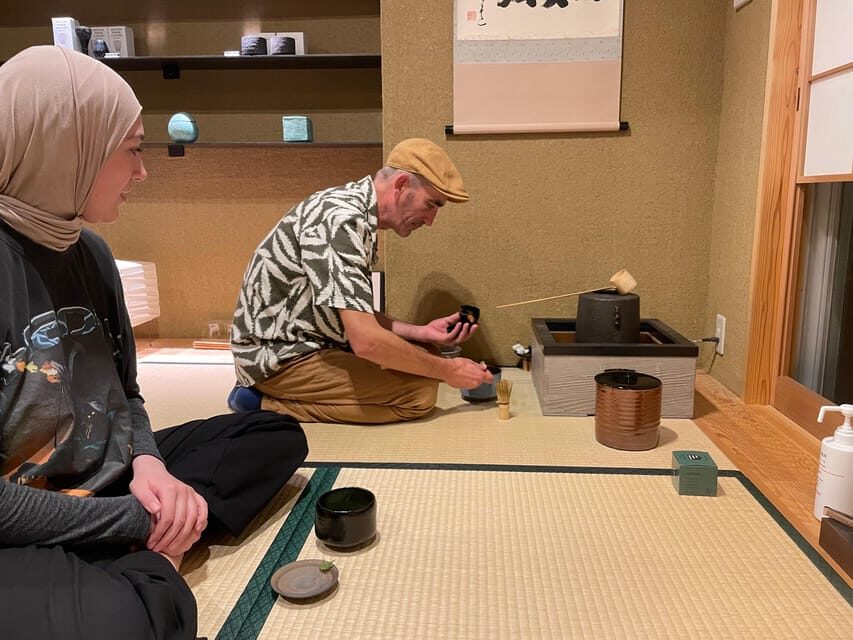
At $30 per person, this is positioned as an affordable cultural experience, especially in Tokyo. What makes it good value isn’t the number alone—it’s what you get for it:
- a private tea room ceremony format
- premium organic matcha (EAST GREEN MATCHA)
- traditional wagashi sweets
- a guided matcha-making session where you learn the motions
- time to ask questions
- optional ability to buy matcha and tools afterward
If you’ve spent $30 in Tokyo on a ticketed attraction, you might not remember much beyond the photos. Here, you leave with a clearer understanding of matcha, plus at least a basic practical ability to whisk and serve it in a more mindful way.
And because the host explains production and ceremony rules, the experience sticks. You’re not just consuming—you’re learning. That’s the kind of value that lasts longer than a single day.
Who should book this tea ceremony (and who might not)
This is a strong match if you want:
- a calmer cultural break from Shibuya’s crowds
- hands-on instruction, not just a viewing experience
- an emphasis on matcha quality and ceremony etiquette
- an activity you can do even when your schedule is tight
It may not fit if you:
- need toilet access during the session
- are traveling with a pet (pets aren’t allowed; assistance dogs are allowed)
- want something targeted at young children (it’s not suitable for children under 10)
- need an option that works for pregnancy or infants under 1 year
If you’re a tea person, matcha is usually enough motivation on its own. If you’re not, this still works because the host teaches you what to notice in the cup and how the ceremony changes the experience.
Booking with confidence: a flexible plan
You can reserve & pay later, which helps if you’re keeping your Shibuya schedule flexible. And if plans change, the cancellation policy allows you to cancel up to 24 hours in advance for a full refund.
That makes it easier to fit this into a day that may shift due to weather, jet lag, or the natural chaos of Tokyo trains.
Should you book Tea Room Kakoi in Shibuya?
Yes, if you want a short, focused cultural reset. The combination of private calm, high-grade organic matcha, and a guided matcha-making session gives you more than a souvenir moment.
I’d skip it only if the lack of a toilet will stress you out, or if it doesn’t match your travel needs (like age suitability, pregnancy, or pet travel). For everyone else, this is one of those “small ticket, big mood” experiences that makes Shibuya feel less like just a place to pass through.
FAQ
How much does the tea ceremony experience cost?
It costs $30 per person.
Where do we meet for Tea Room Kakoi?
You meet at the front of The OneFive Tokyo Shibuya hotel at 1-8-11, Jinnan, Shibuya-ku, Tokyo 150-0041. The host will be holding a sign with TEA ROOM KAKOI.
How far is it from Shibuya Station?
The location is about an 8-minute walk from Shibuya Station.
What languages is the experience offered in?
The experience is available in English and Japanese.
What do I drink and do during the ceremony?
You’ll enjoy premium organic matcha and traditional Japanese wagashi sweets, and you’ll also learn about the ceremony and matcha production. You’ll prepare matcha in formal tea ceremony style and make your own under guidance. Also note that matcha contains caffeine.
Can I buy matcha or tea tools after the session?
Yes. If you wish, you can purchase high-quality organic matcha and original tea tools as souvenirs.
Is there a toilet in the tea room?
No. There is no toilet in the tea room.
Are pets or young children allowed?
Pets are not allowed (assistance dogs are allowed). The experience is not suitable for children under 10, pregnant women, or babies under 1 year.
More Tour Reviews in Tokyo






More Tea Rooms Worth Booking
Still in Shibuya? Keep Going





Fresh reviews from around Tokyo






Shibuya Tours, compared.
 ★ 5.0Official Street Go-Kart in ShibuyaFrom $763,435 reviews
 ★ 4.9Street Kart Experience in ShibuyaFrom $741,484 reviews
 ★ 5.0Shibuya Meltdown Nightlife Tour: All-You-Can-Drink Bar HoppingFrom $1061,058 reviews
 ★ 5.0Shibuya Official Street Go-Kart in Shibuya AnnexFrom $69972 reviews
 ★ 5.0Shibuya Food Tour (13 dishes and 4 Eateries)From $77770 reviews
 ★ 5.0Best of Shibuya Food TourFrom $217612 reviews
 ★ 4.8Shibuya Highlights Walking TourFrom $19601 reviews
 ★ 4.7Premium Go-Kart Tour with Tower & Shibuya CrossingFrom $116528 reviews
Browse the lists this tour appears in