
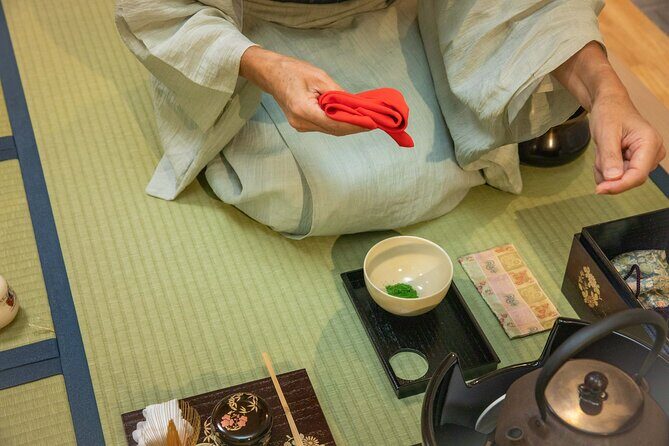
Reviewed · TEA CEREMONY EXPERIENCES
Tokyo: Casual Japanese Tea Ceremony Experience
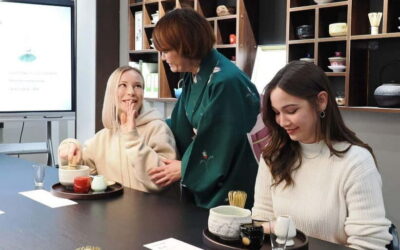
First-Timer anxiety fades fast in this calm tea lesson. It’s a beginner-friendly Japanese tea ceremony in Tokyo that trades stiff formality for a relaxed lounge setting, with a host who helps you understand what’s going on and why it matters. I especially like the easygoing atmosphere and the fact you can ask questions and take photos without feeling like you’re breaking rules.
You’ll also like the hands-on part: you get to whisk your own matcha and taste it right away, plus you’ll enjoy traditional Japanese sweets during the session. The host explains the meaning behind each step, so it’s not just tea-making as a performance—it’s tea as a way to slow down and pay attention.
One thing to consider: this is not the strict, full-scale ritual some people picture. If you want an ultra-formal tea choreography (with tight, traditional pacing), you might feel it’s more casual than you expected.
Key things you’ll notice right away
- Small group (max 8) means you’re not lost in the crowd.
- Beginner-focused guidance helps you understand etiquette instead of guessing.
- Hands-on matcha whisking turns tea from a sight-seeing stop into a real skill.
- Sweets + matcha tasting gives you a complete flavor moment, not just a drink.
- Photos are welcome, so you don’t have to choose between learning and memory-making.
In This Review
- Why This Casual Matcha Session Works for First-Timers
- Your 1-Hour Plan at the Tokyo Tourist Lounge Asakusa
- Making Matcha: Whisking, Water, and the Little Details That Matter
- Sweets, Hospitality, and the Meaning Behind the Steps
- Photos and Questions: Enjoy Without Stress
- Coffee and Tea Included: What You Actually Get
- Price and Value: Is $25 Worth It?
- Who Should Book This Tea Ceremony (and Who Might Skip It)
- Should You Book This Casual Japanese Tea Ceremony?
- FAQ
- How long is the Japanese tea ceremony experience?
- Where does the experience start?
- How many people are in the group?
- What do I get to do during the session?
- Is kimono rental included?
- Is cancellation free?
Why This Casual Matcha Session Works for First-Timers
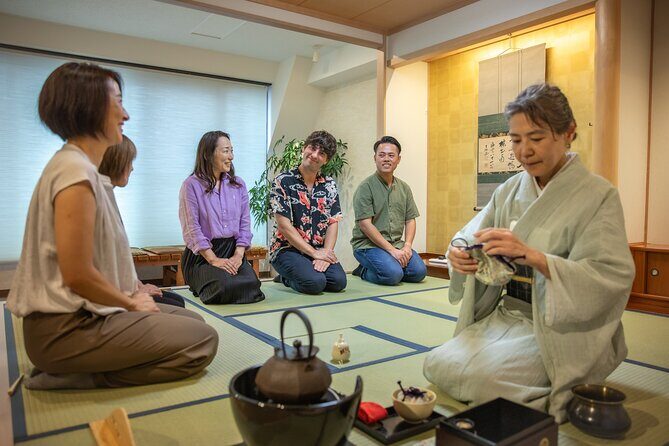
If you’ve ever skipped a formal Japanese tea ceremony because you worried about messing up, this is designed for that exact problem. You still learn the core ideas—tea, respect, hospitality, and attention to the moment—but the tone is friendly and approachable. You’re not expected to already know the etiquette. Instead, you’re guided through what you’re doing as you do it.
I like that the experience removes the usual friction: no language barrier panic, no pressure to silently “get it right,” and no intimidating performance vibe. You can focus on tasting, learning, and asking questions. That’s a big deal in Tokyo, where a lot of culture comes with a lot of fine print.
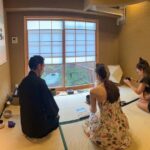
You’re also in a setting that feels made for conversations. You’ll sit comfortably while your host walks you through the meaning of each action—like why certain steps happen in a particular order and how the ceremony reflects harmony and respect. It’s the kind of learning that sticks because it’s connected to what you’re tasting.
Quieter hours: more tea rooms and ceremonies
- Tokyo: Traditional Tea Ceremony with a Tea Master★ 5.0 · 528 reviews
- Tea Ceremony Workshop in Tokyo by the Experienced Instrucor★ 5.0 · 189 reviews
- Tea Ceremony Experience in a Private Tea Room in Shibuya★ 4.9 · 125 reviews
Your 1-Hour Plan at the Tokyo Tourist Lounge Asakusa
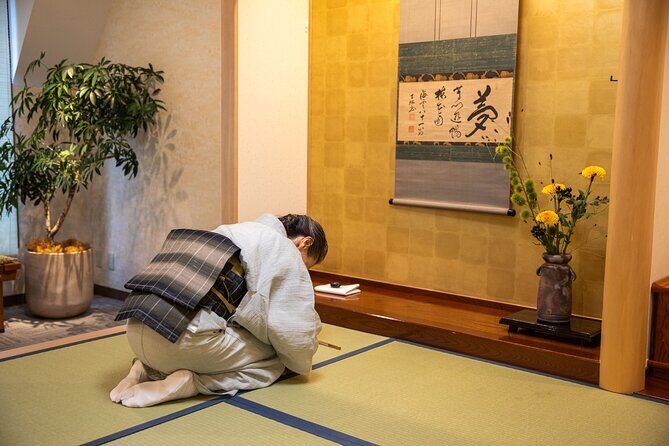
The session is about one hour (approx.), and it runs back to the meeting point. You’ll start at the Tokyo Tourist Lounge Asakusa, on 5F, address: 111-0034, 5F, 2丁目-18-15 雷門, 台東区, 東京都 111-0034. It’s near public transportation, which matters if you’re pairing this with morning or late-afternoon sightseeing around Asakusa.
Here’s what the timing feels like in practice:
- You’ll meet the host and settle in quickly, since the group stays small.
- You’ll receive a guided explanation of what you’re about to do.
- You’ll learn the matcha-making motions and then make your own bowl.
- You’ll taste matcha along with traditional Japanese sweets.
- You’ll end with time for questions and photo-friendly moments.
With a group capped at 8 travelers, you’re more likely to get personal attention. That’s the main “secret” value here. Even if you’re shy, the format gives you room to speak up.
Making Matcha: Whisking, Water, and the Little Details That Matter
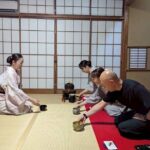
The heart of this experience is whisking your own bowl of matcha. This is where most people realize tea ceremony isn’t about perfection—it’s about technique and mindfulness. Matcha isn’t just a drink you order. You’re involved in the steps that create the texture and taste.
During the session, your host explains the key actions in plain terms. You’ll go through the process from pouring water to preparing tea, and you’ll learn what each step is trying to achieve. For example, you’re not only learning what to do with the whisk—you’re understanding why the sequence matters and what kind of result you should be aiming for.
Even if you’ve made matcha at home before, this kind of guided instruction can change how you think about it. You start to notice the relationship between water handling, whisking, and the final experience in your cup. And because the pace is relaxed, you can actually pay attention while you’re doing it instead of rushing through the motions.
The hands-on component is also a practical travel win. You’ll leave with a mental checklist for what to look for if you want to buy matcha later, whether you’re packing it to take home or trying it again during your trip.
Sweets, Hospitality, and the Meaning Behind the Steps
Japanese tea culture is full of symbolism, but this experience keeps it human. You sit comfortably as your host explains the meaning behind each step—from presenting the tea to how hospitality shows up through small gestures. It’s the same broad philosophy you’ll hear about in Japanese tea, but delivered in a way that actually makes sense in an hour.
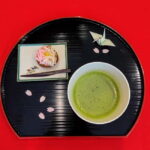
Then comes the tasting. You’ll enjoy traditional Japanese sweets alongside freshly prepared matcha. This part matters more than people expect. The sweets help balance the bitterness and depth of matcha, and they also give you a taste of how tea fits into a broader sweets-and-tea rhythm.
The best way I can describe it: it’s not just “tea plus dessert.” It’s a guided moment that trains your senses. You slow down, take a sip at your own pace, and learn what to notice—flavor, texture, and the calm rhythm of the ceremony.
Also, since the host is friendly, you can ask questions. That turns tea from a cultural stop into a conversation you can carry with you. One of the standout details from past participants is that the teaching feels kind and clear, with hosts like Midori credited for explaining processes with warmth and patience. If you’re the kind of person who learns by asking why, you’ll likely enjoy this format.
Photos and Questions: Enjoy Without Stress
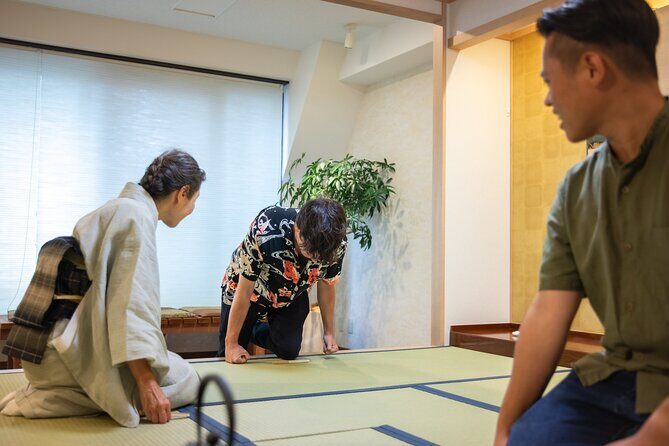
A lot of cultural experiences quietly demand you act like a ninja—watch, don’t touch, don’t ask, and for the love of everything, don’t do the wrong thing. This one is designed differently. You’re specifically encouraged to ask questions and take photos.
That means you can document your experience without feeling like you’re disrupting it. It also means you can get clarification mid-moment if something doesn’t make sense. And since the host explains the meaning behind the steps, the answers aren’t just practical instructions—they add context so you can remember what you learned.
If you’re traveling with a camera, this is a smart choice. You won’t have to spend the whole ceremony hiding your phone or trying to get the “perfect” shot while ignoring what you’re learning. You can do both: learn and capture the moment.
Just keep it respectful. Even in a casual setting, remember you’re in a tea space, and the goal is calm attention—not turning it into a photo booth.





Coffee and Tea Included: What You Actually Get
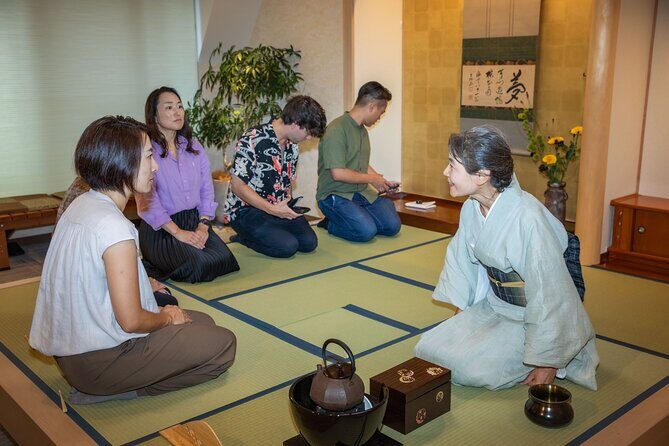
The session includes coffee and/or tea. Since this is a tea-focused experience, you should expect at least one of those to be part of the overall refreshment plan during the lesson. The main event, though, is matcha you whisk and taste as guided practice.
This kind of inclusion helps justify the price because you’re not paying extra just to sit down comfortably. You’re also not forced into buying drinks on the spot. You can focus on the lesson and then continue your Asakusa day without hunting for a café immediately afterward.
Price and Value: Is $25 Worth It?
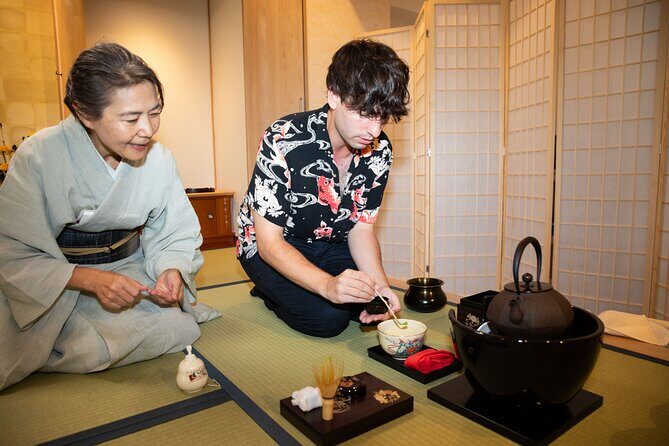
At $25 per person, this tea ceremony is priced to be accessible. In Tokyo, where many cultural activities can jump quickly in cost, this one aims at a fair trade: you get an instructor, a guided explanation of ceremony steps, and hands-on matcha-making in a calm small-group environment.
Here’s why the value works for me:
- You’re paying for more than matcha. You’re paying for the explanation behind what you’re doing.
- You’re paying for the structure that helps beginners avoid etiquette stress.
- You’re getting a practical memory you can repeat later, at least in spirit and basic technique.
Also, the maximum group size matters. Small groups often mean better learning because your host can answer questions and keep the mood relaxed. That’s what turns a “nice cultural activity” into a meaningful experience.
If you’re doing Asakusa on a budget but still want something cultural and interactive, this price point is a strong fit.
Who Should Book This Tea Ceremony (and Who Might Skip It)
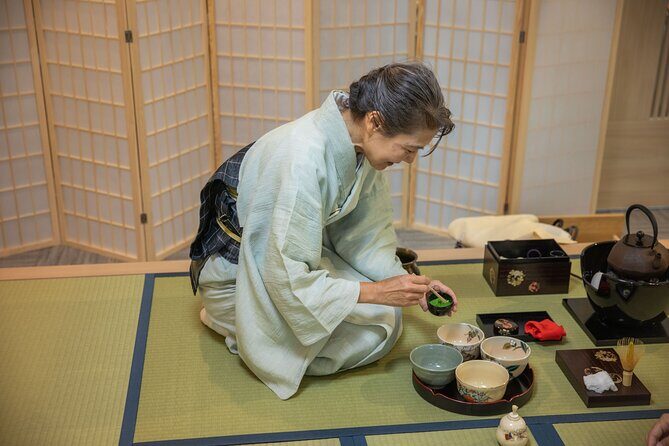
This is a great match if you:
- want a beginner-friendly entry point into Japanese tea culture
- care about etiquette, but you don’t want to feel judged or rushed
- like interactive experiences more than museum-style observation
- want a calm break from fast-paced sightseeing
- enjoy food pairings, since you’ll taste matcha with traditional sweets
You might consider a different type of tea ceremony if you:
- are specifically looking for a strict, traditional ritual with tight choreography
- prefer very long, ceremonial pacing
- want a class that’s more performance-based than conversation-based
If you’re on your first Tokyo trip, or you want one “slow” activity to balance the city’s energy, this fits nicely.
Should You Book This Casual Japanese Tea Ceremony?
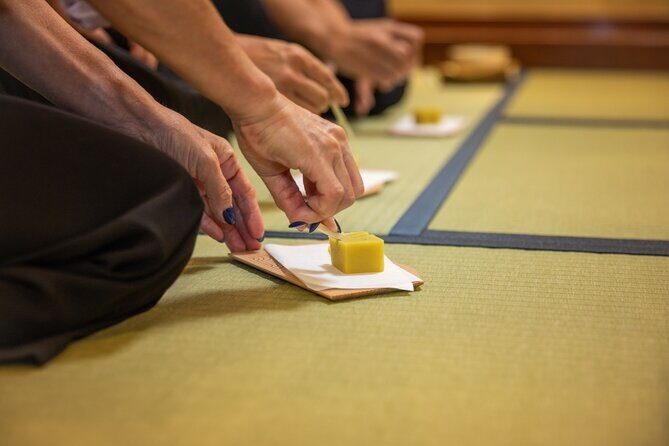
Book it if you want a low-stress way to understand Japanese tea culture and actually take part in it. The combination of small group size, hands-on matcha whisking, and a host who explains steps in a friendly way makes it one of those activities that feels personal instead of mechanical.
Skip it only if you’re chasing the strictest version of tea ritual. This is about comfort, clarity, and approachable etiquette. For most travelers, that’s exactly the point.
If you’re in Asakusa anyway, this is also an easy cultural add-on that won’t eat your whole day. One hour is enough to reset your pace, learn something concrete, and leave with a taste and memory that last longer than a typical photo stop.
FAQ
How long is the Japanese tea ceremony experience?
It runs for about 1 hour (approx.).
Where does the experience start?
The meeting point is Tokyo Tourist Lounge Asakusa, 5F, 2丁目-18-15 雷門, 台東区, 東京都 111-0034, Japan.
How many people are in the group?
The experience has a maximum of 8 travelers.
What do I get to do during the session?
You’ll learn how to whisk your own matcha, taste freshly prepared matcha, and enjoy traditional Japanese sweets. You’ll also receive explanations of the meaning behind the steps.
Is kimono rental included?
No. Wearing kimono and rental are not included.
Is cancellation free?
Yes. You can cancel for a full refund if you cancel at least 24 hours before the experience’s start time.
More Tour Reviews in Tokyo



More Tea Rooms Worth Booking


Fresh reviews from around Tokyo






Tea Ceremony Experiences, compared.
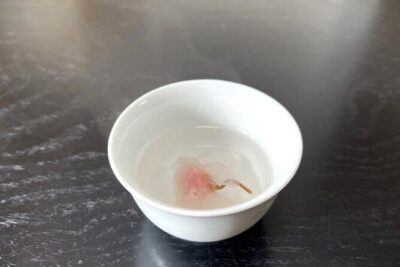
 ★ 5.0Traditional Tea Ceremony with a Tea MasterFrom $38528 reviews
 ★ 5.0Tea Ceremony Workshop in Tokyo by the Experienced InstrucorFrom $38189 reviews
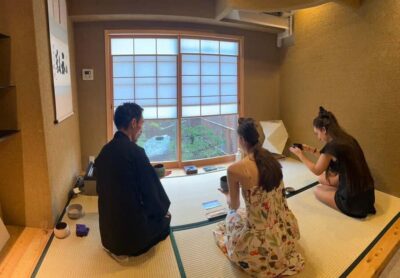 ★ 4.9Tea Ceremony Experience in a Private Tea Room in ShibuyaFrom $30125 reviews
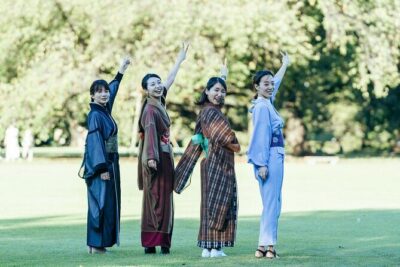 ★ 5.0Matcha Kimono Tea Ceremony in TokyoFrom $59104 reviews
 ★ 4.9Tea ceremony experience in Japanese-style room 60minFrom $4586 reviews
 ★ 5.0Shibuya Authentic Tea Ceremony with experienced instructorFrom $2554 reviews
 ★ 4.9Tea Ceremony Experience in a small tea roomFrom $5153 reviews
 ★ 4.7Japanese Traditional Sweets making and Tea CeremonyFrom $1850 reviews
Browse the lists this tour appears in