
Reviewed · SHIBUYA TOURS
Shibuya Authentic Tea Ceremony with experienced instructor
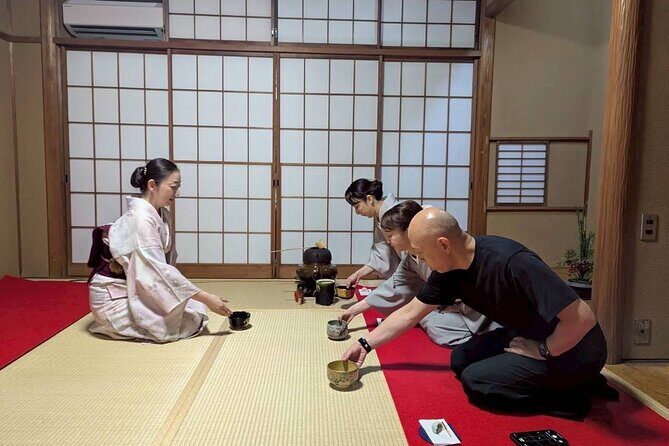
A quiet tea ritual in loud Shibuya is a smart trade. This small-group Shibuya Authentic Tea Ceremony swaps crowds for an intimate setting where you watch the real flow of matcha and learn the story behind it. I especially like the chance to see matcha prepared with a traditional stone mill and to taste it right after the ritual starts.
I also love that you get hands-on time, including whisking your own bowl and picking a chawan you actually like. One thing to consider: at about 50 minutes, it is focused and not a long, wandering cultural tour, so go in ready to pay attention for a short sprint.
In This Review
- Key highlights worth your time
- Why Shibuya Tea Beats Another Crowded Stop in Tokyo
- Finding the Meeting Point Near Dōgenzaka
- The 50-Minute Ceremony Flow: History, Stone-Milled Matcha, and an Actual Ritual
- Watching the Tea Master: What to Pay Attention To
- Nerikiri Sweets and the First Sip: Pairing Like a Local
- Making Your Own Matcha: Tools, Tempo, and Choosing Your Chawan
- Why the Small Group Size Changes Everything
- Price and Value: Is $25.76 Worth It?
- Who Should Book This and Who Might Skip It
- Should you book this Shibuya tea ceremony?
- FAQ
- How long is the tea ceremony?
- How many people are in the group?
- What is included in the session?
- Do I make matcha myself or only watch?
- Can I choose the tea bowl I use?
- Where does the experience meet in Shibuya?
- What is the price?
- Is there a ticket on my phone?
- Is free cancellation available?
Key highlights worth your time
- Maximum 8 people means you’re not lost in a large group.
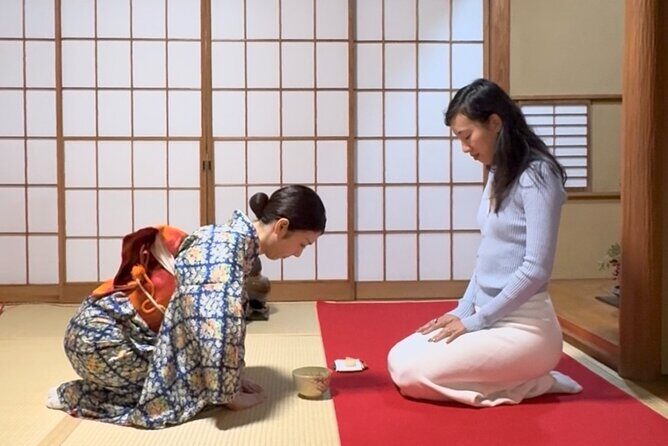
- A Japanese tea master leads the ceremony, with clear step-by-step guidance.
- Stone-mill matcha: you see how matcha is made before you taste it.
- 500+ year tradition in action, with a full tea ritual to watch.
- Nerikiri sweets pair with your freshly prepared matcha.
- Make your own bowl using traditional tools and choose your preferred tea bowl.
More to do within sight of the Crossing
- Official Street Go-Kart in Shibuya★ 5.0 · 3,435 reviews
- Tokyo: Street Kart Experience in Shibuya★ 4.9 · 1,484 reviews
- Shibuya Meltdown Nightlife Tour: All-You-Can-Drink Bar Hopping★ 5.0 · 1,058 reviews
Why Shibuya Tea Beats Another Crowded Stop in Tokyo
Shibuya can wear you out fast. This experience gives you the opposite feel: a calmer pocket of time where people slow down and focus. You’re still in Tokyo, but you’ll step away from the noise and into a ritual with rules, rhythm, and purpose.
I like experiences like this because they don’t just show you something. They teach you how to do it, right there, in the moment. You’ll learn the history of tea in Japan, see matcha made with a traditional stone mill, then watch the ceremony performed in a way that’s been carried through for over 500 years.
The biggest practical benefit is how memorable it becomes. When you taste and then whisk your own matcha, you’re not just collecting photos. You’re building muscle memory you can repeat.
Finding the Meeting Point Near Dōgenzaka
You’ll meet in Shibuya at Japan, 150-0043 Tokyo, Shibuya, Dōgenzaka, 1-chōme15 万字ビル. The address is a concrete anchor, which helps when you’re trying to stay unflustered in dense neighborhoods.
In Shibuya, tiny side streets and building entrances can trick you, so give yourself a little buffer time. This is also the kind of activity where arriving flustered makes it harder to settle in, since the whole point is a calm, focused session.
If you want an easy win, plan to show up a few minutes early and do a quick check of your surroundings. Once you’re inside, the experience runs at a steady pace and takes you step-by-step.
The 50-Minute Ceremony Flow: History, Stone-Milled Matcha, and an Actual Ritual
The session runs about 50 minutes, and it moves in a logical sequence. That matters because tea ceremony teaching works best when the story, the visuals, and your hands line up.
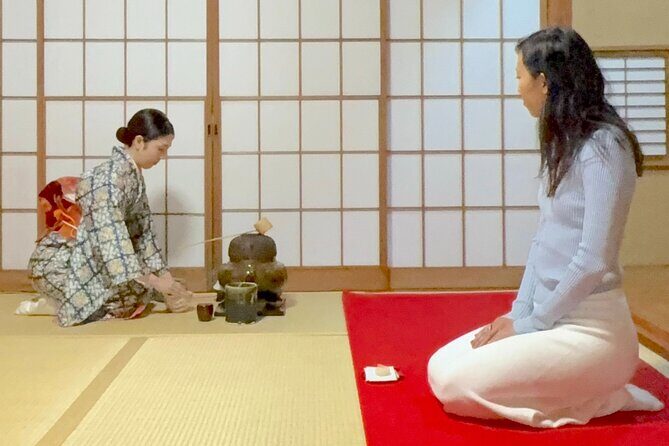
First, you’ll get a short explanation of the history of tea in Japan. Then you’ll watch matcha being made using a traditional stone mill. This is more than a curiosity stop. Seeing the process up close helps you understand why matcha tastes and behaves the way it does, and it sets the tone for what you’re about to do next.
Next comes the moment you’ve paid for: watching a traditional tea ritual performed by the tea master. The ceremony is described as having a history of over 500 years, and the experience is structured so you can actually see the ritual unfold instead of just catching a few quick moments.
Then comes the practical part: you’ll make your own matcha. This is where the session becomes personal, because you’re no longer a spectator.
Watching the Tea Master: What to Pay Attention To
When the tea master performs the ceremony, try not to split your attention between watching and filming. You’ll get more out of it if you watch the flow first, then take photos if there’s a clear moment to do it.
A good tip: focus on the pacing. Even without needing to know every detail, you can feel that the ritual is deliberate. That calm tempo is part of why the ceremony experience feels peaceful and meditative in the moment.
If your instructor is Mai (the name comes up in the experience’s feedback), you’ll likely get a friendly, welcoming teaching style. That matters because tea ceremony teaching is very hands-on, and you want someone who makes it easy to follow along without feeling rushed or embarrassed.
Also, don’t treat this as a performance you only watch. Treat it like a demo you’re learning from. The steps you see here are the same ideas that will show up later when you whisk your own bowl.
Quieter hours: more tea rooms and ceremonies



Nerikiri Sweets and the First Sip: Pairing Like a Local
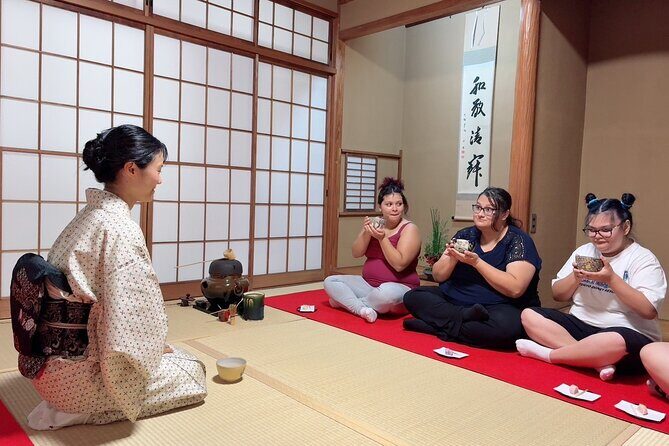
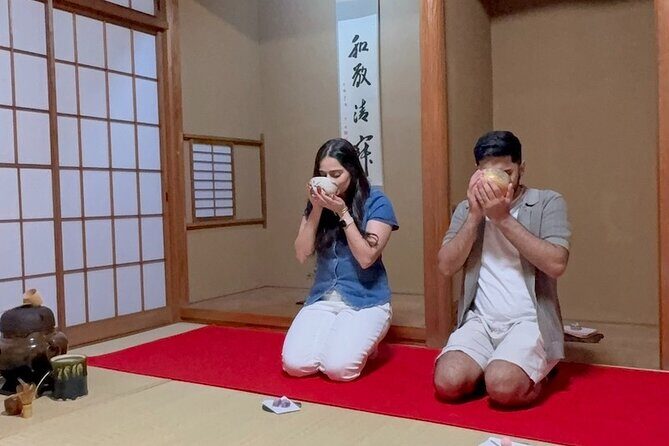
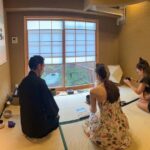
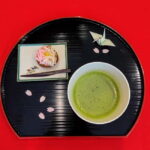
After the ritual demonstration, you’ll taste freshly prepared matcha along with nerikiri, a traditional Japanese sweet. This pairing is a smart part of the value, because it turns tasting into something you can compare and remember.
What I love about including a sweet is that it changes how you experience matcha. Matcha isn’t just a drink in this setting. It becomes a moment that includes flavor, texture, and timing.
As you sip, pay attention to what happens as the experience settles. The tasting is served as part of the ceremony flow, not as an afterthought. That makes the tea feel more intentional, which is exactly what you want if you’re visiting Tokyo and trying to balance busy days with something meaningful.
If you have a sweet tooth, you’ll probably appreciate the added cultural detail. If you don’t, think of the nerikiri as a gentle, bite-sized complement to the matcha rather than a heavy dessert.
Making Your Own Matcha: Tools, Tempo, and Choosing Your Chawan
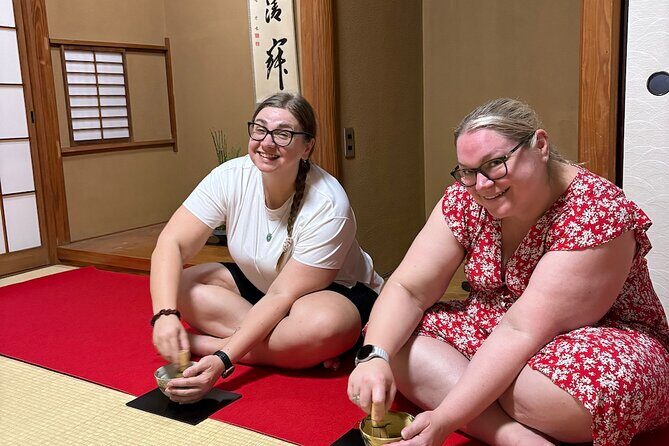
The final step is the hands-on portion: you’ll make your own bowl of matcha using traditional tools. You’re also able to choose your favorite tea bowl from a variety of beautiful chawan.
This is one of the most practical parts of the experience because it forces you to translate watching into doing. You’ll learn the basic technique by following the instructor’s lead, then applying it yourself. Even if you’ve never whisked matcha before, the structure is built to walk you through it step-by-step.
The chawan choice is also more important than it sounds. When you pick a bowl you like, you’re more likely to remember the experience honestly. It also makes the tea feel like it belongs to you, not just a demo you attended.
Here’s a mindset tip: treat it like a short skill workshop, not a test. You’re trying the process, learning the feel, and taking home a technique you can recreate.
Why the Small Group Size Changes Everything
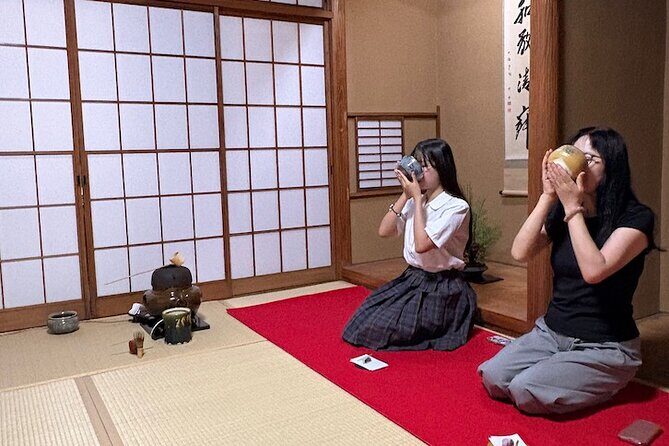
With a maximum of 8 travelers, this doesn’t feel like a lecture you survive. It feels more like guided instruction where you can catch up if you miss a step, and where the instructor can adjust the teaching to what people are doing.
That group size also makes the atmosphere match the theme. Tea ceremony is quieter by nature, and it’s easier to keep things respectful when everyone is in a small circle.
If you hate being stuck behind taller people during demos, this format usually helps. You get a better view, and you have more direct time for the hands-on portion.
Price and Value: Is $25.76 Worth It?
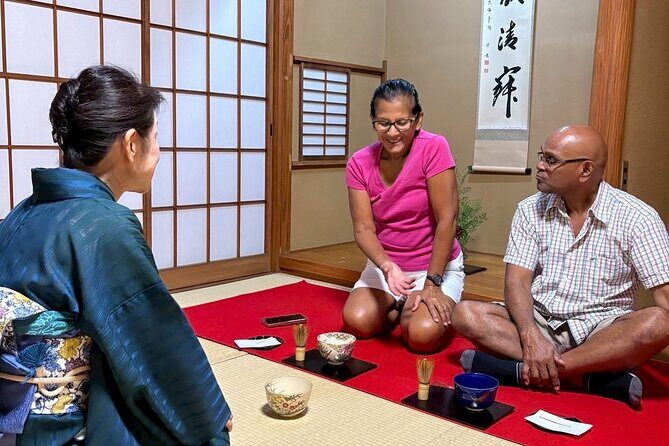
At $25.76 per person for about 50 minutes, you’re paying for three things that are hard to replicate cheaply on your own: a real tea master-led ceremony, seeing matcha prepared with a traditional stone mill, and hands-on time making your own bowl with traditional tools.
Could you buy matcha in Shibuya and call it a day? Sure. But the value here is in the teaching and the sequence. You don’t just drink; you learn the flow, taste the pairing, and practice the technique.
The duration also protects you from scheduling regret. This is short enough to slot into a busy Tokyo day without derailing your whole itinerary. And if you’re worried about it being rushed, the structure is clear: explanation, watch, taste, and then make.
Also, there’s a straightforward cancellation option: free cancellation up to 24 hours in advance. That gives you flexibility if plans shift.
Who Should Book This and Who Might Skip It
You should book if you want a break from Shibuya’s intensity and you like doing things with your hands. This is ideal for people who enjoy cultural experiences that go beyond museum-style looking.
You’ll also enjoy it if you want a calm, focused moment in Tokyo where the pace is controlled. The ceremony setting is designed to feel relaxing and peaceful, and the format supports that.
You might consider skipping if you’re looking for a long, wide-ranging walking tour or if you want a purely sightseeing-focused day. This experience is deliberately short and ritual-heavy, so it won’t function like a typical city tour.
Finally, if you’ve never had matcha before, this is a friendly starting point because you’re supported at each step and you taste along the way.
Should you book this Shibuya tea ceremony?
Yes, if you want an authentic cultural stop that doesn’t steal half your day. The combination of tea master instruction, stone-mill matcha, watching a 500+ year ritual, plus tasting nerikiri and then making your own bowl is strong value for the price.
Book it especially if you’re the kind of traveler who likes learning by doing. You’ll leave with a technique you can practice at home and a memory that feels more grounded than another photo stop.
If you’re unsure, aim for a time when you’re not already exhausted. This experience rewards a calm head and a willingness to slow down for 50 minutes.
FAQ
How long is the tea ceremony?
It lasts about 50 minutes.
How many people are in the group?
The experience has a maximum of 8 travelers.
What is included in the session?
You’ll learn about the history of tea in Japan, see how matcha is made with a traditional stone mill, watch a traditional tea ritual, taste matcha with nerikiri sweets, and make your own matcha.
Do I make matcha myself or only watch?
You’ll make your own matcha using traditional tools as part of the ceremony.
Can I choose the tea bowl I use?
Yes, you can choose your favorite tea bowl (chawan) from a variety of options.
Where does the experience meet in Shibuya?
The meeting point is in Shibuya, Dōgenzaka: Japan, 150-0043 Tokyo, Shibuya, Dōgenzaka, 1-chōme15 万字ビル.
What is the price?
The price is $25.76 per person.
Is there a ticket on my phone?
Yes, it’s a mobile ticket.
Is free cancellation available?
Yes, you can cancel up to 24 hours before the experience for a full refund.
More Tour Reviews in Tokyo






More Tea Rooms Worth Booking
Still in Shibuya? Keep Going





Fresh reviews from around Tokyo






Shibuya Tours, compared.
 ★ 5.0Official Street Go-Kart in ShibuyaFrom $763,435 reviews
 ★ 4.9Street Kart Experience in ShibuyaFrom $741,484 reviews
 ★ 5.0Shibuya Meltdown Nightlife Tour: All-You-Can-Drink Bar HoppingFrom $1061,058 reviews
 ★ 5.0Shibuya Official Street Go-Kart in Shibuya AnnexFrom $69972 reviews
 ★ 5.0Shibuya Food Tour (13 dishes and 4 Eateries)From $77770 reviews
 ★ 5.0Best of Shibuya Food TourFrom $217612 reviews
 ★ 4.8Shibuya Highlights Walking TourFrom $19601 reviews
 ★ 4.7Premium Go-Kart Tour with Tower & Shibuya CrossingFrom $116528 reviews
Browse the lists this tour appears in