
Reviewed · VIP
Tokyo Private Tour in Luxury Vehicle with English Guide
Tokyo goes from overwhelming to easy.
This private day tour is built for people who hate the stress of waiting, rushing, and showing up with a vague plan. You’ll get hotel pickup and ride in an air-conditioned, modern car with WiFi so you can share photos as you go. The big win is control: you and your guide can shape the day around what you care about most, instead of squeezing in a cookie-cutter route.
I especially like two things about the experience. First, you’re not stuck negotiating transit across town; the driver keeps the day moving while the guide helps you understand what you’re looking at. In feedback for Mukarram Muhammad (the provider) and Abdul (seen in reviews), guests praised how the guide explained local traditions and stayed patient while helping with real-world needs like language barriers and even picture-taking. Second, the itinerary mixes landmark classics with short, high-impact stops, so you get Tokyo variety without losing half the day to transit.
One possible drawback to plan for: several major sights have entry fees not included, plus lunch isn’t included. So the advertised $650 covers the private transport and guiding, while you’ll likely add a few extra payments during the day.
In This Review
- Key Things That Make This Private Tokyo Day Different
- Private Luxury Transport That Actually Saves Your Day
- Shibuya Start Point and How the Route Feels in Real Life
- Imperial Palace Area: A Calm Start in Chiyoda
- Senso-ji in Asakusa: Compassion, Crowds, and Photo Spots
- Tsukiji Outer Market: Food Town Without the Pressure
- Skytree and Tokyo Tower: Choose Your View Style
- Shinjuku Gyoen National Garden: A Breather in the Middle of the Day
- Meiji Shrine: The 70-Hectare Forest Effect
- Takeshita Street and Harajuku: Shopping That’s All Energy
- Shibuya Crossing: The Famous End Scene, Not a Timed Trap
- Your English-Speaking Guide: More Than Translation
- Price and Value: How $650 Works for Up to 6 People
- Tips to Get the Most Out of an 8–10 Hour Route
- Should You Book This Private Tokyo Highlights Tour?
- FAQ
- Is pickup and drop-off included?
- How long is the tour?
- What’s the group size?
- Do I need to pay for admission tickets during the tour?
- Is lunch included?
- What’s included with the guide and vehicle?
- Where does the tour start and end?
- Is this tour dependent on weather?
- Can I cancel for a full refund?
Key Things That Make This Private Tokyo Day Different
- Hotel door-to-door pickup saves you from rail station logistics and time traps
- Luxury, air-conditioned vehicle with onboard WiFi keeps the day comfortable and photo-friendly
- English-speaking guide help goes beyond facts, including practical support in the moment
- Flexible pacing lets you linger at Meiji Shrine or cut time if you want more shopping or views
- A smart highlights mix: Imperial Palace area, Asakusa temples, Tsukiji food browsing, and major skyline stops
- Private group (up to 6) means fewer interruptions and more control over your own schedule
More days made easy by a guide
- Tokyo 6hr Private Tour with Government-Licensed Guide★ 5.0 · 3,902 reviews
- Tokyo: Shinjuku Local Bar and Izakaya Guided Walking Tour★ 4.9 · 1,794 reviews
- Tokyo: Private City Highlights Tour with Local Guide★ 4.8 · 1,433 reviews
Private Luxury Transport That Actually Saves Your Day
Tokyo is fun, but it’s also intense. The city rewards planning, and the biggest time cost is not distance—it’s friction: finding the right train, managing transfers, and losing momentum when someone in a group misses the timing.
That’s why I like this format. You’re traveling in an air-conditioned luxury vehicle with a driver who can handle the city’s rhythm, and you’re doing it with an English-speaking guide who can tell you what matters at each stop. With hotel pickup and drop-off included, the day starts with zero guesswork and ends the same way. If you’re traveling with family or you just want a smoother rhythm, this is a big quality-of-life upgrade.
You also get a practical advantage: onboard WiFi and water bottles. That sounds small, but after a few hours of walking, you’ll appreciate having a way to quickly share photos and check maps if you want to extend a moment at a nearby street.
Shibuya Start Point and How the Route Feels in Real Life
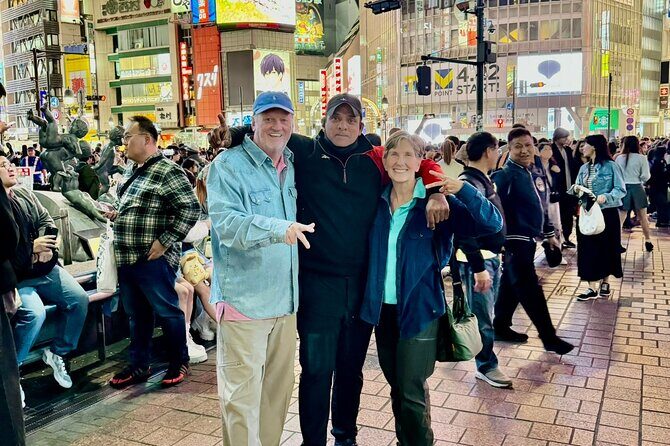
This tour’s listed meeting point is Shibuya Crossing (21 Udagawacho, Shibuya, Tokyo). At the same time, the tour includes pickup and drop-off to your hotel, which is ideal if you’re staying central and don’t want to fight crowds with luggage or a tired group.
How it usually feels: your day begins with orientation—then you fan out across multiple neighborhoods. The sights are spaced so you can see huge variety: government-area Tokyo, classic temples, market streets, major towers, garden calm, shrine forest, and two of the most famous modern-city scenes.
The tour duration is about 8 to 10 hours, so you’re not getting a “quick taste” only—you’re getting enough time to do the highlights without turning every stop into a sprint. Still, it’s a long day. If you’re jet-lagged, I’d treat this as a “second or third day” kind of outing, when you can enjoy the pacing.
Imperial Palace Area: A Calm Start in Chiyoda
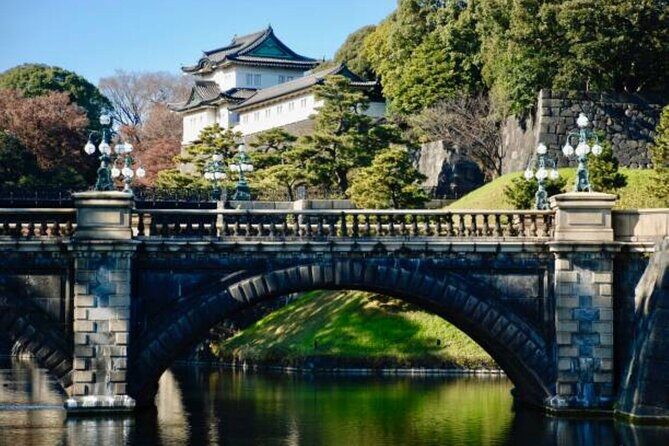
The day commonly begins at the Imperial Palace (Kōkyo), with about 1 hour on-site. This is the main residence of the Emperor of Japan, set within a large, park-like area in the Chiyoda district.
Two practical notes help you enjoy this stop. First, the admission ticket is not included, so check what you’ll need before you arrive (and expect extra waiting time compared with free stops). Second, the pace matters here: the palace grounds are best taken slowly. Even if you’re not a history nerd, this is a great place to reset your brain—Tokyo feels loud everywhere else, and this area gives you a different tone.
If you’re traveling with people who want both culture and photos, this stop earns its place because it’s recognizable and easy to understand once you’ve got context from your guide.
Senso-ji in Asakusa: Compassion, Crowds, and Photo Spots
Next up is Senso-ji Temple, dedicated to Kannon, the bodhisattva of compassion. The tour includes about 1 hour, and admission is free.
This is one of those stops where the details do the work. The temple complex and its surroundings make it easy to learn what’s going on just by looking—architecture, symbols, the flow of visitors, and the street atmosphere. Having an English-speaking guide helps because you’re not just watching scenery; you’re attaching meaning to what you see.
One consideration: since this is a free, high-profile site, you might find it busy at peak times. The private format helps here. Instead of getting shoved around in a larger group, you can spend less time in the most packed areas and more time at the spots you care about.
More private options with your own guide


Tsukiji Outer Market: Food Town Without the Pressure
Then you head to Tsukiji Outer Market, where you can browse traditional foods and snack your way through the streets. The tour gives about 1 hour, and admission is free.
This stop is more about browsing and atmosphere than “one ticket, one museum.” You’ll likely find lots of little counters and shops selling items you’ll recognize (tea, sauces, seafood-related snacks) and lots you won’t—perfect for picking up a small souvenir food haul.
A practical approach I’d suggest: keep it light here. Since the day continues with more walking and sightseeing, don’t turn Tsukiji into a full lunch. The tour lists lunch as not included, so you’ll want to eat strategically—either grab a quick bite here if you’re hungry, or save a meal break for later when you’ve decided what you actually want.
Skytree and Tokyo Tower: Choose Your View Style
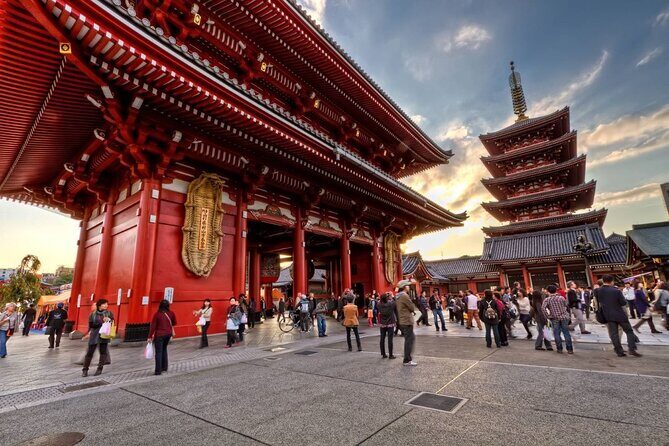
This tour includes both Tokyo Skytree and Tokyo Tower, each with about 1 hour. For both, admission tickets are not included, so the money piece and the time piece depend on what you choose to do at the observation level.
Think of it this way:
- Skytree is about maximum height and modern skyline views.
- Tokyo Tower has a classic vibe and easy photo opportunities around the area.
A good private-tour strategy is to tailor each stop to your group. If you’re the type who wants one big wow view, you might spend more time at the one that matters most to you and treat the other as a scenic walk and photo stop. Or, if your group loves heights, commit to both—but then manage expectations for a full day because observation lines and walking can stack up.
Either way, these are strong “I can’t believe I’m here” moments, and they help anchor your Tokyo day in a way temple streets alone can’t.
Shinjuku Gyoen National Garden: A Breather in the Middle of the Day
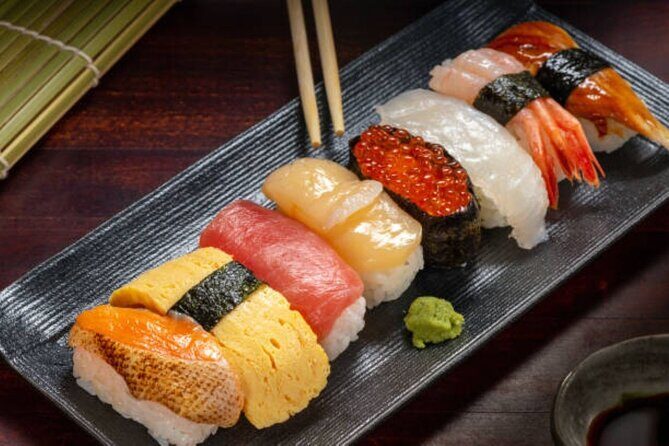
After towers and city energy, you get a calmer stop: Shinjuku Gyoen National Garden. The tour offers about 1 hour, and admission is not included.
This is the kind of place that breaks Tokyo into a different mood. Even if you’re not the outdoors type, it’s a great reset because it gives you space to walk without constant crowds and neon. It’s also a nice contrast to the shrine and temple stops, so you get variety without feeling like you’re repeating the same sightseeing theme.
A real-world tip: garden stops can feel underwhelming if you rush them. Try to linger, even in short bursts. If your guide can help you identify what’s worth noticing, you’ll get more out of that hour.
Meiji Shrine: The 70-Hectare Forest Effect
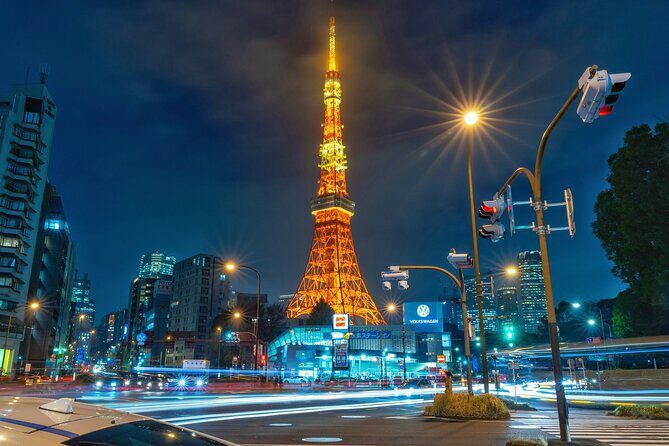
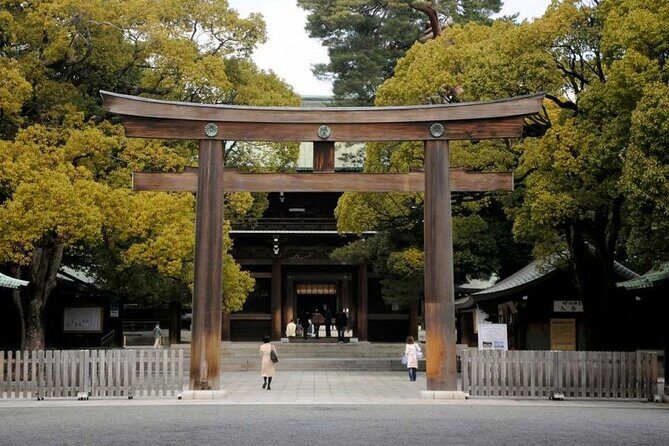
One of the biggest standouts in this tour is Meiji Shrine, located in a forest covering about 70 hectares (170 acres). The tour includes 1 hour here. The admission ticket is listed as not included.
This stop works because it’s not just a building or a landmark. The shrine is wrapped in an evergreen forest setting—about 120,000 trees donated from many regions—and that changes how Tokyo feels. You walk from a city roar into a quiet zone, and the contrast is the point.
Meiji Shrine is also a great place for your guide to do what they do best: explain what you’re seeing and why it matters. In feedback for Mukarram Muhammad and Abdul, guests specifically praised how the guide explained local traditions, and Meiji is where that kind of context turns a photo stop into something meaningful.
Takeshita Street and Harajuku: Shopping That’s All Energy
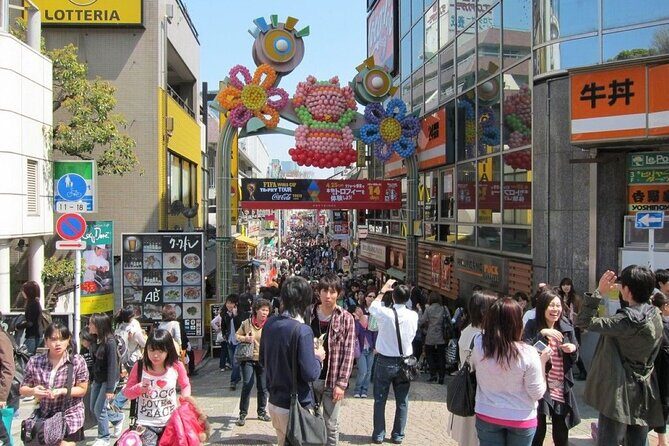
Next comes Takeshita Street in Harajuku, with about 1 hour of visit and shopping. Admission is listed as free.
This is the Tokyo mood swing. If temples and markets feel traditional, Takeshita brings the playful, youth-centered side of the city. Even if you’re not buying anything, it’s fun to watch how people dress and how shops brand themselves.
Because this is a private tour, you can adjust. If shopping isn’t your thing, you can ask to spend less time here and more time at another neighborhood. If it is your thing, use the guide to move efficiently and avoid dead ends.
Shibuya Crossing: The Famous End Scene, Not a Timed Trap
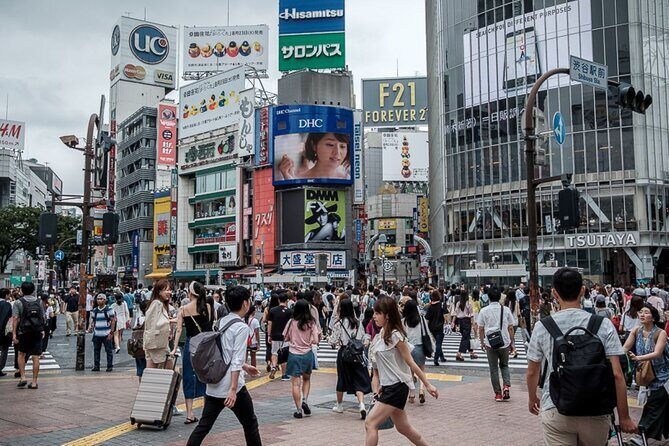
Finally, you hit Shibuya Crossing, also called Shibuya Scramble Crossing. The tour gives about 30 minutes, and it’s free.
This short time window is perfect. Shibuya is best as a “moment you experience,” not a long activity. You’ll get your bearings fast, step into the pedestrian flow, and then you’re done—no overstay, no dragging.
Since this tour returns you to the end point at/near the meeting area, you’ll have an easy place to continue your evening on your own. That’s a big part of the value: you get the highlight, then you’re back in control.
Your English-Speaking Guide: More Than Translation
In the feedback tied to this tour, the guide is a recurring theme. Mukarram Muhammad is listed as the provider, and guests named him directly in strong reviews. Abdul also appears in feedback as an engaging, punctual guide.
The best part of a good guide isn’t memorizing dates. It’s practical clarity: helping you understand what you’re looking at, explaining local traditions in plain terms, and even assisting with small hurdles like communication during the day. One of the nicest bonuses reported was how guides helped handle transactions and language barriers, plus offering to take group photos.
That said, one mixed note pointed out a mismatch in expectations—some people wanted more site explanation and felt the driver did more of the driving than guiding at certain stops. If you care a lot about deep commentary, message in advance and tell your guide what you want: architecture context, shopping tips, photo pointers, or cultural background.
Price and Value: How $650 Works for Up to 6 People
The price is $650 per group (up to 6). That’s where the math starts to make sense.
- If you’re the only traveler, it’s expensive per person.
- If you fill the group capacity, it drops to about $108 per person (650 ÷ 6).
For that money, you’re getting a private luxury vehicle, hotel pickup and drop-off, an English-speaking guide, and extras like water bottles and WiFi. You’re also getting a day plan that strings together Tokyo’s most famous and distinct zones without you spending your energy on logistics.
Tickets and lunch are not included, so your total day cost may rise, depending on whether you choose to pay observation or garden entry. Still, compared with the cost of hiring vehicles and guides separately for each stop, the bundled private day can be a strong value—especially for families, friend groups, or anyone who hates planning fatigue.
One more value point: booking tends to happen about 58 days in advance on average. If you’re going during a busy season or traveling with specific pickup timing, I’d treat it as something to book early, not last-minute.
Tips to Get the Most Out of an 8–10 Hour Route
This tour covers a lot of famous places. The trick is to keep it fun, not frantic.
- Wear comfortable shoes. You’ll be doing walking at multiple stops, including market streets and two skyline areas.
- Be clear about your priorities before you start. Tell the guide where you want extra time—Meiji Shrine, shopping, photos, or views.
- Use the private format to manage your energy. If you’re tired, ask for a pacing change instead of forcing it.
- For ticketed stops, decide your comfort level early. Observation and garden entries can add time and cost, so choose what matters most to your group.
Also, since lunch isn’t included, plan how you’ll handle food. Tsukiji Outer Market can work for a quick bite, but don’t assume the tour will feed you.
Should You Book This Private Tokyo Highlights Tour?
I think you should book if you want a stress-light Tokyo day with door-to-door convenience, an English-speaking guide, and the freedom to shape your pacing. It’s especially good for groups up to 6, families, or anyone who’s short on time and wants a single day that covers imperial-area Tokyo, temples, markets, gardens, and skyline views.
Skip it or reconsider if you’re traveling solo with a very tight budget and you don’t care about guided context—because entry fees add up and lunch isn’t covered, you’ll feel the base price more. Also, if you want a very lecture-style guide at every single stop, message ahead to confirm the style and depth you’re looking for.
In the end, this tour is about buying back your time. When Tokyo feels like too much, that can be worth more than any souvenir.
FAQ
Is pickup and drop-off included?
Yes. The tour includes pickup and drop-off to your hotel, plus it lists Shibuya Crossing as the start point.
How long is the tour?
It runs about 8 to 10 hours (approx.).
What’s the group size?
It’s a private tour/activity with only your group participating, up to 6 people.
Do I need to pay for admission tickets during the tour?
Some stops include free entry, but others are listed as having admission not included (such as the Imperial Palace, Tokyo Skytree, Tokyo Tower, and Shinjuku Gyoen).
Is lunch included?
No. Lunch is not included.
What’s included with the guide and vehicle?
You get an English speaking driver and pro guide, an air-conditioned luxury vehicle, pickup and drop-off, water bottles, and WiFi on board.
Where does the tour start and end?
It starts at Shibuya Crossing (21 Udagawacho, Shibuya, Tokyo) and ends back at the meeting point area.
Is this tour dependent on weather?
Yes. This experience requires good weather, and if it’s canceled due to poor weather you’ll be offered a different date or a full refund.
Can I cancel for a full refund?
You can cancel for a full refund if you cancel up to 24 hours in advance of the experience start time. Within 24 hours, the amount paid isn’t refunded.
Easier with a Guide

More Tours in Tokyo




More Tour Reviews in Tokyo




Fresh reviews from around Tokyo






VIP, compared.
 ★ 4.9From Tokyo: Mt Fuji Private Day Tour In Luxury Land CruiserFrom $329168 reviews
 ★ 4.5Luxury van Ride to famous car meet up spot DaikokuFrom $72148 reviews
 ★ 4.5Mt. Fuji 5th St, Gotemba & Hakone by Luxury BusFrom $9384 reviews
 ★ 4.5Haneda Airport Private Transfer – Luxury Car & Meet & GreetFrom $8668 reviews
 ★ 5.0Tokyo VIP Hidden Food & Bar Night – Private Local ExperienceFrom $25457 reviews
 ★ 5.0Tokyo VIP Guided Private Car Tour with Optional Airport TransferFrom $1,12256 reviews
 ★ 4.2WARP SHINJUKU Nightclub Ticket with Drink / VIP PlanFrom $955 reviews
 ★ 4.5Private Mount Fuji Tour in Luxury Vehicle with English GuideFrom $65039 reviews
Browse the lists this tour appears in