
Reviewed · TOKYO
Tokyo City 1-Day Private Tour with Bilingual Driver
Getting your bearings in Tokyo is easier than you think. This private 1-day plan mixes iconic stops with room for your own choices, so you’re not stuck sprinting between trains and tickets. I especially like how the day is built for comfort—less walking, more riding—and how the schedule is flexible enough to match your pace instead of forcing a fixed checklist.
Two big perks here: a bilingual driver who can smooth over logistics and a route that hits serious highlights like Tsukiji Fish Market and Asakusa. The main drawback to consider is expectation-setting: the Imperial Palace area is not the same as touring the deeper palace gardens, and some groups may be dropped off near the perimeter rather than inside the grounds you’re picturing.
In This Review
- Key Tokyo moments worth your time
- Why a private, 10-hour Tokyo day works (especially if it’s your only day)
- Tsukiji Fish Market: morning energy, sensory payoff, and what to do with 60 minutes
- Asakusa and Sensō-ji: the old Tokyo rhythm in a one-hour stop
- Imperial Palace area: seeing the grounds without assuming a full gardens tour
- Meiji Jingu Shrine: where the city quiets down
- Shibuya, Harajuku, and Ebisu: shopping streets and big-city energy in one block
- The short Shibuya hit: quick views of Tokyo’s busiest station zone
- Odaiba: modern Tokyo by the bay, plus flexible options
- How the driver experience changes the whole day
- Customization: how to get more out of your one day
- Timing reality check: why 10 hours can still feel tight
- Price and value: when $425 per group makes sense
- Who should book this Tokyo 1-day private tour
- Should you book? My practical take
- FAQ
- What does this Tokyo private tour cost and how many people can it include?
- How long is the tour?
- Does pickup happen?
- What’s included in the day’s sightseeing stops?
- Can you change the plan?
- What if the weather is bad?
Key Tokyo moments worth your time
- Private-group pacing so you can linger (or skip) based on how you feel
- Tsukiji Fish Market as your morning anchor, with time to browse without rushing
- Asakusa and Sensō-ji for classic temple energy and old-street Tokyo
- Meiji Jingu for a breather of calm in the middle of the city
- Shibuya + Harajuku mix for people-watching and easy access to shopping streets
- Odaiba for modern Tokyo, bay views, and indoor options if weather turns
Before you commit, see how this one stacks up against a few Tokyo favourites:
- Mt Fuji and Hakone 1-Day Bus Tour Return by Bullet Train★ 5.0 · 26,383 reviews
- 1-Day Tokyo Bus Tour★ 5.0 · 14,250 reviews
- Tokyo: teamLab Planets TOKYO Digital Art Museum Entry Ticket★ 4.6 · 9,779 reviews
Why a private, 10-hour Tokyo day works (especially if it’s your only day)
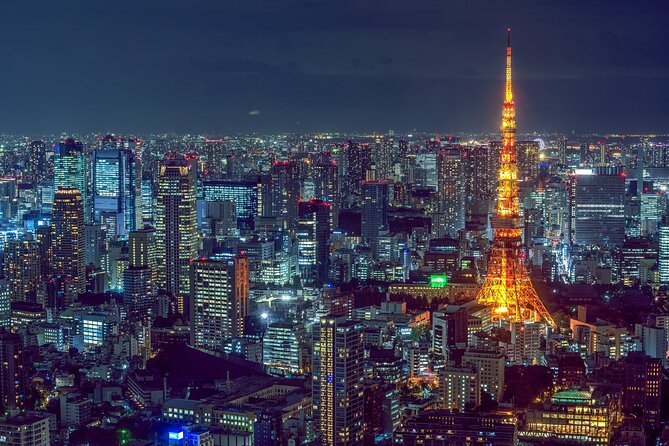
Tokyo can be overwhelming fast. With a private driver handling the driving and timing, you get one thing that’s hard to buy with trains and maps: flow. You still decide what you care about most, but you don’t waste half the day figuring out transit transfers, crowd bottlenecks, and station exits.
At $425 per group up to 6, this only makes sense if you’ll actually use the value of the private vehicle. For families, older travelers, or anyone with limited time, it’s a strong deal because you can compress a lot of famous Tokyo into one day without your feet taking the punishment. And for solo travelers or couples, it can still work well if you split the cost with friends or you’re truly doing a once-in-a-visit Tokyo hit list.
Tsukiji Fish Market: morning energy, sensory payoff, and what to do with 60 minutes
Starting at Tsukiji in the morning is a smart move because the whole area feels like Tokyo at full volume—busy, specific, and busy for a reason. The market is known as a traditional wholesale hub selling seafood, vegetables, produce, and even housewares, with roots going back to 1935. Even if you’re not buying anything, it’s a great place to watch how the city trades and prepares food.
You’ll get about one hour, and that’s enough for a focused wander. Go with an open mind: smell and sight do half the work here. If you want the best experience, treat it like browsing rather than sightseeing—look closely, step into the flow, and don’t spend 45 minutes reading signs while your window shrinks.
One practical note: Tsukiji is famous, which means crowds. If mornings are hard for you, ask your driver about timing and walking intensity before you arrive.
Asakusa and Sensō-ji: the old Tokyo rhythm in a one-hour stop
Asakusa is where Tokyo shows off its classic side. This district is famous for Sensō-ji, a Buddhist temple dedicated to the bodhisattva Kannon, and it’s surrounded by temple culture and local street life. You’ll have around an hour, which is enough to get the atmosphere without turning it into a marathon.
What I like about this stop is the contrast. After the market’s intensity, Asakusa shifts into a slower, tradition-heavy mood. You can pause, take photos, and explore side streets that feel distinctly different from the modern city blocks you’ll see later.
The tradeoff is time. In one hour, you’ll cover highlights, not everything. If your heart is set on specific side spots, tell your driver early and be ready to adjust the balance with later stops.
Imperial Palace area: seeing the grounds without assuming a full gardens tour
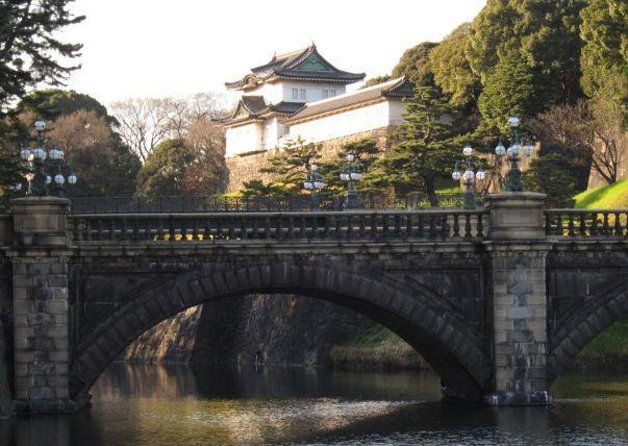
The Imperial Palace is the usual residence of Japan’s emperor, set in a park-like area in the Chiyoda district. It’s a huge contrast to the traffic and skyscrapers you’ll see later—more open, more quiet, and more “walk-and-breathe” than “queue-and-shout.”
Here’s the key expectation to manage: the tour is designed around the Imperial Palace area, not a full garden walkthrough. Some groups are dropped off near the corner or edge rather than entering the gardens experience you might be imagining. So if the gardens are the main reason you want this stop, double-check what you’ll actually be able to access on the day.
The upside is still real. Even a perimeter visit gives you a sense of scale and the way the palace grounds sit inside Tokyo like a giant green pause button.





Meiji Jingu Shrine: where the city quiets down
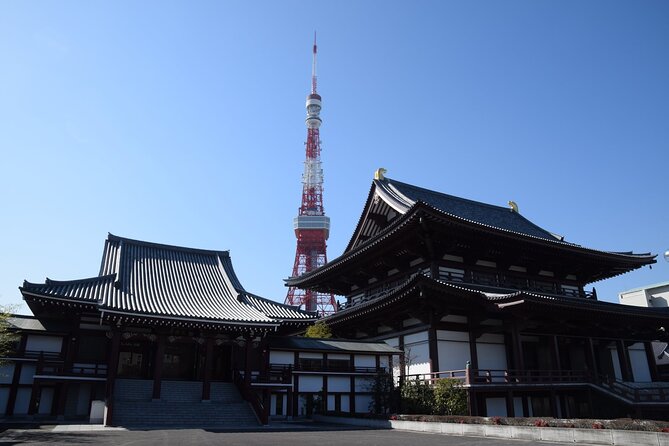
Meiji Jingu Shrine is one of Tokyo’s most effective mood changes. It’s dedicated to the deified spirits of Emperor Meiji and his wife, Empress Shōken. And while the site is in the city, it feels like a different world once you’re inside the shrine grounds.
You’ll have about one hour. That’s enough to walk the path in, pause for photos, and take in the calm. This is also a great stop when you want a break from dense crowds and shop-heavy streets—Meiji Jingu is one of those places where you don’t have to “do” much to enjoy it.
If you’re sensitive to noise, this is a win. If you’re sensitive to time, go in with a quick plan: take the main route, hit the photo spots you care about, then come out without stretching the visit into the next segment.
Shibuya, Harajuku, and Ebisu: shopping streets and big-city energy in one block
This is where the itinerary bends toward modern Tokyo, and it does it in a way that’s practical. The plan bundles Shibuya / Harajuku / Ebisu, with Takeshita Street called out as a pedestrian shopping strip lined with fashion boutiques, cafes, and restaurants.
You’ll get around one hour, and that’s the right amount for this part of Tokyo. You can browse, snack, and people-watch without burning half the day. Harajuku is especially good for quick exploration because the street itself is the attraction: color, style, and nonstop motion.
If you’re not into shopping, you can still enjoy this stop by focusing on what you’re seeing rather than buying it. Watch how locals move, how streets layer into side lanes, and how fast the vibe shifts block to block.
The short Shibuya hit: quick views of Tokyo’s busiest station zone
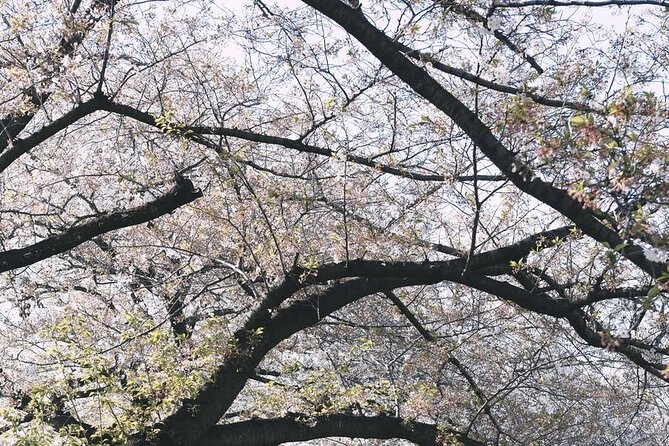
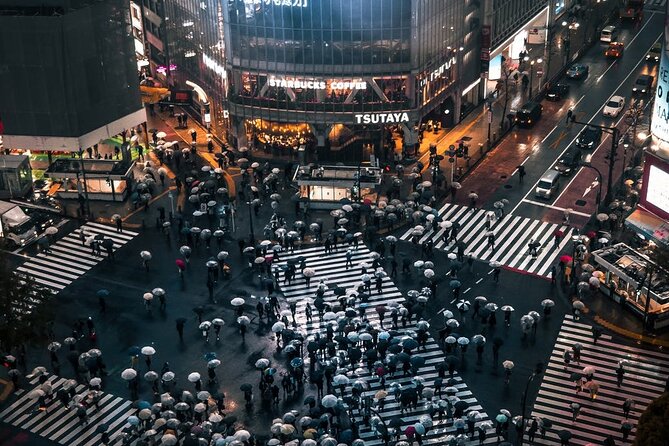
After Harajuku’s street energy, you’ll do a 15-minute stop in Shibuya—brief, but purposeful. Shibuya is a major commercial and business center, and it’s tied to two of the world’s busiest rail stations: Shinjuku Station and Shibuya Station.
Even with only a short window, this is useful if you want a sense of scale. You’ll get that “Tokyo is moving” feeling without needing to plan a long public-transport day. If you want a specific photo spot around Shibuya (many people look for the famous dog statue near the station area), ask your driver if you can squeeze it in based on timing.
The drawback: you won’t get Shibuya’s full story in 15 minutes. Think of this as a taste that sets you up for a longer return later.
Odaiba: modern Tokyo by the bay, plus flexible options
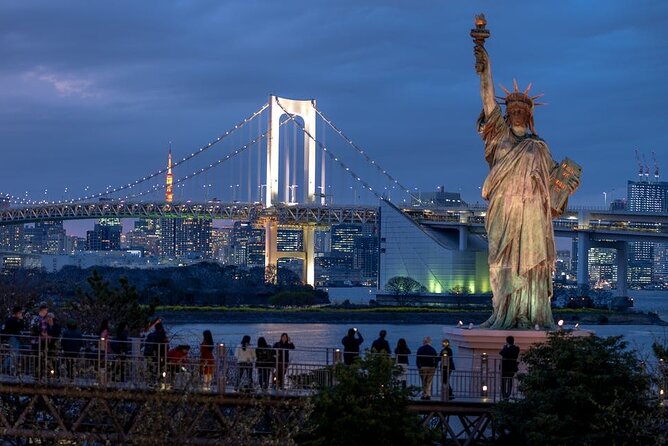
Odaiba is a different Tokyo flavor: a high-tech entertainment district on an artificial island in Tokyo Bay. People often come for seaside atmosphere, views toward Mount Fuji (when conditions allow), and the blend of science/tech plus modern architecture.
You’ll have about two hours, which gives you enough time to do one main activity and still walk around. The plan notes Seaside Park for bay time, the Daikanransha Ferris wheel for skyline views, and Miraikan for science-focused experiences. And because it’s listed with free admission for these elements, it’s a low-stress area to explore even if you change your mind mid-visit.
Odaiba is also a smart bet for weather. If it’s uncomfortable outside, you can shift toward indoor time without losing the day. That flexibility matters because this experience requires good weather in general, so having an adaptable stop helps.
How the driver experience changes the whole day
A big theme from real-world experiences is that the driver can feel like a true guide—or more like a careful chauffeur. The best days happen when the driver brings both: smooth driving plus useful context and easy communication.
In the better experiences, names like Abdul, Maz, Khan, Junaid, Shaw, and Shane show up as friendly, punctual, and able to explain what you’re seeing. One guide was even praised for staying with the group for almost the full palace time, with a short period where rules required the guide to remain with the car. Another stood out for adjusting the itinerary for family requests, including visits that work better with kids.
Still, there’s a practical consideration: not every driver will match your expectations for storytelling. If you want lots of background, ask for that directly at the start. You’ll get more out of the day if you set the tone early—tell your driver the kind of history or neighborhoods you want.
Customization: how to get more out of your one day
The tour is described as fully customizable, and that’s more than marketing. In a city like Tokyo, customization usually means you can:
- spend more time where you actually care (less on the stuff you don’t)
- rearrange the order when your group has energy dips
- add or swap items when timing works
This is especially valuable if you’re traveling with mobility needs or if you just don’t want to sprint. One of the biggest praises is how private transport helps older parents and people who cannot walk long distances still see a lot in a day. Another common win is that the schedule feels organized rather than chaotic, which is exactly what you want when you’re tired from travel.
My advice: choose a “must-do” list of 3 or 4 items and a “nice-to-have” list. Then communicate it quickly at the start. You’ll get a better day when the driver can adjust in a smart way, rather than improvising from scratch.
Timing reality check: why 10 hours can still feel tight
Ten hours sounds like a lot—until you’re in Tokyo. Traffic, parking, and walking from drop-off points add up. That’s part of why a private vehicle helps: even when there’s congestion, you’re not losing time to transit transfers and route confusion.
To make it work, keep your mindset flexible. If the day runs a bit tighter than planned, don’t panic. Decide what matters most for photos and atmosphere, and treat the rest as bonus material. A well-run private day often feels relaxed because you’re not guessing the next step.
Also watch for weather. The experience notes it needs good weather. If you get rain, your best strategy is to lean into indoor options like you might do in Odaiba or around observation areas. Your driver may modify the day to keep you comfortable.
Price and value: when $425 per group makes sense
Let’s talk value without pretending it’s cheap. At $425 per group up to 6, you’re paying for private transport, driver time, and the ability to create a day that fits your interests. If you’d otherwise take trains, you might think you’re overpaying.
But compare it to what Tokyo travel usually costs you: time and fatigue. If you’re doing several far-flung areas—Tsukiji/Asakusa, Imperial Palace, Meiji Jingu, Harajuku/Shibuya, then Odaiba—you’d spend a lot of money and energy on transit, walking, and figuring out station navigation. Private transport can be a bargain when it prevents your day from collapsing under logistics.
This tour also stands out for families and mixed-age groups. The setup helps you pack more sights into one day while keeping comfort high.
The main “value catch” is this: the quality of the day depends on your driver’s performance and your expectations for how guided it feels. If you want a highly narrative, museum-style guide, clarify that early. If you mostly want transport and smart pacing, you’ll likely be happy.
Who should book this Tokyo 1-day private tour
This is a strong fit if you:
- have limited time and want a big overview of Tokyo
- travel with kids, older relatives, or anyone who tires easily
- want a plan that you can adjust on the fly
- prefer door-to-door convenience over train schedules
It can be less satisfying if you:
- want deep, multi-entry tours of specific sites with lots of indoor exhibits
- expect every stop to include “inside the building” time
- are the type who enjoys researching and building routes on your own
Should you book? My practical take
If it’s your first Tokyo visit and you want to see multiple neighborhoods without the stress, I’d lean yes. The private format, short stop windows, and ability to customize mean you can get a lot done while keeping your day flexible.
I’d think twice only if your dream day depends on one very specific access point—like a full Imperial Palace garden experience—because the Imperial Palace stop is framed as an area visit, not a guaranteed deeper gardens tour. And if you’re booking expecting a lot of guided talk at every stop, do yourself a favor and communicate your interest upfront so your driver can match the style you want.
If you want, tell me your travel dates, ages in your group, and which 2–3 sights are most important to you. I’ll suggest a smart way to ask your driver to shape the day.
FAQ
What does this Tokyo private tour cost and how many people can it include?
It costs $425 per group, up to 6 people. That’s the price for the whole private experience, not per person.
How long is the tour?
The tour runs for about 10 hours.
Does pickup happen?
Pickup is offered, and the tour uses a mobile ticket.
What’s included in the day’s sightseeing stops?
The day includes Tsukiji Fish Market, Asakusa, the Imperial Palace area, Meiji Jingu Shrine, a Shibuya/Harajuku/Ebisu stop, a short Shibuya stop, and Odaiba. Admission is listed as free for these stops.
Can you change the plan?
Yes. The tour is described as completely customizable, so you can set your priorities and move through the day at your pace.
What if the weather is bad?
The experience requires good weather. If it’s canceled due to poor weather, you’ll be offered a different date or a full refund.
More Tour Reviews in Tokyo



Fresh reviews from around Tokyo






Tokyo, compared.
 ★ 5.0Mt Fuji and Hakone 1-Day Bus Tour Return by Bullet TrainFrom $16326,383 reviews
 ★ 5.01-Day Tokyo Bus TourFrom $12914,250 reviews
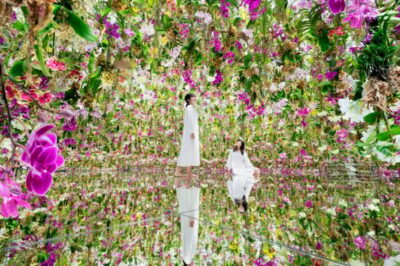 ★ 4.6teamLab Planets TOKYO Digital Art Museum Entry TicketFrom $259,779 reviews
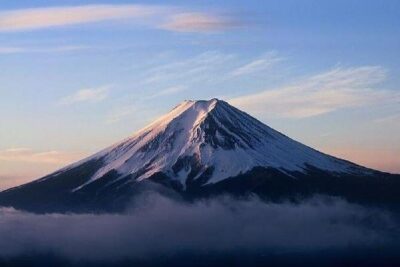 ★ 4.0Mt Fuji & Hakone Cruise, Drum Show Bullet Train 1 Day from TokyoFrom $1497,413 reviews
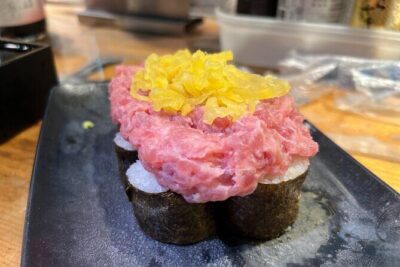 ★ 5.0Shinjuku Food Tour (13 Dishes at 4 Local Eateries)From $866,603 reviews
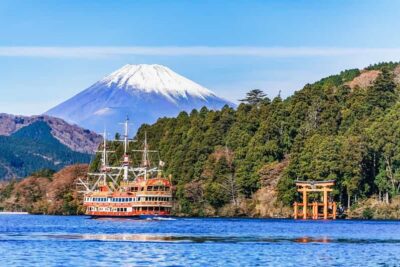 ★ 4.4Tokyo Mt Fuji 5th St & Hakone Cruise Bus Tour w/Bullet TrainFrom $1545,024 reviews
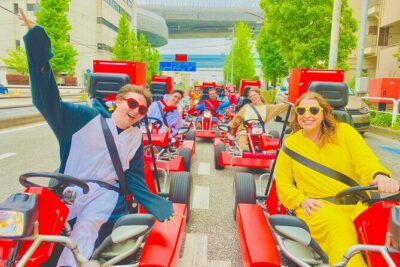 ★ 5.0Flagship 2-Hours Official Street Go-Kart Tour – Tokyo Bay ShopFrom $644,974 reviews
 ★ 4.5From Tokyo: Mount Fuji Full-Day Sightseeing TripFrom $684,970 reviews