
Reviewed · MORNING
Tokyo Morning Shuffle Dance & Breakfast with a TikTok Star
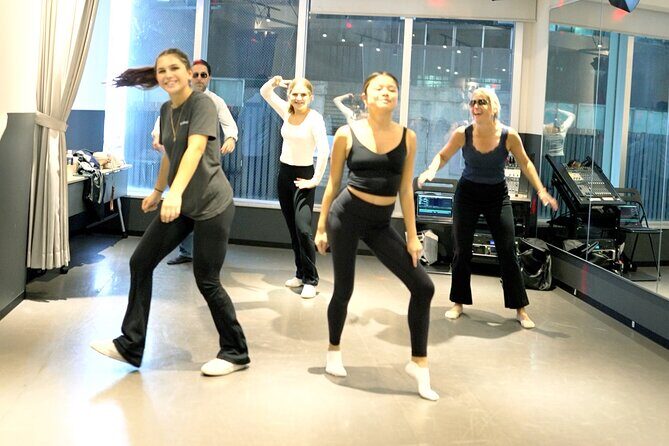
Warming up to music can be a workout. This is a 2-hour Tokyo morning where you learn shuffle dance moves in Shinjuku with a TikTok-famous instructor, then you cool down over breakfast and leave with video souvenirs.
I love the small-group setup (max 10), because Tomo can correct your form without making it feel like a performance. I also love that the session includes 4K videos from multiple run-throughs, so you get something you can actually show later.
One possible drawback: if you want a super calm, quiet morning, this is active by design—comfy sneakers and a willingness to sweat are part of the deal.
In This Review
- Key Highlights You’ll Feel Immediately
- Tokyo’s Shinjuku Shuffle Start at 9:30
- Meet Tomo: The TikTok Star Teaching Beginners
- The Lesson Flow: Stretch, Rhythm Drill, and Shuffle Combos
- Why the 4K Video Souvenirs Are a Big Deal
- Breakfast After the Footwork: A Calm Reset
- What to Bring (and What to Skip)
- Small-Group Size and Central Shinjuku Convenience
- Price and Value: Is $78.38 Worth It?
- Who This Tour Suits Best
- Quick Practical Advice Before You Go
- Should You Book This Shuffle Dance Morning?
- FAQ
- How long is the shuffle dance and breakfast experience?
- Where do we meet, and what time does it start?
- Do I need any dance experience?
- What’s included in the price?
- What should I bring with me?
- How many people are in the group?
- Can I cancel and get a full refund?
Key Highlights You’ll Feel Immediately
- Small-group attention in Shinjuku with a max of 10 people
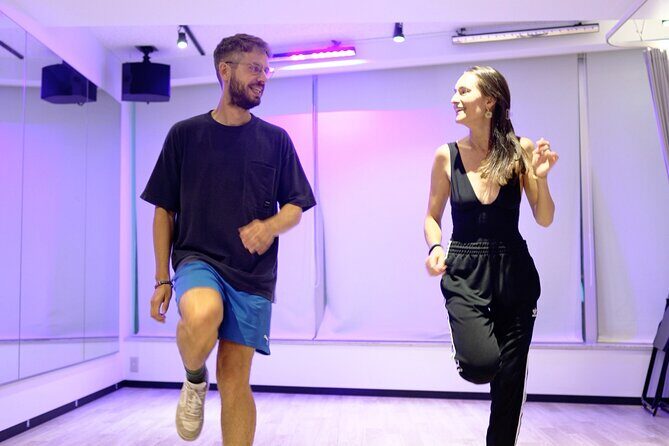
- Beginner-first shuffle teaching with step-by-step guidance and rhythm drills
- Light warm-up to start so you’re not thrown into fast footwork cold
- 4K video souvenirs filmed across several run-throughs
- Breakfast included for an easy, social end to your morning
Worth weighing up alongside this Tokyo pick:
- Tokyo: Sumo Morning Training Visit★ 4.4 · 370 reviews
- Tokyo: Sumo Morning Practice Tour at Sumida City★ 4.8 · 308 reviews
- Tokyo Sumo Morning Practice Tour at Stable★ 5.0 · 298 reviews
Tokyo’s Shinjuku Shuffle Start at 9:30
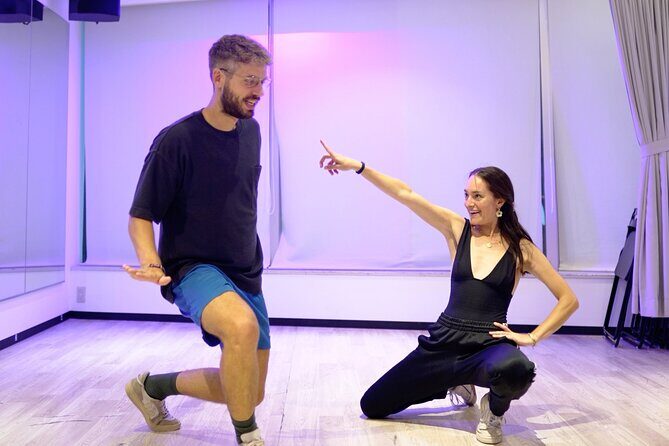
If you like your Tokyo plans with a bit of movement, this is a smart morning choice. The meet-up is at 9:30am at NOA Studio Shinjuku (3F) in Nishishinjuku. It’s a central location, and it’s close to public transportation, which matters when you’re fitting activities into a packed sightseeing day.
The session is about 2 hours, short enough that you’re not sacrificing your whole day. In a city where so much is walking, this adds a different kind of exercise: your legs do the work, but your brain also stays engaged with counting, timing, and learning patterns.
And yes, this is a workout. Not gym-hard. Just enough to make you feel like you actually started the day on purpose.
Meet Tomo: The TikTok Star Teaching Beginners
The instructor here is Tomo-san, and he teaches shuffle in a way that’s built for first-timers. He shares that he teaches 150+ beginners each year, and that he’s behind 350K followers on TikTok-style tips. That combination shows in how he explains steps: simple, supportive, and focused on what you can do today—not what you might do someday.
Tomo’s approach is the big reason this works even if you’ve never danced before. Several lessons follow the same formula: warm you up, break the move into bite-sized parts, then stitch it together with the music.
You also get the social bonus of learning with people who are likely in the same boat. When you’re all trying the same footwork for the first time, nobody feels behind—everyone feels in it together.
The Lesson Flow: Stretch, Rhythm Drill, and Shuffle Combos
Here’s how your morning typically moves, and what to expect at each step.
1) Light stretch and rhythm setup
You start with something practical: a light stretch and a simple rhythm drill. The goal is to get your body awake and get your timing lined up. Shuffle is all about foot placement and beat awareness. If your timing is off, the dance feels harder than it has to be—so this part helps.
2) Step-by-step shuffle lesson (no experience needed)
Then you go into the main lesson. This is taught in a way that doesn’t assume you know dance basics. You learn the components first—foot patterns and weight shifts—then you practice the combo until it becomes muscle memory.
This is where the small-group size helps. With up to 10 people, Tomo can adjust you when something specific is getting in the way. That kind of quick correction is often the difference between getting lost and getting it.
3) Run-throughs with filming
You also do several run-throughs that get filmed. That’s great because you’re not just learning once and hoping it sticks. You’re practicing, then capturing what you can do right now. You leave with video of your progress, not just one final take.
If you’ve ever tried to learn something and thought, I can’t remember what I did yesterday—that’s exactly what the filming solves.
Why the 4K Video Souvenirs Are a Big Deal
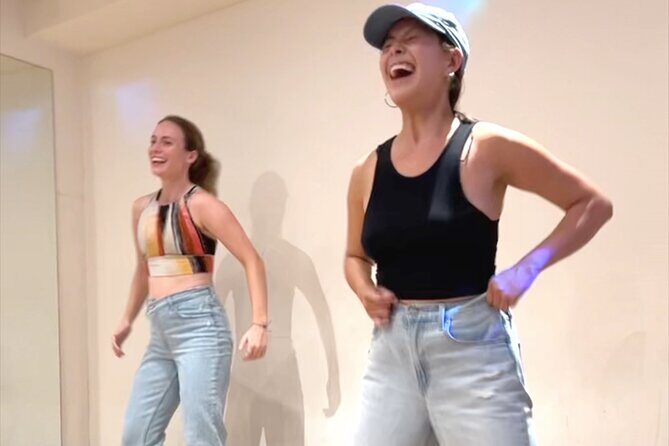
This includes 4K videos, and it’s not just a gimmick. In dance, memory is slippery. You feel like you did it one way, then you watch the clip and realize your feet did something slightly different.
Getting multiple filmed run-throughs means you can see improvement in the same session. It also makes the lesson feel more tangible. You’re not just leaving with a fun memory of sweat and music—you’re leaving with content you can rewatch, share, and use as a practice reference.
Practical note: you’ll want to wear something that lets you move comfortably. Don’t go too bulky on top. Also, sneakers matter. Shuffle is footwork. If your shoes feel wrong, your whole lesson will feel harder.





Breakfast After the Footwork: A Calm Reset
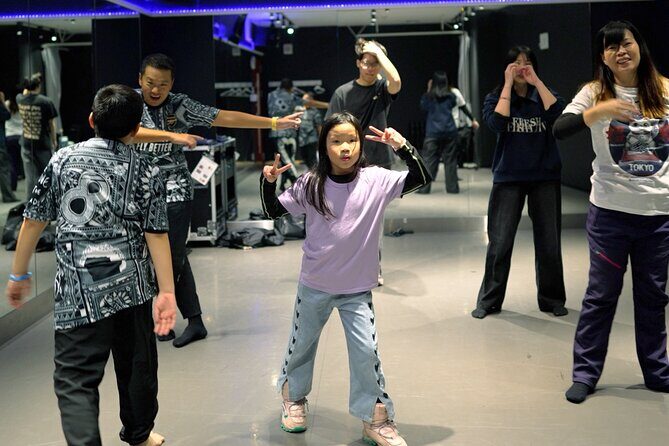
After you finish the dancing portion, the experience rolls into a relaxed breakfast chat. This is included, and it’s a nice counterbalance to the intensity of learning. You’ll have a chance to catch your breath, swap stories, and ease into the rest of your Tokyo day.
This part also makes the tour feel like more than a class. You’re not just attending a workshop and disappearing. You end the morning with a simple social buffer before you jump back into crowds, trains, and long walks.
And since breakfast is included, you don’t have to hunt down food immediately after. In Tokyo, that can save time and reduce stress—especially if you’re already planning an afternoon of sightseeing.
What to Bring (and What to Skip)
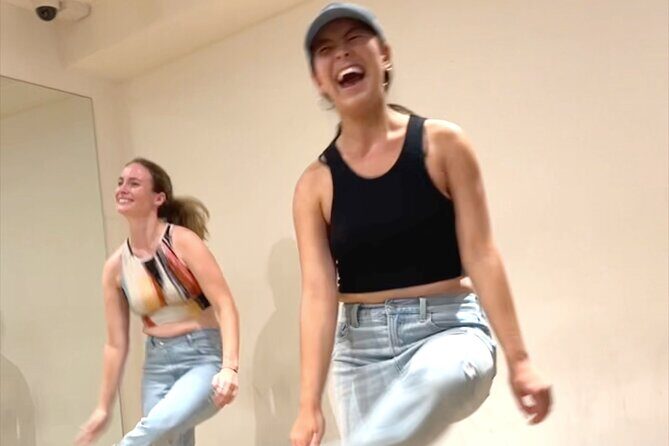
To keep things smooth, plan to bring:
- Comfy clothes for moving
- Sneakers (important)
- A water bottle
Bottled water is not included. The good news is there are vending machines right in front of the studio, and a Seven Eleven is about a one-minute walk. So you’re not stuck if you forget.
Also, think about how you’ll manage photos and filming etiquette. You’re in a studio setting. Be ready to follow Tomo’s cues, and don’t worry if you feel awkward at first. That’s normal. Footwork is a weird thing at the beginning.
Small-Group Size and Central Shinjuku Convenience
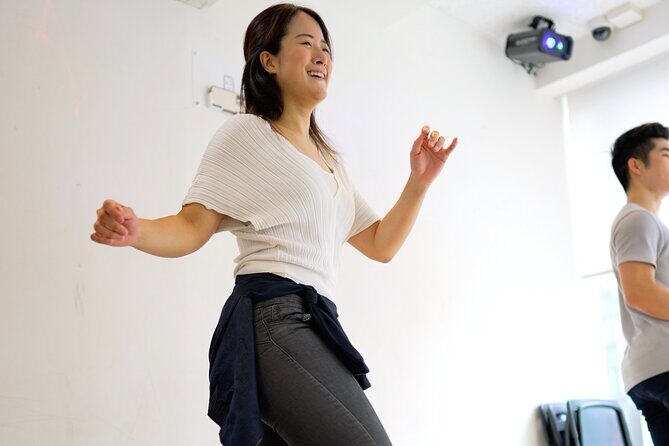
This works because it’s both structured and flexible. The group size is capped at 10 travelers, so you get more personalized attention than you’d get in a larger class. It also means the pace is manageable. You’re more likely to keep up when the instructor can spot what’s going wrong.
The location is in Shinjuku, which is the big practical advantage. Shinjuku is easy to reach from many parts of Tokyo. It also means you can pair this with the rest of your day without a long commute.
If your mornings tend to be chaotic, this is one of the easiest ways to add something memorable without turning it into a logistical headache.
Price and Value: Is $78.38 Worth It?
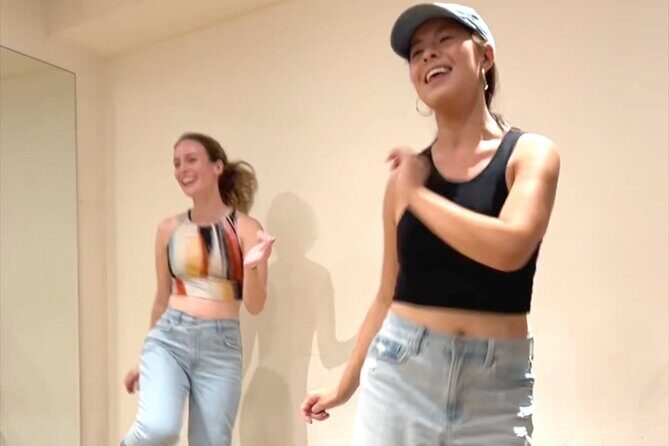
At $78.38 per person, this isn’t a throwaway activity. But the value is fairly clear because you’re getting several things bundled together:
- Studio rental and all fees and taxes
- Breakfast included
- 4K video souvenirs from multiple run-throughs
For a short, 2-hour experience, the price makes more sense when you compare it to what you’d pay for a dance class plus a meal plus any decent documentation. Here, those pieces are already handled.
You’re also buying something less measurable: an instructor who teaches beginners and keeps you on track. Shuffle is intimidating at first because the genre looks complex. In this setup, that complexity becomes step-by-step instead of overwhelming.
If you want a fun, active start that’s different from more common Tokyo activities, this is a strong fit.
Who This Tour Suits Best
This is best for you if:
- You’re a true beginner or have only done casual dancing
- You want an energetic morning that doesn’t take half your trip
- You’d enjoy learning a modern, street-dance style tied to Japanese pop culture
- You like the idea of leaving with video souvenirs, not just photos
It may feel less right if:
- You want a super quiet, low-energy start
- You don’t like being on camera in any way
- You prefer slow sightseeing mornings with minimal sweat
The good news is that the lesson is designed for people who are new. You’re not expected to show up as a dancer.
Quick Practical Advice Before You Go
A few small choices make the lesson better:
- Wear clothes you can move in right away. No complicated layers.
- If you’re nervous, lean into that. Tomo’s teaching style is built for beginners.
- Bring your water bottle and top up before you start dancing.
- Treat the video as part of the experience. You’re practicing, then capturing progress.
Also, because this starts at 9:30am, think of it as a great way to claim the morning for yourself before the rest of Tokyo fills up.
Should You Book This Shuffle Dance Morning?
Yes, if you want something fun, active, and genuinely beginner-friendly in central Tokyo. The mix of small-group coaching, 4K video mementos, and breakfast included gives this more value than a simple one-off activity.
Before you book, ask yourself one question: do you want to start your day moving and learning? If the answer is yes, this is a smart use of time in Shinjuku. If you’d rather keep your morning quiet and low-effort, you might be happier with a calmer activity.
FAQ
How long is the shuffle dance and breakfast experience?
The experience runs for about 2 hours.
Where do we meet, and what time does it start?
You meet at NOA Studio Shinjuku (3F) in Nishishinjuku, and the start time is 9:30am.
Do I need any dance experience?
No. The lesson is designed for absolute beginners, and Tomo teaches the steps you need on the day.
What’s included in the price?
Included are 4K videos, studio rental fees, all fees and taxes, and breakfast.
What should I bring with me?
Bring comfy clothes, sneakers, and a water bottle. Bottled water is not included.
How many people are in the group?
The maximum group size is 10 travelers.
Can I cancel and get a full refund?
Yes. You can cancel for a full refund if you cancel at least 24 hours before the experience start time.
More Morning in Tokyo

More Tour Reviews in Tokyo



Fresh reviews from around Tokyo






Morning, compared.
 ★ 4.4Sumo Morning Training VisitFrom $77370 reviews
 ★ 4.8Sumo Morning Practice Tour at Sumida CityFrom $116308 reviews
 ★ 5.0Tokyo Sumo Morning Practice Tour at StableFrom $83298 reviews
 ★ 4.5Tokyo Ryogoku Sumo Morning Practice + Photo Shoot with WrestlersFrom $98277 reviews
 ★ 4.0Watch Sumo Morning Practice at Stable in TokyoFrom $95268 reviews
 ★ 4.0Half-day Tokyo Morning Tour by Hato BusFrom $41220 reviews
 ★ 4.5Toyosu Market Morning Tuna Auction and Tsukiji Food Tour with Licensed GuideFrom $148146 reviews
 ★ 4.9Sumo Morning Practice with journalists. Not fake showFrom $103121 reviews