
Reviewed · MEIJI SHRINE TOURS
Tokyo: Meiji Shrine Walking Tour — Shinto & Imperial System
Meiji Shrine hits you differently in Tokyo. You get a small-group walk through a tree-filled sanctuary where city noise fades, then a clear, guided story of Japan’s Shinto and imperial system as you move from torii gates to shrine rituals. The big selling point for me is how practical it feels: you’re not just looking, you’re also learning what to do and why. The only catch is that this tour is English only, so plan accordingly if you rely on Japanese support.
What I like most is the pacing. You’ll have enough time for photo stops and guided explanations, but you still get a good chunk of free time at the main shrine to pray, buy an omamori, or try an omikuji. Another highlight: the guide helps connect the spiritual side with the imperial side, including a stop tied to Emperor Meiji’s poetry, and a Shinto experience that’s respectful but not confusing.
If you’re sensitive to strict religious etiquette, you’ll appreciate the coaching. The tour includes guidance like where to walk when you pass through the torii (avoid the central sacred route called seichu), and you’ll be pointed toward common ways to participate, such as making offerings and working with fortunes.
In This Review
- Key highlights you’ll feel from the start
- The forest path at Meiji Jingu: where Tokyo quiets down
- Passing the torii gates correctly: seichu, sides, and the 12-meter moment
- Shinto at the main shrine: omamori, Omigokoro, and how the rituals connect
- Imperial Japan in plain words: Emperor Meiji, Empress Shōken, and the 2,600-year thread
- Consecrated wine and sake barrels: ritual objects that deserve a closer look
- Tea and shopping at Café Mori no Terrace: a calm reset, not a hard sell
- How the small-group format works: up to 10 people, guided stops, and real free time
- Why the price feels fair: $23 for guided Shinto + imperial context
- Who should book this Meiji Shrine walking tour
- Should you book? My honest take
- FAQ
- How long is the Meiji Shrine walking tour?
- What size is the group?
- Is the tour offered in English?
- Where do I meet the guide?
- Where do you go during the walk?
- Is there free time during the tour?
- What can I buy or try at the shrine?
- Do I get guidance on shrine etiquette?
- Is tea or food included?
- What does the price include?
Key highlights you’ll feel from the start
- Forest calm in the middle of the city: about 100,000 trees and a shaded path where the noise drops away
- A massive 12-meter torii: built from a 1,500-year-old Taiwanese cypress
- Real Shinto participation, explained in plain English: omamori, omikuji, and what to do at the shrine
- Imperial system context you can actually use: Emperor Meiji, the long imperial line, and Japan’s shift toward modern times
- Thoughtful stops beyond photos: consecrated wine and sake barrels plus a poetry moment tied to the imperial couple
- A tea break that isn’t just filler: Café Mori no Terrace at Forest Terrace Meiji Jingu
More forest calm at Meiji Shrine
- Tokyo: Meiji Shrine Walking Tour — Shinto & Imperial System★ 4.9 · 266 reviews
- Tokyo: Meiji Jingu Shrine and Shinto Culture Walking Tour★ 5.0 · 245 reviews
- Tokyo: Meiji Shrine and Shinto Culture Walking Tour★ 5.0 · 225 reviews
The forest path at Meiji Jingu: where Tokyo quiets down
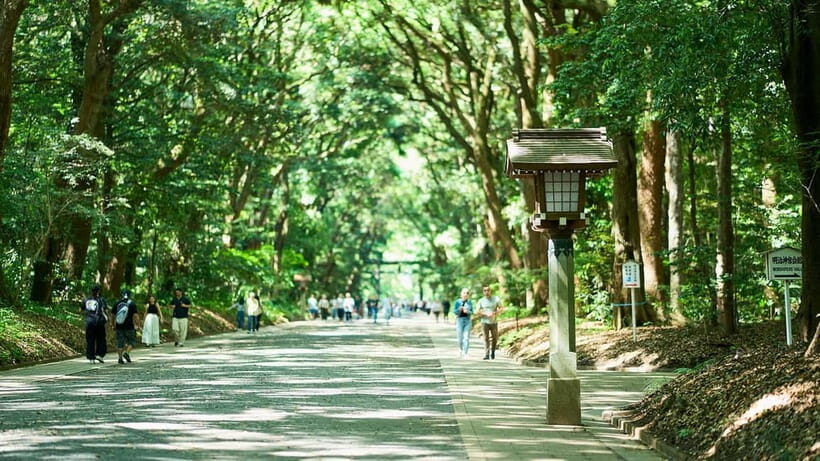
Meiji Shrine is famous for one thing fast: it feels like a different world right inside Tokyo. The grounds are surrounded by roughly 100,000 trees, and the walk along the shaded path has that strange effect where birdsong becomes the main soundtrack. Even on a busy day, the space helps you slow your breathing and pay attention.
For value, this matters more than it sounds. If you’ve never visited a Shinto shrine before, you’ll do better when the environment lets you focus. The forest approach also sets you up for what comes next: the torii gate, the ceremonial walk, and the shrine etiquette that otherwise can feel intimidating.
I also like that the tour doesn’t treat the walk as dead time. You get guided points along the way, and the stops are short enough that you don’t end up staring at your phone while everyone waits.
Passing the torii gates correctly: seichu, sides, and the 12-meter moment
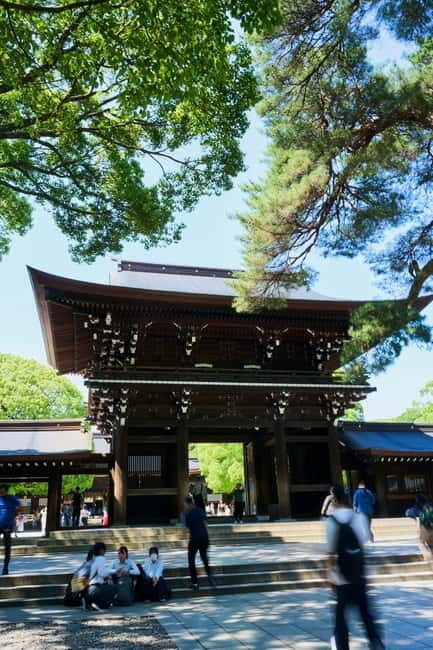
The torii gates are the headline at Meiji Jingu, and this tour gives them real context. You’ll visit the Meiji Jingu Ichino Torii first, then later a second major torii stop that people usually remember most. The tour highlights the biggest torii as a 12-meter wooden gate made from a 1,500-year-old Taiwanese cypress, which is the kind of detail that turns a photo into something you can explain to a friend later.
Here’s the practical etiquette part you’ll be glad you learned. When you cross the torii, you’re expected to walk along the edges of the path and avoid the sacred central route called seichu, which is reserved for deities. That one rule changes your experience instantly. Instead of feeling like you’re guessing, you’ll have something clear to follow, and you’ll feel more confident joining in respectfully.
Photo stops are built into the flow, so you don’t have to rush. Still, remember: you’ll want to walk slowly and leave space for other visitors. At big shrine entrances, the crowd moves like a tide. Your best strategy is patience and your feet doing the quiet, correct thing.
Shinto at the main shrine: omamori, Omigokoro, and how the rituals connect
At the main shrine area, the tour shifts from scenery to meaning. You’ll experience Shinto, an ancient tradition rooted in respect for nature and harmony with the divine. The guide helps you understand what you’re seeing and how to participate without accidentally doing the wrong thing.
After you pay your respects, you’ll have a chance to engage with shrine items. Two options are specifically called out:
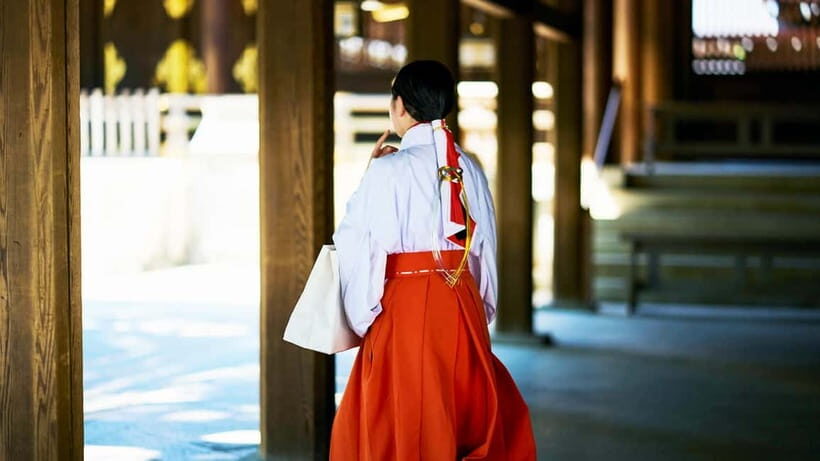
- Omamori, protective charms
- A unique omikuji called Omigokoro, featuring poems written by Emperor Meiji and Empress Shoken, with English translations
That English support for the poetry matters. It turns omikuji from a guessing game into something that lands emotionally, even if you’re new to Shinto. And it’s a strong souvenir choice because it connects directly to the imperial figures the shrine honors, not just the building itself.
One small tip I’d borrow from the way guides operate on this tour: if you’re planning to offer coins and you’ve forgotten, the guide may provide coins so you can still participate properly. It’s one of those “small logistics” details that can make you feel less awkward and more included.
Also note the tour language: English only. If you want to ask questions, you can, but you’ll need to do it in English.
Imperial Japan in plain words: Emperor Meiji, Empress Shōken, and the 2,600-year thread
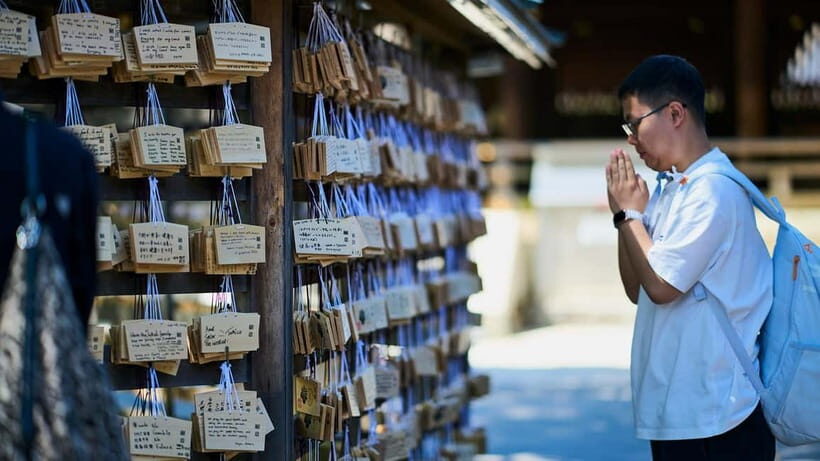
This is where the tour feels more than just scenic sightseeing. The route is built around the imperial system, and the narration ties the shrine to a wider story of Japan’s transformation, including how the country moved from a samurai era toward modern life.
You’ll see this most directly in a stop focused on imperial poetry of Emperor Meiji. It’s a photo-and-guided explanation moment, and it works like a bridge: one minute you’re in a peaceful garden setting, the next you’re learning how imperial legacy shows up in religious space.
Then the imperial connection returns through Omigokoro. Because Omigokoro includes poems written by Emperor Meiji and Empress Shōken (with English translations), the imperial theme doesn’t stay academic. It becomes personal and readable.
If you’re a history nerd, you’ll probably finish the tour with fewer blanks in your mental map. If you’re not, you’ll still get the human takeaway: Meiji Shrine isn’t only a shrine you visit. It’s also a place built around national identity and memory.
Tokyo at walking pace, a few more ways

Consecrated wine and sake barrels: ritual objects that deserve a closer look
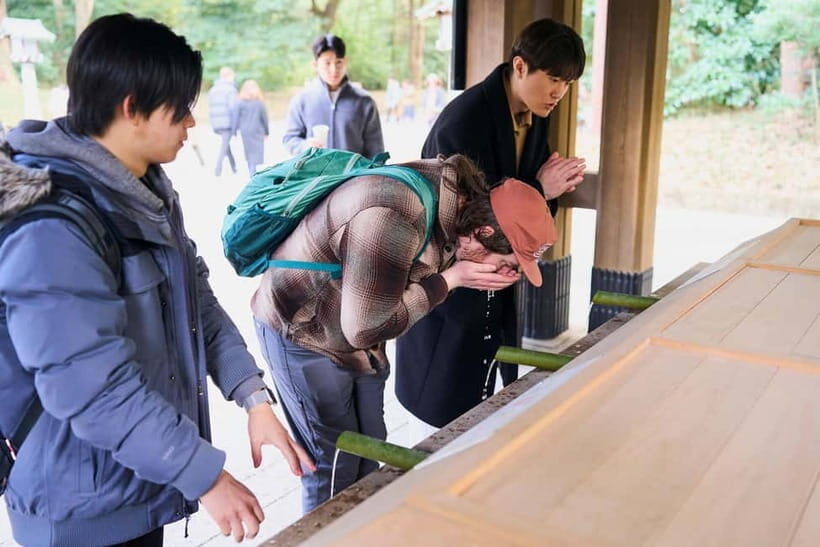
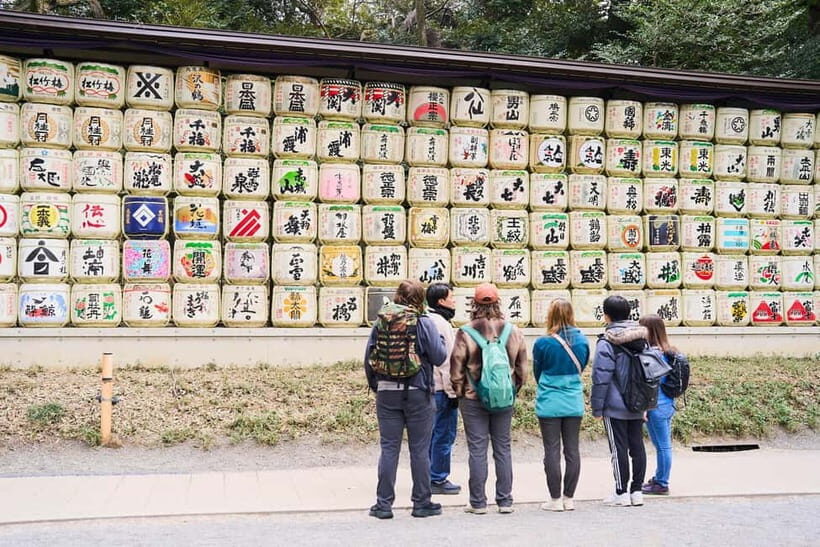
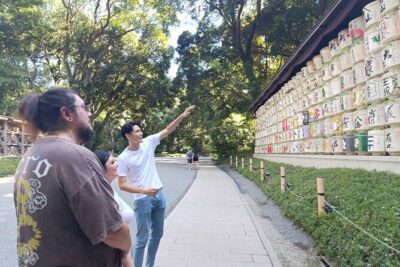
Not every Tokyo shrine stop is about a single building. This tour includes two short ritual-focused photo visits tied to consecrated liquids: Meiji Jingu consecrated wine barrels and then consecrated sake barrels.
Even if you’re just walking for the atmosphere, these are useful stops. They show how Shinto places meaning into everyday objects and offerings. The guide doesn’t treat them as trivia either. You’ll get the context behind what you’re looking at, which makes the barrels feel less random and more intentional.
The photo time here is short, so plan to move with purpose. If you want great shots, take one wide photo first, then use the guide’s timing to catch the best angle without getting in anyone’s way.
Tea and shopping at Café Mori no Terrace: a calm reset, not a hard sell
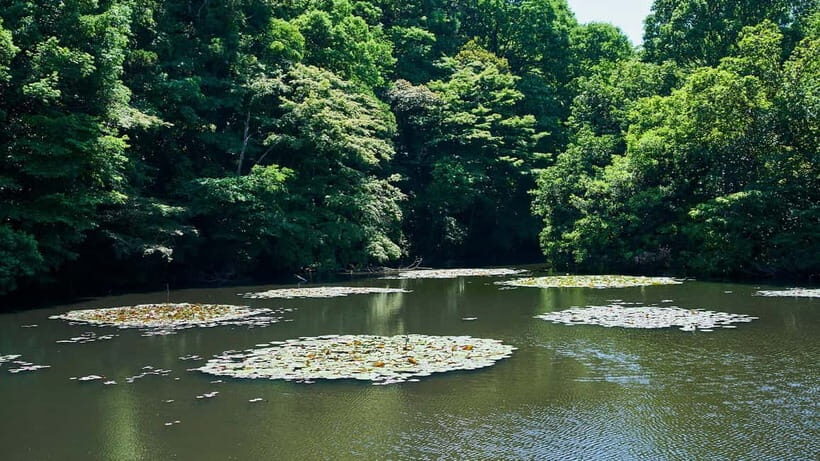
After the main shrine time, you head to Forest Terrace Meiji Jingu. The tour includes a break at Café Mori no Terrace, with time for photos and a guided visit through the space. It’s a practical pause because shrine walks can start to feel long, especially if you’re standing still to read things or follow etiquette.
This is also where shopping makes sense. The gift shop is mentioned as offering items like:
- eco-blocks made from fragrant Japanese camphor
- miniature barrels of sacred sake
Those are the kind of souvenirs that don’t feel like generic mass-market purchases. They connect to the shrine theme without requiring you to translate complicated store labels.
I’d use the café time to do two things: sit with your group for a few minutes and reset your feet, then scan what you want to buy before you wander around too much.
How the small-group format works: up to 10 people, guided stops, and real free time
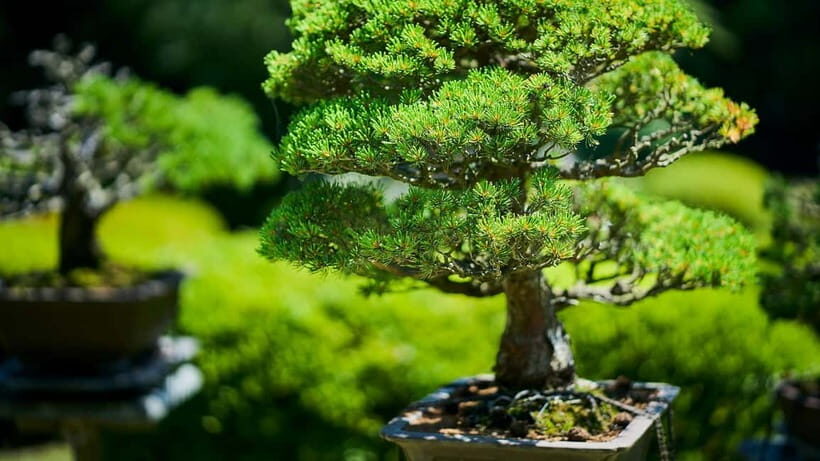
This tour is limited to small groups of up to 10 participants, and that size is the difference between feeling like a number and actually being part of the experience. With fewer people, it’s easier for the guide to keep track of questions, adjust the pace, and help you follow customs without feeling rushed.
The overall duration is 90 to 135 minutes, depending on the starting time you book. The tour includes multiple short walking segments and photo stops, then a bigger block of free time at the shrine (about 45 minutes). That free time is important. It’s not just for selfies. It’s the window where you can actually do the ritual stuff, browse omamori and omikuji options, and take a breath in the space.
Meeting point is Harajuku Station (with options), and drop-off is also Harajuku Station. That makes this a good “anchor activity” on a day when you also want to explore Harajuku/Tokyo neighborhoods before or after.
Why the price feels fair: $23 for guided Shinto + imperial context

At $23 per person, this tour is priced like a serious short experience, not a long-day excursion. What makes it good value is what you’re buying beyond entry tickets: you’re buying clarity.
You get:
- an English guide
- a sightseeing tour through the key Meiji Jingu sights
- guidance on etiquette, including the torii seichu walking rule
- help engaging with Shinto items like omamori and Omigokoro
You’re also getting something that’s hard to DIY: a guided explanation of how the shrine connects to Japan’s imperial system, including the emphasis on Emperor Meiji and Empress Shōken. If you’re the kind of person who likes to understand what symbols mean while you’re still standing there, an English guide is worth it.
One more value signal from the way guides handle common issues: there’s mention of guides providing coins for offerings when people didn’t have any. That kind of gentle support prevents an avoidable moment of confusion.
Who should book this Meiji Shrine walking tour
This one fits best if you want Tokyo culture with structure.
You’ll likely enjoy it if:
- it’s your first time at Meiji Jingu and you want an easy way to do it correctly
- you’re curious about Shinto practice, not just architecture
- you like history connections, especially the imperial system and Japan’s shift from samurai-era storytelling to modern national identity
- you want a calm, guided forest walk without turning the day into a long trek
If you’re only interested in a fast photo loop and you already know shrine etiquette, you might find the guided parts more than you need. But if you’d rather avoid guesswork and enjoy explanations while the scenery is still in front of you, this format is a strong match.
Should you book? My honest take
Book it if you want the shrine to make sense. The tour gives you the two things that usually make a Meiji Shrine visit click: good etiquette guidance and a clear explanation of why the imperial system shows up here. The small-group size and the free time at the main shrine help it feel both guided and personal.
Skip it only if you feel totally confident figuring out Shinto basics on your own in English-friendly ways. Otherwise, this is one of the simplest Tokyo “start here” activities you can choose, especially if you want to understand the symbols while you’re walking among the trees.
FAQ
How long is the Meiji Shrine walking tour?
The tour lasts between 90 and 135 minutes, depending on the starting time.
What size is the group?
It is a small group limited to 10 participants.
Is the tour offered in English?
Yes. The tour is English only, and Japanese language support is not available.
Where do I meet the guide?
The meeting point may vary based on the option booked, but it centers around Harajuku Station (原宿駅). The provided coordinates are 35.6700901, 139.7024662.
Where do you go during the walk?
You visit several Meiji Jingu highlights including Meiji Jingu Ichino Torii, consecrated wine barrels, consecrated sake barrels, the big torii, an imperial poetry stop related to Emperor Meiji, and the main shrine area. You also stop at Café Mori no Terrace at Forest Terrace Meiji Jingu.
Is there free time during the tour?
Yes. You get free time at the Meiji Shrine area (about 45 minutes).
What can I buy or try at the shrine?
You can purchase omamori and try an omikuji called Omigokoro, which includes poems by Emperor Meiji and Empress Shōken with English translations.
Do I get guidance on shrine etiquette?
Yes. The tour explains key customs such as how to walk after passing through the torii (using the edges and avoiding seichu).
Is tea or food included?
The tour includes a break at Café Mori no Terrace, where Japanese tea and light snacks are offered.
What does the price include?
The price includes an English guide and a guided sightseeing tour.
More Tours in Tokyo





More Tour Reviews in Tokyo




More Time at Meiji Shrine




Fresh reviews from around Tokyo






Meiji Shrine Tours, compared.
 ★ 4.7Meiji Shrine, Asakusa, Skytree Bus Tour and CruiseFrom $1221,986 reviews
 ★ 4.5Tokyo Panoramic 1 Day: Meiji Shrine, Asakusa, Odaiba and SKYTREE®From $851,222 reviews
 ★ 5.0Meiji Jingu Shrine and Shinto Culture Walking TourFrom $19245 reviews
 ★ 5.0Meiji Shrine and Shinto Culture Walking TourFrom $18225 reviews
 ★ 5.0Meiji Shrine Walking Tour — Shintoism & Imperial SystemFrom $21209 reviews
 ★ 4.61 Day Bus Tour with Meiji-Jingu,Odaiba,lunch&SkytreeFrom $83156 reviews
 ★ 5.0Tokyo Morning Tour : Meiji Shrine, Asakusa and Fish MarketFrom $72102 reviews
 ★ 5.0Tokyo Early Morning Tour Asakusa Meiji Shrine (Private Opt)From $5969 reviews
Browse the lists this tour appears in