
Reviewed · ASAKUSA TOURS
Tokyo: Meiji Shrine, Asakusa, Skytree Bus Tour and Cruise
Tokyo can feel huge. This full-day coach tour strings the city’s biggest hits into one smooth, timed day, from the calm forest of Meiji Jingu Shrine to the skyline punch of Tokyo Skytree. I love that you get a guided plan with audio headsets and an experienced English-speaking host, so you’re not just hopping between stops with no clue what you’re looking at.
Two things stand out right away: the way the itinerary gives you a genuine Shinto moment at Meiji Jingu, and the convenience of skip-the-line entry to Skytree’s Tembo Deck at 350 meters. The possible drawback is simple: it’s a long, action-packed day with more walking than you might expect, especially around Asakusa and the Sky Tree area.
In This Review
- Key things to know before you go
- Shinjuku pickup and a coach that actually helps
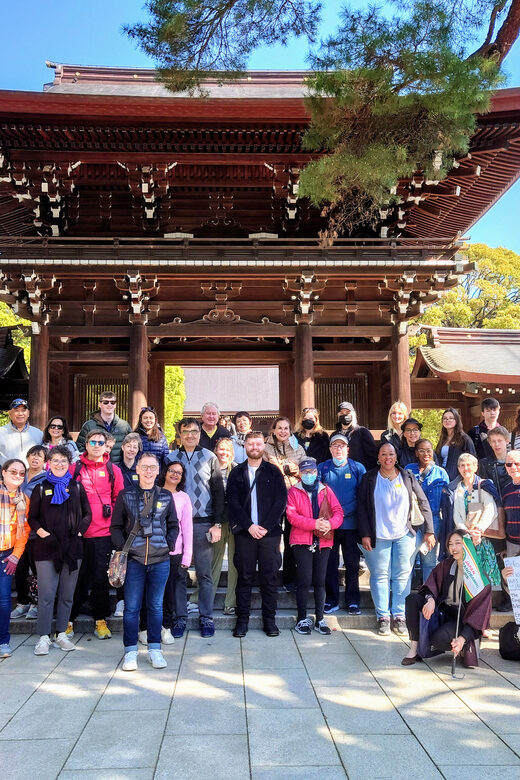
- Meiji Jingu Shrine: the morning reset you didn’t know you needed
- Imperial Palace Outer Garden: photos, symmetry, and that old-meets-new feeling
- Asakusa: Nakamise Street energy and the two experiences included
- The matcha experience: Uji premium, not just a sweet drink
- Lunch at an izakaya-style set meal (and the dietary reality)
- Tokyo Skytree Tembo Deck: the skip-the-line payoff
- Odaiba and Tokyo Bay Cruise: Rainbow Bridge at the end of the day
- When the cruise is replaced: Hamarikyu Garden or Fukagawa Edo Museum
- Price and value: what $122 buys you in the real world
- Who this tour suits best (and who should think twice)
- Should you book this Tokyo Meiji-Asakusa-Skytree-Cruise day?
- FAQ
- How long is the tour?
- Where do I meet the tour?
- Is lunch included?
- What is included in the matcha experience?
- Do I get skip-the-line access to Tokyo Skytree?
- Is the Tokyo Bay Cruise always part of the tour?
- What happens if the cruise can’t operate?
- What kind of meal is served at Asakusa if I choose lunch?
- Are vegetarian or gluten-free meals available?
- Is the tour suitable for people with mobility impairments?
Key things to know before you go
- Meiji Jingu in a Tokyo forest: you’ll slow down fast once you step under the trees.
- Skip-the-line Tembo Deck access: fewer hassles at the tower, more time looking out over the city.
- Asakusa matcha made for tasting: premium Uji first-flush matcha, plus options like gelato or matcha beer.
- Asakusa lunch that’s local-style comfort food: karaage and tofu set meals (with important dietary notes).
- Tokyo Bay Cruise as the payoff: Rainbow Bridge and the harbor skyline, but not always available.
- On Tuesdays, the cruise can switch: Hamarikyu Garden or Fukagawa Edo Museum may replace the boat ride.
Shinjuku pickup and a coach that actually helps
You start from the center of Tokyo, either at Matsuya Ginza or the Love statue area in Shinjuku, depending on the meeting point option you choose. The tour uses an air-conditioned deluxe coach with Wi‑Fi, which matters because you’ll be traveling across Tokyo from morning to evening.
You’ll also see the city rhythm through the bus windows on the way: passes by Kabukicho, then later areas like Harajuku, Omotesando, Akihabara, Ueno, and Kappabashi Market Street. Even if you only spot fragments, this is one of the easiest ways to build a mental map of Tokyo fast.
One practical note: the day is planned with several timed stops, and the order can shift with traffic, weather, or operations. That’s normal in Tokyo. What you’re really buying is structure—someone else handles sequencing, and you get to focus on soaking it in (and getting your photos).
Meiji Jingu Shrine: the morning reset you didn’t know you needed
The day’s first real anchor is Meiji Jingu Shinto Shrine, with about an hour on-site. The highlight isn’t just the shrine buildings—it’s the forested approach that makes Tokyo feel far away. The contrast is the point: you’re surrounded by towering greenery while the city hum fades into the background.
This is one of those places where a guide makes a difference, because you’ll learn what you’re seeing and how Shinto space works. Expect you’ll have time to walk the main paths and take in the atmosphere rather than just being marched through.
Timing-wise, an earlier visit helps. The crowd levels tend to be more manageable in the morning, and the light often looks great on the tree canopy and shrine details. Wear comfortable shoes; you’ll be on foot even if the coach does most of the heavy lifting.
Imperial Palace Outer Garden: photos, symmetry, and that old-meets-new feeling
Next up is Tokyo Imperial Palace time at about 30 minutes. You’ll see the Outer Garden area, either the East Gardens (traditional Japanese gardens) or viewpoints around Niju-bashi Bridge for the Outer Garden experience.
Even in a short window, this stop gives context for modern Tokyo. It’s a reminder that Tokyo isn’t only neon and trains; it’s layered. You also get a sense of how planning and symmetry shape the city’s identity, especially when you’re bouncing between very different neighborhoods later.
Because the palace area is large, 30 minutes feels short. I’d treat it as orientation and photos rather than a slow wander. If you want to linger, you’ll likely need a separate day out—this tour prioritizes cover-your-bases efficiency.
Asakusa: Nakamise Street energy and the two experiences included
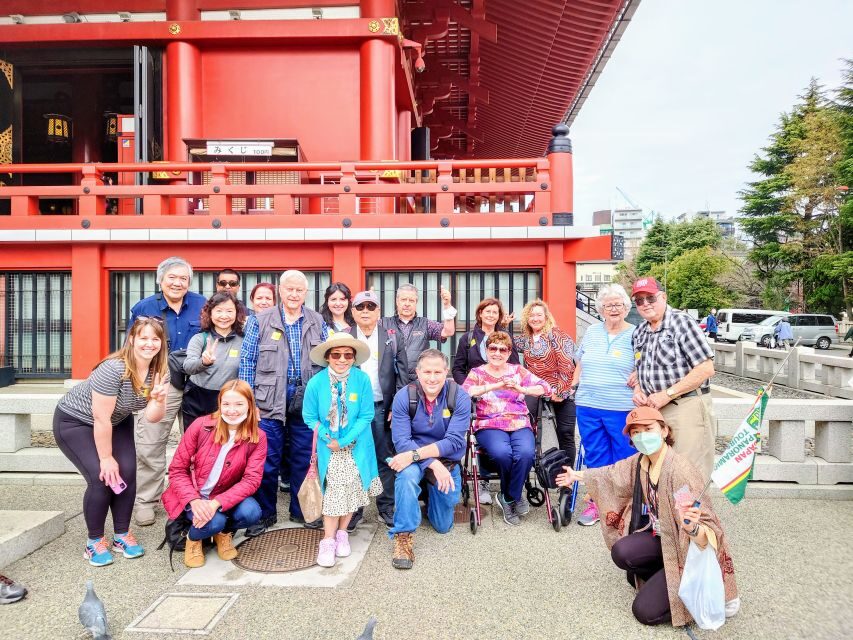
Asakusa is where the tour turns from sightseeing to sensory fun. You get:
- a brief stop for food tasting around 30 minutes, and
- lunch time (about 50 minutes),
- plus additional free time of about 1 hour to shop and explore.
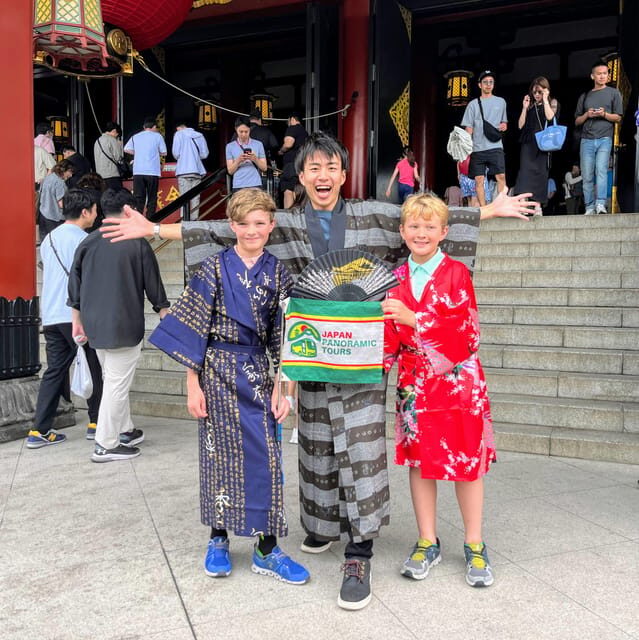
You’ll pass Kaminari-mon Gate (the red lantern you’ve seen in a hundred photos) and have time along Nakamise Avenue, famous for snacks and small souvenirs. This is also a good place to practice your Tokyo street skills: stop where it’s easiest, move when it gets crowded, and keep an eye on what you’re buying so you don’t lose track of time.
The matcha experience: Uji premium, not just a sweet drink
The tour includes an authentic matcha experience with premium-style matcha made from Uji’s first-flush leaves, described as not bitter and labeled as premium matcha. Depending on what’s available and selected, you can also get options like sweet matcha gelato or matcha beer.
This is one of the best “value” parts of the day because it’s not just a pass-by. You’re actually participating, and you’ll leave with a better sense of what quality matcha tastes like compared with the sweeter, more dessert-like versions you might find elsewhere.
Also, there’s a small seasonal heads-up: the matcha store is closed on May 14, and you’ll receive matcha souvenirs as the replacement experience.
Lunch at an izakaya-style set meal (and the dietary reality)
Lunch is optional, but if you select it, it’s a set meal with soft drink. The main dishes described are karaage (Japanese fried chicken) and tofu, using locally produced soybeans made daily at the store.
Here’s the dietary part you should read carefully:
- There’s no pork and no seafood, but dashi stock contains fish broth.
- No nuts and no crustaceans.
- Vegetarian, gluten-free meal options exist, and you should indicate them at booking.
- Muslim-friendly, lactose-free, and allergy-friendly meals are not available. If your allergy is serious, the safest option is to book without lunch.
If you love Japanese comfort food, this lunch is usually the kind of practical meal that keeps you going for the next leg of the day. If you’re very picky, treat lunch as a “fuel stop” rather than a culinary destination.
Tokyo Skytree Tembo Deck: the skip-the-line payoff
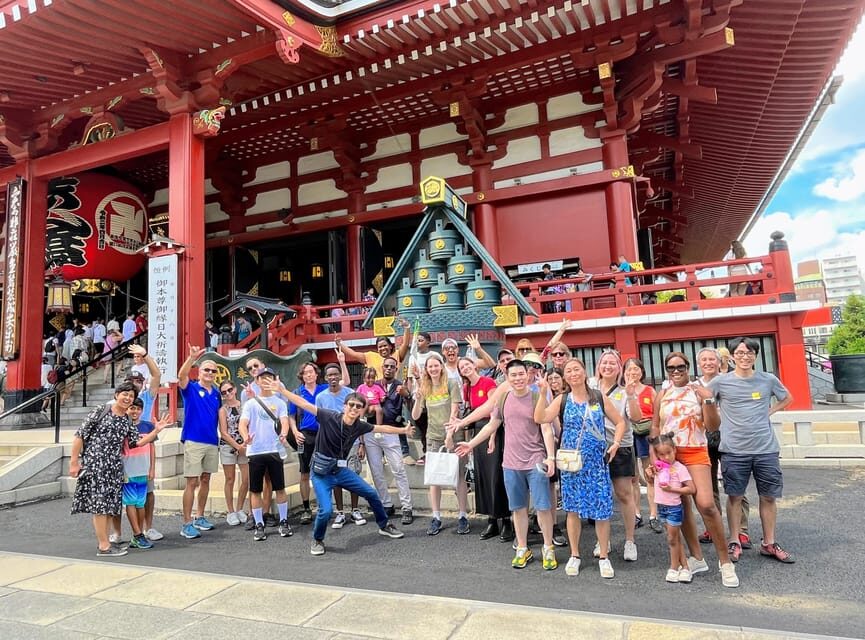
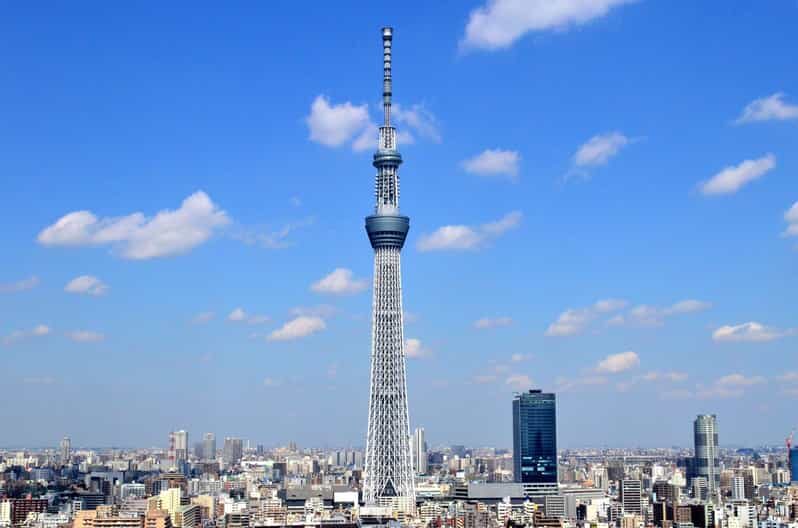
Then comes the big payoff: Tokyo Skytree. You’ll spend about 1.5 hours total, including the chance to go up to the Tembo Deck observation level at 350 meters.
Skip-the-line entry is a real advantage in a place like this. Tokyo’s lines can eat time fast, and losing that time would reduce your ability to enjoy the view without feeling rushed. With this tour, you’re paying for the convenience and the timing control.
On a clear day, the views are the main event: you’ll get a wide look over the city grid, waterways, and far-off neighborhoods. Even if the weather is less than perfect, being up high still helps you understand Tokyo’s scale. The skyline “clicks” in your head, and that makes later independent exploring easier.
Practical tip: bring a light layer if you go up when it’s breezy. Also, take photos early, then enjoy the view. People tend to over-spend the first few minutes on camera settings and miss the moment.
Odaiba and Tokyo Bay Cruise: Rainbow Bridge at the end of the day

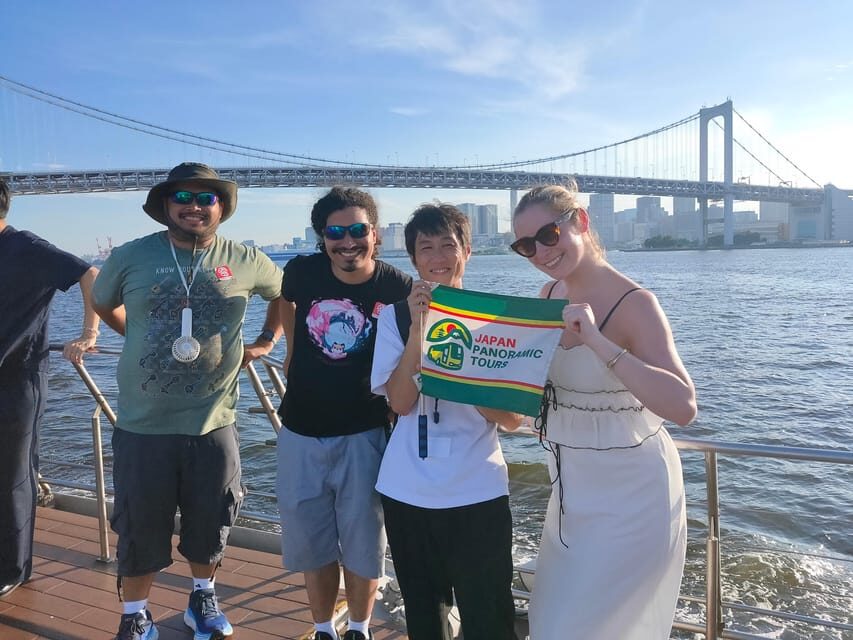
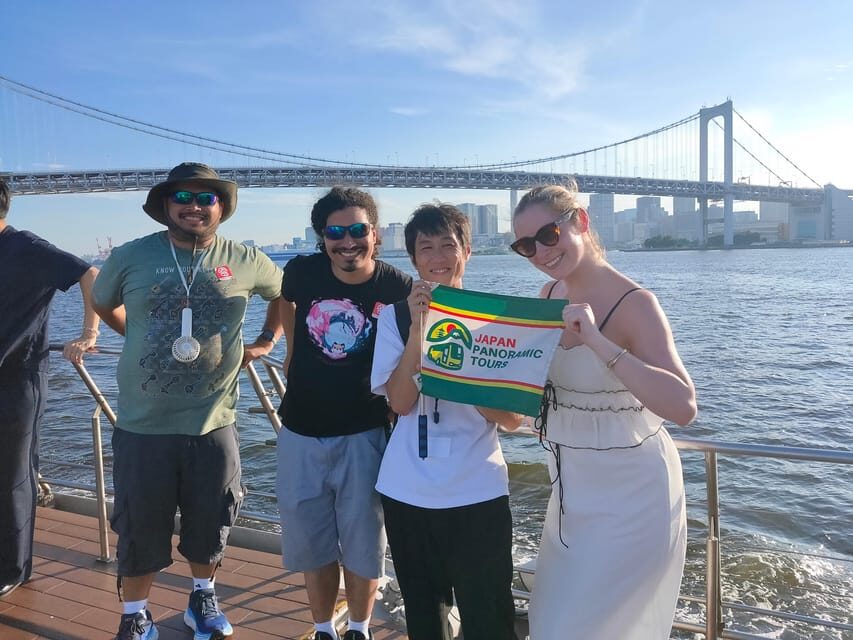
The day ends with Odaiba and the harbor. You’ll get a short sightseeing stop plus a Tokyo Bay Cruise around 20 minutes, and you pass under Rainbow Bridge while looking at the Tokyo skyline.
This is the part that often feels special because it’s timed toward the end of the tour, when you’re already seeing the city from ground level and now you get it from the water. When skies cooperate, it’s a great way to land the day with photos that look different from the standard street angles.
Two important scheduling realities:
- The cruise is included except on Tuesday.
- Sometimes there’s no cruise due to high tide or technical maintenance. If that happens, there’s no refund, and the tour switches to Hamarikyu Garden or Fukagawa Edo Museum instead.
So, when you plan your expectations, think of the cruise as the bonus. The core value is still the guided, structured day and the Sky Tree viewing.
When the cruise is replaced: Hamarikyu Garden or Fukagawa Edo Museum
On Tuesday, and sometimes when the cruise can’t operate, the itinerary swaps in either Hamarikyu Garden or the Fukagawa Edo Museum. This is actually a smart backup plan because both options keep you anchored in Tokyo’s character rather than leaving you with a “missing activity” feeling.
Hamarikyu Garden is a traditional landscape stop, good for a slower pace and a break from constant walking. Fukagawa Edo Museum can add more historical context, especially if you want a clearer sense of Tokyo’s past beyond what you see from the outside of landmarks.
If your priority is specifically boat time, plan for the possibility of a swap. But don’t treat that swap as a downgrade—these are strong alternatives that keep the day meaningful.
Price and value: what $122 buys you in the real world
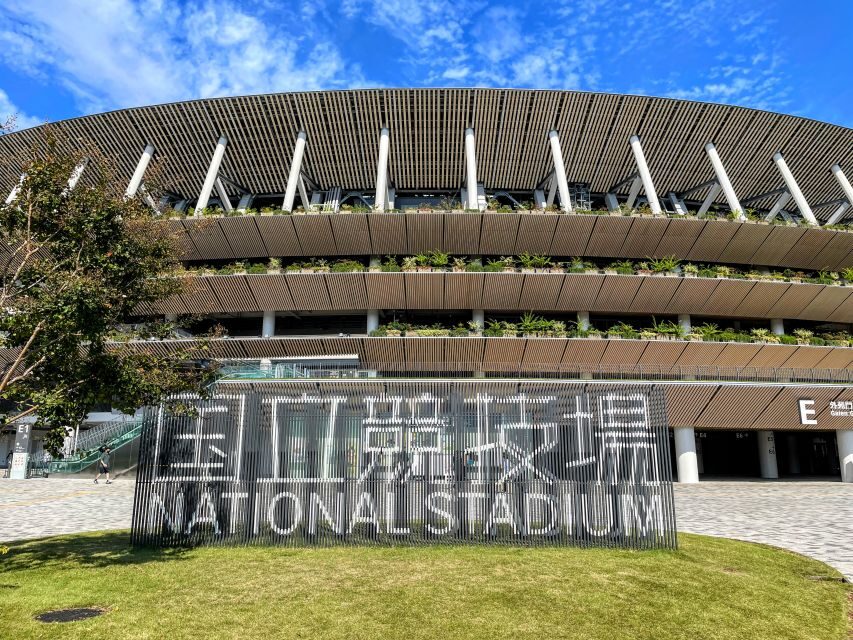
At about $122 per person for a 10-hour tour, you’re paying for three things: convenience, access, and guided interpretation. This isn’t just a ride around town.
Your money includes:
- a professional English-speaking guide,
- air-conditioned coach transport with Wi‑Fi,
- Sky Tree Tembo Deck entry (skip-the-line),
- the matcha experience,
- and Tokyo Bay Cruise except on Tuesday (with a swap on certain days or conditions).
If you add lunch, you also get a set meal with soft drink, plus the schedule doesn’t depend on you finding an open restaurant mid-day. That matters in Tokyo, where meal timing and distance can become a puzzle if you’re tired.
One caution on value: the tour notes that customers who add options on the day are charged more. If you know you want lunch, select it in advance so you don’t pay last-minute pricing.
Also, one review theme you’ll recognize: the day can feel fast-paced because it has to. The guide experience and the driver’s smooth handling help a lot, and many groups seem to rely on that to make the day feel effortless.
Who this tour suits best (and who should think twice)
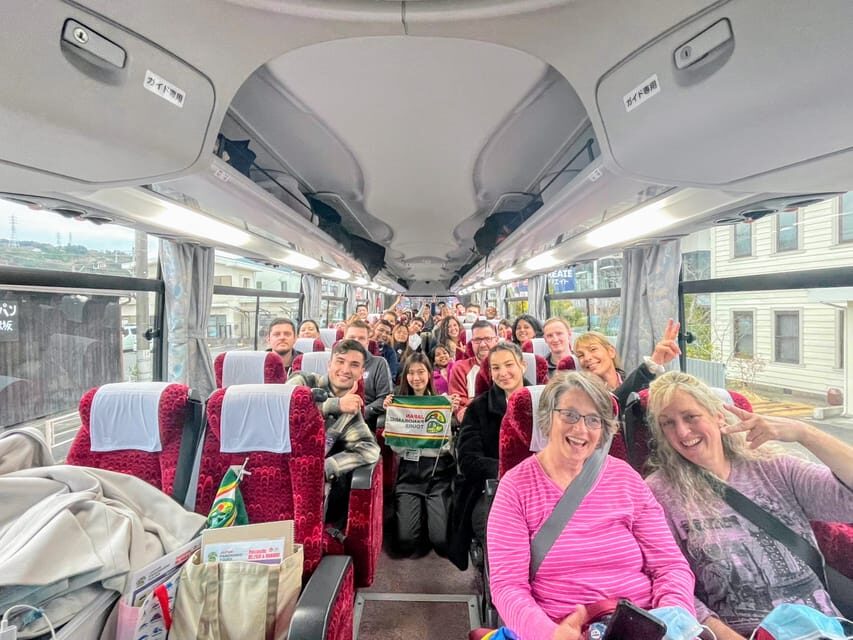
This tour is ideal if you:
- have limited time in Tokyo and want a structured introduction,
- like mixing classic Tokyo (Meiji Jingu, Asakusa) with modern icons (Skytree, Odaiba),
- want the convenience of skip-the-line access,
- and enjoy small cultural moments like matcha that actually feel connected to place.
It’s less ideal if you:
- hate walking, because the day includes multiple on-foot stops (and it can add up),
- have mobility constraints, because the tour notes it is not suitable for people with mobility impairments,
- or want long, slow, sit-down sightseeing breaks. This day is designed to cover a lot, not linger.
One more practical fit point: you’ll be on a bus for long stretches, but it’s not passive. You’ll get the guide’s context while moving, then you’ll shop, taste, and photograph at key stops.
Should you book this Tokyo Meiji-Asakusa-Skytree-Cruise day?
If you want a big-picture Tokyo day without the mental load, I think you’ll like this. The matcha experience and Sky Tree skip-the-line access are strong anchors, and the Bay Cruise (when it runs) is a satisfying finish.
I’d book with eyes open if you’re sensitive to walking or you’re hoping for a totally relaxed pace. Bring comfortable shoes, expect schedule changes with traffic or weather, and treat the lunch as a convenient local set meal rather than a top-tier culinary quest.
If your Tokyo trip is short and you want your bearings fast, this is a sensible way to do it—one day, many landmarks, and a guided story tying it all together.
FAQ
How long is the tour?
The tour duration is 10 hours.
Where do I meet the tour?
Pickup is available from Matsuya Ginza or the Love statue in Shinjuku, depending on the option you book. Meeting point details can vary by option.
Is lunch included?
Lunch is included only if you select the lunch option. It’s a set meal with a soft drink.
What is included in the matcha experience?
You’ll enjoy a premium matcha experience described as not bitter and made with first-flush leaves from Uji, Kyoto. Options include matcha drink, sweet matcha gelato, or matcha beer.
Do I get skip-the-line access to Tokyo Skytree?
Yes. The tour includes Tembo Deck admission at 350 meters, and skip-the-line admission is included.
Is the Tokyo Bay Cruise always part of the tour?
No. The Tokyo Bay Cruise is included except on Tuesday, and sometimes the cruise may be replaced due to high tide or technical maintenance.
What happens if the cruise can’t operate?
If there’s no cruise due to high tide or technical maintenance, you’ll visit Hamarikyu Garden or Fukagawa Edo Museum instead. Refunds are not given in that case.
What kind of meal is served at Asakusa if I choose lunch?
The main set meal is Japanese fried chicken (karaage) and tofu. There’s no pork and no seafood, but dashi contains fish broth.
Are vegetarian or gluten-free meals available?
Yes, vegetarian and gluten-free meal options are mentioned. You should indicate how many meals you need when booking.
Is the tour suitable for people with mobility impairments?
No. The tour is listed as not suitable for people with mobility impairments.
Asakusa Tours, compared.
 ★ 4.8Japanese Dance Cabaret Theater Asakusa-Kaguwa TicketFrom $492,270 reviews
 ★ 4.8Asakusa Walking Tour with Sensoji Temple VisitFrom $221,583 reviews
 ★ 5.0Tokyo Asakusa Rickshaw TourFrom $421,375 reviews
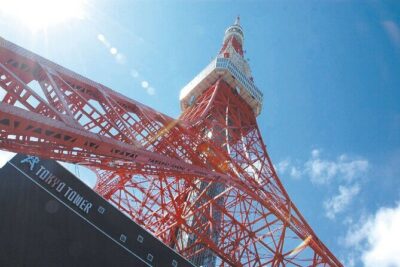 ★ 4.5Tokyo Panoramic 1 Day: Meiji Shrine, Asakusa, Odaiba and SKYTREE®From $851,222 reviews
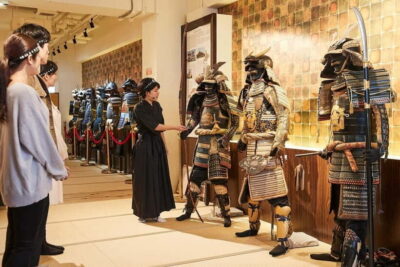 ★ 4.8Samurai Ninja Museum Asakusa: Samurai Sword Lesson & TourFrom $63306 reviews
Asakusa Sightseeing Tour by RickshawFrom $35195 reviews
Asakusa Kimono Dressing and Matcha ExperienceFrom $56173 reviews
Asakusa Temple & Shrine Walking Tour with Local GuideFrom $30105 reviews
★ 4.8Samurai Ninja Museum Asakusa: Samurai Sword Lesson & TourFrom $63306 reviews
Asakusa Sightseeing Tour by RickshawFrom $35195 reviews
Asakusa Kimono Dressing and Matcha ExperienceFrom $56173 reviews
Asakusa Temple & Shrine Walking Tour with Local GuideFrom $30105 reviews
Browse the lists this tour appears in