
Reviewed · MEIJI SHRINE TOURS
Tokyo: Meiji Jingu Shrine and Shinto Culture Walking Tour
Tokyo has a special kind of quiet.
This Meiji Jingu Shinto Culture tour is a smart way to see one of the city’s most important spiritual places without wandering aimlessly. You’ll move from key shrine landmarks to the calm rhythm of the grounds, learning what you’re looking at—especially the meaning behind Shinto practices and the shrine’s link to nature. It’s structured, but not stiff, and the guides keep the experience conversational so you can ask questions as you go. I like that it’s built around actual visual cues—torii, offerings, and prayer steps—not just facts on a screen.
What I like most is the ritual-focused guidance. On this tour, guides such as Maya and Minori are praised for explaining what visitors should do and why, including shrine etiquette and the symbolism behind the offerings. Second, I love the pacing: you get the big photo moments (like the Imperial Garden area) and then enough time at the shrine itself—about an hour—to slow down and notice details in the forest setting. The last thing I appreciate is the photo help: you’re not just left to your own selfie skills.
One consideration: this experience is centered on Shinto culture and the shrine’s spiritual flow, so if you’re mainly after a high-energy city walk or lots of shopping stops, you might find it calmer than you expected. Also, it’s a walking tour, so plan for comfortable shoes and time outdoors even if rain shows up.
In This Review
- Key Things That Make This Tour Worth Your Time
- Why Meiji Jingu Feels Different From Other Tokyo Shrines
- Meeting at Starbucks Near Harajuku: Easy Start, Less Stress
- Meiji Jingu Gyoen Photo Stop: The Imperial Garden Sets the Tone
- The Big Torii: The Landmark That Teaches Etiquette
- Consecrated Sake Barrels and Wine Barrels: Offerings With Real Meaning
- The Shrine Visit: Where the Sacred Forest Does the Work
- What the Tour Style Gives You (and What It Doesn’t)
- Price and Time: Why $19 Feels Like Good Value
- Who This 2-Hour Shinto Tour Is Best For
- Quick Practical Tips Before You Go
- Should You Book This Meiji Jingu Shinto Tour?
- FAQ
- How long is the Tokyo Meiji Jingu Shrine and Shinto Culture Walking Tour?
- What is the meeting point for the tour?
- Is entry to Meiji Jingu included?
- Does the tour include a guide in English?
- Are photos included?
- Is the tour wheelchair accessible?
- Is free cancellation available?
- Can I reserve now and pay later?
Key Things That Make This Tour Worth Your Time
- Shinto ritual explanations that help you understand what you’re seeing and how people pray
- Meiji Jingu Gyoen time for photos and a peaceful sense of place
- Big torii + consecrated barrel stops that turn landmark sightseeing into meaning
- A walk through a sacred forest of 100,000 trees, not just a quick pass-by
- Guides who are praised for being friendly, interactive, and quick to answer questions
More forest calm at Meiji Shrine
- Tokyo: Meiji Shrine Walking Tour — Shinto & Imperial System★ 4.9 · 266 reviews
- Tokyo: Meiji Jingu Shrine and Shinto Culture Walking Tour★ 5.0 · 245 reviews
- Tokyo: Meiji Shrine and Shinto Culture Walking Tour★ 5.0 · 225 reviews
Why Meiji Jingu Feels Different From Other Tokyo Shrines
Meiji Jingu doesn’t act like a typical tourist attraction. Yes, you’ll see plenty of visitors, but the overall effect is controlled calm—like someone lowered the volume on the whole area. That’s largely because of how the grounds are designed. The shrine is surrounded by a deeply planned forest experience, and the tour format makes it easier to feel that shift instead of bulldozing through it.
Shinto, at its heart, isn’t complicated on the surface: it’s about reverence, respect, and ritual. The value of having a guide is that the rituals stop looking random. Once you know what certain gestures and offerings represent, the place becomes easier to read. You’ll also understand why nature is not background scenery here. The shrine’s spiritual vibe is tied to the living world around it, which is exactly what you’ll notice as you move through the trees.
Meeting at Starbucks Near Harajuku: Easy Start, Less Stress
Your tour starts at Starbucks Coffee closest to Meiji Jingu, With Harajuku—right out in the open where you won’t have to play guess-the-street with a dozen lookalike buildings. The meeting point is given at coordinates 35.6705208, 139.7031067, which is helpful if you’re using a map app and want to drop a pin.
This matters more than it sounds. Tokyo is great, but it can also be confusing when you’re tired from travel. A clear, public meeting spot near Harajuku simplifies the start, and it helps you get into “tour mode” quickly—especially if you’re doing this as one of your first activities in Japan.
Meiji Jingu Gyoen Photo Stop: The Imperial Garden Sets the Tone
One of the first stops is Meiji Jingu Gyoen, with a photo stop plus guided time (about 30 minutes). This is a smart move. You get a chance to frame the setting before the tour pushes deeper into the shrine grounds. The Imperial Garden area is where you can catch that contrast Tokyo visitors often feel: the city’s pace outside, and a more deliberate, reflective mood once you’re in the shrine world.
From a value point of view, this is also where you save time. If you visit on your own, you might spend extra minutes figuring out what’s worth photographing versus what you should just walk past. With a guide, you get directed to key views and then you get the context for what you’re seeing—so your photos feel like more than souvenirs.
A small drawback: because this segment is designed for photos and orientation, you may want to arrive with your camera battery ready and your stamina in good shape. It’s not long, but it’s early in the tour.
The Big Torii: The Landmark That Teaches Etiquette
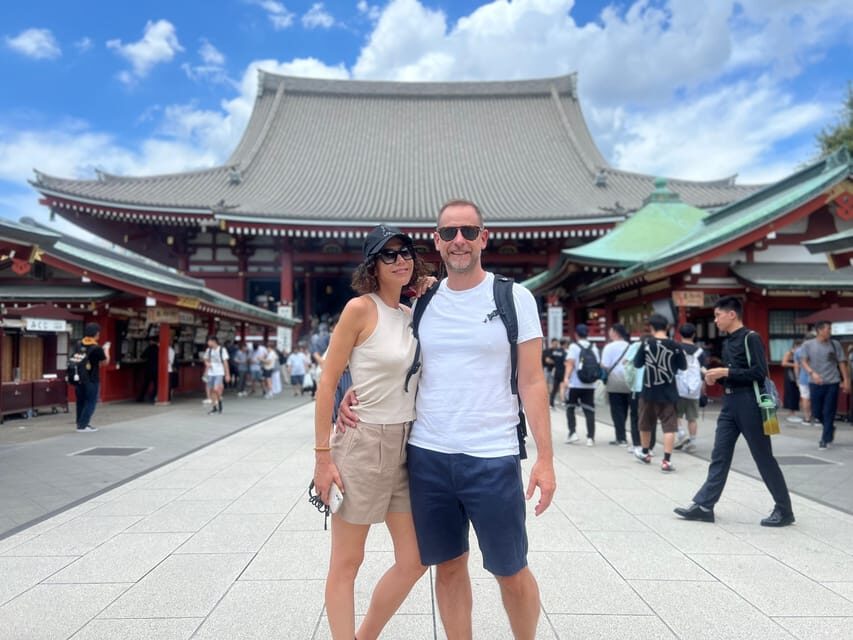
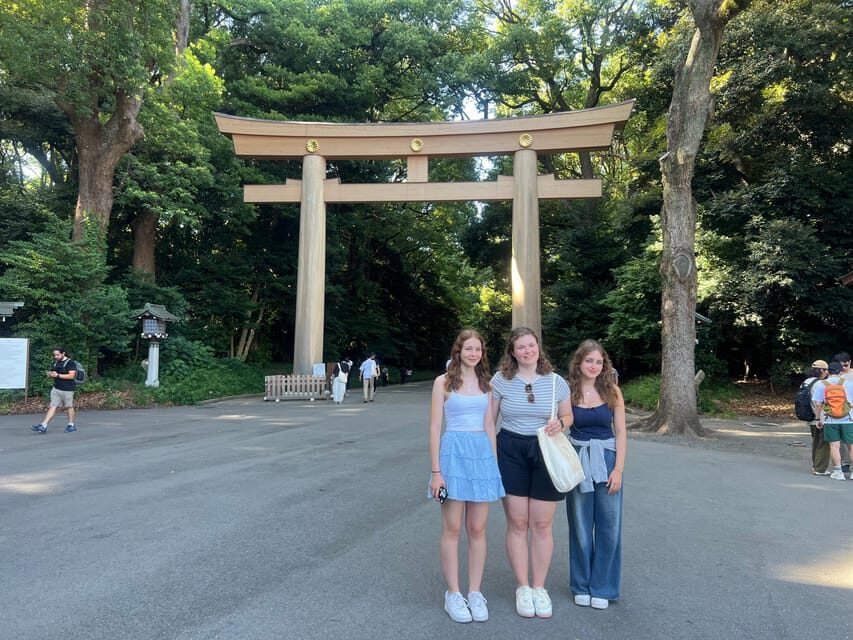
Next you’ll see the big torii and get a short guided walkthrough (around 10 minutes). Torii gates are iconic, but they can also be misunderstood when you treat them as just a photo prop. A good tour turns them into a “how to behave here” lesson.
This is where Shinto culture becomes practical. Guides are often praised for walking visitors through the steps of how to approach a shrine respectfully—things like how people handle themselves in the space and the basic rhythm of prayer. You don’t need to memorize every detail, but you do want to avoid the common awkward moments, like standing in the wrong place while people are praying.
If you’re traveling solo or you’re new to Japan, this kind of guidance is a big deal. It makes the whole visit feel smoother and more respectful without turning it into a rigid script.
Tokyo at walking pace, a few more ways

Consecrated Sake Barrels and Wine Barrels: Offerings With Real Meaning
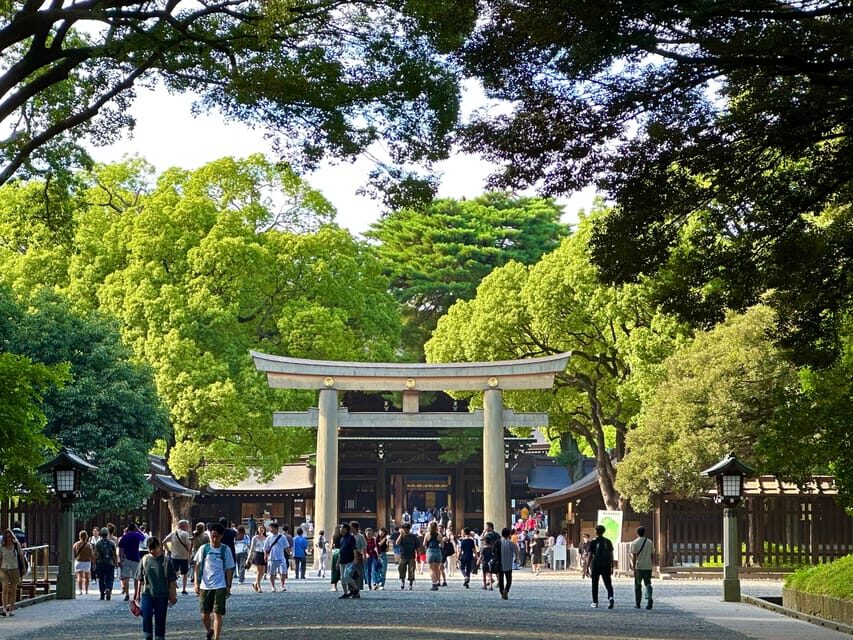
Then come two very specific shrine landmarks: the consecrated sake barrels and the Meiji Jingu consecrated wine barrels, each with guided time (about 10 minutes per stop). These aren’t just decorative details. Offerings like these connect to how Shinto expresses reverence—through offerings that symbolize gratitude and respect.
Why this matters for you: when you understand why offerings exist, you stop treating them like set dressing. You also start noticing the way people behave around them, which can be surprisingly helpful for first-time visitors. Even if you don’t participate in every ritual step, you’ll know what’s happening and why.
A possible consideration here is attention span. These stops are short, but they’re meaning-heavy. If you’re the kind of traveler who prefers to move fast and skip explanations, you might feel this portion is a bit more “learn” than “walk.” Personally, I think it’s the kind of education that makes the rest of the grounds hit harder.
The Shrine Visit: Where the Sacred Forest Does the Work
After the offering stops, you move into Meiji Shrine with about one hour of guided sightseeing. This is the heart of the experience. You’ll have time to appreciate the space at a human pace, which is exactly what you want at a place built for reflection.
And then there’s the forest. One of the tour highlights is the sacred forest of 100,000 trees. That number is memorable, but what you’ll actually feel is the effect: cooler air under the canopy, softer foot traffic sounds, and a sense that the area is designed to separate you from the outside world. Even if you’re not a “forest person,” the structure of Meiji Jingu makes it hard not to slow down.
I also like that the tour is designed for questions. Guides in the feedback repeatedly get credit for being friendly and responsive—people mention they answered lots of questions and made the visit feel personal. That’s a practical advantage. If you’re the type who reads street signs, wonders about shrine objects, or wants to know how Shinto differs from Buddhism, this tour gives you a real chance to get answers while you’re standing in the right place.
What the Tour Style Gives You (and What It Doesn’t)
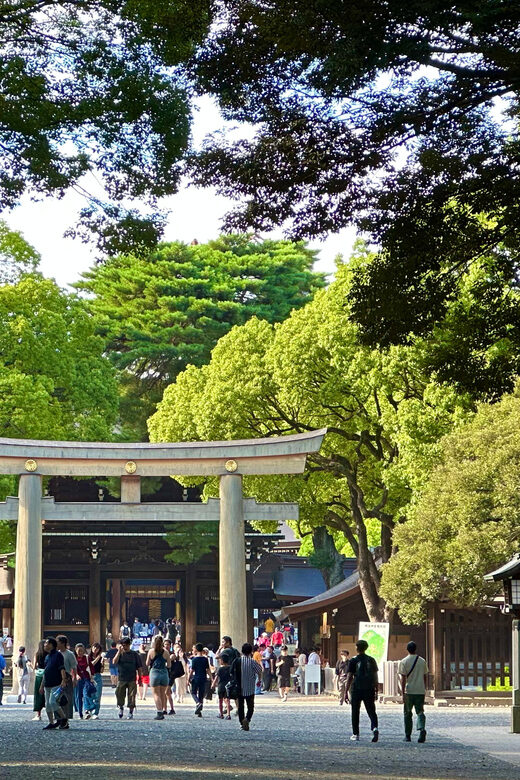
This tour is designed as a small-group experience. That’s not a marketing buzzword here—it matters because Meiji Jingu can be visually crowded. Smaller groups make it easier to move through spaces without constantly being blocked by bigger tour flows.
You also get photos taken during the tour. That’s a convenience that many visitors underestimate. You spend less time juggling camera placement, and you’re more likely to get photos at the right angles and distances—especially around torii and garden/photo points.
At the same time, it’s not a long, free-roam stroll where you can wander for hours without structure. The tour gives you a planned route and guided interpretation. For most people, that’s a win. For certain travelers who love total flexibility, it can feel a bit guided. Still, because it’s only about two hours, you don’t feel stuck for the whole day.
Price and Time: Why $19 Feels Like Good Value
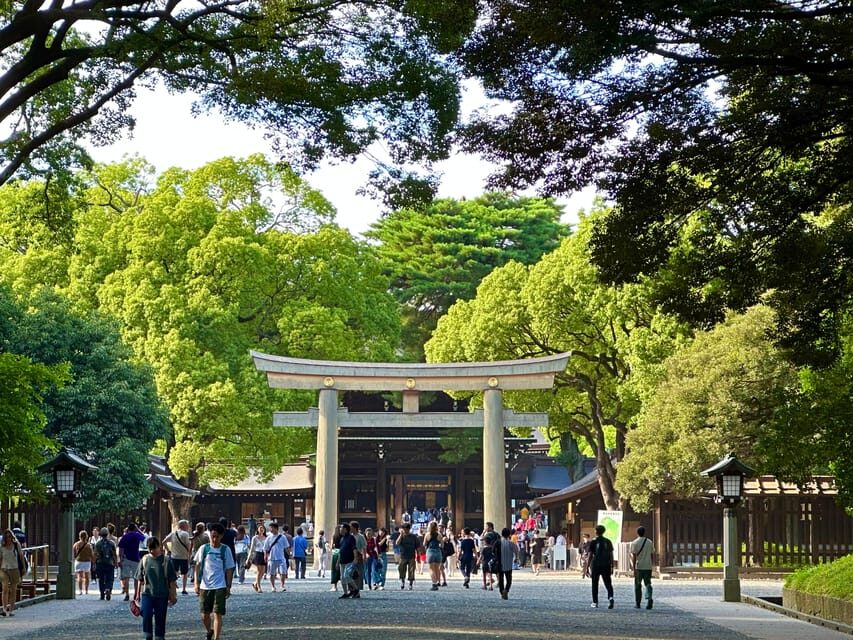
At $19 per person for roughly 2 hours, this tour has strong value for three reasons.
First, you’re paying for guided interpretation in a place where self-guided visits can feel “pretty, but I don’t know why.” That’s not a small difference at Meiji Jingu. The shrine’s objects and ritual steps make far more sense with explanation.
Second, the time is tight enough to fit into a Tokyo schedule without sacrificing depth. You get:
- early orientation and garden photo time
- quick landmark explanations at the torii and offerings
- about an hour at the shrine grounds
That mix is efficient. If you tried to build this yourself with museum-style research, you’d spend a lot more time before you even arrived.
Third, the tour includes entry/admission to Meiji Shrine and Meiji Shrine Imperial Garden. Entrance fees can be easy to forget when budgeting, so having them folded into the price makes the $19 feel more like an all-in activity than a “cheap tour” that costs extra once you get there.
If you’re budgeting your first Tokyo day, this tour can be an easy win because it sets a cultural frame for other stops. Once you understand how Shinto reverence works here, other religious sites in Japan become easier to read.
Who This 2-Hour Shinto Tour Is Best For
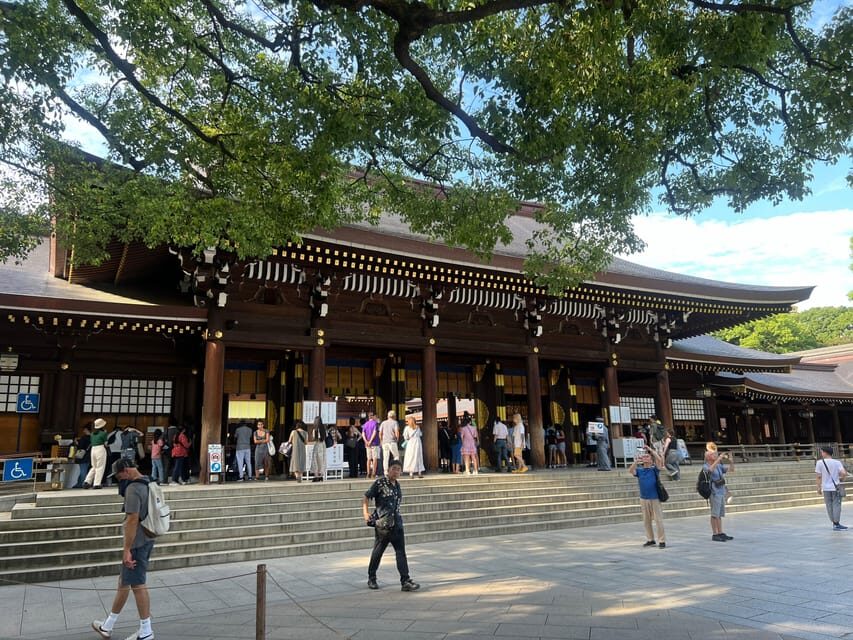
This is a great fit if you:
- want a first-time introduction to Shinto rituals in a real setting
- like learning through seeing objects up close—torii gates, offerings, and garden areas
- prefer small-group pacing over large bus-style flows
- enjoy respectful cultural visits where you can ask questions
It’s also a smart choice if you’re short on time but still want more than surface-level sightseeing. The tour hits iconic landmarks, but it doesn’t stop at selfies.
If you’re traveling with kids or teens, the forest and the ritual explanations can work well, especially when the guide keeps things interactive and answers questions clearly. (You’ll want your group to be open to a calmer pace.)
Quick Practical Tips Before You Go
- Wear shoes you can walk in for two hours outdoors. You’ll move between stops and spend time on foot.
- Bring a charged phone or camera. The tour includes photo time, but you’ll still want to capture your own favorite angles.
- Come with one or two questions in mind. It’s easier to get what you want when you’re ready to ask.
- Be ready for a calmer atmosphere. Meiji Jingu isn’t meant to be rushed.
Should You Book This Meiji Jingu Shinto Tour?
If you want to understand Meiji Jingu instead of just visiting it, I’d book this. The price is low enough to feel safe, and the structure helps you get value from the most important parts of the grounds: the Imperial Garden photo time, the big torii etiquette lesson, the consecrated sake and wine barrel meaning, and the hour-long shrine visit inside the 100,000-tree forest.
The only reason I’d hesitate is if you strongly prefer self-guided wandering with no interpretation and you’re not interested in ritual context. Otherwise, this is exactly the kind of Tokyo experience that turns a famous place into something you actually understand.
FAQ
How long is the Tokyo Meiji Jingu Shrine and Shinto Culture Walking Tour?
The tour lasts 2 hours.
What is the meeting point for the tour?
You meet in front of the Starbucks that is closest to Meiji Shrine. The coordinates provided are 35.6705208, 139.7031067.
Is entry to Meiji Jingu included?
Yes. Entry/admission to Meiji Shrine and the Meiji Shrine Imperial Garden is included.
Does the tour include a guide in English?
Yes. The tour includes a professional English-speaking guide.
Are photos included?
Yes. Photos are taken during the tour.
Is the tour wheelchair accessible?
Yes, the tour is wheelchair accessible.
Is free cancellation available?
Yes. You can cancel up to 24 hours in advance for a full refund.
Can I reserve now and pay later?
Yes. You can reserve now and pay later.
More Tours in Tokyo





More Tour Reviews in Tokyo




More Time at Meiji Shrine
Fresh reviews from around Tokyo






Meiji Shrine Tours, compared.
 ★ 4.7Meiji Shrine, Asakusa, Skytree Bus Tour and CruiseFrom $1221,986 reviews
 ★ 4.5Tokyo Panoramic 1 Day: Meiji Shrine, Asakusa, Odaiba and SKYTREE®From $851,222 reviews
 ★ 4.9Meiji Shrine Walking Tour — Shinto & Imperial SystemFrom $23266 reviews
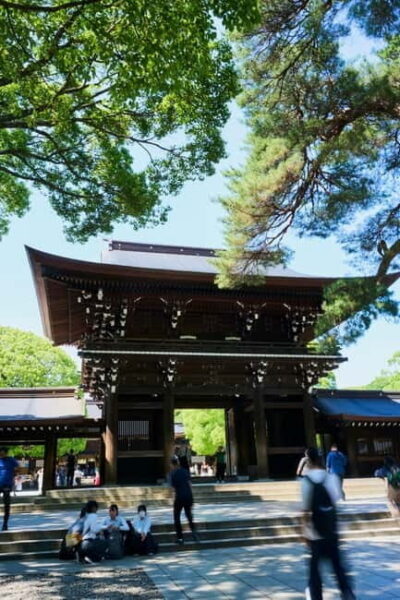
 ★ 5.0Meiji Shrine and Shinto Culture Walking TourFrom $18225 reviews
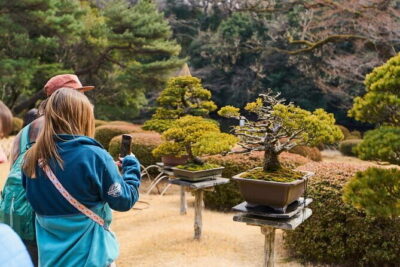 ★ 5.0Meiji Shrine Walking Tour — Shintoism & Imperial SystemFrom $21209 reviews
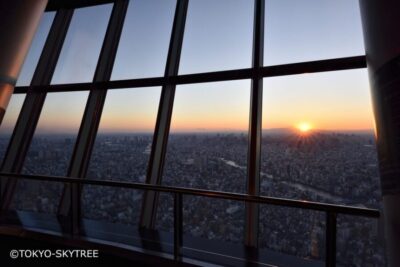 ★ 4.61 Day Bus Tour with Meiji-Jingu,Odaiba,lunch&SkytreeFrom $83156 reviews
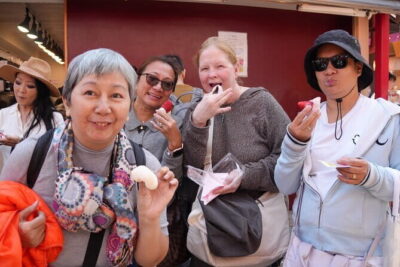 ★ 5.0Tokyo Morning Tour : Meiji Shrine, Asakusa and Fish MarketFrom $72102 reviews
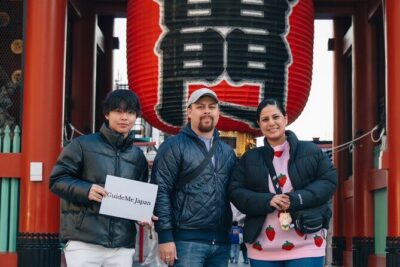 ★ 5.0Tokyo Early Morning Tour Asakusa Meiji Shrine (Private Opt)From $5969 reviews
Browse the lists this tour appears in