
Reviewed · ASAKUSA TOURS
Tokyo Morning Tour : Meiji Shrine, Asakusa and Fish Market
Meiji, fish, and temples before the crowds move in. This is a smart morning mix: Meiji Jingu brings quiet forest calm, then you switch gears to Tsukiji for early food energy. I like the way the route strings together three very different Tokyo moods without wasting time.
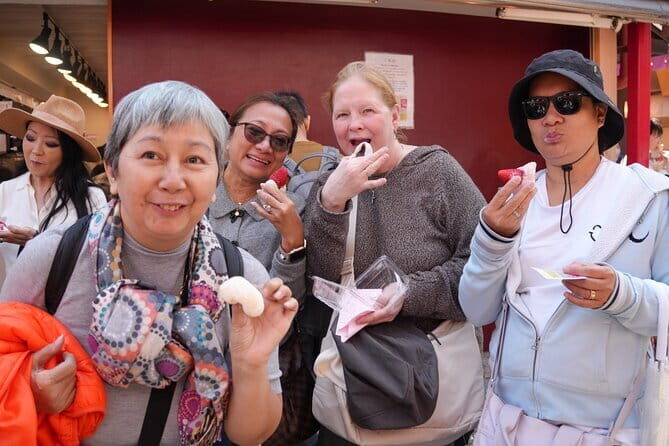
My favorite part is the hands-on food moment. You stop at the Tsukiji outer market area and try street foods like sweet mochi, sweet potato, and a savory cutlet, while your guide shares context so it feels like more than just eating.
One thing to consider: you’re paying for the tour, but you still need to cover public transport (around 550 yen) on your own. If you’re hoping everything is door-to-door included, budget a little extra for getting to the meeting point and onward to Asakusa.
In This Review
- Key things to know before you go
- A 4-hour Tokyo morning loop that actually fits real schedules
- Meiji Jingu in the early quiet: torii gates and forest path focus
- Tsukiji outer market morning: street foods plus the why behind them
- Senso-ji temple and Nakamise-dori: finishing with iconic Tokyo energy
- The guide makes it: small-group pacing and real explanations
- Price and value: what you pay for, what you still cover
- Practical tips to make your morning smoother
- Who this tour is best for (and who might want a different style)
- Should you book the Tokyo Morning Tour (Meiji Shrine, Asakusa, Fish Market)?
- FAQ
- How long is the tour?
- How much does it cost?
- What’s included in the tour price?
- What street foods are you able to try?
- Is transportation included?
- Where do you meet, and where do you finish?
- Is this a small group tour?
- Do I get a ticket on my phone?
- What is the cancellation policy?
Key things to know before you go
- Small group cap (max 8): easier questions, less waiting, and a calmer pace than big bus tours.
- English-speaking guide with photos: you get historical pointers plus photos taken during the tour.
- Meiji Jingu first: the shrine is at its most peaceful earlier in the day.
- Tsukiji outer market food stop: you get guided ordering time and sampling of classic street bites.
- Senso-ji and Nakamise-dori: finish with Tokyo’s famous temple approach streets.
- Mobile ticket: keeps things simple once you’re on the go.
More mornings around Senso-ji and the old town
- Tokyo: Japanese Dance Cabaret Theater Asakusa-Kaguwa Ticket★ 4.8 · 2,270 reviews
- Tokyo: Asakusa Walking Tour with Sensoji Temple Visit★ 4.8 · 1,583 reviews
- Tokyo Asakusa Rickshaw Tour★ 5.0 · 1,375 reviews
A 4-hour Tokyo morning loop that actually fits real schedules
Tokyo mornings can be a trade-off. Go too late and you fight crowds; go too early and you worry you will miss the fun. This tour hits a good middle ground: you’re out doing major sights while neighborhoods still feel like locals are awake, not just tour groups.
The route also makes practical sense. You start near Harajuku at IKEA Swedish Café, then move toward Meiji Jingu for calm, shift to Tsukiji for food, and end in Asakusa at/near Asakusa Station. That means you’re not crisscrossing the city endlessly, which is huge when you only have a short visit.
At about 4 hours, it’s long enough to feel like a real morning experience, but short enough that you can still build your day afterward. You’ll also be guided through three areas that can be confusing on your own, especially Meiji Jingu and the market streets where it helps to have a plan.
Meiji Jingu in the early quiet: torii gates and forest path focus
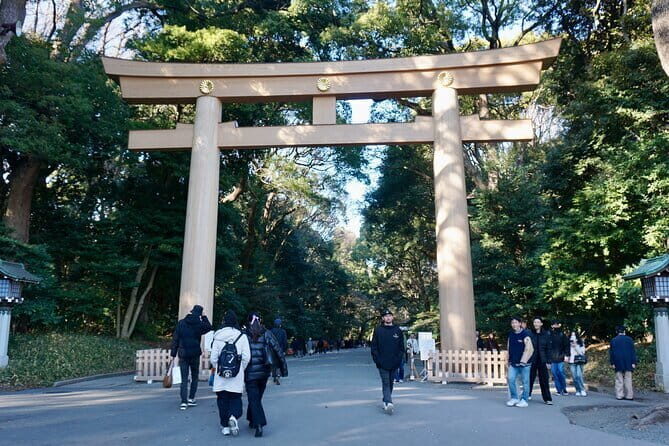
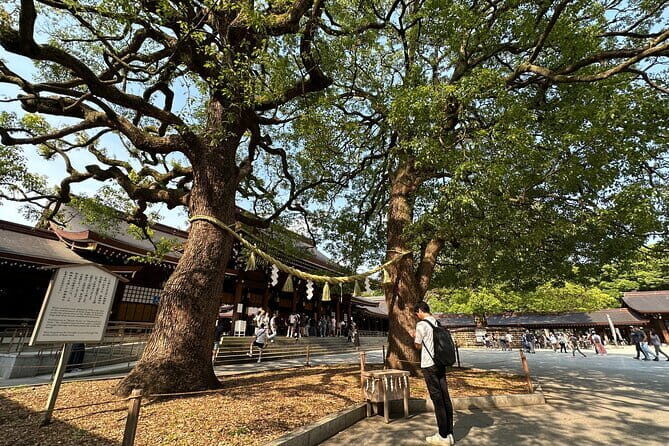
Meiji Jingu is one of those Tokyo places that changes your mood the moment you enter. The forested approach feels like a break from city noise, and the torii gates set the tone right away. Starting here makes sense because the early hours tend to feel more serene and less rushed.
During this stop, your guide takes the time to help you understand what you’re seeing, not just point at it. You’ll get the shrine’s background (it’s dedicated to Emperor Meiji and Empress Shoken), and you’ll walk under the major torii gates and along the quieter pathways.
Why this stop works on a tour like this: Meiji Jingu is visually impressive, but it can also be easy to over-skim if you don’t know what to look for. A good guide helps you notice the details that turn a walk into an experience—how the space is laid out, what the area represents, and how people behave there.
Possible drawback: if you prefer long, slow time inside a site with zero structure, this is only about 1 hour here. It’s a focused introduction rather than an all-day shrine deep stay.
Tsukiji outer market morning: street foods plus the why behind them
Tsukiji is famous, but there’s a useful reality check. The inner auction action you might see referenced in stories has moved to Toyosu, but the outer market still has plenty of early-day energy and a strong food scene.
This tour’s Tsukiji stop is built around that street-level experience. You’ll wander the market area for about 1 hour, and you’ll try street foods including sweet mochi (sweet rice cake), sweet potato, and a savory cutlet. For most people, that’s the ideal way to do Tsukiji without getting stuck deciding what to buy or where to stand.
Here’s what makes this valuable beyond the food. Tsukiji can feel like sensory overload if you’re wandering alone—smells, crowds, cooking sounds, and menus you can’t quickly decode. With a guide, you can follow a simple path and learn what you’re eating and why it’s part of the market culture.
You should also know what you’re signing up for: this isn’t a sit-down food tour with multiple plated courses. It’s a sampling morning, designed to keep you moving and ready for the next temple stop in Asakusa.
Quick consideration: the tour includes entry for the fish market area, but you’re still walking in a market environment. Wear shoes you trust, and expect some stop-and-go.
Senso-ji temple and Nakamise-dori: finishing with iconic Tokyo energy
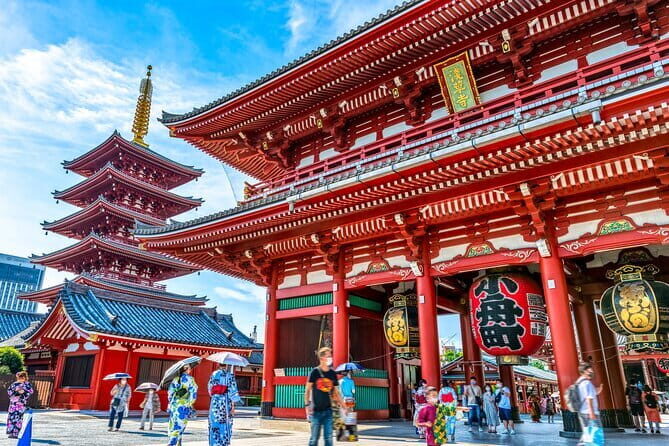
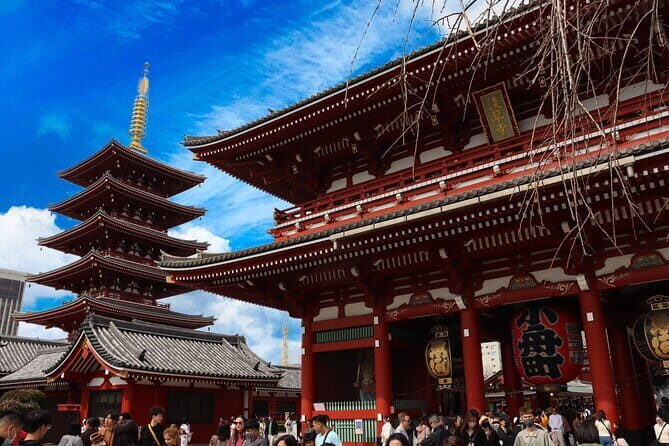
You end where many first-time Tokyo trips aim for: Senso-ji, Tokyo’s oldest Buddhist temple. You’ll approach through the famous Kaminarimon (Thunder Gate), then spend about 1 hour exploring the area.
This is where the tour becomes more street-friendly and less quiet. Senso-ji’s district draws plenty of energy, and Nakamise-dori is the key shopping approach street lined with lots of treats and souvenirs. Even if you don’t plan to buy much, walking through here gives you that classic Asakusa feel fast.
The guide component matters again. Senso-ji is iconic, but there’s a difference between seeing a famous gate and understanding how the neighborhood forms around the temple approach. You’ll get explanations that help you connect the temple space with the surrounding shopping street.
Potential drawback: because Senso-ji and Nakamise-dori are known worldwide, this part of the morning can still feel crowded. The upside is that ending the tour here works well—once you’re in the area, you can decide how long to stay after the tour ends.
More forest calm at Meiji Shrine
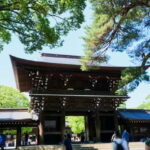
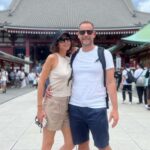
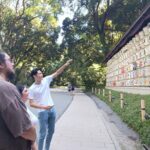
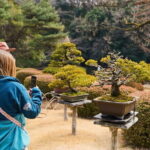
The guide makes it: small-group pacing and real explanations
The best part of this tour isn’t the landmark list. It’s how the experience is delivered. With a maximum of 8 travelers, you’re not just part of a crowd—you can actually hear your guide, ask questions, and keep a natural pace.
The reviews make it clear that the guide style is a core strength. Names like Shoma Sato and Yosuke come up with consistent praise. Both are described as patient and tuned in to the group, with explanations that help you understand customs and history rather than simply reciting facts.
You also get photos taken during the tour. That’s a small thing that saves hassle. In Japan, it’s common to struggle with finding someone who can take a clean group shot without awkward angles. Having that covered means you can spend more time looking around and less time chasing the right photo.
Another practical bonus: people mention the pacing being flexible and that breaks are scheduled with care. That matters when you’re moving across multiple neighborhoods in one morning. It keeps the tour from turning into a constant march.
Price and value: what you pay for, what you still cover
At $72.67 per person, this tour sits in the mid-range for a morning guided experience in Tokyo. What helps justify it is that you’re getting a full, guided loop through three major sights plus included cultural context.
Included in the price:
- English-speaking guide
- Historical insights into the districts
- Photos taken during the tour
- Entry/admission for Meiji Jingu Shrine, the fish market area, and Senso-ji
- Sampling of street foods like sweet mochi, sweet potato, and a savory cutlet
Not included:
- Public transportation fare (around 550 yen)
So the value question becomes simple: you’re paying for someone to handle the sequence, guide you through the sites, and make the food stop easy. If you’re visiting Tokyo for a short window, that’s money well spent because it saves time and reduces decision fatigue.
If you’re traveling solo and comfortable navigating on your own, you could build a similar day independently. But you’d lose the guided context and the smooth food sampling plan, which is where this tour scores points.
Practical tips to make your morning smoother
A few small choices can make a big difference with a 4-hour morning route.
First: start with shoes. You’ll walk in shrine grounds, along market streets, and in the Asakusa temple approach area. Market streets in particular can be uneven and crowded at times.
Second: treat the tour as an order-of-operations plan. The order matters here: Meiji Jingu early for calm, Tsukiji for food sampling, then Senso-ji to end in the most famous temple area. If you try to reorder it yourself, you may end up fighting the crowd shift.
Third: plan for the public transit gap. The tour doesn’t include the fare (around 550 yen is the estimate given). Add that to your morning budget so you’re not scrambling when you’re on your way back to the rest of your day.
Fourth: meet on time. Your starting point is IKEA Swedish Café in Harajuku (near Jingūmae, Shibuya), and the tour ends in Asakusa near Asakusa Station. If you’re late, the route flow can get stressed for both you and the guide.
Fifth: expect a guided photo moment. If you’re hoping for clear shots, be ready when your guide suggests timing. It’s a small thing that pays off later.
Who this tour is best for (and who might want a different style)
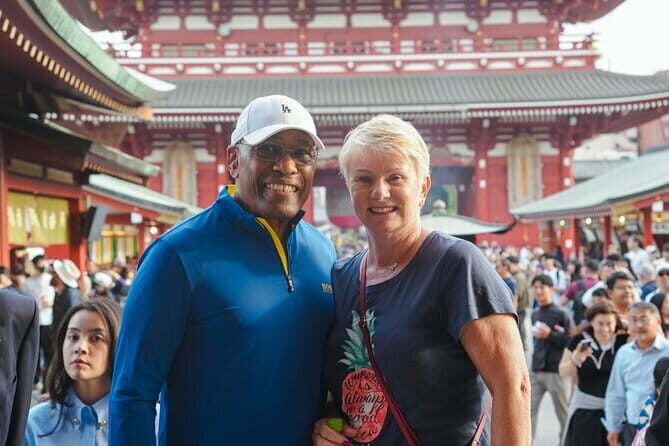
This one is built for people who want a high-impact Tokyo morning without turning it into a full-day project.
It’s especially suited for:
- First-time visitors who want three landmark areas handled in one go
- Short-trip schedules, like people who only have a couple of days and want an efficient morning reset
- Anyone who likes food but doesn’t want to guess what to order at a busy market
- Travelers who value guide explanations, like customs and history, not just photos
You might want something else if:
- You want long time in one place rather than quick stops (Meiji Jingu and Senso-ji are each about 1 hour)
- You dislike group pacing or prefer to set your own wandering rhythm
- You’re trying to avoid any market environment at all
Should you book the Tokyo Morning Tour (Meiji Shrine, Asakusa, Fish Market)?
I think this is a strong booking if your goal is a smooth Tokyo morning with meaningful variety. You get Meiji Jingu calm, a practical Tsukiji street-food sampling moment, and a classic end at Senso-ji and Nakamise-dori—all with an English-speaking guide and photos handled for you.
If you care most about the guide experience, this tour has the right reputation. The praise for guides like Shoma Sato and Yosuke isn’t random; it’s about clear explanations, patience, and pacing that works for the whole group. And with a max of 8 travelers, you’re more likely to feel guided than shepherded.
My only caution is the usual one for Japan tours: budget for transit and wear good walking shoes. Beyond that, the value feels solid for the time you get and the simplicity of having a plan laid out for you.
FAQ
How long is the tour?
The Tokyo Morning Tour runs for about 4 hours.
How much does it cost?
The price is $72.67 per person.
What’s included in the tour price?
You get an English-speaking guide, photos taken during the tour, historical insights, entry/admission for Meiji Jingu Shrine, the fish market area, and Senso-ji.
What street foods are you able to try?
The tour includes street foods such as sweet mochi, sweet potato, and savory cutlet.
Is transportation included?
No. Public transportation fare is not included, and it’s listed as around 550 yen.
Where do you meet, and where do you finish?
You meet at IKEA Swedish Café 原宿Japan (Harajuku area) and the tour finishes at Asakusa Station.
Is this a small group tour?
Yes. The tour has a maximum group size of 8 travelers.
Do I get a ticket on my phone?
Yes. The tour uses a mobile ticket.
What is the cancellation policy?
You can cancel for a full refund up to 24 hours before the experience’s start time.
More Tour Reviews in Tokyo






More Time at Meiji Shrine
Around Senso-ji: More Asakusa Picks
Fresh reviews from around Tokyo






Asakusa Tours, compared.
 ★ 4.8Japanese Dance Cabaret Theater Asakusa-Kaguwa TicketFrom $492,270 reviews
 ★ 4.7Meiji Shrine, Asakusa, Skytree Bus Tour and CruiseFrom $1221,986 reviews
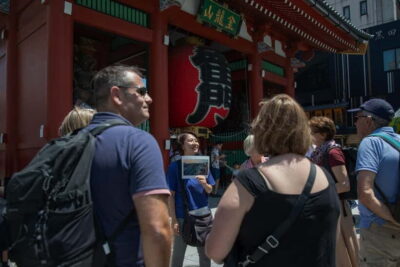 ★ 4.8Asakusa Walking Tour with Sensoji Temple VisitFrom $221,583 reviews
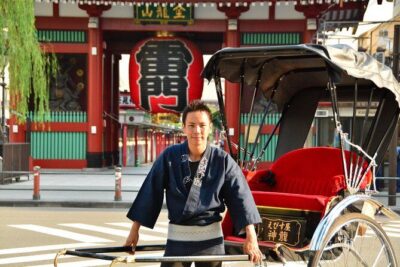 ★ 5.0Tokyo Asakusa Rickshaw TourFrom $421,375 reviews
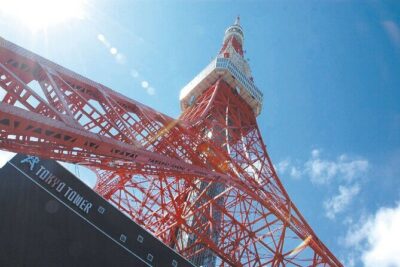 ★ 4.5Tokyo Panoramic 1 Day: Meiji Shrine, Asakusa, Odaiba and SKYTREE®From $851,222 reviews
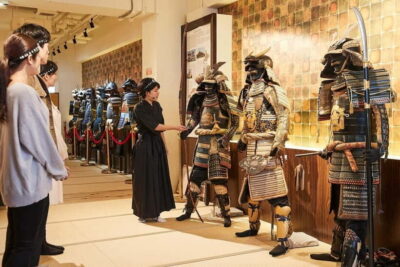 ★ 4.8Samurai Ninja Museum Asakusa: Samurai Sword Lesson & TourFrom $63306 reviews
Asakusa Sightseeing Tour by RickshawFrom $35195 reviews
Asakusa Kimono Dressing and Matcha ExperienceFrom $56173 reviews
★ 4.8Samurai Ninja Museum Asakusa: Samurai Sword Lesson & TourFrom $63306 reviews
Asakusa Sightseeing Tour by RickshawFrom $35195 reviews
Asakusa Kimono Dressing and Matcha ExperienceFrom $56173 reviews
Browse the lists this tour appears in