
Reviewed · MEIJI SHRINE TOURS
Tokyo: Meiji Shrine Walking Tour — Shintoism & Imperial System
Silence in the middle of Tokyo. This Meiji Jingu walking tour trades city noise for a forest approach, big torii gates, and shrine rituals, all while a local guide puts Shintoism and the Japanese Imperial system into plain context.
What I like most is the combo of easy sightseeing and hands-on shrine customs you can participate in, like drawing an omikuji and writing an ema. I also love the size: max 15 people, so guides such as Yuuki and Nana can actually answer questions without rushing.
One thing to consider: at about 1 hour 30 minutes, it’s not a slow, do-everything-at-your-own-pace visit. You’ll move through the main highlights and then head back to where you started.
In This Review
- Key points I’d pin to your map
- Why Meiji Jingu Works So Well as a Guided Walk
- The Harajuku Gate Forest Path: Your First Clue This Isn’t Just Sightseeing
- One of Japan’s Biggest Wooden Torii Gates (And the Detail That Makes It Memorable)
- Main Shrine Time: How People Actually Participate
- Shintoism and the Imperial System, Explained Without the Spreadsheet Vibe
- Café Mori no Terrace: A Quiet Finish (Not an Afterthought)
- Price and Timing: Is $21.22 Good Value?
- Who This Tour Suits Best
- Should You Book This Meiji Shrine Walking Tour?
- FAQ
- How long is the Tokyo Meiji Shrine walking tour?
- Where does the tour meet?
- Is this a small group tour?
- What is the price per person?
- Does the tour include tickets?
- What can I do at the main shrine during the tour?
- How does the tour start at Meiji Jingu?
- Is there time for food or shopping?
- Are there different tour times?
- What is the cancellation policy?
Key points I’d pin to your map
- Start at Harajuku Station and walk into the shrine grounds through the Harajuku gate
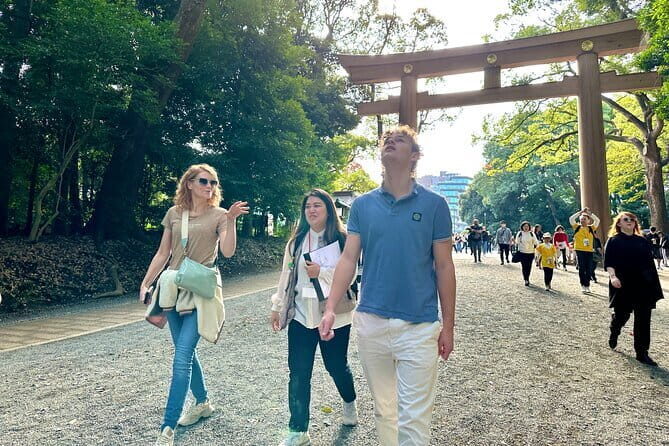
- Giant torii gates including one of Japan’s largest wooden torii, made with ancient cypress from Taiwan
- Ritual moments you can try: prayer, omikuji fortunes, ema wishes, and omamori charms
- Garden time is covered, including admission fees for the Meiji Shrine Garden
- Small group of up to 15 keeps the guide conversation useful, not generic
- Finish with a real break at Café Mori no Terrace for light food in a calm forest setting
More forest calm at Meiji Shrine
- Tokyo: Meiji Shrine Walking Tour — Shinto & Imperial System★ 4.9 · 266 reviews
- Tokyo: Meiji Jingu Shrine and Shinto Culture Walking Tour★ 5.0 · 245 reviews
- Tokyo: Meiji Shrine and Shinto Culture Walking Tour★ 5.0 · 225 reviews
Why Meiji Jingu Works So Well as a Guided Walk
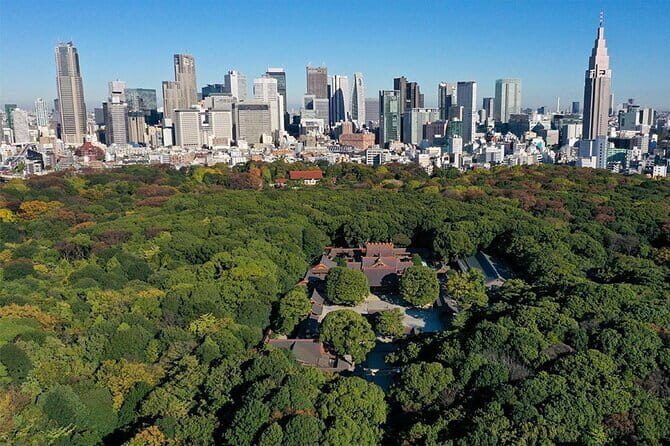
Meiji Shrine is one of those Tokyo places where you can feel the change in atmosphere the moment you step off the street. The whole point of this tour is that you don’t just arrive at a landmark and take photos. You walk in order, with a guide who helps you understand what you’re seeing and why people treat this place with real attention.
The route is built around “sense and context.” You move along a wide path through a peaceful forest, pass imposing wooden gates, and stop at the main shrine area where rituals are part of the experience. And because it’s a small group, the guide can slow down for questions—something you’ll appreciate if you’re curious but don’t want to hunt for answers on your own.
Price-wise, $21.22 isn’t trying to be a bargain-basement add-on. It includes guide time, and it also covers admission fees for the Meiji Shrine Garden, which is the sort of detail that makes a guided option feel smarter than piecing together tickets and timing yourself.
The Harajuku Gate Forest Path: Your First Clue This Isn’t Just Sightseeing
The tour begins near Harajuku Station (meeting point at 1 Chome-18 Jingumae, Shibuya). From there, you enter through the Harajuku gate and head toward the main shrine along a broad, shaded path.
This is where the tour earns its keep. Walking the grounds with someone who explains what you’re passing makes the whole experience feel more intentional. Instead of seeing torii and trees as background, you start noticing the design and ritual cues along the way.
Along the route, you’ll pass:
- Giant torii gates, including one of the first big visual wow moments
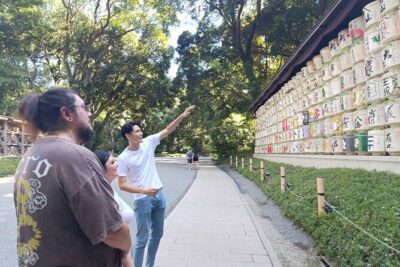
- Sake barrel displays
- A purification fountain area (a key shrine-related stop that sets the tone)
One practical bonus: Meiji Jingu’s forest feel can make a hot day more tolerable. Even if you’re not sweating now, you’ll probably appreciate the shade and the calmer pace once you’re walking under all that foliage.
Potential drawback here: because the walk is organized, you may not have the flexibility to linger at every small detail without checking back with your guide’s timing. If you’re the type who likes to drift, bring patience—or plan a separate solo hour after the tour.
One of Japan’s Biggest Wooden Torii Gates (And the Detail That Makes It Memorable)
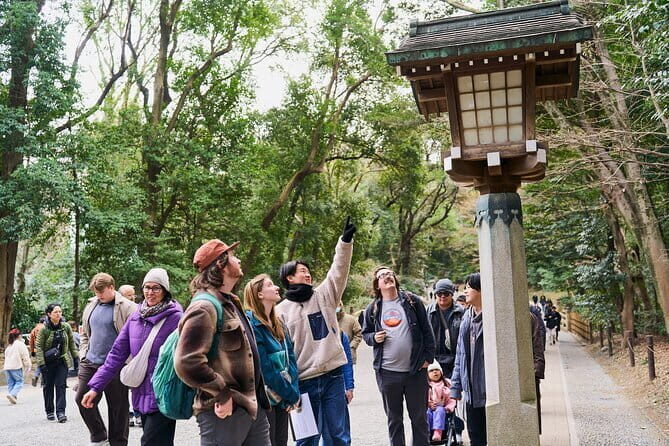
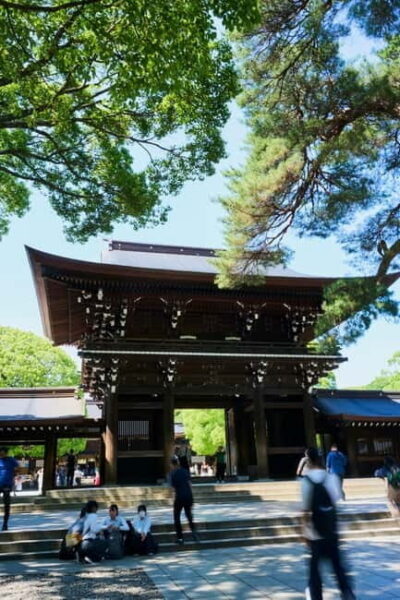
Not far into the walk, you hit a short but powerful stop: the Big Torii. This is one of Japan’s largest wooden torii gates, made from ancient cypress brought from Taiwan.
Why that matters for your trip: it’s not just a big gate for a photo. That specific material detail gives you something concrete to hang your curiosity on while you’re standing there. You get to notice scale, craftsmanship, and the quiet gravity of the structure without needing to guess.
Also, this stop is brief by design (about 5 minutes). It’s a “pause, look, register” moment. If you want long architectural study, you’ll likely come back later on your own—but as a guided introduction, it’s a good use of time.
Main Shrine Time: How People Actually Participate
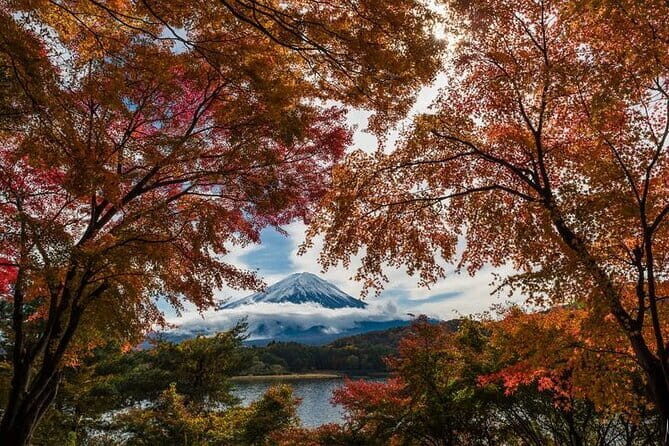
The heart of the tour is time at the main shrine area: Meiji Jingu Shrine. Here’s where you’ll do more than watch.
You can (with guidance) take part in key shrine experiences such as:
- Offering a prayer
- Drawing an omikuji (a fortune)
- Writing your wish on an ema (a wooden plaque)
- Exploring omamori (charms)
This is one of the most praised parts of the experience because it turns a cultural site visit into something active. If you’re nervous about what to do, you’re in good shape: multiple guides featured in the experience feedback are described as patient and very willing to explain things clearly. For example, Yuuki was noted for being patient and explaining a lot, and guides like Nanami and Nonoka were praised for friendly, enthusiastic guidance.
If you’d rather keep it simple, you can still participate lightly—prayer and looking at how the area works. If you want full engagement, you can do the omikuji + ema + omamori browsing combo and come away feeling like you actually took part.
One consideration: omikuji and ema are meaningful activities. They can be emotional in a small way, because you’ll be making a wish and reading a fortune. Plan for that and don’t treat it like a quick gimmick.
Tokyo at walking pace, a few more ways

Shintoism and the Imperial System, Explained Without the Spreadsheet Vibe
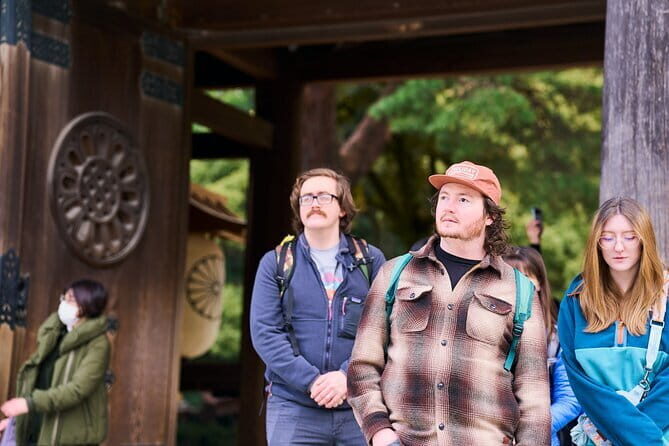
This tour isn’t only about the shrine buildings. It also focuses on Shintoism and the Japanese Imperial system, which is a big reason Meiji Shrine matters beyond being pretty.
The value here is the “translation layer.” Without a guide, you can absolutely enjoy Meiji Shrine visually. But you might miss how people understand the place—why certain rituals happen, and how the shrine ties into Japan’s historical story.
A good guide makes this feel natural. The experience feedback repeatedly points to guides who speak English well and answer questions carefully, not just give a script. That’s the difference between memorizing trivia and actually getting your bearings.
If you’re curious but you don’t want a formal lecture, this structure works. You get short walks, clear stops, and explanations that match what you’re seeing right then.
Café Mori no Terrace: A Quiet Finish (Not an Afterthought)
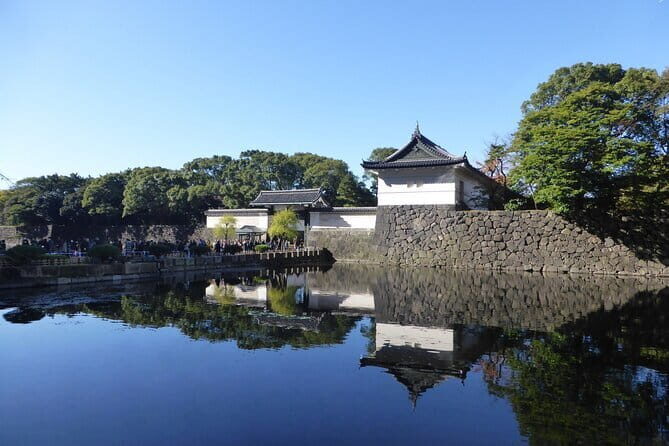
The tour ends at Café Mori no Terrace, near the shrine grounds. This is more than a random “meet back here” spot.
You’ll also get access to a gift shop area with charms, traditional goods, and Meiji Jingu–exclusive items. After shrine time, a calm place to sit makes a difference, especially if you drew an omikuji or wrote an ema and need a minute to process what you did.
The café offers light meals and drinks in a quiet forest setting. Even if you don’t buy anything, the atmosphere helps you transition out of shrine mode. You’re not getting yanked back onto a loud street immediately.
Timing note: plan for the visit to be around 15 minutes here, so you can grab a drink or quick snack, not turn it into a full meal.
Price and Timing: Is $21.22 Good Value?

At $21.22 per person for about 1 hour 30 minutes with a local guide, the value depends on your travel style.
You’ll likely feel it’s a fair deal if:
- You want someone to explain what you’re looking at during the walk
- You plan to participate in shrine activities like omikuji and ema
- You appreciate that garden admission fees are included
- You prefer a group capped at 15 people
You might think twice if:
- You’re comfortable guiding yourself through Meiji Shrine without explanation
- You want a longer, unstructured visit with time to wander beyond the main stops
- You’re mainly chasing a photo checklist and not much else
One more plus: this is offered with a mobile ticket, so you’re not dealing with paper. Also, it runs with two tour times, which helps if your day is already packed.
Who This Tour Suits Best
This tour is a smart match for:
- First-timers to Tokyo who want one “culture stop” that feels calm and meaningful
- People who want to understand Shinto rituals without feeling awkward
- Anyone traveling solo or in a small group who likes having a guide, but also wants room to ask questions
- Visitors who want history and ritual context, but still prefer practical, walk-around sightseeing
If your group includes someone who just wants scenic photos, you can still make it work—Meiji Shrine delivers visually. But the tour will be at its best when you’re willing to slow down for explanation and participate at the shrine.
Should You Book This Meiji Shrine Walking Tour?
Yes—if you want Meiji Jingu to feel more than just another landmark.
Book it if you like the idea of a small-group walk that handles the flow for you, includes Meiji Shrine Garden admission, and adds real context around Shintoism and the Imperial system. And if you’re hoping to do shrine activities like omikuji and ema without guessing, the guide-led format is exactly what makes this tour worthwhile.
Skip it only if you already know the basics, hate structured timing, or want to spend a long, unhurried afternoon wandering completely on your own.
FAQ
How long is the Tokyo Meiji Shrine walking tour?
It’s approximately 1 hour 30 minutes.
Where does the tour meet?
The tour starts at Harajuku Station, near 1 Chome-18 Jingumae, Shibuya, Tokyo 150-0001.
Is this a small group tour?
Yes. The maximum group size is 15 travelers.
What is the price per person?
The price is $21.22 per person.
Does the tour include tickets?
You’ll use a mobile ticket. It also includes admission fees for the Meiji Shrine Garden.
What can I do at the main shrine during the tour?
You can offer a prayer, draw an omikuji, write a wish on an ema, and explore omamori.
How does the tour start at Meiji Jingu?
You enter through the Harajuku gate and walk along a wide path through a peaceful forest.
Is there time for food or shopping?
Yes. The tour includes a stop at Café Mori no Terrace, with a gift shop nearby selling charms and Meiji Jingu–exclusive items, plus light meals and drinks.
Are there different tour times?
Yes. You can choose from two tour times to suit your travel schedule.
What is the cancellation policy?
Cancellation is free up to 24 hours in advance for a full refund.
More Tours in Tokyo





More Tour Reviews in Tokyo




More Time at Meiji Shrine


Fresh reviews from around Tokyo






Meiji Shrine Tours, compared.
 ★ 4.7Meiji Shrine, Asakusa, Skytree Bus Tour and CruiseFrom $1221,986 reviews
 ★ 4.5Tokyo Panoramic 1 Day: Meiji Shrine, Asakusa, Odaiba and SKYTREE®From $851,222 reviews
 ★ 4.9Meiji Shrine Walking Tour — Shinto & Imperial SystemFrom $23266 reviews
 ★ 5.0Meiji Jingu Shrine and Shinto Culture Walking TourFrom $19245 reviews
 ★ 5.0Meiji Shrine and Shinto Culture Walking TourFrom $18225 reviews
 ★ 4.61 Day Bus Tour with Meiji-Jingu,Odaiba,lunch&SkytreeFrom $83156 reviews
 ★ 5.0Tokyo Morning Tour : Meiji Shrine, Asakusa and Fish MarketFrom $72102 reviews
 ★ 5.0Tokyo Early Morning Tour Asakusa Meiji Shrine (Private Opt)From $5969 reviews
Browse the lists this tour appears in