
Reviewed · COOKING CLASSES
Tokyo: Kawaii Bento Cooking Class – Cute Character Lunchbox
Your lunch turns into edible art.
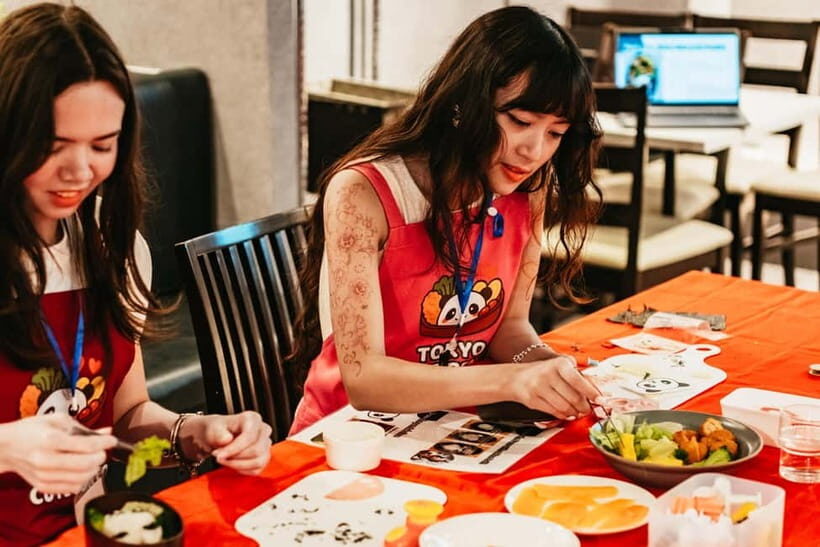
This Tokyo Cute Bento class is a fun way to understand Japan’s kawaii lunch culture while you actually make the thing, not just look at it. You pick a character theme like a panda or brown beer, then build a tidy little bento with decorated faces and side dishes, followed by a photo moment before you eat.
Two things I really like about it: the step-by-step English instruction (no cooking background needed), and the way the format teaches both the craft and the why behind bento—so you leave with skills, not just a cute box.
One thing to think about first: it’s hands-on, with knives and common allergens in the food you may handle, so families with picky eaters or anyone with severe allergies should plan carefully.
In This Review
- Key things you’ll notice fast
- Why character bento is such a Japan thing
- Finding the workshop near Tokyo Station and beyond
- The 2-hour rhythm: intro, hands-on making, photos, then lunch
- Choosing your character: panda, beer, and seasonal surprises
- The craft part: decorated faces, tools, and packing that actually works
- Sitting down with your own lunch (and getting it to taste right)
- Diets and allergies: what you can request, and what to double-check
- Price and value: how $64 makes sense for what you get
- Who should book this kawaii bento class
- Optional extras: side prep and an Akasaka add-on
- Should you book Tokyo Cute Bento?
- FAQ
- Where is the meeting point?
- How long is the experience?
- Is the class taught in English?
- Can children join?
- Are vegetarian, vegan, or allergy requests possible?
- What character bento options can I choose?
- Is the workshop wheelchair accessible?
Key things you’ll notice fast
- Character theme choices like panda, brown beer, and a seasonal limited-edition bento (your exact pick gets confirmed by email after booking)
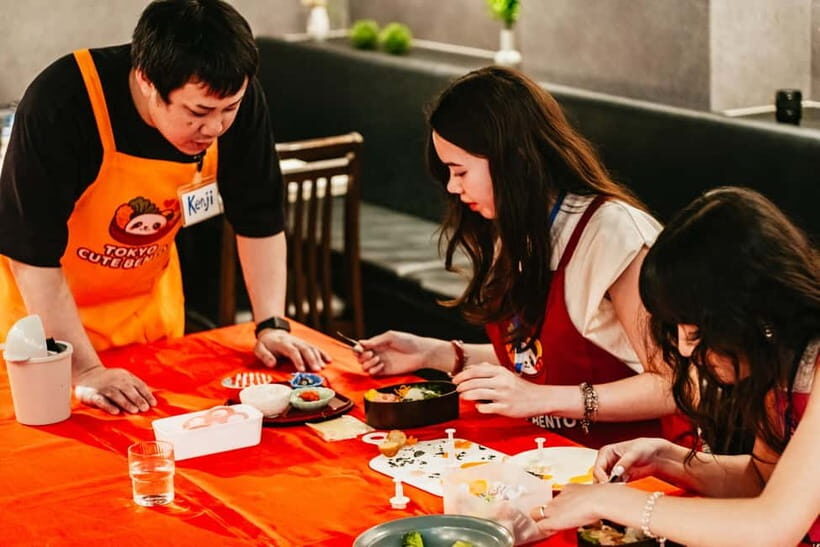
- English recipes and clear guidance with all ingredients and tools provided
- A photo session built in so you can document your bento before enjoying it
- Dietary adjustments possible including vegetarian and vegan options, plus allergy handling with advance notice
- A practical location in central Tokyo near major stations, with the workshop in a basement (B1) under a ramen shop
More aprons-on time in Tokyo kitchens
- Ramen & Gyoza Cooking Class in Tokyo with Local Supermarket Visit★ 5.0 · 823 reviews
- Tokyo: Easy Ramen Cooking Experience in Kabukicho, Shinjuku★ 4.6 · 321 reviews
- Ramen and Sushi Cooking Class with Sake Pairing Set in Tokyo★ 5.0 · 291 reviews
Why character bento is such a Japan thing
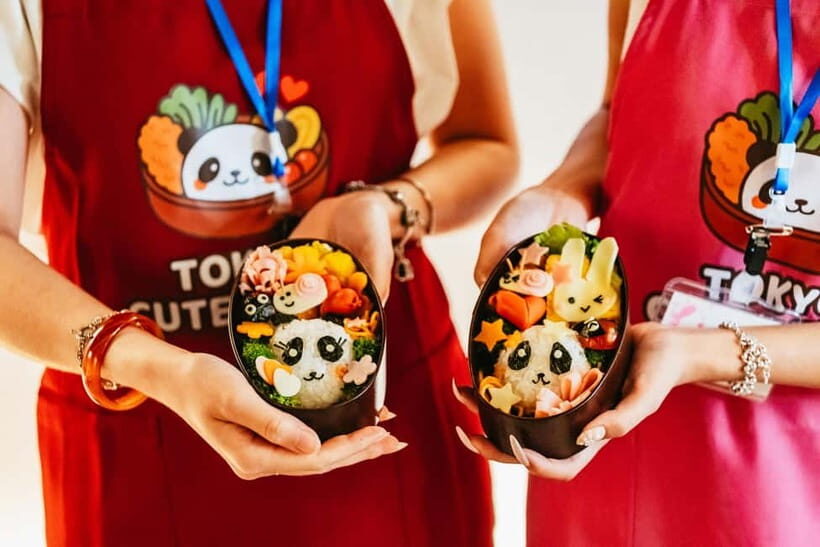
Character bento is kawaii culture translated into food. In Japan, lunch isn’t just fuel. Bento is also a tiny daily project: portion control, neat presentation, and a bit of personality, all in one box. That’s why this class feels more meaningful than a typical cooking demo. You’re learning a style that shows how Japanese people think about everyday life—order, care, and convenience.
What makes the character angle work is that it’s creative, but not random. Your workshop focuses on making faces and arranging side dishes so everything looks intentional. Even if you’re not an artist, the tools and the step-by-step pace help you build a result that’s cute and believable. And when you sit down to eat it, you get that rare combo: something pretty that’s also practical.
I also like how the class explains bento importance early on. You start with a short intro to what makes bento work in daily Japanese routines, then you get right into building yours. That sequence helps you connect the craft to real food culture, not just decoration.
Finding the workshop near Tokyo Station and beyond
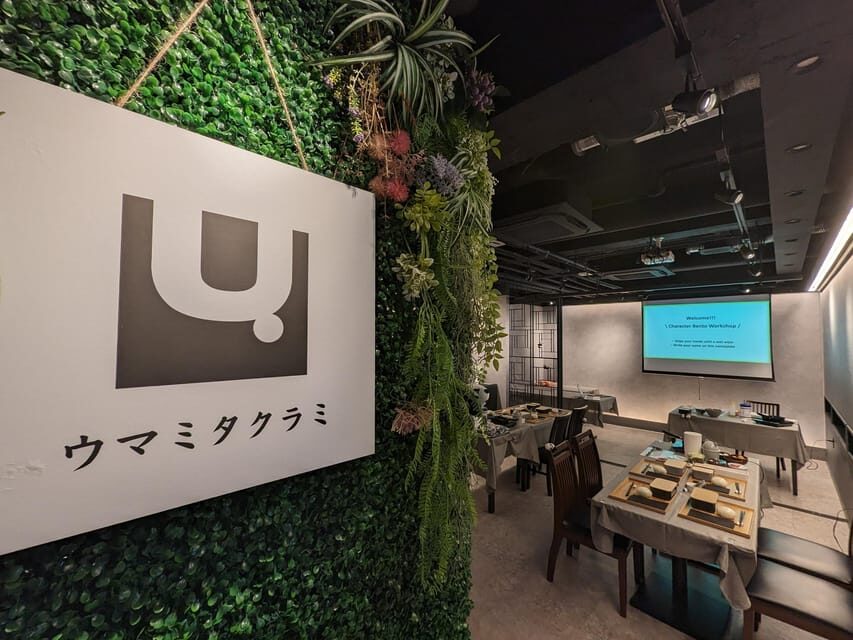
You meet at Tameike-Sanno Station, Exit 7. From there, walk straight ahead, cross the intersection, and the workshop is in the building directly in front of you. Look for the sign with the panda bento. The class happens in the basement (B1), under a ramen shop, and ticket redemption is at the same location.
This setup is convenient because it puts you in a pocket of central Tokyo where you can often reach it without complicated transfers. The activity description also notes it’s easy to connect from areas like Tokyo Station, Shibuya, and Asakusa, so it can fit into a day that already includes those neighborhoods.
A small practical note: since the workshop is in a basement, it’s worth wearing shoes that work well on stairs and smooth flooring. It’s not a big deal, but you’ll appreciate it when you’re arriving with time to spare and ready to cook.
The 2-hour rhythm: intro, hands-on making, photos, then lunch
The class runs about 2 hours, and the timing is built to keep you moving without feeling rushed.
- Introduction to Japan’s bento culture (about 15 minutes): This is where you learn why bento matters, and it sets expectations for the style you’ll make. It also helps you understand what you’re doing when you place items in specific spots.
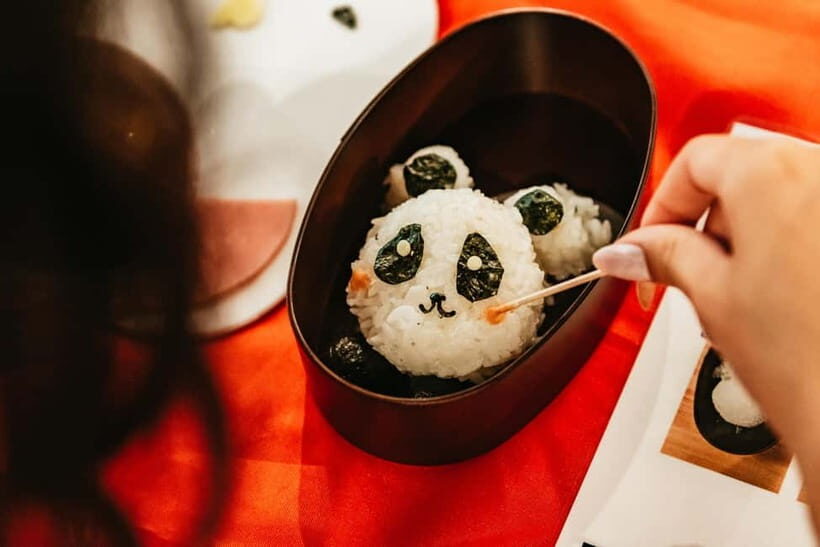
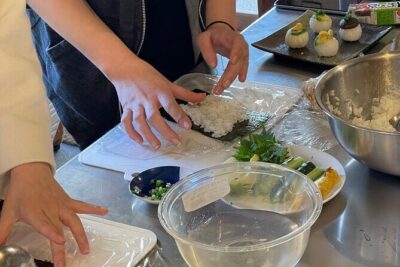
- Hands-on bento making (about 60 minutes): This is the main event. You’ll design a character bento with decorated faces and side dishes, and you’ll get guidance along the way.
- Photography session (about 15 minutes): You get time to take photos before eating, which is a clever touch. Your bento is at its best right after assembly.
- Enjoy your meal (about 30 minutes): Then you sit down and eat what you made.
Why this flow is valuable: it balances creativity with technique. If you only cooked without context, you’d get a pretty box with no deeper understanding. If you only learned culture without hands-on time, you’d feel like you missed the point. This gives you both.
Also, because it’s indoor, it stays comfortable in rain or heat. Tokyo weather can be unpredictable, and having a fixed indoor block is a relief.
Choosing your character: panda, beer, and seasonal surprises
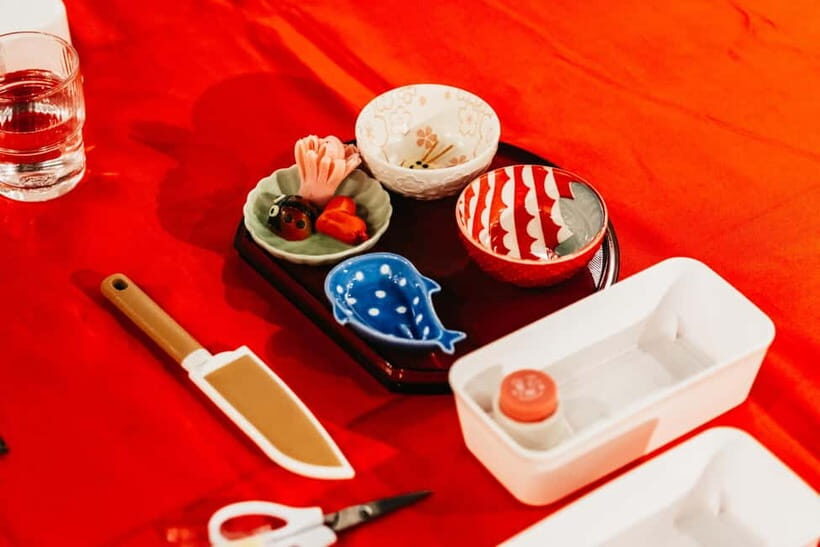
Your character bento theme is selected when you book, then confirmed by email afterward. Options you can choose from include:
- a panda bento
- a brown beer bento
- a seasonal limited-edition bento
The panda option is classic kawaii—simple to recognize and very friendly for first-timers. The beer theme is more unusual, which can be a fun way to show that Japanese character food isn’t only about cute animals. And seasonal bento designs are a nice reminder that this isn’t frozen in time; it changes with what’s around and what people want to celebrate.
If you’re traveling with kids, panda is usually the easiest sell because it’s instantly understandable. If you’re making it for adults or a group night, the novelty of the brown beer or seasonal theme can feel more playful than a generic lunchbox.
One more practical detail: the class provides all ingredients and tools, so you don’t need to hunt down anything special before you arrive. The theme choice mostly affects what you create, not what you bring.
More things to make with your own hands


The craft part: decorated faces, tools, and packing that actually works
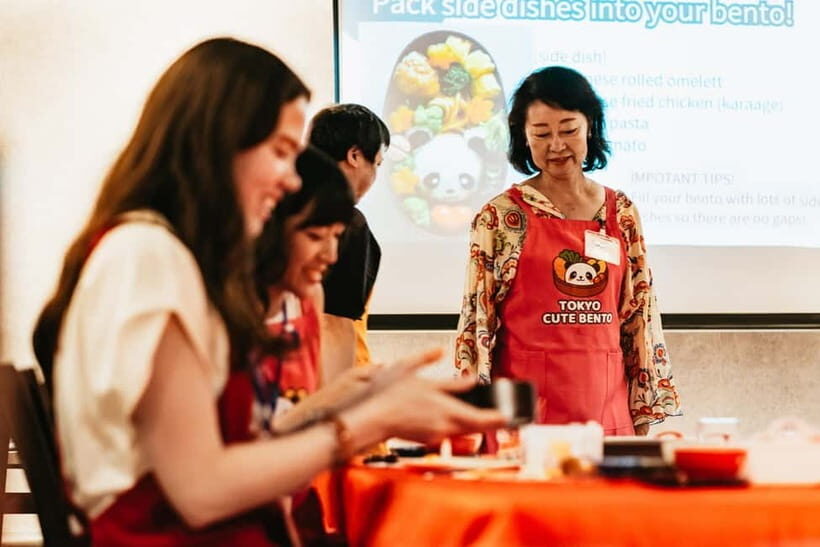
This is the part that makes the workshop feel like a real skill-building class. You’re not just assembling components; you’re learning how to build a character look from edible parts. The class supports that with lots of tools and a guided approach that’s meant to be doable even if you’ve never cooked before.
In the hands-on session, you’ll focus on:
- creating the decorated face elements
- arranging side dishes so the box looks balanced
- learning how to place items in a way that makes sense once you’re eating
A theme that comes up again and again in how the class is taught: patience. The instructors explain each step clearly, and the tool setup helps reduce mistakes. If you’re nervous about knives or chopping, remember that you’ll have support and guidance. Just be aware that the workshop does involve knives and cooking tools, so the safest approach for younger kids is close supervision.
I also like that you take the bento to a photo moment before eating. That means you learn to finish your box with care, not just speed-run it. The photos aren’t just for fun; they’re proof you can reproduce the style later.
Sitting down with your own lunch (and getting it to taste right)
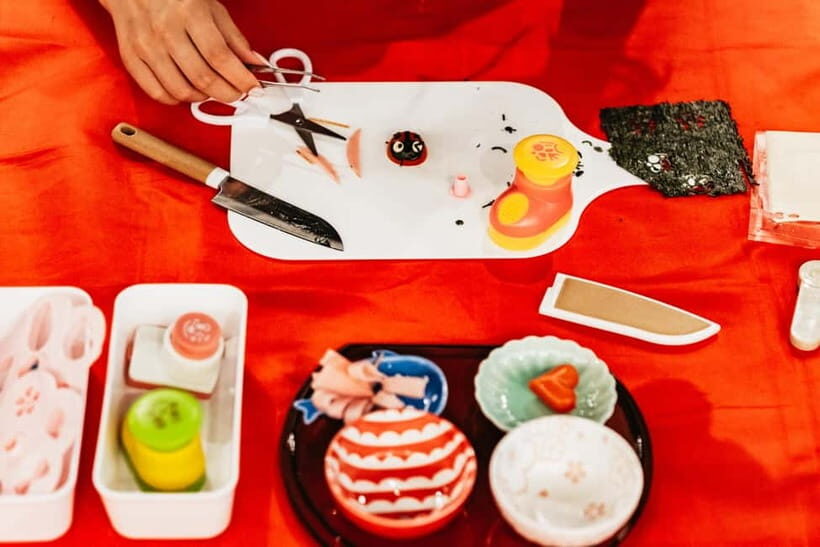
After the photo session, you eat your character bento. That’s important. A lot of food experiences stop at “look how pretty,” but here the point includes flavor and balance.
The meal is part of the learning arc: you can see how portion sizes work inside bento compartments. You can also judge textures and flavors the way you would in everyday Japanese lunches. It’s a small, practical education in how Japanese food culture thinks about lunch as a complete experience.
The workshop also includes English recipes and a souvenir after the class. The recipes matter because they’re your bridge from Tokyo to your own kitchen later on. If you want to recreate the bento layout at home, having a recipe helps a lot more than just relying on memory.
And yes, it’s a good confidence boost. When your bento is both cute and tasty, you’ll want to keep the habit going.
Diets and allergies: what you can request, and what to double-check
This class can accommodate dietary needs with advance notice, which is a big deal because bento styles can be flexible.
From the information provided:
- Vegetarian and vegan options are available
- Allergies can be accommodated (with advance notice), including cases like no nuts and no milk
At the same time, there’s a reality check. The workshop involves common allergens such as seafood, soy, and sesame. For people with severe food allergies, it may not be suitable even with adjustments, but the team may be able to accommodate with advance notice.
My practical advice: when you book, list your restrictions as clearly as possible, and don’t assume the class can handle every scenario unless they confirm it. If you’ve had serious reactions before, treat this as an action item, not a hope.
If pork or other specific ingredients are an issue, the class can sometimes make replacements when informed ahead of time. So the best move is to message early and be specific about what you must avoid.
Price and value: how $64 makes sense for what you get
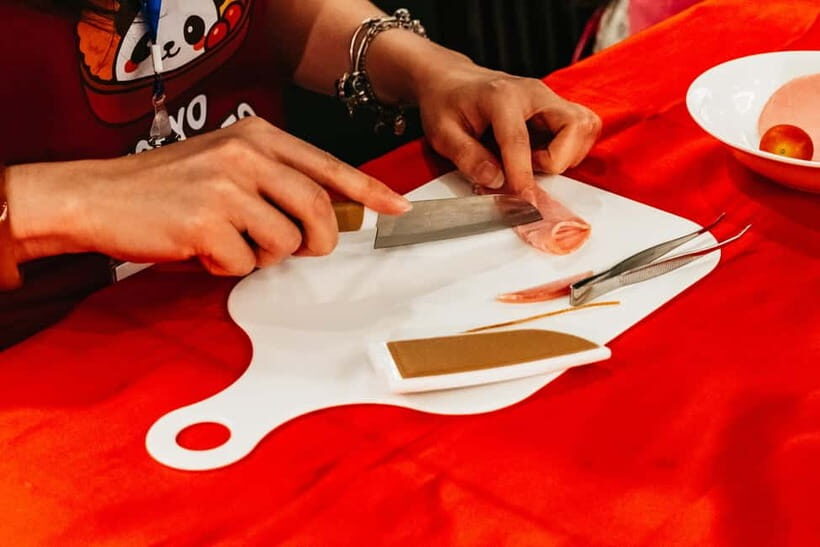
The price is $64 per person for about 2 hours, which sounds simple until you break down what’s included.
You’re paying for:
- a structured cooking class in English
- ingredients and tools (you don’t bring anything)
- instruction that covers both technique and Japanese bento context
- time for a photo session
- English recipes afterward
- a souvenir after the class
- and, importantly, you eat what you make
That’s good value for a short, guided activity because it’s not a “watch and snack” style lesson. You create the lunchbox yourself. Also, the class is small-group friendly by design, and when your group is smaller, the instruction can feel more personal. For families, that’s a win: kids get engaged, adults stay involved, and everyone leaves with a tangible product.
If you compare it to the cost of a full meal plus a guided craft experience, $64 starts to look reasonable. You’re essentially buying a hands-on workshop that includes lunch and take-home materials, not just an experience ticket.
Who should book this kawaii bento class
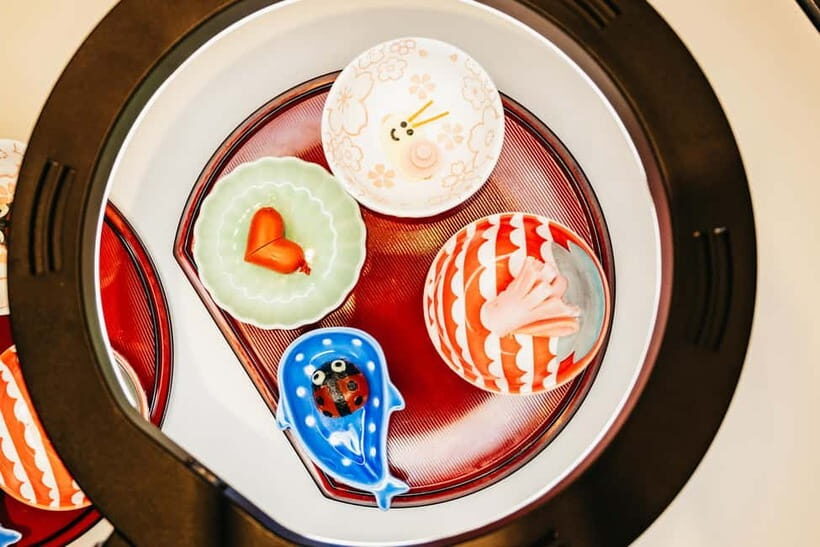
This class works well for:
- Families: it’s creative and structured, and kids often love making faces and arranging food
- Couples and friends: it’s social, but still easy to follow step-by-step
- Solo travelers: you can join without needing a cooking background, and you’ll be working with instructors and tools right from the start
If you’re traveling with a teenager or older child, this can be a rare activity that feels fun without being childish. It’s craft plus food, with a clear set of instructions and a satisfying outcome.
On the flip side, if you hate hands-on cooking, don’t like using tools, or have severe allergy concerns without confirmed accommodations, you might want to think twice. It’s not a passive food tour.
Optional extras: side prep and an Akasaka add-on
There are limited-time free add-ons, but you need to request them in advance:
- a 30-minute advanced side dish preparation before the workshop
- a 30-minute Akasaka tour after the workshop
These are optional, so if you’re short on time, you can skip them. But if you like stretching a workshop into more of a Tokyo day, these extras can add value beyond the bento box itself.
Should you book Tokyo Cute Bento?
If you want a Tokyo activity that’s playful, teachable, and actually leaves you with food you made, this class is an easy yes. The price is fair for a fully guided, indoor 2-hour workshop with tools, lunch, and take-home recipes.
Book it if you:
- like kawaii culture and character design
- want step-by-step instruction in English
- care about learning bento in a practical way, not just watching
Be cautious if:
- you have severe allergies and can’t get a clear accommodation plan in advance
- you or your group are uncomfortable with knives and cooking tools
FAQ
Where is the meeting point?
You meet at Tameike-Sanno Station, Exit 7. Walk straight ahead, cross the intersection, and the building in front of you is the location. Look for the sign with the panda bento. The workshop is in the basement (B1) under a ramen shop.
How long is the experience?
The workshop lasts about 2 hours.
Is the class taught in English?
Yes. The instruction is in English, and you also receive English recipes.
Can children join?
Children are welcome, but the workshop involves knives and other cooking tools. Parents or guardians should supervise younger participants.
Are vegetarian, vegan, or allergy requests possible?
Vegetarian and vegan options are available. Allergy accommodations are possible with advance notice, but severe food allergies may not be suitable because common allergens like seafood, soy, and sesame are involved.
What character bento options can I choose?
Options include a panda bento, a brown beer bento, and a seasonal limited-edition bento. Your choice is confirmed by email after booking.
Is the workshop wheelchair accessible?
Yes, the activity is wheelchair accessible.
Make Something to Take Home
Learn Another Dish: Tokyo Cooking Classes
More Tour Reviews in Tokyo






Fresh reviews from around Tokyo






Cooking Classes, compared.
 ★ 5.0Ramen & Gyoza Cooking Class in Tokyo with Local Supermarket VisitFrom $122823 reviews
 ★ 4.6Easy Ramen Cooking Experience in Kabukicho, ShinjukuFrom $29321 reviews
 ★ 5.0Ramen and Sushi Cooking Class with Sake Pairing Set in TokyoFrom $79291 reviews
 ★ 4.9Wagyu and 7 Japanese Dishes Cooking ClassFrom $67273 reviews
 ★ 5.0Tokyo Washoku 4-hour Cooking Class: From Market to TableFrom $79253 reviews
 ★ 5.0Small-Group Wagyu Beef and 7 Japanese Dishes Tokyo Cooking ClassFrom $72190 reviews
 ★ 5.0Private Home Cooking in Yanaka – Local Flavors in a Warm SettingFrom $122173 reviews
 ★ 5.0Tokyo Sushi Making Experience & Japanese Cooking ClassFrom $59150 reviews
Browse the lists this tour appears in