
Reviewed · COOKING CLASSES
Tokyo: Japanese Knife Skills and Sashimi & Tempura Cooking Class
Knife skills, but make it delicious.
This class focuses on hands-on Japanese knife technique and turns it into a real meal, sashimi plus tempura, in about two hours. You start with knife care and sharpening, then move to slicing sashimi and decorative vegetable cuts with an English-fluent Japanese guide and close, personalized attention.
The first big thing I like: the instruction is practical and specific, from how to care for your blade to how to hold and slice with control. The second big thing: you’re not just watching; you actually practice cutting, then sit down to eat what you made.
One consideration: the decorative vegetable cuts can be tricky at first, so if you want only easy, low-effort cooking, this might feel a bit demanding. Still, that learning curve is also the point.
In This Review
- Key highlights you’ll care about
- Japanese knife skills and why this class is more than cooking
- Getting to the venue: Nishi-Koyama Station is your starting line
- Knife care and sharpening: the part that pays off long after lunch
- Cutting sashimi: learning precision you can actually use
- Decorative vegetable cutting: where pride meets the awkward first attempts
- Cooking session and lunch: sashimi and tempura, finished and eaten
- Who this class is best for (and who might want something else)
- Guide and chef energy: warm, patient, and a little funny helps
- Value for $123.79: what you’re paying for and what it’s worth
- Practical tips for making the most of the class
- Should you book this Japanese knife and sashimi class?
- FAQ
- How long is the class?
- Where do I meet the guide?
- Is lunch included?
- What will I learn to do?
- Is this class private?
- Are knives provided?
- What time does the experience start?
- Is transportation included?
- Is it free cancellation?
- What’s the maximum group size?
Key highlights you’ll care about
- Private instruction for two with personalized pacing
- Knife sharpening and care lecture before you cut anything
- Sashimi slicing practice plus a meal you prepare yourself
- Tempura platter included as part of the lunch you eat
- Meeting near Nishi-Koyama Station with a short walk to the venue
- Bring-your-own knife welcome if you bought one in Japan
More aprons-on time in Tokyo kitchens
- Ramen & Gyoza Cooking Class in Tokyo with Local Supermarket Visit★ 5.0 · 823 reviews
- Tokyo: Easy Ramen Cooking Experience in Kabukicho, Shinjuku★ 4.6 · 321 reviews
- Ramen and Sushi Cooking Class with Sake Pairing Set in Tokyo★ 5.0 · 291 reviews
Japanese knife skills and why this class is more than cooking
Tokyo is full of food classes. This one is different because it treats knives as the main event. You spend real time on how to handle a Japanese knife, then use those skills immediately to make sashimi and support cuts for your lunch.
If you’ve ever bought a Japanese knife and wondered why it feels different from what you’re used to, this is where that mystery gets solved. Japanese knives aren’t just sharper. They’re meant for a particular style of cutting, and the care matters almost as much as the blade itself. That’s why the class begins with knife care and sharpening instead of jumping straight to the food.
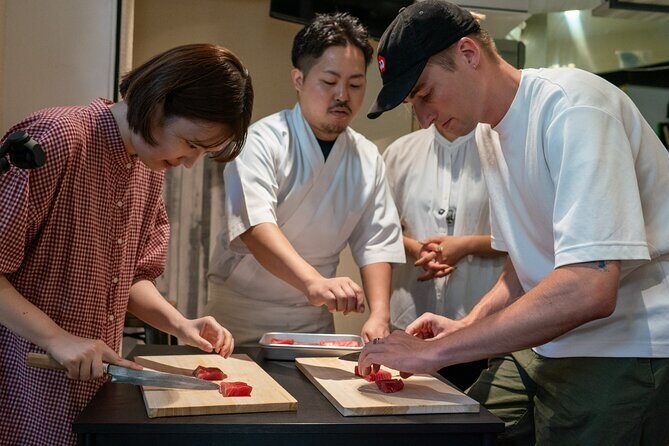
Also, this is a small setup. It’s described as an exclusive private class for two, and the overall cap is small, so you get more attention than you’d get in a big group demonstration. That matters for learning grip, angle, and safety—especially if it’s your first time holding a Japanese chef’s knife seriously.
Getting to the venue: Nishi-Koyama Station is your starting line
Your day starts at Nishi-Koyama Station, meeting at the ground level exit. From there, you’ll walk to the venue with your guide for about 10 minutes.
That short walk is useful: it’s long enough to slow you down from train-pace chaos, but short enough that you don’t lose time or energy right before hands-on cutting. It also means you can plan your arrival without stressing about complicated transfers.
Because this starts at 12:00 pm, aim to arrive early enough to settle in. If you show up rushed, you’ll feel it when you’re asked to focus on sharpening basics and blade handling. Japan runs on timing, and knife work especially benefits from a calm start.
Knife care and sharpening: the part that pays off long after lunch
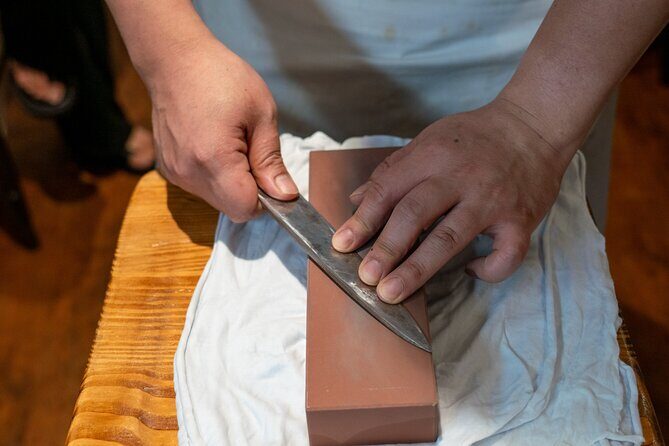
The session begins with a knife care & sharpening lecture lasting around 50 minutes. This is where the class earns its value. Japanese knives work best when they’re treated correctly, and most home use shortcuts lead to dulling or uneven cutting performance.
What you’ll focus on here includes:
- How Japanese knives are sharpened and cared for
- How to handle the knife safely while you practice
- The basics that help explain why technique and maintenance go together
I like this structure because it changes how you’ll look at cutting afterward. Once you understand what the edge needs, sashimi slicing stops feeling like a magic trick and starts feeling like a repeatable motion.
It also helps if you already own a knife. The class notes that knives are provided, but you’re welcome to bring your own if you purchased one during your travels. If that’s you, this portion becomes extra practical—because you’ll be thinking about your own blade’s care, not just a generic knife in the classroom.
Cutting sashimi: learning precision you can actually use

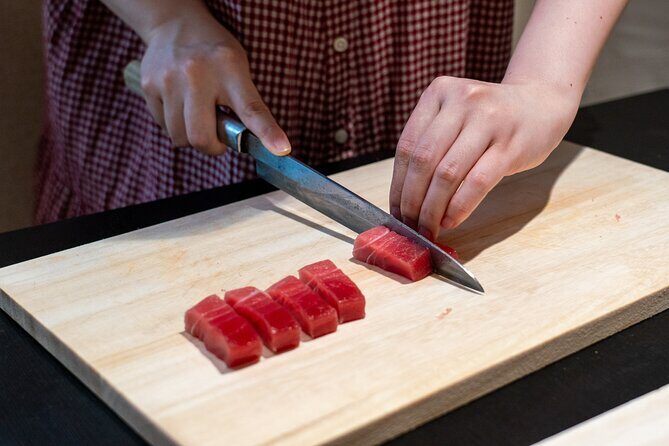
After sharpening and care basics, the class moves into the fun part: slicing ingredients for sashimi. You practice the cutting techniques designed to bring out the best flavor and texture.
This is not about speed. It’s about control—how you guide the knife, how you maintain your hand position, and how the cut looks when it’s done right. Sashimi is a strict food, visually and taste-wise. When you cut it properly, it holds together and feels clean on the plate.
Sashimi also teaches you something you can carry into everyday cooking. Even if you never serve raw fish at home, the cutting discipline improves how you slice vegetables and proteins. A lot of “chef-like” results come from consistent thickness and clean edges, not just expensive ingredients.
More things to make with your own hands


Decorative vegetable cutting: where pride meets the awkward first attempts
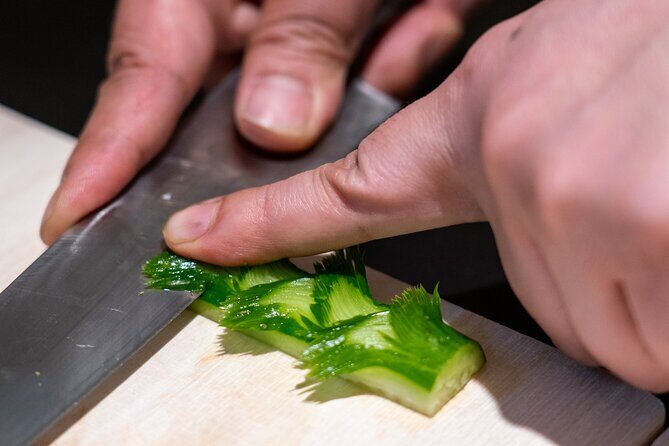
One of the most useful parts of the class is decorative vegetable cutting techniques. Even if you’re not trying to impress anyone, decorative cuts teach you a lot about how the knife moves.
Here’s the honest part: decorative cutting is often harder than people expect. In the class experience, that difficulty is part of the lesson. When you try it and realize how precise it needs to be, you end up with more respect for the skill behind Japanese presentation.
That’s also why I think it’s worth doing in a guided class rather than watching a few videos and guessing. A chef can correct your angle or your grip so the technique clicks instead of just frustrating you.
If you’re the type who gets nervous about being clumsy, give yourself permission to be a beginner. The goal is to learn the mechanics in a safe, supportive way, not to leave with perfect flower shapes on day one.
Cooking session and lunch: sashimi and tempura, finished and eaten
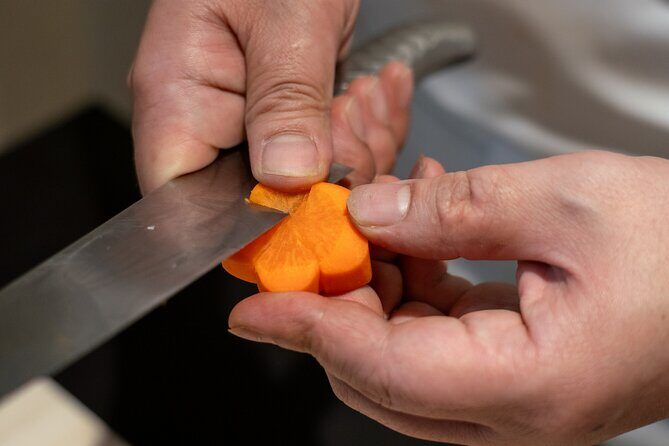
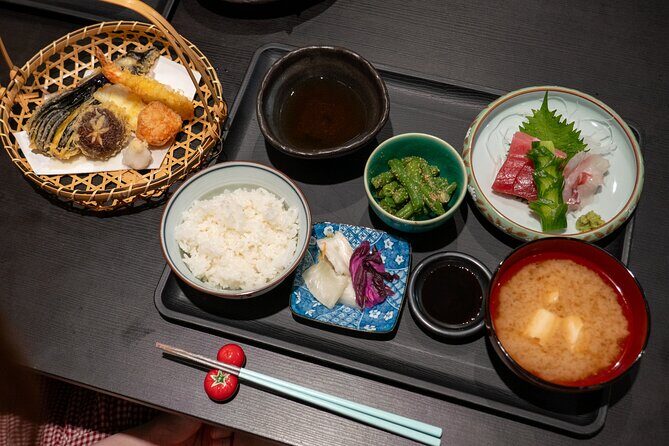
The main cooking session is about 30 minutes for sashimi and tempura, followed by about 30 minutes to enjoy the meal you prepared. So you’ll go from cutting practice to a real plated lunch without a long wait.
Your lunch includes:
- A handmade sashimi meal
- A tempura platter
This mix is a smart pairing for learning. Sashimi is all about precision and knife control. Tempura adds a different kind of attention: handling the ingredients so they end up crisp and appealing. You get both sides of Japanese home-to-chef technique in one sitting.
And yes, you’ll eat what you make. That makes learning stick. When you can taste the result of your slicing, you understand what good technique changes.
Who this class is best for (and who might want something else)
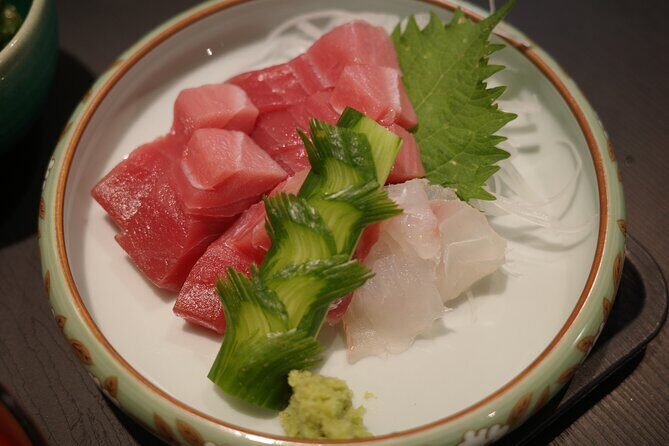
This is a great fit if you:
- Own a Japanese knife and want to use it correctly
- Want a hands-on class focused on skill, not just recipes
- Like the idea of learning from a chef and then eating immediately
- Prefer small-group or private-style attention
It’s also a fun solo option. The class supports small groups with a minimum number of participants, so joining alone doesn’t automatically mean you’ll be shut out. The learning format works because the chef can guide each person’s pace.
You might want to pick a different style of cooking class if:
- You’re only interested in eating and don’t want to practice cutting
- You’re uncomfortable using sharp tools, even with instruction
- You want a longer menu or more variety beyond sashimi and tempura
Guide and chef energy: warm, patient, and a little funny helps
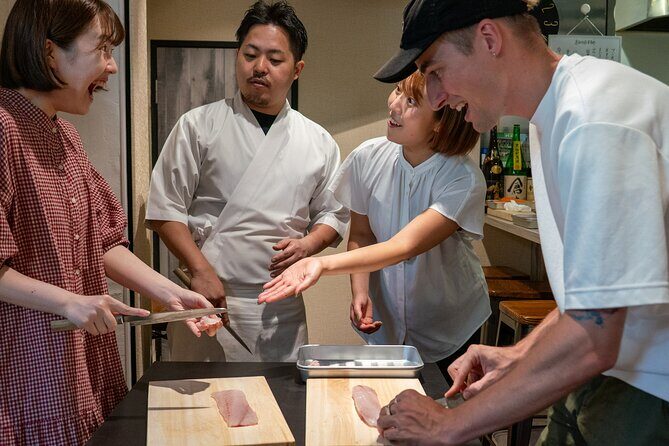
One thing that comes through clearly is the tone. The guide role is English-fluent, and the vibe is welcoming rather than stiff. On some days, the guide is Amy, and the feel is friendly and humorous, with a focus on making technique understandable.
That matters because knife work can trigger stress fast. When you’re learning angles and hand positioning, anxiety makes it harder to absorb corrections. A patient, upbeat approach makes it easier to try again after a mistake.
The chef’s role is equally important. You’ll get knowledgeable, step-by-step guidance during knife care, cutting, and meal prep. You’re building muscle memory, and that takes repetition with real feedback.
Value for $123.79: what you’re paying for and what it’s worth
At about $123.79 per person for a roughly 2-hour experience, the price can feel high if you compare it to a casual cooking class that’s mostly tasting and watching.
But here’s the value logic. You’re paying for:
- Focused knife instruction in a private-for-two format
- Sharpening and knife care guidance (skills that don’t expire after lunch)
- Hands-on practice with sashimi and tempura
- A full lunch you eat right after
If your goal is to learn how to use a Japanese knife in a way that improves your results at home, this is the kind of class that can pay you back over and over. If your goal is only to eat great food in a new place, you may decide this is pricier than you need.
Still, because it’s skill-based and short, it’s also time-efficient. You don’t spend half a day commuting and waiting. You show up, learn, cut, eat, and leave with a story you can actually use.
Practical tips for making the most of the class
A few small choices can improve your experience fast:
- Wear comfortable shoes. You’ll do a brief walk from the station and you’ll likely stand during instruction.
- Be ready to focus early. The sharpening and care lecture sets the foundation, so treat it like part of the meal, not “warm-up.”
- If you brought your own knife, be honest about it. Mention that it’s the one you travel with so the guidance can feel more connected to your reality.
- Practice with patience. Decorative cuts can feel awkward at first. Let the chef correct your angle and grip rather than trying to brute-force it.
- Plan to eat what you made. Don’t schedule something right after. You’ll want those 30 minutes to settle and enjoy your lunch.
These tips are about lowering friction. Less stress makes it easier to learn knife technique, and better learning means a better lunch.
Should you book this Japanese knife and sashimi class?
If you want a Tokyo experience that goes beyond eating, I’d book it. The standout reason is the knife-focused training paired with an actual meal you assemble and enjoy. It’s a short class, but the skills—especially knife care and sharpening—are the kind you’ll remember when you’re cutting at home.
Book it if you:
- Like hands-on learning
- Want small, personal guidance
- Own or plan to buy a Japanese knife and want to treat it well
Skip it if you:
- Want only a hands-off cooking tour
- Are strictly looking for a broad menu variety
- Don’t want to practice cutting techniques
In short, this is a smart choice for skill-minded food lovers.
FAQ
How long is the class?
It runs for about 2 hours total, including instruction, cooking, and eating the lunch you make.
Where do I meet the guide?
Meet at Nishi-Koyama Station at the ground level exit.
Is lunch included?
Yes. You’ll have a handmade lunch that includes sashimi and tempura.
What will I learn to do?
You’ll learn how to care for and sharpen Japanese knives, practice how to cut sashimi, and try decorative vegetable cutting techniques.
Is this class private?
It’s described as an exclusive private class for two with personalized chef attention.
Are knives provided?
Yes, knives are provided. If you purchased your own Japanese knife during your travels, you can bring it and use it in class.
What time does the experience start?
The start time listed is 12:00 pm.
Is transportation included?
No. Private transportation and hotel travel are not included.
Is it free cancellation?
Cancellation is free if you cancel up to 24 hours in advance for a full refund.
What’s the maximum group size?
The activity has a maximum of 6 travelers, even though it’s designed as a private class for two.
If you want, tell me where you’re staying in Tokyo and what time you’re free around midday, and I’ll help you plan a smooth arrival.
Make Something to Take Home
Learn Another Dish: Tokyo Cooking Classes
More Tour Reviews in Tokyo






Fresh reviews from around Tokyo






Cooking Classes, compared.
 ★ 5.0Ramen & Gyoza Cooking Class in Tokyo with Local Supermarket VisitFrom $122823 reviews
 ★ 4.6Easy Ramen Cooking Experience in Kabukicho, ShinjukuFrom $29321 reviews
 ★ 5.0Ramen and Sushi Cooking Class with Sake Pairing Set in TokyoFrom $79291 reviews
 ★ 4.9Wagyu and 7 Japanese Dishes Cooking ClassFrom $67273 reviews
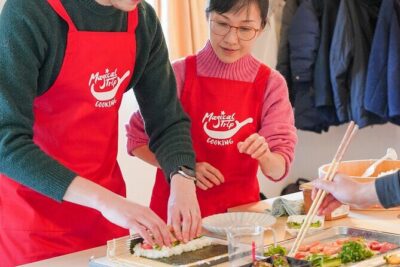 ★ 5.0Tokyo Washoku 4-hour Cooking Class: From Market to TableFrom $79253 reviews
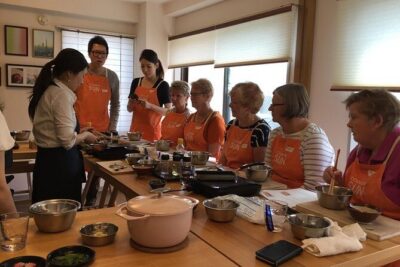 ★ 5.0Small-Group Wagyu Beef and 7 Japanese Dishes Tokyo Cooking ClassFrom $72190 reviews
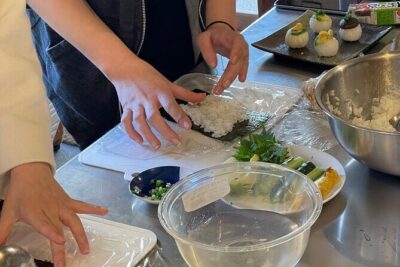 ★ 5.0Private Home Cooking in Yanaka – Local Flavors in a Warm SettingFrom $122173 reviews
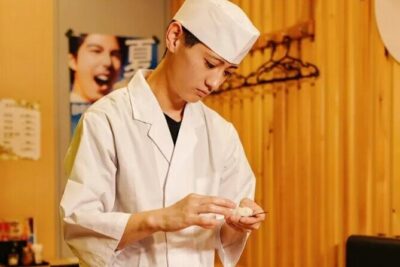 ★ 5.0Tokyo Sushi Making Experience & Japanese Cooking ClassFrom $59150 reviews
Browse the lists this tour appears in