
Reviewed · COOKING CLASSES
Tokyo Haneda: Bento & Ramen Gyoza Cooking Class in a Local home
Cook in a real Tokyo home.
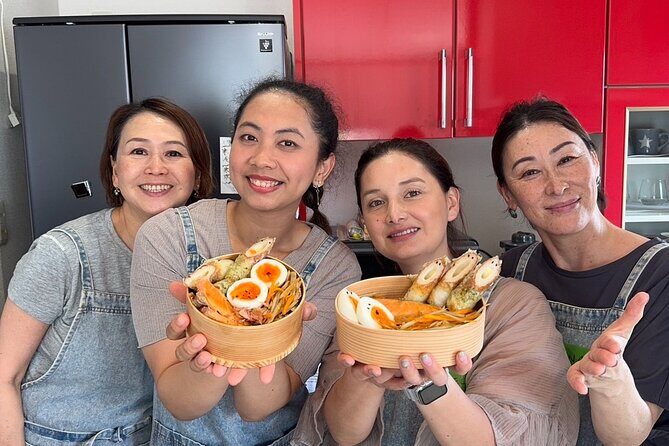
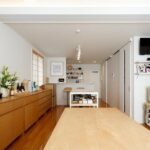
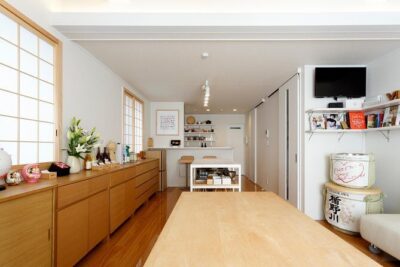
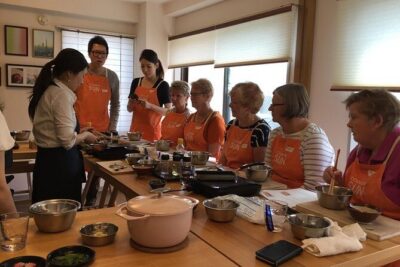
What makes this class stand out is how hands-on it is: you don’t just watch. You make your own meal from scratch in a neighborhood setting in Ota City (Nishirokugō), close enough to Haneda that it feels like a local detour rather than a whole-day expedition.
I love two things right away. First, the experience is truly from start to finish—you build and cook, then sit down and eat what you made. Second, the free-flow drinks keep the mood relaxed, whether that means Japanese tea or something stronger like sake or beer. One consideration: private transportation isn’t included, so you’ll want to plan for public transit to the meeting address in advance.
In This Review
- Key highlights at a glance
- Why a Haneda-area home kitchen beats a demo class
- Getting to Nishirokō: the meeting point and how the timing works
- What you cook here: bento, ramen, gyoza, plus the homestyle extras
- The in-home cooking flow: what happens during the 3 hours
- Learning ramen and gyoza the way locals do
- Bento lessons you can use after the class
- Drinks and meal pacing: why the vibe matters
- The souvenir isn’t just cute—it’s useful
- Price and value: is $60 worth it?
- Who should book this class (and who might prefer another)
- Should you book this Tokyo Haneda cooking class?
- FAQ
- What time does the class start?
- How long is the cooking class?
- Where do I meet for the class?
- Is this class private or shared?
- What’s included in the price?
- Are drinks included?
- What should I do if I have food allergies?
- Is there free cancellation?
Key highlights at a glance
- Make your own bento (not a demo) from preparation to the meal
- Private group feel in a homey, friendly kitchen in Ota City
- All-you-can-drink options like sake, beer, coffee, tea, and soft drinks
- Souvenir set included: chopsticks plus a chopstick rest, along with a letter
- English guidance from hosts such as Machiko and Nao (and sometimes Yoko, depending on the session)
More aprons-on time in Tokyo kitchens
- Ramen & Gyoza Cooking Class in Tokyo with Local Supermarket Visit★ 5.0 · 823 reviews
- Tokyo: Easy Ramen Cooking Experience in Kabukicho, Shinjuku★ 4.6 · 321 reviews
- Ramen and Sushi Cooking Class with Sake Pairing Set in Tokyo★ 5.0 · 291 reviews
Why a Haneda-area home kitchen beats a demo class
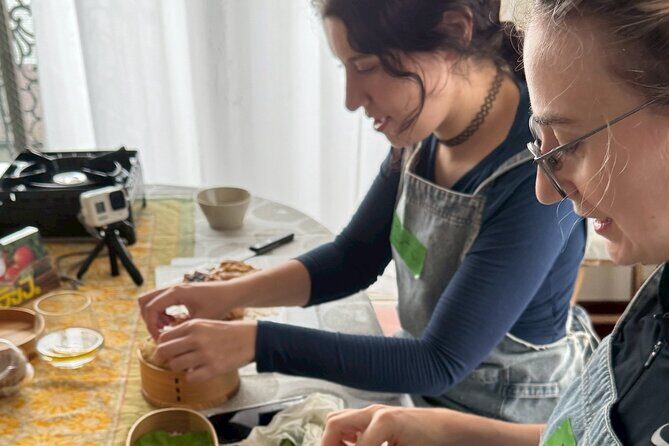
Tokyo has plenty of cooking experiences that feel staged—watch a chef, take photos, then leave. This one works differently. You’re cooking inside a local home, with a relaxed rhythm that matches everyday Japanese meals. That matters because you learn more than recipes. You pick up the logic behind techniques: how people pace cooking, what they prep first, and how they keep everything simple enough to repeat at home.
The format also helps you connect with the food. Bento isn’t just lunch in a box; it’s organization, timing, and small flavor decisions. Ramen and gyoza are about comfort and control—broth balance, dough texture, and dumpling folding. When you’re actually making the components (and not only tasting them), the whole meal becomes easier to understand once you’re back in your own kitchen.
Getting to Nishirokō: the meeting point and how the timing works
The class meets at 4-chōme109 グレースマンション原田, 144-0056 Tokyo, Ota City, Nishirokugō. It starts at 11:00 am and runs for about 3 hours.
This matters because it’s built for real travel days. Starting late enough in the morning means you can sleep in a bit after an early flight, and it’s also a smart option if you’re staying near Haneda. The experience notes that the location is near public transportation, and private transport isn’t included—so you’ll want to map your route to the exact address before you go.
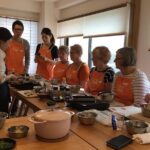
One more practical note: it’s a private tour/activity, meaning only your group participates. That tends to make the teaching feel more personal, especially if you’re cooking with kids or if you want slower, clearer explanations.
What you cook here: bento, ramen, gyoza, plus the homestyle extras
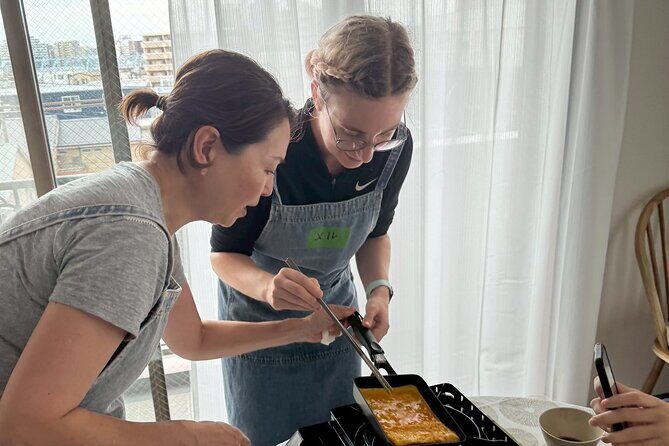
The title calls out Bento and Ramen & Gyoza, and the core promise is hands-on bento-making. In practice, sessions often include the comforting set pieces you’d expect in home Japanese cooking: dumplings and noodles, plus a well-built boxed meal.
From what people have experienced in these sessions, you may also see homestyle dishes like udon broth from scratch, tempura, and even mochi—depending on the flow of your class and what the hosts are teaching that day. The takeaway for you is simple: this isn’t a single rigid menu that ignores variation. It’s more about learning the methods and how to assemble a meal that feels balanced and satisfying.
Here’s what that means for you in real terms:
- Bento building teaches structure—how to plan components so they look good and taste good together.
- Ramen and gyoza teach temperature control and texture. Dumplings aren’t complicated, but they do require care.
- Any added items (like udon or tempura) become bonus technique practice rather than a distraction.
The in-home cooking flow: what happens during the 3 hours
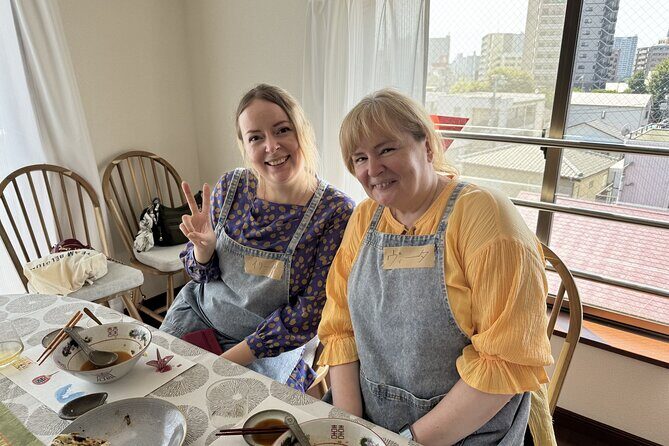
Even without a printed “minute-by-minute” schedule, you can expect the class to follow a natural cooking arc. Think of it as three stages: set-up and prep, active cooking, then eating and wrapping up.
1) Arrive, get oriented, and start prep
You’ll begin in the home kitchen with instructions and guidance. People consistently note that the hosts explain things clearly, and the teaching style is patient. That matters if you don’t cook much at home—Japanese cooking rewards small steps, not speed.
2) Cook the components together
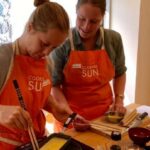
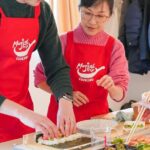
This is where the class earns its value. You’re not a spectator. You’ll handle parts of the process, which is the only way to truly understand bento layout, dumpling filling, and noodle/broth basics. Some sessions include gluten-free noodle variations, which is a good sign that the hosts can adapt.
3) Eat what you made, then finish with souvenirs
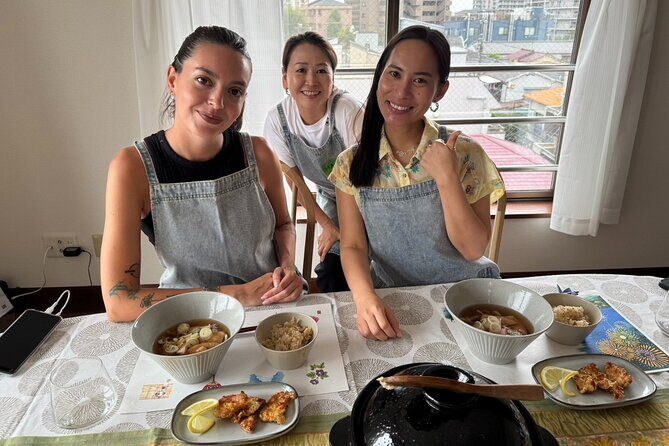
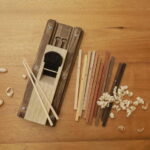
Meals are included, and you eat the food you create. Afterward, you’ll leave with a practical souvenir: chopsticks and a chopstick rest, plus a letter. It’s a small thing, but it turns the class into a memory you can use every day.
More things to make with your own hands

Learning ramen and gyoza the way locals do
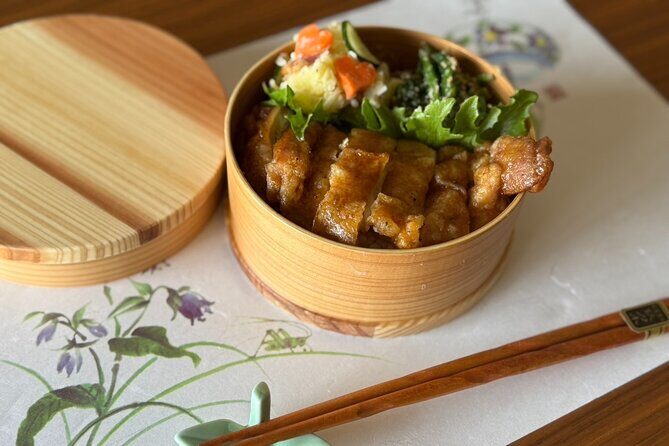
Ramen and gyoza can sound intimidating until someone walks you through the process. The value of this experience is that the hosts focus on practical steps—what to do first, what to watch for, and how to keep your results consistent.
People have highlighted learning outcomes such as:
- Making ramen components with an organized, step-by-step approach
- Learning gyoza preparation with clear hand guidance
- Handling mochi in a way that felt surprisingly achievable
- Getting confidence from cooking side by side with supportive hosts like Machiko and Nao, and sometimes Yoko
If you’re worried you’ll fall behind, don’t. This is built for a home setting where questions are normal. You’re also in a private group, so you’re not stuck competing with strangers for attention.
Bento lessons you can use after the class
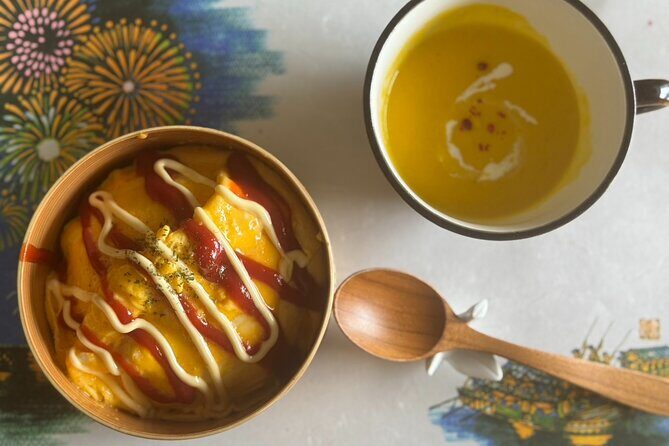
Bento is where this experience really clicks for me. It’s not only about flavor. It’s about how Japanese home cooks think: portioning, spacing, and small choices that make a lunch feel complete.
When you build your own bento during the class, you learn transferable habits:
- Plan components so they fit together visually and at eating time
- Work in a logical order so things stay warm or cool as needed
- Taste and adjust as you go, rather than guessing at the end
The result is that you leave with more than a meal. You leave with a structure you can repeat. And if you’re traveling with kids, that “we made this” factor is huge—one family described it as a special shared time, exactly because everyone could participate.
Drinks and meal pacing: why the vibe matters
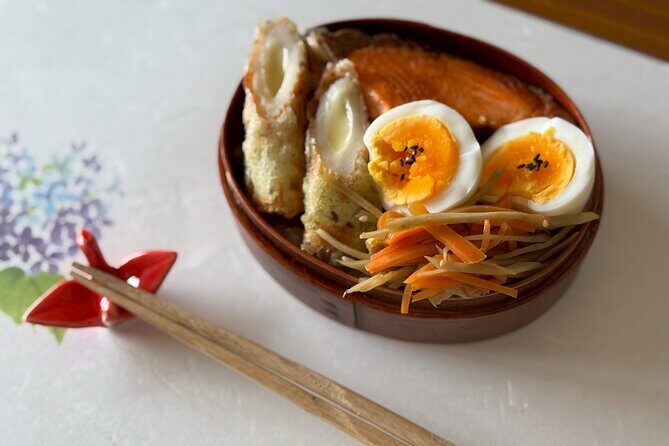
A big practical benefit is the drinks are included and free-flow. Options listed include Japanese tea and also alcoholic choices like sake, beer, and wine, plus coffee and soft drinks.
That does two things for you. First, it turns the meal into an actual social experience—not just “eat quickly, then go.” Second, it lowers the pressure around trying new foods. You can sip tea with your food, or celebrate with sake if you’re in that mood.
One caution you should plan for: if you’re drinking alcohol, pace it. You still need to cook, fold, and handle hot food. The hosts are friendly and patient, but your best tool is still common sense.
The souvenir isn’t just cute—it’s useful
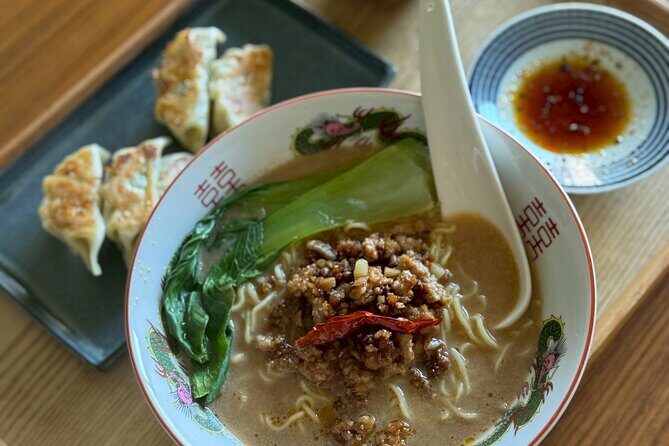
You’ll receive chopsticks and a chopstick rest, plus a letter. It sounds small, but it’s a smart souvenir choice because it’s practical. You’re not stuck with another decorative item you can’t use.
And because you cook in a home kitchen, the souvenir feels connected to the experience. It’s not a generic shop bag. It’s something you can pull out later and remember the exact meal you learned to make.
Price and value: is $60 worth it?
At $60 per person for roughly 3 hours, the value comes from three main ingredients you don’t get in a cheaper, entry-level format:
1) Real hands-on cooking
If you’re only watching, the price is harder to justify. Here, you’re making your own food from start to finish.
2) A private home setting
Private doesn’t always mean luxury. Here it mostly means comfort: you get clearer attention and a more relaxed flow.
3) Meals plus free-flow drinks, plus a souvenir
Included meals and free-flow drinks reduce the “hidden add-ons” problem. You’re also getting a tangible set of chopsticks and rest. When you add all that together, the cost feels more balanced than many Tokyo classes that only cover a tasting.
Downside on value: because transportation isn’t included, your real cost depends on where you’re starting from. If you’re already near Haneda, that’s usually easy. If you’re far from the Ota-ku area, transit costs and time can add up.
Who should book this class (and who might prefer another)
This is a great fit if you want:
- A calmer, local Tokyo experience rather than a big-group show
- Real technique practice with ramen, gyoza, and bento-style meal building
- An experience you can share with kids, since the home setting supports family participation
- A private, supportive teaching style with English guidance from hosts such as Machiko and Nao
It may be less ideal if:
- You strongly prefer guided sightseeing and don’t want cooking to be the main event
- You don’t want to handle public transit to an exact residential meeting address
- You’re looking for a strict menu with no variation—this experience focuses on learning methods, so exact dishes can differ session to session
Should you book this Tokyo Haneda cooking class?
I’d book it if you want Tokyo food culture you can actually recreate. The combination of hands-on cooking, a homey private setting, included meals and free-flow drinks, and a practical chopstick souvenir makes it feel like a complete experience rather than a short activity.
Before you go, do two quick checks: plan your public-transit route to the Nishirokugō address, and tell the team about any food allergies in advance. If you’re good with that, this is one of the more rewarding ways to connect with Japanese cooking without feeling rushed or performative.
FAQ
What time does the class start?
The start time is 11:00 am.
How long is the cooking class?
It runs for approximately 3 hours.
Where do I meet for the class?
The meeting point is 4-chōme109 グレースマンション原田, 144-0056 Tokyo, Ota City, Nishirokugō.
Is this class private or shared?
It’s private. Only your group will participate.
What’s included in the price?
Included: meals (you eat what you make), drinks (alcoholic and non-alcoholic) free-flow, and a souvenir set with chopsticks and a chopstick rest (plus a letter).
Are drinks included?
Yes. Alcoholic beverages are included on a free-flow basis, such as sake, beer, and other options, along with coffee, tea, and Japanese tea.
What should I do if I have food allergies?
You should inform the provider of any food allergies in advance.
Is there free cancellation?
Yes. You can cancel for a full refund up to 24 hours in advance of the experience start time.
Make Something to Take Home
Learn Another Dish: Tokyo Cooking Classes
More Tour Reviews in Tokyo






Fresh reviews from around Tokyo






Cooking Classes, compared.
 ★ 5.0Ramen & Gyoza Cooking Class in Tokyo with Local Supermarket VisitFrom $122823 reviews
 ★ 4.6Easy Ramen Cooking Experience in Kabukicho, ShinjukuFrom $29321 reviews
 ★ 5.0Ramen and Sushi Cooking Class with Sake Pairing Set in TokyoFrom $79291 reviews
 ★ 4.9Wagyu and 7 Japanese Dishes Cooking ClassFrom $67273 reviews
 ★ 5.0Tokyo Washoku 4-hour Cooking Class: From Market to TableFrom $79253 reviews
 ★ 5.0Small-Group Wagyu Beef and 7 Japanese Dishes Tokyo Cooking ClassFrom $72190 reviews
 ★ 5.0Private Home Cooking in Yanaka – Local Flavors in a Warm SettingFrom $122173 reviews
 ★ 5.0Tokyo Sushi Making Experience & Japanese Cooking ClassFrom $59150 reviews
Browse the lists this tour appears in