
Reviewed · ASAKUSA TOURS
Time Travel in Tokyo Explore Old Town Asakusa and Local Food
Two hours in Asakusa feels like time travel. This walking tour pairs Nakamise Street snacks with Sensō-ji prayer customs, starting at the iconic Kaminarimon Gate and ending in the chaos of Don Quijote Asakusa. My favorite part is how the guide turns famous sights into something you can actually use and remember, plus you get extra time in the side streets for story-rich photo stops. One possible drawback: with only about 2 hours, it’s not the kind of outing where you’ll have time to do deep shopping or linger for long photo breaks at every stop.
You’ll move at a comfortable pace through temple lanes and market alleys, with free sights (no paid entry fees along the way) and a mobile ticket to keep things simple. The tour is private to your group, and reviews mention guides like Suno were especially strong at rules and customs at Sensoji, plus steering people away from overpriced shops.
By the end, you’ll land at Don Quijote Asakusa, a very Tokyo kind of souvenir stop. Just plan your budget mindset going in, because the store can pull you in fast if you love quirky snacks, cosmetics, and pop-culture items.
In This Review
- Key points to know before you go
- Starting where Asakusa becomes real: Kaminarimon to Nakamise
- Nakamise Shopping Street: ningyo-yaki, senbei, and eating like a local
- Sensō-ji and the 1,300-year legend: incense, prayers, and calm focus
- Backstreets, secret photo spots, and Japanese phrases that stick
- Don Quijote Asakusa as the perfect finish line
- Timing, pacing, and what two hours really buys you
- Value for money: is $26.13 worth it?
- Who this tour fits best (and who might skip it)
- Before you go: small things that help
- Should you book this Asakusa walk with snacks?
- FAQ
- How long is the Time Travel in Tokyo Explore Old Town Asakusa and Local Food tour?
- How much does the tour cost per person?
- Where does the tour start?
- Where does the tour end?
- What main sights will we see?
- What foods or snacks are included?
- Is admission required for the stops?
- Is this a private tour?
- Are service animals allowed?
- Is there free cancellation?
Key points to know before you go
- Kaminarimon Gate start: the exact classic entrance you want for an instant sense of place in Asakusa
- Snacks with local logic: tastings like ningyo-yaki and senbei, plus guidance on what to skip
- Sensō-ji customs, explained: how to offer incense and pray the right way
- Backstreets for photos: side lanes where the guide finds angles you won’t get from the main drag
- A fun ending at Don Quijote: discount-store shopping that’s part practical, part silly
More mornings around Senso-ji and the old town
- Tokyo: Japanese Dance Cabaret Theater Asakusa-Kaguwa Ticket★ 4.8 · 2,270 reviews
- Tokyo: Asakusa Walking Tour with Sensoji Temple Visit★ 4.8 · 1,583 reviews
- Tokyo Asakusa Rickshaw Tour★ 5.0 · 1,375 reviews
Starting where Asakusa becomes real: Kaminarimon to Nakamise
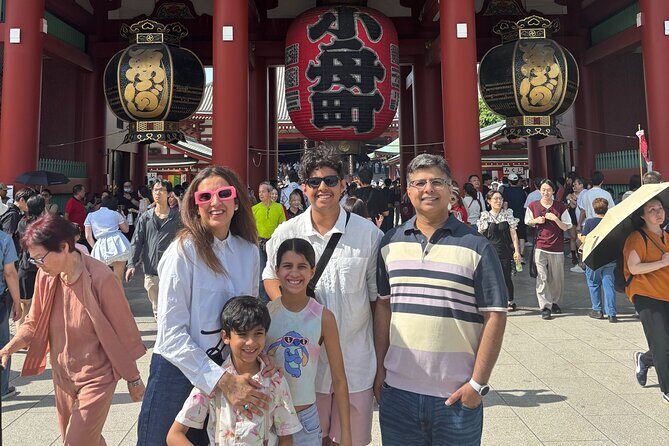
I love tours that start at the moment Tokyo looks like postcards without feeling staged. Here, you begin at the Asakusa Culture Tourist Information Center near Kaminarimon Gate, the big, lantern-lined entrance that tells you you’ve arrived in old-school Asakusa.
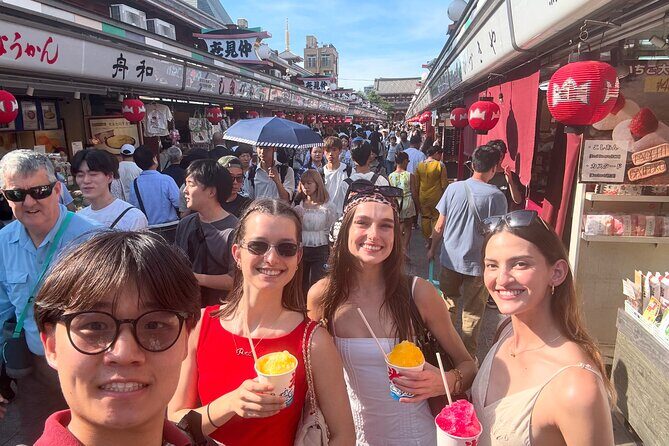
From there, the plan is simple: walk into Nakamise shopping streets with your guide, who helps you read what you’re seeing. Nakamise is where the senses get loud—warm stalls, quick sniffs of sweet red bean treats, and that unmistakable smell of freshly made snacks. The tour stays focused on getting you something to eat and understand what you’re eating, not just wandering.
Practical note: the meeting point and finish points are clearly set (start near Kaminarimon; end in front of Don Quijote Asakusa). That matters on a short tour. You’re not spending half the time trying to decode metro exits or backtracking.
Nakamise Shopping Street: ningyo-yaki, senbei, and eating like a local
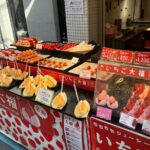
Nakamise is famous for food, but the real value is your guide’s snack rhythm. The tour includes tasting stops featuring items like ningyo-yaki (the doll-shaped cakes) and senbei (rice crackers). You’ll also encounter other sweet and savory treats along the way, and in reviews people specifically mention snacking on senbei and age-manju.
Here’s why this is worth doing with a guide instead of self-guiding:
- You get a reason to try specific items, not just whatever looks most photogenic.
- You can avoid spending on overpriced or repetitive products, and one review directly calls out that the guide helped them steer clear of tourist traps.
- You’ll learn quick cultural context that makes eating feel less random.
Timing also helps. Stop time here is about an hour, which is enough to taste multiple snacks without turning it into a full-on food crawl where you’re too full to enjoy Sensoji.
Sensō-ji and the 1,300-year legend: incense, prayers, and calm focus
Sensō-ji is the heart of Asakusa, and the tour gives it the time it deserves (about 45 minutes). The highlight isn’t just seeing the big gate and temple grounds. It’s understanding what you’re looking at—because the guide explains the temple’s story, including a fascinating 1,300-year-old legend.
More importantly, you’re not left guessing what to do. The experience includes joining locals in offering incense and prayers, and reviews mention that guides like Suno did a great job explaining the rules and customs at the temple. That’s the kind of guidance that keeps you respectful, and also helps you avoid the awkward pause of standing in the wrong spot.
What I like about this part is the pacing. The route from Kaminarimon into the temple approach naturally slows your brain down. Even if Nakamise is busy, Sensoji feels like a different tempo—more quiet attention, more people observing, and more chances to notice details you’d otherwise walk past.
If you’re sensitive to crowds, consider arriving earlier in the day when you can. The tour is still only about 2 hours total, so you’ll be in the densest area for a limited stretch, but Sensō-ji can get busy.
Backstreets, secret photo spots, and Japanese phrases that stick
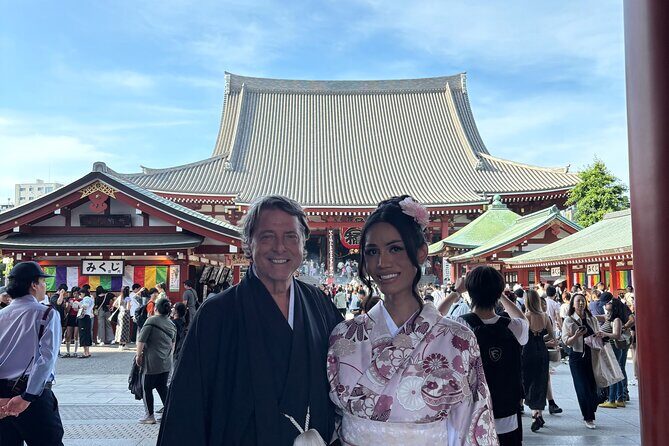
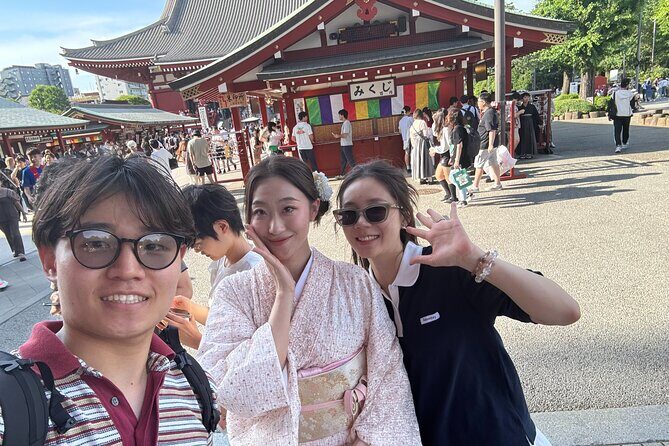
This is where the tour earns its time. After the big landmark moments, you follow the guide into backstreets for “secret spots” and hidden photo opportunities—places where the main view is not the only view.
In reviews, people call out two benefits that matter for real-world travel:
- The guide helps you avoid overpriced or touristy shops.
- The guide is great with photos—so you don’t just take selfies, you get better angles and real Asakusa texture.
You’ll also get fun cultural tips and even a few useful Japanese phrases. The goal here isn’t fluency. It’s practical confidence: a couple of polite, relevant words that make you feel less like a silent observer and more like you belong for a moment in the neighborhood.
This section is also a great fit if you’ve been to Tokyo’s most famous sights before. You still get the classics, but you come away with specific story locations and small local insights that don’t feel like a repeat of every other “see the temple” itinerary.
Other plates worth crossing Tokyo for


Don Quijote Asakusa as the perfect finish line
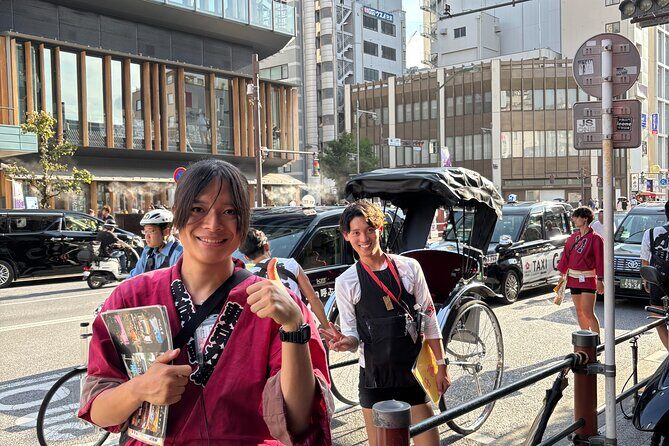
The tour ends at Don Quijote Asakusa, and that’s a clever choice. You’ve just walked through old Tokyo traditions, and now you step into a modern Tokyo shopping experience that’s chaotic in a fun way.
This stop is only about 15 minutes, so it won’t eat your entire afternoon. But it gives you a timed opportunity to grab:
- quirky souvenirs
- snacks
- cosmetics
- pop-culture goods
I like endings like this because they answer a real travel question: what do I do with my last minutes in the area? Instead of wandering aimlessly, you have a target with variety. And if you’re the type who wants one last edible souvenir, this is the moment.
One consideration: Don Quijote is busy and visually intense. If you hate sensory overload, go in with a quick list—one snack, one small souvenir—so you don’t end up lost in aisles.
Timing, pacing, and what two hours really buys you
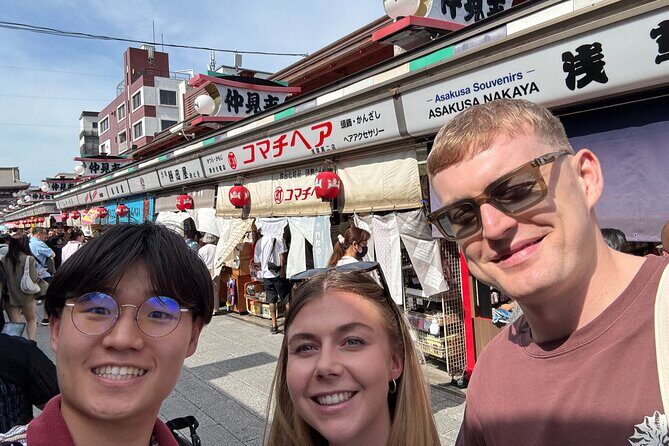
The total duration is about 2 hours, split roughly like this:
- Nakamise Street: about 1 hour
- Sensō-ji: about 45 minutes
- Don Quijote: about 15 minutes
That time structure is exactly why this tour works for first-time visitors. You hit the big three—iconic gate, food street, major temple—without committing a half day. You also get the backstreet and photo-value that many short tours skip.
In terms of pacing, you’re walking through central Asakusa streets and temple approaches, which means you’ll want comfortable shoes. The tour doesn’t advertise anything extreme, but “short” doesn’t mean “sit down a lot.”
Value for money: is $26.13 worth it?
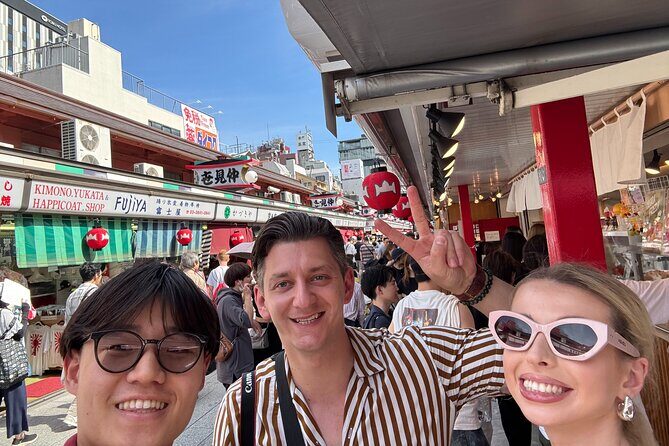
At $26.13 per person, this is positioned as a budget-friendly way to get guided value in one of Tokyo’s most tourist-saturated areas. Here’s what you’re paying for, beyond basic sightseeing:
- a local guide who helps you interpret what you see
- snack tastings (with specific items like ningyo-yaki and senbei)
- guidance on incense and prayer customs at Sensō-ji
- backstreet photo spots and practical cultural tips
- a private group format, meaning your time stays focused on your group, not a huge crowd shuffle
On top of that, admission tickets for the stops listed are free. So you’re not paying additional entry fees to access the main sights.
The biggest sign of value is how reviews emphasize avoiding tourist traps and finding tasty local places. That’s hard to do alone if you’re wandering hungry and trying to remember what’s worth it.
One more note: the tour is often booked about 81 days in advance on average, which usually signals demand. If you’re traveling in a busy season or you have a tight schedule, booking earlier is a smart move.
Who this tour fits best (and who might skip it)
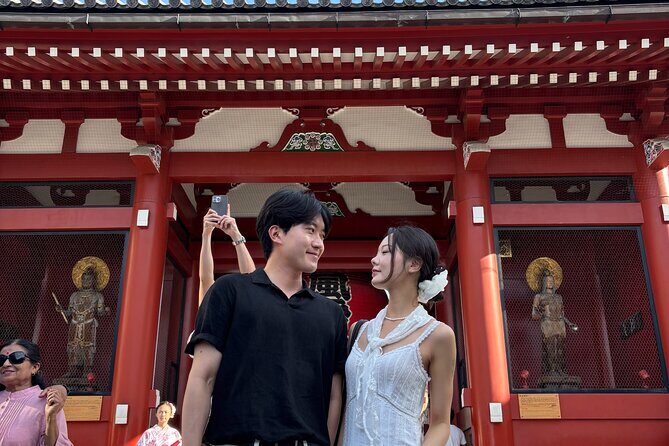
This tour is ideal if you’re:
- visiting Tokyo for the first time and want an Asakusa orientation with food
- a foodie who wants guided snack choices rather than random picks
- the type who cares about doing temple etiquette correctly
- traveling with friends or family who appreciate a guide who keeps things relaxed and fun
In reviews, people also mention family comfort and patience, plus a strong photo experience. That makes me think this format works well when different ages and comfort levels want the same cultural stops without stress.
You might skip it if:
- you want a long, slow temple day with lots of independent exploration time
- you’d rather spend your whole budget on shopping instead of guided tastings
- you dislike market crowds and want a quieter neighborhood tour (this route goes through busy areas)
Before you go: small things that help
Keep it simple:
- Wear shoes you can walk in for a couple hours.
- Expect street-level crowds around Nakamise and Sensoji.
- Bring your curiosity. The guide’s best work is explaining the stories and the “what do I do here” moments.
Also, because this is a mobile ticket tour, you’ll want your phone charged and easy to access at the meeting point.
Should you book this Asakusa walk with snacks?
I’d book it if you want a compact, high-value Asakusa experience: classic landmarks plus actual local food, with a guide who helps you pray respectfully and navigate the shopping lanes without wasting time.
It’s especially worth it when you care about etiquette at Sensō-ji and you want side-street photo spots that go beyond the obvious. If you’re traveling on a schedule that doesn’t allow a half-day, the two-hour timing is the whole point.
FAQ
FAQ
How long is the Time Travel in Tokyo Explore Old Town Asakusa and Local Food tour?
It’s about 2 hours.
How much does the tour cost per person?
The price is listed as $26.13 per person.
Where does the tour start?
The tour starts at the Asakusa Culture Tourist Information Center at 2-chōme-18-9 Kaminarimon, Taito City, Tokyo.
Where does the tour end?
The tour ends in front of Don Quijote Asakusa at 2 Chome-10 Asakusa, Taito City, Tokyo.
What main sights will we see?
You’ll pass through Nakamise Shopping Street, visit Sensō-ji (including the Kaminarimon Gate area), and then stop at Don Quijote Asakusa.
What foods or snacks are included?
The tour includes tastings such as ningyo-yaki and senbei, and reviews also mention items like age-manju.
Is admission required for the stops?
The listed admissions are free.
Is this a private tour?
Yes. It’s private, meaning only your group participates.
Are service animals allowed?
Yes, service animals are allowed.
Is there free cancellation?
Yes. You can cancel for a full refund up to 24 hours in advance of the experience’s start time.
Eat Your Way Round Tokyo

More Tour Reviews in Tokyo





Around Senso-ji: More Asakusa Picks

Fresh reviews from around Tokyo






Asakusa Tours, compared.
 ★ 4.8Japanese Dance Cabaret Theater Asakusa-Kaguwa TicketFrom $492,270 reviews
 ★ 4.7Meiji Shrine, Asakusa, Skytree Bus Tour and CruiseFrom $1221,986 reviews
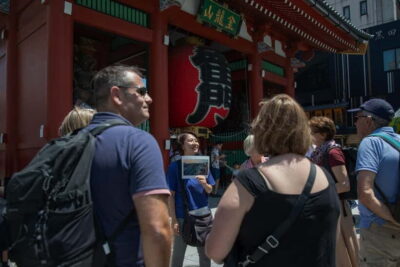 ★ 4.8Asakusa Walking Tour with Sensoji Temple VisitFrom $221,583 reviews
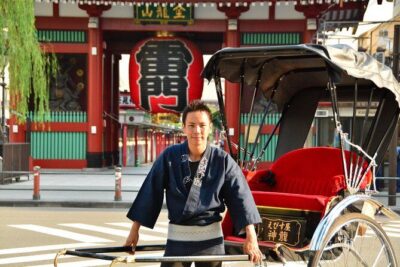 ★ 5.0Tokyo Asakusa Rickshaw TourFrom $421,375 reviews
 ★ 4.5Tokyo Panoramic 1 Day: Meiji Shrine, Asakusa, Odaiba and SKYTREE®From $851,222 reviews
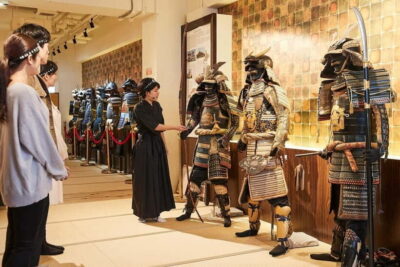 ★ 4.8Samurai Ninja Museum Asakusa: Samurai Sword Lesson & TourFrom $63306 reviews
Asakusa Sightseeing Tour by RickshawFrom $35195 reviews
Asakusa Kimono Dressing and Matcha ExperienceFrom $56173 reviews
★ 4.8Samurai Ninja Museum Asakusa: Samurai Sword Lesson & TourFrom $63306 reviews
Asakusa Sightseeing Tour by RickshawFrom $35195 reviews
Asakusa Kimono Dressing and Matcha ExperienceFrom $56173 reviews
Browse the lists this tour appears in