
Tokyo at night hits different when cars lead. You get a true C1 and Wangan highway drive, plus stops built around the legendary Daikoku and Tatsumi car culture. I love the street-to-expressway energy and the time you get to spot everything from classic JDM to seriously wild builds. One thing to keep in mind: this is a short, action-packed 4 hours, and food isn’t included, so plan on grabbing something after.
The whole experience is run by professional auto-industry folks with decades in the scene, speaking English, and keeping things comfortable and safe on the road. From what I’ve seen in guide styles like Shaon, Ali, Michael, David, and yoshi, the best part is the conversation: history of Japanese car culture, how the highways and meets work, and how it compares back home.
In This Review
- Key things you’ll notice right away
- Tokyo’s C1 and Wangan drive: the real reason you book this
- Daikoku and Tatsumi style meets: what you’ll actually see up close
- Rainbow Bridge: the quick skyline breath between car stops
- Tokyo Tower photo time: a classic Tokyo stop without ticket stress
- The guide experience: English conversation that makes the night click
- Price and what $112 really covers in 4 hours
- Logistics you should plan for before you go
- Who this tour suits best (and who should skip it)
- Final call: should you book the Daikoku Car Night & Meet JDM Experience?
Key things you’ll notice right away
- C1 and Wangan at night: the highway views are the point, not a side quest
- Daikoku-style car spotting: classic builds to absolutely wild machines, with real photo time
- Short scenic breaks: Rainbow Bridge and Tokyo Tower help reset your eyes between meets
- English-first guiding: guides like Shaon and Ali are set up to talk cars, not just drive
- Hotel pickup/drop-off inside Tokyo’s 23 wards: you avoid the hassle of figuring it out alone
Before you commit, see how this one stacks up against a few Tokyo favourites:
- Mt Fuji and Hakone 1-Day Bus Tour Return by Bullet Train★ 5.0 · 26,383 reviews
- 1-Day Tokyo Bus Tour★ 5.0 · 14,250 reviews
- Tokyo: teamLab Planets TOKYO Digital Art Museum Entry Ticket★ 4.6 · 9,779 reviews
Tokyo’s C1 and Wangan drive: the real reason you book this
If you’re a car person, Tokyo after dark is the fun version of the city. This tour puts you on the C1 and Wangan highways, which are famous for speed runs, skyline sightlines, and that unmistakable late-night Tokyo rhythm. Even if you’re not chasing lap times, the drive gives you perspective on how the city moves—fast, dense, and engineered for flow.
The value here is the mix of driving plus stopping. You’re not stuck behind glass for the whole evening. The plan is built around short “look and take photos” moments, then back to the highway so you keep momentum. And the guide’s job isn’t just commentary; it’s also practical—keeping the group safe and comfortable while dealing with night traffic.
One more detail I appreciated from the way the guides communicate: you’ll often get conversations that go beyond cars-as-fashion. People like Shaon and Michael are known for explaining the current state of the Japanese car scene and how it shaped what you see at the meets. You’ll likely leave with a better sense of why certain styles dominate, and what’s changing now.
Daikoku and Tatsumi style meets: what you’ll actually see up close
Daikoku Parking Area is the heart of this kind of night. On this tour, you get about 1.5 hours there, with time for photos and free exploring in the car-focused space. The best part isn’t just seeing cars—it’s seeing the variety in the same place. You can expect everything from classic Japanese makes to the builds that look like they’re part art project, part street machine.
You’ll also feel the difference between a casual car meet and a real JDM hub. The atmosphere is more intense: owners and fans are scanning, chatting, taking videos, and pointing out details. That’s where the guide adds real value. When someone like Ali or David talks you through what you’re looking at, it turns random parking-row photos into a story you understand.
The tour also frames things around Tatsumi as part of the broader car-meet circuit. Even if your exact time split can vary by night, the idea stays the same: you’re going to car culture epicenters, not generic viewpoints.
A practical note: bring your camera and be ready to walk a bit. The time is long enough to do photos properly, but this isn’t a sit-and-watch tour.
Rainbow Bridge: the quick skyline breath between car stops
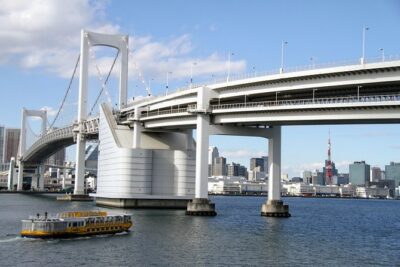
Not every stop needs to be long to matter. You’ll pass Rainbow Bridge as a scenic interlude, with a short 10-minute window for sightseeing views. The goal isn’t shopping or a museum visit. It’s the skyline and the sense of Tokyo moving around you.
Why that helps: after the excitement of Daikoku-style meets, you get a breather where the focus shifts from engines and styling to the city itself. It also gives you a different kind of photo—night skyline shots that you’ll actually remember when you’re back home sorting car pictures.
This segment is also useful for your timing. It keeps the tour rhythm smooth, so you don’t feel rushed at the key car locations.
Tokyo Tower photo time: a classic Tokyo stop without ticket stress
Tokyo Tower shows up near the end, with a 30-minute break that mixes photo stops, sightseeing, and shopping time. This is one of those “easy win” stops: you get the landmark vibe, plus time to breathe and reset.
Two important practical points:
- Tokyo Tower entry tickets are not included, so you should treat this as mostly viewing and photo time.
- The included break time matters after highway + meet walking. You’ll probably want it.
If you’re traveling with someone who isn’t a hardcore car enthusiast, this stop gives them something familiar to enjoy. And if you are a car enthusiast, it still works because it’s not competing with the meets—it’s balancing the night so the whole tour doesn’t feel like one long car-spotting marathon.





The guide experience: English conversation that makes the night click
The transport might be the headline, but the guide is what makes it memorable.
Across the guides I’m drawing from—Shaon, Ali, Michael, David, and yoshi—the recurring theme is easy, friendly communication in English. You’re not just being transported between spots. You’re being explained the why behind the sights. That’s especially helpful for first-timers who don’t already know how JDM meets operate, what people are looking for, and how the scene connects to the wider Japanese car industry.
You’ll also hear practical driving context. Some guides talk about how highways are maintained and how Tokyo driving works in daily life. That matters because it helps you connect the night spectacle to real infrastructure and real culture.
One more detail worth calling out: the tours are described as feeling safe and comfortable on the drive. That’s not a small thing in Tokyo traffic, especially at night. If you want adrenaline without stress, this format is designed for that balance.
Price and what $112 really covers in 4 hours
For $112 per person, you’re buying a tight bundle: hotel pickup and drop-off (within Tokyo’s 23 wards), an English-speaking driver, access to the car scene at Daikoku, and entry related to the Koto area. You also get the highway drive experience and the planned scenic stops.
Is it cheap? No. But it’s also not just a taxi ride plus a photo stop. You’re paying for two things that are hard to DIY:
- Getting into the right areas with the right timing for a night meet vibe
- Having an English guide who can talk cars and help you understand what you’re seeing
What’s not included is also clear. Food and drinks are not included, and Tokyo Tower entry tickets are not included. So budget for snacks or a meal after the tour if you get hungry. A lot of people end up doing exactly that because the tour is designed to stay focused on driving and meets.
One logistics consideration: if your pickup location is outside Tokyo’s 23 wards, there are extra charges (listed as 5,000 to 20,000 yen, depending on area). If you’re staying near central Tokyo, you’ll usually avoid that.
Logistics you should plan for before you go
This tour is built around an evening schedule, so small timing details matter.
- You’ll wait in your hotel lobby and should be ready about 10 minutes before pickup.
- Drivers wait up to 60 minutes after the scheduled pickup time. Traffic can affect timing on Tokyo highways, so give yourself a little buffer.
- Pickup is included in Tokyo’s 23 wards; airports and ports aren’t picked up.
Also, yes, wheelchair accessibility is listed, so it’s worth asking if you have mobility needs when you confirm. The tour duration is 4 hours, so even with access, it helps to know the walking and photo time involved at the meet spots.
Finally: wear comfortable shoes and bring a camera. The meet stops are photo-first for a reason.
Who this tour suits best (and who should skip it)
This is a strong fit for:
- JDM fans who want a structured night out without guessing where to go
- People who love seeing a range of builds in one place, not just one car model
- First-timers who want context on Japanese car culture and how it’s evolved
- Anyone who wants highway views plus landmark photos in the same evening
It’s less ideal if:
- You’re mainly interested in museum-style sightseeing, since the focus is clearly car culture and nighttime driving
- You need lots of food time, because snacks and drinks are on you
- You’re traveling with very limited mobility and want a mostly seated experience (the tour does include meet time and sightseeing walking)
There’s also a listed limitation: it’s not suitable for people over 95 years.
Final call: should you book the Daikoku Car Night & Meet JDM Experience?
I think you should book if you want a memorable Tokyo night built around the things that make JDM culture feel real: highway cruising, car-meet access, and an English guide who can explain what you’re seeing. The tour earns its price by handling the hard parts—timing, access, and interpretation—so you can focus on photos, the drive, and the conversation.
Skip it if you only want Tokyo landmarks and don’t care about car culture. The Tokyo Tower time is helpful, but it’s not the main event. And if you hate paying out for extras, remember food and Tower entry aren’t included.
If you’re on the fence, choose based on one question: do you want Tokyo’s skyline, or do you want Tokyo’s skyline plus engines?
More Tour Reviews in Tokyo



Fresh reviews from around Tokyo






Tokyo, compared.
 ★ 5.0Mt Fuji and Hakone 1-Day Bus Tour Return by Bullet TrainFrom $16326,383 reviews
 ★ 5.01-Day Tokyo Bus TourFrom $12914,250 reviews
 ★ 4.6teamLab Planets TOKYO Digital Art Museum Entry TicketFrom $259,779 reviews
 ★ 4.0Mt Fuji & Hakone Cruise, Drum Show Bullet Train 1 Day from TokyoFrom $1497,413 reviews
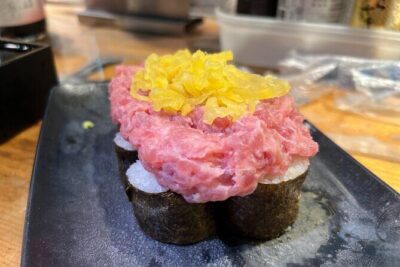 ★ 5.0Shinjuku Food Tour (13 Dishes at 4 Local Eateries)From $866,603 reviews
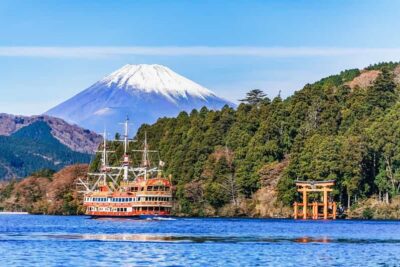 ★ 4.4Tokyo Mt Fuji 5th St & Hakone Cruise Bus Tour w/Bullet TrainFrom $1545,024 reviews
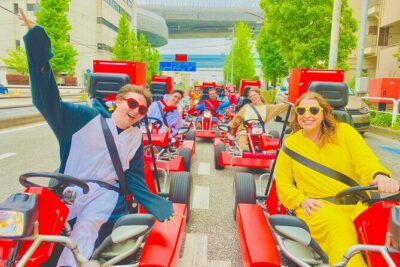 ★ 5.0Flagship 2-Hours Official Street Go-Kart Tour – Tokyo Bay ShopFrom $644,974 reviews
 ★ 4.5From Tokyo: Mount Fuji Full-Day Sightseeing TripFrom $684,970 reviews